
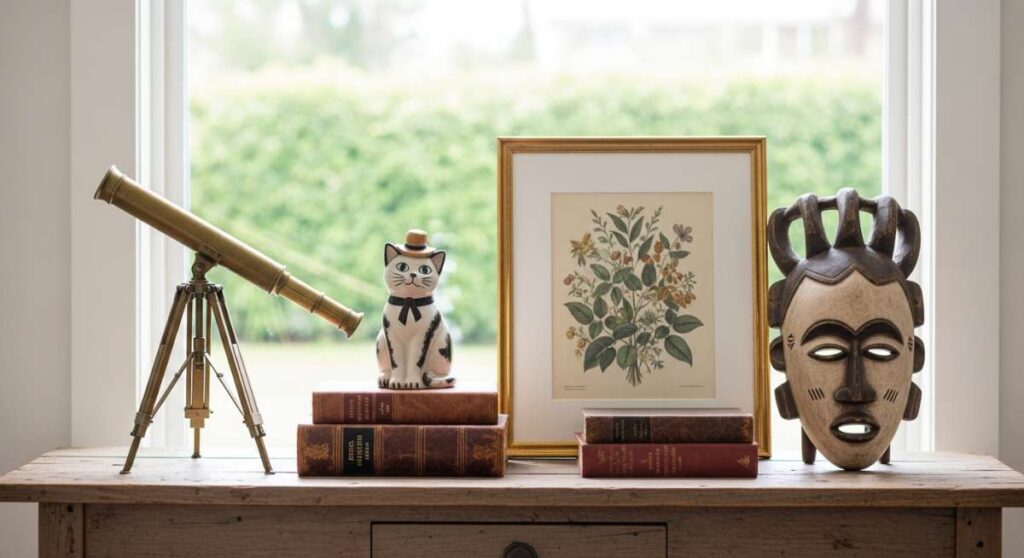
Have you ever walked into a room and felt like you were stepping into a curated dreamscape? There is a certain magic in the hunt, a specific kind of adrenaline that surges when you spot a tarnished brass telescope or a velvet-lined jewelry box buried beneath a pile of mass-produced plastic at a local thrift shop. Thrifting oddities isn’t just about saving money; it’s about reclaiming your narrative and surrounding yourself with objects that have lived a thousand lives before they met yours. It’s the art of the ‘find,’ and it’s the quickest way to turn a house into a home that breathes with personality and wit.
We live in an era of ‘beige-ification,’ where every living room looks like a carbon copy of a furniture catalog. But your soul isn’t beige, is it? Embracing a quirky, one-of-a-kind lifestyle means giving yourself permission to be weird, to be bold, and to let your home be a physical manifestation of your wildest curiosities. Whether it’s a hand-painted ceramic cat or a mid-century modern lamp that looks like a UFO, these oddities are the conversational spark plugs that turn a mundane Tuesday evening into an aesthetic experience. Let’s dive into how you can transform your space from ‘standard’ to ‘extraordinary’ using the power of the thrifted and the strange.
How to Curate a Funky Eclectic Living Room for Maximum Personality
Why we love this
There is a decadent richness in a living room that defies the rules of ‘matching,’ where the air smells of old book paper and sandalwood candles. When you sink into a plush, mismatched armchair, the texture of velvet against your skin contrasts beautifully with a nearby rough-hewn wooden chest, creating a tactile symphony. This style of curation feels like a warm hug from a stylish eccentric aunt; it is vibrant, unapologetic, and layered with visual ‘flavor’ that keeps the eye moving from one curious corner to the next, ensuring that boredom never finds a place to sit down.
Essential Elements:
- A ‘hero’ piece of furniture in a bold jewel tone (emerald, mustard, or sapphire).
- Layered rugs with clashing but complementary patterns.
- Brass or metallic accents to catch the light.
- A collection of vintage throw pillows in varying fabrics.
- Houseplants in unusual ceramic vessels.
How to make it
- Start with your ‘base’ layer by positioning your largest piece of furniture—usually a sofa—as the anchor of the room. Think of this as your primary ingredient; it needs to be substantial and high-quality.
- Season the space with ‘visual heat’ by layering rugs. Place a large jute rug down first, then angle a smaller, colorful Persian-style rug on top to create a sense of movement and depth.
- Slow-cook the walls by adding art pieces one by one rather than all at once. Wait for the ‘visual cue’ of a blank space feeling too cold before adding a gold-framed mirror or a macramé hanging.
- Simmer the lighting by replacing harsh overhead bulbs with warm-toned lamps at different heights. The ‘doneness’ of the room is achieved when there are no dark, uninviting corners.
- Garnish the coffee table with ‘oddity clusters’—three objects of different heights, such as a crystal bowl, a stack of art books, and a strange brass figurine.
How to Style Quirky Art for a Gallery Inspired Home
Why we love this
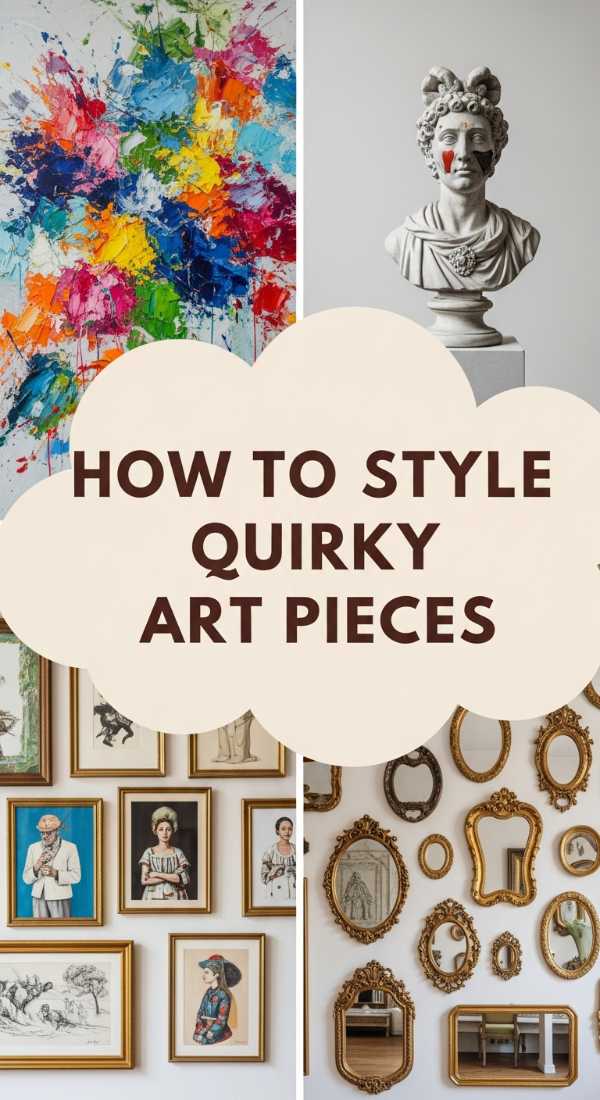
Walking into a home filled with quirky art is like reading a visual poem; it evokes a sense of wonder and prompts questions you didn’t know you had. The smooth glass of a framed surrealist print catches the afternoon sun, casting a soft glow over a textured oil painting of a lobster in a tuxedo. This approach to decor celebrates the ‘imperfections’ of the human experience, turning every wall into a vibrant museum of your personal taste where the ‘aroma’ of creativity is palpable and the atmosphere is perpetually inspired.
Essential Elements:
- Mismatched vintage frames (gilded, wooden, and painted).
- Original oil paintings found at estate sales.
- Botanical illustrations or anatomical sketches.
- 3D wall art like ceramic plates or wooden masks.
- Proper gallery-style lighting or picture lights.
How to make it
- Prep your ‘canvas’ by choosing a focal wall and laying out your art collection on the floor to visualize the composition. This prevents ‘scorching’ the wall with unnecessary nail holes.
- Measure the ‘temperature’ of the frames. Mix warm woods with cool metals to create a balanced aesthetic. Ensure the spacing between pieces is consistent—usually 2 to 3 inches.
- Execute the ‘hang’ by starting with your largest ‘meat’ piece in the center and radiating outward with smaller ‘side dish’ sketches and prints.
- Introduce ‘texture’ by incorporating non-flat items. A small wooden shelf holding a tiny bust adds a 3D element that makes the gallery wall pop.
- Check for ‘visual doneness’ by stepping back and squinting. If one side feels ‘heavy’ or visually overwhelming, swap a dark frame for a lighter one until the balance feels organic and fluid.
How to Incorporate Whimsy Home Decor for a Dreamy Atmosphere
Why we love this
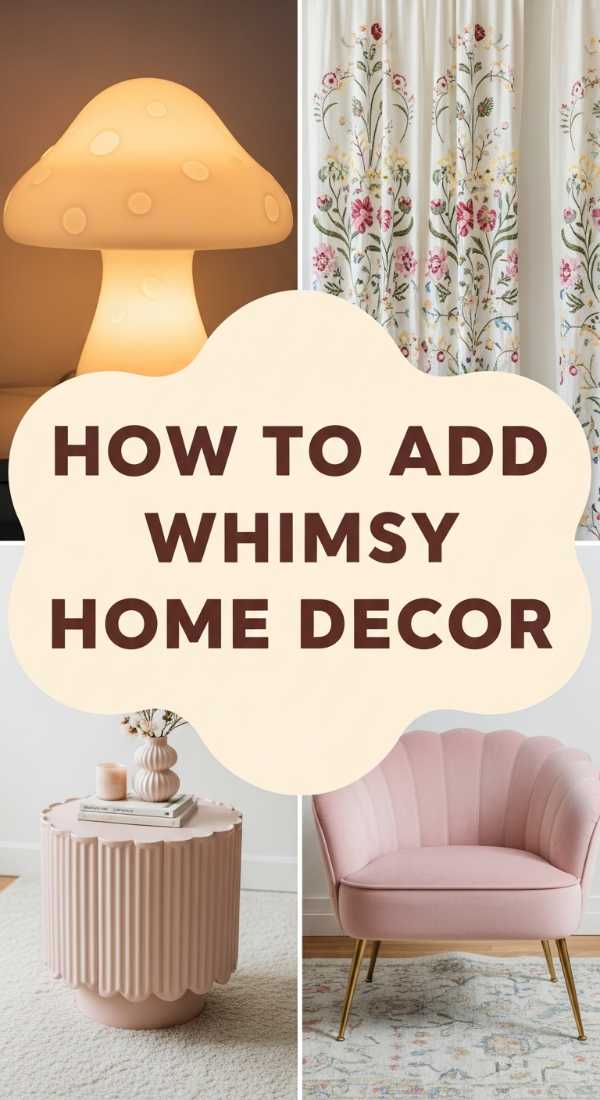
Whimsy is the secret ingredient that softens the edges of a hard world, bringing a soft, marshmallow-like sweetness to your daily routine. Imagine the feeling of a faux-fur stool under your feet and the delicate chime of a capiz shell mobile moving in the breeze—it creates an ethereal, dream-like state. This style is about the ‘sensory crunch’ of unexpected joy, using light, texture, and shape to suggest that your home exists slightly outside of time, where magic is not only possible but expected.
Essential Elements:
- Mushroom-shaped lamps or stools.
- Iridescent glass vases and bowls.
- Fairy lights or neon ‘cloud’ signs.
- Feathered or scalloped textures in textiles.
- Pastel color palettes mixed with white.
How to make it
- Infuse the room with ‘lightness’ by hanging sheer curtains that catch the wind. This sets the base ‘aroma’ of the room to airy and fresh.
- Apply ‘glow’ by tucking small battery-operated LEDs into glass cloches or jars. This creates ‘simmering’ pockets of light that appear as the sun goes down.
- Whisk in the ‘oddities’ by placing unexpected shapes in prominent places, like a giant ceramic strawberry on a bookshelf. This acts as the ‘acid’ in the design, cutting through the sweetness with a bit of funk.
- Layer ‘softness’ using high-pile rugs and velvet cushions. The ‘visual cue’ for success is a space that looks like it is made of clouds.
- Finalize the ‘flavor’ by adding a scent—lavender or vanilla—to reinforce the dreamy, whimsical feeling through the sense of smell.
How to Build a Quirky Fashion Wardrobe for Individual Expression
Why we love this
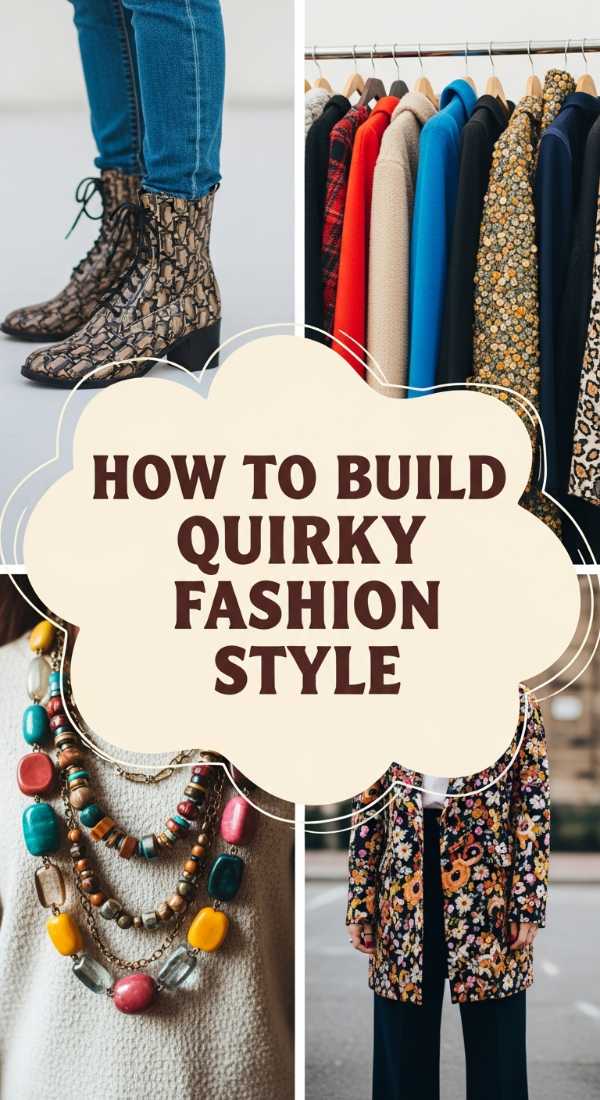
Dressing with quirk is like wearing your inner world on your sleeve; it’s a tactile celebration of silk, wool, and sequins that tells a story before you even speak. We love the way a vintage brooch feels heavy and significant against a thrifted blazer, or how a pair of bright patterned socks adds a ‘zest’ to a professional outfit. It’s a sensory experience of confidence, where the crisp rustle of a vintage skirt and the bold visual of clashing prints combine to create a signature ‘look’ that is entirely, authentically you.
Essential Elements:
- Vintage silk scarves with eccentric prints.
- Oversized blazers with unique buttons.
- Statement footwear (colorful boots or patterned loafers).
- Chunk jewelry and heirloom-style pieces.
- A mix of high-quality natural fabrics (linen, silk, wool).
How to make it
- Sift through your current closet to find ‘base grains’—high-quality basics that can be ‘spiced up’ with accessories.
- Marinate your outfit by choosing one ‘wild card’ item, like a sequined vest, and building the rest of the look around it to ensure it remains the star.
- Apply ‘layers’ for depth. A turtleneck under a slip dress adds a professional ‘sear’ to a nighttime look, making it versatile for all-day wear.
- Monitor the ‘clash level.’ If you are mixing patterns (like stripes and florals), keep them in the same color family to ensure the ‘flavor’ isn’t too overwhelming for the eye.
- Finish with ‘hardware’—belts, pins, and hats act as the ‘seasoning’ that ties the entire ensemble together. The ‘doneness’ is reached when you look in the mirror and smile.
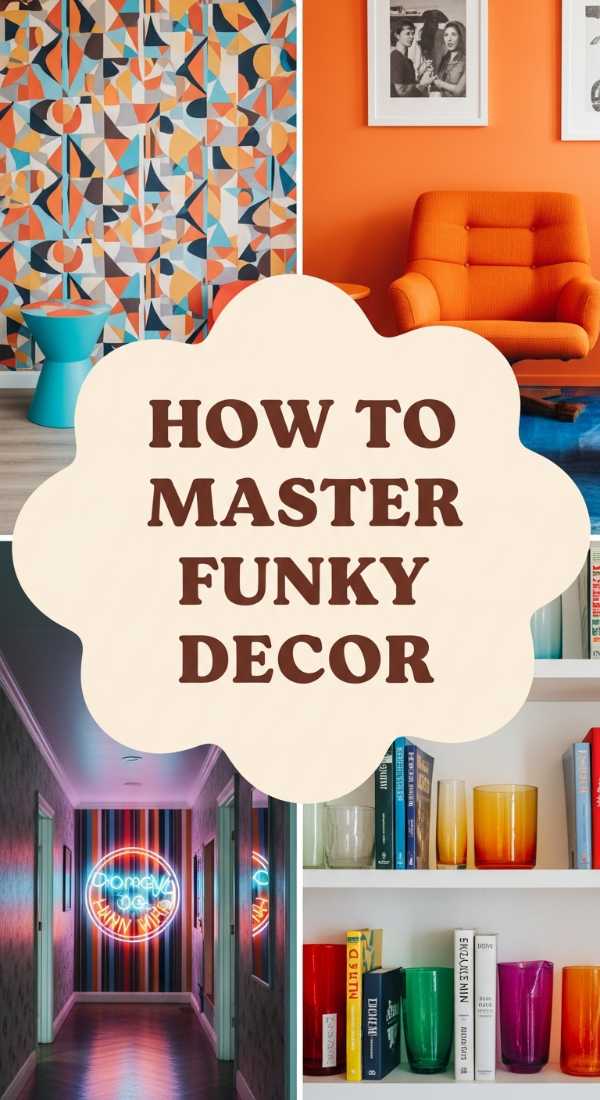
How to Master Funky Decorating Ideas for a Vibrant Space
Why we love this
A vibrant space acts like a shot of visual caffeine, waking up your senses the moment you step through the threshold. The air feels electric when neon pinks meet electric blues, creating a high-energy ‘pulse’ that fuels creativity and conversation. We love the way a glossy, lacquer-finished table reflects the bold colors of the room, adding a ‘slippery’ visual texture that feels modern yet playful, ensuring your home is a sanctuary of optimism and high-voltage style.
Essential Elements:
- High-gloss furniture or painted accents.
- Primary color blocking (red, blue, yellow).
- Graphic patterns like checkers or zig-zags.
- Acrylic or ‘ghost’ furniture.
- Bold, oversized floral arrangements.
- Neon wall signs.
How to make it
- Prepare the ‘base heat’ by painting one ‘accent’ wall in a daring, saturated hue like cobalt or magenta.
- Incorporate ‘visual snap’ by adding black and white geometric patterns (like a checkered rug or pillow). This ‘tempers’ the bright colors so they don’t become ‘bitter.’
- Distribute the ‘energy’ by placing colorful glass objects on windowsills where the light can ‘cook’ through them, casting colored shadows across the floor.
- Balance the ‘solids.’ If you have a vibrant sofa, use neutral pillows to ‘cool down’ the intensity, or go full ‘high-heat’ by doubling down on contrasting colors.
- The ‘visual cue’ for a finished vibrant space is a sense of balance where no single color ‘burns’ out the others, but all sing together in a loud, happy chorus.
How to Design a Funky Home Office for Creative Flow
Why we love this
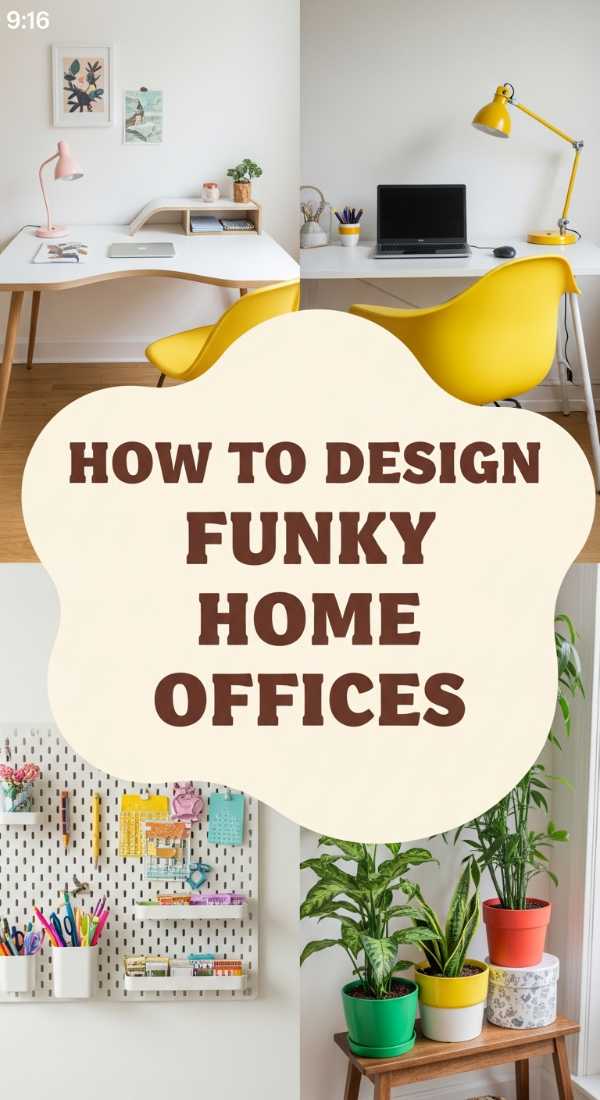
A funky home office is the ultimate ‘think tank,’ a place where the woodsy scent of sharpened pencils meets the cool, industrial feel of a vintage metal desk. It’s about creating an environment that doesn’t feel like ‘work,’ but rather like a laboratory for your ideas. The tactile click of an old typewriter or the smooth rotation of a globetrotter’s map provides a sensory grounding that helps the mind wander into new territories, making the daily grind feel like a grand adventure in a bespoke studio.
Essential Elements:
- An antique or uniquely shaped desk.
- A comfortable chair upholstered in an unexpected fabric.
- Open shelving for displaying curios and books.
- Inspirational ‘mood boards’ or cork panels.
- Task lighting with a vintage industrial aesthetic.
How to make it
- Set the ‘workflow temperature’ by positioning your desk near natural light, which acts as the ‘yeast’ for your productivity.
- Organize your ‘ingredients’ using quirky containers—think vintage tea tins for pens or ceramic bowls for paperclips. This keeps the ‘countertop’ clear for work.
- Add ‘inspiration layers’ by pinning postcards, fabric swatches, and quotes to a wall. This is like ‘proofing’ your ideas before they are ready to bake.
- Introduce ‘sensory breaks’ like a fidget toy or a beautiful art book to ‘cleanse the palate’ between deep-focus sessions.
- Monitor the ‘clutter level.’ A funky office should be ‘seasoned,’ not ‘over-salted.’ If you can’t find your keyboard, it’s time to reduce the ‘reduction.’
How to Source Quirky Home Decor for a One of a Kind Look
Why we love this
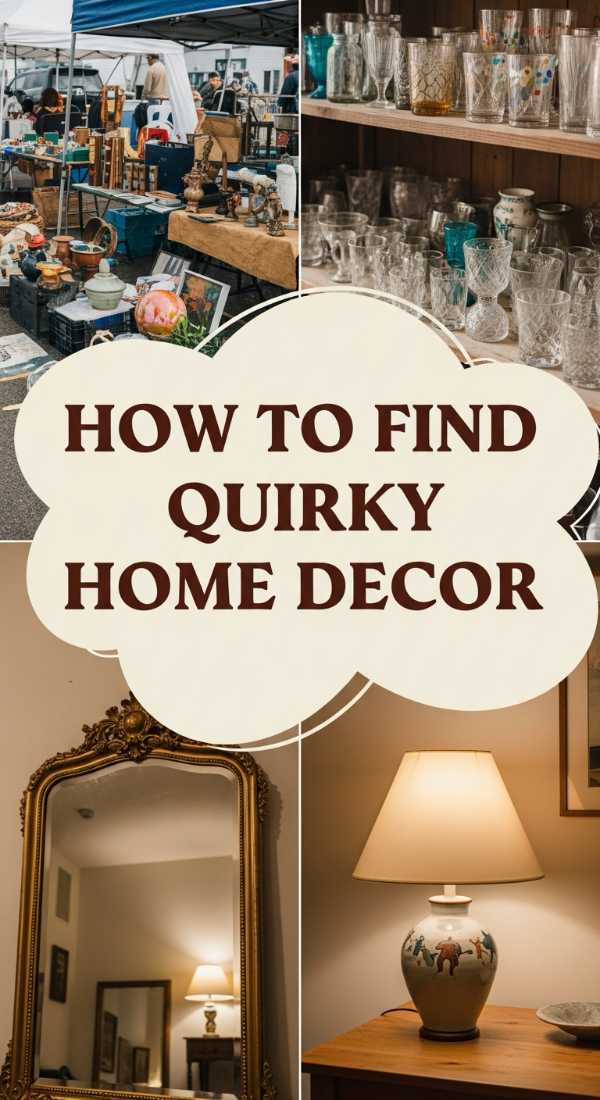
The act of sourcing is a sensory treasure hunt where the smell of ‘old’—a mix of cedar, dust, and history—becomes an intoxicating lure. Running your hands over the cool marble of a discarded bust or the rough grain of a handmade chair is a physical connection to the past. We love the thrill of the ‘unearthing,’ the moment you pull a hidden gem from a cluttered shelf and realize it’s the exact ‘spice’ your living room has been missing, proving that the best things in life aren’t manufactured, they are discovered.
Essential Elements:
- A list of local thrift shops, estate sale apps, and flea markets.
- A ‘measuring tape’ and photos of your space for scale.
- Cash (for better bargaining power).
- A keen eye for ‘good bones’ beneath ugly paint.
- A vehicle with plenty of cargo space.
How to make it
- ‘Preheat’ your search by checking online listings for estate sales early in the week. The ‘best cuts’ are usually gone within the first hour of the sale.
- ‘Sift’ through the junk. Look past the ‘grime’ and focus on the shape, material, and weight of an object. Real wood and brass are ‘premium ingredients’ worth the effort.
- ‘Haggle’ with respect. Think of this as ‘balancing the flavors’ of the deal. Start with a fair but lower offer and ‘simmer’ until both parties are happy.
- ‘Transport’ with care. Use blankets and straps to ensure your ‘fragile ingredients’ don’t break on the way home.
- The ‘visual cue’ of a great find is a piece that makes your heart beat slightly faster—if it doesn’t spark ‘heat’ in your chest, leave it for someone else.
How to Use Funky Decorating Ideas for Small Apartment Living
Why we love this
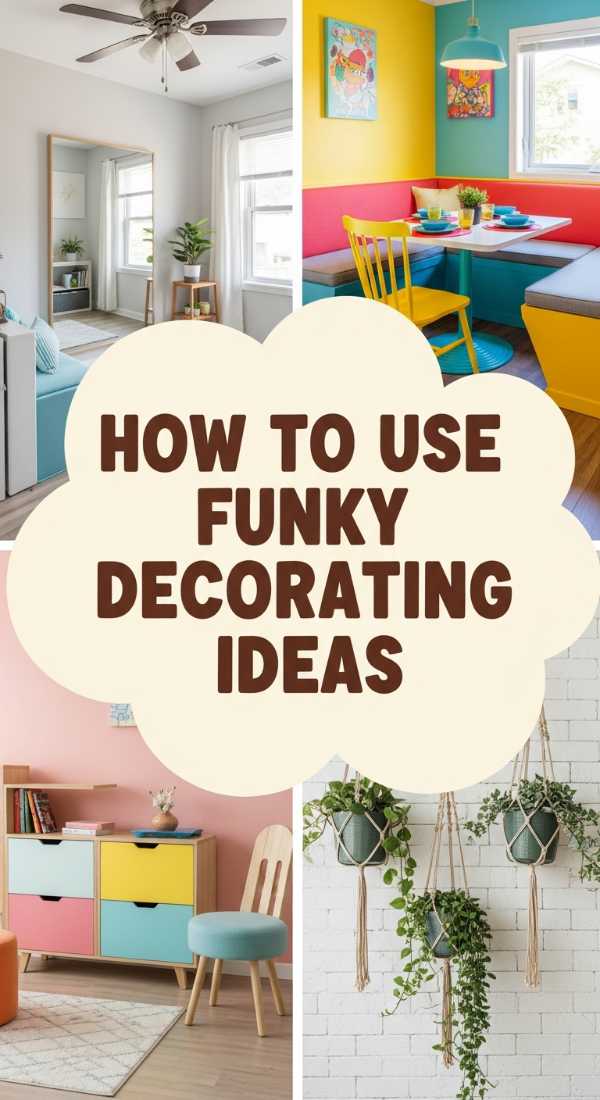
Small apartments are like ‘concentrated flavors’—they require more precision but offer a more intense experience. We love how a tiny studio can be transformed into a jewel box through the use of bold wallpaper and vertical ‘oddity’ displays. The feeling of being surrounded by a carefully curated collection of things you love creates a cozy, ‘sous-vide’ environment where everything is within reach and every square inch is packed with personality and warmth, proving that size has nothing to do with style.
Essential Elements:
- Multi-functional furniture (storage ottomans, folding tables).
- Large mirrors to ‘double’ the visual space.
- Vertical shelving that reaches the ceiling.
- Bright, reflective accents to bounce light.
- Clear acrylic furniture to minimize visual ‘weight.’
How to make it
- ‘Reduce’ the clutter by adopting a ‘one in, one out’ rule. This keeps the apartment from ‘boiling over’ into a mess.
- Maximize the ‘vertical pan’ by hanging shelves high above eye level. Use these to display your ‘oddities’ so they don’t take up valuable ‘counter space.’
- ‘Brighten the broth’ by using light colors on the walls and floors, then adding ‘pockets’ of funky color through small accessories.
- Use mirrors as ‘visual windows.’ Placing a large thrifted mirror opposite a real window ‘stretches’ the room like dough.
- The ‘doneness’ of a small space is achieved when it feels ‘full’ but not ‘cramped’—you should be able to move freely without bumping into your ‘decor.’
How to Achieve a Funky Home Entrance for a Grand Arrival
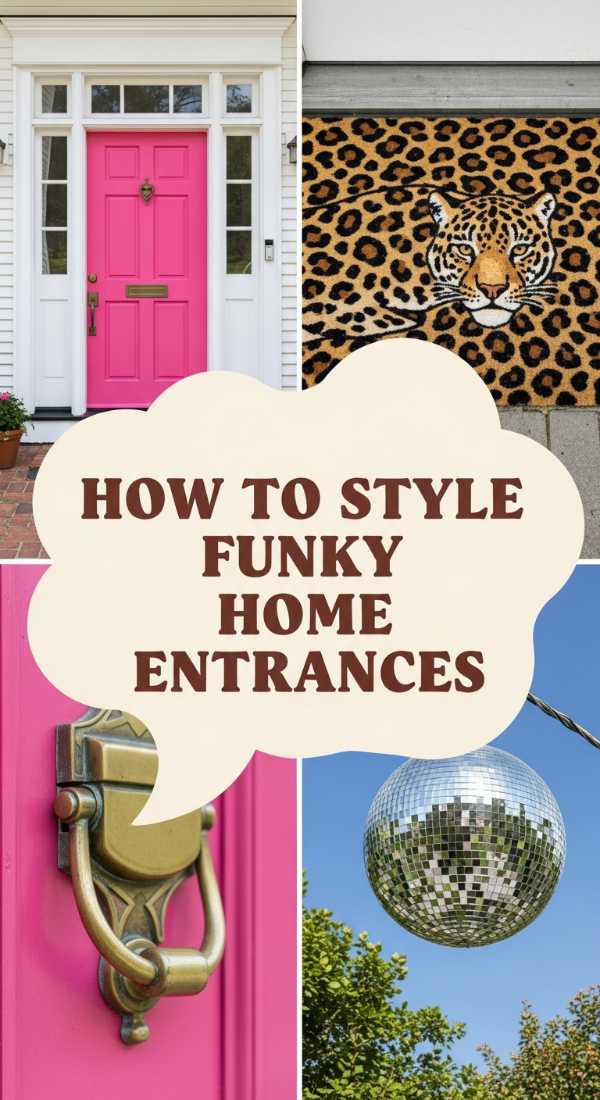
Why we love this
The entrance is the ‘appetizer’ of your home; it sets the tone for the entire meal. A funky entrance, with its bold patterns and unexpected ‘welcome’ items, creates an immediate sensory shift from the outside world. We love the feeling of stepping onto a colorful, patterned rug and being greeted by a vintage brass umbrella stand or a wall of eccentric hats—it’s an instant ‘flavor profile’ that tells your guests they are in for something special, leaving a lingering ‘aftertaste’ of curiosity and charm.
Essential Elements:
- A statement rug or runner.
- A vintage console table or small chest.
- A large, ornate mirror.
- Unique coat hooks or a sculptural coat rack.
- A signature scent (diffuser or candle).
How to make it
- ‘Sear’ the first impression by painting the inside of your front door a surprising color, like sunshine yellow or deep plum.
- Add ‘texture’ to the floor with a rug that can handle ‘heavy heat’ (foot traffic) but still looks ‘delicious.’
- Install ‘visual hooks.’ Use mismatched vintage knobs as coat hooks to create a functional ‘garnish’ on the wall.
- ‘Simmer’ the ambiance with a small lamp on the console table. Avoid ‘harsh boiling’ overhead lights in the entryway.
- Finish with a ‘fragrance garnish.’ A high-quality reed diffuser near the door ensures the first ‘breath’ of your home is inviting.
How to Mix Home Design Styles for a Quirky Result
[IMAGE_10]
Why we love this
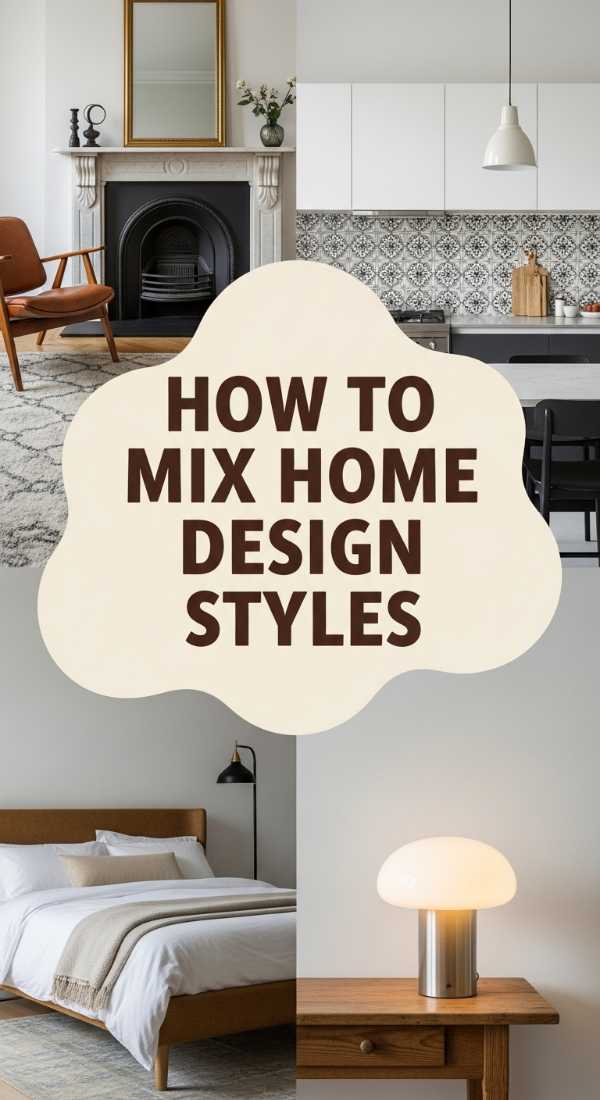
Mixing styles is the ‘fusion cuisine’ of home decor—it’s where the unexpected becomes the unforgettable. There is a delicious tension when the sleek, cold lines of Mid-Century Modern furniture meet the ornate, ‘spicy’ details of a Victorian gilded frame. This approach creates a complex ‘palette’ for the eyes, where different eras and textures ‘marry’ to create a space that feels timeless rather than dated, offering a sensory depth that keeps the room feeling fresh and evolving over time.
Essential Elements:
- Items from at least three different design eras (e.g., 70s, Industrial, Baroque).
- A unifying ‘base’ color to tie different styles together.
- Consistent ‘weight’—don’t pair a tiny chair with a massive table.
- Varied textures (rough wood, smooth metal, soft fabric).
- Confidence to break the rules.
How to make it
- Identify your ‘base stock’—the dominant style of the room (e.g., 60% Modern).
- Add your ‘acid’—the contrasting style (e.g., 30% Antique). This ‘cuts’ through the uniformity.
- ‘Emulsify’ the two styles by using a common color. If you have a modern blue sofa and a vintage blue vase, they will ‘bind’ together perfectly.
- Check the ‘balance.’ If a room feels too ‘salty’ (too much of one style), add a ‘sweet’ piece from a completely different era to neutralize it.
- The ‘visual cue’ for a successful mix is a room that looks like it has been ‘slow-cooked’ over decades, rather than bought in a single afternoon.
The Joy of a Lived-In Oddity
In the end, curating a one-of-a-kind lifestyle isn’t about following a set of strict rules; it’s about following your gut. It’s about that specific feeling in your chest when you find something that is weird, wonderful, and perfectly *you*. Your home should be a collection of stories, a gallery of your adventures, and a sanctuary where ‘perfection’ is traded for ‘personality.’ So go ahead, buy the weird lamp, hang the strange art, and let your home be as beautifully eccentric as you are.