
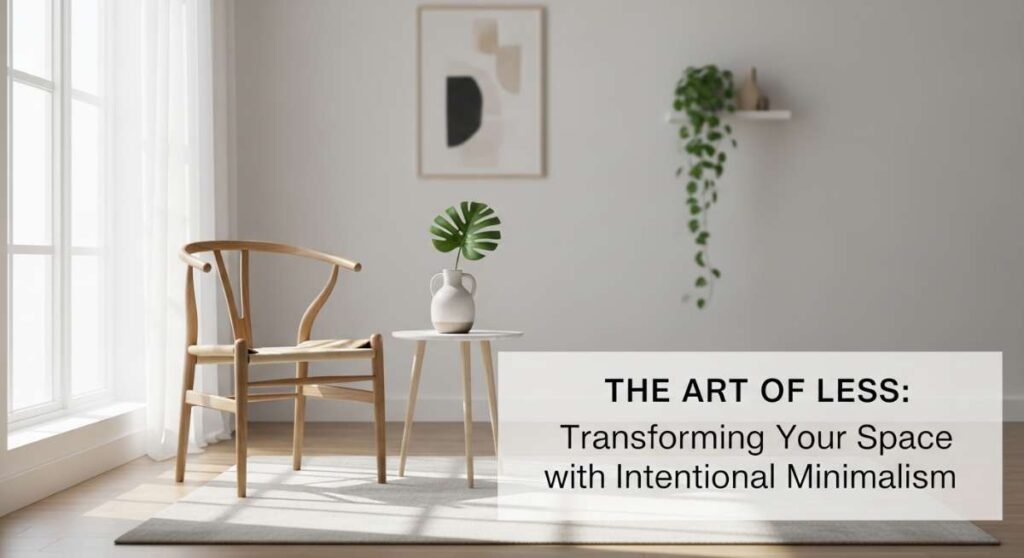
Have you ever walked into a room and felt like you could finally, truly breathe? For years, I lived in a home that felt more like a warehouse for ‘maybe-one-day’ items than a sanctuary. The clutter wasn’t just physical; it was a constant hum of mental noise that followed me from the kitchen to the bedroom, making it impossible to recharge. I realized that my environment was a direct reflection of my internal state—crowded, frantic, and overwhelmed.
The shift to intentional minimalism wasn’t about stripping everything away until the walls were bare and cold. It was about discovering the ‘art of less’—the practice of keeping only what serves a purpose or brings genuine joy. When we curate our spaces with intention, we aren’t just decorating; we are creating a container for the life we want to lead. It’s about finding that perfect balance where every object has room to breathe, and every corner of your home feels like an invitation to rest.
Today, I want to share how you can transform your own space into a haven of serenity. From the way the morning light hits a single, perfectly placed ceramic vase to the tactile comfort of a linen throw, minimalism is a sensory experience. Let’s dive into how you can ‘cook up’ a home that feels light, luxurious, and deeply restorative.
How to Optimize Minimalist Living Room Small Spaces for Pure Serenity

Why we love this
There is a profound sense of relief in a small room that doesn’t feel cramped. We love this approach because it treats space as a luxury rather than a limitation. Imagine the soft scent of white tea and thyme lingering in the air while you run your hand over a smooth, cool marble coffee table. The visual silence of a neutral palette allows your eyes to rest, while the gentle transition of textures—from a plush wool rug to the crispness of cotton curtains—creates a multi-dimensional feeling of calm that expands the room’s energy.
Essential Elements:
- Multi-functional low-profile furniture
- A monochromatic color palette (creams, sands, and soft greys)
- Sheer linen window treatments
- Large-scale mirrors to bounce natural light
- A single ‘hero’ art piece with ample white space
How to make it
- Clear the Base: Start by removing every item from the room until you are left with a raw, empty ‘pan.’ This allows you to see the true proportions of the space without the ‘flavor’ of previous clutter.
- Set the Foundation: Lay down a large, neutral-toned rug that extends to within 6 inches of the walls. This visual anchor prevents the room from feeling ‘chopped up’ and creates a seamless floor plane.
- Arrange the Anchors: Place your largest furniture pieces—the sofa and a slim-profile chair—first. Ensure there is at least 18 inches of walking space between items to maintain ‘airflow’ within the room’s layout.
- Balance the Light: Position mirrors directly across from your primary light source. The ‘doneness’ cue here is when the light feels evenly distributed into the darker corners of the room without being harsh.
- Garnish with Purpose: Add exactly three decorative items to your coffee table. Use the ‘rule of thirds’—a book, a candle, and a small organic element like a stone—to create a curated, high-end finish.
How to Create a Cozy Minimalist Sanctuary for Seasonal Warmth
Why we love this
Minimalism can sometimes feel cold, but the ‘cozy’ variety is like a warm hug for your soul. It’s the feeling of a heavy knit blanket against your skin while the aroma of cedarwood and amber fills the room. We love this because it focuses on ‘warm’ minimalism—using natural woods and soft, amber-toned lighting to create a glow that feels like golden hour all day long. It is the art of making a sparse room feel incredibly full of life and comfort through sensory layering.
Essential Elements:
- Natural oak or walnut wood accents
- Chunky hand-knit throws
- Warm-toned LED bulbs (2700K)
- Soy wax candles in ceramic vessels
- A palette of oatmeal, terra cotta, and soft gold
How to make it
- Prep the Temperature: Replace any ‘cool’ white bulbs with warm-spectrum lighting. This is the ‘preheating’ phase of your room; without the right light, the textures will look flat and uninviting.
- Layer the Textures: Drape a heavy knit throw over the corner of a structured linen sofa. The contrast between the rigid lines of the furniture and the soft drape of the fabric creates a visual ‘flavor’ of effortless comfort.
- Introduce Natural Grain: Bring in a wooden side table or a set of oak coasters. The raw texture of the wood adds a grounding, organic element that ‘seasons’ the room with warmth.
- Simmer with Scent: Light a wood-wick candle. The crackling sound and the earthy scent provide the auditory and olfactory cues that signal your brain it is time to relax.
- Monitor the Mood: Adjust your ‘heat levels’ by adding or removing layers until the room feels cozy but not crowded. If the surfaces look busy, pull back one item until the ‘visual taste’ is balanced.
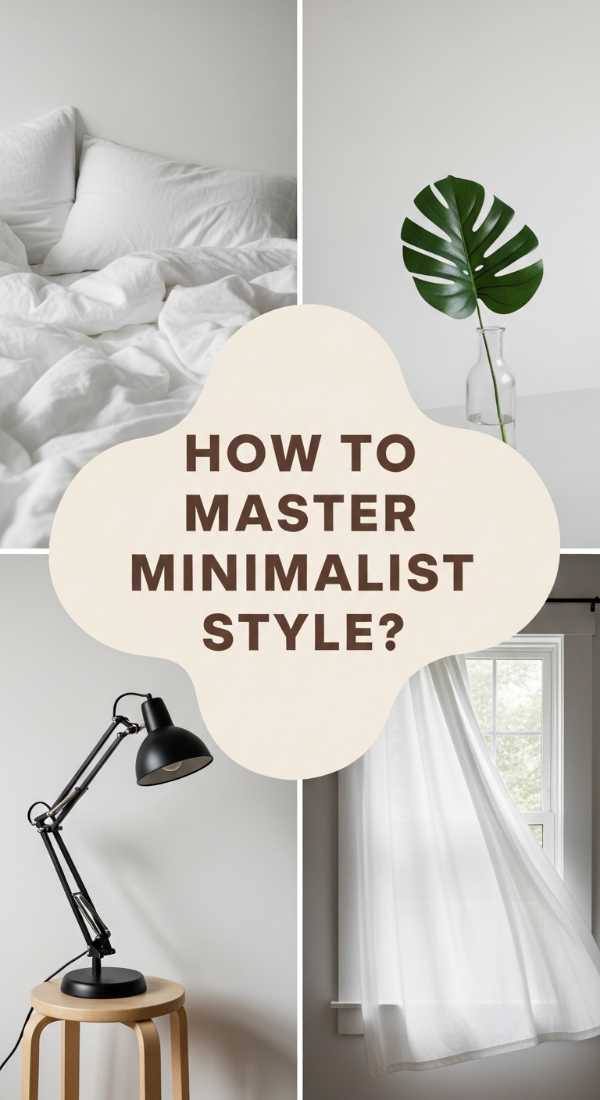
How to Master Room Decor Minimalist Style for Better Sleep
Why we love this
The bedroom should be a palette cleanser for the mind. We love this style because it eliminates the visual ‘static’ that keeps us awake at night. Imagine sinking into high-thread-count cotton sheets that feel like a cool breeze, surrounded by walls painted in a soft, matte mist. The air feels cleaner, the shadows are softer, and the absence of electronics creates a digital detox zone. It’s about creating a space where the only thing on the menu is deep, restorative rest.
Essential Elements:
- All-white or tonal grey bedding
- Hidden storage (under-bed or built-in)
- Blackout curtains in a heavy, matte fabric
- Solid wood bedside tables with drawers
- Lavender linen spray
How to make it
- Strip the Surfaces: Clear everything off your nightstand except for a lamp and a glass of water. A cluttered nightstand is the ‘burnt garlic’ of a bedroom—it ruins the whole experience.
- Layer the Bedding: Use the ‘sandwich method.’ A crisp bottom sheet, a medium-weight duvet, and a thin coverlet at the foot. This allows you to adjust your ‘internal temperature’ throughout the night.
- Contain the Chaos: Utilize drawers to hide chargers, books, and lotions. The goal is to have zero visual clutter visible from the pillow height.
- Seal the Perimeter: Install blackout curtains that overlap the window frame by at least 3 inches on each side. The ‘visual cue’ for success is a room that remains pitch black even in the morning light.
- Final Mist: Spritz your pillows with lavender. The aroma serves as a sensory ‘timer,’ telling your body that the preparation is complete and it’s time to sleep.
How to Organize a Minimalist Home for Mental Clarity

Why we love this
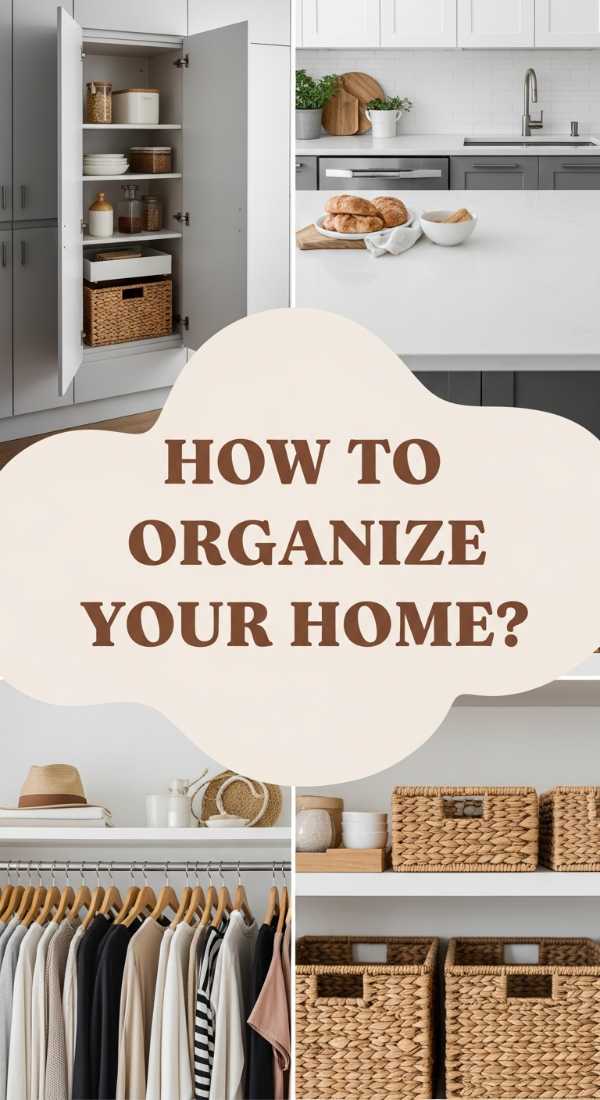
Organization is the ‘mis en place’ of life. We love this method because it turns a chaotic home into a high-functioning machine that requires zero mental effort to maintain. There is a specific joy in opening a drawer and seeing everything perfectly spaced, smelling the faint scent of freshly laundered linen, and knowing exactly where your keys are. It reduces decision fatigue and allows your mind to focus on creative pursuits rather than searching for ‘stuff.’
Essential Elements:
- Uniform glass jars for pantry items
- Sustainable bamboo drawer dividers
- Matching hangers in the closet
- Labelled canvas bins for seasonal storage
- A dedicated ‘drop zone’ for daily essentials
How to make it
- Sort the Ingredients: Group every item in a category together on the floor. If you have five pairs of scissors, you’ll see the ‘excess’ immediately. Keep the ‘prime cuts’ and donate the rest.
- Select Containers: Choose containers that match your decor style—glass for visibility or opaque baskets for a cleaner look. Consistency in container style is key to visual ‘plating.’
- Divide and Conquer: Use adjustable dividers in drawers to give every ‘ingredient’ a specific home. Ensure items you use daily are in the ‘high-heat’ zone (waist level) for easy access.
- Label for Clarity: Use a minimalist label maker to identify bins. This ensures that the system doesn’t ‘overcook’ into chaos when other family members are using it.
- The 5-Minute Reset: Every evening, ‘clean your station’ by returning items to their designated homes. This keeps the clarity fresh for the next morning.
How to Style Living Room Decor Minimalist Features for Luxury Vibes

Why we love this
Luxury in minimalism isn’t about the price tag; it’s about the quality of the materials and the intentionality of the placement. We love this because it feels like a high-end boutique hotel where every surface is a tactile delight. Think of the contrast between a rough-hewn stone bowl and a velvet pillow. It’s about the ‘richness’ of the void—where the empty space is just as important as the furniture. It’s a sophisticated, ‘well-done’ aesthetic that feels curated over time.
Essential Elements:
- Statement sculptural lighting
- Velvet or silk accent cushions
- Heavyweight marble or stone accents
- Abstract, large-scale black and white photography
- Brass or matte black hardware
How to make it
- Pick a Signature Piece: Choose one ‘expensive’ looking item, like a sculptural floor lamp or a marble plinth. This is your ‘main protein’ around which everything else is plated.
- Refine the Palette: Limit your colors to three sophisticated tones (e.g., Charcoal, Champagne, and Slate). This creates a ‘reduction’ of visual noise that tastes like pure luxury.
- Edit the Art: Hang one oversized piece of art rather than a gallery wall. The ‘visual cue’ is that the art has enough ‘breathing room’ to be the star of the show.
- Upgrade the Hardware: Swap out standard knobs for solid brass or matte black versions. It’s a ‘chef’s kiss’ detail that elevates the entire room’s value.
- Polish the Surfaces: Use a microfiber cloth to ensure all stone and glass surfaces are streak-free. In luxury minimalism, the ‘finish’ is everything.
How to Layer Minimalist Cozy Textures for Ultimate Comfort

Why we love this
This is where minimalism gets delicious. We love layering textures because it provides a ‘feast’ for the skin and the eyes without using color. Imagine the scent of beeswax and the feeling of a sheepskin rug under your bare feet. It’s about mixing the ‘rough’ with the ‘smooth’—a woven seagrass basket next to a polished concrete floor. It creates a ‘depth of flavor’ in your decor that feels sophisticated yet incredibly approachable and snug.
Essential Elements:
- Sheepskin or faux-fur throws
- Linen toss pillows with raw edges
- Woven jute or seagrass rugs
- Bouclé fabric upholstery
- Hand-thrown ceramic vases
How to make it
- Start with the Base Texture: Place a large jute rug on the floor. Its rough, organic texture provides the ‘crust’ for your room’s design.
- Add the Soft Layer: Place a bouclé or linen sofa on top. The contrast between the grit of the jute and the softness of the fabric is the ‘sweet and salty’ combo of interior design.
- Fold in the Accents: Toss a sheepskin over a wooden chair. The ‘technique’ here is to make it look accidental—drape it off-center for a more organic, ‘homemade’ feel.
- Incorporate Ceramics: Use matte-finish ceramic vases on shelves. The tactile nature of the clay adds an earthy ‘seasoning’ that grounds the lighter fabrics.
- Test the ‘Bite’: Sit in the space. If it feels too ‘hard,’ add a soft pillow. If it feels ‘mushy,’ remove a blanket to restore the structural balance.
How to Design a Minimalist Home Entryway for a Welcoming Atmosphere

Why we love this
The entryway is the ‘appetizer’ of your home. We love a minimalist entryway because it immediately sheds the stress of the outside world. Imagine walking through the door and being greeted by a clean, citrusy scent and a clutter-free console table. It’s a transitional space that prepares your palate for the peace of the rest of the house. It says ‘welcome home’ without the noise of shoes, mail, and bags scattered everywhere.
Essential Elements:
- A sleek console table with thin legs
- A wall-mounted circular mirror
- A hidden shoe cabinet
- A single bowl for keys and ‘daily bits’
- A small, hardy indoor plant (like a Snake Plant)
How to make it
- Clear the Path: Ensure the ‘prep area’ (the floor) is completely clear of shoes. Use a closed cabinet to hide the visual clutter of footwear.
- Position the Mirror: Center a large mirror above the console. This ‘brightens’ the entrance and allows for a quick ‘check-up’ before leaving the house.
- Define the ‘Drop Zone’: Use one beautiful ceramic bowl to catch keys and mail. Limit the ‘ingredients’ of this bowl to items you need to leave the house.
- Add a Natural Garnish: Place a small potted plant on the console. The green ‘energy’ provides a fresh, living contrast to the static furniture.
- Set the Aroma: Use a reed diffuser with a light, welcoming scent like bergamot or linen. The scent should be the first thing you ‘taste’ when you walk in.
How to Curate Room Decor Minimalist Desks for Peak Productivity
Why we love this
A cluttered desk is a cluttered mind. We love a minimalist workspace because it acts as a ‘blank page’ for your creativity. Imagine the smell of freshly ground coffee and the sight of a clean, wooden desktop with only your laptop and a single notebook. There are no distractions, no ‘visual snacks’ to pull your attention away. It creates a ‘flow state’ where your productivity can simmer at the perfect temperature for hours on end.
Essential Elements:
- A desk with built-in cable management
- An ergonomic but visually light chair
- A single, high-quality desk lamp
- A neutral desk mat (leather or felt)
- Hidden under-desk storage for files
How to make it
- De-Cutter the Tech: Route all cables through the desk’s management system or use adhesive clips. Visible wires are the ‘kitchen grease’ of a home office—they make everything feel messy.
- Select Your Tools: Keep only the tools you use every single hour on the surface. Everything else—pens, staplers, paperclips—should be ‘stored in the pantry’ (drawers).
- Choose a Soft Surface: Add a felt desk mat. This muffles the sound of your mouse and keyboard, creating an auditory environment that is ‘low-heat’ and focused.
- Optimize the Lighting: Place your lamp on the opposite side of your dominant hand to eliminate shadows. The light should be focused on your ‘work surface’ without creating glare on your screen.
- The End-of-Day ‘Clean-Up’: Every evening, clear the desk back to its original state. This ensures you start the next morning with a ‘fresh plate’ for your ideas.
How to Incorporate Living Room Decor Minimalist Greenery for Natural Energy

Why we love this
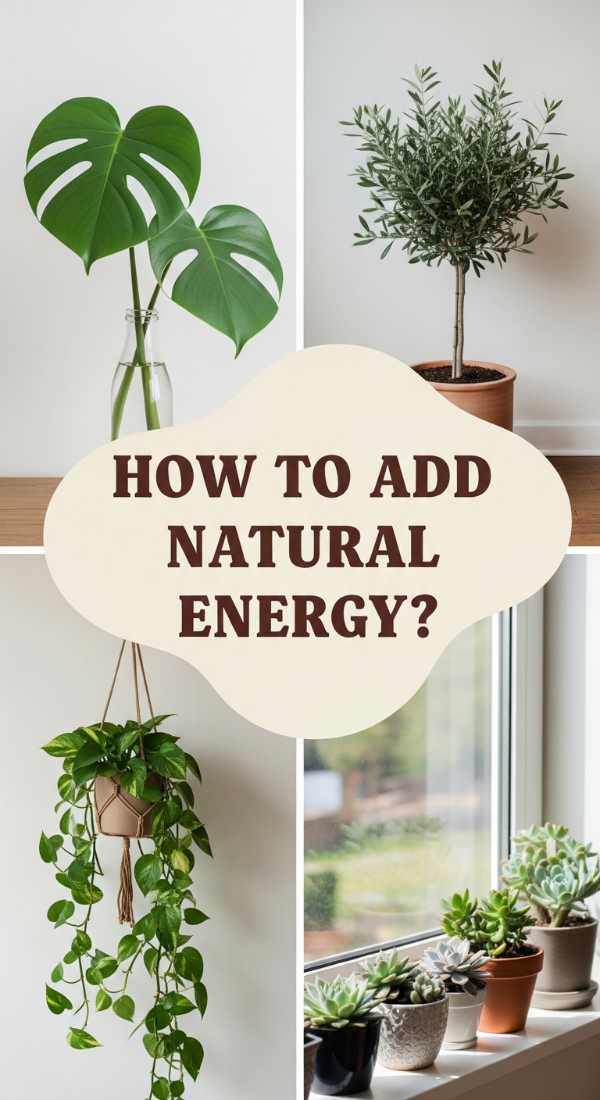
Plants are the ‘fresh herbs’ of minimalist decor—they add life, color, and vitality without adding clutter. We love this because it connects the indoors with the outdoors, providing a sense of ‘wild’ energy within a structured environment. Imagine the vibrant green of a Monstera leaf against a crisp white wall, and the earthy smell of damp soil after a light watering. It’s a natural ‘pop’ that cleans the air and softens the sharp lines of modern furniture.
Essential Elements:
- One or two large-scale ‘statement’ plants (Fiddle Leaf Fig or Olive Tree)
- Terracotta or matte white ceramic pots
- Pebbles or moss to cover the soil
- Filtered sunlight
- A stylish, minimalist watering can
How to make it
- Choose Your ‘Produce’: Select plants that fit your light levels. An ‘overcooked’ (sunburnt) plant or a ‘raw’ (under-lit) one will ruin the aesthetic. Match the plant to the room’s natural ‘oven’ (light).
- Select the Vessel: Use pots that are consistent in color or material. This keeps the focus on the greenery rather than the container, much like a white plate highlights the food.
- Position for Impact: Place large plants in corners to soften ‘hard’ edges. The ‘visual cue’ is a room that feels more organic and less like a box.
- Top the Soil: Use white river stones or preserved moss to cover the dirt. This ‘plates’ the plant beautifully and prevents messy soil from being visible.
- Regular Maintenance: Prune dead leaves immediately. A ‘fresh’ look is vital; brown leaves act as ‘bitter notes’ in an otherwise clean design.
How to Achieve Minimalist Cozy Dining Spaces for Joyful Gatherings
[IMAGE_10]
Why we love this
Dining is where we ‘break bread’ and connect. We love a minimalist dining space because it puts the focus entirely on the food and the conversation. Imagine the clink of heavy ceramic plates on a solid wood table and the soft glow of a dimmable pendant light. There is no centerpiece so tall that you can’t see the person across from you. It’s a clean, inviting ‘table setting’ that makes every meal feel like a special occasion, regardless of what’s being served.
Essential Elements:
- A solid wood or stone dining table
- Comfortable, low-back chairs
- A low-hanging pendant light with a dimmer
- Linen napkins in earthy tones
- Simple, handmade ceramic dinnerware
How to make it
- Clear the Tabletop: When not in use, the table should be completely bare or have a single, low bowl of fruit. This keeps the ‘appetite’ for the space fresh.
- Center the Light: Hang your pendant light exactly 30-36 inches above the table surface. This creates an intimate ‘pool of light’ that ‘cooks’ the mood to perfection.
- Plate with Intention: Use linen napkins and ceramic plates. The ‘tactile flavor’ of these natural materials makes the act of eating feel more grounded and intentional.
- Mind the Acoustics: If the room feels ‘echoey,’ add a thin wool rug under the table to absorb sound. Good conversation requires an ‘acoustic seasoning’ that is soft and clear.
- Serve the Experience: Bring food out in serving bowls rather than leaving pots on the table. This keeps the ‘presentation’ clean and the focus on the gathering.
The Beauty of the Edited Life
Transforming your home into a minimalist sanctuary isn’t a weekend project; it’s a lifestyle shift. It’s about learning to appreciate the space between things as much as the things themselves. By following these steps to ‘curate’ and ‘prep’ your environment, you aren’t just cleaning up—you are designing a life that is intentional, peaceful, and full of the things that truly matter. Remember, the art of less is always about making room for more: more time, more peace, and more joy. Enjoy your new, serene space!
Frequently Asked Questions
Does minimalism have to be all white?
Absolutely not! While white is a classic choice for its light-reflecting properties, minimalism is more about the quantity and intention of items. You can have a warm, moody minimalist home with deep browns, charcoals, and forest greens.
How do I start decluttering without feeling overwhelmed?
The best way to ‘prep’ for a minimalist home is to start small. Choose one drawer or one corner of a room and ‘edit’ it completely. The ‘visual taste’ of success in one small area will give you the energy to move on to the next.
Is minimalism expensive?
Actually, minimalism can save you money! Instead of buying many cheap, ‘fast-decor’ items, you invest in a few high-quality pieces that will last a lifetime. It’s about ‘quality over quantity’ in every sense.