
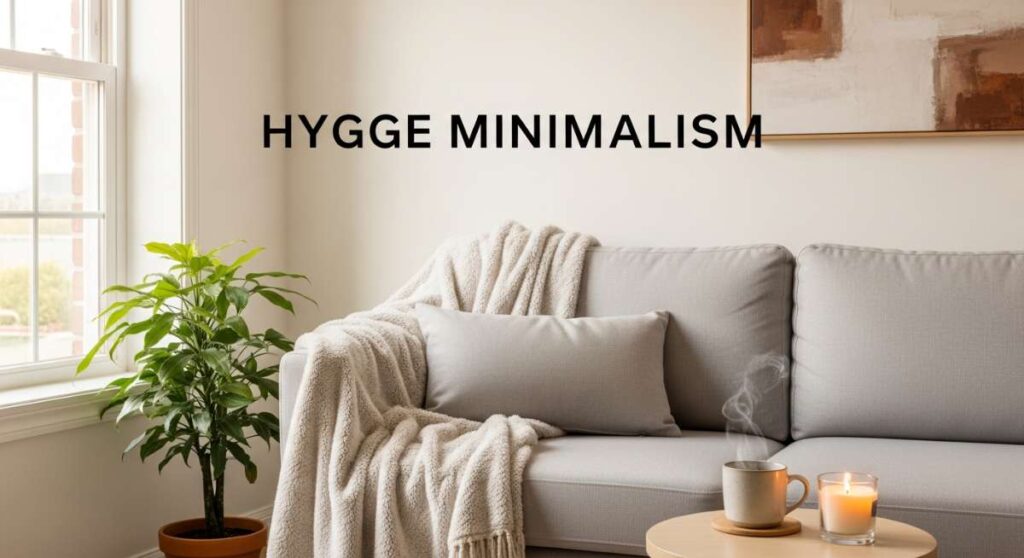
The Art of Hygge Minimalism: How to Declutter Without Losing the Warmth
I remember sitting in my living room three years ago, surrounded by piles of ‘stuff’ that I thought made my house a home. Instead of feeling cozy, I felt suffocated. Every trinket was a reminder of a chore, and every cluttered shelf felt like it was shouting for my attention. That was the moment I realized that minimalism shouldn’t mean living in a cold, white box, but rather clearing the noise so the warmth could finally be felt.
Hygge minimalism is the sweet spot where the Danish concept of comfort meets the Japanese philosophy of essentialism. It’s about creating a space that breathes, yet still hugs you when you walk through the door. In this guide, we are going to walk through how to strip away the excess while curating a sanctuary that smells like beeswax candles, feels like soft wool, and looks like a curated dream.
How to Curate a Cozy Minimalist Living Room for Complete Serenity
Why we love this
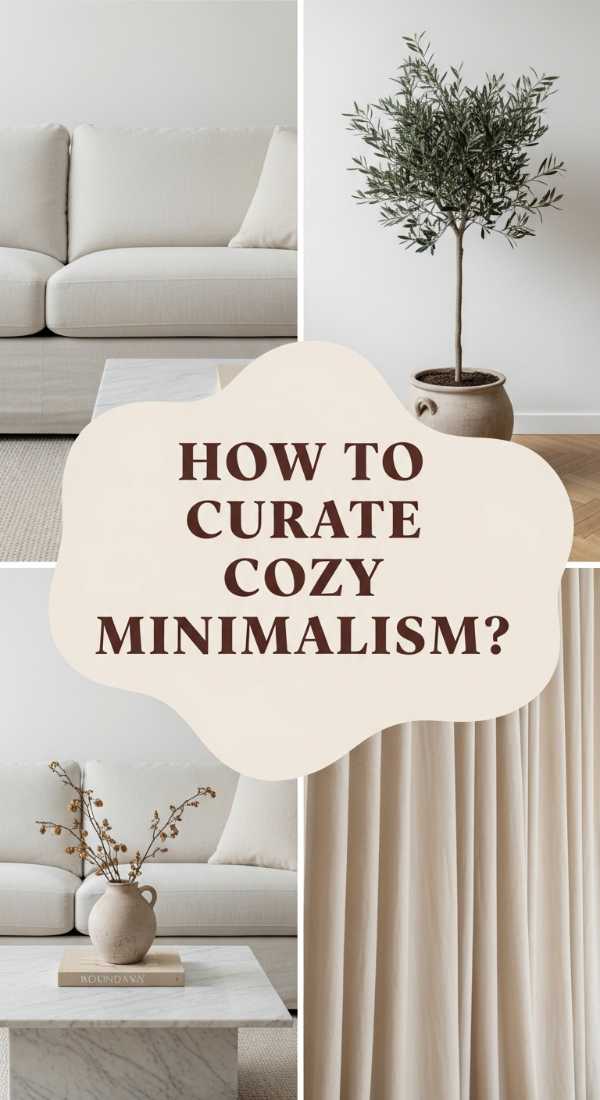
There is a profound sense of peace that comes from a room that feels intentionally quiet. Imagine walking into a space where the air feels lighter, scented faintly with eucalyptus and the clean aroma of natural wood. The visual clutter is gone, replaced by a singular, plush sofa that invites you to sink in, while the morning sun hits a single ceramic vase. It is a sensory reset button; the lack of visual noise allows your mind to finally settle into the present moment, making your home a true fortress against the chaotic outside world.
Essential Elements:
- Low-profile modular seating in oatmeal or soft grey.
- A single, oversized piece of abstract wall art.
- Natural fiber rug (jute or wool).
- Soft, dimmable ambient lighting.
- One large statement plant (like a Bird of Paradise).
How to make it
- Begin by ‘ghosting’ the room: remove every single small decor item until only the large furniture remains. This allows you to see the true architecture of the space.
- Assess your seating placement. Pull the sofa away from the wall by at least six inches to create ‘breathing room’—this visual cue of space immediately signals relaxation to the brain.
- Introduce a primary light source that mimics natural glow. Use 2700K warm-toned bulbs to avoid the ‘hospital’ look often found in cold minimalism.
- Select exactly three decorative objects for the entire room. Place them in a ‘triangle’ formation across the space to lead the eye gently from one point to another without overstimulation.
- Check for ‘visual doneness’ by standing at the entrance. If your eye stops on a specific object for more than two seconds because it feels out of place, remove it. The goal is a seamless visual flow.
How to Style a Small Living Room for a Spacious Apartment Aesthetic
Why we love this
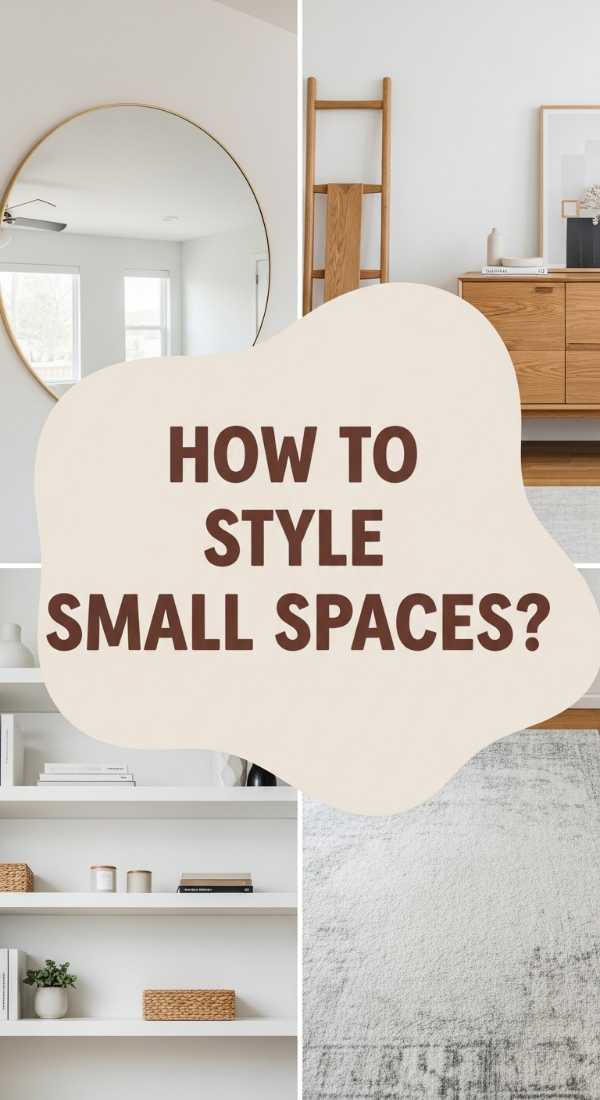
Living in a smaller footprint doesn’t mean you have to sacrifice the ‘wow’ factor. We love this approach because it uses the ‘illusion of air’ to make a compact studio feel like a sprawling loft. The sensation is one of lightness—like a crisp linen shirt on a summer day. By focusing on elevated legs and reflective surfaces, you create a home that feels breezy and energetic rather than cramped and heavy. It’s about the joy of having exactly what you need and nothing more, wrapped in a palette of whites and soft woods.
Essential Elements:
- Legged furniture (sofas and chairs with visible space underneath).
- Large floor-to-ceiling mirrors.
- Translucent curtains (linen or sheer cotton).
- Multi-functional nesting tables.
- A monochromatic color palette.
How to make it
- Optimize your floor plan by choosing furniture with ‘exposed legs.’ This allows the eye to see the floor extending under the pieces, which tricks the brain into perceiving more square footage.
- Mount a large mirror directly opposite your primary window. This doubles the natural light and creates a ‘virtual window,’ expanding the room’s horizon.
- Install your curtain rod 6-10 inches above the actual window frame. This ‘high-hanging’ technique draws the eye upward, emphasizing vertical height when horizontal space is limited.
- Curate your shelving by following the ‘one-third rule’: one-third books/objects, two-thirds empty space. This prevents the ‘boxed-in’ feeling common in small apartments.
- Final touch: Use a single, large rug rather than multiple small ones. A large rug anchors the furniture and prevents the floor from looking ‘choppy’ or cluttered.
How to Choose Minimalist Room Decor for Timeless Elegance

Why we love this
There is a quiet luxury in items that never go out of style. We love this aesthetic because it focuses on the ‘soul’ of an object—the grain of the oak, the cool touch of marble, or the weight of a hand-thrown ceramic bowl. It smells like old books and fresh linen. It feels sophisticated but never pretentious. By choosing decor that values quality over quantity, you create a home that feels like it has been curated over a lifetime, offering a sense of stability and enduring beauty in an age of fast fashion and disposable trends.
Essential Elements:
- Handmade ceramic vessels in matte finishes.
- Natural wood accents (walnut, oak, or maple).
- Brass or blackened steel hardware.
- Books with neutral-toned spines.
- Single-stem dried botanicals (pampas grass or eucalyptus).
How to make it
- Select a ‘hero’ material. If you choose warm wood, ensure all other wooden accents are within two shades of that primary tone to maintain a cohesive, elegant look.
- Audit your surfaces. For every five items you currently have on a shelf, select the one that has the most personal meaning or the highest quality craftsmanship, and donate the rest.
- Incorporate ‘living’ finishes like unlacquered brass. These materials develop a patina over time, which adds a sense of history and timelessness to a minimalist setup.
- Style your coffee table using the ‘Rule of Three.’ Group a tray, a candle, and a single book. This creates a curated ‘moment’ that feels intentional and high-end.
- Visual cue: If an item looks ‘shiny’ or ‘plastic,’ replace it with a matte or textured version. Matte finishes absorb light, creating a softer, more elegant atmosphere.
How to Master Minimalist Cozy Living for a Warm Home Feel
Why we love this
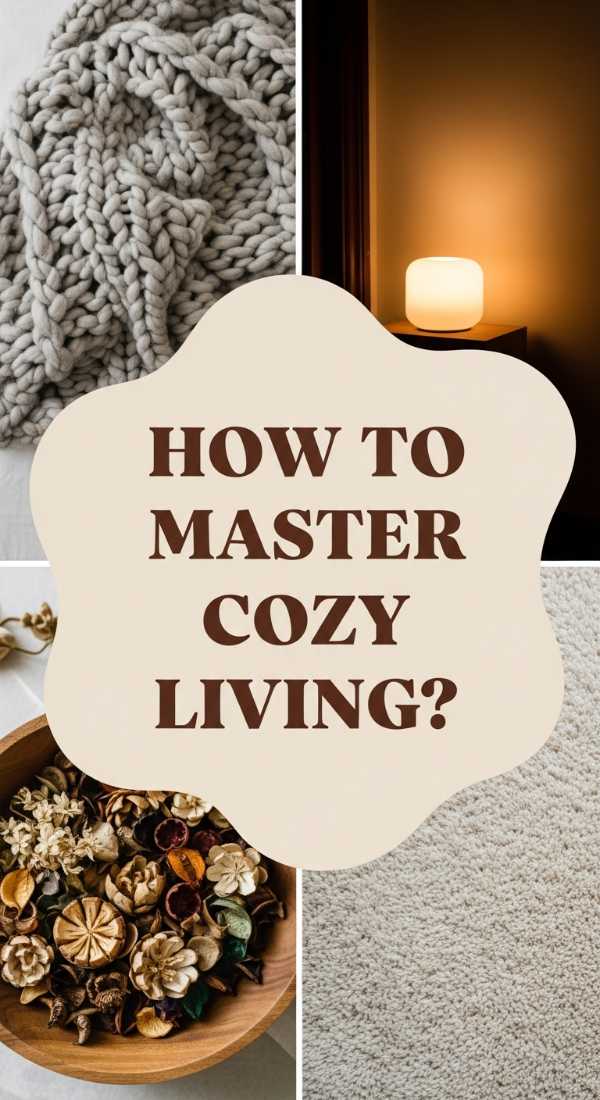
This is the heart of Hygge. It’s the feeling of a cold rainy night outside while you are wrapped in a chunky knit blanket with a cup of spiced tea. We love this because it proves that minimalism isn’t about emptiness; it’s about making space for the things that comfort you. The air is warm, filled with the scent of sandalwood, and every surface you touch is soft and inviting. It transforms a house into a sanctuary where your nervous system can finally downshift and recharge.
Essential Elements:
- Chunky knit wool throws.
- Velvet or heavy linen throw pillows.
- Warm-toned ambient lamps.
- Stacks of real wood for a fireplace or decorative display.
- Area rugs with a high pile.
How to make it
- Layer your textiles starting from the ground up. Place a high-pile Moroccan rug over a flat-weave jute rug to create a ‘nested’ feel that is soft on the feet.
- Swap out all ‘cool’ white light bulbs for ‘extra warm’ 2200K vintage-style Edison bulbs. This mimics the flicker of candlelight and instantly warms the wall colors.
- Create a ‘nook.’ Even in a minimalist room, one corner should be dedicated to extreme comfort—think a soft armchair, a floor lamp, and a basket of blankets.
- Incorporate organic shapes. Avoid sharp 90-degree angles in your decor; look for rounded coffee tables or curved chair backs to soften the visual energy of the room.
- Aroma styling: Use a stone diffuser with essential oils like cedarwood or vanilla. A warm scent is the ‘invisible’ layer of minimalist decor that makes a room feel full without adding clutter.
How to Design a Minimalist Home for Stress Free Living

Why we love this
Visual noise leads to mental noise. We love this design style because it acts as a filter for your daily stress. Imagine a kitchen where every surface is clear, a bedroom where the only thing on the nightstand is a glass of water, and a hallway that feels like a gallery. It’s the feeling of a deep breath in architectural form. By removing the constant reminders of ‘to-dos’ and ‘put-aways,’ you create a space that actively lowers your cortisol levels and allows you to focus on what truly matters.
Essential Elements:
- Hidden storage solutions (closed cabinetry).
- Integrated appliances.
- A ‘one-in, one-out’ rule for all household items.
- Clear surfaces (the ‘flat surface’ rule).
- Neutral, calming wall colors (soft beige or muted sage).
How to make it
- Identify ‘clutter magnets’—those surfaces where mail, keys, and random objects land. Clear them completely and install a hidden ‘command center’ inside a cabinet to house these items.
- Streamline your color palette to no more than three colors. A limited palette reduces ‘visual processing’ for the brain, making the room feel more organized than it actually is.
- Utilize ‘vertical storage’ that reaches the ceiling. By enclosing items in floor-to-ceiling cabinets, you remove the ‘choppy’ visual lines of multiple small storage units.
- Maintain a ‘zero-base’ policy for your countertops. At the end of every day, return every item to its designated ‘home’ inside a drawer or cabinet.
- Visual cue for success: If you can scan the room and not see a single piece of paper or plastic packaging, you have achieved the stress-free minimalist baseline.
How to Arrange Minimalist Living Room Small Spaces for Better Flow

Why we love this
There is a specific rhythm to a well-arranged room. We love this because it focuses on ‘the dance’—the way you move through your home without bumping into corners or feeling trapped. It feels like a gentle stream flowing around smooth stones. When a small space is arranged with flow in mind, it feels liberating. You gain a sense of control over your environment, and the home begins to feel intuitive, supporting your daily habits rather than hindering them.
Essential Elements:
- Circular or oval furniture.
- Clear walkways (at least 30 inches wide).
- Wall-mounted shelving to save floor space.
- Lightweight furniture that can be easily moved.
- Consistent flooring throughout the space.
How to make it
- Map your ‘traffic lanes.’ Walk from the door to the window, and from the sofa to the kitchen. Remove any furniture that forces you to walk in a ‘zigzag’ pattern.
- Use ‘floating furniture’ techniques. Instead of pushing everything against the walls, group the sofa and chairs in the center of the room to create a distinct island of conversation with space to walk behind it.
- Incorporate ‘see-through’ materials. An acrylic coffee table or a chair with a cane back allows the eye to travel through the object, making the flow feel unobstructed.
- Keep the floor consistent. If you use rugs, ensure they don’t have high-contrast borders that ‘cut’ the floor into smaller sections.
- Check the ‘elbow room.’ Sit on your sofa and ensure you can reach a surface to set down a drink without leaning or standing up. This ‘ergonomic flow’ is key to a functional minimalist room.
How to Integrate Earthy Tones for a Grounded Minimalist Room
Why we love this
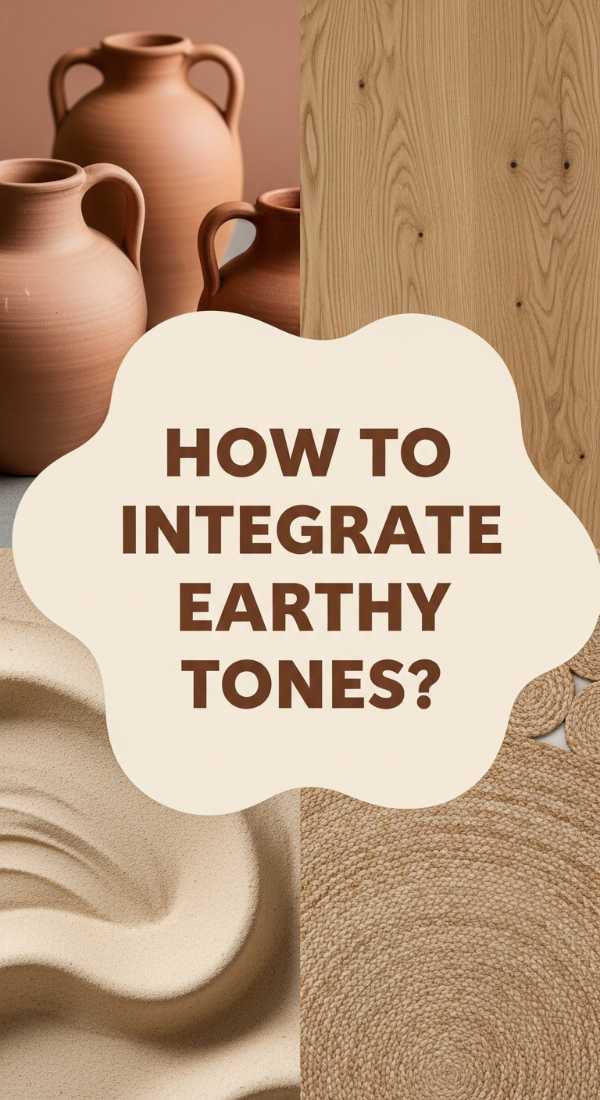
There is something deeply primal about the colors of the earth. We love this because it brings the stability of the outdoors inside. Think of the colors of terracotta, dried moss, and sandy dunes. It smells like rain on dry earth and feels like a warm embrace. These tones take the ‘cold’ out of minimalism and replace it with a ‘grounded’ energy that feels permanent and real. It’s the perfect way to make a modern space feel ancient and comforting all at once.
Essential Elements:
- Terracotta pots and ceramics.
- Linen textiles in ochre, olive, and clay.
- Natural wood with visible knots and grain.
- Woven baskets (seagrass or rattan).
- Stone accents (travertine or slate).
How to make it
- Start with a ‘base of beige.’ Paint your walls a warm, sandy white rather than a stark, blue-toned white. This provides the ‘earthy’ canvas.
- Introduce ‘clay’ as your accent color. Use terracotta planters or linen throw pillows in burnt orange to provide a visual ‘anchor’ to the room.
- Mix your woods. Don’t be afraid to pair a dark walnut table with lighter oak chairs; the variation in wood tones mimics a natural forest and adds depth.
- Layer in ‘raw’ textures. A stone tray or a piece of driftwood on a shelf provides a tactile connection to nature that polished materials lack.
- Visual cue: Turn off all overhead lights. If the room still feels warm and inviting under the glow of a single lamp, your earthy tones are working.
How to Achieve Light and Airy Minimalist Decor for Morning Inspiration

Why we love this
This is the ultimate ‘morning person’ aesthetic. We love this because it captures the hope and energy of a new day. It’s the feeling of crisp white sheets, the sound of a breeze through a sheer curtain, and the way light dances on a glass of water. It feels optimistic and clean. By maximizing natural light and using a ‘cloud-like’ palette, you create a space that naturally boosts your mood and makes even the smallest apartment feel like a sun-drenched sanctuary.
Essential Elements:
- Sheer white linen window treatments.
- High-gloss or white-washed furniture.
- Glass and crystal accents.
- Pale wood flooring (ash or light maple).
- White-on-white textile layering.
How to make it
- Clean your windows inside and out. It sounds simple, but removing the microscopic film of dust can increase the ‘brightness’ of your room by 20%.
- Use ‘reflective layering.’ Place a glass coffee table or a silver tray in the direct path of a sunbeam to bounce light into the darker corners of the room.
- Choose ‘breathable’ fabrics. Swap heavy wool for light cotton and linen. These materials catch the light differently and move with the air, adding a sense of ‘breeze’ to the room.
- Minimize wall decor. Keep walls mostly bare to allow the ‘bounce’ of sunlight to travel uninterrupted across the surfaces.
- Visual cue: If a corner feels ‘heavy’ or ‘shadowy,’ add a small white lamp or a pale plant to lift the energy of that specific spot.
How to Layer Textures in a Minimalist Room for Maximum Comfort
Why we love this
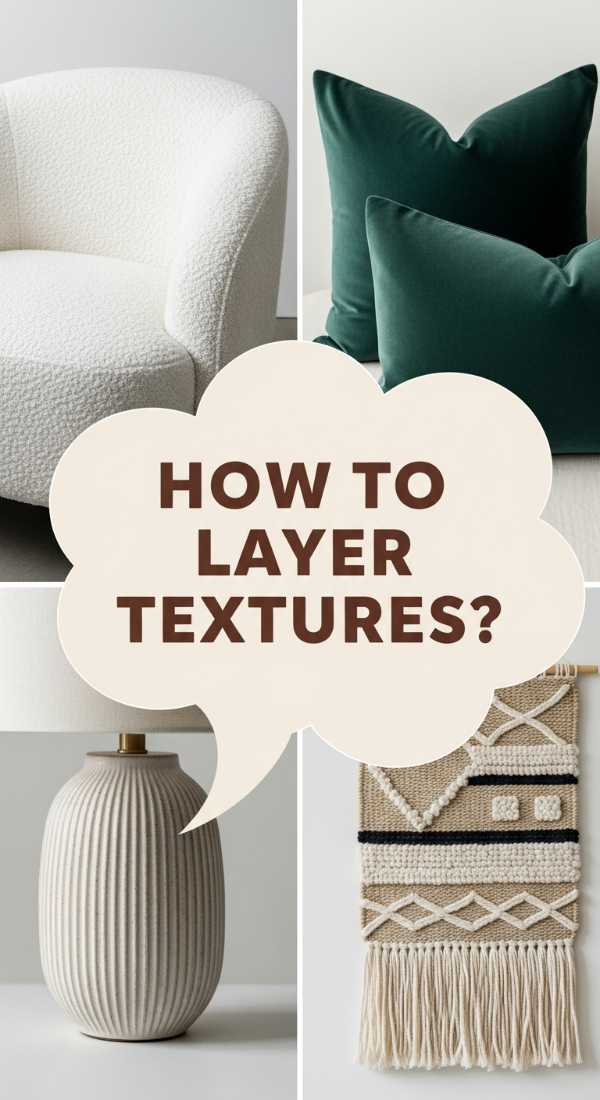
Texture is the ‘secret sauce’ of minimalism. Without it, a room feels flat; with it, it feels expensive and cozy. We love this because it appeals to the sense of touch. It’s the contrast between a smooth marble table and a rough-hewn wooden bowl, or a sleek leather chair paired with a fuzzy sheepskin throw. It’s a feast for the fingers. Layering textures allows you to keep a monochrome color scheme without it ever feeling boring, adding ‘hidden’ depth that reveals itself the closer you look.
Essential Elements:
- Sheepskin (faux or real) throws.
- Bouclé upholstery.
- Velvet cushions.
- Woven wall hangings or jute rugs.
- Metals with different finishes (brushed vs. polished).
How to make it
- Follow the ‘Texture Trinity.’ For every surface, ensure there are at least three different textures present (e.g., a smooth table, a ceramic vase, and a linen napkin).
- Introduce ‘high-low’ contrast. Place a very soft, plush throw over a structured, mid-century modern chair. The tension between the ‘hard’ and ‘soft’ creates visual interest.
- Use ‘tonal layering.’ Choose three items in the exact same color (like cream) but in three different materials (wool, silk, and wood). This adds richness without adding ‘color noise.’
- Don’t forget the ‘fifth wall’ (the floor). Layer a smaller, textured rug over a larger, flat rug to add immediate depth to the center of the room.
- Visual cue: Run your hand across the room. If every surface feels the same (all smooth or all rough), you need to introduce an opposing texture to create balance.
How to Create a Zen Minimalist Living Room for Mindful Relaxation

Why we love this
A Zen living room is a temple for your thoughts. We love this because it prioritizes the ’empty space’ as much as the furniture. It’s the feeling of walking into a room and instantly feeling your shoulders drop. The air feels still, perhaps smelling faintly of incense or green tea. There is a sense of ‘Ma’—the Japanese concept of the gap or the pause. It’s a room designed not for ‘doing,’ but for ‘being,’ providing a sacred space for meditation, reading, or simply watching the clouds pass by.
Essential Elements:
- Floor cushions (Zafus) or low-to-the-ground seating.
- A dedicated ‘altar’ or focal point (a stone, a plant, or a candle).
- Shoji-inspired screens or simple dividers.
- Negative space (empty corners).
- Natural materials like bamboo, paper, and stone.
How to make it
- Establish a ‘No-Tech Zone.’ Remove all screens, chargers, and wires from this space to ensure the energy remains focused on mindfulness.
- Incorporate ‘asymmetry.’ In Zen design, perfect symmetry is considered stagnant. Place one plant off-center or group two stones of different sizes to create a sense of ‘living’ balance.
- Use low-level lighting. Keep your lamps below eye level when sitting to create a grounded, cocoon-like atmosphere that encourages introspection.
- Introduce a ‘water element’ or a symbol of it. A small tabletop fountain or even a simple bowl of water with a floating flower can provide a sense of movement and purity.
- Visual cue for ‘Ma’: Look at your walls. At least 60% of your wall space should be completely empty. This ‘void’ is what allows your mind to rest and expand.
Conclusion
The art of Hygge Minimalism isn’t about the things you get rid of; it’s about the life you make room for. By choosing quality over quantity, focusing on sensory textures, and honoring the light in your home, you create a space that doesn’t just look good on a Pinterest board—it feels good for your soul. Start small, perhaps with a single corner, and watch how the quiet warmth of a simplified home transforms your daily life. Your sanctuary is waiting for you under all that clutter.