
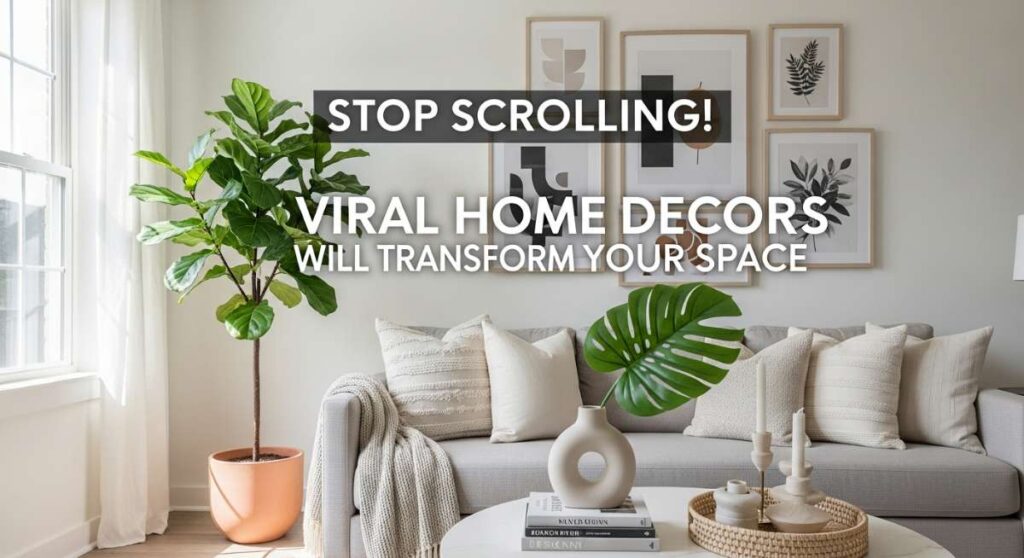
Have you ever walked through your front door and felt… nothing? Or worse, felt the immediate urge to start scrolling through Pinterest to escape your own reality? We’ve all been there. Our homes are supposed to be our sanctuaries, the physical manifestation of our souls, but sometimes they just feel like a collection of furniture in a box. I spent years trying to mimic showroom catalogs until I realized that the secret to those ‘viral’ homes isn’t a massive budget—it’s a specific kind of magic found in the details.
Today, I’m pulling back the curtain on the most coveted home decor aesthetics taking over our feeds. From the sun-drenched warmth of a Mexican hacienda to the nostalgic neon glow of a nineties revival, we are exploring how to curate spaces that don’t just look good on camera, but feel incredible to live in. We’re talking about sensory experiences: the smell of beeswax in a prayer corner, the rough texture of reclaimed wood under your fingertips, and the way golden hour light hits a perfectly placed velvet cushion.
Stop scrolling and start creating. Whether you’re looking to overhaul a whole room or just add a ‘quirky’ touch to your entryway, these secrets are your blueprint for a home that finally tells your story. Let’s dive into the ten most transformative decor styles that will turn your living space into a viral-worthy retreat.
How to Create a Rustic Mexican Sanctuary for Warm Living Vibes
Why we love this
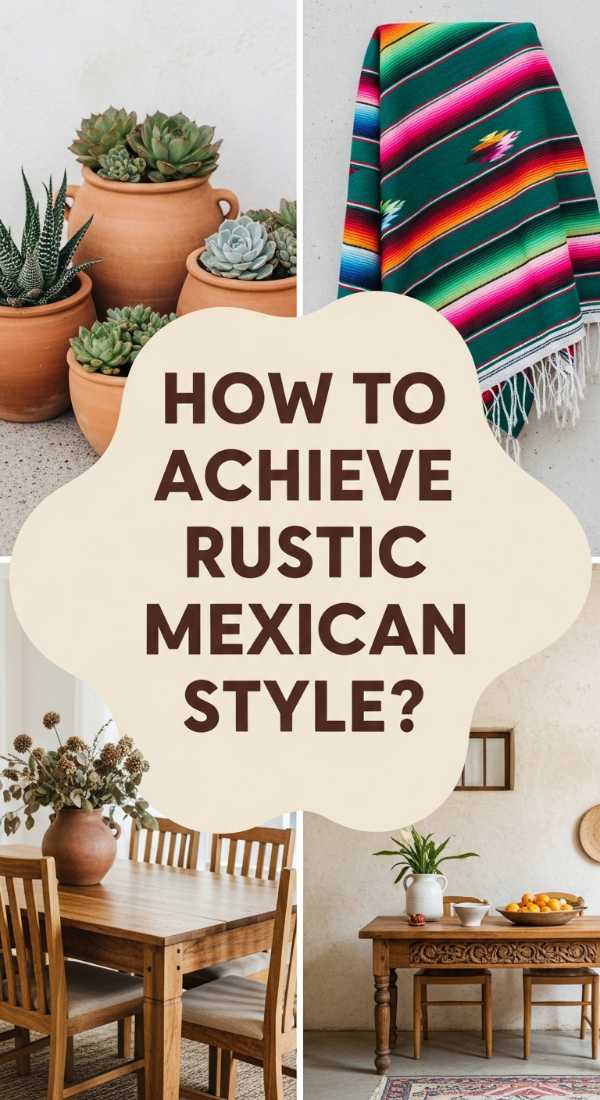
This aesthetic is like a warm embrace from the earth itself; it’s the smell of sun-baked clay and the vibrant, rhythmic energy of a bustling market at midday. We love the way raw, honest materials like terracotta and hand-hewn wood bring an immediate sense of groundedness to a room, making even the most modern apartment feel like a centuries-old hacienda. There is a specific tactile joy in running your hand over a rough-textured plaster wall or feeling the cool, smooth surface of a hand-painted Talavera tile. It is a style that celebrates imperfection—the chips, the fades, and the cracks—transforming your home into a soulful, vibrant sanctuary filled with the golden glow of a permanent sunset.
Essential Elements:
- Terracotta floor tiles or clay pottery
- Hand-painted Talavera ceramic accents
- Heavy, dark-stained rustic wood furniture
- Woven textiles in burnt orange, deep red, and mustard yellow
- Wrought iron light fixtures and hardware
- Greenery in the form of large cacti or succulents
How to make it
- Start with your base palette: Apply a warm-toned lime wash or textured plaster to your walls to mimic the adobe look. Ensure the color has a subtle yellow or peach undertone to catch the afternoon light.
- Introduce ‘The Anchor’: Find a substantial piece of reclaimed wood furniture, like a heavy dining table or a chunky console. Sand it lightly but leave the deep grains and knots exposed, then seal it with a matte wax rather than a glossy varnish.
- Layer the Textiles: Don’t just place one rug; layer a jute rug over a larger area, then top it with a hand-woven Mexican ‘serape’ or wool throw. The goal is a visual weight that feels cozy rather than cluttered.
- The Lighting Secret: Replace cool-toned LED bulbs with ‘warm white’ (around 2700K). Use wrought iron sconces that cast shadows against the textured walls, creating a flickering, candle-lit atmosphere even when the lights are on.
How to Style a Summer Home Haven for Endless Brightness
Why we love this
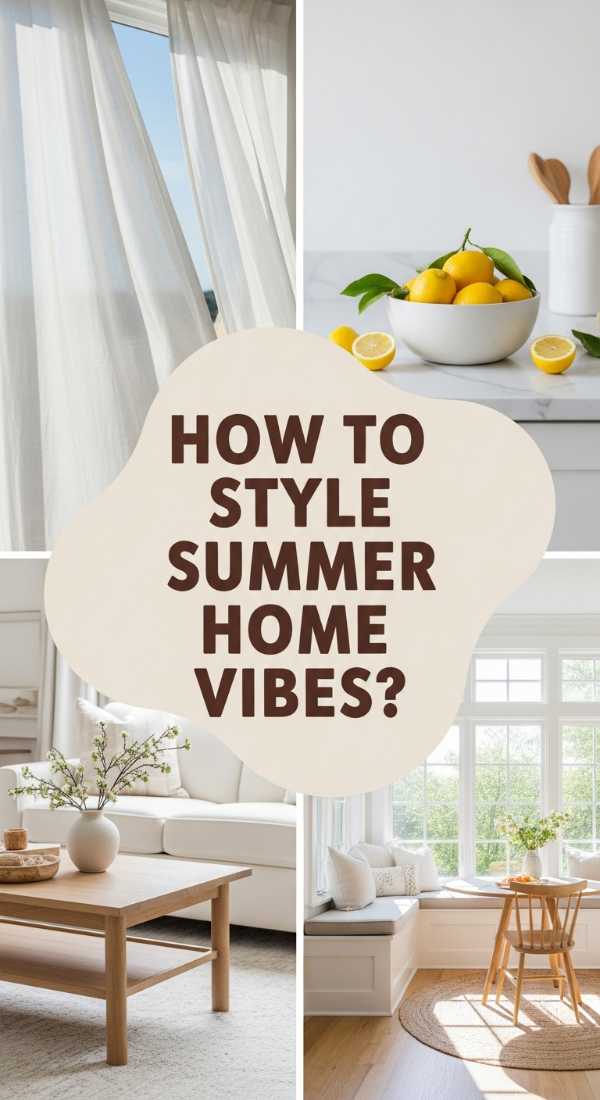
There is nothing quite like the feeling of waking up in a room that feels like a crisp, white linen shirt on a warm July morning. This style is all about lightness, breathability, and the scent of fresh lemons and sea salt drifting through an open window. It evokes a sense of perpetual vacation, where the boundaries between the indoors and the outdoors blur into a hazy, bright dream. We love how this aesthetic uses a monochrome white palette to amplify natural light, creating a space that feels physically cooler and mentally clearer. It’s the ultimate antidote to a stressful world, providing a soft landing spot of cotton textures and airy curtains that dance in the breeze.
Essential Elements:
- Sheer linen curtains that pool on the floor
- White-washed wooden furniture or flooring
- Natural fiber rugs (sisal or seagrass)
- Glass vases filled with seasonal wildflowers or citrus branches
- Lightweight cotton slipcovered sofas
- Mirror placements to reflect window light
How to make it
- The ‘Light Maximize’ Technique: Position a large, thin-framed mirror directly opposite your largest window. This creates a ‘second window’ effect, doubling the amount of natural light bouncing into the room.
- Fabric Selection: Swap out heavy drapes for 100% sheer linen. When hanging them, place the rod 6 inches wider than the window frame on each side to ensure that when they are open, the entire pane of glass is exposed.
- The Scent Layer: Use a high-quality diffuser with notes of bergamot, neroli, or eucalyptus. Visual brightness is only half the battle; the room must smell ‘airy’ to truly convince the senses.
- Organic Accents: Avoid plastic at all costs. Every decorative object should be glass, wood, stone, or ceramic. Place a bowl of real lemons on a white-washed wooden table for a pop of organic, temporary color.
How to Achieve a Whimsical Dreamscape for Creative Minds
Why we love this
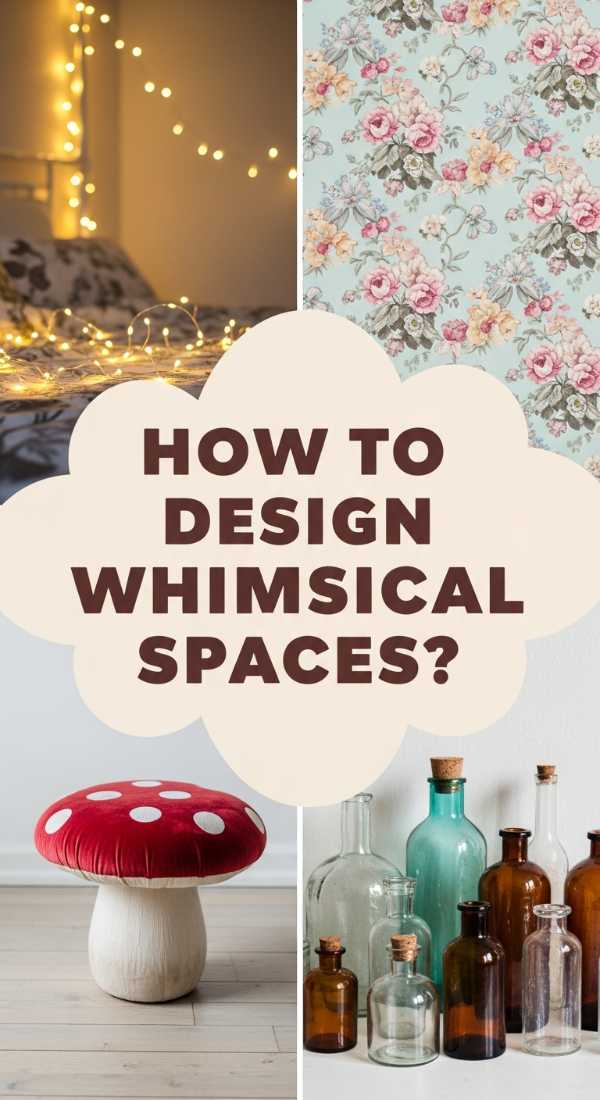
This is where your inner child gets to design the master bedroom, resulting in a space that feels like a soft, velvet-lined cloud. The Whimsical Dreamscape is all about soft edges, iridescent surfaces, and the magical play of light that sparks creativity and invites daydreaming. We love the sensory contrast of plush, oversized faux-fur rugs against the sleek, cool touch of marble or acrylic furniture. It’s a style that prioritizes ‘the feeling’ over ‘the function,’ utilizing a palette of lavender, mint, and soft blush to create a world that feels disconnected from the mundane. It’s an ethereal escape where the air feels lighter and the imagination feels limitless.
Essential Elements:
- Cloud-like, oversized furniture with curved edges
- Pastel-toned velvet upholstery
- Fairy lights or ‘sunset lamps’ for diffused lighting
- Tulle or iridescent fabric hangings
- Abstract, dreamy art pieces with soft gradients
- Crystals and prisms placed in windows for rainbows
How to make it
- Curate the Glow: Avoid overhead ‘big lights’ entirely. Instead, use a combination of sunset lamps aimed at corners and low-wattage peripheral lamps with pink or amber shades to create a soft, neon-pastel haze.
- Texture Stacking: Layer textures from ‘heavy’ to ‘light.’ Start with a thick shag rug, add a velvet armchair, and finish with a gossamer-thin silk throw. This tactile variety creates the ‘dream’ feeling.
- The Rainbow Trick: Hang glass prisms or Swarovski crystals in a south-facing window. As the sun moves, your walls will be painted with moving rainbows, providing a dynamic, ever-changing whimsical element.
- Curved Silhouettes: If you have sharp-edged furniture, soften them with draped fabric or circular pillows. The ‘dreamscape’ vibe relies on the absence of harsh, 90-degree angles.
How to Arrange a Catholic Prayer Corner for Daily Peace

Why we love this
A prayer corner is more than just decor; it is a dedicated anchor for the soul, a quiet harbor in the storm of a busy day. We love the traditional, reverent beauty of this space—the scent of pure beeswax candles, the cool touch of a wooden kneeler, and the rich, historical depth of sacred art. It creates a ‘micro-climate’ of peace within your home, where the atmosphere feels noticeably stiller and more intentional. The presence of sacred geometry and traditional iconography offers a visual resting point that draws the eyes upward, reminding us of something greater than our daily to-do lists. It is a tactile, sensory ritual space that turns a corner of a room into a thin place between heaven and earth.
Essential Elements:
- A small altar table or sturdy wall shelf
- A central Crucifix or sacred icon
- A kneeler (Prie-dieu) or a dedicated plush cushion
- Beeswax candles or a small sanctuary lamp
- A holy water font near the entrance
- A basket for a Bible, missal, and Rosary beads
How to make it
- Define the Sacred Boundary: Choose a quiet corner with low foot traffic. Use a specific rug or a small screen to physically separate this space from the rest of the room, signaling to your brain that this area is ‘set apart.’
- The Visual Focus: Place your primary icon or Crucifix at eye level when you are kneeling. Surround it with a small amount of negative space so the eye isn’t distracted, allowing the art to be the focal point of meditation.
- Sensory Preparation: Always include a way to engage the sense of smell. Lighting a stick of frankincense or a beeswax candle creates a ‘scent memory’ that helps you enter a state of prayer more quickly over time.
- Organized Devotion: Keep your spiritual books and beads in a beautiful wooden bowl or a lined basket. This prevents clutter and ensures that everything you need for your ritual is within arm’s reach, maintaining the stillness.
How to Curate a Coastal Breezy Retreat for Seaside Relaxation

Why we love this
The Coastal Breezy look is the ultimate breath of fresh air, evoking the rhythmic sound of crashing waves and the salty tang of the ocean. Unlike ‘nautical’ decor which can feel kitschy, this retreat style is sophisticated and calm, leaning heavily on the textures of the shore—driftwood, weathered rope, and soft sand. We love the way it utilizes a palette of watery blues, seafoam greens, and warm oatmel tones to lower the heart rate instantly. It’s a space that feels lived-in and resilient, where a bit of sand on the floor or a salt-air haze on the window only adds to the charm. It’s about the luxury of simplicity and the feeling of bare feet on a natural fiber rug.
Essential Elements:
- A palette of white, navy, and soft aqua
- Natural wood with a ‘driftwood’ or gray finish
- Woven jute or sisal rugs
- Textured pillows in stripes or coral patterns
- Organic coastal finds like oversized shells or sea glass
- Light, gauzy fabrics that move with the air
How to make it
- Tone Your Wood: If your furniture is too ‘warm’ or orange, use a gray-toned wood wax to give it that weathered, sun-bleached driftwood appearance. Apply in thin layers, wiping away the excess to let the grain show through.
- The ‘Rule of Three’ for Shells: Don’t scatter small shells everywhere. Instead, pick one ‘hero’ piece—like a large conch or a piece of sea-fan coral—and group it with two smaller items of different heights to create a sophisticated vignette.
- Window Flow: Use ‘swing arm’ curtain rods. These allow you to swing the curtains completely away from the window glass during the day, maximizing the breeze and the view, and swinging them back for a cozy, enclosed feeling at night.
- Layering Blue: Use at least three different shades of blue in your textiles. Mixing navy, cornflower, and a pale seafoam prevents the room from looking like a ‘set’ and gives it the depth of the actual ocean.
How to Master Vintage Home Decor for Timeless Interior Charm
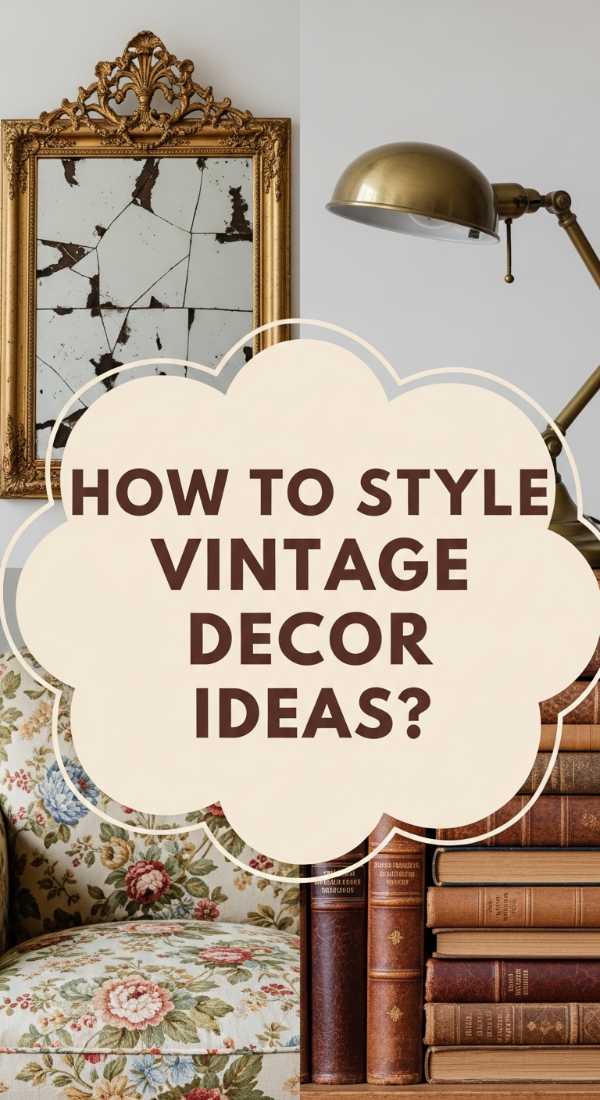
Why we love this
Vintage decor is about the thrill of the hunt and the soul of the story; it’s the smell of old library books and the heavy, satisfying weight of a brass candlestick. We love this style because it rejects the ‘fast furniture’ culture, opting instead for pieces that have survived decades and carry a unique patina of age. There is something deeply comforting about a room filled with history—where a 1920s velvet armchair sits next to a mid-century teak side table. It creates a ‘collected over time’ look that feels curated and intelligent. This aesthetic allows your home to be a living museum of your personal tastes, where every scratch and faded fabric tells a tale of a life well-lived.
Essential Elements:
- Antique brass or copper accents
- Ornate gold-leaf mirrors with slight foxing (age spots)
- Dark wood furniture with intricate carvings
- Oriental or Persian rugs with worn-down patterns
- Oil paintings in vintage frames
- Mismatched crystal glassware
How to make it
- The 80/20 Rule: To keep the room from looking like an antique shop, use 80% vintage items and 20% modern, clean-lined pieces. A modern sofa provides a ‘blank canvas’ for your antique pillows and throws.
- Metal Mixing: Don’t match your metals. Mix aged brass with tarnished silver. The key to making it look intentional is to ensure all metals have a ‘matte’ or ‘aged’ finish rather than being high-shine.
- The Gallery Wall: When hanging vintage oil paintings, use ‘museum height’—the center of the piece should be 57 inches from the floor. Mix different frame styles (some ornate gold, some simple black wood) for a truly curated feel.
- Scenting the Past: Use candles with ‘old world’ notes like tobacco, leather, amber, or sandalwood. This reinforces the ‘vintage’ sensory experience by mimicking the smell of an old estate or a private library.
How to Design a Boho Garden Room for Free Spirited Living
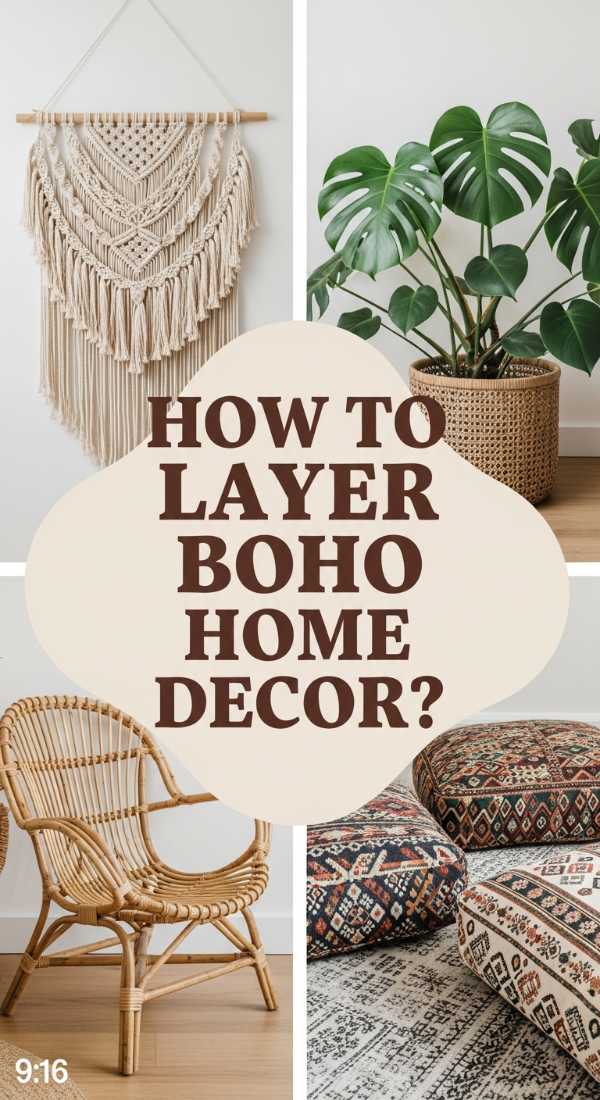
Why we love this
A Boho Garden Room is a wild, untamed celebration of life, where the lush greenery of the jungle meets the relaxed comfort of a bohemian lounge. We love the earthy, damp smell of ferns and the vibrant energy that living plants bring to a space. It’s a style that encourages you to kick off your shoes and sink into a pile of floor cushions, surrounded by macrame hangings and flickering lanterns. This aesthetic is all about ‘more is more’—more leaves, more patterns, more textures. It’s a sanctuary for the free spirit, providing a space that feels organic, evolving, and deeply connected to the natural world, even in the heart of a concrete city.
Essential Elements:
- An abundance of indoor plants (Monstera, Pothos, Palms)
- Macrame wall hangings and plant hangers
- Rattan or wicker furniture
- Floor cushions and low-slung seating
- Colorful, patterned textiles (Kilim or Ikat)
- String lights and Moroccan-style lanterns
How to make it
- The Vertical Jungle: Don’t just put plants on tables. Use ceiling hooks for trailing vines like Pothos, and wall-mounted ‘living walls’ or shelves for smaller succulents. Creating different heights of greenery is the key to the ‘garden’ feel.
- The Texture Layer: Combine ‘hard’ natural textures like wicker and rattan with ‘soft’ ones like fringe and wool. A wicker chair should always be draped with a chunky knit throw to balance the sensory experience.
- Lighting Hierarchy: Layer your light. Use a Moroccan lantern as a statement piece, but add ‘hidden’ green-wire fairy lights tucked inside your larger plants to make the leaves glow from within at night.
- The Rug Sandwich: Place a large, neutral jute rug down first. On top of it, at an angle, layer a smaller, colorful Moroccan rug. This ‘imperfect’ layering is the hallmark of true bohemian style.
How to Reclaim a Nineties Retro Vibe for Nostalgic Energy
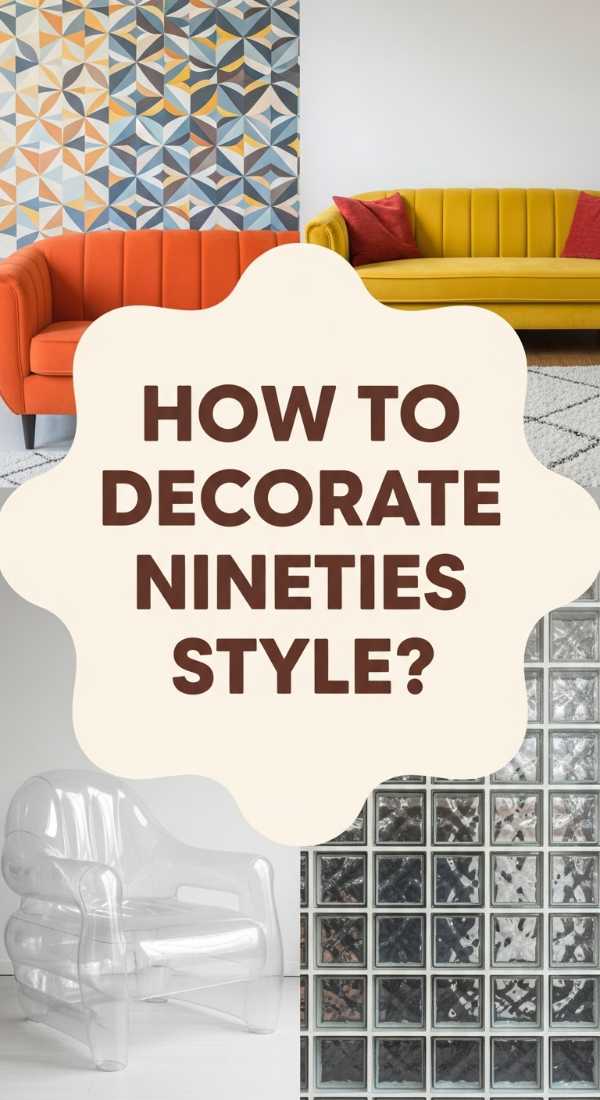
Why we love this
This isn’t your childhood bedroom; it’s a sophisticated, high-energy reimagining of the best parts of the 1990s. We love the bold, unapologetic use of primary colors and the graphic, geometric shapes that define this era. It’s a style that feels nostalgic yet incredibly current, utilizing ‘cool’ materials like glass blocks, chrome, and neon. There’s a playful, ‘pre-digital’ vibe here—the sound of a physical CD player, the feel of a curved plastic chair, and the visual pop of a checkerboard rug. It’s for the person who wants their home to feel like a creative studio—vibrant, slightly rebellious, and full of personality.
Essential Elements:
- Checkerboard patterns (rugs, pillows, or floors)
- Neon signage or colorful LED accent lighting
- Curvy, Memphis-design-inspired furniture
- Glass blocks or frosted glass accents
- Primary color pops (red, blue, yellow) against white
- Inflatable-inspired or ‘blobby’ silhouettes
How to make it
- The Checkerboard Base: Introduce the nineties vibe with a black-and-white or sage-and-white checkerboard rug. This provides a geometric ‘grid’ that grounds the more eclectic, colorful pieces you’ll add on top.
- Chrome Accents: Replace standard wooden coffee tables with chrome or glass-topped versions. The reflective, ‘future-retro’ surface is essential for catching the neon light and creating that tech-nostalgia look.
- Color Blocking: Instead of a gallery wall, use ‘color blocking.’ Paint one large geometric shape (like a circle or a thick stripe) on a white wall in a bold color like cobalt blue or tangerine to frame a piece of furniture.
- The Neon Glow: Position a neon sign (real or LED) so it reflects in a glass surface. Use ‘smart’ bulbs to set your lamps to a light purple or teal tint in the evenings to complete the retro-club-lounge atmosphere.
How to Build a Welcome Home Entryway for Perfect First Impressions
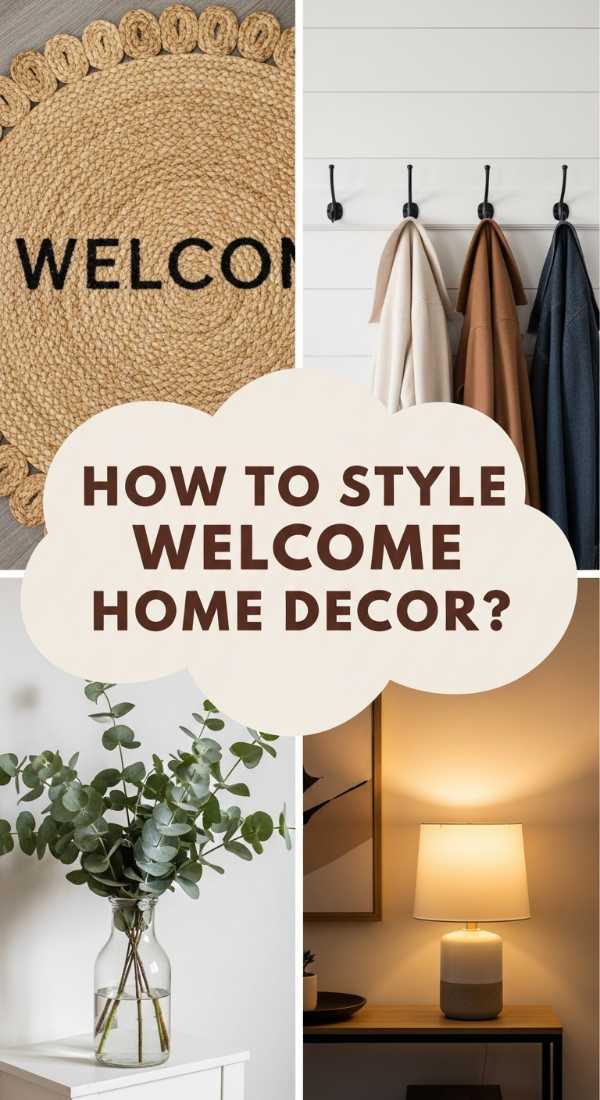
Why we love this
The entryway is the ‘prologue’ to your home’s story, the place where the stress of the outside world is officially shed. We love a well-designed entryway because it provides that immediate ‘exhale’ moment. It’s the scent of a signature home fragrance, the organized click of keys being placed in a ceramic bowl, and the visual warmth of a soft rug underfoot. A viral entryway isn’t just about looks; it’s about the feeling of being truly ‘held’ the moment you cross the threshold. It balances high function—hooks for coats, a place for shoes—with high beauty, setting the emotional tone for every other room in the house.
Essential Elements:
- A sleek console table or a sturdy floating shelf
- A large, statement mirror for last-minute checks
- A signature ‘scent’ (diffuser or candle)
- Attractive storage (baskets, ceramic bowls, or hooks)
- A durable but beautiful ‘runner’ rug
- Fresh greenery or a seasonal floral arrangement
How to make it
- The Scent Signature: Choose one specific scent for your entryway and never change it. This creates a sensory ‘welcome home’ trigger for your brain. Woody or citrus notes are best as they smell ‘clean’ and ‘grounded.’
- Lighting Warmth: Never use the ‘big’ overhead light. Place a small, high-design table lamp on the console with a 25-watt warm bulb. Leaving this on 24/7 (or on a timer) ensures you never walk into a dark, cold house.
- The ‘Drop Zone’ System: Use the ‘One In, One Out’ rule for the entryway. Have exactly one bowl for keys and one basket for mail. If the basket is full, it’s time to process the mail. This prevents the entry from becoming a clutter magnet.
- Scale the Mirror: Your entryway mirror should be at least 24 inches in diameter (if round) or 30 inches tall (if rectangular). It needs to be large enough to capture the light from the door and make the often-cramped space feel twice as big.
How to Layer Quirky Eclectic Accents for a Unique Home Personality
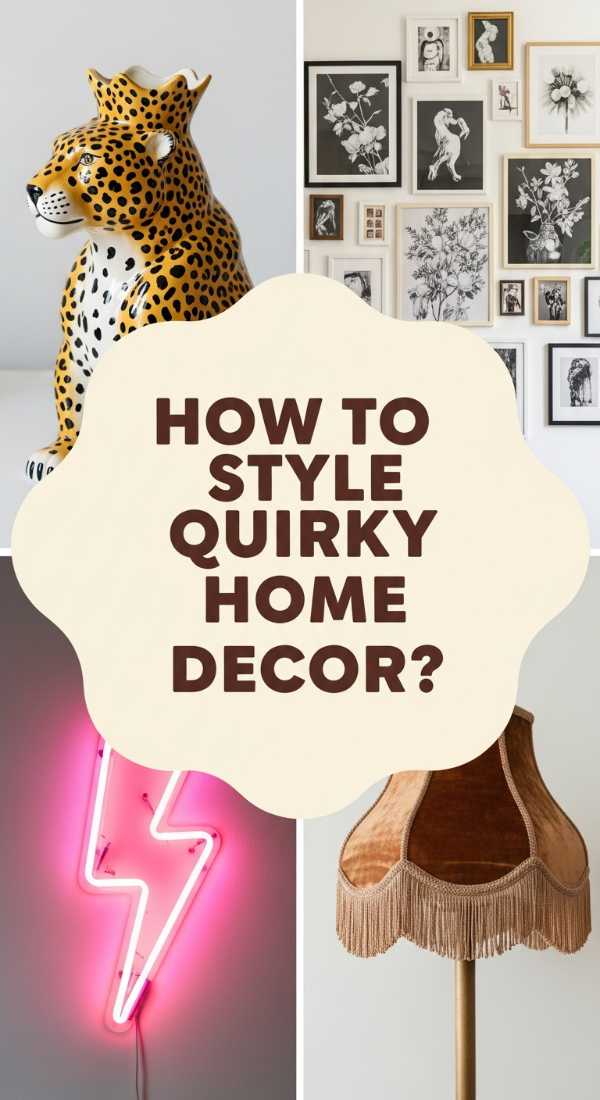
Why we love this
This is the ‘rebel’ of home decor styles, where rules are broken in favor of pure, unadulterated personality. We love the quirky eclectic look because it is impossible to replicate; it is a visual diary of your travels, your jokes, and your weirdest obsessions. It’s the sensory delight of clashing textures—a rough concrete bust wearing a pair of pink sunglasses, or a sleek marble table topped with a collection of vintage Pez dispensers. This style celebrates the high-low mix, proving that a thrift store find can be just as ‘luxe’ as a designer piece when styled with confidence. It’s a home that makes people laugh, ask questions, and linger just a little longer.
Essential Elements:
- A mix of different design eras (modern, deco, retro)
- Unexpected color combinations (e.g., olive green and neon pink)
- Conversational pieces (unusual sculptures, weird art)
- A variety of textures (velvet, marble, concrete, fur)
- Gallery walls that include non-art objects (masks, clocks, plates)
- Books used as decor in non-traditional ways
How to make it
- Find the ‘Common Thread’: To prevent ‘quirky’ from becoming ‘messy,’ choose one element to keep consistent. It could be a color (e.g., everything has a touch of gold) or a material (e.g., everything is housed on black metal shelving).
- The ‘Odd One Out’ Technique: In every vignette, place one item that ‘doesn’t belong.’ If you have a shelf of classic white ceramics, add one bright red plastic dinosaur. This ‘friction’ is what makes the space feel curated and viral-worthy.
- Scale Experimentation: Don’t be afraid of ‘too big.’ Place an oversized floor lamp next to a tiny, delicate side table. This play with proportions creates a sense of whimsy and intentional design.
- The Layered Art Look: Instead of hanging everything, lean some of your art pieces against the wall on the floor or on a mantle. Layer smaller frames in front of larger ones to create a sense of depth and casual ‘cool.’
The Secret to a Home That Feels Like You
At the end of the day, a ‘viral’ home isn’t about following every trend to the letter. It’s about the confidence to mix a 19th-century crucifix with a nineties checkerboard rug if that’s what makes your heart sing. Your space should be a collection of things you love, arranged with intention and a deep respect for the sensory experience of living. Take these secrets, apply the ‘how-to’ steps, but don’t forget to leave room for the unplanned, the messy, and the truly human. Your home is a work in progress, just like you—and that is exactly why it’s beautiful.