
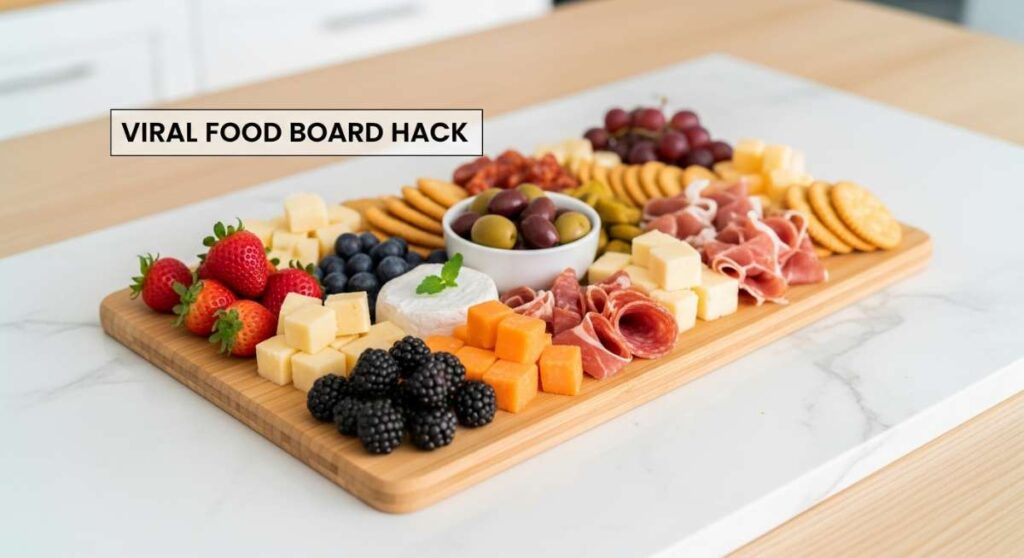
Stop Everything: This Viral Food Board Hack Is a Total Game Changer
We’ve all seen the butter boards and the charcuterie spreads that look like they belong in a museum, but honestly? I was craving something that actually felt like a full, soul-satisfying meal. That is when the ‘Global Fusion Board’ hack went viral in my kitchen, and let me tell you, it has changed the way I entertain forever. It’s about more than just cheese and crackers; it is about bringing together the most iconic, comforting bites from around the world onto one stunning, interactive landscape.
The secret to this viral sensation isn’t just the variety, it’s the combination of textures and temperatures. Imagine a board where crispy tempura sits alongside velvety lasagna bites and perfectly seared steak. It’s a sensory overload in the best way possible. Whether you are hosting a girls’ night or just want to treat your family to a weekend feast that feels like a five-star tasting menu, this food board hack is the ultimate way to bring people together over a shared love of incredible, homemade food.
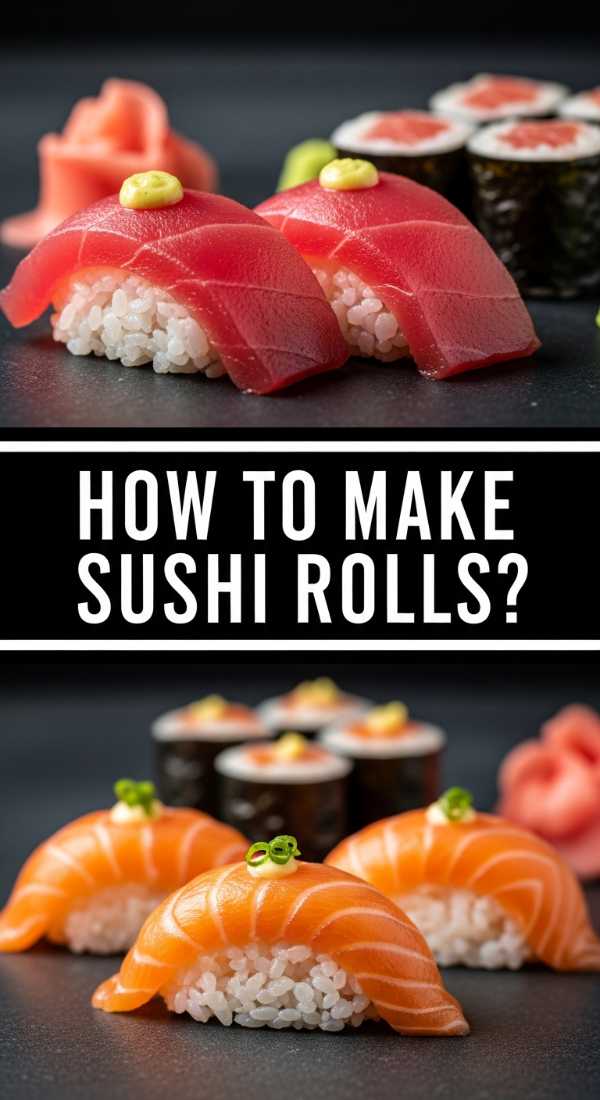
How to make sushi rolls?
Why we love this
There is something incredibly meditative about the process of rolling your own sushi, and the result is a bite that feels light, clean, and vibrantly fresh. We love the contrast between the tender, vinegared grains of sushi rice and the snap of fresh cucumber or the buttery richness of avocado. When you dip a fresh slice into a pool of soy sauce with a touch of wasabi, the aroma of toasted nori fills your senses, making every mouthful feel like a celebration of delicate textures and balanced flavors. It’s the ultimate centerpiece for an impressive, interactive food board.
Ingredients
- 2 cups sushi rice (short-grain white rice)
- 2.5 cups water
- 1/2 cup rice vinegar
- 2 tbsp sugar
- 1 tsp salt
- Nori (seaweed) sheets
- Fillings: Fresh salmon, cucumber, avocado, cream cheese
- Soy sauce, ginger, and wasabi for serving
How to make it
- Rinse the sushi rice under cold water repeatedly until the water runs completely clear; this removes excess starch and ensures the grains stay distinct and non-mushy.
- Cook the rice with 2.5 cups of water in a rice cooker or on the stove. Once done, let it steam for 10 minutes with the lid on to achieve that perfect, tender bite.
- While the rice steams, whisk together rice vinegar, sugar, and salt in a small bowl until dissolved. Fold this mixture gently into the warm rice using a wooden paddle, being careful not to smash the grains.
- Place a sheet of nori, shiny side down, on a bamboo rolling mat. Spread a thin, even layer of rice over the nori, leaving about an inch of space at the top edge.
- Lay your sliced fillings horizontally across the center of the rice. Using the mat, roll the nori over the fillings, tucking it tightly as you go to ensure a firm cylinder.
- Wet a very sharp knife with a damp cloth and slice the roll into even rounds. The moisture on the blade prevents the rice from sticking, giving you those clean, professional edges.
How to cook juicy steak?

Why we love this
Nothing says luxury like a perfectly cooked, juicy steak that has been basted in a sea of aromatic garlic butter. The magic lies in that deep, mahogany crust—the result of a perfect Maillard reaction—which gives way to a center so tender it practically melts on your tongue. As you slice into it, the scent of sizzling rosemary and thyme fills the room, creating an atmosphere of pure indulgence. It’s the heavy hitter of any food board, providing a rich, savory anchor that pairs beautifully with lighter sides.
Ingredients
- 2 thick-cut ribeye or New York strip steaks
- Kosher salt and coarse black pepper
- 3 tbsp unsalted butter
- 4 cloves garlic, smashed
- 3 sprigs of fresh rosemary or thyme
- High-smoke point oil (like grapeseed or avocado oil)
How to make it
- Remove the steaks from the refrigerator at least 45 minutes before cooking. Pat them extremely dry with paper towels; moisture is the enemy of a good sear and will cause the meat to steam instead of brown.
- Generously season all sides of the steak with salt and pepper. Heat a heavy cast-iron skillet over high heat until it is wisps of smoke are just starting to rise.
- Add a tablespoon of oil to the pan and carefully lay the steaks down. Sear for 3-4 minutes without moving them until a thick, golden-brown crust forms on the bottom.
- Flip the steaks and immediately add the butter, smashed garlic, and herbs to the pan. As the butter melts and foams, tilt the pan and use a large spoon to continuously pour that flavored butter over the steaks.
- Continue basting for another 3-4 minutes until the internal temperature reaches 135°F (57°C) for a perfect medium-rare.
- Transfer the steaks to a cutting board and let them rest for at least 10 minutes. This allows the juices to redistribute, ensuring every bite is moist and flavorful.
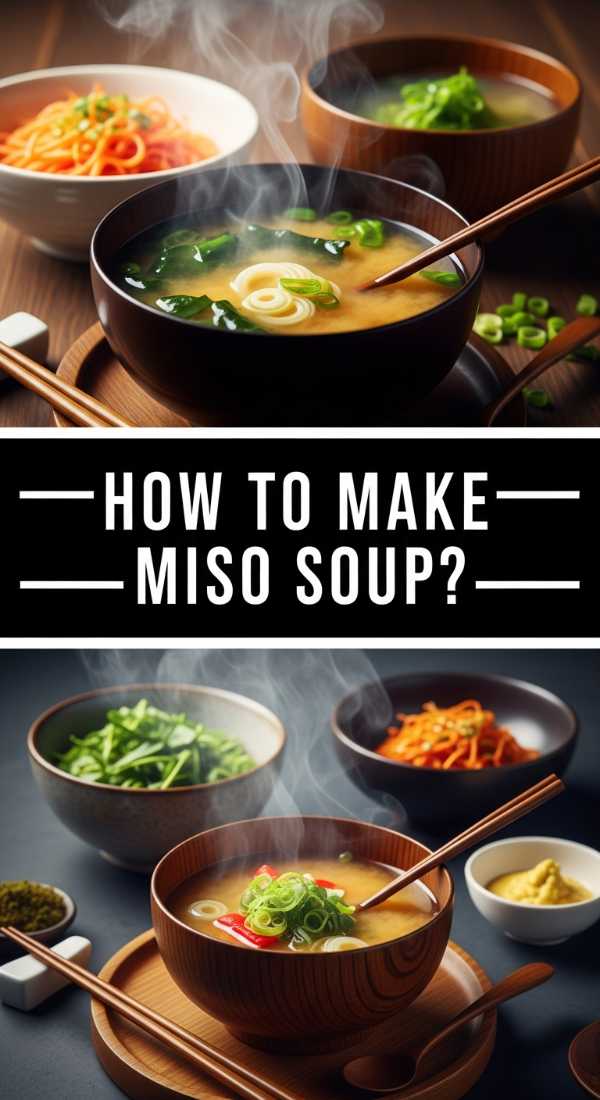
How to make miso soup?
Why we love this
Miso soup is the ultimate culinary hug; it’s a warm, umami-rich broth that cleanses the palate and soothes the soul. We love the delicate balance between the salty fermentation of the miso paste and the subtle ocean-breeze scent of the dashi. The tiny cubes of silken tofu provide a soft, velvet texture that disappears against the tongue, while the fresh crunch of green onions adds a bright pop of color and flavor. It is a light, fragrant addition that brings a sense of calm and balance to a busy food board.
Ingredients
- 4 cups water
- 1 tsp dashi granules (or homemade dashi)
- 3 tbsp miso paste (white or red)
- 1/2 cup silken tofu, cubed
- 2 green onions, thinly sliced
- Optional: Dried wakame seaweed
How to make it
- Bring 4 cups of water to a gentle simmer in a medium saucepan. Add the dashi granules and stir until completely dissolved to create your savory base.
- If using wakame seaweed, add a small handful to the simmering broth and let it rehydrate for about 2 minutes until it expands into tender leaves.
- Gently slide the silken tofu cubes into the pot. You want to keep the heat low here; boiling the tofu too vigorously can cause it to break apart and ruin the clarity of the soup.
- Place the miso paste in a small bowl and ladle about 1/2 cup of the warm broth into it. Whisk until the miso is a smooth, liquid slurry with no lumps.
- Turn off the heat entirely. Stir the miso slurry back into the main pot. Never boil miso, as high heat destroys its delicate probiotics and alters its complex flavor profile.
- Ladle into small bowls and garnish with a generous handful of sliced green onions for a fresh finish.
How to roast garlic chicken?

Why we love this
There is an irresistible rustic charm to roast garlic chicken, with its crackling, golden-brown skin and meat that pulls away from the bone with zero effort. The aroma of garlic slow-roasting in chicken fat is one of the most intoxicating scents in the culinary world, promising a meal that is both comforting and deeply flavorful. Every bite offers a symphony of savory notes, from the herbal punch of rosemary to the sweet, mellow cloves of softened garlic. It’s the kind of dish that turns a simple board into a hearty, home-cooked feast.
Ingredients
- 1 whole chicken (approx. 4 lbs)
- 2 whole heads of garlic, halved crosswise
- 4 tbsp softened butter
- 2 tbsp olive oil
- Fresh rosemary and thyme
- Salt and cracked black pepper
- 1 lemon, halved
How to make it
- Preheat your oven to 425°F (220°C). Pat the chicken dry inside and out. A dry skin is the only way to achieve that viral-worthy, paper-thin crunch.
- Stuff the cavity of the chicken with the lemon halves and a few sprigs of herbs. Use your fingers to gently loosen the skin over the breast meat and spread half of the softened butter underneath.
- Rub the outside of the chicken with olive oil and the remaining butter, then season aggressively with salt and pepper.
- Place the chicken in a roasting pan and scatter the halved garlic heads and extra herb sprigs around it. The garlic will caramelize in the rendering chicken fat, creating a built-in sauce.
- Roast for about 1 hour to 1 hour and 15 minutes. Use a meat thermometer to check the thickest part of the thigh; it should read 165°F (74°C).
- Let the chicken rest for 15 minutes before carving. This ensures the meat stays incredibly moist and the skin remains crisp for serving.
How to bake fluffy pancakes?

Why we love this
Pancakes are the ultimate comfort food, especially when they are so thick and airy they feel like biting into a sweet, golden cloud. We love the way the edges get that tiny bit of buttery crispness while the center remains soft and steaming. The scent of vanilla and sizzling batter on a griddle is enough to wake anyone up with a smile. Topped with a drizzle of maple syrup that soaks into the porous surface, these pancakes add a delightful ‘brunch-style’ element to your viral food board that everyone will reach for first.
Ingredients
- 1.5 cups all-purpose flour
- 3.5 tsp baking powder
- 1 tbsp white sugar
- 1 tsp salt
- 1.25 cups milk
- 1 egg
- 3 tbsp melted butter
- 1 tsp vanilla extract
How to make it
- In a large bowl, sift together the flour, baking powder, sugar, and salt. Sifting is a non-negotiable step if you want that ultra-fluffy, lump-free texture.
- In a separate bowl, whisk together the milk, egg, melted butter, and vanilla extract until well combined.
- Make a well in the center of the dry ingredients and pour in the wet mixture. Stir gently with a whisk or spatula just until combined; over-mixing will develop gluten and make the pancakes tough. Small lumps are okay!
- Heat a non-stick griddle or frying pan over medium-low heat and lightly coat with butter. Using a 1/4 cup measure, pour the batter onto the hot surface.
- Wait for bubbles to form on the surface and the edges to look set and matte. This usually takes about 2-3 minutes. Carefully flip once.
- Cook for another 1-2 minutes until golden brown on the bottom. Serve immediately while they are at their maximum height and fluffiness.
How to make creamy pasta?

Why we love this
There is nothing quite like the silky, decadent embrace of a truly creamy pasta sauce that clings perfectly to every strand of noodle. We love the rich, parmesan-forward flavor that feels sophisticated yet profoundly comforting, accented by the sharp bite of freshly cracked black pepper. The texture is luscious and smooth, coating the palate in a savory velvet that makes you want to close your eyes with every forkful. It’s a versatile addition to any board, serving as the perfect warm, carby heart of the spread.
Ingredients
- 12 oz pasta (fettuccine or penne work best)
- 1 cup heavy cream
- 1/2 cup unsalted butter
- 1.5 cups freshly grated Parmesan cheese
- 2 cloves garlic, minced
- Salt and black pepper
- Fresh parsley for garnish
How to make it
- Boil a large pot of water and add a generous amount of salt—it should taste like the sea. Cook your pasta until it is ‘al dente,’ meaning it still has a slight bite to it.
- Before draining the pasta, reserve 1 cup of the starchy pasta water. This is the ‘liquid gold’ that will help emulsify your sauce later.
- In a large skillet over medium heat, melt the butter and sauté the minced garlic for about 1 minute until fragrant but not browned.
- Pour in the heavy cream and bring to a very gentle simmer. Let it reduce slightly for about 3 minutes to thicken the base.
- Reduce the heat to low and whisk in the Parmesan cheese a handful at a time. Whisk constantly to ensure the cheese melts into a smooth sauce rather than clumping.
- Add the cooked pasta to the skillet along with a splash of the reserved pasta water. Toss vigorously until the sauce transforms into a glossy, creamy coating. Garnish with parsley and extra pepper.
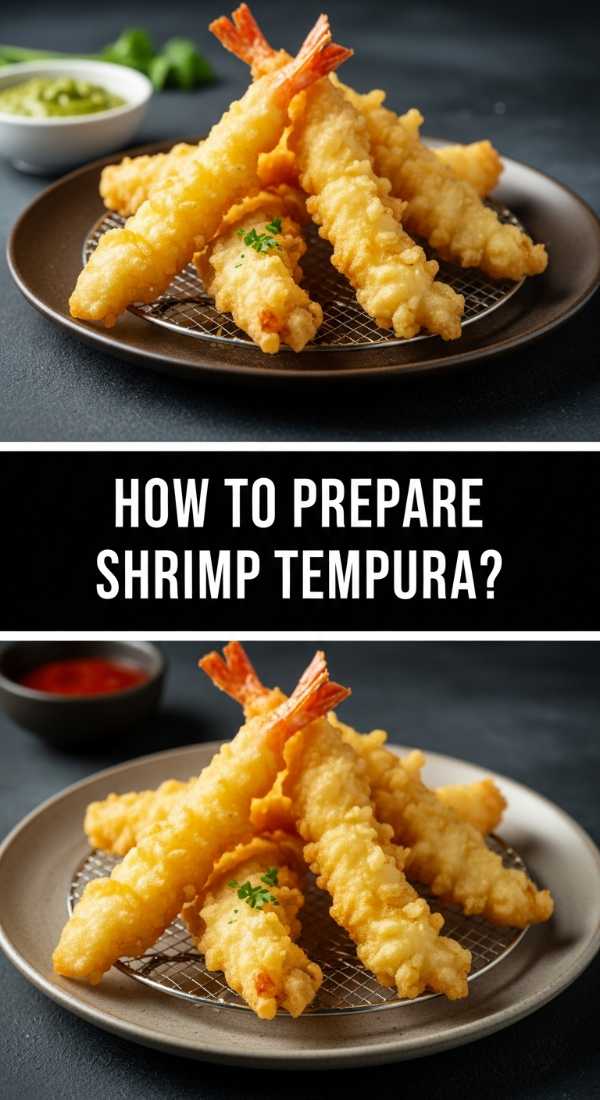
How to prepare shrimp tempura?
Why we love this
Shrimp tempura is all about the thrill of the crunch—a lacy, golden exterior that shatters upon impact to reveal a tender, succulent shrimp inside. We love the airy lightness of the batter, which feels almost weightless compared to traditional frying. The contrast between the hot, crispy coating and the cool, savory dipping sauce is a culinary experience that hits all the right notes. It adds a touch of elegance and a satisfying textural ‘snap’ that makes your food board feel truly professional.
Ingredients
- 1 lb large shrimp, peeled and deveined (tail on)
- 1 cup all-purpose flour
- 1/2 cup cornstarch
- 1 egg yolk
- 1 cup ice-cold sparkling water
- Vegetable oil for frying
- Extra flour for dredging
How to make it
- To keep the shrimp from curling when they hit the oil, make 3-4 small shallow slits on the belly side of each shrimp and gently ‘snap’ them straight with your fingers.
- Heat at least 2 inches of oil in a heavy pot to 350°F (175°C). Use a thermometer to maintain this temperature; too cold and they get greasy, too hot and they burn.
- In a bowl, lightly whisk the egg yolk and ice-cold sparkling water. Sift in the flour and cornstarch. Stir very briefly with chopsticks—do not over-mix. Lumps and bits of dry flour are actually desired for that lacy texture.
- Keep the batter bowl inside a larger bowl filled with ice. A cold batter hitting hot oil is the secret to the signature tempura ‘explosive’ crunch.
- Dredge each shrimp lightly in plain flour, then dip into the cold batter, holding it by the tail.
- Carefully drop into the oil and fry for 2 minutes until very pale gold and crispy. Drain on a wire rack to maintain the crunchiness.
How to make crispy potatoes?

Why we love this
The perfect crispy potato is a work of art, featuring a glass-like outer shell that gives way to a fluffy, mashed-potato-like interior. We love the deep, earthy aroma of roasted skins seasoned with rosemary and flaky sea salt. Every bite provides a satisfying ‘crunch’ that resonates, making them the most addictive element on any board. They are the ultimate crowd-pleaser, bridging the gap between a snack and a side dish with their golden, sun-kissed perfection and savory depth.
Ingredients
- 2 lbs Yukon Gold or Russet potatoes
- 1/2 tsp baking soda
- 1/3 cup olive oil or duck fat
- 3 sprigs fresh rosemary, minced
- 4 cloves garlic, minced
- Flaky sea salt and black pepper
How to make it
- Peel and cut the potatoes into 2-inch chunks. Place them in a pot of cold water with a generous pinch of salt and the baking soda. The baking soda breaks down the potato’s pectin, creating a starchy slurry on the surface that turns into extra-thick crunch.
- Boil the potatoes until they are tender but not falling apart (about 10 minutes). Drain and let them sit in the colander for 2 minutes to allow steam to escape.
- Shake the potatoes vigorously in the pot to ‘rough up’ the edges. You want a thick layer of starchy paste covering the outside of each chunk.
- Heat the oil or duck fat in a large roasting pan in a 450°F (230°C) oven for 5 minutes until shimmering hot.
- Carefully toss the potatoes into the hot oil, ensuring each piece is coated. Roast for 20 minutes, then flip.
- Add the garlic and rosemary, then roast for another 20-30 minutes until the potatoes are deep brown and incredibly loud when you tap them with a spoon. Season with flaky salt immediately.
How to cook teriyaki salmon?

Why we love this
Teriyaki salmon is a masterclass in balance, combining the salty-sweet richness of a soy-glaze with the delicate, flaky texture of perfectly cooked fish. We love the way the glaze carmelizes under the heat, forming a sticky, savory lacquer that glistens beautifully on a serving board. The aroma of ginger and toasted sesame seeds adds an exotic flair that makes the dish feel special. It’s a healthy, vibrant protein option that brings a burst of color and a sophisticated Asian-inspired flavor profile to your spread.
Ingredients
- 4 salmon fillets (6 oz each)
- 1/4 cup soy sauce
- 1/4 cup mirin
- 2 tbsp brown sugar
- 1 tsp grated fresh ginger
- 1 clove garlic, minced
- Sesame seeds and sliced green onions for garnish
How to make it
- In a small saucepan, combine the soy sauce, mirin, brown sugar, ginger, and garlic. Simmer over medium heat for 5-8 minutes until the liquid reduces by half and becomes a thick, syrupy glaze.
- Pat the salmon fillets completely dry. This is crucial for getting a good sear and preventing the fish from sticking to the pan.
- Heat a non-stick skillet over medium-high heat with a teaspoon of oil. Place the salmon skin-side down (if it has skin) and press gently with a spatula for 30 seconds to ensure even contact.
- Cook for 4-5 minutes until the skin is crispy and the flesh is cooked halfway up the side. Flip the fillets carefully.
- Immediately pour the reduced teriyaki sauce over the salmon. Use a spoon to baste the fish as the sauce bubbles and sticks to the fillets.
- Cook for another 2 minutes until the salmon is just opaque in the center. Remove from heat and garnish with sesame seeds and green onions for a pop of texture.
How to bake cheesy lasagna?

Why we love this
Lasagna is the queen of comfort foods, a towering masterpiece of pasta layers, rich meat sauce, and an abundance of melted, bubbly cheese. We love the way the edges of the pasta get a little crispy in the oven, while the center remains incredibly soft and gooey. The scent of slow-simmered tomato sauce infused with basil and oregano is enough to draw anyone to the table. When you pull a slice away, the long strings of mozzarella create a visual that is the definition of ‘food porn,’ making it a show-stopping finish for your viral board.
Ingredients
- 12 lasagna noodles (oven-ready or boiled)
- 1 lb ground beef or Italian sausage
- 24 oz marinara sauce
- 15 oz ricotta cheese
- 1 egg (to mix with ricotta)
- 3 cups shredded mozzarella cheese
- 1/2 cup grated Parmesan cheese
- Fresh basil
How to make it
- In a large skillet, brown the meat over medium-high heat until no longer pink. Drain the excess fat and stir in the marinara sauce. Simmer for 10 minutes to allow the flavors to meld.
- In a medium bowl, combine the ricotta cheese with the egg and a handful of chopped fresh basil. The egg acts as a binder, ensuring your cheese layer stays creamy rather than watery.
- Preheat your oven to 375°F (190°C). Spread a thin layer of meat sauce on the bottom of a 9×13 inch baking dish to prevent sticking.
- Layer three noodles on top of the sauce, followed by a layer of the ricotta mixture, a generous sprinkle of mozzarella, and more meat sauce. Repeat these layers until all ingredients are used.
- Top with a final, thick layer of mozzarella and Parmesan. Cover the dish tightly with aluminum foil—but tent it so the cheese doesn’t stick to the foil.
- Bake for 25 minutes covered, then remove the foil and bake for another 15-20 minutes until the cheese is browned and bubbly. Let it rest for 15 minutes before slicing into bite-sized squares for the board.
Conclusion: The Ultimate Spread
Building a viral-style food board is all about embracing the chaos of different flavors and making them work together. By combining these ten diverse recipes, you create an experience that isn’t just about eating—it’s about exploration. Each dish brings its own story, its own texture, and its own warmth to the table. So, clear off your biggest wooden board, gather your friends, and get ready to see your dinner go viral in the best way possible. Happy cooking!
Frequently Asked Questions
Can I prepare these components ahead of time?
Absolutely! You can prep the sushi rice, roast the chicken, and assemble the lasagna a day in advance. Just make sure to fry the tempura and sear the steak right before serving to maintain their texture.
What is the best board to use for a spread this size?
I recommend a large, food-safe wooden board or even a clean butcher block. If you don’t have one big enough, you can line your dining table with parchment paper and build the feast directly on the table for a ‘grazing table’ effect!
How do I keep the hot items warm?
The trick is to time your cooking so the ‘heavy’ items like lasagna and chicken finish last. You can also use small warming plates or keep certain items in a low oven (200°F) until you are ready to assemble the board.