
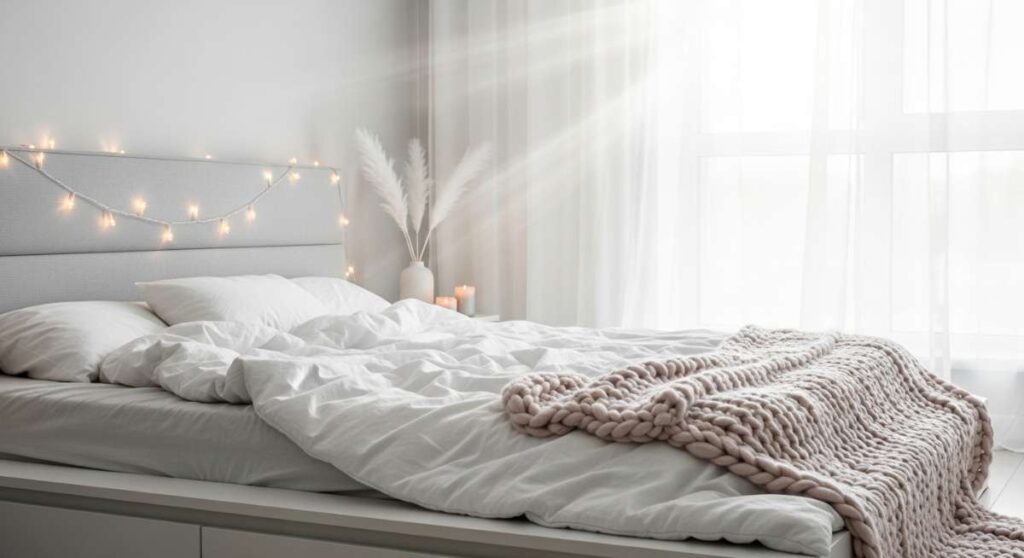
Soft Textures & Fairy Lights: Master the Dreamy Bedroom Aesthetic
There is a specific kind of magic that happens when you cross the threshold of a room that feels like it was plucked from a daydream. It’s that instant drop in your shoulders, the deep inhale of a space that smells of vanilla and fresh linen, and the visual lullaby of soft, twinkling lights. We spend a third of our lives asleep, but we spend even more time seeking a sanctuary where the chaos of the digital world can’t find us. Your bedroom shouldn’t just be a place to crash; it should be an experience that nourishes your soul.
Creating a ‘dreamy’ aesthetic isn’t about following a rigid set of rules; it’s about layering textures and lighting until the room feels like a warm embrace. Whether you are living in a tiny studio or a sprawling master suite, the goal is to curate an environment that appeals to every sense. From the crunch of crisp hotel sheets to the soft glow of a salt lamp, every detail contributes to your personal retreat. Let’s dive into how you can transform your current space into the sanctuary you’ve been scrolling through on your feed.
How to Curate a Dreamy Pastel Sanctuary for Total Teen Relaxation

Why we love this
A pastel sanctuary feels like walking into a sunset cloud, offering a visual softness that immediately lowers cortisol levels. We adore the way dusty pinks, muted lavenders, and minty foams play together to create a space that feels airy yet incredibly cozy. Imagine sinking into a pile of velvet pillows while the scent of a sweet peony candle wafts through the air, and the gentle touch of a microfiber duvet covers you. It is the ultimate feminine retreat that balances playfulness with a sophisticated, calming undertone perfect for unwinding after a long day.
Essential Elements:
- Dusty rose or lilac duvet cover
- Faux fur white rug
- Heart-shaped neon sign or pastel fairy lights
- Gallery wall featuring soft-focus photography
- Velvet throw pillows in varying heights
How to make it
- Start by prepping your ‘canvas’ with a neutral base—off-white or very light grey walls work best to let the pastels pop without looking muddy.
- Layer your textiles starting with the heaviest: place the faux fur rug at the foot of the bed to ground the space visually and physically.
- Select your primary pastel ‘flavor’ (e.g., lavender) and apply it to the largest surface area, usually the bedspread, ensuring the fabric is a matte texture to avoid a ‘cheap’ shiny look.
- Integrate accent colors through pillows; use the ‘rule of three’ by grouping a large square pillow, a medium textured pillow, and a small lumbar pillow to create depth.
- Adjust the ‘visual heat’ of the room by adding warm-toned fairy lights; look for the ‘doneness’ cue when the shadows in the corners of the room turn soft and hazy rather than sharp and dark.
How to Layer Organic Textures for a Grounded Earthy Bedroom Escape
Why we love this
There is something profoundly healing about bringing the outside in through raw, organic textures that speak to our primal need for nature. This aesthetic focuses on the tactile—the rough grain of reclaimed wood, the cool smoothness of stone, and the breathable, wrinkled charm of 100% flax linen. It’s a sensory feast that smells of sandalwood and rain, making you feel grounded and safe within your own four walls. It’s less about perfection and more about the ‘wabi-sabi’ beauty of natural materials that age gracefully over time.
Essential Elements:
- 100% Stone-washed flax linen bedding
- Jute or seagrass area rug
- Reclaimed wood headboard or nightstand
- Woven rattan pendant light
- Ceramic vases with dried pampas grass
How to make it
- Begin by stripping away synthetic fabrics; prep your bed with linen sheets, which provide a professional-grade tactile foundation that breathes better than cotton.
- Introduce ‘visual weight’ by placing a heavy jute rug under the bed, extending at least 24 inches on either side to anchor the furniture.
- Apply the wooden elements; if you don’t have a wood headboard, use floating wooden shelves to create a vertical texture that draws the eye upward.
- Layer the lighting using ‘warmth levels’: swap out cool white bulbs for 2700K warm LEDs to mimic the golden hour of a forest sunset.
- The final ‘visual cue’ for completion is when the room feels balanced between ‘rough’ (wood/jute) and ‘soft’ (linen/wool); if it feels too harsh, add one more chunky knit throw.
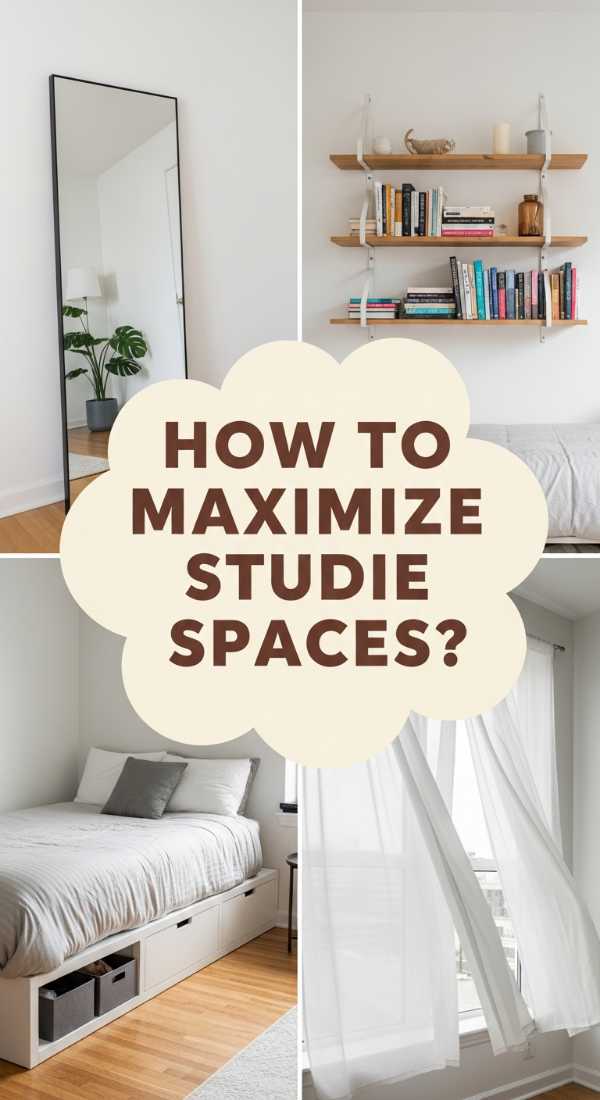
How to Maximize Small Studio Spaces for an Airy Apartment Feel
Why we love this
Small spaces have the potential to be the coziest jewel boxes when handled with a light touch and clever zoning. We love the challenge of turning a cramped studio into an airy haven by using light-reflective surfaces and vertical interest to trick the eye. It’s the feeling of a crisp, white t-shirt—simple, clean, and effortlessly chic. When the morning light hits a well-placed mirror, the entire room glows, making even a 300-square-foot space feel like a sprawling, sun-drenched loft in the city.
Essential Elements:
- Large floor-to-ceiling mirror
- Sheer white linen curtains
- Multi-functional storage furniture
- Acrylic or ‘ghost’ chairs to reduce visual clutter
- Light-colored, low-profile bed frame
How to make it
- Maximize your ‘prep area’ by decluttering every flat surface; in a small space, visual noise is the equivalent of a messy kitchen.
- Position a large mirror directly opposite your main window; this ‘prep’ step doubles the natural light and creates the illusion of a doorway to another room.
- Install curtain rods 3-6 inches above the window frame and let the sheer fabric ‘puddle’ slightly on the floor to emphasize ceiling height.
- Select a monochrome color palette—shades of cream, eggshell, and white—to prevent the eye from stopping at harsh color transitions.
- Visual cue for success: Stand in the doorway; if your eye moves smoothly across the room without snagging on a dark or bulky object, the ‘airiness’ is cooked to perfection.
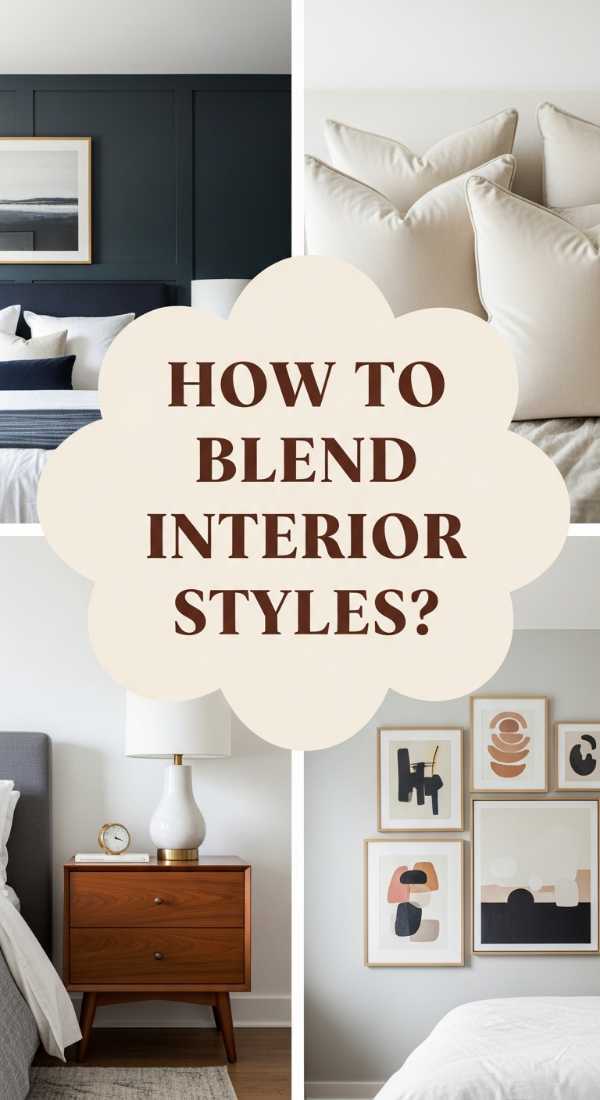
How to Blend Individual Styles for the Perfect Couple Bedroom Retreat

Why we love this
A shared bedroom is a beautiful metaphor for a relationship—a blend of two different worlds coming together to create something harmonious and new. We love the ‘collected’ look of a couple’s room, where a mid-century modern dresser might sit next to a cozy, traditional armchair. It creates a space that feels lived-in and authentic, smelling of shared morning coffees and the comfort of partnership. It moves away from the ‘catalog’ look and into a realm of curated personal history that feels warm and deeply private.
Essential Elements:
- A neutral, high-quality upholstered headboard
- Individual nightstands that share a common height but different styles
- A ‘compromise’ color palette (e.g., navy and cream)
- Personal mementos integrated into decor
- Dimmable bedside lamps for individual control
How to make it
- Identify a ‘bridge’ color or material that both partners enjoy (like oak wood or navy blue) and use this as the primary ‘stock’ for your room design.
- Set up ‘zones’ for each person; prep each side of the bed with a nightstand that reflects their personal needs (one might need a drawer for books, the other a flat surface for tech).
- Blend the styles by using the 80/20 rule: 80% of the room in a shared cohesive style, and 20% in individual accent pieces to provide ‘flavor.’
- Maintain ‘simmering’ harmony by ensuring all lighting is on separate circuits or has individual dimmers, allowing for different ‘heat levels’ of activity.
- Final visual cue: The room is ‘done’ when it doesn’t look like either person ‘won’ the decorating battle, but rather like a unified, intentional retreat.
How to Design a Bold Eclectic Space for Personal Creative Expression

Why we love this
Eclectic design is for the bold souls who find beauty in the unexpected and the vibrant. We love this aesthetic because it breaks all the rules, allowing for a riot of textures, patterns, and colors that reflect a rich inner life. Imagine a room where a leopard print rug meets a botanical wallpaper, and somehow, it feels exactly right. It’s a sensory explosion—the smell of incense, the feel of beaded pillows, and the sight of a curated collection of art that tells the story of your travels and dreams.
Essential Elements:
- Pattern-clashing textiles (stripes with florals)
- A statement gallery wall with various frame styles
- Vintage or thrifted statement furniture
- Bold, saturated accent wall color
- Global-inspired decor like Moroccan poufs
How to make it
- Start with a ‘base ingredient’—choose one bold item, like a patterned rug or a colorful piece of art, to act as the anchor for the rest of the room.
- Apply ‘visual seasoning’ by layering patterns; the professional tip here is to vary the scale of patterns (one large floral, one medium stripe, one small geometric).
- Use a ‘connective tissue’ color; find one hue that appears in almost every piece of decor to keep the eclecticism from turning into chaos.
- Control the ‘heat’ of the room by balancing the bold colors with black or white accents to give the eyes a place to rest.
- Visual cue for ‘doneness’: Spin in a circle; if every corner of the room makes you smile and feels like ‘you,’ the creative expression is fully baked.
How to Set the Mood with Soft Ambient Lighting for Romantic Evenings
Why we love this
Lighting is the most powerful tool in your design arsenal; it has the ability to completely transform the architecture of a room with the flick of a switch. We love ambient lighting for its ability to soften harsh edges and create an intimate, cocoon-like atmosphere that feels both romantic and safe. It’s the difference between a fluorescent office and a candlelit dinner. The soft hum of warm light against a textured wall creates a dance of shadows that makes the evening feel eternal and the outside world feel miles away.
Essential Elements:
- Warm-toned fairy lights (copper wire preferred)
- Smart bulbs with color-changing capabilities
- Scented soy candles in amber jars
- Salt lamps or frosted glass globes
- Floor lamps with fabric shades to diffuse light
How to make it
- Prep your lighting ‘layers’: Never rely on a single overhead ‘big light’ which acts like high heat on a delicate dish, scorching the mood.
- Install ‘low-level’ lighting; place small lamps or LED strips at floor or waist level to create a grounded, cozy glow.
- Drape copper fairy lights around the headboard or a mirror; the fine wire disappears, leaving only the ‘sparkle’ of light, which acts as a professional-grade mood enhancer.
- Set the ‘burn time’: Use timers or smart plugs to ensure the room is already glowing by the time you enter, creating a seamless transition into relaxation.
- Visual cue for perfection: When you can see enough to move comfortably but the shadows are soft enough to blur the lines of the furniture, your ambient setting is served.
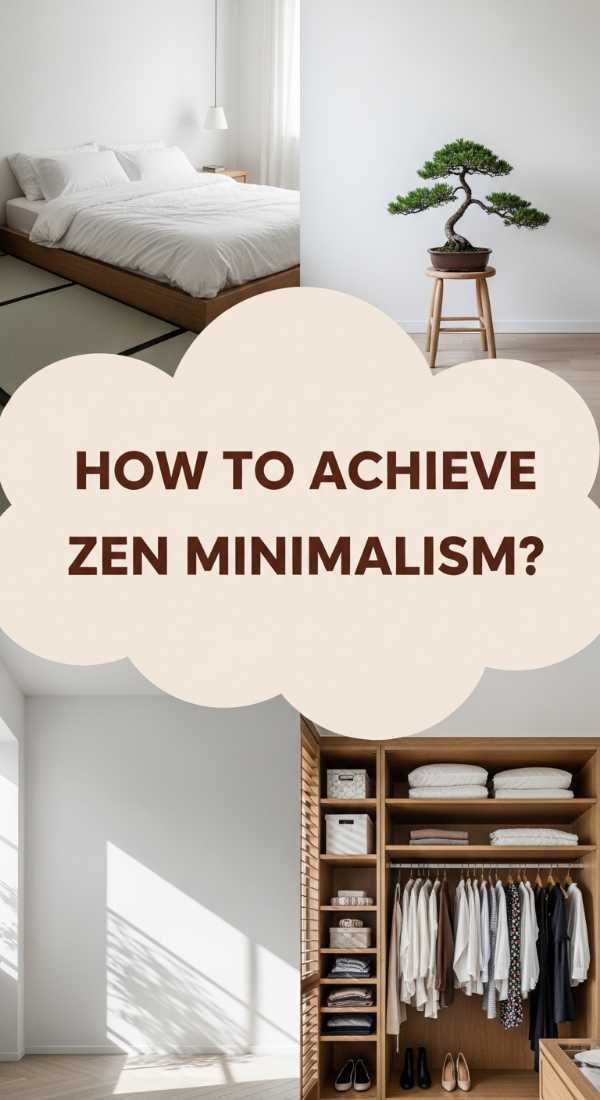
How to Achieve Zen Minimalism for a Peaceful Apartment Bedroom Haven

Why we love this
Zen minimalism is the ultimate ‘deep clean’ for the mind, offering a visual silence that is increasingly rare in our over-stimulated world. We love this look because it prioritizes quality over quantity, focusing on the beauty of empty space and the intentionality of every object. It smells of eucalyptus and fresh air, feeling cool to the touch and incredibly orderly. It’s not about having nothing; it’s about having only what serves your peace, creating a haven where you can truly hear your own thoughts.
Essential Elements:
- Low-profile platform bed (Japanese style)
- Hidden storage to remove visual clutter
- A neutral, monochromatic palette (whites, beiges, greys)
- One single, high-quality piece of art
- Cotton or bamboo bedding
How to make it
- Begin with a ‘deep reduction’: Remove every item from the room that isn’t essential or doesn’t bring you profound peace.
- Prep the surfaces by choosing matte finishes; glossy surfaces create reflections that can feel ‘noisy’ in a minimalist environment.
- Focus on ‘alignment’: Ensure your furniture follows clean, horizontal lines to create a sense of stability and calm.
- Maintain the ‘purity’ of the space by using a single scent—lavender or cedarwood—to create a sensory anchor for the minimalist aesthetic.
- Visual cue for ‘doneness’: When you can take a full breath and your eyes don’t find a single ‘stray’ object to focus on, your Zen haven is complete.
How to Incorporate Lush Indoor Plants for a Fresh Bedroom Atmosphere

Why we love this
Plants are the literal lungs of a room, bringing life, movement, and vibrant color into a static space. We love the ‘Jungalow’ vibe because it feels energetic and fresh, smelling of damp earth and chlorophyll. There is a specific joy in waking up to the sunlight filtering through the Swiss-cheese leaves of a Monstera or the cascading vines of a Pothos. It creates a micro-climate of health and vitality that makes your bedroom feel like a tropical escape, even in the middle of a concrete jungle.
Essential Elements:
- A mix of floor plants (Snake plants, Fiddle Leaf Figs)
- Hanging macrame planters
- Terracotta or glazed ceramic pots
- A mister for humidity
- Plant stands for varying heights
How to make it
- Prep your ‘environment’: Check the light levels of your room at different times of day to ensure you choose plants that will actually thrive.
- Create ‘clusters’: Group plants in odd numbers (3 or 5) to create a natural, ‘overgrown’ look that mimics how plants grow in the wild.
- Vary the ‘leaf texture’: Mix broad-leafed plants with fine-leafed ferns to create a complex visual ‘flavor’ in your green corner.
- Monitor the ‘doneness’ by checking soil moisture; a professional tip is to use decorative pebbles on top of the soil to keep moisture in and look polished.
- Visual cue: The room is ready when the green of the plants feels like an integrated part of the decor rather than just ‘pots sitting in a room.’
How to Create a Cozy Dark Academia Nook for Late Night Studying
Why we love this
Dark Academia is the aesthetic of old libraries, leather-bound books, and the romantic pursuit of knowledge. We love this for a bedroom because it feels incredibly snug and intellectual, smelling of old paper and black tea. It’s the perfect setting for night owls and dreamers, where the dark colors wrap around you like a heavy wool coat. It’s sophisticated, slightly mysterious, and provides a focused energy that is perfect for getting lost in a book or a late-night writing session.
Essential Elements:
- Dark wood furniture (mahogany or walnut)
- Heavy velvet curtains in forest green or burgundy
- Brass desk lamp with a green shade (banker’s lamp)
- Stacks of vintage books
- Plaid or wool throw blankets
How to make it
- Prep the walls with a deep, moody ‘glaze’—think charcoal, navy, or deep espresso—to create the ‘cave-like’ feel essential to this look.
- Layer your ‘study zone’: Place a small vintage desk or a comfortable leather chair in a corner to create a secondary destination within the room.
- Apply ‘historical texture’ by using brass or bronze hardware; these metals ‘age’ the room and give it a sense of permanence.
- Adjust the ‘flicker’: Use candle-style bulbs in your fixtures to mimic the low-wattage, flickering light of a Victorian study.
- Visual cue for ‘doneness’: The nook is finished when it looks like a scene from a classic novel, where you expect to find a quill and ink nearby.
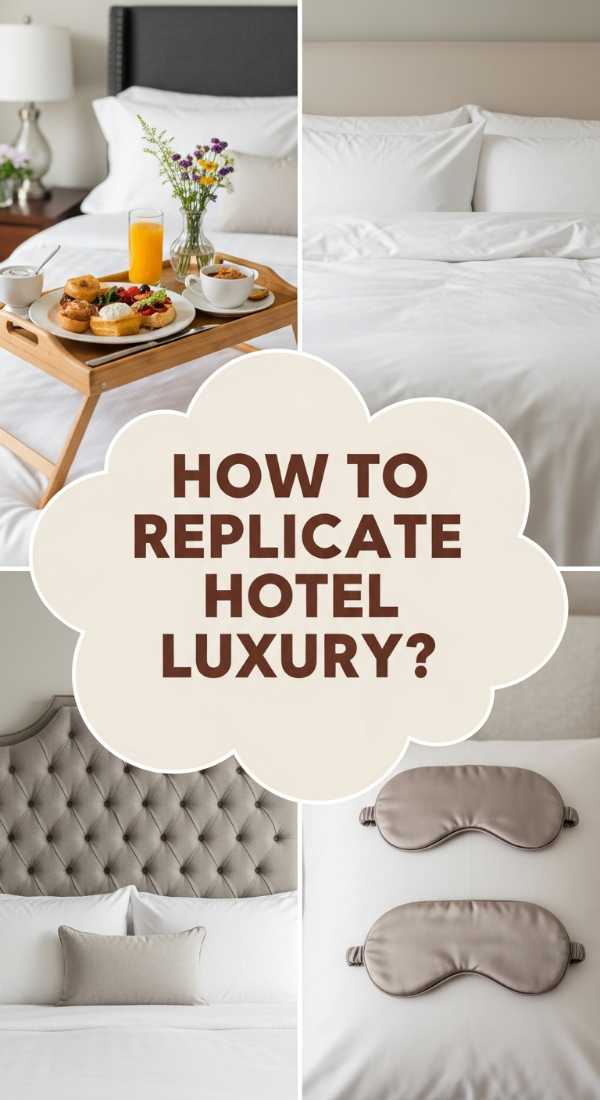
How to Replicate Hotel Luxury for an Everyday Suite Experience
[IMAGE_10]
Why we love this
There is no feeling quite like sliding into a perfectly made hotel bed with its crisp, cool sheets and mountains of pillows. Replicating this at home turns every night into a vacation, offering a level of pampering that elevates your daily routine. We love the symmetry and cleanliness of hotel design—the smell of white tea and the sight of perfectly hospital-cornered sheets. It’s a polished, high-end experience that tells you that you are worth the extra effort of a 5-star environment.
Essential Elements:
- High thread count (400+) white cotton percale sheets
- Down or down-alternative duvet insert (oversized)
- Symmetrical nightstands and matching lamps
- A plush upholstered bench at the foot of the bed
- A white noise machine or high-end Bluetooth speaker
How to make it
- Prep the ‘foundation’ by using a mattress topper for that specific ‘cloud’ feel found in luxury resorts.
- Master the ‘triple sheet’ technique: Layer a fitted sheet, a flat sheet, a thin blanket, and another flat sheet for a professional, crisp finish.
- Apply ‘visual fluff’: Use a duvet insert that is one size larger than your duvet cover (e.g., a King insert in a Queen cover) to make the bed look extra stuffed and inviting.
- Focus on symmetry: Place identical lamps and stacks of books on both nightstands to create the balanced ‘heat’ of a professional hotel suite.
- Visual cue: The room is ‘cooked’ when you can drop a quarter on the bed and it almost bounces—the tension and fluff should be perfect.
Conclusion
Your bedroom is the most personal landscape you will ever design. Whether you lean into the lush greenery of a botanical haven or the crisp, structured luxury of a hotel suite, the key is to prioritize your own comfort and sensory joy. Start small—change a lightbulb, add a textured throw, or buy a single plant—and watch as your space begins to reflect the dreamer within. Sweet dreams!