

Have you ever walked into a room and felt your entire nervous system just… exhale? There is a specific kind of magic in a home that feels both impeccably clean and deeply inviting. For a long time, I thought I had to choose: I could either have the sleek, cold perfection of a minimalist showroom, or the cluttered, chaotic warmth of a ‘lived-in’ house. But then I discovered cozy minimalism, and my world changed.
Cozy minimalism isn’t about deprivation; it’s about intentionality. It is the art of curating a space where every item has a seat at the table and every texture tells a story of comfort. It’s about clearing the physical noise so you can actually hear your own thoughts, all while wrapped in the softest wool blanket you own. Today, I’m sharing how you can master this ‘soft simplicity’ to turn your home into a serene sanctuary.
How to Create a Cozy Minimalist Living Room for Total Serenity
Why we love this
There is a profound stillness that comes with a living room designed for serenity; it feels like a soft morning mist settling over a quiet lake. We love the way a muted color palette of oatmeal, bone, and soft greys creates a canvas for the golden sunlight to dance across the floor, highlighting the organic grains in wooden furniture. When you sink into a plush sofa, the subtle scent of a cedar-wood candle mingles with the buttery softness of a chunky knit throw, grounding your senses and quieting the mental noise of a long workday. It isn’t just about looking clean; it’s about feeling a deep, soul-level peace that radiates from every corner.
Essential Elements:
- Neutral-toned oversized sofa with linen upholstery
- Natural wood coffee table with a matte finish
- Textured wool area rug in a cream or beige hue
- Dimmable floor lamps with warm-toned bulbs
- A single, high-quality ceramic vase with dried branches
How to make it
- Begin by clearing the room entirely of small decor items to establish a ‘blank canvas’ feel; this allows you to see the true proportions of the space without visual distraction.
- Position your largest furniture piece, the sofa, facing the primary light source or a focal point like a fireplace to maximize the feeling of openness.
- Layer your textures starting from the floor up; place the rug first, ensuring it is large enough that all furniture legs rest upon it to create a grounded, cohesive ‘zone’.
- Add ‘soft’ elements in groups of three, such as a throw blanket draped over one corner of the sofa and two pillows of varying textures (one bouclé, one linen) to create visual depth without clutter.
- Finalize the ambiance by adjusting the lighting; use warm 2700K bulbs and set them to a low glow to mimic the visual cue of sunset, which signals the brain to begin relaxing.
How to Style a Small Living Room Apartment for an Open Feel
Why we love this
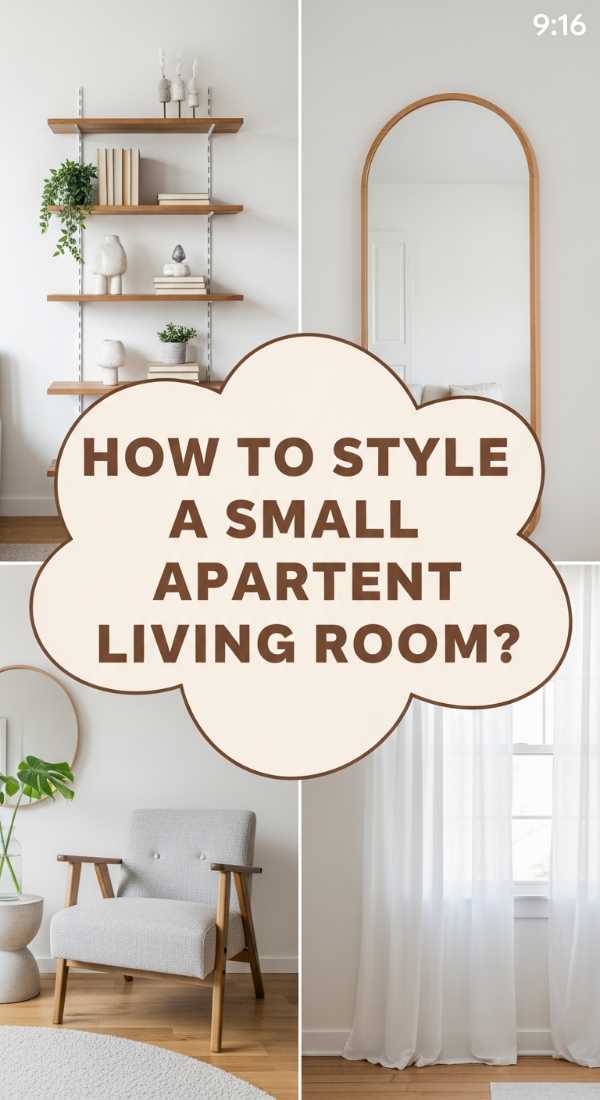
Small apartments often feel like they are closing in on you, but with the right minimalist touch, they can feel like a light-filled jewel box. We love the clever use of vertical space and the way light bounces off strategically placed mirrors, making a fifty-square-foot corner feel like an airy loft. There is a sense of pride in knowing that every object in your view is both functional and beautiful, from the sleek nesting tables to the sheer curtains that flutter in the breeze. It’s about reclaiming your space and proving that you don’t need a mansion to experience the luxury of breathing room and refined design.
Essential Elements:
- Leggy furniture (sofas and chairs with visible legs to see the floor underneath)
- Large wall-mounted mirror with a thin metallic frame
- Sheer linen window treatments
- Multifunctional ottoman with hidden storage
- Acrylic or glass coffee table to minimize visual weight
How to make it
- Select furniture with a ‘light’ silhouette; prioritize pieces with slender legs rather than blocky bases to keep the floor line visible, which tricks the eye into seeing more square footage.
- Install a large mirror on the wall opposite your largest window; check the reflection at midday to ensure it is capturing the maximum amount of natural light.
- Hang window treatments high and wide—at least 6-10 inches above the frame—to draw the eye upward and emphasize the height of the ceilings.
- Incorporate transparent materials like glass or acrylic for secondary furniture pieces; these ‘disappear’ in the room while still providing necessary surfaces.
- Edit your surfaces weekly; if an item hasn’t been used or sparked joy in seven days, find a ‘hidden’ storage spot for it to maintain the airy, open-concept vibe.
How to Curate Minimalist Room Decor for a Refined Home

Why we love this
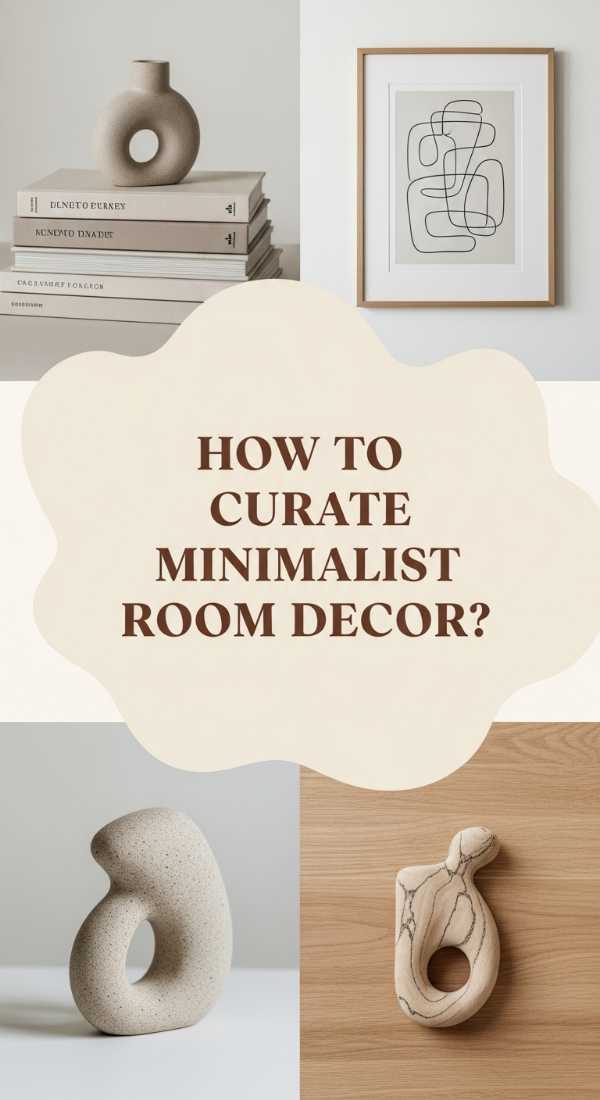
A refined home isn’t built in a day; it is a slow, soulful curation of objects that carry weight and meaning. We love the visual ‘breathing room’ that comes from leaving surfaces mostly bare, allowing one or two exquisite pieces to truly shine like stars in a night sky. Imagine the smooth, cool touch of a hand-thrown stoneware bowl or the architectural silhouette of a single monstera leaf in a glass vial. This approach celebrates the craftsmanship of the items you choose to keep, turning your everyday environment into a gallery of your own personal history and sophisticated taste.
Essential Elements:
- Handcrafted ceramic vessels in organic shapes
- Architectural greenery or dried botanicals
- Coffee table books with neutral spines
- Sculptural candle holders in brass or matte black
- A single statement piece of abstract wall art
How to make it
- Adopt the ‘one in, one out’ rule; for every new decorative object you bring home, remove one that no longer serves the aesthetic to prevent ‘clutter creep’.
- Group objects in odd numbers—specifically threes—using the ‘pyramid technique’ where you have one tall item, one medium item, and one low, flat item to create a balanced silhouette.
- Focus on the material contrast; pair a rough, unglazed ceramic vase with a smooth, polished marble tray to create ‘visual friction’ that looks expensive and curated.
- Leave at least 50% of your shelf and tabletop space empty; this ‘negative space’ acts as a frame for your decor, making the items you do display look intentional and high-end.
- Perform a ‘squint test’ from the doorway; if the decor looks like a messy blur, remove items until the remaining pieces have distinct, clear shapes.
How to Master Minimalist Cozy Vibes for Seasonal Comfort
Why we love this
Transitioning your home through the seasons doesn’t have to mean bins of plastic decorations; it’s about subtle shifts in texture and tone that mirror the world outside. We love the way a home can feel crisp and cool with light cottons in the summer, then transform into a warm cocoon with heavy velvets and wools when the frost hits the glass. There is something deeply nesting about swapping out a thin linen candle for one that smells of smoked amber and spice. It allows you to live in harmony with the rhythm of nature, keeping your minimalist base while honoring the need for seasonal change.
Essential Elements:
- Seasonal textiles (heavy knits for winter, light linens for summer)
- Scent profile rotation (citrus/floral vs. wood/spice)
- Natural seasonal accents (pinecones, dried grasses, or fresh branches)
- Variable lighting (more candles in winter, more natural light in summer)
- A dedicated ‘cozy basket’ for rotating extra blankets
How to make it
- Identify your ‘base layers’—the large furniture and rugs that stay year-round—and ensure they are neutral enough to accommodate any seasonal color palette.
- Switch your pillow covers and throws based on the ‘weight’ of the season; use 100% linen in the warmer months for breathability and move to chunky wool or faux fur as temperatures drop.
- Adjust your scent landscape; use an essential oil diffuser with peppermint and eucalyptus in the spring to feel refreshed, then transition to sandalwood or cedarwood in autumn for warmth.
- Bring the outdoors in by foraging for natural decor; three tall, bare branches in a large floor vase provide a stunning minimalist winter look without the clutter of traditional holiday decor.
- Layer your lighting for the ‘dark months’ by adding small battery-operated fairy lights inside glass jars or placing tea lights in ceramic houses to create a ‘hygge’ glow.
How to Design a Minimalist Home for Natural Connection
Why we love this
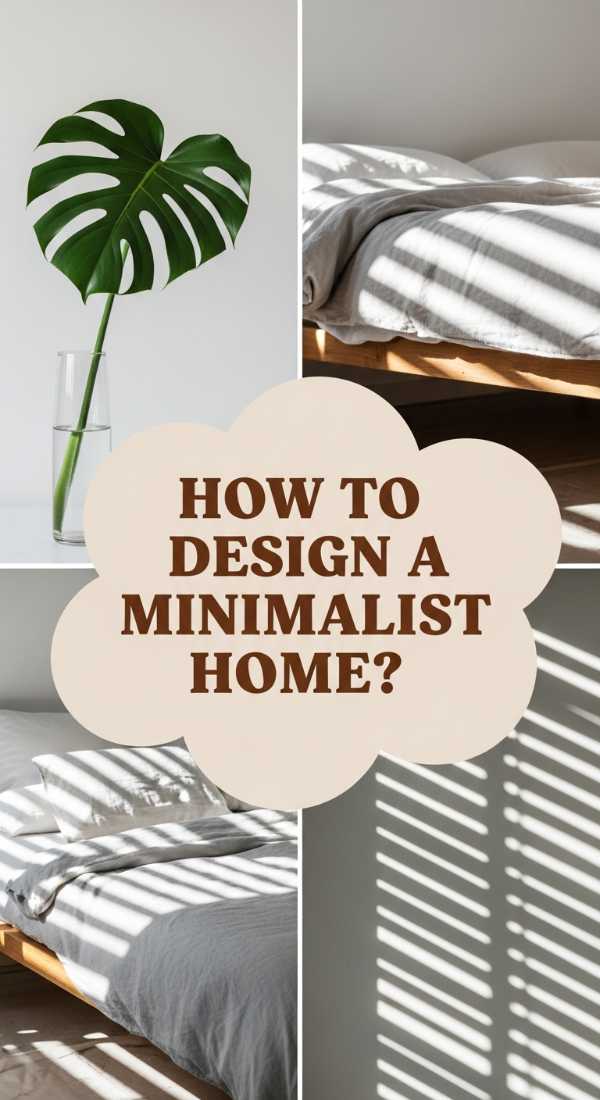
Designing for natural connection is about erasing the boundary between your living room and the wild world outside. We love the raw, honest beauty of biophilic design—the way a reclaimed wood table feels under your palms or the sight of sunlight filtering through the leaves of a tall fiddle leaf fig. This aesthetic brings an organic heartbeat into a minimalist space, preventing it from feeling sterile or cold. It’s a sensory experience that grounds you, reminding you of the earth’s steady presence even when you’re deep in the heart of a bustling city.
Essential Elements:
- Indoor trees (Fiddle Leaf Fig, Olive Tree, or Bird of Paradise)
- Natural materials like jute, rattan, and reclaimed wood
- Large, unobstructed windows
- Earth-toned color palette (terracotta, sage, sand)
- Stone accents (marble coasters or slate trays)
How to make it
- Maximize your ‘light intake’ by removing heavy drapes and replacing them with sheer panels or leaving windows bare if privacy allows; this connects the interior colors to the sky outside.
- Select one ‘hero’ plant that stands at least five feet tall to act as a living sculpture in a corner, providing height and a burst of vibrant, organic green.
- Incorporate ‘raw’ edges in your furniture selection; look for live-edge wood shelves or stone tables that haven’t been over-polished to maintain a connection to the material’s origin.
- Use a palette derived from your local landscape; if you live by the coast, use soft blues and sandy beiges; if you are in the forest, opt for deep mossy greens and bark browns.
- Place seating in ‘prospect’ positions—facing a window or a view of greenery—to encourage moments of quiet observation and connection with the outdoors.
How to Elevate Living Room Decor Minimalist Style for Modern Living
Why we love this
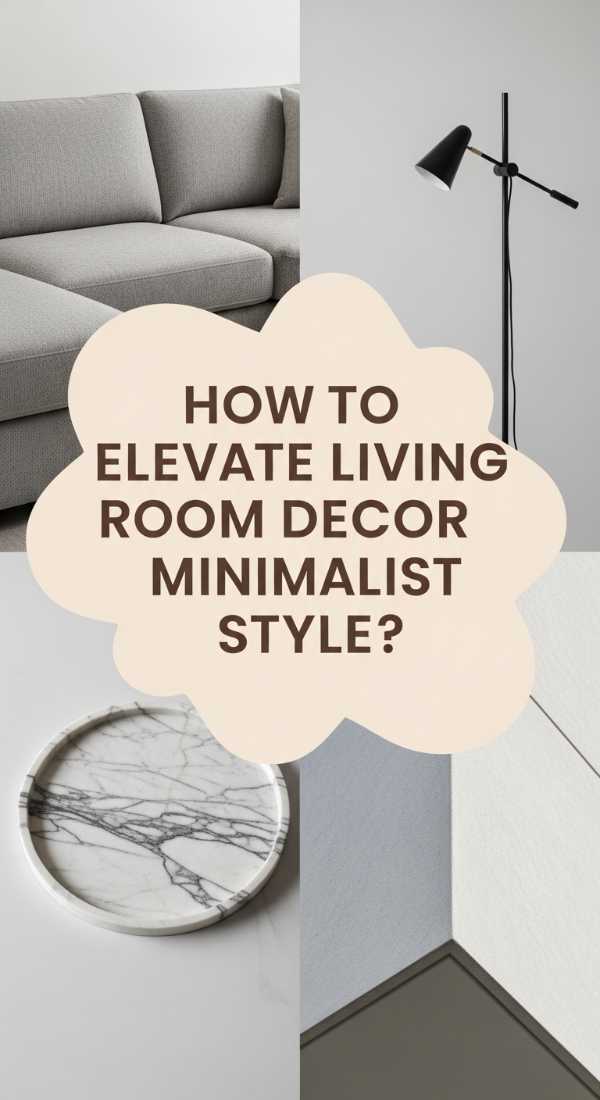
Modern living requires a space that is as functional as it is beautiful, where technology disappears and design takes center stage. We love the ‘elevated’ minimalist look because it feels expensive yet effortless, combining sharp, clean lines with high-quality materials that stand the test of time. There is a quiet confidence in a room that doesn’t scream for attention but commands it through perfect proportions and a lack of ‘fuzz’. It’s the ultimate backdrop for a high-tech life, providing a visual palate cleanser at the end of a digitally saturated day.
Essential Elements:
- Sleek, low-profile modular sofa
- Matte black or brushed gold hardware accents
- Integrated smart lighting (hidden strips or smart bulbs)
- Geometric area rug with subtle tonal patterns
- Hidden cable management systems
How to make it
- Audit your technology; use cord organizers and ‘cable boxes’ to hide all wires, ensuring that no black cords are visible against your clean walls or floors.
- Choose a ‘signature metal’ (like matte black) and repeat it at least three times in the room—lamp base, picture frame, and furniture legs—to create a ‘high-design’ thread of continuity.
- Invest in ‘low-profile’ furniture; pieces that sit lower to the ground create a modern, lounge-like atmosphere that feels expansive and sophisticated.
- Use ‘tonal layering’ for the color scheme; instead of just one shade of grey, use five different shades in various textures to create depth without introducing ‘noisy’ colors.
- Incorporate one ‘iconic’ design piece—like a mid-century modern chair or a designer pendant light—to act as the anchor for the room’s modern aesthetic.
How to Organize a Minimalist Living Room for Small Spaces and Big Impact

Why we love this
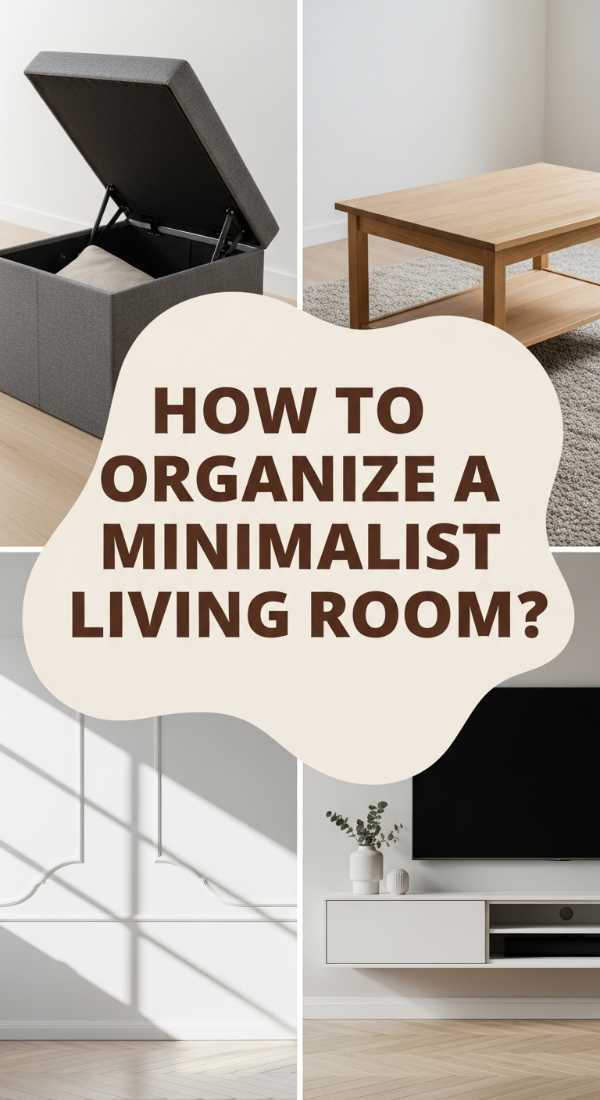
Organization is the secret skeleton that holds up the body of minimalism; without it, the aesthetic collapses. We love the feeling of ‘stealth storage’—where a beautiful wooden chest hides the kids’ toys and a sleek media console masks the gaming consoles. There is a unique thrill in knowing that every surface is clear, not because you don’t own things, but because everything has a designated home. It turns the act of tidying into a ritual of restoration, allowing your small space to work twice as hard while looking half as busy.
Essential Elements:
- Closed-door cabinetry or media consoles
- Uniform storage baskets in natural fibers
- Wall-mounted shelving for vertical storage
- Hidden storage furniture (storage beds or lift-top tables)
- Drawer organizers for ‘junk’ spots
How to make it
- Perform a ‘ruthless declutter’ by categorizing every item in the room and discarding anything that hasn’t been used in the last six months.
- Select ‘closed storage’ over open shelving; keeping items behind doors or inside drawers is the easiest way to maintain a minimalist look without constant styling.
- Use uniform containers; if you use baskets on a shelf, ensure they are all the same material and color to create a ‘visual block’ that looks organized and intentional.
- Utilize the ’empty corner’ strategy; rather than filling every nook with a storage unit, leave at least one corner completely empty to provide the ‘big impact’ of intentional space.
- Implement a ‘daily reset’ routine; spend five minutes every evening returning items to their ‘homes’ so you wake up to a perfectly organized, serene environment.
How to Layer Decor Minimalist Accents for Visual Interest
Why we love this
The danger of minimalism is that it can sometimes feel ‘flat’ or ‘cold’, but layering is the antidote to that sterility. We love the way layering different heights, weights, and textures creates a rich, three-dimensional world within a limited color palette. It’s the contrast between a smooth marble tray and the crinkled pages of an antique book, or the way a soft velvet pillow rests against a structured linen sofa. This technique adds ‘visual interest’ that keeps the eye moving and the heart engaged, proving that you don’t need ‘more stuff’ to have a space that feels deeply interesting.
Essential Elements:
- Varying textile weights (chunky knits, smooth silks, rough linens)
- Tiered decorative objects (trays, pedestals, books)
- Mixed natural materials (wood, stone, metal, clay)
- Layered lighting sources (ambient, task, and accent)
- Tonal color variations within the same family
How to make it
- Start with a ‘base’ material like a large wooden tray on your coffee table to ‘corral’ smaller items and provide a foundation.
- Apply the ‘Rule of Heights’; place a tall vase in the back, a medium-sized candle in the middle, and a low stack of coasters in the front to create a dynamic visual slope.
- Mix your ‘hard’ and ‘soft’ edges; if your coffee table is rectangular, use a round bowl or a draped throw to soften the lines and create a balanced composition.
- Use ‘overlap’ techniques; slightly overlap a picture frame with a small plant or a candle to create a ‘vignette’ that feels like a singular, cohesive design element rather than scattered items.
- Check the ‘visual weight’ of each layer; if one side of the room feels ‘heavy’ (too much dark wood or bulky fabric), balance it by adding light-colored accents or glass elements to the other side.
How to Choose Room Decor Minimalist Lighting for a Golden Glow
Why we love this
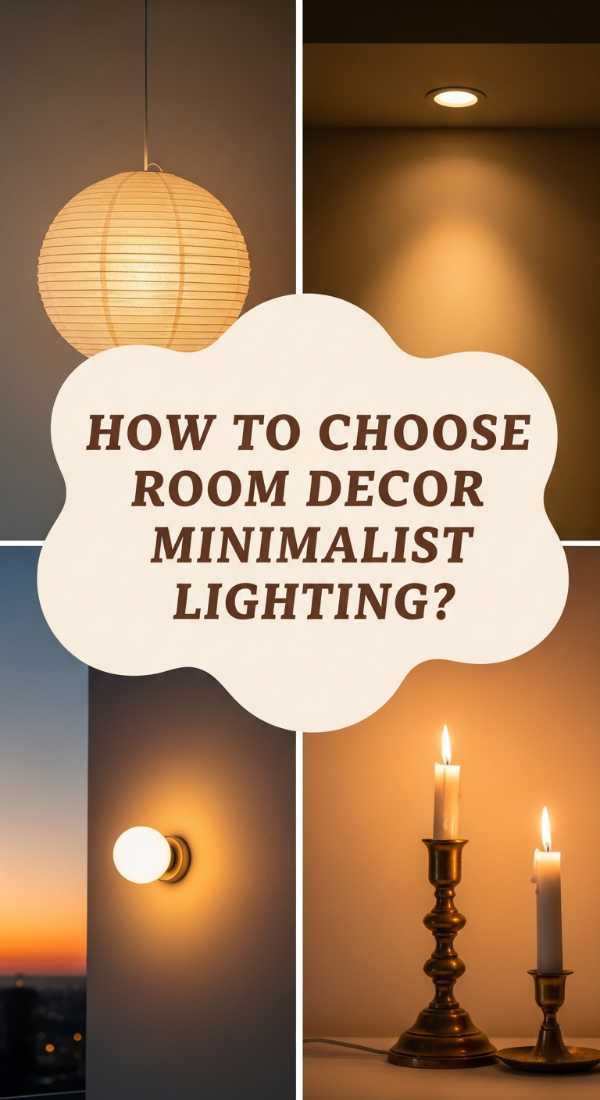
Lighting is the ‘secret sauce’ of the cozy minimalist aesthetic; it has the power to turn a room from a cold box into a warm hug. We love the ‘golden glow’ of low-level lighting that mimics the amber hues of a setting sun or a flickering campfire. There is something deeply primal about retreating into a softly lit room at night; it signals the end of the day’s hustle and the beginning of rest. By choosing fixtures with clean, sculptural lines, the lamps themselves become art pieces during the day and mood-setters at night.
Essential Elements:
- Matte-finish table lamps with fabric shades
- Warm-toned LED bulbs (2700K or lower)
- Dimmable switches or smart plugs
- Minimalist floor lamps with arched silhouettes
- Scented candles with high-quality wax and cotton wicks
How to make it
- Eliminate the ‘big light’ (overhead lighting) after 6:00 PM; overhead light is often too cool and harsh for a cozy minimalist vibe.
- Create ‘pools of light’ by placing lamps at different heights throughout the room—one on a side table, one on a floor stand, and one on a bookshelf.
- Select shades made of natural linen or paper; these materials diffuse light softly, creating a ‘blur’ effect that is much more soothing than exposed bulbs.
- Install dimmers on every major light source; the ability to dial the light down to 20% intensity is the fastest way to achieve a professional ‘golden glow’ look.
- Use ‘accent lighting’ to highlight your favorite minimalist features, such as a small spotlight hidden behind a large plant to cast beautiful, organic shadows on the wall.
How to Curate a Cozy Minimalist Space for Mindful Mornings
[IMAGE_10]
Why we love this
A mindful morning is a gift you give to your future self, and a cozy minimalist space is the perfect wrapper for that gift. We love the simplicity of a dedicated ‘morning nook’—a single armchair, a soft rug, and a clear view of the window where you can watch the world wake up. There is no clutter to distract your gaze, just the steam rising from your ceramic mug and the soft texture of a morning journal in your lap. It turns the start of the day into a meditative experience, allowing you to fill your cup before the demands of the world start pouring in.
Essential Elements:
- Comfortable, supportive accent chair
- Small side table for a coffee or tea mug
- Floor basket for a journal and a single pen
- A soft, high-pile rug for bare feet
- Natural light or a warm task lamp
How to make it
- Identify the ‘quietest’ corner of your home, preferably near a window, and clear it of all non-essential items to create a dedicated ‘serenity zone’.
- Place a singular, comfortable chair in the space, angled slightly toward the light; ensure it is a seat you feel truly supported in for at least 20 minutes of sitting.
- Keep the side table clear of everything except your beverage of choice; visual clutter on this specific surface will distract from the ‘mindful’ aspect of the morning.
- Prepare the space the night before; place your journal and a pen in the basket and ensure the throw blanket is neatly folded and ready to be used.
- Practice ‘sensory grounding’ each morning in this space; touch the fabric of your chair, smell the coffee, and notice the lack of visual noise, letting the minimalist environment calm your mind for the day ahead.
Conclusion
Mastering the cozy minimalist aesthetic isn’t about following a rigid set of rules; it’s about discovering what brings you peace and having the courage to let go of everything else. When you strip away the excess and focus on high-quality textures, warm lighting, and intentional organization, you create a home that truly serves you. It becomes a place of restoration, a sanctuary where you can be your most authentic self. Start small, edit often, and remember that the most beautiful thing in your home is the space you leave for your own soul to breathe. Happy decorating!