
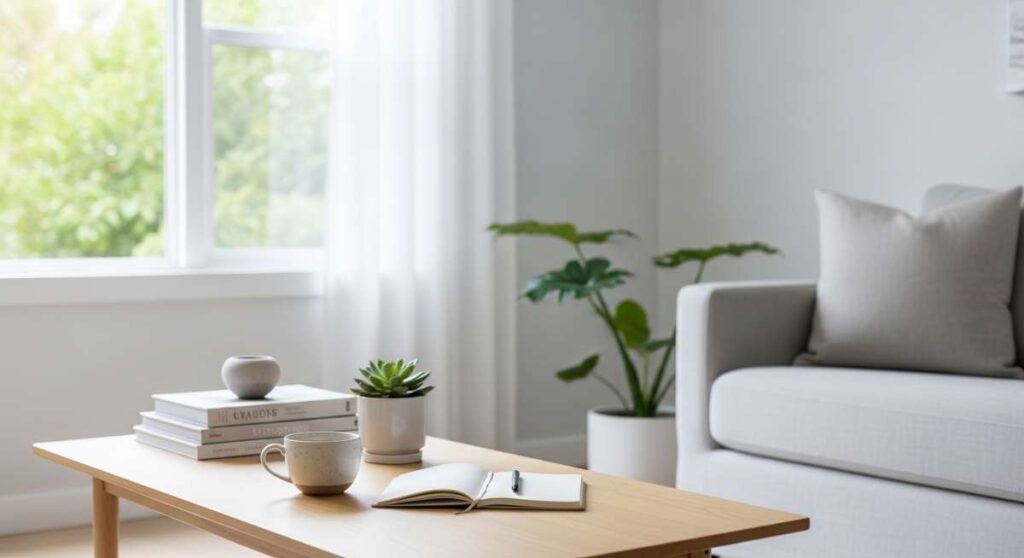
Have you ever walked into your home after a long day and felt an immediate sense of heaviness rather than a sigh of relief? I’ve been there—standing in the middle of a living room where the clutter felt like it was whispering a never-ending to-do list. It wasn’t just about the mess; it was about the energy. Our homes are meant to be our sanctuaries, the soft place where we land, but often they become warehouses for things we don’t even need.
The journey to a minimalist, aesthetic home isn’t about living in a cold, empty white box. It’s about intentionality. It’s about creating an airy vibe where every object has a purpose or brings you genuine joy. When we simplify our surroundings, we make room for our minds to wander, for our creativity to spark, and for our souls to rest. Let’s dive into how we can transform your space into a curated haven of peace.
How to Curate an Aesthetic Pantry for Daily Joy
Why we love this
There is a profound, rhythmic satisfaction in opening a pantry door to see rows of uniform glass jars filled with the textures of dried lentils, pearled couscous, and golden honey. The visual clutter of mismatched plastic packaging is replaced by a serene, earth-toned palette that makes the simple act of preparing a meal feel like a meditative ritual. You can almost smell the faint, warm aroma of toasted oats and cinnamon as you reach for a perfectly weighted jar, feeling the smooth glass against your palm while the light catches the transparency of the organized shelves.
Essential Elements:
- Uniform glass canisters with bamboo or airtight lids
- Minimalist waterproof labels in a clean serif font
- Woven seagrass baskets for bulkier items
- Tiered wooden risers for canned goods
- A neutral color palette for all containers
How to make it
- Empty your entire pantry onto a clean surface to assess the visual volume. This is your ‘high heat’ phase where you must aggressively discard expired items.
- Categorize items by frequency of use: daily essentials (grains, coffee) vs. occasional items (specialty flours, baking soda).
- Decant all dry goods into your glass jars. The ‘professional tip’ here is to use a wide-mouth funnel to prevent spills and maintain a pristine workspace.
- Apply labels at the same height on every jar to create a visual ‘horizon line’ that guides the eye smoothly across the shelf.
- Arrange the jars on shelves with the tallest in the back. The ‘visual cue’ for success is a sense of balance where no single item feels squeezed or hidden.
How to Master Small Space Storage for Cozy Living
Why we love this
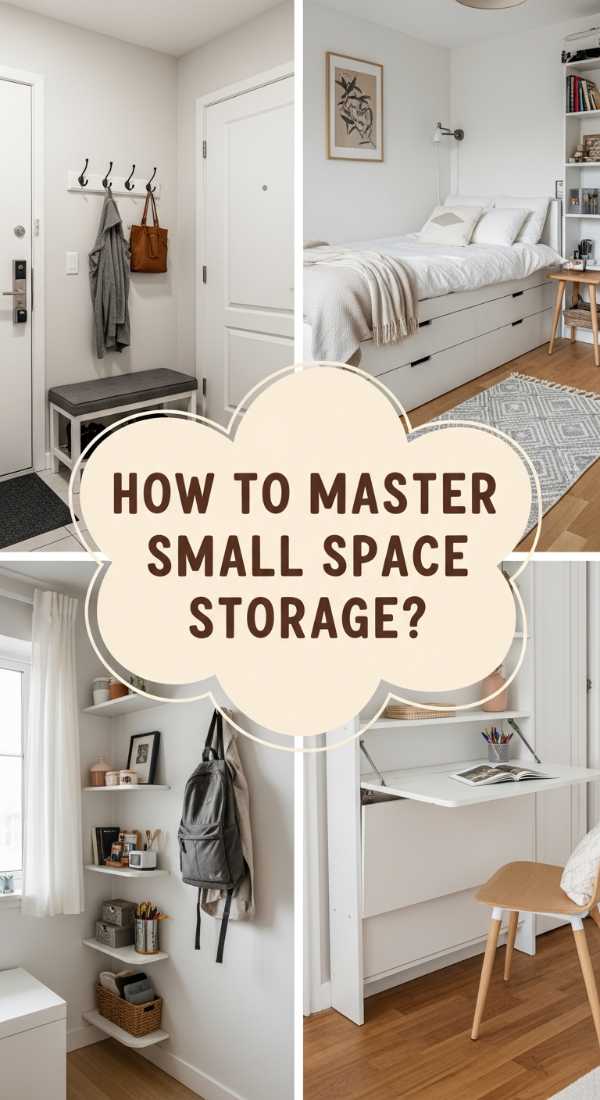
Mastering a small space is like solving a beautiful puzzle where every piece fits with tactile precision. We love the cozy, ‘hug-like’ feeling of a room that utilizes vertical space to create height and airiness without sacrificing comfort. Imagine soft, linen-textured bins tucked under a bed or a sleek floating shelf holding a single trailing ivy plant; it’s about the interplay of soft fabrics and hard surfaces that make a tiny room feel expansive yet incredibly intimate and safe.
Essential Elements:
- Under-bed rolling storage trundles
- Multi-functional furniture (like an ottoman with hidden storage)
- Floating wall shelves in light wood tones
- Over-the-door organizers with clear pockets
- Command hooks in metallic finishes
How to make it
- Audit your vertical real estate. Look for ‘dead zones’ above door frames or high on walls where shelving can be installed without encroaching on floor space.
- Select multi-purpose furniture. When choosing a coffee table, look for one with a ‘low-profile’ lift-top to hide blankets and electronics.
- Implement the ‘zonal method’ by grouping items by activity. Keep your ‘cozy’ items like throws in a designated basket near the seating area.
- Use ‘visual transparency’—choose acrylic or light-colored storage to keep the ‘heat level’ of the room’s visual weight low.
- Regularly ‘reset’ the space. A small room shows clutter faster, so the visual cue for a finished ‘cook’ is every surface being cleared of daily debris before bed.
How to Implement Smart Storage Solutions for a Productive Office
Why we love this
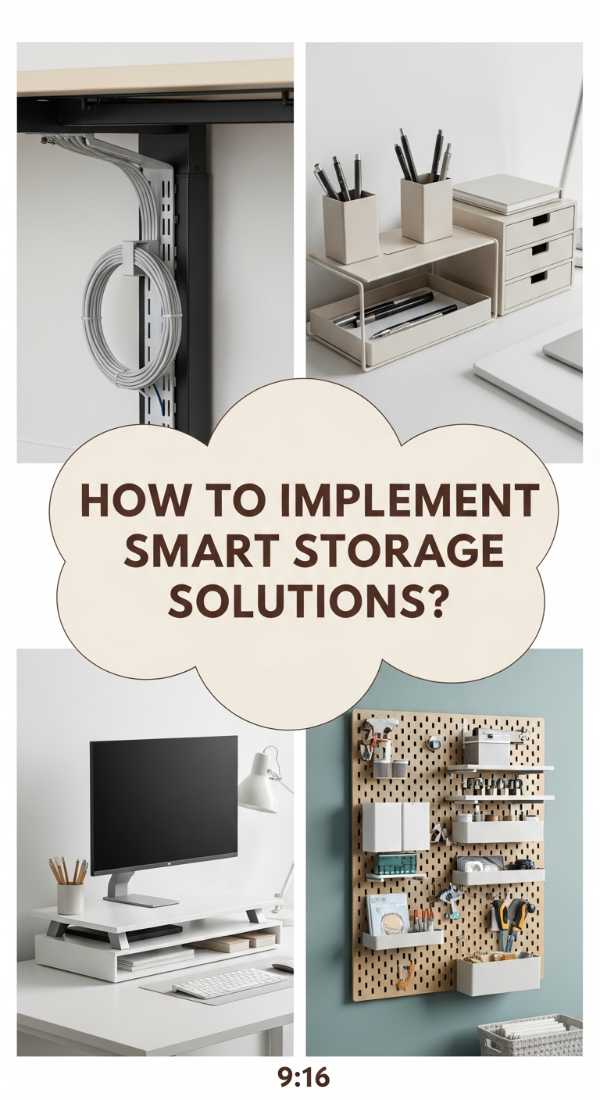
A productive office is a breath of fresh air for the mind, where the ‘mental friction’ of searching for a pen is eliminated by thoughtful design. We love the crisp, clean lines of a desk that isn’t choked by tangled cords, replaced instead by the cool touch of a leather desk mat and the silent operation of hidden drawers. It feels like a fresh start every morning—a blank canvas where the only thing you have to focus on is your own creativity, supported by an environment that feels light, organized, and professional.
Essential Elements:
- Under-desk cable management trays
- Modular drawer dividers
- A minimalist desk lamp with adjustable warm light
- A monitor riser with a built-in storage slot
- A magnetic whiteboard for high-level brainstorming
How to make it
- Clear the deck. Remove every item from your desk surface to start with a ‘cold’ base.
- Route all cables through a single management channel. The ‘pro tip’ is to use Velcro ties instead of zip ties for easier adjustments later.
- Categorize your ‘active’ tools (pens, notebooks) vs. ‘archival’ tools (tax docs, old tech). Active tools stay within an arm’s reach.
- Install modular dividers in your top drawer. Arrange them so that frequently used items are at the front, creating a ‘fast-access’ zone.
- Adjust your lighting. Position your lamp to eliminate shadows on your workspace; the visual cue for a perfect setup is a soft, even glow across your primary work area.
How to Declutter Home Zones for Lasting Mental Clarity
Why we love this
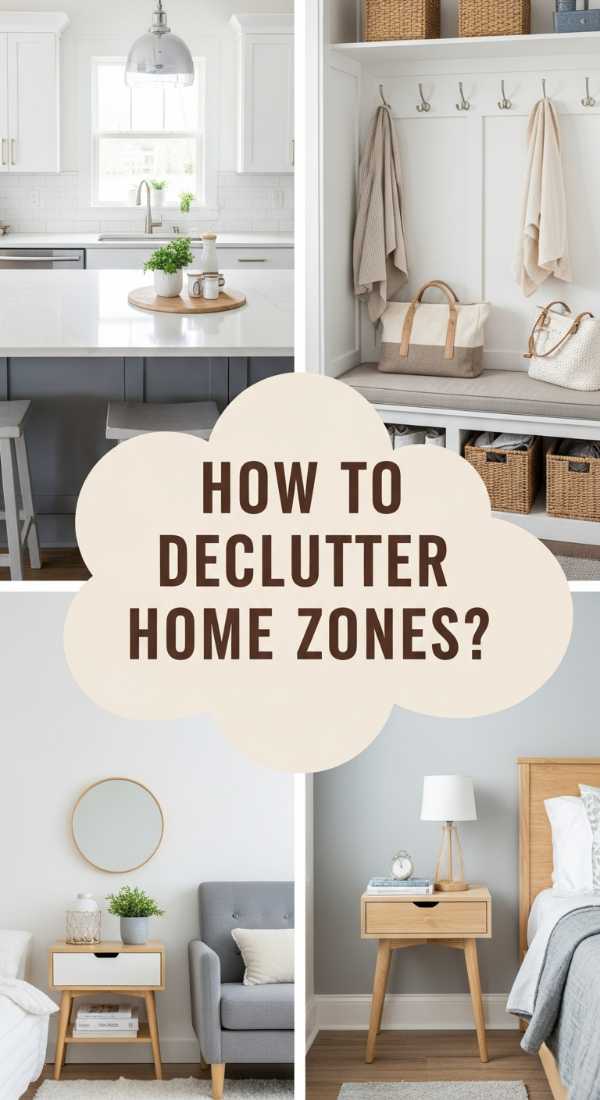
Decluttering is an act of self-care that feels like shedding a heavy winter coat in the first heat of spring. There is a specific, airy lightness that comes when a room is no longer ‘shouting’ at you with piles of mail or half-finished projects. We love the feeling of running a hand over a clear countertop, the cool stone or smooth wood reminding us that we have control over our environment. It creates a vacuum of peace that naturally pulls in more positive, calm energy into your daily life.
Essential Elements:
- Three large sorting bins (Keep, Donate, Toss)
- A dedicated ‘outbox’ area near the front door
- Cleaning microfiber cloths for finishing
- A timer to keep sessions focused
- A soothing background playlist or podcast
How to make it
- Select one ‘zone’ (e.g., the ‘junk drawer’ or the entryway). Don’t try to boil the ocean; start with a ‘simmer’ of one small area.
- Touch every single item. This tactile feedback is crucial for deciding if the item adds value or just takes up space.
- Follow the ‘one-year rule.’ If you haven’t used it or loved it in twelve months, it moves to the ‘Donate’ bin.
- Clean the empty space thoroughly. Wiping down the shelf or drawer acts as a visual and sensory ‘seal’ on the decluttering process.
- Relocate kept items with ‘breathing room’ between them. The visual cue for completion is seeing the back of the shelf or the bottom of the drawer.
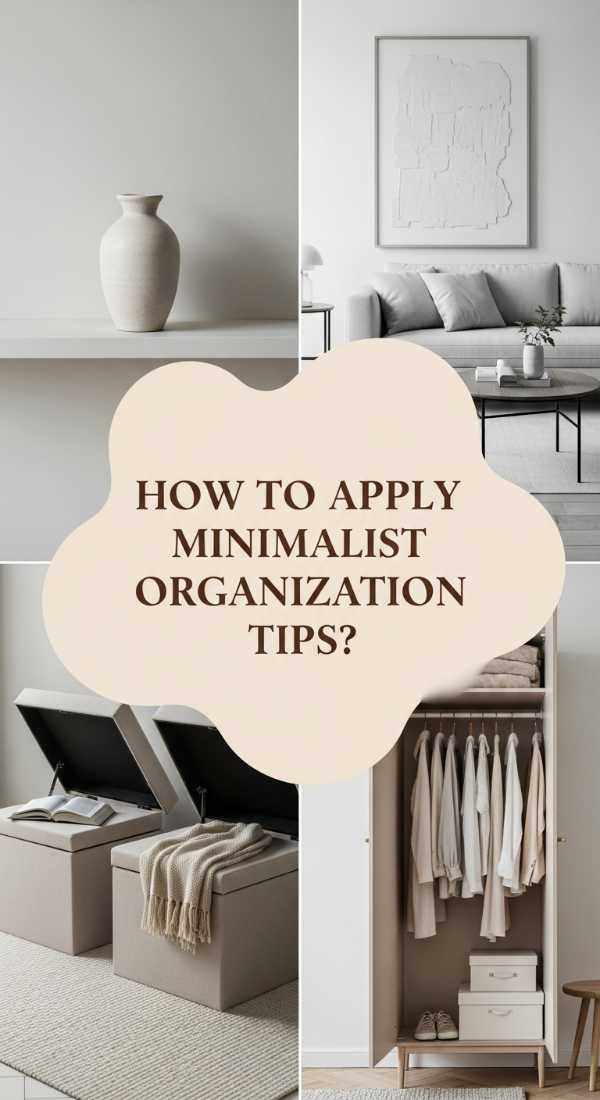
How to Apply Minimalist Organization Tips for a Stress Free Home
Why we love this
Minimalist organization isn’t about being strict; it’s about the luxury of space. We love the ‘visual silence’ it provides—the way a room looks when the eye isn’t snagged by unnecessary details. It feels like a high-end boutique hotel where every item is intentional and beautiful. The textures of natural linen, smooth ceramics, and polished wood take center stage because they aren’t competing for attention, creating an atmosphere that is both sophisticated and deeply relaxing.
Essential Elements:
- Neutral-toned storage bins
- Hidden storage furniture
- Uniform hangers for visual consistency
- A ‘one-in, one-out’ policy
- Negative space on shelves and walls
How to make it
- Evaluate your surfaces. Remove 20% of the items currently on display to introduce ‘negative space.’
- Group like-items together in opaque bins to hide visual ‘noise’ while keeping contents accessible.
- Choose a ‘signature’ storage material (like oak or felt) and use it throughout the house to create a cohesive, ‘simmering’ flow between rooms.
- Implement a ‘ten-minute tidy’ at the end of the day. This ‘low-heat’ maintenance prevents clutter from reaching a ‘boiling point.’
- Audit your decor. Only keep pieces that resonate with your personal aesthetic; the visual cue is a home that feels ‘curated’ rather than ‘stored.’
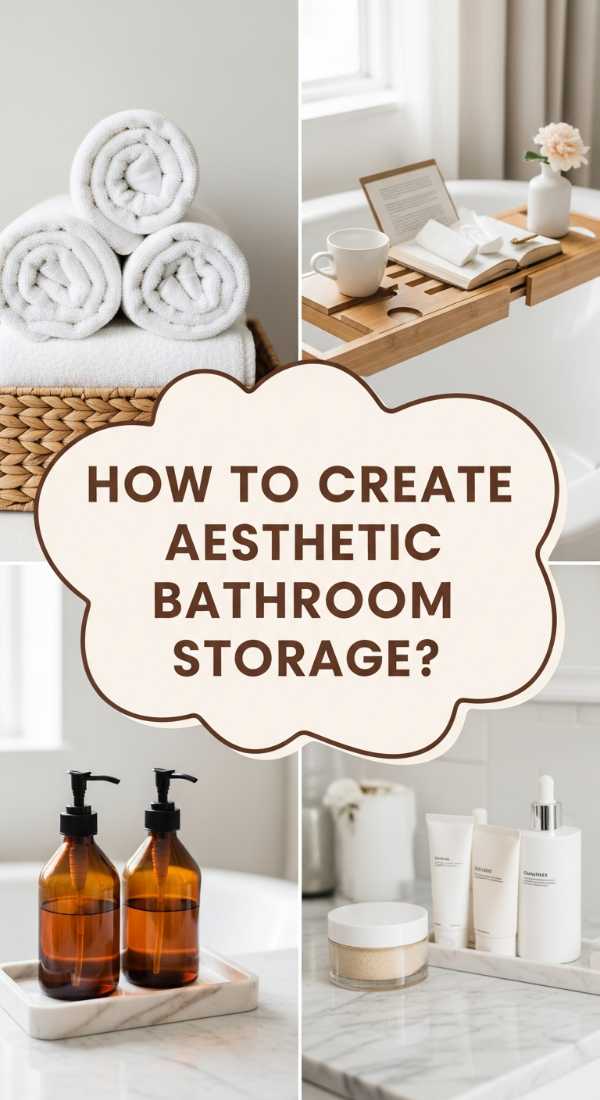
How to Create Aesthetic Bathroom Storage for a Spa Experience
Why we love this
Transforming a bathroom into a spa is all about the sensory details: the fluffy softness of white towels stacked like clouds, the botanical scent of eucalyptus hanging in the shower, and the amber glow of glass soap dispensers. We love the way organized bathroom storage turns a rushed morning routine into a pampering ritual. It feels indulgent to reach for a cotton pad from a polished marble jar, making even the simplest skincare step feel like a high-end treatment in a five-star retreat.
Essential Elements:
- Amber or clear glass pump bottles for soaps
- A bamboo bathtub caddy
- Rolled white cotton towels
- Small ceramic trays for jewelry and watches
- Dried eucalyptus or lavender bundles
How to make it
- Remove all commercial packaging. Decant shampoos and soaps into matching amber bottles to eliminate ‘brand noise.’
- Roll your towels instead of folding them. This ‘professional technique’ adds volume and a spa-like visual texture to open shelving.
- Group daily skincare on a tray. This ‘containment’ strategy makes the items look like a curated collection rather than a mess on the counter.
- Use a bamboo caddy across the tub to hold a candle and a book. This ‘visual anchor’ signals that the room is for relaxation.
- Keep ‘under-sink’ storage categorized in clear pull-out bins. The visual cue for success is a vanity top that is 80% clear.
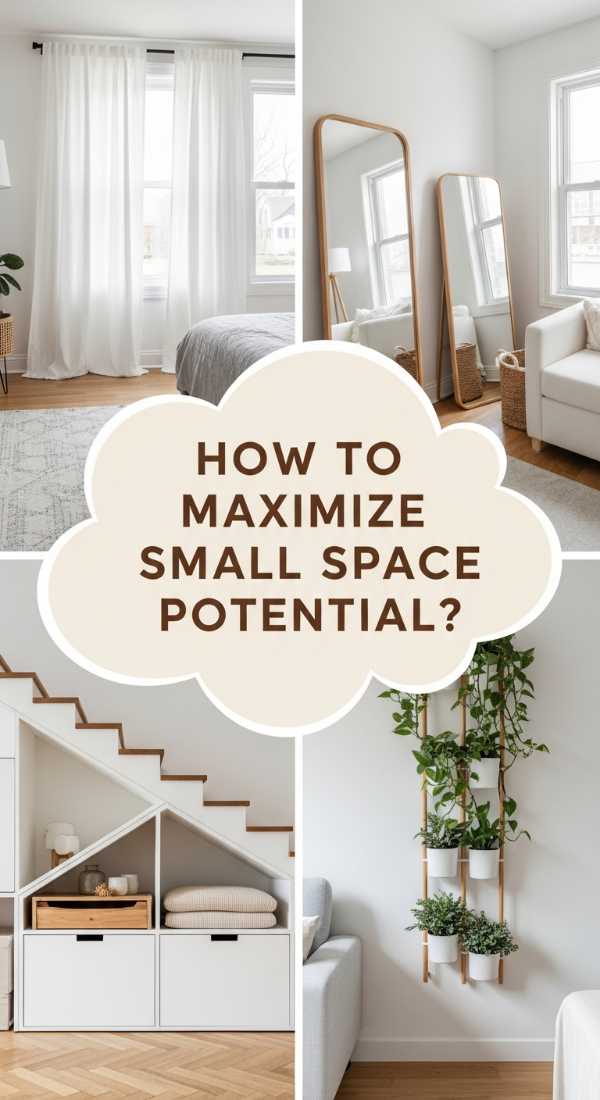
How to Maximize Small Space Potential for an Airy Feel

Why we love this
Maximizing a small space is an art form that uses light and reflection to trick the eye into seeing more room than there is. We love the ‘airy’ vibe created by sheer curtains dancing in the breeze and large mirrors that bounce sunlight into every corner. It feels like opening a window in a stuffy room; suddenly, everything feels more breathable. The use of ‘leggy’ furniture—pieces that sit high off the ground—allows the eye to see more floor space, which psychologically expands the room’s boundaries.
Essential Elements:
- Over-sized wall mirrors
- Sheer, floor-to-ceiling window treatments
- Furniture with thin, exposed legs
- A light, monochromatic color palette
- Strategic ‘mood’ lighting (sconces and floor lamps)
How to make it
- Place mirrors opposite windows to double the natural light. The ‘visual cue’ is a brighter, ‘thinned-out’ atmosphere.
- Hang curtain rods higher and wider than the actual window frame. This ‘technique’ makes the ceiling feel loftier and the windows larger.
- Swap out bulky, skirted sofas for pieces with tapered legs. Seeing the floor underneath reduces the ‘heat’ of visual weight.
- Use ‘ghost’ furniture (acrylic chairs or tables) in tight corners to provide function without visual bulk.
- Stick to a ‘tonal’ palette—varying shades of one color (like cream or grey)—to prevent visual breaks in the room’s flow.
How to Optimize Smart Storage Tech for a Modern Lifestyle
Why we love this
Modern lifestyle tech shouldn’t feel like a cold computer lab; when done right, it feels like magic. We love the seamless integration of smart bins that open with a wave and digital inventories that remind us when we’re low on almond milk. It’s the ultimate ‘silent assistant,’ working in the background to keep the home running smoothly so you can focus on being present. The clean aesthetic of smart devices—often matte and minimalist—blends perfectly into a modern, airy home design.
Essential Elements:
- Motion-sensor trash and recycling bins
- Smart labels with QR codes for storage bins
- App-controlled lighting for different ‘mood’ scenes
- A central digital command center (tablet or smart screen)
- Cordless charging pads integrated into surfaces
How to make it
- Identify your ‘friction points.’ If you always lose track of holiday decor, use QR-code labels that link to a photo of the bin’s contents on your phone.
- Install smart plugs to automate lamps. Set them to ‘warm up’ as the sun sets to create a natural, ‘slow-cook’ transition into evening.
- Use a digital kitchen assistant to manage grocery lists. This ‘pro tip’ ensures you never over-buy, keeping the pantry minimalist.
- Conceal tech where possible. Use ‘charging drawers’ to keep phones out of sight while they power up.
- The visual cue for optimized tech is a home where you rarely have to touch a switch or search for a cable.
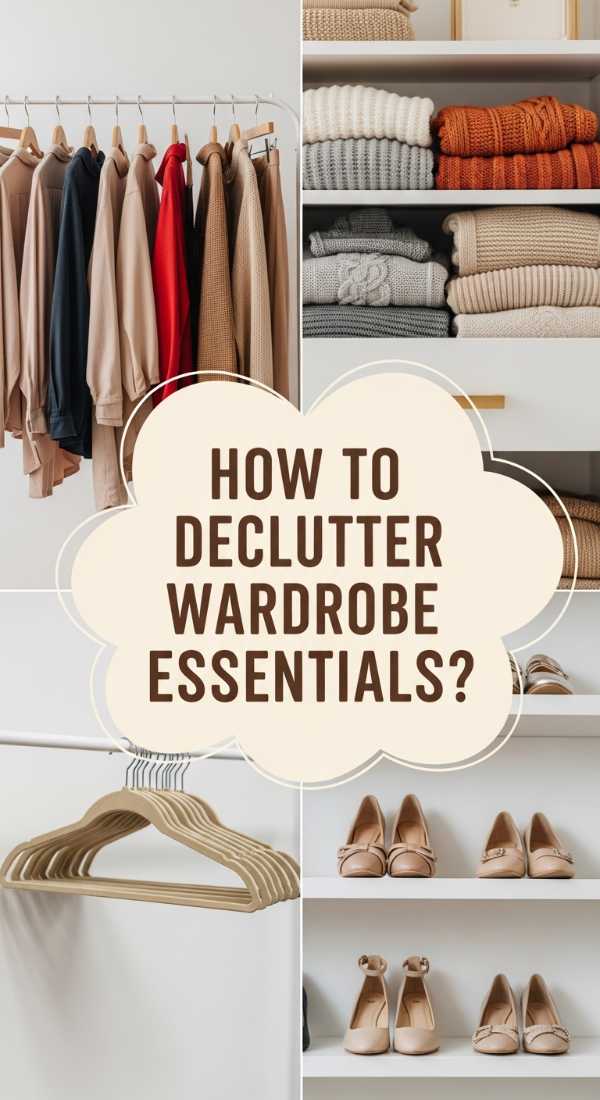
How to Declutter Wardrobe Essentials for Effortless Mornings
Why we love this
There is nothing quite like the ‘morning win’ of opening a closet to find only pieces you love and that fit you perfectly. We love the boutique feeling of a curated wardrobe, where clothes are hung with space between them and the color palette is harmonious. The scent of cedar blocks or a faint lavender sachet, the soft touch of cashmere and crisp linen, and the visual order of uniform hangers create a calm start to the day that ripples into everything else you do.
Essential Elements:
- Velvet or wooden uniform hangers
- Shelf dividers for folded knits
- Clear shoe boxes or a dedicated shoe wall
- A ‘daily outfit’ valet hook
- Cedar inserts for freshness and protection
How to make it
- Perform a ‘reverse hanger’ test. Turn all hangers backward; as you wear items, turn them forward. After six months, ‘high-heat’ purge whatever is still backward.
- Categorize by type and then by color. This ‘visual gradient’ makes choosing an outfit intuitive and fast.
- Store off-season clothes in vacuum-sealed bags to reduce bulk. The ‘visual cue’ is a closet that looks ‘breathable’ even in winter.
- Limit your wardrobe to a cohesive color palette. This ensures everything ‘mixes and matches,’ making styling effortless.
- Dedicate a shelf for ‘display’ items like your favorite bag or hat to give the closet a high-end, ‘curated’ boutique finish.
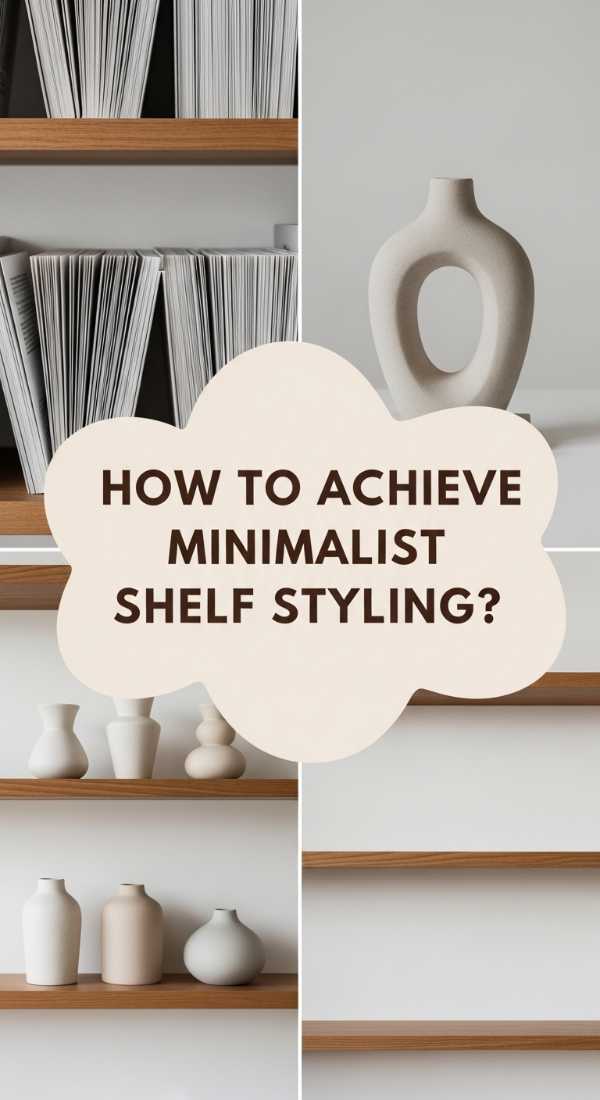
How to Achieve Minimalist Shelf Styling for a Sophisticated Look
[IMAGE_10]
Why we love this
Shelf styling is where your personality shines through in a whisper rather than a shout. We love the sophisticated balance of a few well-chosen books, a single piece of stoneware, and a touch of greenery. It feels intentional, like an art gallery in your own living room. The textures of a matte ceramic vase against a rough-hewn wooden shelf create a tactile story that invites the eye to linger without feeling overwhelmed by ‘stuff.’ It’s the ultimate expression of ‘less is more.’
Essential Elements:
- A mix of vertical and horizontal book stacks
- Textural ceramic vases or bowls
- A ‘hero’ piece of art or a framed photo
- Small organic elements (air plants or stones)
- Varying heights and shapes for balance
How to make it
- Start with a ‘blank canvas’ by clearing the shelf completely. This ‘cool-down’ phase allows you to see the architecture of the shelving.
- Anchor the shelf with your largest items first (large books or a heavy vase). Place them ‘off-center’ for a more organic feel.
- Use the ‘Rule of Thirds.’ Group items in threes with varying heights to create a visual ‘triangle’ that is pleasing to the eye.
- Add ‘organic texture.’ A small plant or a piece of driftwood ‘simmers’ the look, preventing it from feeling too sterile.
- The visual cue for a minimalist shelf is that every item has ‘breathing room’ around it—at least 30% of the shelf should be empty.
Embracing the Airy Aesthetic
Simplifying your home isn’t a one-time chore; it’s a lifestyle shift toward peace and intentionality. By making these small, aesthetic changes, you aren’t just cleaning up—you’re creating a space that nurtures your soul. Start with one shelf, one drawer, or one corner, and feel the difference that a little bit of air can make in your daily life. Your sanctuary is waiting for you!