
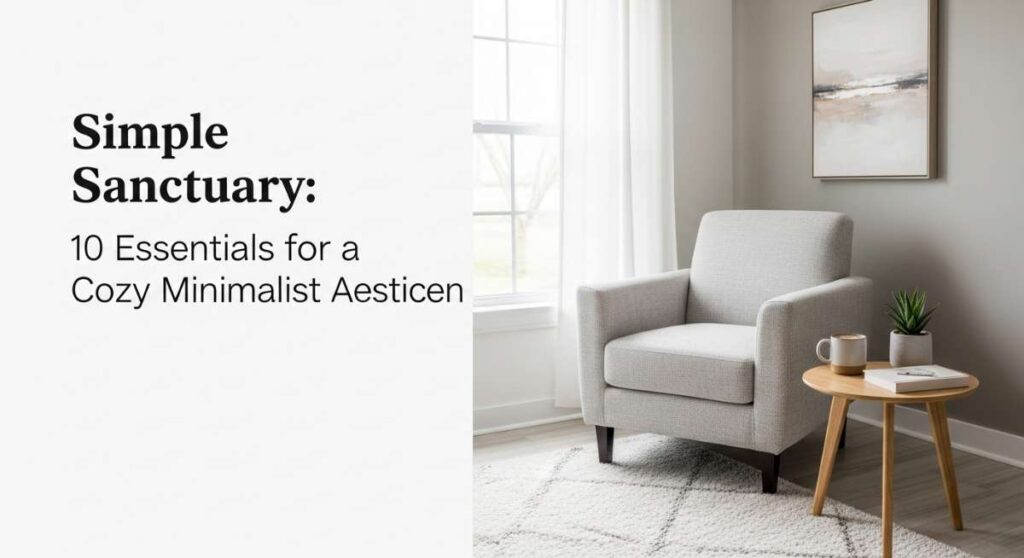
Have you ever walked into a room and felt like you could finally take a deep, effortless breath? That’s the soul of the cozy minimalist home. It isn’t about stripping your life down to nothing or living in a cold, sterile white box; it is about curate-ing a space that serves your peace. It’s the softest linen throw draped over a low-profile sofa, the warm glow of a candle against a bare wooden shelf, and the intentional absence of noise.
For years, I thought minimalism meant sacrifice, but I’ve discovered it’s actually about indulgence—indulging in the things that truly matter. When we clear the physical clutter, we make room for emotional clarity. Today, I’m sharing my secrets for turning your home into a simple sanctuary where every object has a purpose and every corner invites you to rest. Let’s dive into the ten essentials that will transform your living space into a serene, elevated haven.
How to Design a Cozy Minimalist Living Room for Total Serenity

Why we love this
There is a profound sense of relief that comes from a room where the eyes can rest without being interrupted by clutter. Imagine the tactile softness of a creamy wool rug beneath your feet, the subtle scent of fresh eucalyptus in a ceramic vase, and the way the afternoon sun hits a perfectly smooth, empty surface. This approach isn’t just about furniture; it’s about the emotional resonance of space, providing a quiet backdrop for your daily life that feels both expensive and deeply grounding.
Essential Elements:
- Neutral-toned foundational furniture (sofa, armchairs)
- Natural textures like wool, linen, and light wood
- Strategic negative space on walls and floors
- A palette of whites, creams, and soft beiges
How to make it
- Clear the Canvas: Begin by removing every single item from the room except the largest furniture pieces. This ‘reset’ phase is crucial; you need to see the architecture of the space without the visual noise of decor.
- Establish the Anchor: Position your sofa toward the primary light source or the focal point (like a fireplace). Ensure there is at least 30 inches of walking space around it to maintain a ‘breathable’ flow.
- Layer the Textures: Introduce a high-pile rug in a solid neutral shade. This adds ‘visual warmth’ without adding ‘visual clutter.’ The cue for ‘doneness’ here is when the room feels physically soft but looks visually clean.
- Curate the Surfaces: Add back only three items to your coffee table: one organic element (a plant), one tray for organization, and one book. If the surface feels crowded, remove one item until the balance feels airy.
How to Arrange a Small Living Room for Maximum Apartment Style
Why we love this
Small spaces have an inherent intimacy that large rooms often lack, and when designed with a minimalist eye, they become the ultimate jewel boxes. We love the clever use of vertical lines that draw the eye upward, the crisp reflection of light off a strategically placed mirror, and the cozy ‘hug’ of a well-proportioned armchair. It’s about the satisfaction of every square inch working in harmony, proving that style isn’t measured in square footage but in the quality of the arrangement.
Essential Elements:
- Leggy furniture that allows light to pass underneath
- Large-scale mirrors to expand the visual horizon
- Multi-functional pieces like storage ottomans
- Sheer window treatments
How to make it
- Lift the Weight: Select furniture with exposed legs rather than skirted bases. This ‘prep’ step allows you to see more floor, tricking the brain into perceiving more area.
- Zone the Area: Use a rug to define the ‘living zone.’ If the rug is too small, the room will look chopped up; ensure at least the front legs of all seating rest on the rug for a cohesive ‘simmer.’
- Vertical Elevation: Install shelving or art higher than eye level. This technique pulls the gaze upward, making the ceiling feel vaulted rather than low.
- Light Refraction: Place a large mirror opposite your largest window. The ‘visual cue’ for success is when the natural light appears to double in intensity across the room.
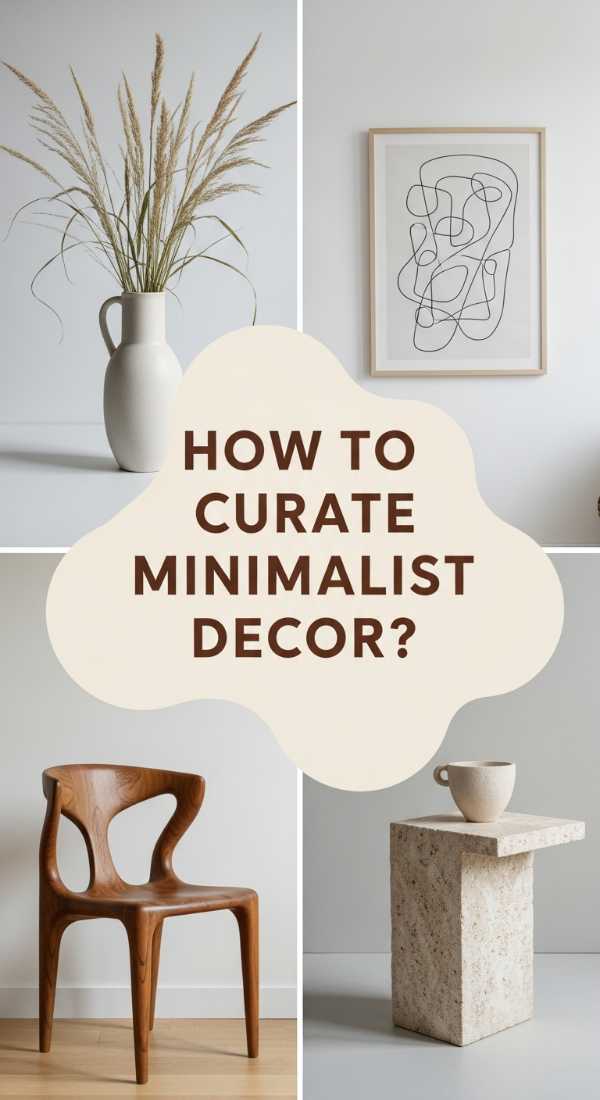
How to Curate Minimalist Room Decor for an Elevated Aesthetic

Why we love this
True luxury lies in the ‘less but better’ philosophy, where every piece of decor is a conversation starter or a source of joy. We adore the architectural silhouette of a single matte black lamp, the heavy, high-quality feel of a handmade stoneware bowl, and the way a singular piece of art can command an entire wall. It’s a curated experience that feels intentional and sophisticated, removing the ‘cheapness’ of mass-produced clutter and replacing it with curated soul.
Essential Elements:
- Statement lighting with clean lines
- Handcrafted ceramics and organic shapes
- Large-format minimalist art
- High-quality textiles (cashmere or heavy cotton)
How to make it
- The Selection Sieve: Audit your current decor. If an item doesn’t serve a function or evoke a strong positive emotion, it is ‘discarded’ from the recipe.
- Focus on Scale: Instead of five small trinkets on a shelf, choose one large, impactful sculpture. The ‘pro tip’ here is that larger items actually make a space look less cluttered than many small ones.
- Material Contrast: Pair a rough, stone vase with a sleek, metal tray. The ‘technique’ is finding harmony in opposites—smooth vs. textured, cold vs. warm.
- Negative Space Check: Leave 40% of your flat surfaces completely empty. This is the ‘secret ingredient’ that gives the room its ‘elevated’ gallery-like feeling.
How to Master a Cozy Aesthetic for the Ultimate Home Sanctuary
Why we love this
The ‘cozy’ in cozy minimalism is what prevents a home from feeling like a museum. We love the sensory indulgence of a weighted knit blanket, the soft flicker of a beeswax candle, and the comforting warmth of ‘warm-dim’ lighting that mimics a sunset. It’s the feeling of being wrapped in a cloud, where the minimalism provides the order and the coziness provides the heart, resulting in a sanctuary that heals you the moment you walk in.
Essential Elements:
- Layered lighting (lamps and candles, no overheads)
- Natural fibers like bouclé, chunky knits, and velvet
- A ‘scent story’ (diffusers or high-end candles)
- Dimmable warm-toned bulbs (2700K)
How to make it
- Lighting Layering: Turn off all ‘big lights’ (overheads). Place lamps at different heights: one floor lamp, one table lamp, and two candles. This creates a ‘warm glow’ depth.
- Textural Infusion: Add a bouclé pillow to a linen chair. The visual cue for ‘doneness’ is when the different fabrics invite you to touch them.
- Aromatic Anchoring: Choose one signature scent for the home. Use a diffuser with essential oils like cedarwood or bergamot to ‘season’ the air.
- Soft Cornering: Drape a throw blanket over the arm of a chair in an ‘undone’ way. The technique here is to avoid perfect folds; it should look lived-in and inviting.
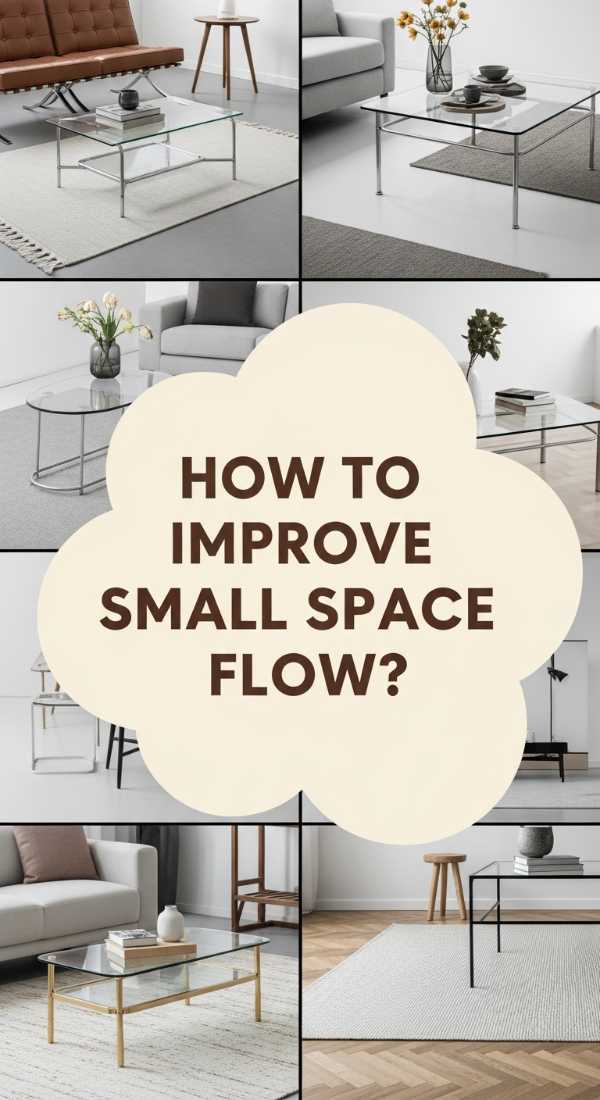
How to Transform Minimalist Living Room Small Spaces for Better Flow
Why we love this
Flow is the invisible magic of a great room. We love the way a space feels when you can move through it without bumping into corners, the organized ‘breathing room’ between furniture, and the streamlined efficiency of a layout that makes sense. In small spaces, this flow creates an illusion of grandeur, turning a cramped apartment into a sophisticated suite where energy moves freely and calm is the default setting.
Essential Elements:
- Low-profile furniture to preserve sightlines
- Rounded edges on tables to prevent ‘visual sharp hits’
- Hidden storage solutions
- Clear pathways (minimum 3 feet wide)
- Path Planning: Map out the natural walking path from the door to the seating. Ensure no furniture ‘chokes’ this path.
- Visual Height Control: Keep all furniture below waist height where possible. This preserves the ‘sightline’ across the room, making the air feel more expansive.
- De-bulking: Replace a heavy coffee table with two small nesting tables. This ‘prep’ allows you to move furniture easily depending on the ‘heat’ of the social situation.
- Corner Optimization: Avoid ‘dead corners’ by placing a single tall plant or a floor lamp. The visual cue is a room that feels filled but never stuffed.
- Closed storage to hide ‘visual noise’ (electronics, cords)
- A dedicated ‘tech-free’ zone
- Natural materials that age beautifully (leather, wood)
- Personal artifacts with deep meaning
- The ‘Daily Sweep’ Ritual: Dedicate 10 minutes each evening to return every object to its ‘home.’ This ‘maintenance’ step ensures you wake up to a fresh start.
- Cord Management: Hide all power strips and cables using decorative boxes or clips. Cords are the ‘impurities’ in a minimalist recipe that must be strained out.
- Curation of the Senses: Only display items that have a story. If a shelf has 10 items, ‘reduce’ it to the 3 that mean the most.
- Mindful Entryway: Create a ‘drop zone’ for keys and mail that is hidden in a drawer. The visual cue is an entryway that feels like a transition into peace.
- Monochromatic color schemes
- Directional spotlighting for art
- Negative wall space (at least 50% empty)
- Structured, architectural furniture
- Define the Focus: Choose one ‘hero’ wall. This is where your largest piece of art or your most beautiful furniture piece will sit.
- The Rule of Odds: Group smaller decorative objects in sets of three, varying the heights. This creates ‘visual tension’ that is pleasing to the eye.
- Lighting the ‘Exhibit’: Use a picture light or a spotlight directed at your ‘hero’ item. This ‘technique’ adds a professional, high-end finishing touch.
- Color Restraint: Stick to three main ‘ingredients’ (colors). For example: White, Oak, and Black. Adding a fourth color can ‘spoil’ the gallery purity.
- Warm wood tones (oak, walnut)
- Soft, diffused lighting
- Piles of textured cushions in varying shades of the same color
- Books with beautiful spines displayed intentionally
- The ‘Warmth’ Audit: Look at your room. If it feels too ‘cold,’ add wood. If it feels too ‘cluttered,’ add white. The goal is a 50/50 ’emulsion’ of both.
- Soft Seating: Ensure your minimalist sofa is actually comfortable. The ‘visual cue’ is a sofa that looks structured but has deep, plush cushions you can sink into.
- The Layered Rug Technique: Place a smaller jute rug over a larger neutral carpet. This adds ‘visual weight’ and makes the room feel ‘anchored.’
- Personal Touches: Add one ‘imperfect’ element, like a vintage bowl or a hand-thrown vase. This ‘breaks’ the perfection and makes the room feel human.
- Removable wall sconces for mood lighting
- Full-length mirrors leaned against walls
- High-quality, removable rugs
- Uniform storage containers
- The Purge: Before buying anything new, remove everything you don’t love. The ‘prep’ is the most important part of the ‘glow up.’
- Uniformity: Use the same hangers, the same storage bins, and the same color frames. This ‘consistency’ reduces visual noise instantly.
- Scale Up Art: In a small room, use one massive piece of art rather than a gallery wall. This makes the wall feel ‘wider’ and more ‘expensive.’
- The ‘Glow’ Factor: Add floor-level lighting (like a small lamp behind a plant). This ‘glow’ creates shadows that add depth and a sense of mystery to small corners.
- Large-scale floor plants (Olive trees, Strelitzia)
- Minimalist ceramic or terracotta pots
- Natural light optimization
- Consistent plant ‘styling’ (similar pots for all plants)
- Choose the ‘Statue’: Select one large, architectural plant to serve as a ‘living sculpture’ in a corner. Ensure the pot matches the room’s color palette.
- The ‘Grouping’ Method: If using small plants, group them in odd numbers on a single tray. Do not scatter them; scattering creates ‘visual clutter.’
- Light Sourcing: Place plants where they will thrive. A dying plant is the opposite of a ‘cozy aesthetic.’ Visual cue: glossy, upright leaves.
- Watering Ritual: Integrate plant care into your mindful lifestyle. Use a beautiful metal watering can that can sit out as a ‘decor piece’ itself.
How to make it
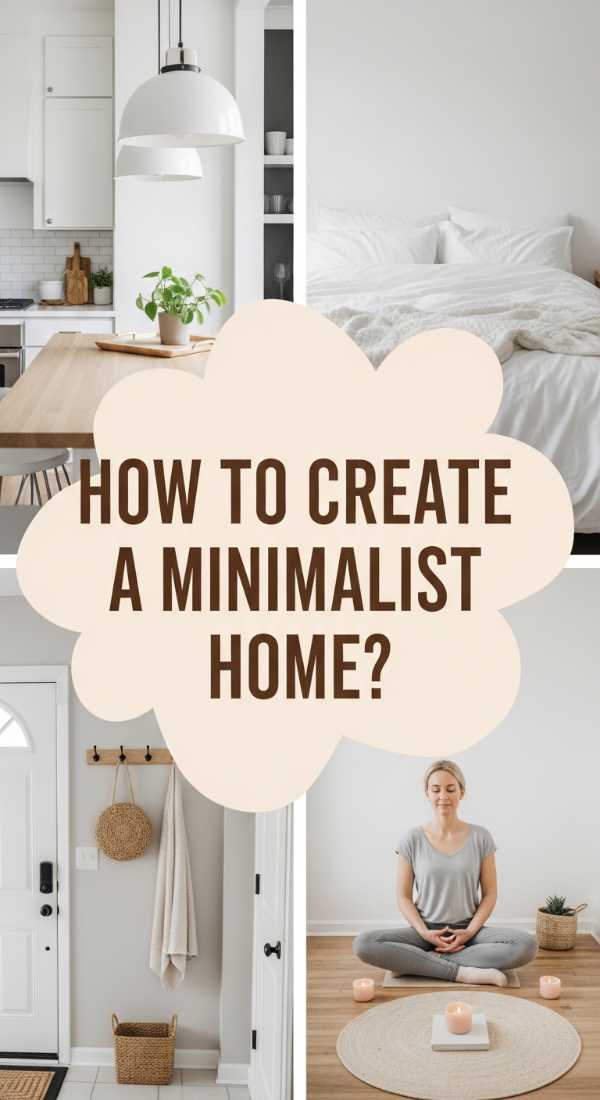
How to Create a Minimalist Home for a Mindful Lifestyle
Why we love this
A mindful home acts as a filter for the chaos of the outside world. We love the intentionality of a home where every object is chosen with care, the quietude of a clutter-free desk that fosters deep work, and the serene beauty of a kitchen counter that only holds the day’s fresh produce. It’s about building a lifestyle around presence rather than consumption, where your surroundings support your mental well-being and encourage a slower, more meaningful pace of life.
Essential Elements:
How to make it
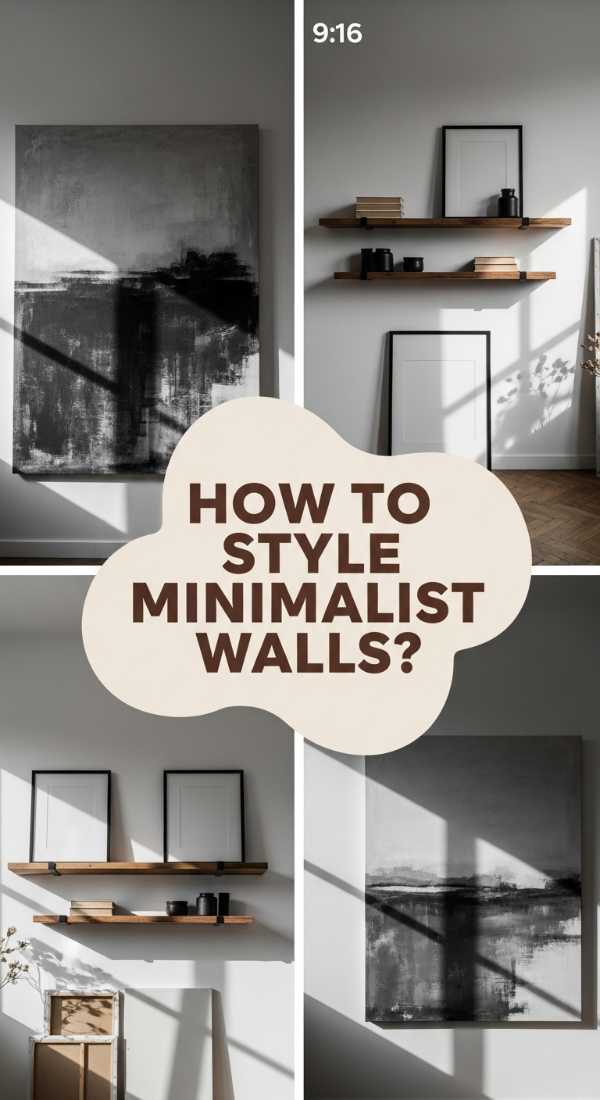
How to Select Living Room Decor for a Minimalist Gallery Vibe
Why we love this
There is something incredibly powerful about a home that feels like a private gallery—refined, thoughtful, and artistic. We love the drama of a single oversized canvas, the elegance of a perfectly placed pedestal holding a ceramic work, and the crispness of white walls that make every texture pop. This vibe elevates the everyday, making your morning coffee feel like an event and your evening wind-down feel like a luxury retreat.
Essential Elements:
How to make it
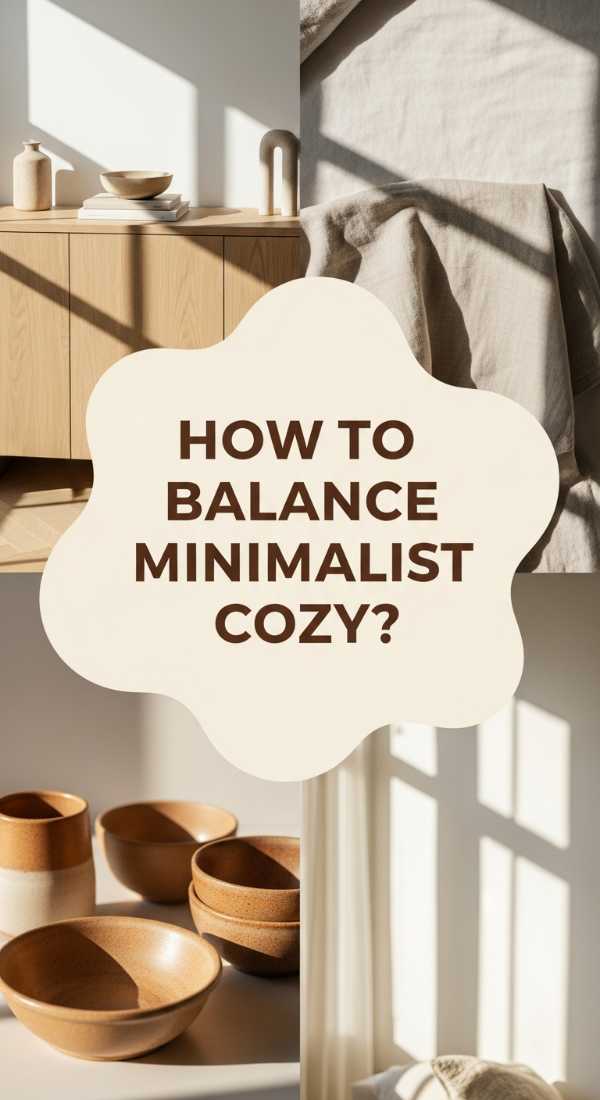
How to Balance a Minimalist Cozy Vibe for a Welcoming Atmosphere
Why we love this
The perfect balance of minimalist and cozy is the ‘sweet spot’ of interior design. We love the way wood grain adds warmth to a white room, the comfort of a lived-in leather chair against a clean backdrop, and the inviting nature of a space that feels high-end but not ‘untouchable.’ It’s the art of creating a home that looks like a magazine but feels like a hug, welcoming guests with open arms and a sense of calm sophistication.
Essential Elements:
How to make it
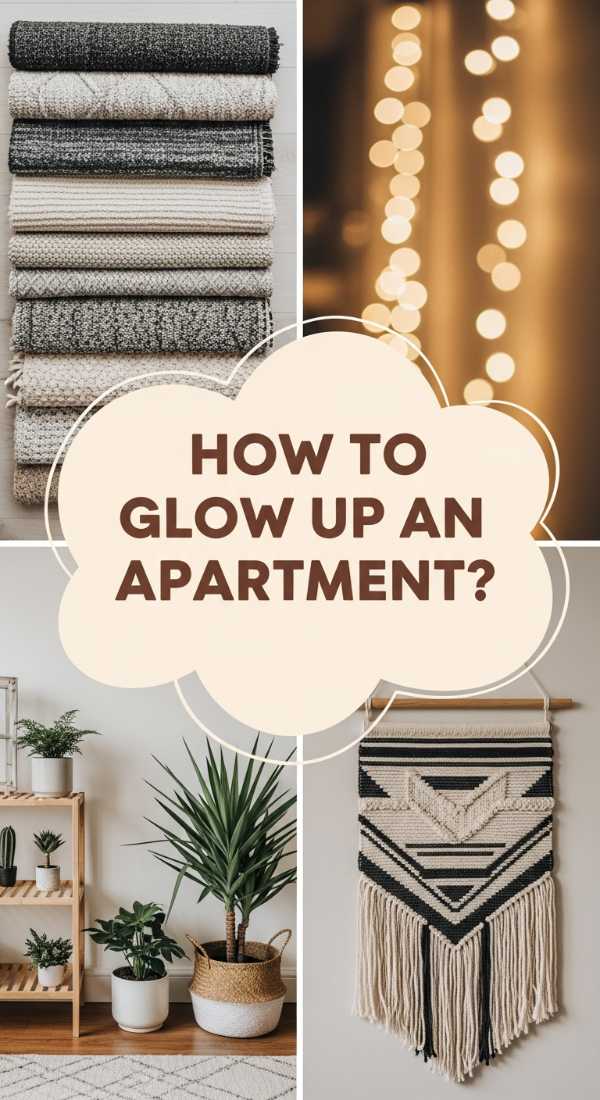
How to Implement Small Living Room Ideas for an Apartment Glow Up
Why we love this
An apartment glow-up is about reclaiming your space and making it reflect your highest self. We love the transformation of a generic rental into a personalized sanctuary through clever, non-permanent changes, the brightness of freshly styled corners, and the ‘glow’ of a room that finally feels finished. It’s a testament to the power of editing—showing that by removing the ‘okay’ and focusing on the ‘extraordinary,’ any small apartment can feel like a penthouse.
Essential Elements:
How to make it
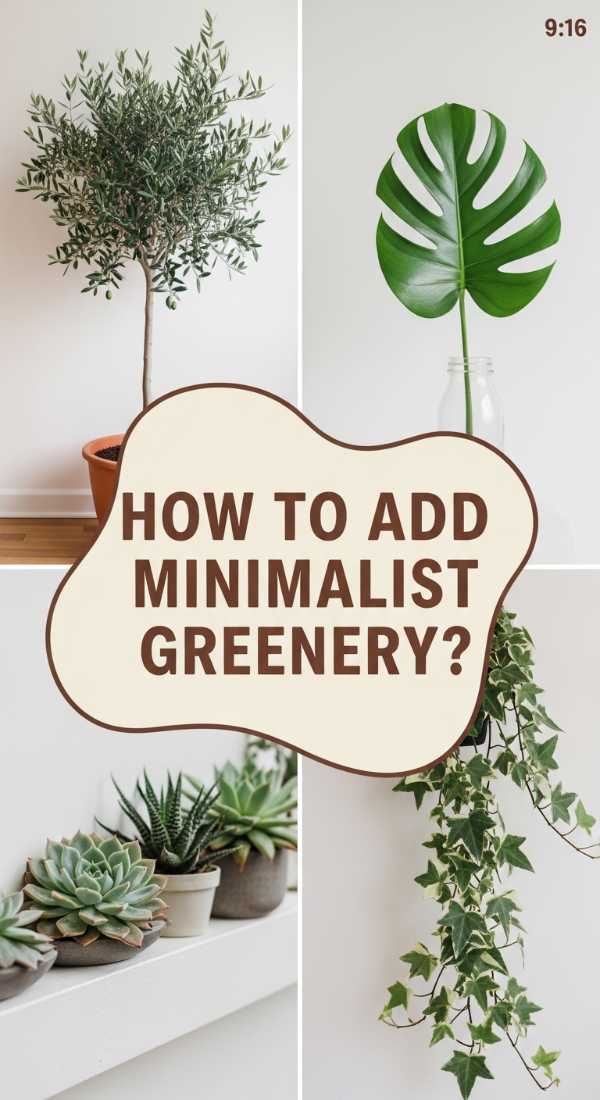
How to Integrate Greenery into Room Decor for a Minimalist Oasis
[IMAGE_10]
Why we love this
Plants are the ‘living art’ of a minimalist home. We love the vibrant, deep green of a Fiddle Leaf Fig against a white wall, the delicate trail of a Pothos from a high shelf, and the way living things bring a sense of air and vitality to a quiet room. Greenery softens the hard lines of minimalist furniture, providing an organic counterpoint that makes the space feel like a breathing, healthy oasis in the middle of the urban jungle.
Essential Elements:
How to make it
Creating Your Personal Sanctuary
Building a cozy minimalist home is a journey, not a destination. It’s about the daily choices to keep only what serves your soul and to let go of the rest. As you implement these essentials, remember that your home should be a reflection of your peace. Take it slow, enjoy the process of editing, and soon, you’ll find yourself living in a space that truly feels like a sanctuary.