
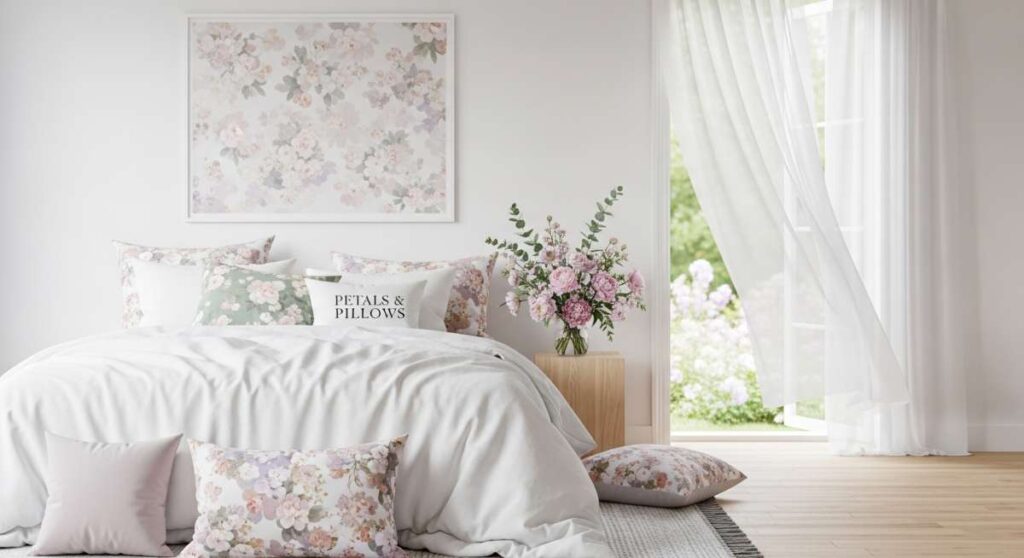
There is something inherently magical about waking up surrounded by a secret garden, even if you live in the heart of a bustling city. The floral bedroom aesthetic isn’t just about choosing a pattern; it’s about capturing a feeling—the softness of a spring morning, the nostalgia of a grandmother’s heirloom quilt, and the serenity of nature invited indoors. Over the years, I’ve found that my bedroom is more than just a place to sleep; it’s my sanctuary, and nothing transforms a space into a restful retreat quite like the timeless beauty of botanical prints.
In this guide, we are going deep into the art of floral styling. Whether you are a minimalist looking for a hint of blossom or a maximalist ready to wrap your walls in ivy, mastering this aesthetic requires a balance of texture, color, and intent. Let’s explore how to weave these petals into your daily life, creating a sleep space that feels as lush as a meadow and as comforting as a warm hug. Grab a cup of tea, and let’s start blooming.
How to Style Vintage Floral Bedding for a Timeless Sanctuary

Why we love this
Vintage floral bedding carries a soul that modern, flat prints simply cannot replicate; it evokes the scent of sun-dried linens and the gentle hum of a countryside afternoon. We love the way faded roses and intricate leaf patterns soften the hard lines of a bedroom, creating a visual rhythm that encourages the mind to slow down and breathe. The texture of aged cotton or linen against the skin provides a tactile groundedness, while the muted color palettes offer a sophisticated take on femininity that never goes out of style. It’s about creating a space that feels curated over decades, providing a sense of historical comfort and quiet luxury.
Essential Elements:
- Washed linen floral duvet cover
- Lace-trimmed pillowcase shams
- Hand-stitched heirloom quilt
- Neutral-toned bed skirt
- Antique brass bed frame
How to make it
- Prepare your ‘canvas’ by ensuring your mattress is clean and fitted with a high-quality, breathable mattress protector to maintain a crisp foundation.
- Apply the base layer using a solid-colored flat sheet in a cream or buttermilk hue; use the ‘hospital corner’ tucking technique to ensure a tight, wrinkle-free surface that mimics a professional hotel finish.
- Layer the vintage floral duvet over the bed, ensuring the pattern is centered; pull the top edge down about 12 inches to reveal the solid sheet underneath, creating a visual break.
- Increase the ‘visual heat’ by adding a quilted throw at the foot of the bed; the weight of the quilt should feel substantial, acting as a grounding element for the lighter floral prints.
- Position your pillows in a 3-tier hierarchy: large Euro shams in a coordinating solid color at the back, followed by your vintage floral standard pillows, and finished with a small decorative bolster.
- Monitor the ‘doneness’ of the look by stepping back to the doorway; if the pattern feels too busy, ‘cool’ the aesthetic by swapping one patterned pillow for a textured white one until the balance feels serene.
How to Achieve a Floral Bedroom Aesthetic for Ultimate Relaxation
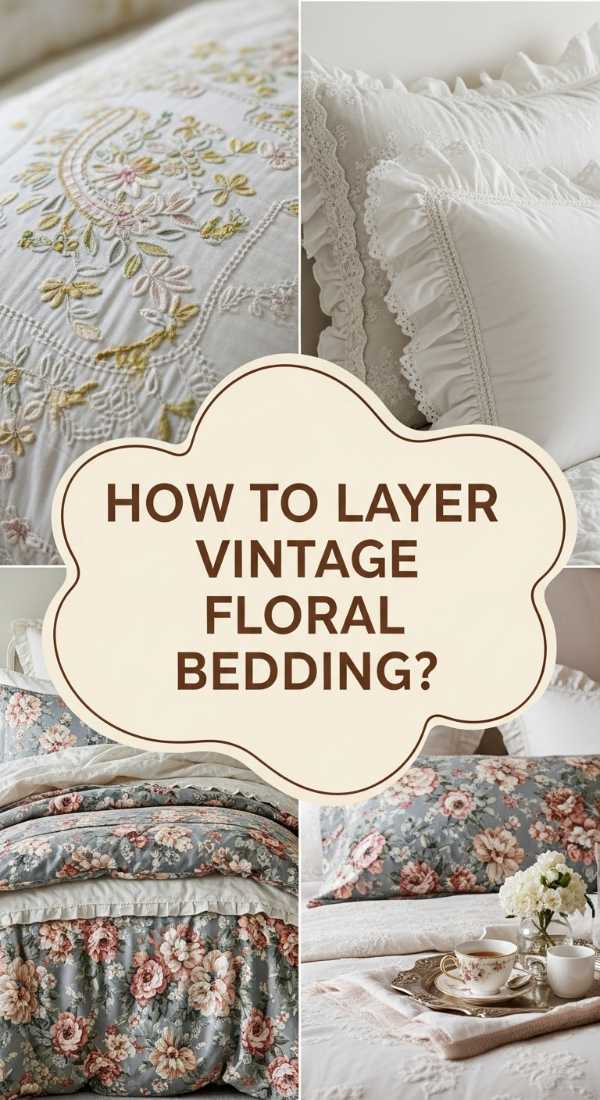
Why we love this
Creating a floral bedroom for relaxation is like designing a personal botanical spa where every petal serves the purpose of peace. We adore the use of ‘quiet’ florals—think delicate watercolors and pale sage greens—that mimic the soothing atmosphere of a mist-covered garden at dawn. This aesthetic focuses on the sensory experience, combining visual softness with the subtle, real-life scents of lavender and chamomile. It turns the act of going to bed into a restorative ritual, where the mind is gently nudged away from the digital world and toward the organic, flowing shapes of the natural world.
Essential Elements:
- Watercolor botanical print sheets
- Lavender-infused eye masks
- Soft sage green throw blankets
- Aromatherapy diffuser with floral oils
- Sheer linen window treatments
How to make it
- Set the ‘atmospheric temperature’ by swapping out bright white lightbulbs for warm-toned LED bulbs (2700K) to highlight the soft pinks and greens in your floral fabrics.
- Prep the room by misting your floral linens with a light linen spray; the moisture helps the fibers relax and releases a faint, calming aroma as you layer the bed.
- Lay your watercolor floral sheets flat, ensuring the decorative border is facing down so that when you fold it over the duvet, the print is visible.
- Fold the duvet in a ‘triple-fold’ accordion style at the base of the bed; this creates a plush, inviting ‘cloud’ effect that signals to the brain that it is time for rest.
- Introduce organic textures by placing a wicker basket nearby filled with extra floral-patterned pillows; the natural wood tones balance the softness of the fabric.
- Check the ‘visual flow’: ensure no sharp angles are visible by tucking in loose threads and fluffing the duvet vigorously to trap air between the layers for maximum loft.
How to Layer Vintage Floral Bedding for a Luxe Sleep Experience
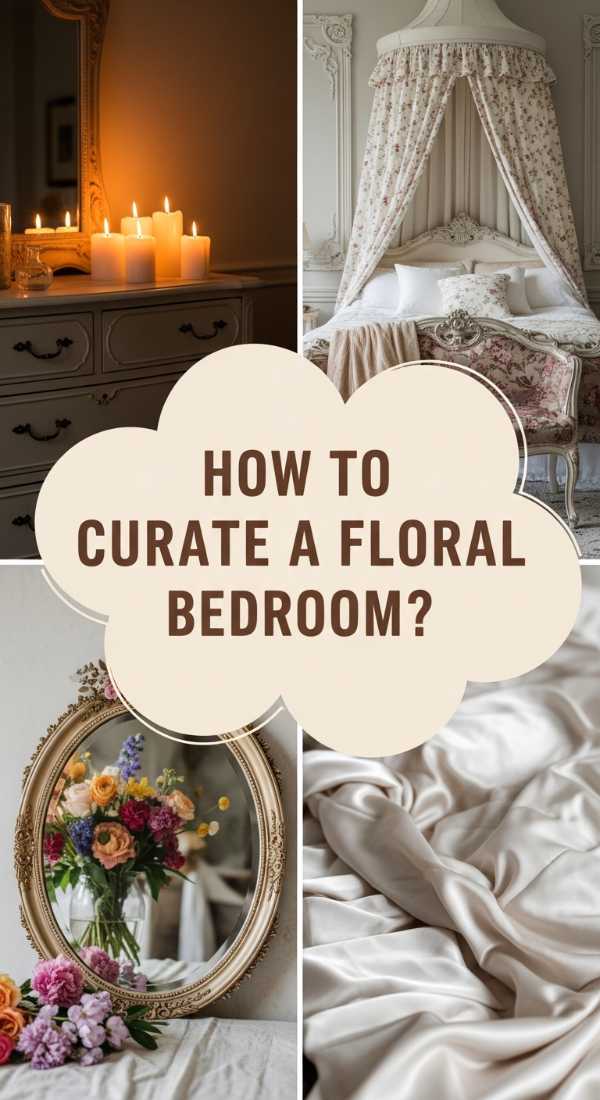
Why we love this
Layering is the secret ingredient to a bed that looks like it belongs in a high-end boutique hotel, especially when working with vintage florals. We love the depth that comes from mixing different weights of fabric—the crispness of a floral percale sheet paired with the heavy drape of a velvet floral coverlet. This approach allows you to adjust your ‘sleep climate’ throughout the night while maintaining a visually rich aesthetic. It feels indulgent and purposeful, turning the bed into a multi-dimensional masterpiece where every layer tells a story of comfort and classic design.
Essential Elements:
- High-thread-count floral sheets
- Medium-weight floral coverlet
- Heavyweight velvet throw in a jewel tone
- Silk pillowcases in a coordinating floral shade
- Down-alternative duvet insert for maximum fluff
How to make it
- Begin the layering process by heating the ‘visual tone’ with a high-thread-count base sheet; ensure the surface is ironed or steamed directly on the bed for a perfectly smooth start.
- Place the floral coverlet over the sheets, pulling it all the way to the headboard; this acts as the primary ‘pattern carrier’ for the bed.
- Fold your duvet insert into the floral duvet cover, ensuring the corners are pinned so the filling doesn’t shift; place this over the coverlet but fold the top half back toward the foot of the bed.
- Layer a contrasting velvet throw horizontally across the bottom third of the bed; the weight should be ‘heavy’ enough to hold the duvet in place and provide a textural ‘visual anchor.’
- Arrange pillows by alternating patterns: one solid, one floral, one solid; this creates a ‘striped’ effect that looks professional and structured.
- Finalize the ‘prep’ by using a fabric comb to smooth out any pilling on vintage pieces, ensuring the luxe feel is maintained through every square inch of the fabric.
How to Curate a Floral Bedroom for a Romantic Mood
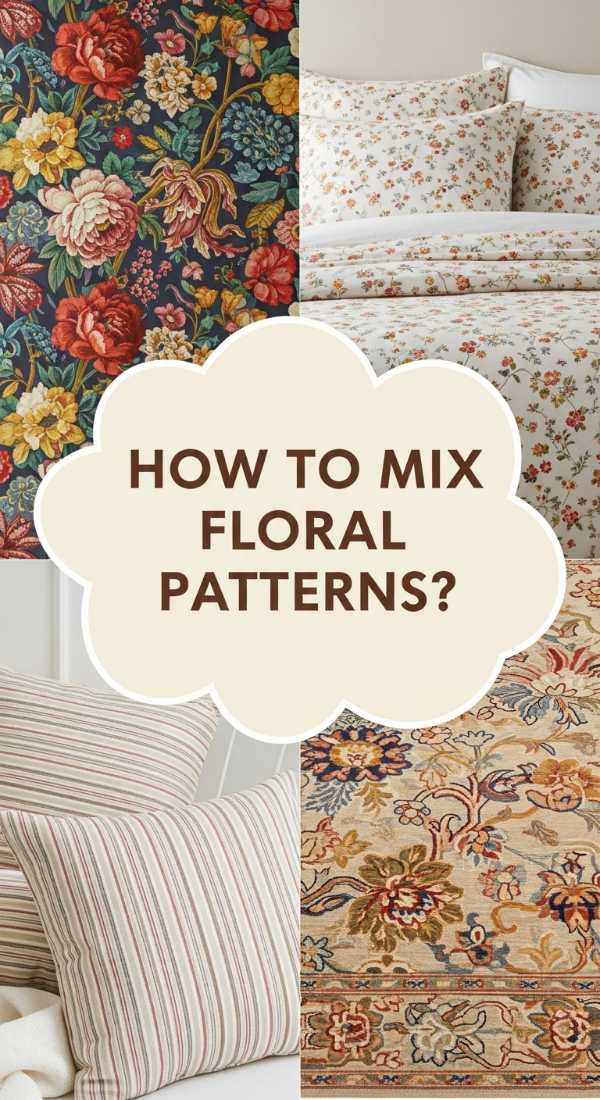
Why we love this
Romance in the bedroom is all about soft edges, deep hues, and the evocative power of full-bloom florals. We love this look because it moves away from the ‘sweet’ side of florals and into the ‘sultry’ side, utilizing moody backgrounds like navy, charcoal, or deep plum to make the floral patterns pop. The feeling is intimate and cocoon-like, reminiscent of a Victorian parlor filled with fresh-cut roses. It’s a design choice that celebrates drama and passion, using the natural curves of petals to create a space that feels both private and profoundly beautiful.
Essential Elements:
- Dark-ground floral wallpaper or bedding
- Satin or silk floral accents
- Dimmer-controlled warm lighting
- Fresh roses in a crystal vase
- Faux-fur throw for added texture
How to make it
- Establish the ‘base heat’ of the room by selecting a dark-toned floral duvet; dark colors absorb light, creating an immediate sense of intimacy and enclosure.
- Prep the lighting by installing amber-toned bulbs or using smart bulbs set to a ‘sunset’ hue to enhance the reds and purples in the floral print.
- Drape a sheer, floral-patterned scarf or fabric over your bedside lamps to diffuse the light further, creating soft, petal-shaped shadows across the walls.
- Arrange the bed using the ‘cascade technique’: allow the duvet to hang longer on the sides than usual, creating a liquid-like drape that feels indulgent.
- Place a tray on the bed with a single floral sprig and a scented candle; the visual cue of ‘readiness’ for a quiet evening is essential for the romantic mood.
- Monitor the ‘aromatic profile’: choose a candle with notes of tuberose or jasmine to reinforce the floral theme through scent, ensuring the room feels like a blooming garden at midnight.
How to Mix Floral Patterns for a Personal Aesthetic
Why we love this
Mixing floral patterns is the ultimate expression of creative confidence; it’s where your personal style truly begins to shine. We love this technique because it breaks all the traditional ‘rules’ of matching, allowing you to pair a ditsy micro-floral with a bold, oversized botanical print. When done correctly, the result is a vibrant, energetic space that feels lived-in and curated rather than ‘bought from a catalog.’ It creates a visual feast for the eyes, where every turn reveals a new detail, a different leaf, or a surprising color harmony that reflects your unique personality.
Essential Elements:
- One ‘hero’ floral print (large scale)
- Two ‘supporting’ floral prints (small to medium scale)
- A unifying color palette (3-4 key colors)
- Solid-colored grounding elements (rug or curtains)
- Geometric accents to break the organic flow
How to make it
- Identify your ‘primary ingredient’: select one large-scale floral print for the duvet; this will dictate the ‘flavor’ and color palette for the entire room.
- Incorporate ‘secondary spices’ by choosing pillow shams in a much smaller floral print; the change in scale is the ‘technique’ that prevents the patterns from clashing.
- Check the ‘color temperature’: ensure all chosen prints share at least one common color (e.g., a specific shade of dusty rose) to create a cohesive ‘bond’ between the layers.
- Introduce a ‘neutralizer’ such as a striped or solid-colored throw; this acts like a palate cleanser, giving the eye a place to rest amidst the floral variety.
- Vary the ‘densities’: use a densely packed floral for the sheets and a sparse, ‘airy’ floral for the decorative pillows to create visual depth.
- Adjust the ‘composition’ by stepping back; if the room feels chaotic, remove the smallest pattern and replace it with a solid, then re-evaluate until the ‘visual taste’ is balanced.
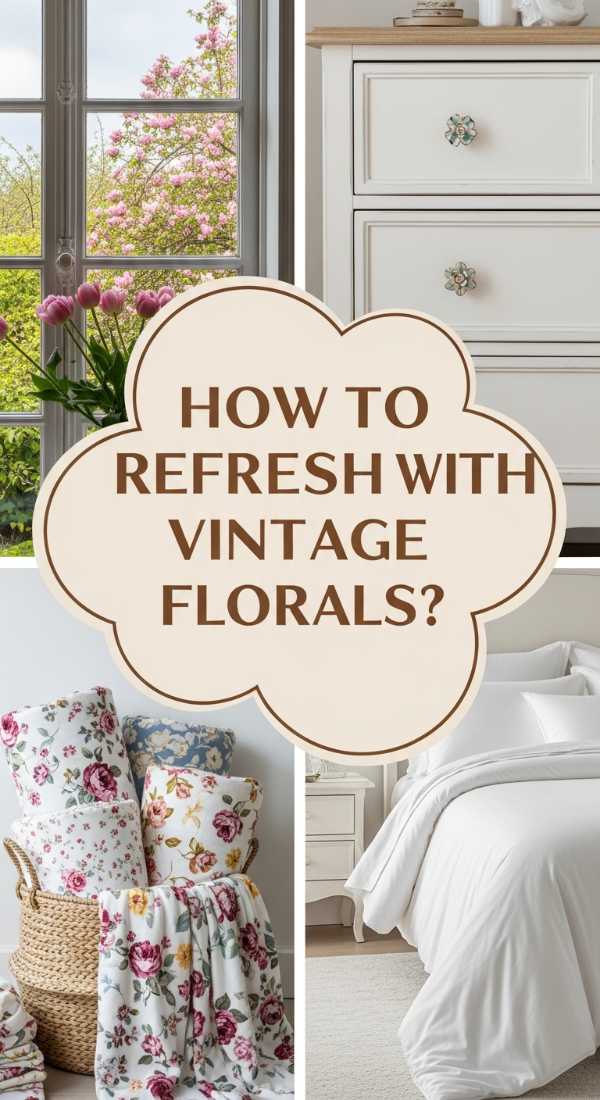
How to Refresh Your Sleep Space with Vintage Floral Bedding

Why we love this
A seasonal refresh is like a deep breath for your home, and vintage florals are the perfect medium for this transformation. We love how easily a heavy winter room can be ‘bloomed’ into spring just by swapping out dark solids for airy, vintage-inspired botanical prints. This approach is about light and renewal—bringing the outdoors in when the first buds appear on the trees. It’s a low-effort, high-impact way to keep your environment feeling current and aligned with the natural world, ensuring your bedroom always feels like a fresh start every single morning.
Essential Elements:
- Lightweight cotton floral quilts
- Floral-scented linen water
- Fresh botanical wall art
- Light-colored wooden accents
- Open windows for natural ventilation
How to make it
- Perform a ‘deep-clean prep’: strip the bed entirely and vacuum the mattress, then rotate it to ensure an even ‘base’ for your new bedding.
- ‘Blanch’ the room’s color palette by removing heavy winter blankets and replacing them with white or cream-based floral linens that reflect more natural light.
- Use a ‘steaming technique’ on your vintage floral curtains to remove any storage creases; the steam also helps ‘refresh’ the fabric fibers, making them hang more gracefully.
- Introduce ‘living florals’ by placing a small potted plant like a cyclamen on the nightstand; the visual cue of a real flower elevates the printed ones on the bed.
- Adjust the ‘airflow’: position your bed to catch the cross-breeze from an open window, allowing the floral fabrics to gently move, which enhances the ‘fresh’ aesthetic.
- Time the refresh for a sunny day; the visual ‘doneness’ of a floral refresh is best judged when the room is flooded with natural light, highlighting the vibrancy of the prints.
How to Design a Cottagecore Floral Bedroom for a Peaceful Life
Why we love this
Cottagecore is more than a trend; it’s a lifestyle focused on simplicity, sustainability, and a return to the basics, and the floral bedroom is its beating heart. We love the unpretentious, ‘undone’ beauty of this style—think slightly wrinkled linen, dried flower wreaths, and mismatched floral patterns that look like they were gathered from a countryside flea market. It celebrates the imperfections of life and the beauty of the natural world, creating a sanctuary that feels safe, nostalgic, and entirely disconnected from the stresses of modern technology.
Essential Elements:
- Hand-embroidered floral pillows
- Dried lavender bundles
- Wicker or rattan furniture
- Muted, earthy floral tones
- DIY pressed flower frames
How to make it
- Start with ‘raw ingredients’: choose linens in natural fibers like hemp or flax linen with ‘distressed’ floral prints that look intentionally faded.
- Apply the ‘rustic technique’ by forgoing the iron; the natural crinkles in the fabric add to the cottagecore charm and provide a ‘warm’ tactile feel.
- ‘Slow-cook’ the decor by adding items over time; hang a bundle of dried herbs from a wooden peg rail to introduce a natural, earthy ‘top note’ to the room.
- Layer a handmade patchwork quilt (featuring floral scraps) over the foot of the bed; the ‘visual texture’ should be varied and feel uniquely personal.
- Incorporate ‘grounding elements’ like a jute rug; the rough texture of the jute balances the ‘sweetness’ of the floral patterns perfectly.
- Final ‘seasoning’: place a stack of vintage books with floral spines on the floor next to the bed to create a ‘low-level’ visual interest that feels cozy and lived-in.
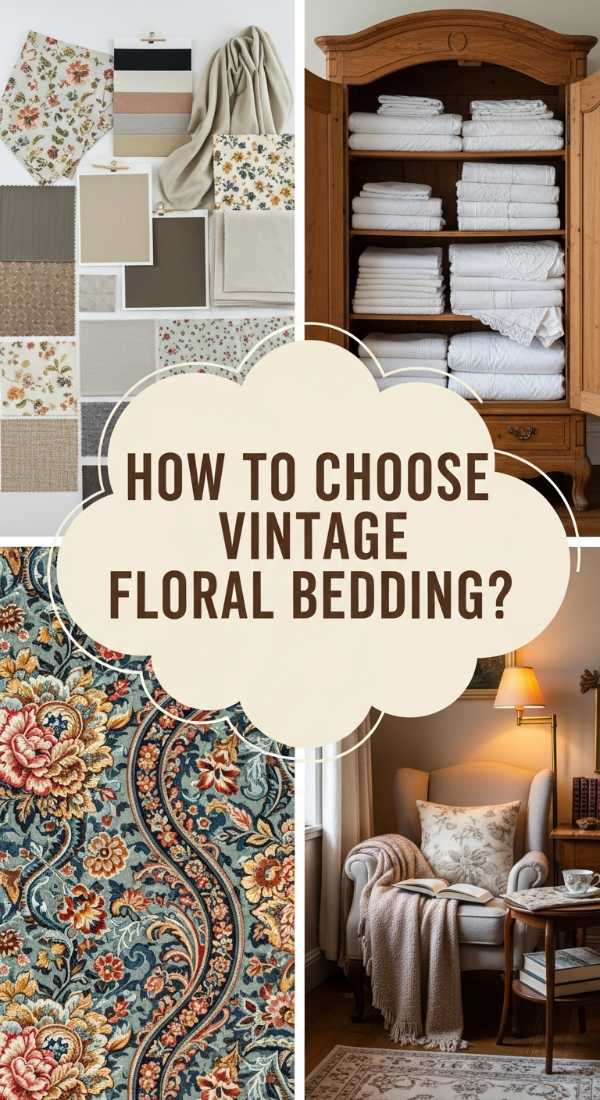
How to Choose the Perfect Vintage Floral Bedding for Your Style
Why we love this
Choosing the right floral print is like finding the perfect perfume; it has to resonate with your inner self. We love the process of discovery—sifting through different eras of design, from the bold, psychedelic florals of the 70s to the dainty, ‘shabby chic’ roses of the 90s. The ‘perfect’ bedding acts as an anchor for your entire room’s identity. It’s the difference between a room that feels like a quiet library and one that feels like a wild meadow. Finding that specific print that makes your heart skip a beat is the most rewarding part of the design journey.
Essential Elements:
- Fabric swatches for color matching
- Thread count knowledge (Percale vs. Sateen)
- Historical design references
- Scale measurement tool
- Lighting samples
How to make it
- Conduct a ‘flavor profile’ test: bring home fabric swatches and pin them to your bedroom wall to see how the floral colors shift during ‘peak’ daylight versus ‘evening’ lamplight.
- Evaluate the ‘texture-to-heat’ ratio: choose percale florals if you are a ‘hot sleeper’ for a crisp feel, or sateen florals if you prefer a ‘warmer,’ silkier touch.
- Assess the ‘scale’ of the print: in a small room, use a ‘reduction technique’ by choosing smaller floral patterns to make the space feel larger.
- Check for ‘pattern integrity’: look at the back of the fabric to ensure the print is high-quality and won’t fade after the first ‘simmer’ in the washing machine.
- Match the ‘visual weight’ of the flowers to your furniture; delicate florals pair well with spindly metal frames, while chunky botanicals suit heavy wood furniture.
- Make the ‘final cut’ only after sleeping with a swatch near your pillow to ensure the pattern isn’t too ‘busy’ for your peripheral vision as you drift off.
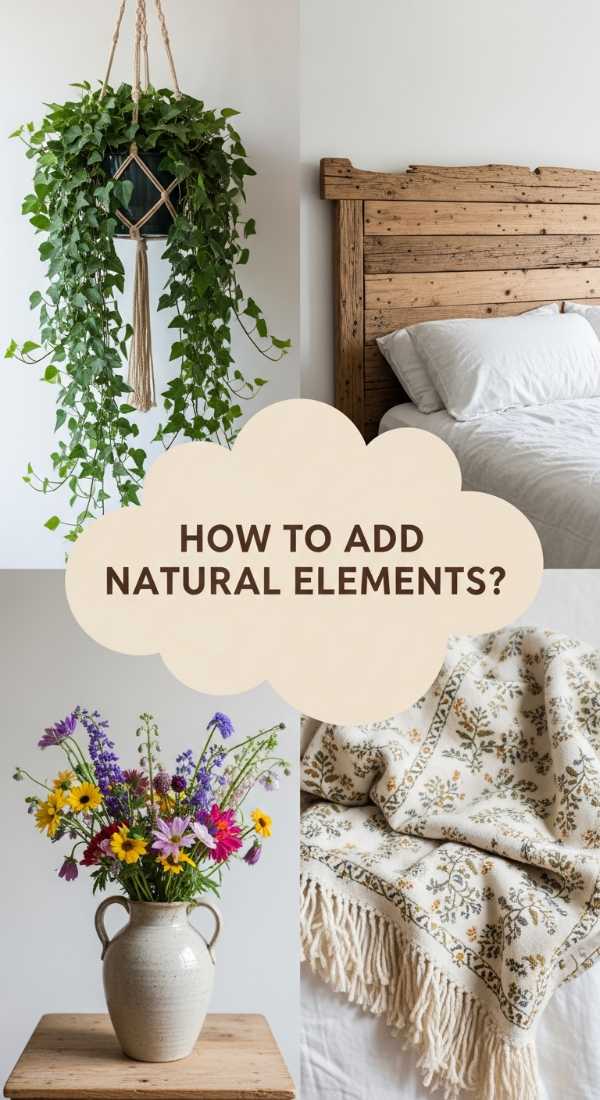
How to Incorporate Natural Elements into a Floral Bedroom Aesthetic
Why we love this
A floral bedroom truly comes to life when you bridge the gap between ‘printed’ nature and ‘living’ nature. We love this approach because it adds a literal breath of fresh air to the space, using real plants and organic materials to enhance the floral motifs on your bedding. The combination of a floral duvet and a cascading ivy plant creates a 3D effect that is incredibly immersive. It transforms the room from a ‘decorated space’ into a living ecosystem, promoting better air quality and a deeper psychological connection to the environment, which is scientifically proven to reduce stress.
Essential Elements:
- Live potted plants (Pothos or Jasmine)
- Driftwood or raw wood side tables
- Stone or ceramic vases
- Natural sisal or wool rugs
- Cotton-rope hanging planters
How to make it
- ‘Prime’ the environment by placing a large-leafed plant like a Monstera in a corner; the deep green ‘base note’ provides a perfect backdrop for colorful floral bedding.
- Use the ‘elevation technique’: hang plants at different heights using macramé holders to mimic the way flowers grow in a tiered garden.
- Integrate ‘mineral elements’ by using a stone tray on the nightstand to hold jewelry; the ‘cold’ texture of the stone contrasts beautifully with the ‘warm’ floral fabric.
- Match the ‘moisture levels’ of your plants to your lifestyle; if you want low maintenance, use dried pampas grass which mimics the flow of floral stems without the ‘watering schedule.’
- Ensure ‘visual synergy’: if your bedding features wildflowers, use a ceramic ‘pitcher’ vase for a loose, meadow-style arrangement of real flowers to match the ‘prep’ style.
- Check for ‘visual cues for doneness’: if the room feels too ‘green,’ add a pop of floral color with a bright cushion to ‘re-center’ the garden aesthetic.
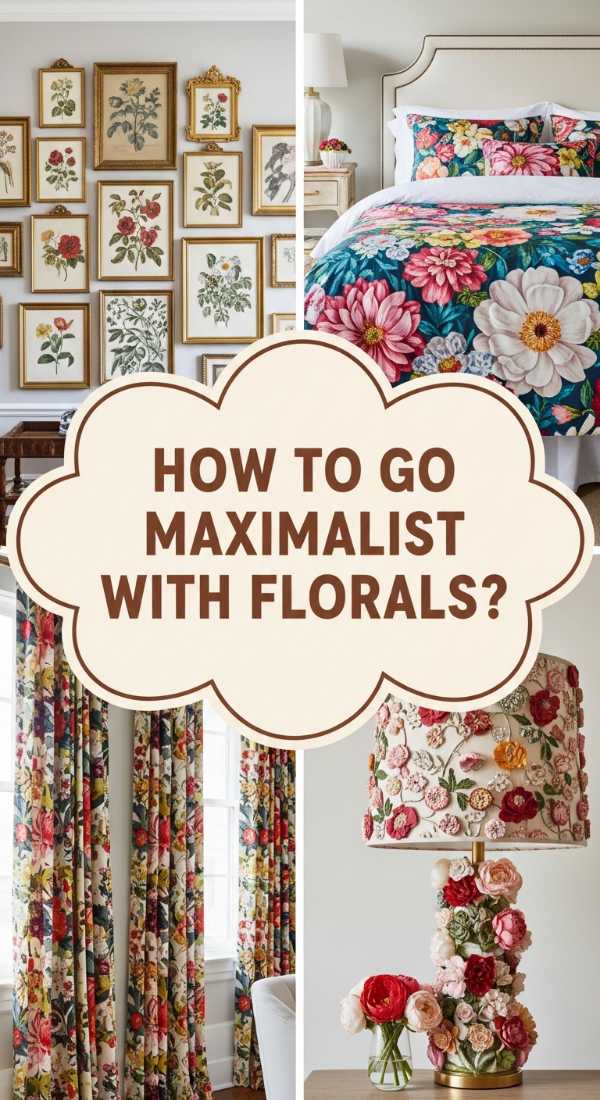
How to Master the Art of a Maximalist Floral Bedroom
[IMAGE_10]
Why we love this
Maximalism is an unapologetic celebration of abundance, and a maximalist floral bedroom is the ultimate ‘more-is-more’ statement. We love the fearless energy of this aesthetic—where floral wallpaper meets floral bedding, floral curtains, and floral rugs. It creates an enchanting, ‘wonderland’ effect that is completely transportive. There is no room for boredom here; instead, every surface is a canvas for color and life. It’s a bold choice that rewards the brave with a space that feels like a private, perennial garden where the flowers are always in bloom and the joy is turned up to the max.
Essential Elements:
- Large-scale floral wallpaper
- Patterned floral area rug
- Layered floral window treatments
- Ornate, gilded mirrors
- Clashing (but coordinated) floral cushions
How to make it
- Set the ‘base heat’ high by applying a bold floral wallpaper; ensure the ‘paste technique’ is perfect to avoid bubbles, creating a seamless ‘garden wall.’
- ‘Fold in’ the layers by placing a floral rug that shares at least two colors with the wallpaper; this ‘anchors’ the room from the bottom up.
- Use the ‘heavy seasoning’ approach with bedding: layer a floral sheet set, a different floral duvet, and at least five different floral throw pillows.
- Balance the ‘composition’ by using a ‘grounding’ piece of furniture, like a solid black or white bed frame, to act as a ‘visual break’ in the sea of patterns.
- Monitor the ‘visual density’: if a corner feels too ‘thin,’ add a floral-patterned lampshade or a gallery wall of botanical prints to ‘fill the gap.’
- Final ‘visual cue’: walk around the entire bed; if there is a ‘cold spot’ (an empty solid area), add a floral element until the room feels like a fully-saturated, blooming masterpiece.
Cultivating Your Personal Sanctuary
Mastering the floral bedroom aesthetic is a journey of bringing your inner landscape to life. It’s about more than just decor; it’s about creating a space that reflects the cycles of nature—growth, rest, and beauty. Whether you choose the quiet whisper of a vintage rose or the loud shout of a maximalist garden, your floral sanctuary will always be a place where you can bloom at your own pace. Sleep well, dream in color, and let your bedroom be your favorite place to grow.