
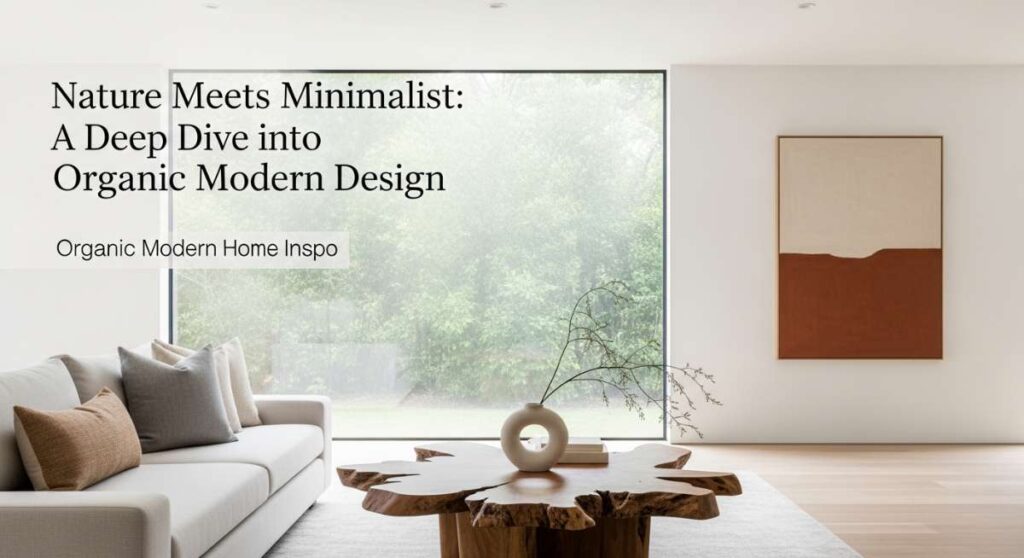
Nature Meets Minimalist: A Deep Dive into Organic Modern Design
Have you ever walked into a room and felt your shoulders immediately drop an inch? That’s the power of organic modern design. It’s that rare, soulful intersection where the clean, intentional lines of minimalism meet the raw, unrefined beauty of the natural world. For years, I struggled to find a balance between wanting a home that looked ‘put together’ and wanting a space that felt like a warm hug. I used to think minimalism meant cold white walls and sharp edges, but I’ve since learned that the most beautiful homes are those that breathe with the textures of the earth.
This blog post is a love letter to the materials that ground us—the grainy oak, the cool touch of linen, and the vibrant life of a well-placed fiddle leaf fig. Whether you are living in a cramped city apartment or a sprawling suburban house, these styling secrets will help you cultivate a sanctuary that isn’t just a place to sleep, but a place to thrive. Let’s dive into how we can bridge the gap between sophisticated structure and the wild, wonderful spirit of nature.
How to Create a Boho Sanctuary for Endless Creative Inspiration

Why we love this
There is a specific kind of magic that happens when you stop treating your home like a showroom and start treating it like a canvas. A boho sanctuary feels like a soft exhale, where the air is scented with sandalwood and the sunlight filters through hanging macrame in a rhythmic dance of shadows. It’s about the tactile joy of running your fingers over a hand-woven rug and the visual feast of a room filled with history and heart. This style encourages a slower pace of life, inviting you to curl up with a journal and let your imagination wander through a forest of indoor greenery and sun-drenched corners.
Essential Elements:
- Hand-knotted macrame wall hangings
- Low-profile floor cushions in jewel tones
- Distressed vintage Persian rugs
- Dried pampas grass in oversized ceramic vases
- Fairy lights or Moroccan lanterns for ambient lighting
- A collection of crystals and meaningful trinkets
How to make it
- Start by clearing a dedicated corner of your room to serve as the ‘altar’ of your creativity, ensuring it receives the best natural light during your peak working hours.
- Layer your flooring by placing a large, neutral jute rug as a base, then diagonally overlaying a smaller, colorful vintage rug to create a sense of depth and bohemian ‘ordered chaos.’
- Install low-seating options such as a velvet floor pouf or a reclaimed wood bench, which shifts your perspective lower to the ground, fostering a more grounded and relaxed mental state.
- Arrange your wall decor using the ‘triangle’ method; place your largest macrame piece in the center and flank it with smaller framed sketches or mirrors at varying heights to keep the eye moving.
- Incorporate ‘living energy’ by grouping three plants of different heights—like a tall Snake Plant, a mid-sized Pothos, and a small succulent—to create a micro-jungle effect that purifies the air and sparks visual interest.
How to Master Earthy Aesthetic Living for a Calming Daily Flow

Why we love this
Earthy aesthetic living is less about a look and more about a frequency. It’s the feeling of walking barefoot on cool terracotta tiles or the comforting weight of a heavy linen duvet. We love this approach because it strips away the digital noise of the modern world and replaces it with the quiet hum of natural materials. The color palette is pulled directly from a desert landscape—think ochre, sienna, and sage—which naturally lowers the heart rate and creates a seamless transition from the outdoors in. It’s a design philosophy that honors the imperfection of the natural world, celebrating every knot in the wood and every ripple in the stone.
Essential Elements:
- Terracotta or clay pottery
- Raw, unfinished wood furniture
- Linen curtains that pool on the floor
- Stone-washed textiles in muted earth tones
- Woven seagrass storage baskets
How to make it
- Begin with a color audit of your space; replace any high-contrast whites with ‘creamy oatmeal’ or ‘soft sand’ tones to soften the visual impact of your walls.
- Introduce raw wood elements, such as a live-edge coffee table or cedar shelving, ensuring you don’t over-sand the surfaces so the natural grain and texture remain the primary focal point.
- Switch out synthetic window treatments for 100% linen drapes; hang the rods 2-3 inches higher than the window frame to create an airy, elongated look that allows soft, diffused light to permeate the room.
- Incorporate ‘earth-gifts’ by placing a shallow stone bowl on your entryway table filled with smooth river rocks or dried seed pods, providing a tactile sensory experience every time you enter your home.
- Set the ‘flow’ by ensuring all walkways are clear of clutter, using woven baskets to hide electronics and plastic items that disrupt the organic visual harmony.
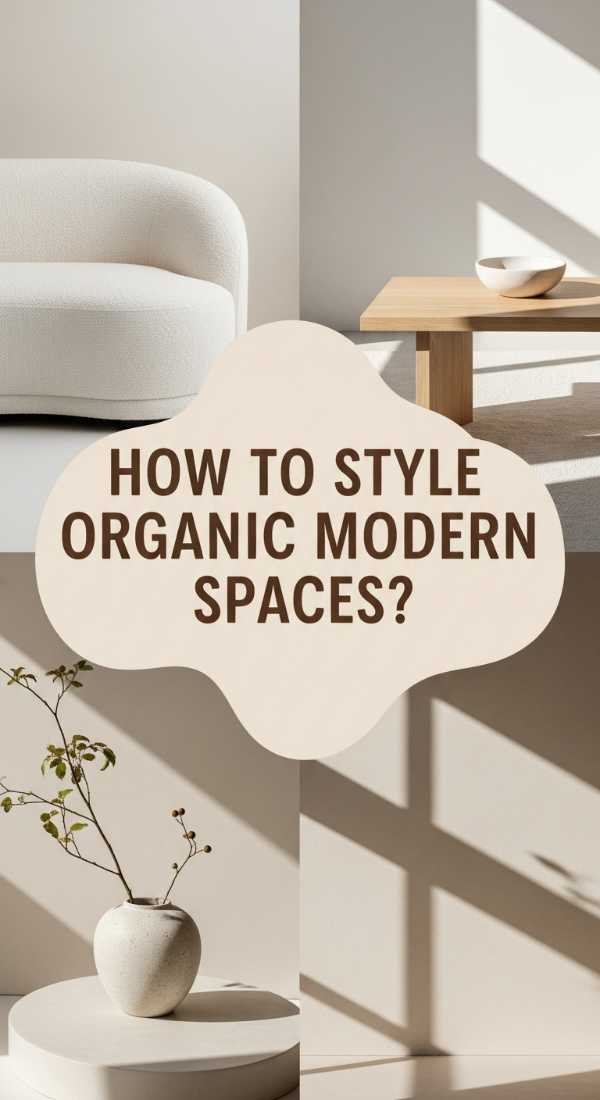
How to Style Organic Modern Spaces for Sophisticated Home Comfort
Why we love this
This is the ultimate ‘grown-up’ version of nature-inspired design. We are obsessed with organic modern styling because it proves that luxury doesn’t have to be cold. It’s the perfect marriage of a sleek, mid-century silhouette with the ruggedness of a hand-hewn wooden stool. The result is a space that feels curated yet lived-in, where a marble countertop is softened by a bowl of fresh, organic lemons and a minimalist sofa is draped in a chunky wool throw. It’s sophisticated enough for hosting a dinner party, yet comfortable enough for a Sunday afternoon nap, providing a balanced backdrop for a high-functioning, beautiful life.
Essential Elements:
- Furniture with clean, curved lines
- High-quality natural materials like marble, wool, and oak
- A monochromatic palette with varying textures
- Statement architectural plants (like a Fiddle Leaf Fig)
- Minimalist matte black or brass hardware
How to make it
- Select a ‘hero’ piece of furniture that features a curved silhouette, such as a crescent sofa or a round oak dining table, to break up the harsh lines of standard room architecture.
- Apply the ‘Rule of Three’ when accessorizing surfaces: combine one smooth item (a ceramic vase), one textured item (a wooden chain), and one organic item (a small plant) to create a sophisticated vignette.
- Maintain a monochromatic base (like warm grey or soft beige) but layer in at least four different textures within that color family to prevent the space from looking flat or sterile.
- Upgrade your lighting by replacing standard fixtures with matte black or brushed brass pendants that feature organic shapes, like a globe or a teardrop, to add a sculptural element to the ceiling.
- Ensure ‘negative space’ is preserved; organic modernism relies on the ability of the eye to rest, so leave at least one wall or corner intentionally sparse to highlight the quality of your chosen pieces.
How to Incorporate Rattan Accents for a Timeless Coastal Vibe

Why we love this
Rattan brings an immediate sense of lightness and nostalgia to a room, evocative of sun-drenched afternoons by the sea and the gentle rustle of palm fronds. We love it for its incredible versatility and the way it plays with light; when the sun hits a rattan weave, it creates a beautiful, rhythmic pattern of light and shadow that adds architectural interest to even the simplest room. It’s a sustainable, durable material that adds a touch of the ‘outdoors-in’ without the maintenance of a plant, providing a golden, honey-hued warmth that complements almost any color scheme from navy blue to pristine white.
Essential Elements:
- Rattan peacock chairs or side chairs
- Woven cane headboards
- Rattan pendant light shades
- Wicker storage trunks
- Circular rattan mirrors
How to make it
- Identify one ‘focal wall’ in your living area to feature a large-scale rattan piece, like a hanging chair or an oversized sunburst mirror, to establish the coastal theme immediately.
- Introduce rattan through lighting; install a large woven pendant lamp in the center of the room. Pro tip: use a warm-toned Edison bulb to enhance the golden glow of the fibers when lit.
- Mix rattan with ‘heavy’ materials like leather or velvet to keep the look grounded and sophisticated rather than purely ‘beachy.’ A rattan side table next to a leather armchair is a perfect pairing.
- Care for your rattan by lightly misting it with water once a month to prevent the fibers from becoming brittle and cracking in dry indoor air.
- Use rattan trays on ottomans or coffee tables to corral smaller items like remote controls and coasters, adding a layer of texture to a functional surface.
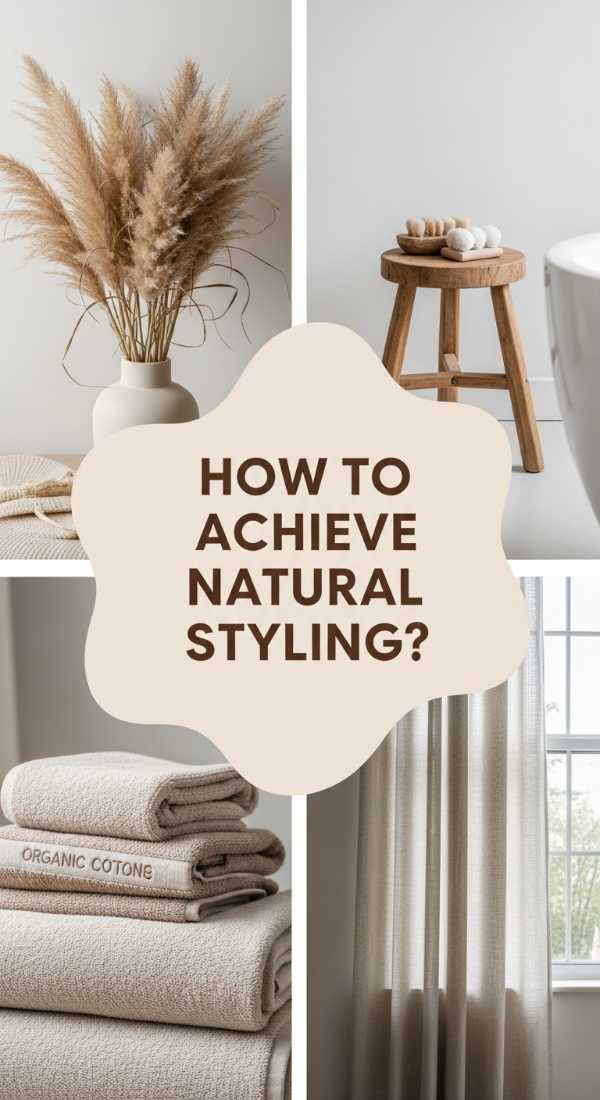
How to Achieve Natural Home Styling for the Ultimate Wellness Retreat
Why we love this
Imagine your home functioning as a giant reset button for your nervous system. That is the essence of wellness-focused natural styling. We love this approach because it prioritizes the inhabitant’s well-being over fleeting trends. It’s about the soft hum of an ultrasonic diffuser misting lavender into the air, the sight of clear glass jars filled with organic grains, and the feeling of soft, organic cotton against your skin. This style turns everyday chores into rituals of self-care, making the act of making tea or washing your face feel like a high-end spa experience right in your own sanctuary.
Essential Elements:
- A dedicated ‘zen’ corner for meditation
- Essential oil diffusers in natural stone or wood
- Organic cotton and bamboo textiles
- Transparent glass storage for a clutter-free look
- Soft, dimmable amber lighting
How to make it
- Conduct a ‘sensory sweep’ of your home, identifying and removing any harsh scents (synthetic air fresheners) and replacing them with pure essential oils like eucalyptus or frankincense.
- Create a ‘tech-free’ zone by styling a corner with a comfortable floor chair, a small pile of books, and a Himalayan salt lamp to provide a soothing, low-blue-light environment for decompression.
- Organize your pantry and bathroom using clear glass apothecary jars; seeing the natural colors of oats, salts, and dried herbs reduces visual clutter and promotes a sense of abundance.
- Incorporate water elements, such as a small tabletop fountain, to provide the soothing auditory background of trickling water, which is scientifically proven to lower cortisol levels.
- Swap out high-wattage cool-white bulbs for warm-toned, low-lumen LED bulbs to mimic the natural cycle of sunset, helping to regulate your circadian rhythm.
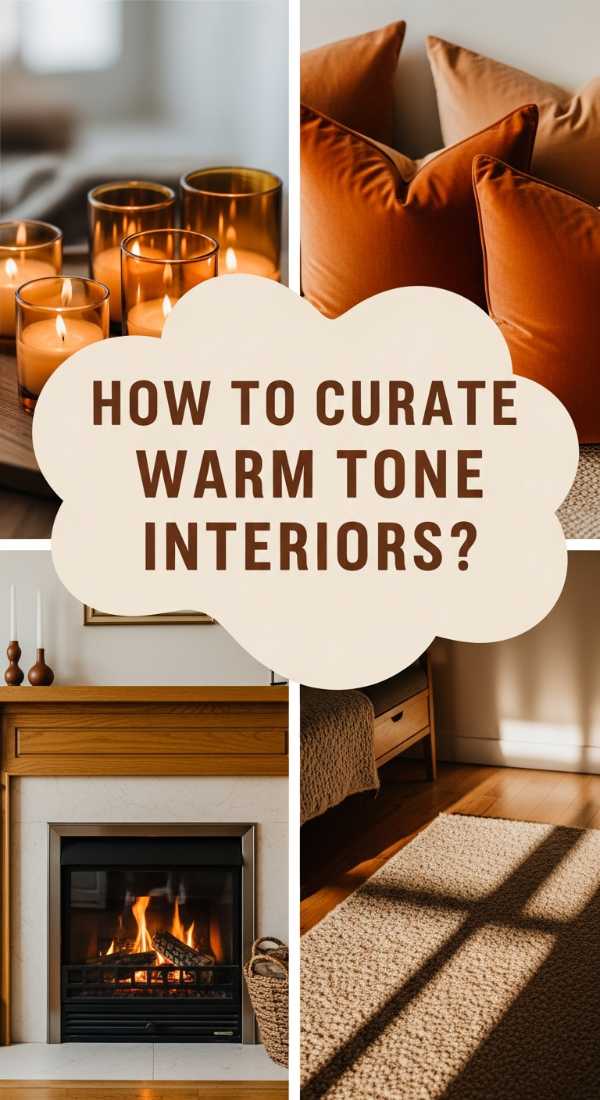
How to Curate Warm Tone Interiors for a Cozy Winter Feeling
Why we love this
When the temperature drops and the days grow short, your home should feel like a warm embrace. Curating warm tone interiors is like wrapping your house in a giant cashmere sweater. We love the richness of burnt orange, deep terracotta, and chocolate brown, which provide a visual warmth that can actually make a room feel physically toastier. It’s about the glow of candlelight reflecting off polished brass and the invitation of a deep, plush velvet sofa. This design style celebrates the ‘hygge’ lifestyle, turning the coldest months of the year into a season of intimate gatherings and quiet reflection by the fire.
Essential Elements:
- Velvet textiles in rust, amber, or burgundy
- Brass or copper accents for a metallic glow
- Dark wood furniture (walnut or stained oak)
- Thick, chunky knit wool blankets
- Candles in varying heights and earthy scents
How to make it
- Swap out your summer linens for ‘heavy-weight’ fabrics; replace thin cotton pillow covers with rich velvet or corduroy in warm shades like cinnamon or terracotta.
- Layer your lighting by adding floor lamps with fabric shades that cast a warm, diffused light, and supplement with at least five candles of varying heights on your mantle or coffee table.
- Introduce metallic accents in ‘warm’ finishes like brushed brass or antique copper through picture frames, vase lips, or drawer pulls to catch and reflect warm light.
- Create a ‘cozy nook’ by draping a faux-fur or chunky knit throw over the arm of your favorite chair, ensuring it is within arm’s reach for chilly evenings.
- Incorporate ‘warm’ woods into your decor, such as a dark walnut tray or a mahogany bowl, to add a sense of weight and history that grounds the airier elements of the room.
How to Design an Indoor Jungle for Breathing Fresh Life into Every Room

Why we love this
Living with plants is like having a conversation with nature every single day. An indoor jungle transforms a static room into a breathing, evolving ecosystem that vibrates with life. We love the way green leaves pop against neutral walls, the satisfying ritual of the Sunday morning watering routine, and the way plants literally clean the air we breathe. There is something profoundly healing about watching a new leaf unfurl or seeing a vine trail down a bookshelf. It connects us to the seasons and reminds us of our own capacity for growth, even in the smallest of spaces.
Essential Elements:
- Varying plant species (Monsteras, Ferns, Ivies)
- Terracotta or breathable clay pots
- A decorative brass watering can
- Plant stands at multiple heights
- Trailing plants for high shelves
How to make it
- Assess the light levels in each room—bright indirect for Monsteras, low light for Snake Plants—to ensure you place your ‘green roommates’ in environments where they will actually thrive.
- Create visual ‘levels’ by using plant stands of different heights and hanging macrame planters from the ceiling to draw the eye upward and maximize floor space.
- Group plants in odd numbers (threes or fives) to create a more natural, ‘wild’ look that mimics how plants grow in the forest, rather than a stiff, symmetrical arrangement.
- Include ‘trailing’ plants like Pothos or Heartleaf Philodendron on high bookshelves or mantles, allowing the vines to drape naturally and soften the hard edges of your furniture.
- Use a consistent ‘potting language’—sticking to a single material like terracotta but in various shapes—to keep the jungle feeling cohesive and curated rather than cluttered.
How to Layer Dreamy Textures for a Luxurious Bedroom Experience

Why we love this
The bedroom should be a sanctuary of the senses, a place where the world falls away the moment you touch the sheets. Layering textures is the secret to creating that ’boutique hotel’ feeling that makes you never want to leave. We love the interplay of different tactile sensations—the crispness of high-thread-count cotton, the soft fuzz of a mohair throw, and the cool smoothness of a silk pillowcase. It creates a visual and physical depth that feels incredibly expensive and nurturing. It’s about building a nest that supports rest, recovery, and the sweetest dreams imaginable.
Essential Elements:
- High-quality linen or organic cotton bedding
- A quilted or velvet coverlet for layering
- Faux-fur or mohair decorative throws
- A variety of pillows in different fabrics (silk, wool, linen)
- A plush, high-pile bedside rug
How to make it
- Start with a base of high-quality, breathable sheets in a neutral tone like bone or charcoal, ensuring they are tightly tucked for a crisp foundation.
- Add a ‘middle layer’ with a textured coverlet or a lightweight quilt that is folded back halfway down the bed to reveal the sheets underneath.
- Place a large, heavy duvet in a duvet cover made of pre-washed linen at the foot of the bed, folding it into thirds to create an inviting, voluminous look.
- Stack your pillows using the ‘2-2-1’ method: two large shams against the headboard, two standard pillows in front, and one long lumbar pillow in a contrasting texture (like boucle or velvet) in the very front.
- Finish the look by tossing a high-texture throw blanket (like a chunky knit or faux-fur) over one corner of the bed with intentional ‘messiness’ to make the space look lived-in and cozy.
How to Embrace Minimalist Earthy Decor for a Mindful Morning Routine
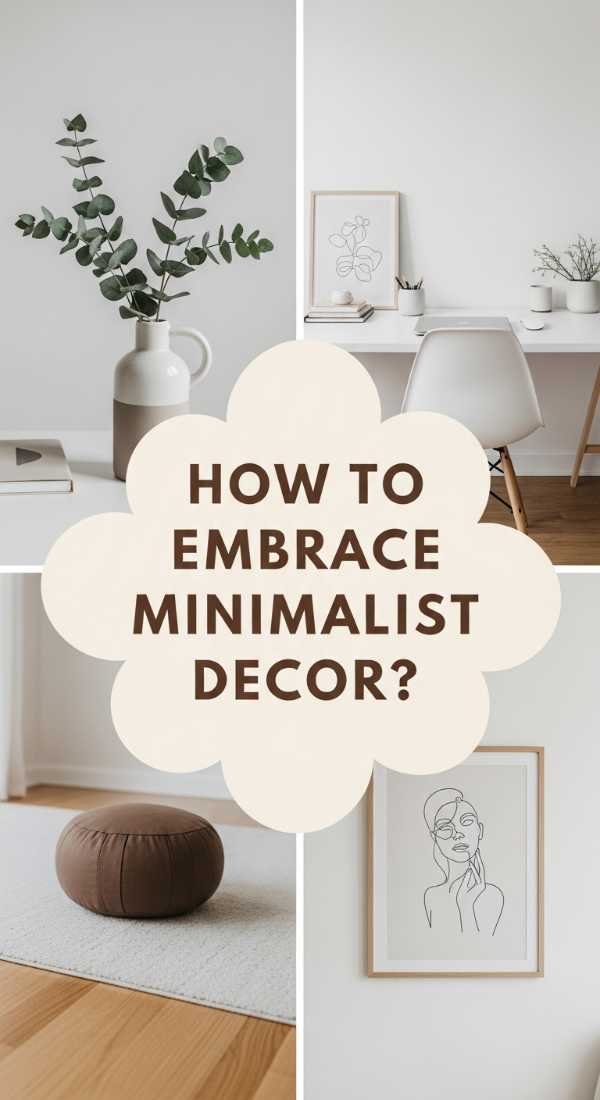
Why we love this
How you spend your first hour of the day sets the tone for everything that follows. Minimalist earthy decor removes the ‘visual static’ that can clutter a morning mind. We love the serenity of a clean ceramic mug held in both hands, the stillness of a room that isn’t overstuffed with ‘things,’ and the way natural light hits a single, beautiful branch in a vase. It’s a design style that supports mindfulness, encouraging you to be present with your coffee, your breath, and your intentions before the rush of the digital world takes over. It’s simplicity with a soul.
Essential Elements:
- Handmade ceramic mugs and bowls
- A single ‘branch’ arrangement in a glass vase
- Minimalist wooden trays for ritual items
- Neutral-colored journals and pens
- Uncluttered, open surfaces
How to make it
- Identify your ‘morning zone’—whether it’s a kitchen nook or a window seat—and clear it of all non-essential items, leaving only what you need for your morning ritual.
- Invest in ‘functional art’ by choosing a handmade ceramic mug with a tactile, speckled glaze that feels grounding to hold; store it on an open shelf where it can be appreciated.
- Create a ‘mindfulness tray’ out of light oak or bamboo to hold your journal, a single candle, and a pen, making the setup of your morning practice a seamless, beautiful transition.
- Incorporate ‘living art’ by placing a single architectural branch (like eucalyptus or olive) in a heavy stone vase; it requires zero maintenance but brings a powerful sense of the outdoors to your table.
- Establish a ‘no-phone’ surface near your morning spot, perhaps a small wooden stool, where you can leave your device to ensure your first moments of the day remain unplugged and peaceful.
How to Arrange a Natural Gallery Wall for a Personal Artistic Touch
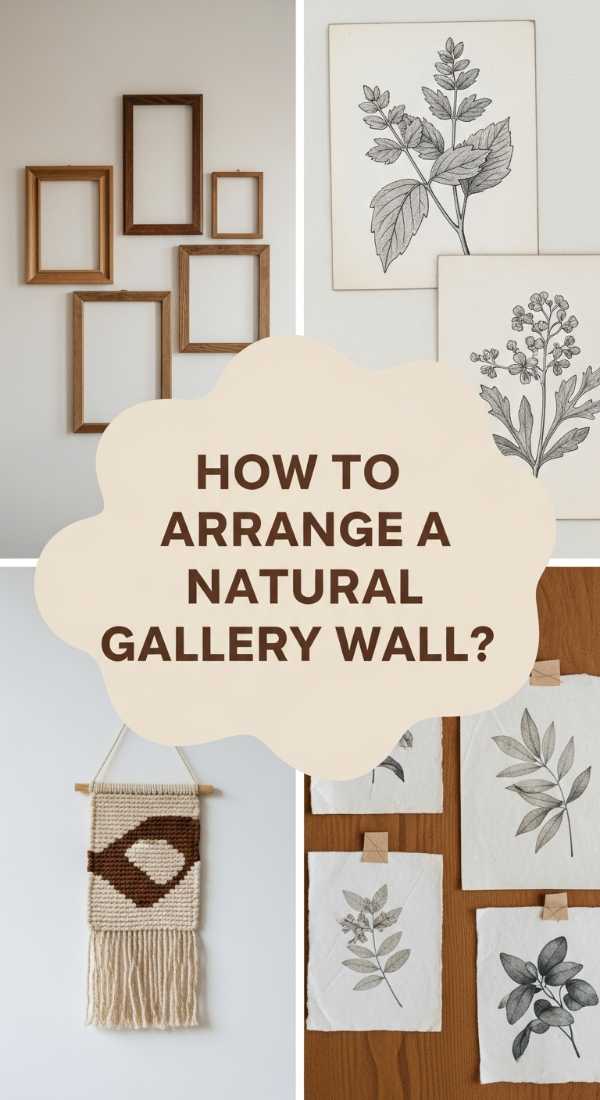
Why we love this
A gallery wall is the autobiography of a home, and using natural elements makes that story feel timeless and organic. We love this approach because it moves away from glossy, mass-produced prints and toward things that have soul: hand-pressed ferns, vintage botanical sketches, and photographs of landscapes that mean something to you. It’s a way to bring the vastness of the outside world into a focused, curated display. The varying textures of wood frames and deckled-edge paper create a sophisticated, academic vibe that feels both personal and profoundly connected to the earth’s beauty.
Essential Elements:
- A mix of wood, black, and gold frames
- Hand-pressed botanical specimens
- Textured, deckled-edge paper prints
- Linear and abstract nature photography
- Shadow boxes for 3D objects like shells or stones
How to make it
- Collect your pieces over time, aiming for a mix of mediums: one architectural photograph, two botanical sketches, one piece of abstract line art, and one 3D element like a framed piece of driftwood.
- Lay all your frames out on the floor first to experiment with the arrangement; start with the largest piece slightly off-center and build the smaller pieces around it in a ‘cluster’ rather than a grid.
- Maintain a consistent ‘spacing’ of 2-3 inches between frames to ensure the wall feels like a single cohesive unit rather than a scattered collection.
- Use ‘nature-inspired’ mounting techniques, such as ‘floating’ a print between two panes of glass to show off the raw, torn edges of the paper.
- Hang the center of the entire arrangement at ‘eye level’ (roughly 57-60 inches from the floor) to ensure it feels integrated with the furniture below it, like a sofa or a sideboard.
The Final Word on Organic Living
Designing an organic modern home is an ongoing journey of editing and adding, of listening to the space and responding to what it needs. It isn’t about achieving a picture-perfect ‘look’ that you’re afraid to touch; it’s about creating a living, breathing environment that supports your best self. As you incorporate these textures, tones, and plants, remember that the most important element in any room is the person who lives there. Let your home be a reflection of your own nature—perfectly imperfect, constantly growing, and deeply rooted in what matters most.