
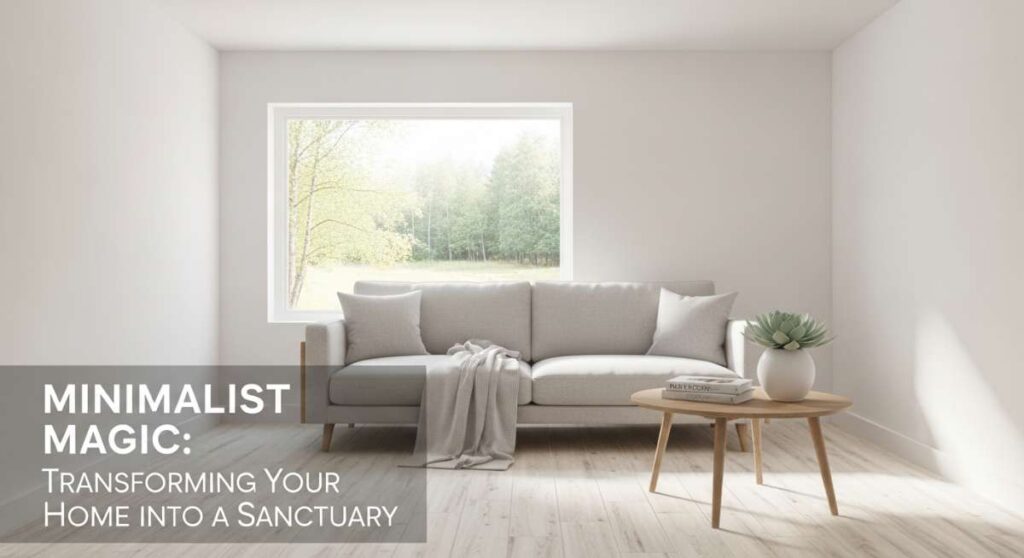
Minimalist Magic: Transforming Your Home into a Sanctuary
Have you ever walked through your front door after a long, draining day and felt an immediate sense of heaviness rather than a sigh of relief? We’ve all been there—tripping over shoes, squinting under harsh fluorescent lights, and feeling the mental weight of a space that just doesn’t reflect who we are. Our homes should be more than just a place to sleep; they should be a soft place to land, a curated sanctuary that breathes life back into our tired souls.
Creating a minimalist sanctuary isn’t about living in a cold, empty white box; it’s about intentionality. It’s about choosing pieces that spark joy and arranging them in a way that tells your unique story. Whether you crave the salt-kissed air of the coast or the nostalgic neon glow of the 90s, the magic lies in the details. Today, I’m sharing my favorite ways to transform every corner of your home into a beautiful, soulful retreat that feels like a warm hug every time you step inside.
How to Curate Summer Home Decor for Endless Golden Hour Vibes

Why we love this
There is a specific kind of magic that happens when the late afternoon sun hits a room just right, casting long, honey-hued shadows across the floor. We love this look because it captures the ephemeral essence of a Mediterranean vacation—the scent of ripening lemons on the breeze, the tactile grain of raw jute underfoot, and the cooling touch of crisp white linen. It’s a sensory experience that slows down time, making your living room feel like a sun-drenched terrace where the golden hour never truly ends, providing a warm and revitalizing energy even on the quietest days.
Essential Elements:
- Sheer floor-to-ceiling linen curtains in ivory or oatmeal
- Amber-tinted glassware and recycled glass vases
- Natural jute or seagrass area rugs
- Terracotta planters with overflowing greenery
- Woven rattan furniture and accent baskets
How to make it
- Begin by stripping back heavy window treatments. Install a double curtain rod and hang sheer linen panels that allow natural light to diffuse softly throughout the room. The goal is to create a soft, ethereal glow rather than harsh direct sunlight.
- Swap out cool-toned light bulbs for ‘warm white’ or ‘amber’ LEDs. Position these at eye level using floor lamps and table lamps rather than overhead lighting to mimic the low angle of the setting sun.
- Layer your textures by placing a large jute rug as a base and layering a smaller, softer cotton rug on top. This provides that earthy, grounded summer feel while maintaining comfort underfoot.
- Incorporate ‘sun-catcher’ elements. Place amber glass bottles on window sills and crystal prisms in direct light paths to create dancing rainbows and golden reflections across your walls.
- Finish the ‘plating’ of the room by adding organic scents. Use a diffuser with notes of bergamot, sea salt, and sandalwood to anchor the visual warmth with an olfactory summer memory.
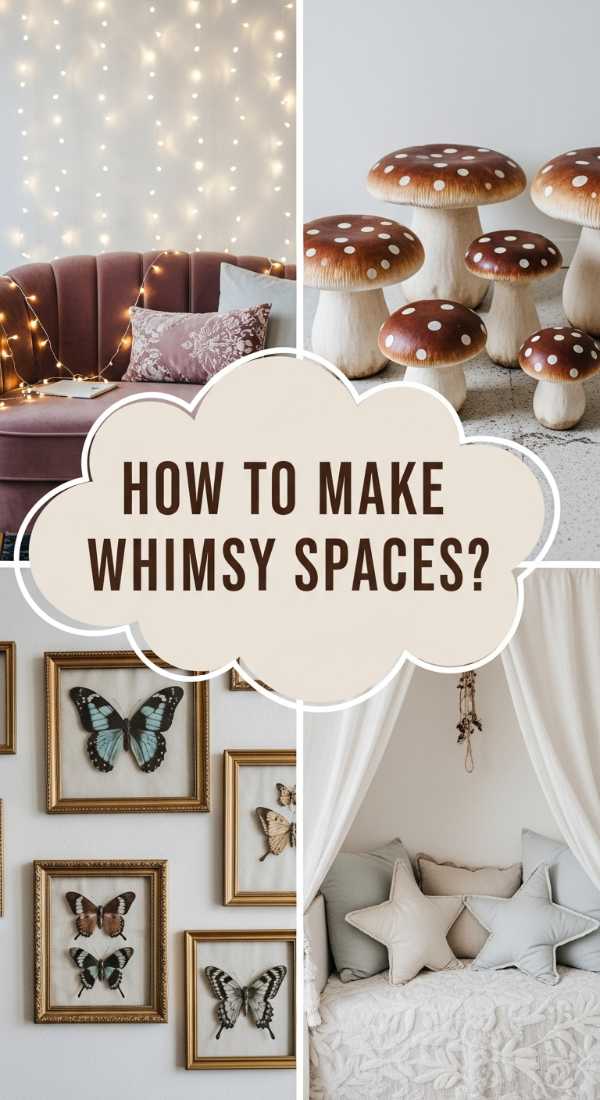
How to Create Whimsy Home Decor for a Magical Living Space
Why we love this
Whimsical decor invites a sense of child-like wonder back into our adult lives, turning a standard room into a fairytale escape. We adore the way this style plays with proportions and unexpected details—the soft flicker of fairy lights hidden in greenery, the velvety texture of mushroom-shaped ottomans, and the dusty, sweet aroma of old leather-bound books. It’s about creating a space that feels slightly untethered from reality, where every corner holds a tiny, delightful surprise that encourages imagination and provides a soft, enchanting refuge from the mundane world.
Essential Elements:
- Cloche jars filled with preserved moss and tiny figurines
- Iridescent or stained-glass suncatchers
- Velvet floor cushions in jewel tones (emerald, amethyst, mustard)
- Warm-toned copper fairy lights or ‘starry’ string lights
- Hanging indoor swings or macrame chairs
How to make it
- Identify ‘secret’ corners of your room—the space under a staircase, a window nook, or a bookshelf—and designate them as ‘whimsy zones’ where the rules of symmetry don’t apply.
- Install hidden lighting. Use adhesive copper wire lights to trace the underside of shelves or the edges of picture frames, ensuring the light source is hidden while the glow remains visible.
- Curate a ‘cabinet of curiosities.’ Use a glass-fronted cabinet to display an eclectic mix of vintage keys, dried flowers, and odd-shaped ceramics. Group them in odd numbers to maintain a curated yet organic look.
- Integrate nature in an oversized way. Use large-scale botanical prints or wall murals of deep forests to create a sense of being ‘inside’ a storybook.
- Add a touch of the surreal. Hang a clock that runs backward or use a mirror with an ornate, distorted gold frame to trick the eye and add that final layer of magical charm.
How to Incorporate Catholic Home Decor for a Serene Prayerful Atmosphere

Why we love this
Incorporating sacred elements into a home creates an anchor for the soul, turning a living space into a domestic church. We love the profound stillness this style brings—the subtle scent of beeswax candles mingling with frankincense, the smooth, cool touch of a wooden rosary, and the visual peace of a beautifully rendered icon. It isn’t just about decoration; it’s about creating a physical manifestation of faith that invites moments of quiet reflection and deep breathing throughout a busy day, grounding the household in a tradition of timeless beauty and spiritual serenity.
Essential Elements:
- A dedicated home altar or ‘prayer corner’ table
- Hand-painted religious icons or framed classic sacred art
- Traditional beeswax candles in brass holders
- Crucifixes made of natural wood or wrought iron
- Holy water font installed near the entryway
How to make it
- Select a quiet corner of the home, preferably one that faces east, to set up your primary prayer space. Use a small wooden console or a wall-mounted shelf as the focal point.
- Layer your altar with a linen cloth that matches the liturgical season. This adds a tactile, rhythmic element to your home life as colors change throughout the year.
- Arrange icons or statues at varying heights. Use small wooden blocks or vintage books to elevate a central crucifix or a statue of the Blessed Mother, creating a balanced visual hierarchy.
- Incorporate the ‘liturgy of the senses.’ Keep a small vessel of incense or a bowl of dried rose petals nearby. Light a candle whenever you enter the space to signify a transition from the noise of the world to the silence of prayer.
- Integrate sacred art into common areas. Place a small, framed print of a classic masterpiece on a gallery wall or a bookshelf so that beauty and faith are woven into the everyday fabric of the home.
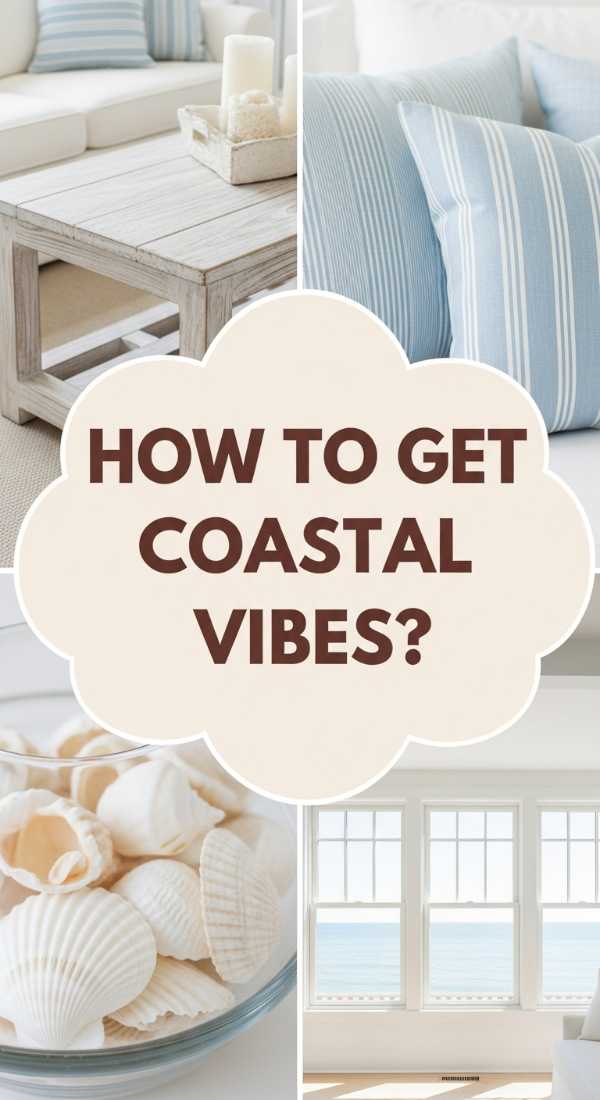
How to Master Coastal Home Decor for a Refreshing Seaside Escape
Why we love this
Coastal decor is the ultimate antidote to stress, bringing the restorative power of the ocean right into your hallway. We love the airy, breathable quality of this look—the rough texture of bleached driftwood against smooth, cool sea glass, and the refreshing scent of a sea-salt candle that mimics a morning walk on the dunes. It’s a palette of soft blues, sandy beiges, and crisp whites that visually expands a room, making you feel as though you can finally take a full, deep breath of salt-kissed air, even if you’re miles away from the nearest coastline.
Essential Elements:
- Slipcovered white sofas in durable cotton or linen
- Blue and white striped textiles (pillows, throws, rugs)
- Natural wood elements with a weathered, gray-wash finish
- Large shells, coral specimens, or glass fishing floats
- Woven seagrass wallpaper or textured grasscloth accents
How to make it
- Start with a ‘sand and sea’ base. Paint your walls a soft, misty white or a very pale blue-gray to create a light-reflecting backdrop that feels open and breezy.
- Choose furniture with a relaxed silhouette. A slipcovered sofa is essential—it looks lived-in and comfortable, and the ability to wash the covers keeps the ‘sandy’ vibe practical for real life.
- Focus on ‘found’ objects. Instead of mass-produced decor, use a large glass bowl to display treasures like sea glass, smooth river stones, or a singular piece of bleached driftwood found on a trip.
- Apply the 60-30-10 color rule: 60% white/cream, 30% natural wood/jute tones, and 10% watery blues or seafoam greens to keep the space from looking ‘themed’ and instead making it feel sophisticated.
- Introduce movement. Use light, airy fabrics for window treatments that will catch even the slightest breeze, mimicking the movement of waves and wind.
How to Blend Vintage Home Decor Ideas for a Timeless Sophisticated Look

Why we love this
Vintage decor is like a well-aged wine; it has depth, character, and a story to tell. We love the soulfulness of a room filled with pieces that have survived the decades—the rich, nutty scent of polished mahogany, the heavy weight of solid brass hardware, and the buttery soft feel of a worn leather armchair. It brings a sense of permanence and ‘old world’ luxury that modern furniture simply can’t replicate, creating a home that feels sophisticated, curated, and deeply personal rather than a page out of a generic catalog.
Essential Elements:
- Gilded ornate mirrors with antique patina
- Solid wood furniture with carved details (sideboards, chests)
- Antique brass floor lamps and hardware
- Vintage Persian or Turkish rugs with faded patterns
- Oil paintings in heavy, dark wood or gold frames
How to make it
- Master the art of ‘the mix.’ For every new piece of furniture, pair it with one vintage item. A modern sofa looks incredible when paired with a 1920s steamer trunk used as a coffee table.
- Search for ‘quality over quantity.’ Look for pieces made of solid wood (not veneer) and check for dovetail joints in drawers. These are visual cues of craftsmanship that add instant prestige to your space.
- Use ‘antique gold’ wax or rub-n-buff to unify mismatched vintage finds. If you have several frames in different finishes, a light touch of gold wax can give them a cohesive, high-end gallery look.
- Layer lighting levels. Avoid using the big overhead light. Instead, source vintage pharmacy lamps or milk-glass pendants to create pockets of warm, focused light that highlight the textures of your antique pieces.
- Curate your textiles. Incorporate velvet and heavy linens to ground the lighter vintage elements, providing a tactile richness that makes the room feel expensive and established.
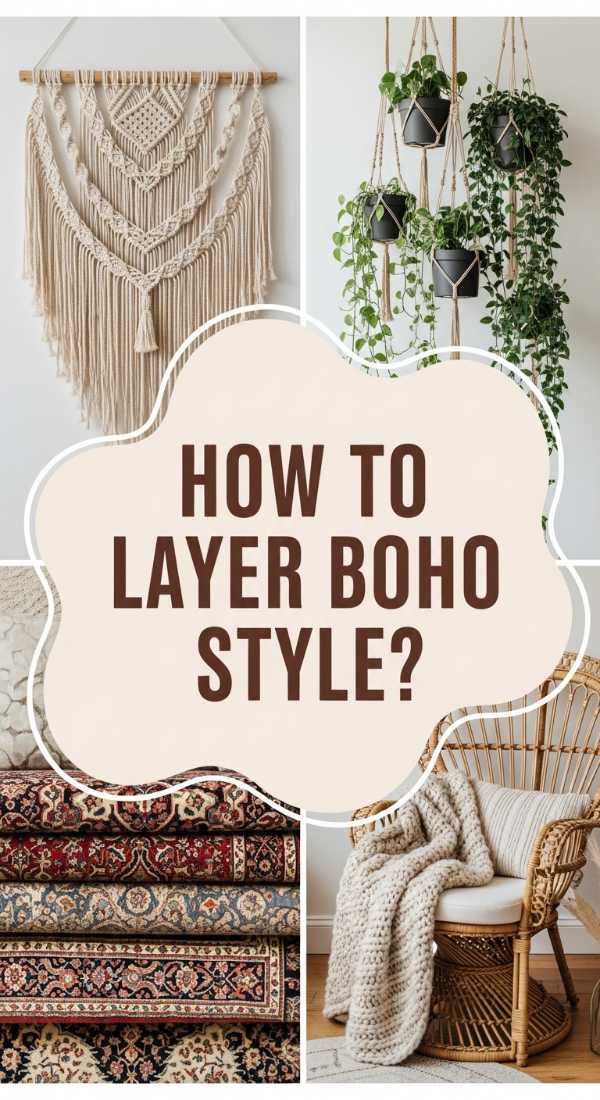
How to Layer Boho Home Decor for the Ultimate Cozy Sanctuary
Why we love this
Boho decor is the design equivalent of a warm hug and a cup of herbal tea. We love its unapologetic embrace of comfort and creativity—the intricate knots of cream macrame wall hangings, the vibrant ‘pop’ of potted monsteras, and the spicy, earthy aroma of patchouli or sandalwood incense. It’s a style that celebrates the ‘more is more’ approach to comfort, layering plush textiles and organic shapes to create a nest-like atmosphere that encourages you to kick off your shoes, sink into a pile of pillows, and truly let go of the day’s worries.
Essential Elements:
- Macrame wall hangings and plant hangers
- Moroccan leather poufs and floor cushions
- Layered rugs (shag on top of flat-weave)
- Abundant indoor plants (pothos, ferns, palms)
- Hand-woven baskets and colorful kilim pillows
How to make it
- Start with the floor. Layer a large, neutral jute rug as your foundation, then diagonally overlay a smaller, colorful Moroccan or Persian rug. This creates immediate visual depth and a ‘cushy’ feel.
- Embrace ‘living’ decor. Place plants at different heights—hang some from the ceiling in macrame slings, place others on tall wooden stools, and tuck small succulents into bookshelves to create a lush, indoor jungle vibe.
- Focus on the ‘triple-threat’ of pillows. Mix different sizes, textures (fringe, velvet, cotton), and patterns, but keep them within a cohesive color family like earth tones or sunset hues to keep the look intentional.
- Install a low-hanging pendant light with a woven wicker or beaded shade. This casts beautiful, patterned shadows across the room, adding to the cozy, sunset atmosphere.
- Personalize with travel mementos. Boho style thrives on the ‘well-traveled’ look, so display your ceramics, woven fans, or textiles from different cultures to give the space its unique soul.
How to Approach Mobile Home Decorating for a Spacious Luxury Feel
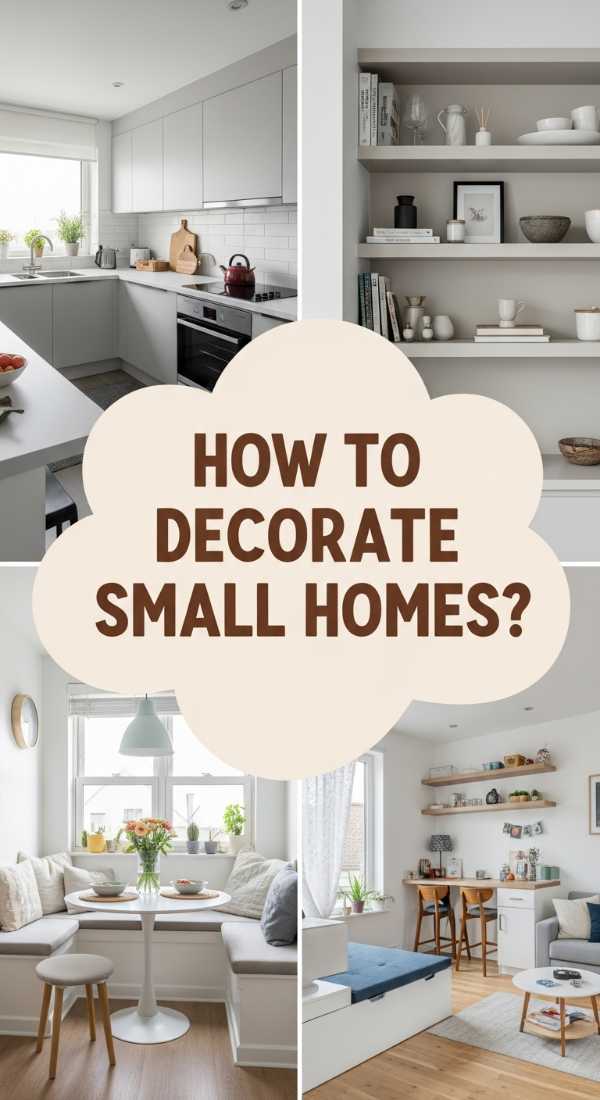
Why we love this
There is something incredibly satisfying about transforming a compact space into a high-end masterpiece. We love the ingenuity of mobile home decorating—the way smart storage becomes a design feature, the clean scent of fresh citrus cleaners on sleek surfaces, and the feeling of every square inch being utilized for maximum comfort. It’s about proving that luxury isn’t about square footage; it’s about the quality of the light, the flow of the room, and the clever use of vertical space to create a sanctuary that feels open, airy, and expensive.
Essential Elements:
- Light, monochromatic color palettes (whites, creams, soft grays)
- Multi-functional furniture (ottomans with storage, murphy beds)
- Large-scale mirrors to reflect light and space
- Vertical shelving units that reach the ceiling
- Consistent flooring throughout the entire home
How to make it
- Unify the flooring. Use the same luxury vinyl plank or wood flooring in every single room. This removes visual breaks and tricks the eye into thinking the entire floor plan is much larger than it is.
- Paint everything—including the trim and ceiling—the same shade of warm white. This ‘erases’ the corners and makes the walls feel like they are receding, creating an immediate sense of spaciousness.
- Go vertical. Instead of wide bookshelves that take up floor space, install floating shelves that go all the way to the ceiling. This draws the eye upward, highlighting the height rather than the width of the room.
- Incorporate ‘mirrored’ surfaces. A large mirror opposite a window will double the amount of natural light and create the illusion of a whole second room beyond the wall.
- Select ‘leggy’ furniture. Choose sofas and chairs that sit high on thin legs rather than bulky pieces that go all the way to the floor. Seeing the floor continue under the furniture makes the room feel significantly more open.
How to Revisit 90s Home Decor for a Nostalgic Retro Aesthetic
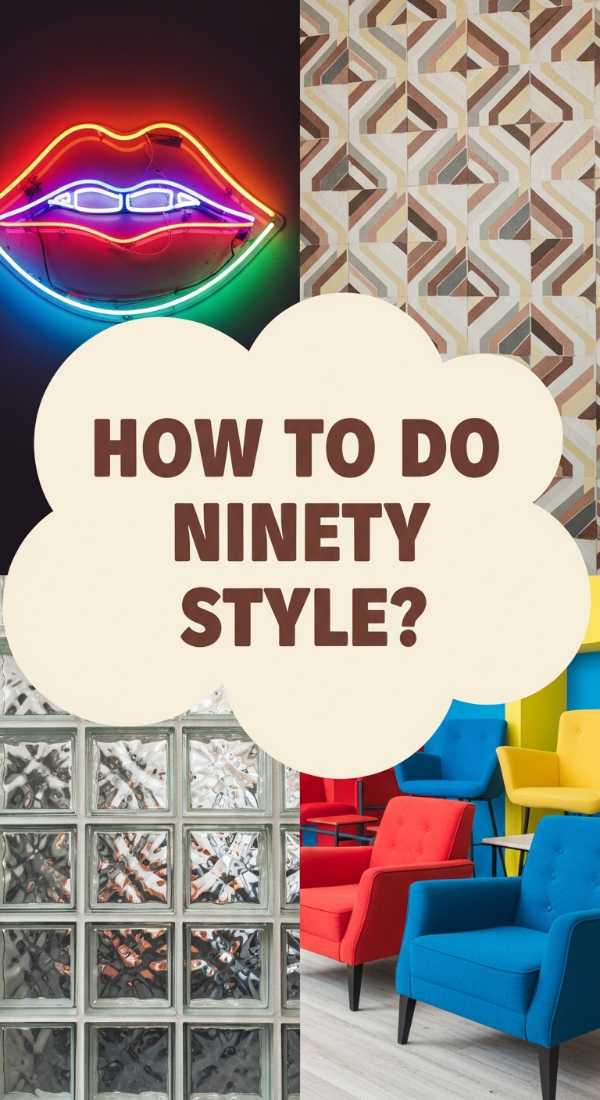
Why we love this
The 90s are back, and they bring a sense of playful, ironic comfort that we just can’t get enough of. We love the ‘cool’ factor of this aesthetic—the neon buzz of a glass block wall, the velvety smoothness of a deep navy blue recliner, and the nostalgic scent of vanilla candles that reminds us of simpler times. It’s a mix of tech-optimism and cozy kitsch that feels both edgy and familiar, providing a space that doesn’t take itself too seriously while remaining undeniably stylish and full of personality.
Essential Elements:
- Glass blocks (used as side tables or room dividers)
- Inflatable furniture or curvy ‘blob’ silhouettes
- Primary color accents (red, yellow, blue) against white
- Neon signage or lava lamps
- CD racks and pop-art posters
How to make it
- Reclaim the ‘glass block’ look. You don’t need a renovation—source vintage glass block kits to create a unique bedside table or a plant stand that catches the light in that iconic 90s way.
- Modernize the color palette. Use the 90s ‘primary’ colors but in more sophisticated tones—try a mustard yellow, a navy blue, and a terracotta red against a crisp white backdrop to keep it chic.
- Introduce curves. Look for furniture with rounded edges—think ‘kidney’ shaped coffee tables or sofas with arched backs—to channel the ‘Memphis Design’ influence that defined the decade.
- Use neon as art. Instead of a basic lamp, install a custom neon sign with a favorite quote or a simple shape like a lightning bolt. This provides a vibrant, mood-altering glow that instantly changes the room’s energy.
- Incorporate ‘tech-nostalgia.’ Display a vintage record player or a stack of colorful cassette tapes as decorative objects to ground the room in that pre-digital, tactile era.
How to Embrace Quirky Home Decor for a Home Full of Personality
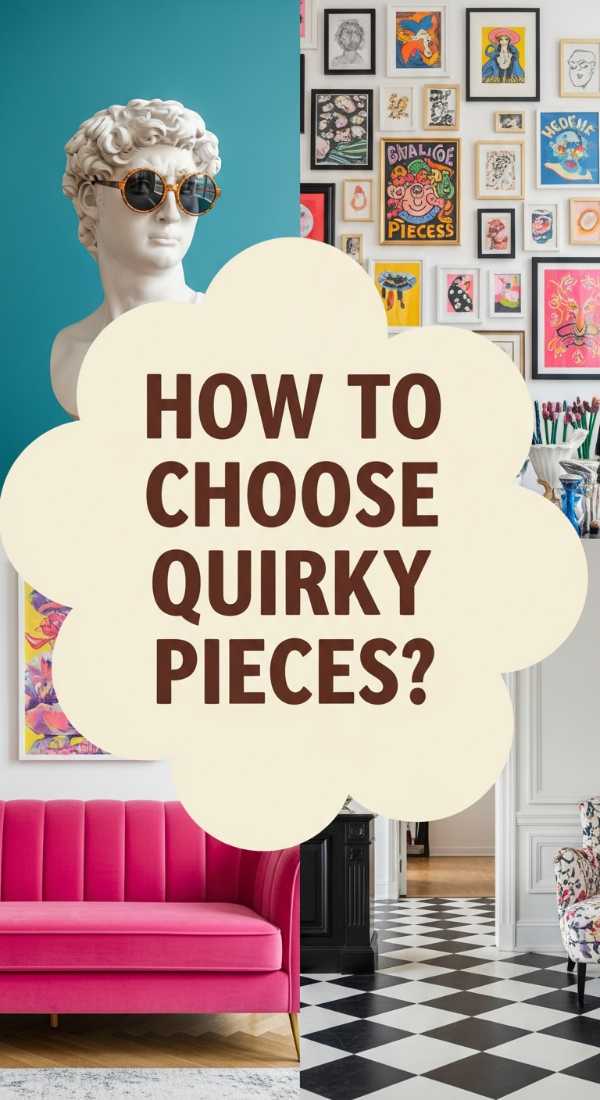
Why we love this
Quirky decor is a celebration of the ‘inner weirdo’ in all of us, and that is why it feels so liberating. We love the unexpected ‘clash’ of patterns—the way a leopard print rug looks surprisingly perfect under a floral armchair—and the joyful, citrusy aroma of a grapefruit candle. It’s a sensory explosion that defies the rules of ‘matching,’ replacing them with ‘meaning.’ This style turns your home into a living gallery of your life, where every object invites a conversation and every room feels like a vibrant reflection of your most authentic self.
Essential Elements:
- Mismatched dining chairs or colorful stools
- Bold, graphic wallpaper or hand-painted murals
- Eclectic gallery walls with 3D objects (hats, masks, plates)
- Vibrant ‘maximalist’ color palettes
- Animal-shaped lamps or whimsical ceramic accessories
How to make it
- Start with a ‘hero’ piece. Choose one truly wild item—like a bright pink velvet sofa or a massive piece of abstract art—and let that be the anchor that justifies all other quirky choices.
- Curate a ‘rule-breaking’ gallery wall. Mix framed prints with physical objects like vintage tennis rackets, straw hats, or decorative plates. Use consistent frame colors to tie the chaos together.
- Pattern mix with confidence. The secret is to vary the scale. Pair a large-scale floral print with a small-scale geometric stripe; as long as they share one common color, they will look ‘curated’ rather than ‘cluttered.’
- Add ‘surprise’ elements in hidden places. Line the inside of your closets with bold wallpaper or paint the inside of your kitchen drawers a bright neon color. It’s a secret thrill for you alone.
- Focus on tactile oddities. Use faux-fur throws, sequined pillows, and beaded curtains to add layers of touchable fun that invite guests to interact with the space.
How to Arrange Welcome Home Decorations for the Most Inviting Entryway
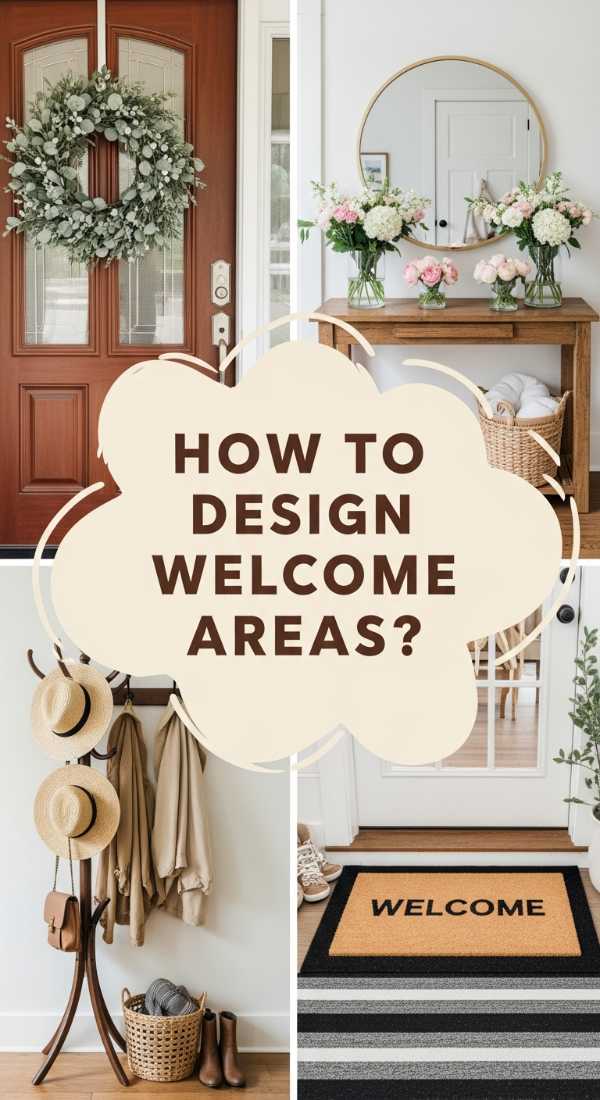
Why we love this
The entryway is the ‘first impression’ of your sanctuary, and when done right, it acts as a transition point that sheds the stress of the outside world. We love the inviting warmth of this setup—the crisp, clean scent of a eucalyptus wreath, the soft glow of a low-wattage lamp welcoming you back, and the satisfying ‘click’ of keys landing in a beautiful ceramic bowl. It’s a small but powerful space that tells you, ‘You are safe, you are home, and you can rest now,’ providing an immediate emotional reset for anyone who crosses the threshold.
Essential Elements:
- A sturdy, stylish wooden console table or bench
- A high-quality, textured ‘Welcome’ doormat
- A large mirror for last-minute checks and light reflection
- A dedicated ‘drop zone’ tray for keys and mail
- Fresh flowers or a seasonal wreath
How to make it
- Define the ‘landing strip.’ If you don’t have a formal foyer, use a narrow console table or a small floating shelf to create a visual boundary that says ‘entryway.’
- Scent the air immediately. Place a reed diffuser or a high-quality candle right near the door. Use scents like lavender or fresh linen to trigger an immediate ‘relaxation response’ as soon as you walk in.
- Style the ‘rule of three’ on your console. Place one tall item (a lamp), one wide item (a bowl for keys), and one organic item (a small plant) to create a perfectly balanced vignette.
- Think about the ‘feet.’ Place a high-traffic rug or a stylish runner that leads the eye into the rest of the house. This protects your floors while adding a layer of cozy texture the moment shoes are removed.
- Add a ‘human’ touch. Keep a small basket of clean, rolled-up guest slippers or a framed photo of a happy memory near the door to remind everyone who enters that this is a space of connection and love.
Conclusion
Transforming your home into a sanctuary doesn’t happen overnight, and it certainly doesn’t require a massive budget. It requires a shift in perspective—viewing your space as a living, breathing extension of your own well-being. By intentionally choosing the elements that resonate with your soul, whether that’s the serene icons of a prayerful home or the bold patterns of a quirky living room, you are creating a world that supports and inspires you. Remember, the ‘magic’ in minimalism isn’t about how much you get rid of; it’s about how much room you make for the things that truly matter. Happy decorating!