
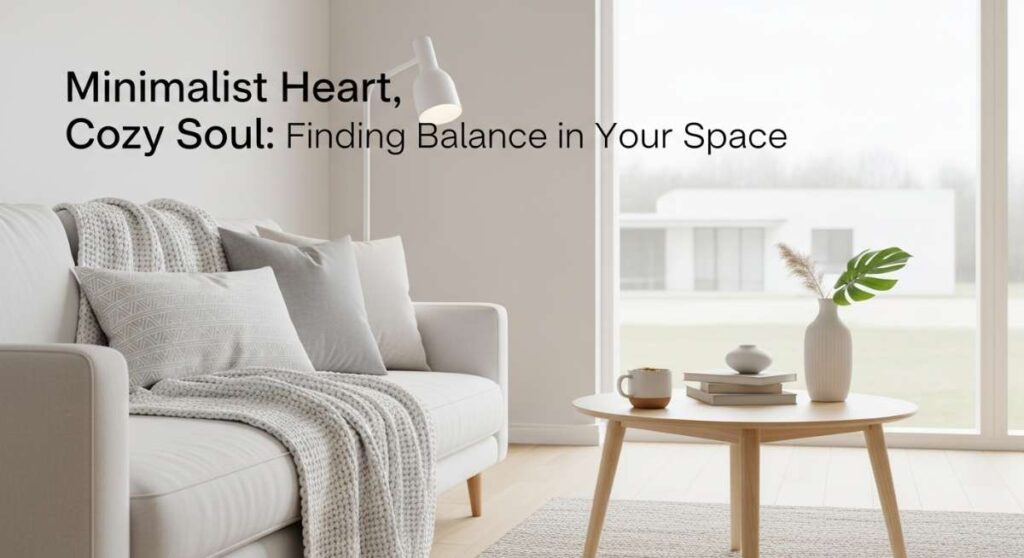
Have you ever walked into a room and felt your shoulders immediately drop two inches? That’s the magic of a space that breathes—a home that doesn’t demand your attention with clutter but instead cradles your spirit with intention. For years, I thought minimalism meant cold white walls and uncomfortable metal chairs, but I’ve discovered a softer side: the ‘Cozy Soul’ approach. It’s the perfect marriage between the ‘less is more’ philosophy and the ‘warmth is everything’ lifestyle.
Creating this balance isn’t just about throwing away your old magazines; it’s about curating a sanctuary that reflects who you are at your quietest. It’s about the tactile joy of a chunky knit throw against a sleek wooden bench, or the way the golden hour light dances across a single, perfectly placed vase. This blog is my love letter to the spaces that allow us to exhale, recharge, and truly live without the weight of excess.
In the following guide, we’re going to dive deep into the art of the Cozy Minimalist. We’ll explore how to transform even the tightest corners into high-end havens and how to use light and nature as your primary decorators. Whether you’re living in a tiny studio or a sprawling house, these principles will help you find that sweet spot where your heart feels light and your soul feels snug.
How to Master Small Living Room Layouts for Ultimate Space Efficiency

Why we love this
There is something incredibly satisfying about a small room that functions with the precision of a Swiss watch while feeling as soft as a cloud. We love this approach because it forces us to be intentional, choosing only the pieces that serve a dual purpose or bring immense aesthetic joy. The sensory experience of a well-organized small space is one of order and flow; you never feel trapped, but rather cocooned in a curated environment where every texture, from the velvet of a compact sofa to the grain of a nesting table, is within reach and perfectly placed.
Essential Elements:
- Multi-functional nesting tables
- Wall-mounted shelving units
- Light-reflective surfaces (mirrors/glass)
- Low-profile modular seating
- Hidden storage ottomans
How to make it
- Begin by clearing the entire floor space to visualize the ‘negative space’ available. Use painter’s tape to map out the footprint of your primary seating, ensuring at least 18 inches of walkway between pieces to prevent a cramped feeling.
- Select a ‘hero’ piece of furniture, ideally a sofa with exposed legs. This allows the eye to see the floor underneath, tricking the brain into perceiving more square footage.
- Install vertical storage solutions that reach toward the ceiling. When drilling, ensure you are hitting studs for maximum weight capacity, as this draws the eye upward and elongates the room’s height.
- Layer in ‘invisible’ furniture, such as acrylic coffee tables or glass-topped side tables. These provide the function of a surface without adding visual ‘weight’ to the layout.
- Finish by placing a large, light-colored area rug that extends under all furniture legs. This anchors the ‘zone’ and prevents the room from looking like a collection of floating islands.
How to Create a Cozy Minimalist Living Room for Every Season of Comfort
Why we love this
A home should be a living organism that breathes with the changing seasons, and the cozy minimalist style allows for this transition without cluttering your closets. We love the sensory shift—the smell of cedar and the heavy weight of wool in the winter, transitioning to the scent of fresh eucalyptus and the crisp touch of linen in the summer. It’s about the ritual of ‘swapping’ rather than ‘adding,’ ensuring that your space always feels seasonally relevant, fresh, and deeply connected to the natural world outside your window.
Essential Elements:
- Seasonal textile rotation (Linen vs. Wool)
- Essential oil diffuser or beeswax candles
- Natural wooden accents
- Neutral-toned ceramic vases
- Woven baskets for storage
How to make it
- Audit your current decor and remove anything that feels ‘heavy’ as the warmer months approach. Store heavy knits in vacuum-sealed bags to maintain a minimalist footprint in your storage areas.
- Introduce seasonal textures through a ‘one-in, one-out’ rule. For spring, swap a velvet pillow cover for a breathable hemp or linen cover in a muted oat shade.
- Adjust your olfactory landscape. Use a high-quality ultrasonic diffuser with citrus notes for summer vitality or sandalwood and clove for winter grounding.
- Incorporate seasonal botanical elements. In autumn, place dried wheat stalks in a stone crock; in spring, a single branch of cherry blossoms in a glass vessel provides a sculptural minimalist focal point.
- Reset your lighting temperature. Use cooler-toned bulbs (around 4000K) during bright summer months and swap to warm ‘sunset’ bulbs (2200K) during the dark winter to mimic a hearth’s glow.
How to Style Minimalist Room Decor for a Breath of Fresh Air

Why we love this
This style is the interior design equivalent of a deep, cleansing breath. We love it because it prioritizes air circulation and visual ‘silence,’ allowing your mind to rest the moment you step inside. The sensory highlights include the coolness of smooth ceramic surfaces, the rustle of a light curtain in the breeze, and the uncluttered surfaces that feel cool to the touch. It transforms a room from a storage unit for ‘stuff’ into a gallery for living, where every object has room to be appreciated for its form and function.
Essential Elements:
- Sheer linen window treatments
- Single-stem floral arrangements
- Matte ceramic sculptures
- Monochromatic color palette
- Natural stone coasters
How to make it
- Strip the room of all small ‘knick-knacks’ and leave only the furniture. This ‘reset’ allows you to see the architectural lines of the space clearly.
- Select three high-quality decor pieces of varying heights—for example, a tall vase, a medium bowl, and a flat stone tray. Arrange them using the ‘Rule of Three’ to create a balanced but asymmetrical cluster.
- Choose window treatments that are 100% sheer. Hang the rod four to six inches above the window frame to maximize light entry and create a sense of airy verticality.
- Keep 70% of your flat surfaces completely clear. This ‘white space’ is the key to the minimalist aesthetic, providing a visual rest for the eyes.
- Polish all hard surfaces with a natural wax to create a subtle, non-greasy sheen that reflects natural light without creating harsh glare.
How to Design a Serene Minimalist Room for Inner Peace and Quiet

Why we love this
In a world that is constantly screaming for our attention, a serene minimalist room is a vow of silence. We love how this design focuses on acoustic comfort and tactile softness, creating a sanctuary where you can hear your own thoughts. The feeling is one of profound stillness—the soft ‘thud’ of footsteps on a thick jute rug, the muted tones of a cream-colored wall, and the absence of visual noise. It’s a space that doesn’t just look quiet; it feels quiet, down to your very bones.
Essential Elements:
- Acoustic wall panels or heavy tapestries
- Jute or sisal area rugs
- Soft, indirect lighting
- Meditation cushions or a floor chair
- Solid-colored blackout curtains
How to make it
- Identify ‘sound bounce’ areas—hard walls and floors that echo. Soften these by layering a thick felt pad under a natural fiber rug to dampen footsteps and ambient noise.
- Apply a fresh coat of ‘warm white’ paint (look for undertones of peach or yellow rather than blue) to soften the light and prevent a sterile, hospital-like atmosphere.
- Position your main seating away from electronic distractions. If a TV must be in the room, use a sliding panel or a decorative textile to hide the black screen when not in use.
- Incorporate ‘soft’ minimalism through rounded edges. Choose a circular coffee table or a curved armchair to break up the harsh, stressful lines of traditional modernism.
- Install a dimmer switch. Gradually lowering the lights over the course of the evening prepares the nervous system for rest, reinforcing the room’s purpose as a peaceful sanctuary.
How to Use Warm Lighting in a Minimalist Home for a Golden Glow

Why we love this
Lighting is the ‘secret sauce’ that prevents minimalism from feeling cold. We love warm lighting because it bathes a simple room in a liquid-gold hue, softening hard edges and making even the most sparse corner feel like an invitation. It’s the smell of burning beeswax, the flickering shadow of a candle flame on a bare wall, and the way a warm lamp makes a linen sofa look like the most comfortable place on earth. It’s the ultimate tool for creating atmosphere without adding a single piece of clutter.
Essential Elements:
- Edison-style amber bulbs
- Frosted glass lamp shades
- Cordless rechargeable LED lamps
- Tea light candles and stone holders
- Low-wattage floor lamps
How to make it
- Eliminate all ‘big lights’ (overhead fixtures) during the evening. These cast harsh shadows and flatten the texture of your minimalist decor.
- Layer your light in a triangle. Place one warm lamp on a side table, a floor lamp in the opposite corner, and a small accent light or candle on a third plane to create depth.
- Opt for bulbs with a Color Rendering Index (CRI) of 90 or higher. This ensures that your neutral colors (beiges, greys, woods) look rich and true rather than muddy under artificial light.
- Use ‘uplighting’ behind large plants or floor mirrors. This technique hides the light source while bathing the wall in a soft, ethereal glow that highlights the room’s height.
- Set up a ‘smart’ lighting schedule that slowly transitions from 3000K (bright white) at noon to 2000K (amber) by 8 PM, mimicking the natural circadian rhythm of the sun.
How to Integrate Nature into Your Minimalist Room Decor for Natural Vitality
Why we love this
Nature is the original minimalist. We love integrating plants and raw materials because they provide ‘organic’ texture that man-made items simply can’t replicate. The sensory experience is vibrant: the waxy leaf of a Rubber Plant, the rough bark of a decorative branch, and the earthy aroma of damp soil. It brings a pulse to the room, reminding us that a minimalist home is a living, breathing space. It adds color—the perfect ‘nature’s neutral’ green—without the need for synthetic dyes or busy patterns.
Essential Elements:
- Large-leaf indoor plants (Monstera/Ficus)
- Terracotta or stone planters
- Driftwood or sculptural branches
- River stones for drainage/topping
- Woven seagrass baskets
How to make it
- Choose one ‘statement’ plant rather than a dozen small ones. A tall Fiddle Leaf Fig in a corner provides more visual impact and less ‘clutter’ than a shelf full of tiny succulents.
- Select planters that match your wall color. This ‘disguises’ the pot and makes the greenery look like it’s growing directly out of the architecture of the room.
- Use organic mulches like smooth river stones or preserved moss on top of the soil. This creates a clean, finished look that hides the messiness of potting mix.
- Position plants near mirrors to double their visual presence. This creates the illusion of an indoor garden without taking up any additional floor space.
- Incorporate ‘dead’ nature for zero-maintenance texture. Find a large, sun-bleached piece of driftwood or a tall vase of dried eucalyptus to add height and a natural scent without the need for watering.
How to Arrange Cozy Minimalist Furniture for a Flowing Daily Routine

Why we love this
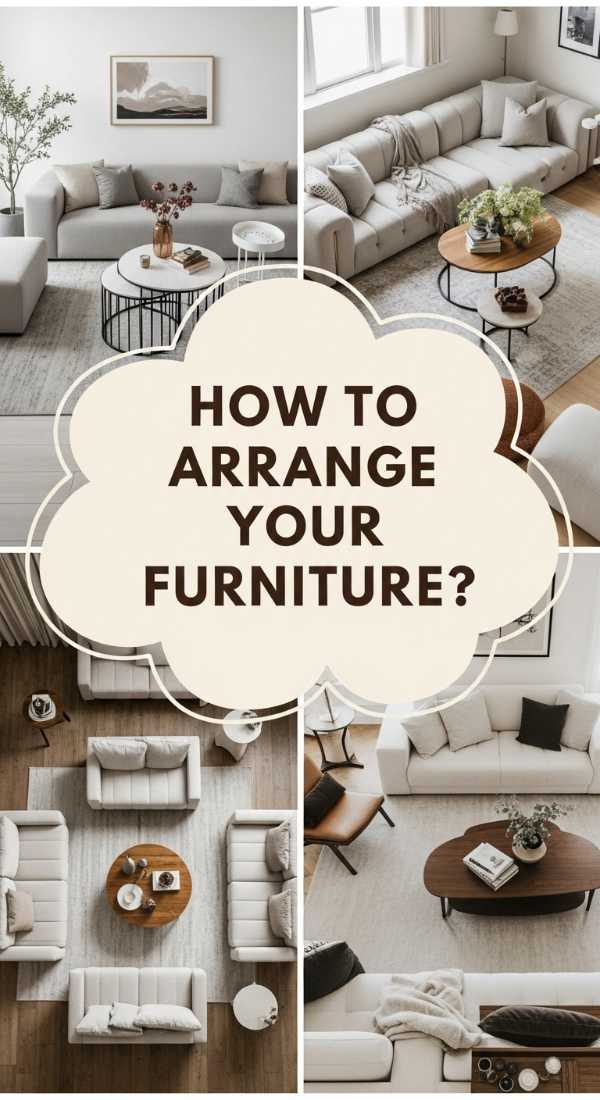
A home should work for you, not the other way around. We love furniture arrangements that prioritize ‘flow’ because they eliminate the friction of daily life. The feeling is one of effortless movement—no bumping into corners, no blocked paths, and a logical progression from one activity to the next. It’s the tactile ease of a swivel chair that lets you turn from your desk to the window, and the comfort of a low-slung lounge that invites you to drop everything and just *be* for a moment.
Essential Elements:
- Swivel-base armchairs
- Low-profile coffee tables
- Open-base furniture (legged sofas/chairs)
- Minimalist room dividers (slatted wood)
- Clear-path floor plans
How to make it
- Map your ‘desire lines.’ Walk through your room naturally and note where you find yourself navigating around furniture. Clear these paths by at least 3 feet to ensure a stress-free flow.
- Group furniture into ‘activity zones.’ Place a chair and a small side table by a window for a ‘reading zone,’ separate from the main social seating area.
- Avoid pushing all furniture against the walls. ‘Float’ your sofa even six inches away from the wall to create a sense of breathability and better acoustic balance.
- Ensure every seat has a ‘landing pad’—a surface within arm’s reach for a cup of tea or a book. This prevents the need to get up and down, reinforcing a sense of calm.
- Use ‘visual weight’ to balance the room. If you have a heavy sofa on one side, place two lighter, ‘leggy’ chairs on the other to keep the room’s energy from feeling lopsided.
How to Elevate a Minimalist Living Room Small Spaces Style for High End Living

Why we love this
Minimalism is the ultimate luxury when done with high-quality materials. We love this ‘high-end’ approach because it shifts the focus from quantity to the sheer excellence of the few things you own. The sensory experience is one of opulence through touch: the cool weight of a marble tray, the buttery softness of a leather chair, and the solid ‘clink’ of heavy glassware. It proves that you don’t need a mansion to live luxuriously; you just need a few ‘hero’ pieces that are crafted to last a lifetime.
Essential Elements:
- Italian leather or high-end linen upholstery
- Solid marble or travertine accents
- Polished brass or blackened steel hardware
- Hand-knotted silk/wool blend rugs
- Art-focused coffee table books
How to make it
- Invest in ‘touchpoints.’ Replace cheap plastic handles or knobs with heavy, solid brass or stone hardware. The physical weight of these items every time you use them signals quality to the brain.
- Incorporate one oversized piece of art rather than a gallery wall. A large, minimalist canvas with heavy texture creates a ‘wow’ factor that feels expensive and curated.
- Use ‘long-form’ textiles. Opt for floor-to-ceiling drapes that slightly ‘puddle’ on the floor (about 1-2 inches). This excess fabric is a hallmark of luxury design.
- Focus on the ‘monolith’ look. Choose a coffee table made of a single material, like a solid block of travertine or a seamless piece of wood, to create a sculptural, high-end feel.
- Curate your ‘scent signature.’ High-end living involves all senses. Invest in a luxury room spray or a high-quality candle with complex notes like leather, amber, or vetiver to complete the atmosphere.
How to Curate a Minimalist Cozy Sanctuary for Total Mindful Relaxation

Why we love this
This is the ‘soul’ part of the cozy minimalist equation. We love a sanctuary space because it acts as a container for mindfulness. The sensory details are designed to ground you: the warmth of a weighted blanket, the soft glow of a Himalayan salt lamp, and the clean, open floor space that invites you to stretch or meditate. It’s a room that says ‘you are enough exactly as you are,’ removing the pressure of ‘doing’ and allowing you to simply ‘be’ in a beautiful, unburdened environment.
Essential Elements:
- Weighted or chunky knit blankets
- Himalayan salt lamps or selenite towers
- Floor cushions and soft bolsters
- Minimalist journals and pens
- A ‘tech-free’ charging station (outside the room)
How to make it
- Designate this room as a ‘No-Phone Zone.’ Create a beautiful wooden box at the entrance where devices are ‘retired’ for the evening to protect the sanctity of the space.
- Layer ‘soft-on-soft’ textures. Place a sheepskin rug over a larger wool rug and pile your seating with pillows of varying sizes but matching colors for a monochromatic ‘nest.’
- Use light to signal the ‘relaxation phase.’ Use a salt lamp as your primary light source; its orange hue mimics a campfire and helps lower cortisol levels.
- Integrate a ‘gratitude’ corner. A simple small table with a single candle and a journal is all you need to anchor your daily mindfulness practice without adding clutter.
- Practice ‘spatial clearing.’ Once a week, wipe down every surface with a mixture of water and lavender oil. This ritual cleanses the physical space and resets the room’s energy for the week ahead.
How to Craft a Minimalist Home Aesthetic for a Life of Intentionality
[IMAGE_10]
Why we love this
Finally, we love the overarching aesthetic of an intentional home because it acts as a mirror for your inner life. When your home is minimalist and cozy, your decision-making becomes clearer, and your time becomes your own again. The sensory payoff is a sense of pride and ease—the way your keys have a specific wooden bowl, the way your morning coffee tastes better in a hand-thrown ceramic mug, and the quiet joy of knowing exactly where everything is. It’s not about having less; it’s about making room for more of what matters.
Essential Elements:
- Hand-thrown ceramic dishware
- Uniform storage containers (glass/wood)
- A dedicated ‘drop zone’ for daily items
- Neutral-toned cleaning tools (wood brushes/linen cloths)
- A ‘one-in, one-out’ lifestyle philosophy
How to make it
- Perform a ‘utility audit.’ Look at the items you use daily—your toaster, your soap dispenser, your hairbrush. Replace any ‘ugly’ plastic versions with beautiful, durable versions made of wood, glass, or metal.
- Create ‘homes’ for the homeless. If you find mail or keys piling up, install a single, beautiful floating shelf by the door with a dedicated tray. Organization is the foundation of the minimalist aesthetic.
- Uniformity is key. In the kitchen and bathroom, decant products into matching glass bottles. This removes the ‘visual noise’ of bright, clashing labels and creates a spa-like serenity.
- Practice the ’30-Day Rule.’ Before bringing any new decorative item into your home, wait 30 days. If you still feel it will add value and beauty without cluttering your peace, only then do you purchase it.
- End every day with a ‘Reset Ritual.’ Spend 10 minutes returning every item to its ‘home’ and fluffing the pillows. Waking up to a clear, intentional space is the ultimate gift to your future self.
The Art of Living Lightly
In the end, finding the balance between a minimalist heart and a cozy soul is a journey, not a destination. It’s about constantly editing and refining your space until it feels like a true reflection of your best self. Remember, your home should be a resource for your life, not a burden on your time or energy. By choosing quality over quantity, texture over ‘stuff,’ and light over darkness, you create a sanctuary that supports your dreams and soothes your spirit. Go forth and live lightly, friends!