
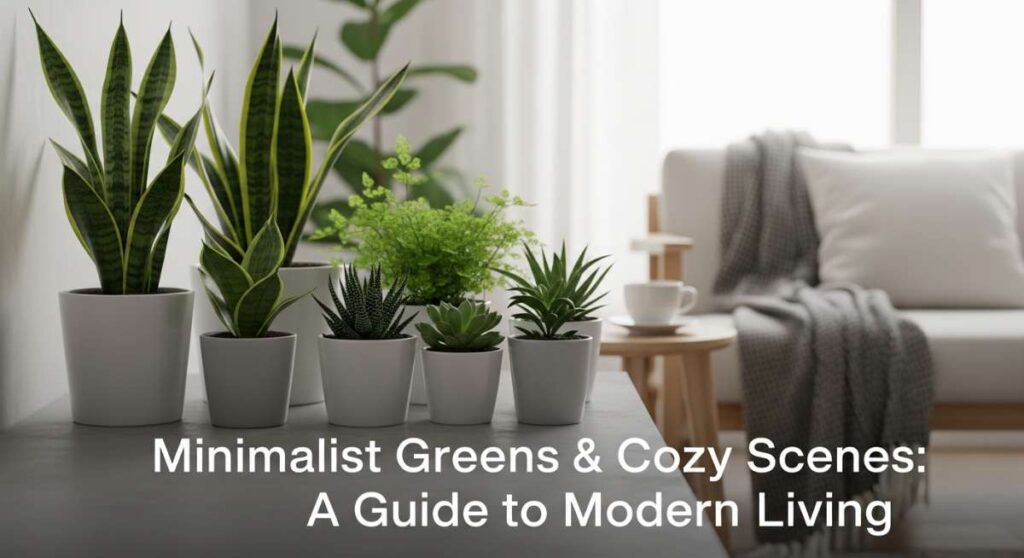
There is a profound, quiet magic in the way a space can hold our stories. We often think of our homes as mere structures of wood and glass, but they are truly the containers for our peace, the canvas where our morning coffee rituals and evening wind-downs paint themselves into memory. In a world that feels increasingly loud and demanding, carving out corners of intentional beauty isn’t just about aesthetics; it is an act of radical self-care that grounds us in the present moment.
Lately, I have found myself gravitating toward the concept of ‘Minimalist Greens and Cozy Scenes.’ It is that perfect intersection where the wildness of nature meets the soft structure of a well-loved home. Whether it is the way the light filters through a sheer curtain in a blush-toned bedroom or the earthy scent of damp soil while labeling a new herb garden, these small details create a sanctuary. This guide is a collection of my favorite ways to infuse modern living with soul, style, and a touch of the organic.
How to Design a Dreamy Cute Campsite Setup for a Magical Outdoor Retreat
Why we love this
There is nothing quite like waking up to the soft rustle of leaves and the crisp, pine-scented air of the great outdoors, but who says we can’t bring the comforts of a boutique hotel to the wilderness? A curated campsite transforms a rugged experience into a sensory retreat, where the rough textures of canvas meet the plush softness of faux-fur throws. Imagine sitting under a canopy of twinkling fairy lights, the warmth of a crackling fire dancing against your skin, while you sip hot cocoa from a heavy ceramic mug. It is about creating a visual and emotional anchor in the wild, making the great outdoors feel like an extension of your own living room.
Essential Elements:
- Weather-resistant canvas bell tent
- Layered outdoor rugs and floor cushions
- Battery-operated amber fairy lights and vintage lanterns
- Foldable wooden low-profile tables
- Wool blankets and linen pillows in earthy tones
How to make it
- Begin by selecting a flat, debris-free site and laying down a heavy-duty groundsheet to protect against moisture and sharp rocks.
- Erect your canvas tent, ensuring the tension is tight and the stakes are driven at a 45-degree angle for maximum stability against evening breezes.
- Inside, layer your flooring starting with a large woven jute rug followed by smaller, softer decorative rugs to create a cozy, insulating barrier from the ground.
- Set up your sleeping area using a high-quality air mattress or cot, topping it with real linen sheets and a thick duvet rather than a traditional sleeping bag for that high-end aesthetic.
- Drape warm-toned LED string lights along the interior poles and place lanterns near the entrance to provide a soft, welcoming glow as the sun sets.
- Create an outdoor lounge area by arranging foldable chairs around a small table, adding a vase of wildflowers for a final touch of charm.
How to Style a Soft Pink Layout for a Feminine and Calming Bedroom
Why we love this
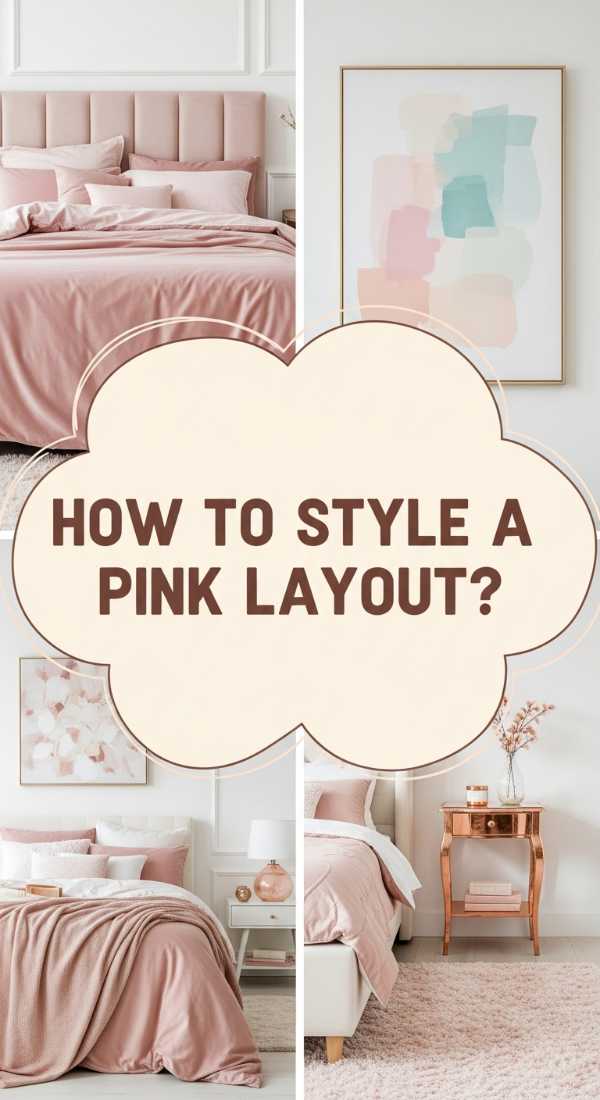
Soft pink is far more than just a color; it is a mood that evokes the gentle flush of a sunset or the delicate petals of a peony in bloom. When applied to a bedroom, it creates a monochromatic sanctuary that feels incredibly sophisticated yet profoundly nurturing. We love how the different shades of rose, blush, and dusty mauve interact with the light throughout the day, shifting from bright and airy in the morning to deep and velvety at dusk. The tactile experience of sinking into layers of pink silk and cotton is like being wrapped in a warm embrace, providing a visual softness that immediately lowers the heart rate.
Essential Elements:
- Muted rose or blush wall paint or wallpaper
- Linen duvet cover in a dusty pink hue
- Velvet accent pillows in varying shades of mauve
- Brass or gold bedside lamps for a warm metallic contrast
- Dried pampas grass or fresh carnations in a ceramic vase
How to make it
- Select a primary ‘anchor’ shade of pink for your largest surfaces, such as the walls or the duvet, opting for a desaturated, muddy pink to keep the space looking modern rather than juvenile.
- Introduce texture by layering different fabrics; pair a crisp cotton sheet set with a heavy velvet throw and silk pillowcases to create depth within the same color family.
- Use lighting to enhance the warmth; swap out cool-toned bulbs for ‘warm white’ (2700K) to ensure the pink tones don’t turn grey or harsh under artificial light.
- Incorporate ‘breaks’ in the color scheme using neutral accents like a cream-colored rug or light oak furniture to prevent the pink from becoming overwhelming.
- Finish the look with metallic accents, such as a gold-framed mirror or brass drawer pulls, which catch the light and add a touch of quiet luxury.
How to Build a Charming DIY Duck Enclosure for a Happy Backyard Habitat

Why we love this
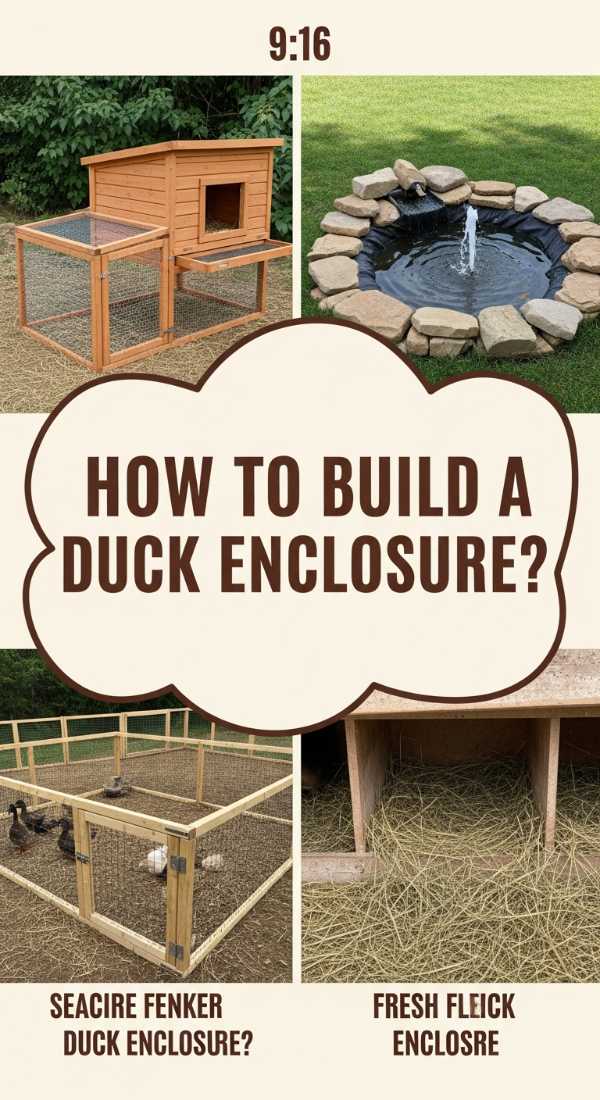
There is a whimsical, rhythmic quality to the sound of ducks splashing in water that brings a backyard to life in the most delightful way. Building a dedicated enclosure for these feathered friends allows you to blend functional animal husbandry with cottage-core aesthetics. We adore the combination of weathered wood, dark hardware, and the vibrant green of the surrounding grass. It’s not just a cage; it’s a tiny home that provides safety and stimulation, creating a picturesque focal point in your garden where you can watch the morning antics of your ducks while the dew is still on the ground.
Essential Elements:
- Pressure-treated lumber for the frame
- Hardware cloth (not chicken wire) for predator protection
- A sturdy, waterproof roofing material (corrugated metal or shingles)
- A recirculating water feature or easy-to-drain plastic pond
- Secure, lockable sliding latches for nighttime safety
How to make it
- Level the ground where the enclosure will sit, ensuring there is a slight slope away from the structure for proper drainage during rainy seasons.
- Construct a sturdy wooden frame using 2×4 lumber, creating a ‘house’ section for sleeping and a ‘run’ section for daily activity.
- Attach hardware cloth to the exterior of the frame using heavy-duty staples, burying the bottom 6 inches of the wire into the ground to deter digging predators.
- Install a sloped roof over the sleeping quarters, ensuring it is completely watertight and ventilated at the top to prevent moisture buildup inside.
- In the run area, set up a splash zone by digging a shallow hole for a pond liner, surrounding it with smooth river stones to prevent the area from becoming a mud pit.
- Add a ramp with small horizontal slats for grip, leading into the elevated house, and finish with a coat of animal-safe exterior stain in a classic forest green or slate grey.
How to Plan Elegant Landscaping Ideas for a Stunning Curb Appeal
Why we love this
An elegant landscape acts as the ‘first handshake’ of your home, greeting visitors with a sense of order and natural grace. We love the structured beauty of boxwood hedges contrasted against the wild, flowing movement of perennial grasses. There is something deeply satisfying about the clean lines of a stone walkway lined with lavender, where the scent rises to meet you as you brush past. It is the art of curating nature to frame your architecture, creating a transition between the public world and your private sanctuary that feels intentional, timeless, and effortlessly polished.
Essential Elements:
- A mix of evergreen shrubs for year-round structure
- Natural stone or brick pavers for pathways
- Low-voltage LED path lighting
- A focal point tree (such as a Japanese Maple or Dogwood)
- Dark hardwood mulch for a clean, professional finish
How to make it
- Draft a site plan that identifies the ‘sun zones’ of your front yard, ensuring you choose plants that will thrive in your specific light conditions.
- Define your beds using a garden hose to map out organic, flowing curves, then use an edger to create a sharp, clean line between the grass and the planting area.
- Plant your ‘anchor’ pieces first—larger shrubs and trees—placing them toward the back of the beds or near the corners of the house to soften the architecture.
- Layer in mid-sized perennials and groundcovers, following the rule of three (planting in odd numbers) to create a more natural, balanced look.
- Install a stone path by excavating 4 inches of soil, laying down a weed barrier and leveling sand, and then setting your pavers firmly in place.
- Apply a 3-inch layer of dark mulch over all exposed soil to retain moisture, suppress weeds, and provide a high-contrast background for your green foliage.
How to Create a Serene Blue Layout for a Productive Home Office
Why we love this
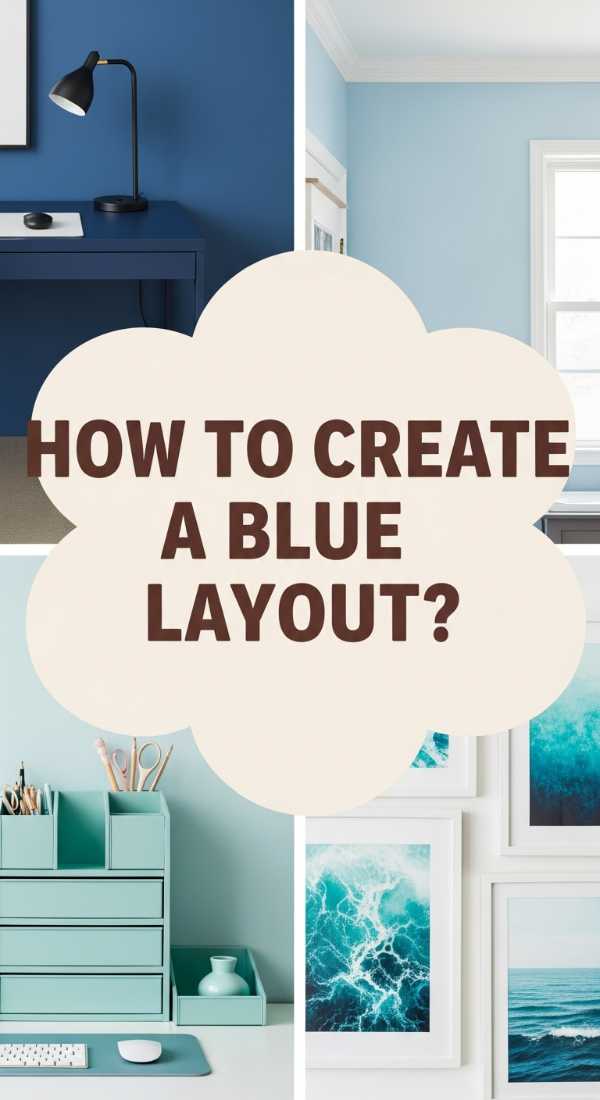
Blue is the color of the vast sky and the deep ocean, instinctively signaling to our brains that it is time to focus and breathe. In a home office, a blue color palette creates a cool, atmospheric stillness that cuts through the mental clutter of a busy workday. We love how a dusty navy or a soft slate can make a small room feel expansive and intellectual. The aesthetic is professional yet deeply calming, allowing the eyes to rest on cool tones between tasks, which significantly reduces screen fatigue and creates a cocoon-like environment for deep work.
Essential Elements:
- Accent wall in navy, teal, or soft pigeon blue
- Natural wood desk for a warm organic touch
- Ergonomic chair in a neutral cream or grey
- Minimalist white shelving
- Task lighting with adjustable brightness
How to make it
- Identify the wall behind your monitor to be the accent wall; painting this a deeper blue will help reduce the perceived glare from your screen.
- Choose a matte or eggshell finish for the paint to prevent distracting reflections from windows or lamps.
- Incorporate natural elements like a light oak desk or a jute rug to balance the coolness of the blue with earthy, warm textures.
- Organize your desk using white or clear acrylic accessories to keep the visual field uncluttered and airy.
- Position your desk near a natural light source, but perpendicular to the window to avoid shadows on your workspace while still benefiting from the view.
- Add one or two high-contrast pieces of art—perhaps a minimalist line drawing or a black-and-white photograph—to give the blue walls a sophisticated focal point.
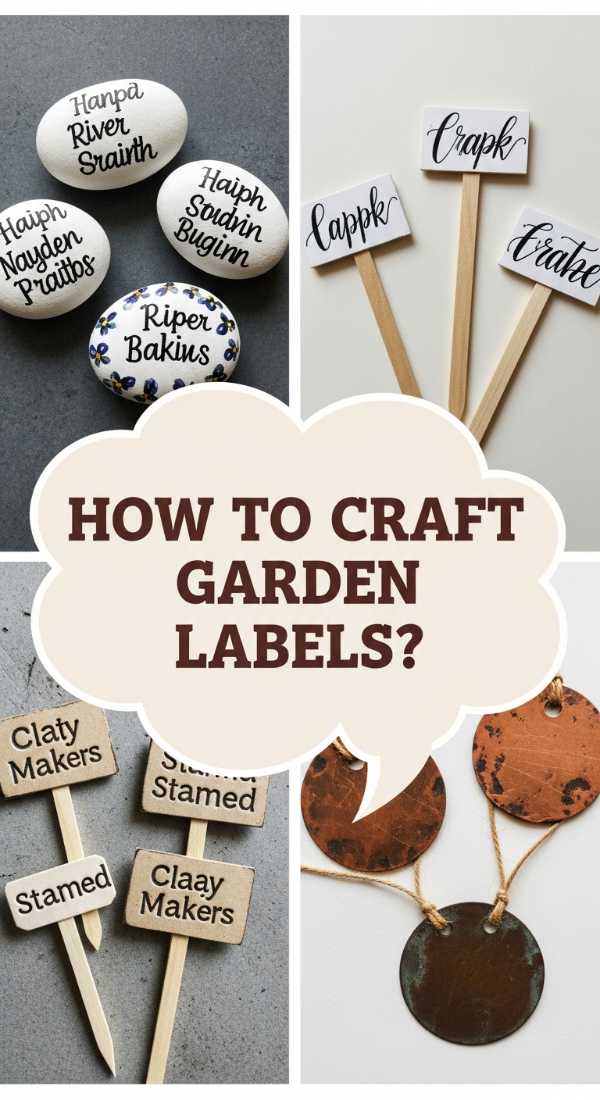
How to Craft Decorative Garden Labels DIY for an Organized Herb Garden
Why we love this
There is a tactile joy in the ‘tiny details’ of gardening, and handcrafted labels are the perfect way to marry function with artisan charm. We love the way a simple smooth river stone or a sliver of cedar can elevate a standard terracotta pot into something that looks like it belongs in a professional greenhouse. The smell of fresh earth on your hands as you tuck a hand-painted label next to a sprout of basil is a grounding experience. It’s a small celebration of the growth happening beneath the soil, making your herb garden feel curated, loved, and beautifully organized.
Essential Elements:
- Flat, smooth river stones or wooden garden stakes
- Outdoor-grade acrylic paint pens (white, black, or gold)
- Clear UV-resistant spray sealant
- A steady hand and a fine-tip brush
- Rubbing alcohol for surface cleaning
How to make it
- Thoroughly clean your stones or wooden stakes with rubbing alcohol to remove any oils or dirt that might prevent the paint from adhering.
- If using wood, lightly sand the surface to ensure a smooth writing area; if using stones, select ones with a flat face.
- Using your paint pen, carefully write the name of the herb in a consistent font—try a mix of cursive for the name and small block caps for the variety.
- Add a small botanical illustration, like a simple leaf sprig or a tiny flower, to the side of the text for an extra aesthetic touch.
- Allow the ink to dry completely for at least two hours to avoid any smudging during the sealing process.
- In a well-ventilated area, apply two light coats of clear spray sealant, allowing the first coat to dry before applying the second to ensure the labels are waterproof and sun-resistant.
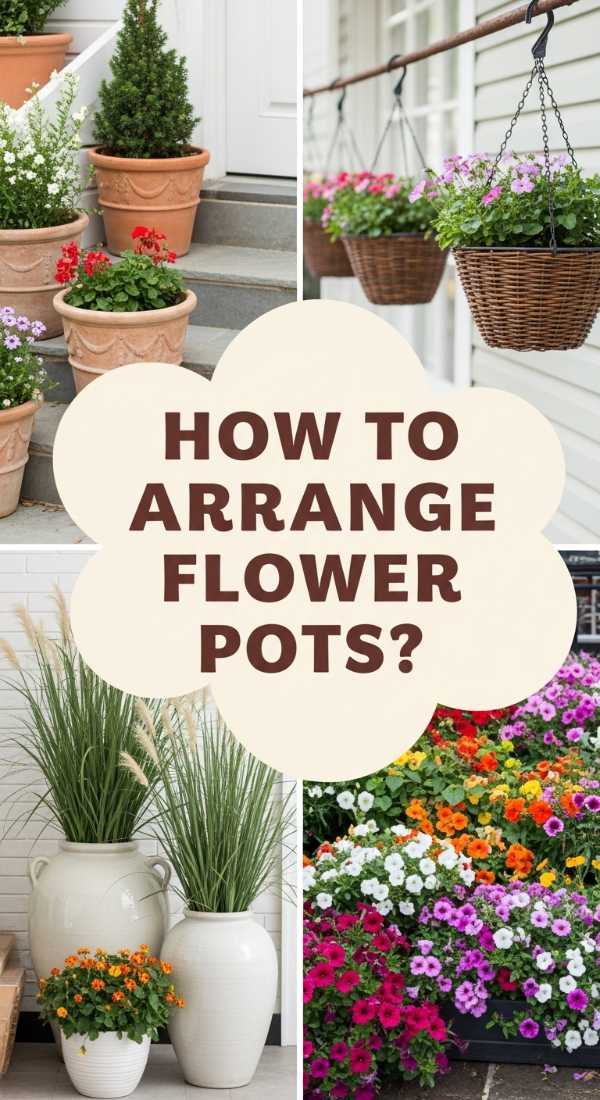
How to Arrange Lush Front Porch Flower Pots for a Welcoming Entrance

Why we love this
The front porch is the threshold of your home, and lush flower pots act as a vibrant, living welcome mat. We love the explosion of color and the architectural variety that comes from a well-composed container garden. There is a specific sensory delight in the scent of petunias or geraniums wafting through the air as you reach for the door handle. Using different heights and textures creates a ‘mini landscape’ in a pot, bringing the lushness of a full garden right to your doorstep, regardless of how much yard space you actually have.
Essential Elements:
- Large, high-quality planters (ceramic, resin, or terracotta)
- Premium potting mix with slow-release fertilizer
- ‘Thriller’ plants (tall, dramatic focal points like Dracaena or Canna Lilies)
- ‘Filler’ plants (mounded, blooming plants like Geraniums or Lantana)
- ‘Spiller’ plants (trailing vines like Sweet Potato Vine or Creeping Jenny)
How to make it
- Ensure your planters have adequate drainage holes; if not, carefully drill several into the bottom to prevent root rot.
- Fill the pots with high-quality potting soil, leaving about two inches of space at the top to allow for watering without overflow.
- Place your ‘Thriller’ plant exactly in the center (or toward the back if the pot will against a wall) to provide height and a strong vertical line.
- Surround the thriller with ‘Filler’ plants, packing them closely enough that the soil is covered but leaving room for them to expand as they grow.
- Tuck your ‘Spiller’ plants around the very edge of the pot, angling them slightly outward so they immediately begin to drape over the sides.
- Water the arrangement thoroughly until water runs out the bottom, and place the pots in a spot that receives the appropriate amount of sunlight for the chosen species.
How to Curate a Tropical Island Theme for the Ultimate Staycation Vibes
Why we love this
Sometimes the soul needs an escape, and a tropical island theme brings that ‘vacation state of mind’ directly into your backyard or sunroom. We love the heavy use of natural fibers like rattan and seagrass, which feel warm and coastal against the skin. The visual impact of oversized monstera leaves and the deep green of palm fronds creates an immediate sense of exotic luxury. It is about capturing that breezy, slow-paced atmosphere where the only thing on the agenda is relaxing with a cold drink while the sun filters through bamboo shades.
Essential Elements:
- Rattan or wicker lounge furniture
- Oversized tropical plants (Bird of Paradise, Palms, Monstera)
- Outdoor pillows with bold botanical prints
- Bamboo privacy screens or reed fencing
- Citrus-scented candles or a tiki-style outdoor bar
How to make it
- Create a ‘foundation’ using bamboo fencing or reed screens to block out the neighborhood and create an intimate, enclosed island feel.
- Arrange your rattan furniture in a conversational circle, adding thick, cream-colored cushions for a high-end resort aesthetic.
- Introduce ‘living walls’ by grouping large-leafed tropical plants in varying heights to create a lush, green backdrop.
- Layer in vibrant accents through textiles; think deep emerald greens, bright turquoises, and coral oranges in your outdoor rugs and pillows.
- Hang a hammock between two sturdy points or on a stand to provide a dedicated spot for afternoon naps and reading.
- Install soft, warm lighting using tiki torches or woven pendant lights to keep the atmosphere inviting long after the sun goes down.
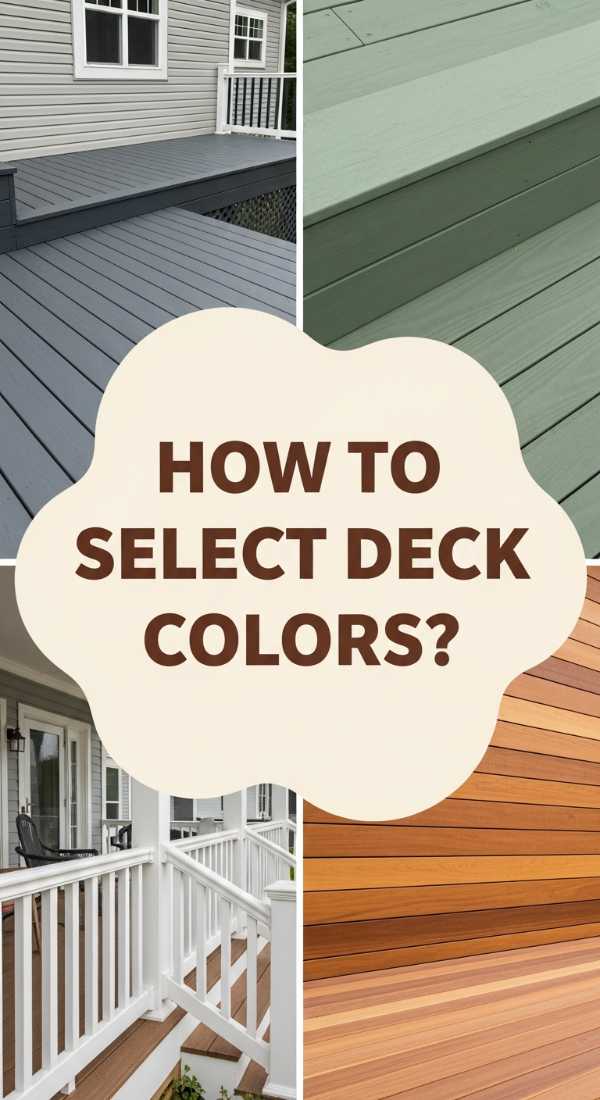
How to Select Trendy Deck Paint Colors for a Modern Outdoor Living Space

Why we love this
The right deck color can completely redefine the architecture of your outdoor space, acting as a grounding element that ties the garden and the home together. We are currently enamored with deep, sophisticated hues like charcoal grey, navy blue, and even soft sage green. These colors provide a high-contrast canvas that makes green plants pop and wooden furniture look expensive and custom. A freshly painted deck feels clean, intentional, and incredibly modern, transforming a weathered wooden platform into a polished extension of your interior floor plan.
Essential Elements:
- High-quality exterior deck paint or solid stain
- Deck cleaner and a stiff-bristled scrub brush
- Long-handled paint rollers and high-quality brushes for edges
- Painter’s tape and drop cloths
- Sandpaper or a power sander for surface prep
How to make it
- Clear all furniture and use a deck cleaner to remove mold, mildew, and old dirt; this step is crucial for the paint to bond correctly to the wood.
- Once dry, sand down any splintering areas or rough patches to create a smooth, uniform surface that will take the pigment evenly.
- Apply a primer if the wood is particularly porous or if you are moving from a very dark to a very light color (or vice-versa).
- Start by ‘cutting in’ the edges and the spaces between the boards using a brush, working in small sections to maintain a ‘wet edge.’
- Use a roller on a long extension pole to apply the main body of the paint, following the grain of the wood and applying thin, even coats.
- Allow the first coat to dry for at least 24 to 48 hours (depending on humidity) before applying a second coat to ensure maximum durability and color depth.
How to Style Seasonal Front Door Baskets with Flowers for Instant Charm
[IMAGE_10]
Why we love this
While wreaths are a classic, there is something uniquely charming and ‘farmhouse chic’ about a flat-back wicker basket hanging on a front door. We love the way flowers spill out of a basket with a more casual, gathered-from-the-meadow look than a structured wreath can provide. It’s a versatile way to celebrate the seasons, from the bright tulips of spring to the dried wheat and eucalyptus of autumn. The gentle thud of the basket against the door as it opens feels homey and welcoming, offering a burst of natural beauty at eye level for every guest who visits.
Essential Elements:
- A flat-backed wicker or seagrass wall basket
- Floral foam (wet for fresh, dry for faux)
- Seasonal blooms and greenery
- Wire cutters and floral tape
- A sturdy over-the-door hook or a discreet nail
How to make it
- Select a basket that is proportional to your door; a basket that is too small will look lost, while one that is too large might interfere with the door handle.
- If using fresh flowers, line the basket with a plastic bag or a waterproof liner before inserting a soaked block of floral foam.
- Begin your arrangement by placing the ‘trailing’ greenery at the bottom and sides of the basket to create a lush, overflowing base.
- Insert your largest ‘focal’ flowers into the center of the foam, ensuring they are at slightly different heights to create depth and interest.
- Fill in the gaps with smaller accent flowers and ‘filler’ like baby’s breath or waxflower until the foam is completely hidden from view.
- Secure a ribbon or a piece of twine to the handle for an extra decorative touch and hang it securely, ensuring it doesn’t wobble excessively when the door is used.
Conclusion
Modern living is about more than just keeping up with trends; it is about curating a lifestyle that reflects your inner values of peace, beauty, and connection to the natural world. From the way we paint our decks to the tiny labels in our herb gardens, every choice is an opportunity to practice mindfulness and creativity. I hope these ideas inspire you to look at your home and garden not as a list of chores, but as a living canvas waiting for your unique touch. Happy styling!