
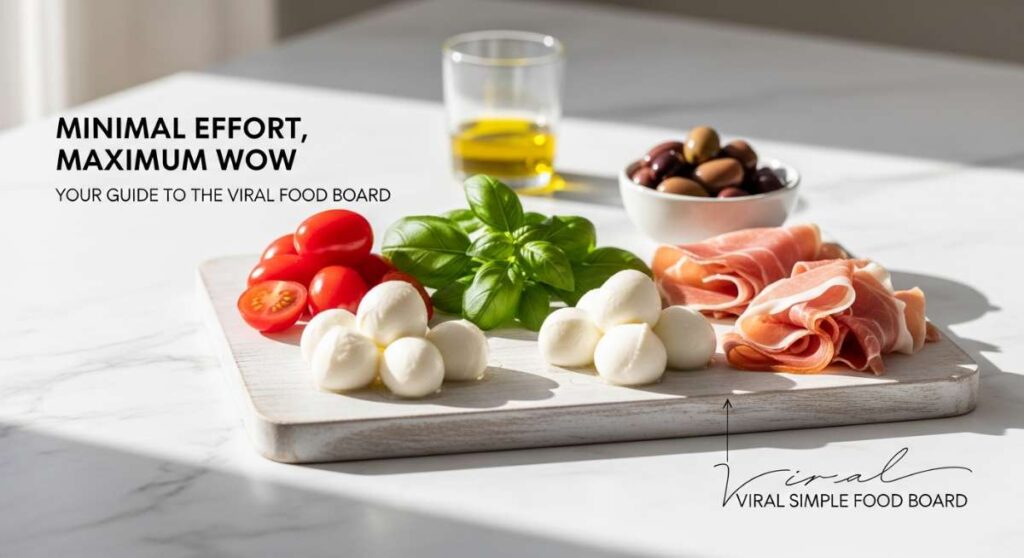
We’ve all been there—the sun is dipping low, the patio lights are twinkling, and a group of your favorite people are gathered around the table with expectant smiles. In these moments, the last thing I want is to be trapped in the kitchen, missing out on the laughter and the stories. That’s why I fell head over heels for the concept of the Viral Food Board; it’s the ultimate expression of hospitality that values connection over complexity. It’s about taking simple, fresh ingredients and arranging them with a bit of soul, turning a standard meal into a communal experience that feels both effortless and incredibly special.
Today, we are diving deep into my absolute favorite center-piece for these boards: the Thai-inspired pasta salad. It’s a dish that bridges the gap between comfort food and vibrant, healthy eating, offering a kaleidoscope of colors and a symphony of flavors that dance on the tongue. Whether you’re a seasoned host or a kitchen novice, this guide is designed to help you master the art of the zesty pasta bowl. Let’s reclaim our time and treat our senses to something truly spectacular.
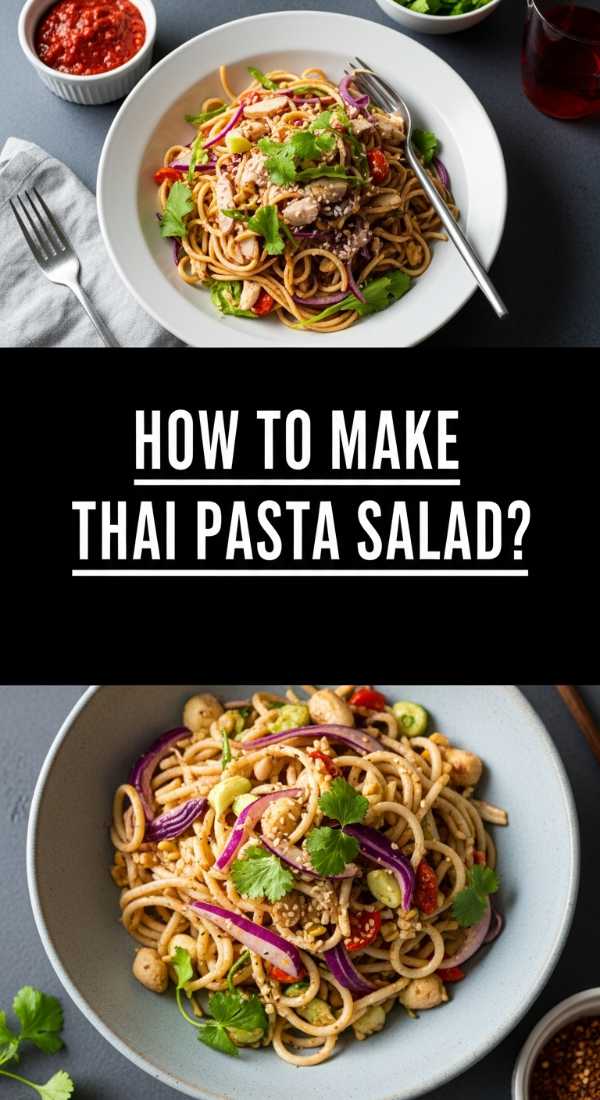
How to make Thai pasta salad?
Why we love this
This dish is a masterclass in the balance of the four pillars of Thai flavor: salty, sweet, sour, and spicy. We love it because it transforms humble noodles into a high-end culinary experience using ingredients you likely already have in your pantry. The aroma of toasted sesame oil and fresh lime zest fills the room the moment you begin tossing, creating an immediate sense of anticipation. Every bite offers a satisfying contrast between the soft, chewy pasta and the explosive crunch of fresh bell peppers and roasted peanuts, making it impossible to stop at just one serving.
Ingredients
- 1 lb Linguine or Spaghetti
- 1/2 cup Creamy peanut butter
- 3 tbsp Soy sauce
- 2 tbsp Honey or agave nectar
- 2 tbsp Fresh lime juice
- 1 tbsp Grated fresh ginger
- 1 Red bell pepper, thinly sliced
- 1 cup Shredded carrots
- 1/2 cup Chopped cilantro
How to make it
- Bring a large pot of heavily salted water to a rolling boil over high heat; once bubbling vigorously, add your pasta and cook until just al dente, usually about 8 to 10 minutes depending on the brand.
- While the pasta cooks, prepare the dressing by whisking together the peanut butter, soy sauce, honey, lime juice, and ginger in a medium bowl until the mixture is completely smooth and glossy.
- Drain the pasta in a colander and rinse it briefly under cool running water to stop the cooking process and remove excess starch, which prevents sticking.
- Transfer the cooled pasta to a large mixing bowl, pour the peanut dressing over the top, and add your sliced peppers and carrots.
- Use large tongs to toss the mixture thoroughly, ensuring every strand of pasta is coated in the creamy sauce, then garnish with fresh cilantro before serving.
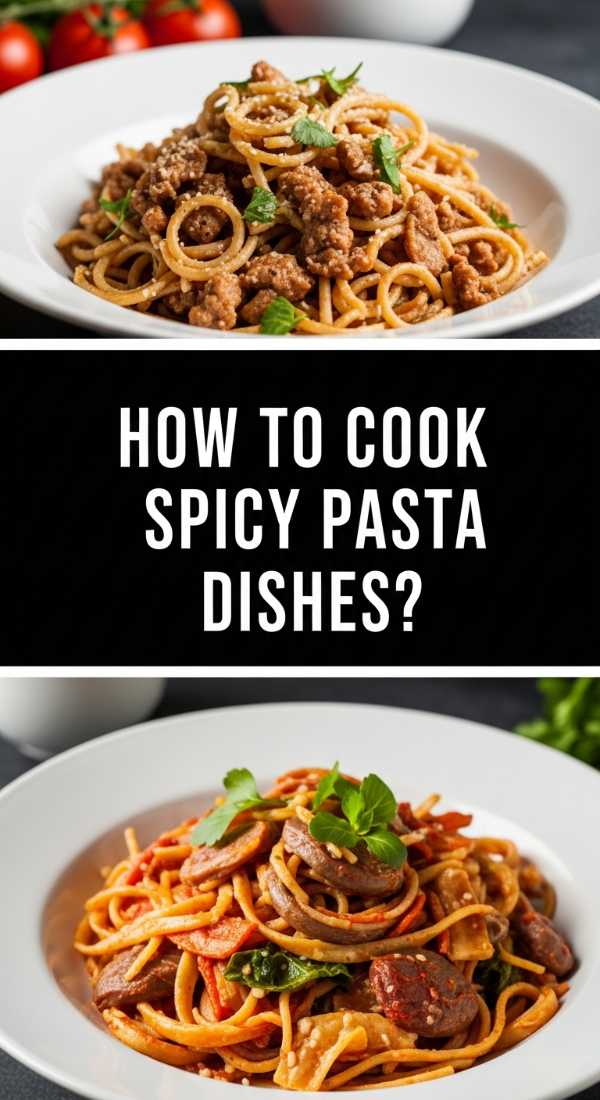
How to cook spicy pasta dishes?
Why we love this
There is a unique thrill that comes from a perfectly calibrated spicy dish—it’s a slow-building warmth that heightens the other flavors rather than masking them. We love spicy pasta because it adds a bold, energetic edge to the meal, waking up the palate and making the fresh vegetables taste even sweeter by comparison. The scent of red chili flakes hitting a warm sauce is intoxicating, promising a meal that is as exciting as it is comforting. It’s the kind of dish that leaves a lingering tingle on your lips, reminding you of the delicious complexity of each bite long after the meal is over.
Ingredients
- 1 lb Fusilli or Penne
- 2 tbsp Sriracha or chili garlic sauce
- 1 tsp Red pepper flakes
- 3 cloves Garlic, minced
- 2 tbsp Olive oil
- 1 tbsp Rice vinegar
How to make it
- Set a large pot of water to boil over high heat, adding a generous tablespoon of kosher salt to season the pasta from the inside out.
- In a small skillet over medium-low heat, add the olive oil and minced garlic, sautéing for about 2 minutes until the garlic is fragrant and just beginning to turn a pale golden color; do not let it brown or it will turn bitter.
- Stir the sriracha and red pepper flakes into the warm oil, allowing the heat to bloom the spices for 60 seconds, then remove from heat and stir in the rice vinegar.
- Cook the pasta until it has a slight bite, drain it well, and immediately toss it with the spicy oil mixture while the noodles are still hot so they absorb the spice.
- Allow the dish to sit for five minutes before a final toss, ensuring the spicy infusion has penetrated every crevice of the pasta shapes.
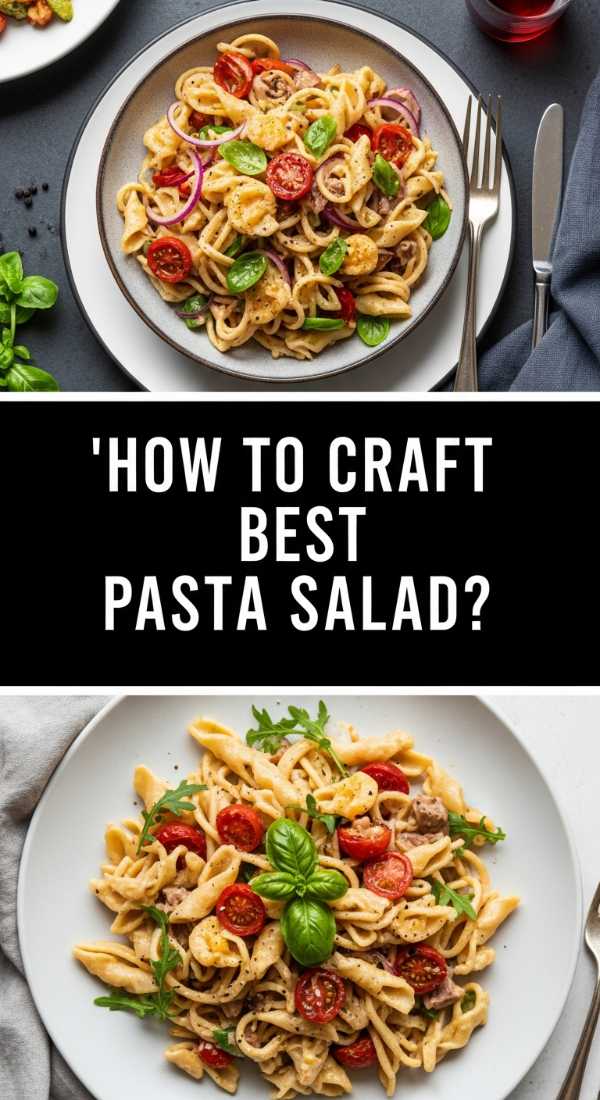
How to craft best pasta salad?
Why we love this
The “best” pasta salad isn’t just a side dish; it’s a carefully curated selection of textures that makes every forkful a new discovery. We love this approach because it emphasizes the importance of variety—the snap of snap peas, the silkiness of the noodles, and the richness of the dressing all working in harmony. The visual appeal is undeniable, as the various shapes and colors pop against a neutral platter, making it the star of any food board. It’s a testament to how simple ingredients, when treated with respect and paired thoughtfully, can create a gourmet result that impresses even the most discerning guests.
Ingredients
- 1 lb Rotini pasta
- 1 cup Snap peas, halved
- 1/2 cup Red onion, finely diced
- 1/4 cup Toasted sesame seeds
- 1/2 cup Rice wine vinaigrette
- 1 tbsp Toasted sesame oil
How to make it
- Prepare the rotini by boiling it in a large pot of water for 9 minutes; the spiral shape is essential here as it holds the dressing better than flat noodles.
- While the pasta boils, prepare an ice bath by filling a large bowl with cold water and ice cubes; this will be used to shock the snap peas.
- During the last 60 seconds of the pasta’s cooking time, drop the snap peas into the boiling water with the pasta to blanch them, then drain everything together.
- Immediately plunge the pasta and peas into the ice bath for 2 minutes to lock in the bright green color of the peas and stop the pasta from becoming mushy.
- Drain the chilled mixture thoroughly, pat dry with a clean kitchen towel, and toss in a bowl with the red onion, sesame seeds, vinaigrette, and sesame oil until well combined.
How to master pasta recipes?
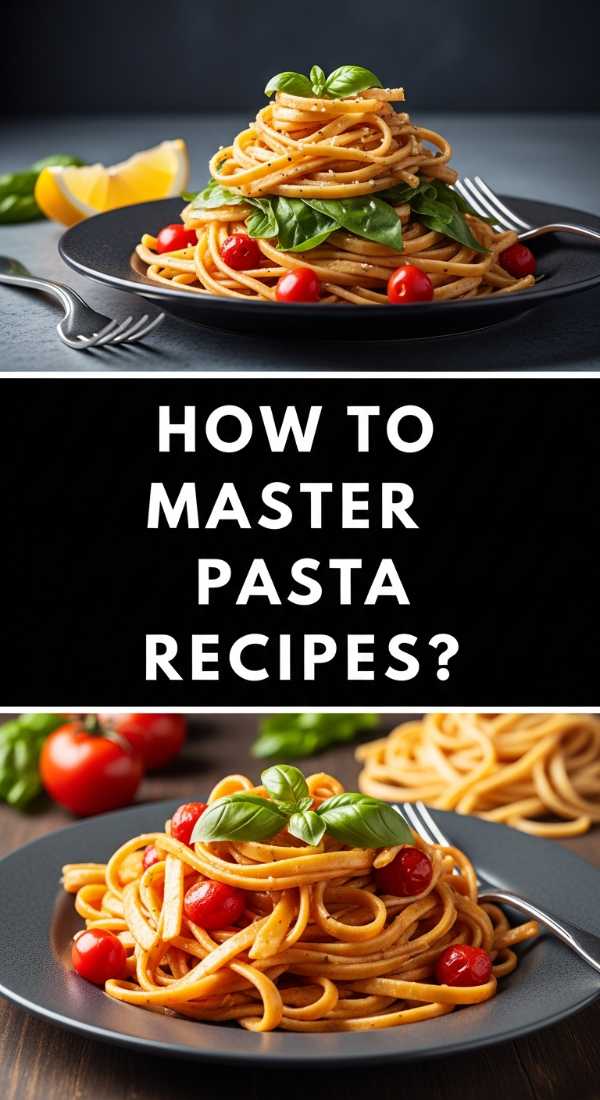
Why we love this
Mastering the basics of pasta is like learning the secret language of the kitchen; once you understand the mechanics, the possibilities are endless. We love the process of perfecting a recipe because it turns cooking from a chore into a form of art, where you learn to trust your senses over the timer. The feel of the steam on your face and the sound of the water boiling are all part of the ritual that grounds us in the present moment. Achieving that perfect al dente texture is a small victory that yields a massive reward in the overall quality and mouthfeel of your final dish.
Ingredients
- High-quality Bronze-cut pasta
- Filtered water
- Sea salt
- High-smoke point oil (for the pan, if needed)
How to make it
- Use a large stockpot and fill it with at least 4 to 6 quarts of water; pasta needs plenty of room to move around so it doesn’t clump together.
- Add enough salt to the water so that it “tastes like the sea”—this is your only chance to season the pasta itself, as the salt penetrates the dough as it rehydrates.
- Wait for a full, vigorous rolling boil before adding the pasta; adding it too early results in a gummy, starchy texture.
- Stir the pasta immediately after adding it to the water and every 2 minutes thereafter to ensure even cooking and to prevent the noodles from sticking to the bottom.
- Start tasting the pasta 2 minutes before the package directions suggest; it is finished when it is tender but still offers a firm resistance to the tooth.
How to prepare thai pasta recipe?

Why we love this
Preparation is the heartbeat of Thai-inspired cooking, where the “mise en place”—having everything in its place—is as satisfying as the eating itself. We love this method because it encourages us to slow down and appreciate the raw beauty of the ingredients, from the vibrant orange of the carrots to the fragrant, knobby ginger root. The process of chopping, grating, and whisking is a tactile joy that builds a connection to the meal before it ever hits the heat. When you finally assemble the dish, there’s a profound sense of accomplishment in seeing all those separate components come together into a unified, flavorful whole.
Ingredients
- 8 oz Rice noodles or Thin Spaghetti
- 2 tbsp Fish sauce (or vegan No-Fish sauce)
- 1 tbsp Brown sugar
- 2 cloves Garlic, pressed
- 1/2 cup Green onions, sliced on the bias
- 1/4 cup Crushed roasted peanuts
How to make it
- Begin by prepping all your vegetables and aromatics; slice the green onions at a sharp angle (on the bias) to create elegant, restaurant-style garnishes.
- If using rice noodles, soak them in a bowl of very hot (but not boiling) water for 20 to 30 minutes until they are pliable but not soft; if using spaghetti, boil until al dente.
- In a small jar, combine the fish sauce, brown sugar, and pressed garlic, then shake vigorously until the sugar is completely dissolved into the liquid.
- Heat a large wok or wide skillet over medium-high heat with a teaspoon of oil, then add the drained noodles and the sauce mixture simultaneously.
- Stir-fry rapidly for 2 to 3 minutes using two spatulas to lift and turn the noodles until the sauce has thickened and coated them, then fold in the green onions and peanuts just before serving.
How to season cold pasta dishes?
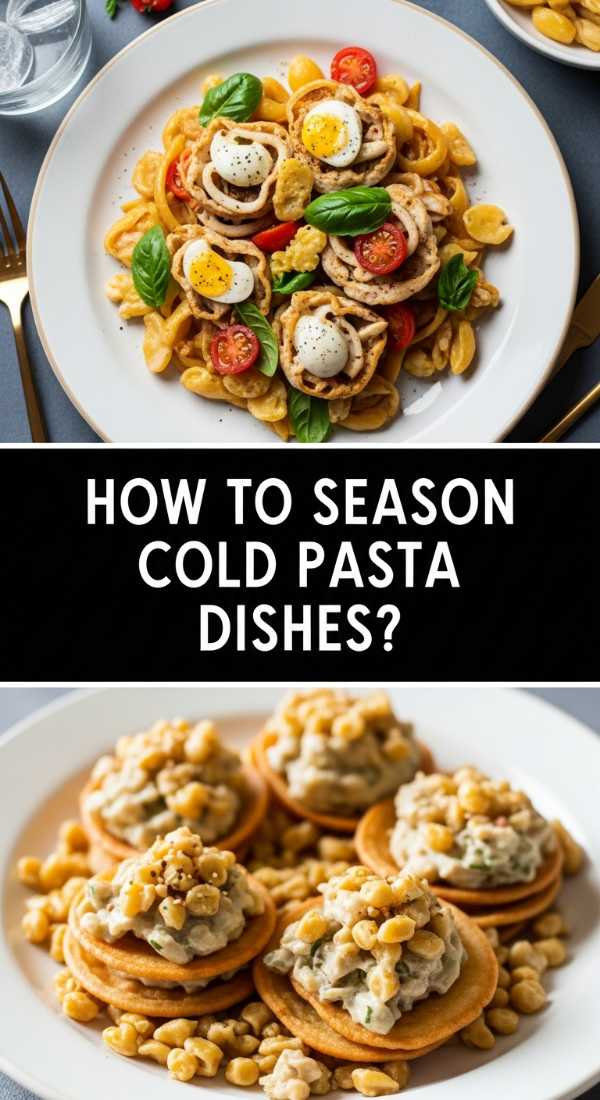
Why we love this
Seasoning cold pasta is a delicate science because cold temperatures tend to mute flavors, requiring a bolder hand and a more thoughtful approach. We love this challenge because it teaches us how to layer flavors—starting with the salt in the water and ending with a final bright pop of acidity. The way a splash of fresh lime or a sprinkle of flaky salt can suddenly make the flavors “sing” is pure culinary magic. It’s about creating a profile that is robust enough to stand up to the chill, ensuring that every bite is as impactful as a hot dish straight from the stove.
Ingredients
- Cooked and chilled pasta
- Extra Sea salt
- Freshly ground Black pepper
- Zest of 2 Limes
- 1 tbsp Rice vinegar
- Optional: A pinch of MSG for umami depth
How to make it
- Place your chilled, cooked pasta in a large glass bowl; avoid metal bowls as they can sometimes react with acidic dressings and alter the taste.
- Taste a single noodle; if it tastes bland, sprinkle a half-teaspoon of sea salt over the pasta and toss, repeating until the base flavor is present.
- Add the rice vinegar and lime zest; the acidity is crucial in cold dishes as it cuts through the starch and brightens the overall profile.
- Incorporate the black pepper and any optional umami boosters, like a pinch of MSG or a dash of mushroom powder, to provide a deep savory backbone.
- Let the seasoned pasta sit at room temperature for 15 minutes before serving; this allows the flavors to meld and ensures the seasoning hasn’t just sat on the surface.
How to serve thai pasta salad?
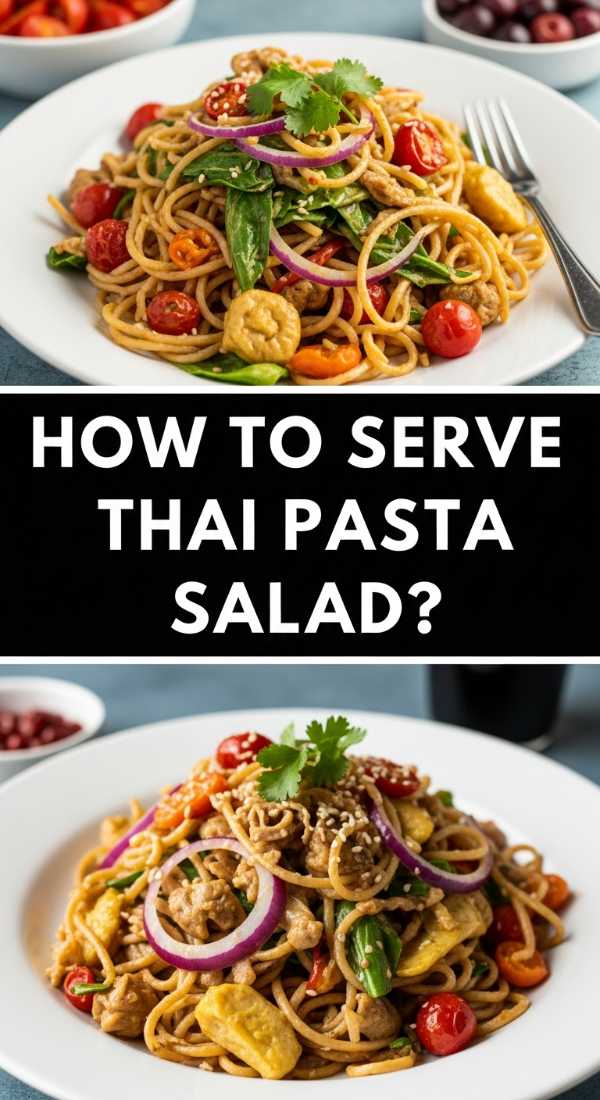
Why we love this
The presentation of a Thai pasta salad is where your creativity truly gets to shine, turning a simple meal into a viral-worthy food board masterpiece. We love the serving process because it’s about theater and generosity; piling the noodles high and scattering fresh herbs over the top feels like an act of love. A well-served salad invited guests to dig in, creating a relaxed, communal atmosphere where people feel comfortable helping themselves. The contrast of the dark noodles against a bright white platter or a rustic wooden board creates a stunning visual that is as appetizing as it is beautiful.
Ingredients
- Prepared Thai pasta salad
- Large wooden serving board or flat platter
- Lime wedges
- Fresh mint leaves
- Bird’s eye chilies (for decoration and heat)
How to make it
- Select a serving vessel that is wide and shallow rather than deep; this allows the colorful ingredients to be seen rather than buried at the bottom.
- Mound the pasta in the center of the board, using tongs to create height and volume rather than just flattening it out.
- Tuck lime wedges around the perimeter of the pasta, which not only looks beautiful but allows guests to customize their own level of acidity.
- Scatter whole mint leaves and sliced bird’s eye chilies over the top for a professional, high-contrast finish that looks incredible in photos.
- Place a pair of large, stylish serving spoons or tongs next to the board, and serve immediately while the garnishes are at their freshest.
How to toss zesty pasta salad?
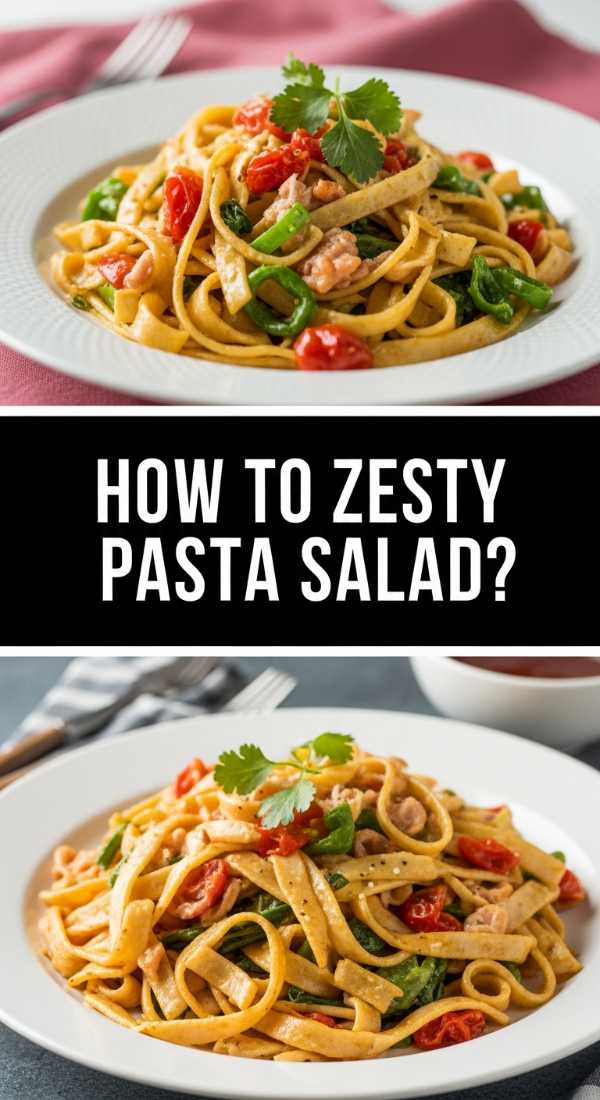
Why we love this
The act of tossing a pasta salad is the final, transformative step that ensures every single component is integrated into the flavor profile. We love this part of the process because it’s so satisfying to watch the dressing emulsify and cling to each noodle, turning dull surfaces into glossy, flavorful ribbons. The sound of the tossing and the release of fresh herbal aromas as you move the ingredients around is a sensory delight. It’s the moment the dish truly comes alive, transitioning from a collection of parts into a cohesive, zesty experience that is ready to be enjoyed.
Ingredients
- Cold pasta and veggies
- Vibrant dressing (citrus-based)
- 2 Large salad servers
- A wide, deep mixing bowl
How to make it
- Ensure your pasta and vegetables are in a bowl that is at least twice the volume of the ingredients to give you ample room to move without spilling.
- Pour half of your dressing around the edges of the bowl rather than directly onto the center; this helps in distributing it more evenly as you begin.
- Using a “lift and fold” motion with your servers, reach to the bottom of the bowl, lift the ingredients, and turn them over gently into the center.
- Continue this motion for at least 60 seconds, adding the remaining dressing in increments until every piece of vegetable and every strand of pasta is visibly coated.
- Perform a final “fluff” by shaking the servers lightly through the pasta to ensure it isn’t compacted, which keeps the salad light and airy.
How to create gourmet pasta dishes?
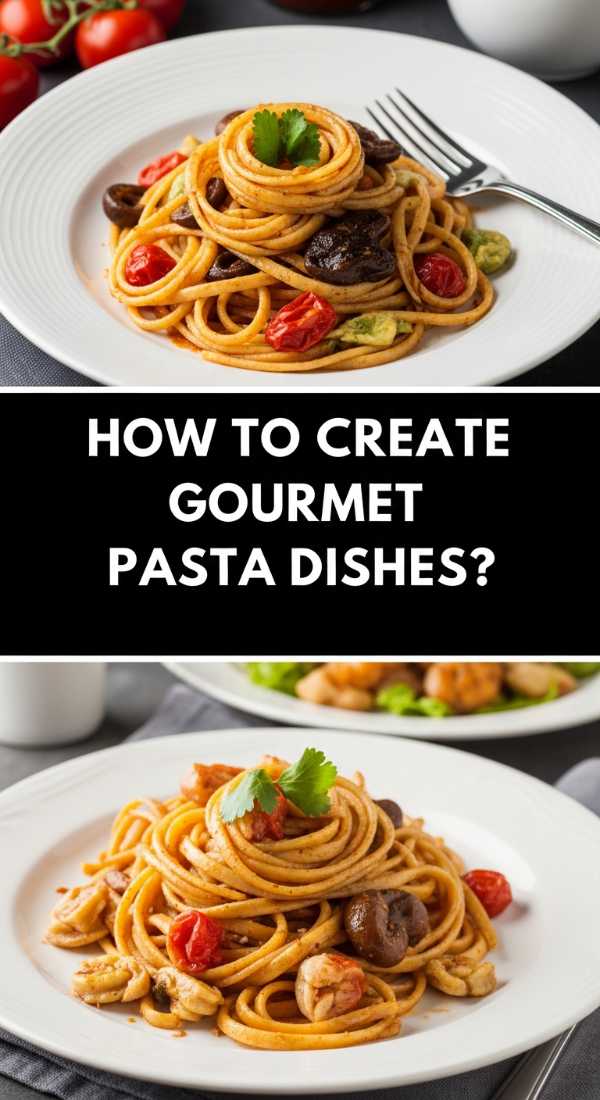
Why we love this
Creating a gourmet dish is about the “extra 10%”—those small, thoughtful touches that elevate a meal from everyday to extraordinary. We love the gourmet approach because it’s an invitation to use the highest quality ingredients, like hand-pressed oils or artisanal noodles, which make a tangible difference in flavor. The attention to detail, from the precision of the vegetable cuts to the selection of the garnish, shows a level of care that guests truly appreciate. It’s a way to treat yourself and your loved ones to a fine-dining experience in the comfort of your own home, making any night feel like a celebration.
Ingredients
- Artisanal dried pasta
- Microgreens (cilantro or radish)
- Black sesame seeds
- Cold-pressed avocado oil
- Edible flowers (optional)
How to make it
- Start with premium pasta; look for brands that are rough-textured, as these are designed to catch and hold gourmet sauces more effectively.
- Prepare your vegetables using a julienne peeler or a mandoline to ensure perfectly uniform, matchstick-sized pieces that look professional and provide a consistent crunch.
- Emulsify your sauce using a high-speed blender to ensure a perfectly smooth, velvety texture that mimics the sauces found in Michelin-starred restaurants.
- Plate the dish with intentionality, using culinary tweezers to place microgreens and edible flowers in a balanced, aesthetic arrangement.
- Finish with a light drizzle of cold-pressed avocado oil and a sprinkle of black sesame seeds to add a sophisticated, modern look to the plate.
How to make vibrant pasta salad?
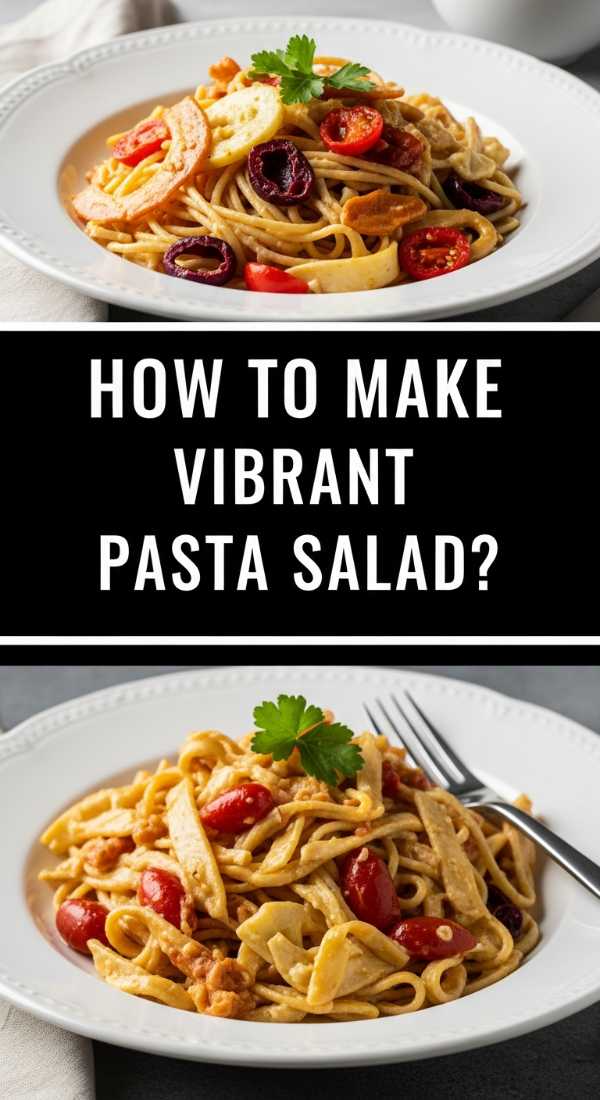
Why we love this
A vibrant pasta salad is a feast for the eyes before it ever reaches the mouth, embodying the philosophy that we eat with our eyes first. We love the explosion of color that comes from purple cabbage, yellow peppers, and green herbs, as it makes the meal feel healthful and full of life. There is something deeply energizing about a plate that reflects the entire rainbow, signaling a variety of nutrients and flavors. It’s the perfect dish for social media because the colors are naturally high-contrast and stunning, but more importantly, it makes the act of eating feel like a joyful, sun-drenched occasion.
Ingredients
- 1 lb Bowtie (Farfalle) pasta
- 1 cup Shredded purple cabbage
- 1 cup Yellow bell pepper, diced
- 1/2 cup Edamame, shelled
- 1/4 cup Sliced radishes
- Zesty ginger-lime dressing
How to make it
- Cook the bowtie pasta until al dente, drain, and immediately toss with a teaspoon of oil to keep the shapes distinct and prevent them from clumping.
- Prepare your “rainbow” by prepping each vegetable separately; the key to vibrancy is ensuring each color remains distinct rather than bleeding together.
- In a large clear bowl, layer the ingredients: pasta at the bottom, followed by a ring of purple cabbage, then the yellow peppers, and finally the green edamame.
- Just before serving, pour the transparent ginger-lime dressing over the top, which will act like a varnish, making the colors of the vegetables shine and appear more saturated.
- Toss the salad gently at the table in front of your guests to maintain the “wow” factor of the layered colors before they are mixed into the final delicious medley.
Minimal Effort, Maximum Impact
As we’ve explored today, the secret to a viral-worthy meal isn’t hours of labor or complex techniques; it’s about choosing vibrant ingredients and presenting them with intention. Whether you’re tossing a zesty salad for a quick lunch or crafting a gourmet board for a weekend gathering, these tips will ensure your food is as memorable as the company you keep. So, grab your favorite platter, boil some pasta, and let your creativity take the lead. You’ve got this!