
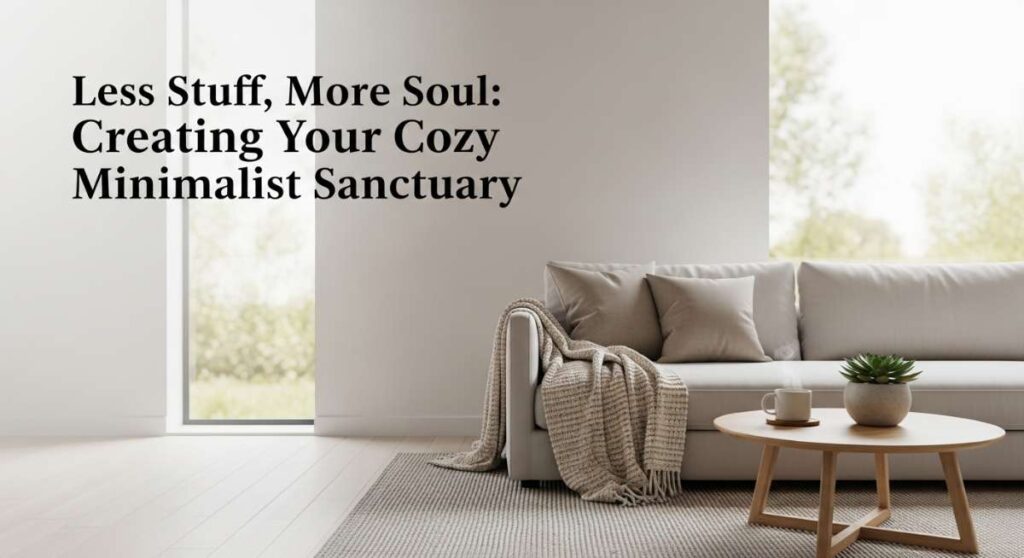
Less Stuff, More Soul: Creating Your Cozy Minimalist Sanctuary
Have you ever walked into a room and felt like you could finally, truly exhale? That is the magic of the cozy minimalist sanctuary. It’s not about living in a cold, white box with a single chair; it’s about stripping away the noise of ‘more’ so you can actually hear your own heart. In a world that constantly screams for our attention, our homes should be the soft landing spot where we find our center again.
Creating a soulful space is an act of self-care. It’s about choosing quality over quantity and comfort over clutter. When we curate our surroundings with intention, we aren’t just decorating; we are building a container for our peace. Let’s dive into how you can transform your home into a haven of warmth and simplicity, one intentional layer at a time.
How to Arrange a Small Apartment for Maximum Coziness

Why we love this
There is something inherently intimate and protective about a small space when it is handled with love. We adore this approach because it turns limitations into architectural hugs, where every corner serves a purpose and every shadow feels intentional. Imagine the scent of a vanilla candle wafting through a compact, perfectly organized living area while you run your hand over a soft, velvet-covered ottoman. It’s the feeling of a snug nest that keeps the chaotic world at bay, allowing you to focus on the small joys like a hot cup of tea or the way the morning light hits a specific wall.
Essential Elements:
- Multi-functional furniture (like a storage coffee table)
- Large floor mirrors to expand the visual field
- Vertical shelving units
- Light-filtering linen curtains
- Nesting tables
How to make it
- Clear the pallet: Begin by ‘de-glazing’ the room—remove every single item from the floor and surfaces. This allows you to see the raw architectural ‘bones’ of the apartment without the distraction of clutter.
- Set the foundation heat: Position your largest piece of furniture (usually the sofa) against the longest wall but pull it out two inches. This ‘air gap’ creates a sense of breathability and prevents the room from feeling ‘scorched’ or cramped.
- Layer the ingredients: Introduce vertical elements like tall floor lamps or hanging plants. This draws the eye upward, mimicking the rising heat of a well-balanced dish, making the ceiling feel higher and the footprint larger.
- Check for visual doneness: Stand in the doorway. If the room feels ‘heavy’ on one side, shift a mirror to the opposite wall to bounce light and balance the visual weight. The room is ‘done’ when your eye moves smoothly around the space without snagging on obstacles.
How to Master Minimalist Decor for a Peaceful Vibe

Why we love this
Mastering minimalist decor is like learning the secret language of silence. We love this style because it removes the ‘visual static’ that keeps our brains in a state of low-level alarm. Imagine walking into a room where your eyes can rest on a single, beautiful ceramic vase or a solitary, well-placed piece of art. The aroma is clean—perhaps a hint of eucalyptus—and the tactile experience is one of smooth surfaces and open spaces. It’s a vibe that feels like a fresh start every single morning, providing a literal and figurative blank canvas for your thoughts.
Essential Elements:
- Neutral color palette (oatmeal, stone, and sage)
- One ‘hero’ statement piece of art
- Hidden storage solutions
- Negative space on walls
- Natural wood accents
How to make it
- Sift the decor: Go through your decorative items and ‘sift’ them through a filter of joy and utility. If an item doesn’t serve a function or move your soul, set it aside. You want a high ‘flavor’ profile with very few ingredients.
- Simmer the color palette: Stick to three main tones. Apply the 60-30-10 rule: 60% dominant neutral, 30% secondary texture, and 10% accent ‘spice’ (like a dark metal or wood). Keep the ‘heat’ low by avoiding neon or high-contrast patterns.
- Flash-sear the focal point: Choose one area—a mantle or a coffee table—and place one significant item there. This acts as the ‘sear’ that locks in the room’s character without overwhelming the palate.
- Monitor the reduction: Over the next 48 hours, remove one more item. The ‘reduction’ phase is crucial in minimalism; the space is ready when the emptiness feels like a luxury rather than a void.
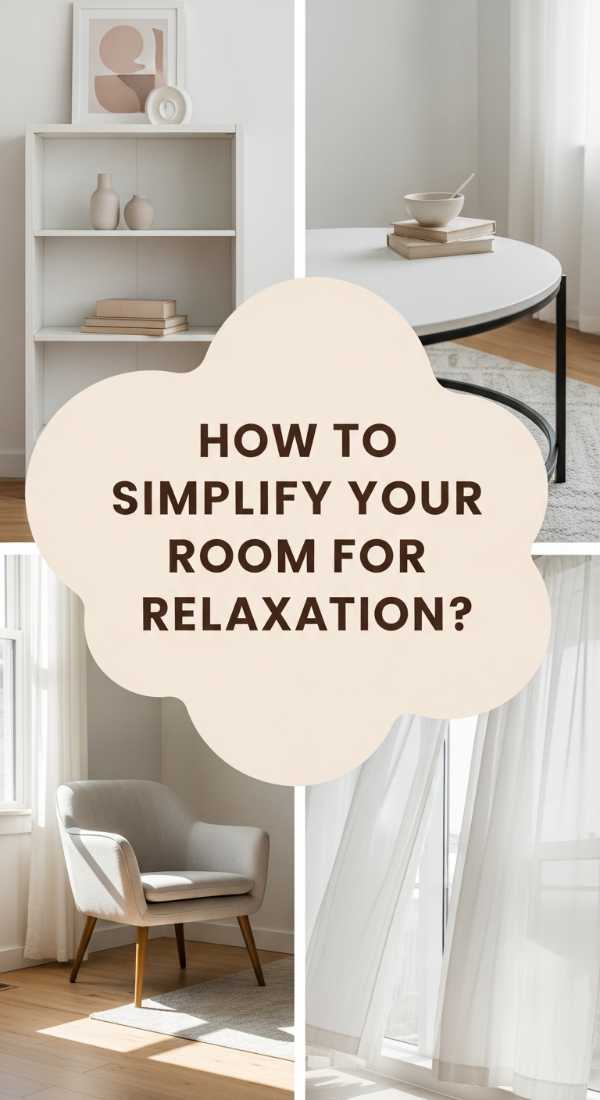
How to Curate Cozy Textures for a Warm Home
Why we love this
Texture is the secret ingredient that keeps minimalism from feeling cold. We love layering textures because they engage our sense of touch in a way that ground us in the present moment. Think of the contrast between a cool, smooth marble tabletop and a chunky, hand-knitted wool throw draped over a chair. There’s a sensory richness here—the smell of cedarwood, the sight of soft grain in a wooden bowl, and the irresistible urge to curl up and stay a while. It’s the difference between a house and a sanctuary.
Essential Elements:
- Chunky wool or mohair throws
- Linen pillow covers
- Jute or sisal area rugs
- Sheepskin (or faux) accents
- Woven rattan baskets
How to make it
- Base layer ‘braising’: Start with your heaviest textures on the bottom. Lay down a textured rug (like jute) to provide a grounded, earthy base for the room.
- Infuse the soft oils: Layer ‘mid-weight’ textures like linen pillows onto your seating. The linen provides a crispness that cuts through the ‘heaviness’ of the rug, much like adding acid to a rich sauce.
- Fold in the fluff: Gently ‘fold’ a high-pile throw over the arm of a chair. Don’t fold it perfectly; a casual drape creates ‘peaks’ and ‘valleys’ that catch the light and invite touch.
- Visual temperature check: If the room feels too ‘sharp’ or hard, add a soft sheepskin. If it feels too ‘mushy,’ add a smooth wooden tray. You’ve reached the perfect ‘texture-doneness’ when the room feels balanced between hard and soft.
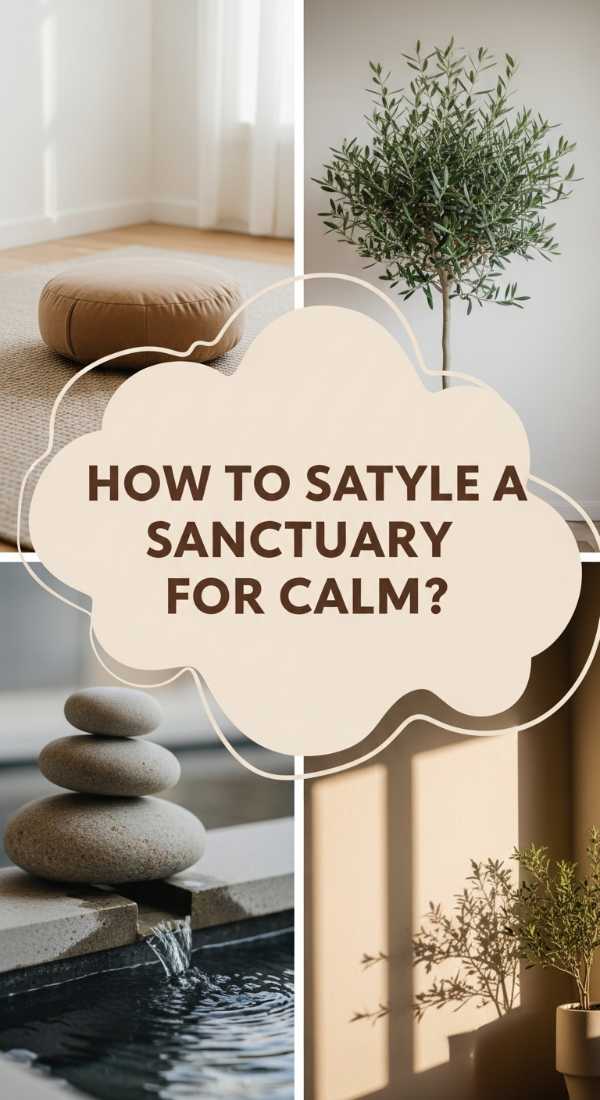
How to Simplify Your Living Room for Pure Relaxation
Why we love this
The living room is the heart of the home, but it often becomes a graveyard for mail, old magazines, and forgotten gadgets. Simplifying this space is a revelation; it turns the room back into a place for living, not just for storing. We love the feeling of a simplified living room because it allows for deep, uninterrupted relaxation. The scent is often something calming, like lavender or sandalwood, and the visual field is clear of ‘to-do’ lists, allowing you to sink into your cushions and just *be*.
Essential Elements:
- Cable management boxes
- A dedicated ‘drop zone’ tray
- Uniform book covers or color-coded spines
- Soft, dimmable ambient lighting
- Comfortable, deep-seated sofa
How to make it
- Deglaze the surfaces: Remove all ‘surface tension’ by clearing off coffee tables and side tables completely. Clean the surfaces with a high-quality polish to bring out the natural luster.
- Whisk the tech away: Hide all cords and remotes. Electronics provide a ‘high-voltage’ energy that disrupts relaxation. Use decorative boxes to ’emulsify’ the tech into the decor.
- Adjust the lighting ‘flame’: Switch off overhead lights and turn on low-wattage lamps. This ‘low-heat’ approach signals to the brain that the ‘cooking’ (the day’s work) is over.
- Final resting period: Sit in the primary seat for 10 minutes. If you feel the urge to tidy something, the room isn’t ‘done.’ When you can sit without moving for 10 minutes, the simplification is perfect.
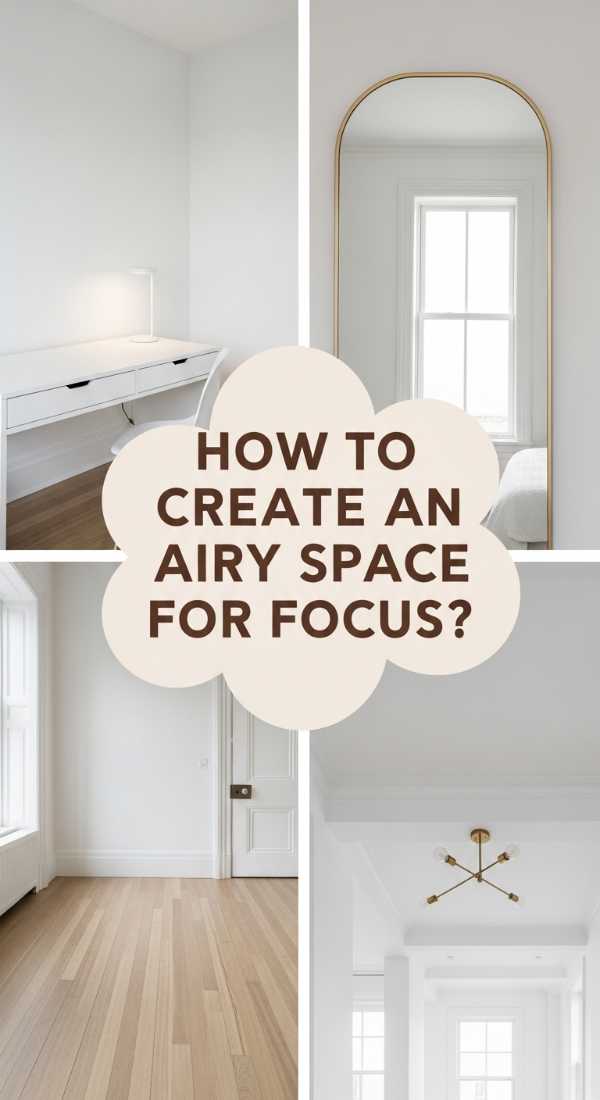
How to Style a Minimalist Sanctuary for Inner Calm
Why we love this
A minimalist sanctuary isn’t just about what you see; it’s about how you feel. We love this styling technique because it incorporates the ‘soul’ into the structure. It’s about creating a dedicated space for your rituals—be it meditation, reading, or journaling. The touch of a cool ceramic mug, the soft glow of a salt lamp, and the complete absence of digital distractions create a micro-climate of peace. It’s your personal recharging station that feels sacred and separate from the rest of the world.
Essential Elements:
- Low-profile floor cushions
- A small altar or dedicated shelf
- Living greenery (like a peace lily)
- Essential oil diffuser
- Soft, acoustic soundscape
How to make it
- Establish the ‘core temperature’: Identify the quietest corner of your home. This is your ‘low and slow’ cooking zone where the most important internal work happens.
- Season with scent: Use an oil diffuser to ‘infuse’ the air with frankincense or bergamot. Scent is a powerful ‘catalyst’ that immediately shifts the mood of the space.
- Clarify the view: Place a single plant or a meaningful object at eye level when seated. This acts as a ‘garnish’ for the mind, giving it a soft place to land during moments of reflection.
- Check the ‘doneness’: The sanctuary is ready when stepping into the space causes an involuntary deep breath. If your heart rate feels ‘high,’ continue to remove items until the space feels cooling.
How to Create an Airy Living Space for Better Focus
Why we love this
An airy space is like a deep breath for your brain. We love this approach because it directly impacts productivity and mental clarity. By maximizing natural light and creating a sense of openness, you allow your thoughts to expand. Imagine the feeling of a light breeze through an open window, the smell of fresh linen, and the sight of dust motes dancing in a sunbeam. It’s a clean, high-energy environment that makes focus feel effortless and creativity feel natural.
Essential Elements:
- Sheer, white window treatments
- Leggy furniture (pieces that sit off the floor)
- Glass or acrylic accents
- Pale flooring or large light-colored rugs
- Minimal wall clutter
How to make it
- Ventilate the floor plan: Move furniture away from the walls and ensure there is a clear ‘airflow’ path from one side of the room to the other. This prevents ‘hot spots’ of stagnant energy.
- Strain the light: Replace heavy curtains with sheers. This ‘strains’ the harsh sunlight into a soft, milky glow that fills the room without creating glare.
- Whip up the height: Use low-profile furniture to keep the ‘horizon line’ of the room low. This increases the ratio of air-to-objects, making the room feel ‘light and fluffy’ like a perfect meringue.
- Visual Cue for Doneness: Look at the floor. If you can see at least 70% of the floor’s perimeter, the room has reached the desired ‘airiness.’
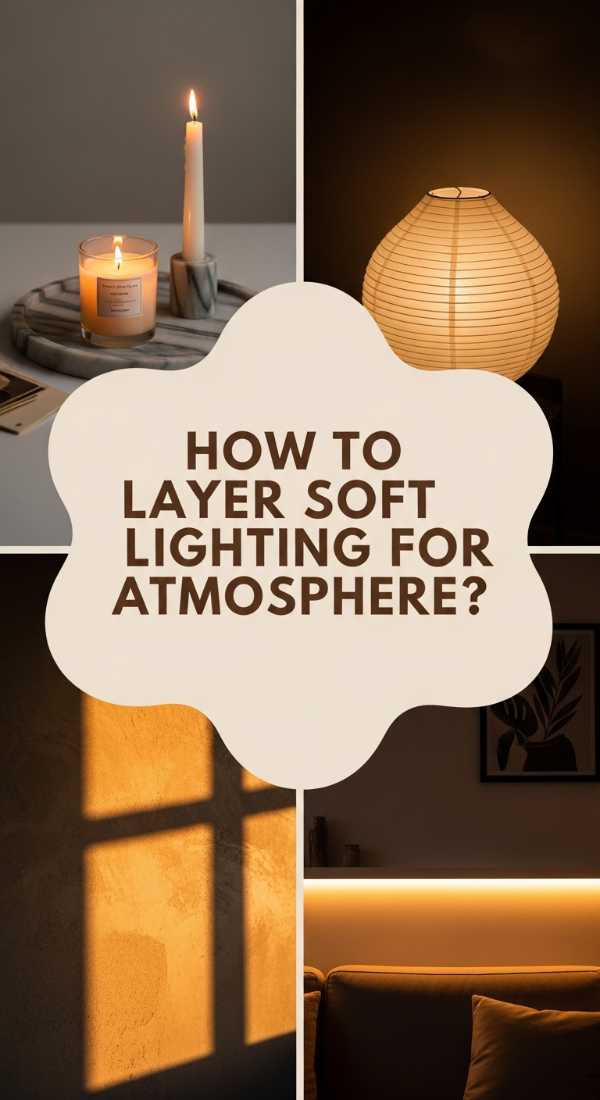
How to Layer Soft Lighting for a Dreamy Atmosphere

Why we love this
Lighting is the ‘salt’ of interior design—it enhances everything else. We love soft, layered lighting because it can instantly transform a sterile room into a romantic, dreamy grotto. It’s about the warmth on your skin from a nearby lamp and the way shadows soften the edges of the room. It creates a ‘twilight’ feel that encourages intimacy and conversation, making the evening hours feel like a special event rather than just the end of the day.
Essential Elements:
- Warm-toned LED bulbs (2700K)
- Floor lamps with fabric shades
- String lights or ‘fairy’ lights
- Taper candles and tea lights
- Dimmers for all main switches
How to make it
- Base-coat the ‘heat’: Turn off all ‘harsh’ overhead fluorescent lights. These are the ‘high-flame’ killers of ambiance.
- Layer the ‘simmer’: Place lamps at three different heights—floor level, table level, and eye level. This creates a ‘complex flavor profile’ of light that fills the room evenly.
- Add ‘sparks’ of brilliance: Place a few candles in reflective glass holders. The flickering flame adds ‘movement’ to the space, much like the crackle of a well-seared steak.
- Test the ‘melt’: If the room feels ‘melty’ and soft around the edges, the lighting is perfect. If you can see sharp shadows, add a small lamp in the darkest corner to ’round out’ the flavor.
How to Choose Sustainable Decor for an Earthy Feel

Why we love this
There is a unique soulfulness in items that have a history or come directly from the earth. We love sustainable decor because it connects our indoor sanctuary to the outside world. The texture of reclaimed wood, the coolness of handmade clay, and the honesty of organic cotton create a grounding, ‘umami’ effect for the home. It smells of the forest and the field, and it feels good to the touch and the conscience, knowing that your sanctuary isn’t costing the planet.
Essential Elements:
- Reclaimed wood furniture
- Hand-thrown ceramic pottery
- Organic cotton or hemp textiles
- Second-hand or vintage ‘found’ objects
- Natural stone coasters or bowls
How to make it
- Source the ‘raw ingredients’: Visit local thrift stores or artisans. Look for ‘whole foods’ for the home—items made of one material (all wood, all clay, all metal) rather than composites.
- Cure the pieces: Clean and prep your found objects. A light sanding of a vintage wooden stool ‘wakens’ its natural oils and character.
- Blend the old and new: Place a vintage ceramic jug next to a modern, minimalist book. This ‘fusion’ creates a sophisticated, earthy depth that feels timeless.
- Sustainability Check: If every item in the room has a ‘story’ or an eco-credential, the space is ‘well-done.’ The goal is a room that feels ‘grown,’ not ‘manufactured.’
How to Arrange a Minimalist Room for Stress Relief
Why we love this
This is design as therapy. We love arranging for stress relief because it uses the principles of symmetry and flow to calm the nervous system. When your environment is balanced, your mind follows suit. Think of the rhythm of a Japanese garden—everything has a place, and there is a sense of ‘pathway’ for both your feet and your eyes. It’s a cooling, soothing experience that lowers the ‘boiling point’ of your daily stress the moment you step through the door.
Essential Elements:
- Symmetrical furniture placement
- Cool-toned accents (blues and greys)
- Hidden clutter (opaque cabinet doors)
- Soft-close drawers and doors
- A ‘no-tech’ zone
How to make it
- Level the ‘stovetop’: Use a tape measure to ensure furniture is centered. Symmetry is the ‘balancing agent’ that tells the brain the environment is safe and predictable.
- Chill the ‘spices’: Use cool colors on your largest surfaces. Cool tones act as a ‘refrigerant’ for a stressed mind, lowering the emotional temperature of the room.
- Remove the ‘noise’: Eliminate anything that makes a jarring sound—squeaky doors or ticking clocks. You want the ‘silent simmer’ of a peaceful home.
- Stress-Test: Walk through the room with your eyes closed. If you can navigate it without fear of tripping, the ‘flow’ is perfectly cooked for stress relief.
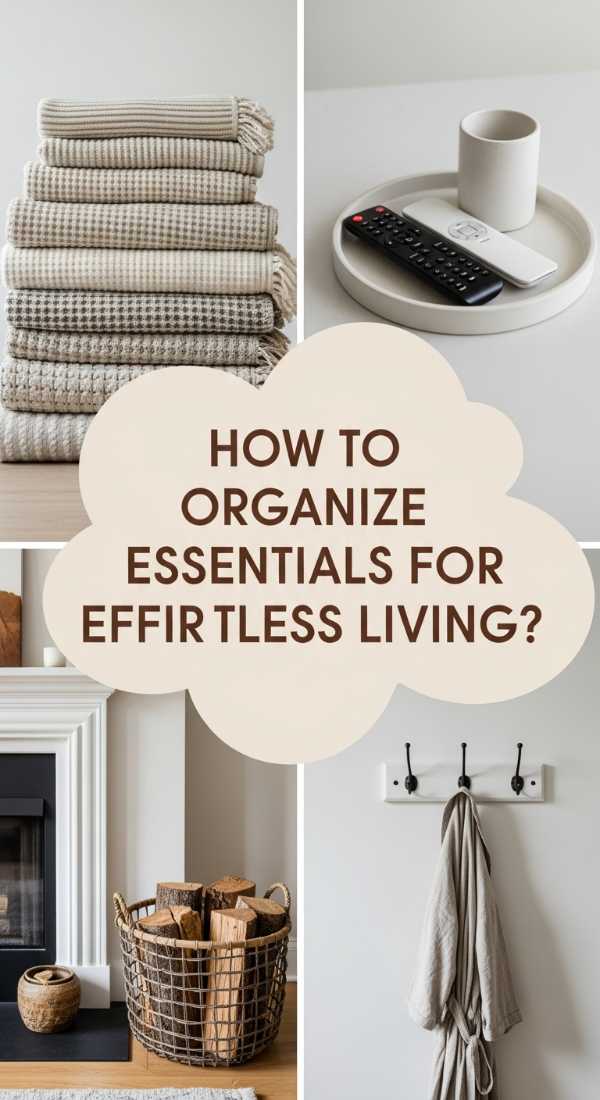
How to Organize Cozy Essentials for Effortless Living
[IMAGE_10]
Why we love this
Organization is the foundation of the ‘soulful’ home because it removes the friction of daily life. We love an organized home because it makes the ‘prep work’ of living effortless. Imagine waking up and finding your favorite mug exactly where it belongs, or reaching for a blanket and finding it perfectly folded in a beautiful basket. It’s the smell of fresh organization—clean, crisp, and ready. It turns your home into a well-oiled machine that serves you, rather than you serving it.
Essential Elements:
- Uniform glass storage jars
- Labelled canvas bins
- Trays to ‘corral’ small items
- A dedicated ‘inbox’ for mail
- Drawer dividers
How to make it
- Mise en Place your life: Group ‘like with like.’ All coffee supplies in one station, all cozy blankets in one basket. This ‘prep’ ensures you never have to hunt for ingredients during the ‘cooking’ of your day.
- Decant for clarity: Remove items from ‘loud’ commercial packaging and place them in clear glass jars. This ‘clarifies’ the visual field, much like clarifying butter.
- Zone the heat: Place high-use items at ‘waist-to-eye’ level (the high heat zone) and low-use items on the bottom or top shelves (the low heat zone).
- The 5-Minute Reset: The organization is ‘done’ when you can reset the entire room to its original state in under five minutes. If it takes longer, you have too many ‘ingredients’ and need to prune further.
The Soulful Conclusion
Minimalism isn’t about the things you lose; it’s about the life you gain. When we clear the excess, we make room for the things that truly matter—conversation, rest, and a deep sense of belonging within our own walls. Your home is a living, breathing reflection of your inner state. By treating its arrangement like a master chef treats a signature dish—with patience, quality ingredients, and a focus on balance—you create a sanctuary that nourishes your soul every single day. Go ahead, take that deep breath. You’re home.