

Have you ever felt that soft, wistful tug at your heart while scrolling through your favorite social feed, wondering how some people manage to turn a simple room into a living, breathing sanctuary? We’ve all been there—staring at a screen filled with sun-dappled linens and perfectly placed vintage vases, feeling like that level of ‘dreamy’ is just out of reach. But here is a little secret from my home to yours: that viral aesthetic isn’t about having a massive budget or a professional designer; it’s about capturing a specific feeling and curating it with intention.
Creating a home that feels like a retreat is a form of self-care. It’s about building a space that greets you with a warm hug the moment you walk through the door, a place where every object tells a story and every corner invites you to slow down. Today, I’m pulling back the curtain on the internet’s most-wanted aesthetics to show you exactly how to recreate these looks in your own home, regardless of your square footage or style history.
How to Create a Rustic Mexican Sanctuary for Warm Gatherings
Why we love this
There is an undeniable soulfulness in the rustic Mexican aesthetic that feels like a permanent golden hour. We love this look for its deep, earthy sienna tones, the cooling touch of terracotta underfoot, and the way hand-hewn wood furniture seems to hold the history of a thousand shared meals. It creates an atmosphere that is simultaneously grand and humble, where the scent of aged leather and smoky copal incense lingers in the air, inviting guests to kick off their shoes and stay for one more story. It is a style that celebrates imperfection—the chip in the clay, the fade in the rug, and the warmth of a home that is truly lived in.
Essential Elements:
- Hand-painted Talavera tiles for pops of cobalt and ochre
- Heavy, dark-stained reclaimed wood dining tables
- Terracotta flooring or planters with a natural patina
- Woven wool saltillo rugs in sunset gradients
- Iron-wrought lighting fixtures and punched tin mirrors
- Large-scale green botanicals like agave or prickly pear
How to make it
- Foundation Sourcing: Begin by layering your ‘base’ with warm neutrals. Use a ‘low heat’ design approach by selecting matte, clay-colored wall finishes rather than high-gloss paints to ensure the room absorbs light softly.
- Texture Curing: Introduce heavy timber elements. Just like slow-cooking a rich mole, the wood needs to feel substantial. Position a reclaimed wood table as your centerpiece, ensuring the grain is visible and the edges are soft to the touch.
- Visual Seasoning: Add your textiles. Lay down wool rugs and drape hand-loomed throws over seating. The ‘timing’ here is crucial; let the room sit with just the rugs for a day to ensure the color balance doesn’t ‘overcook’ the space before adding pillows.
- The Final Sear: Add iron accents and greenery. Use black iron hardware to provide a sharp contrast to the soft clay tones. The ‘visual cue for doneness’ is when the room feels grounded and heavy but is punctuated by the vibrant life of a large succulent.
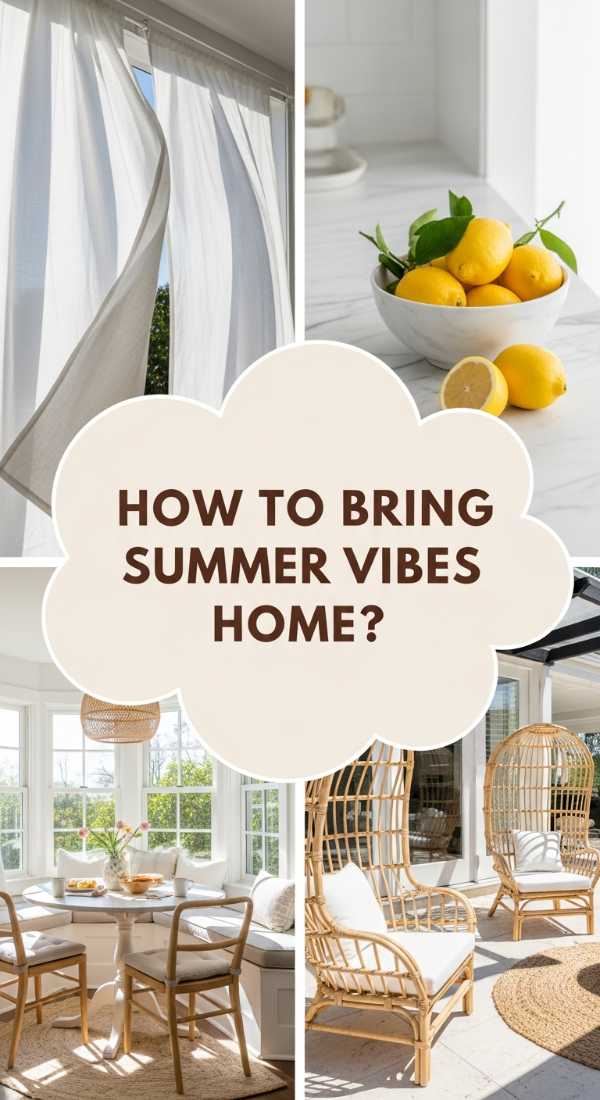
How to Achieve the Perfect Summer Home Glow for Endless Vacay Vibes
Why we love this
This aesthetic captures the ephemeral magic of a coastal July afternoon and freezes it in time. We love it because it relies on the interplay of light and air, using sheer fabrics that dance in the breeze and a palette of bleached whites and sandy beiges that make every day feel like a Saturday. It smells like sea salt and fresh citrus, feeling crisp against the skin like a fresh linen shirt. It’s a design style that strips away the clutter of modern life, leaving only the essential comfort of a sun-soaked sanctuary where the boundary between the indoors and the outdoors blissfully disappears.
Essential Elements:
- Sheer white linen curtains that pool on the floor
- Bleached oak or light-toned rattan furniture
- Oversized glass vases filled with dried pampas grass
- Neutral-toned slipcovered sofas for a relaxed feel
- Natural jute or seagrass area rugs
- Minimalist ceramic lamps in matte sand finishes
How to make it
- Light Harvesting: Start by stripping back heavy window treatments. You want ‘maximum heat’ from the sun. Install sheer panels that allow light to filter through while maintaining privacy, creating a soft, blurry glow throughout the day.
- Cooling the Palette: Paint all walls in a warm white—not a sterile office white, but one with a drop of cream. This serves as your ‘cool-down’ phase, ensuring the brightness doesn’t become harsh or blinding.
- Layering the ‘Breeze’: Incorporate natural fibers like rattan and wicker. These elements should be ‘folded in’ gently; a chair here, a basket there. The goal is a visual lightness that suggests the furniture could almost float away.
- Checking for Doneness: Step back and assess the shadows. If a corner feels too dark, add a mirror to bounce the ‘summer glow’ into the shadows. The room is ‘ready to serve’ when it feels airy, bright, and smells faintly of lemon zest.
How to Design a Whimsical Secret Garden Corner for Daily Magic

Why we love this
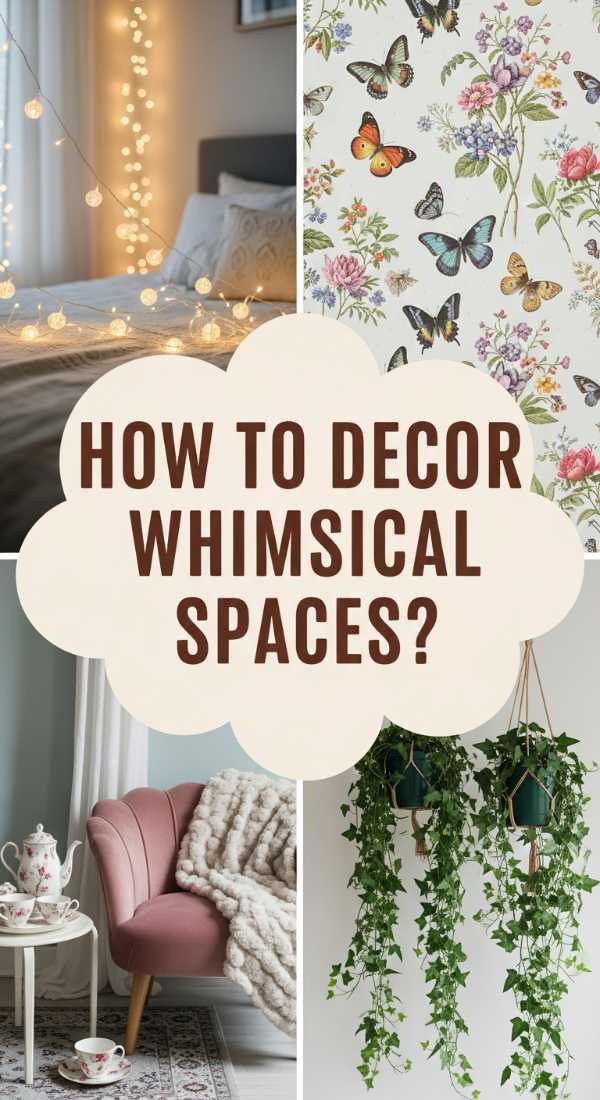
There is something deeply nostalgic and healing about a space that feels like it’s being reclaimed by nature. This ‘secret garden’ aesthetic is a love letter to the whimsical and the overgrown, featuring delicate floral patterns and antique ironwork that look like they’ve been plucked from a Victorian fairytale. We love the sensory richness here—the velvet touch of moss-green cushions, the faint scent of dried rose petals, and the way flickering candlelight plays against botanical wallpaper. It’s a quiet corner dedicated to dreaming, where the rush of the world fades into the soft rustle of leaves and the clink of a porcelain teacup.
Essential Elements:
- Botanical print wallpaper or framed herbarium sheets
- Vintage wrought iron bistro sets or a velvet armchair
- An abundance of indoor vines like Pothos or English Ivy
- Clustered brass candlesticks and mismatched vintage china
- Soft, mood lighting via fairy lights or small tiffany lamps
- Stacks of old, cloth-bound books
How to make it
- Sowing the Seeds: Select a quiet corner and establish your backdrop. Apply a floral or forest-themed wallpaper to create an immediate sense of depth. Treat this like ‘pre-heating’ your space—it sets the entire temperature of the room.
- Cultivating Comfort: Bring in your ‘hero’ piece, like a plush velvet chair in a deep emerald or dusty rose. This is the ‘main ingredient’ that provides the substance. Position it near a window where vines can naturally frame the view.
- Pruning the Accents: Cluster your small objects. Use the ‘rule of three’ for your brass candlesticks and vintage books. Ensure they look ‘naturally tumbled’ rather than staged—you want a ‘visual doneness’ that looks like a curated collection over decades.
- Final Bloom: Drape real or high-quality silk vines over the furniture edges. The cue for completion is when the lines of the furniture begin to soften and blend into the greenery, creating a sense of enchanted mystery.
How to Arrange a Peaceful Catholic Prayer Room for Spiritual Growth
Why we love this
In a world that is loud and demanding, a dedicated prayer room offers a profound sense of silence and reverence. We love this aesthetic for its ability to ground the soul through traditional beauty—the flickering flame of a beeswax candle, the smooth texture of polished olive wood rosaries, and the timeless elegance of sacred art. It feels like a cool cathedral on a hot day; it is a space of weight and significance where every element is chosen to lift the mind toward the divine. The atmosphere is thick with peace, smelling of frankincense and old paper, providing a physical anchor for your daily spiritual journey.
Essential Elements:
- A small, sturdy wooden home altar or prayer desk
- Framed icons or classic religious oil paintings
- A kneeler (prie-dieu) or a comfortable floor cushion
- Votive candles in red or clear glass holders
- A small crucifix as a central focal point
- Shelving for bibles, devotionals, and prayer journals
How to make it
- Sanctifying the Space: Choose a low-traffic area to ensure ‘uninterrupted simmering’ of your thoughts. Clean the space thoroughly—this is the ‘prep work’ that honors the purpose of the room.
- Centering the Focus: Place your crucifix or primary icon at eye level. This is your ‘reduction point’ where all focus should converge. Use a warm spotlight or candlelight to ensure it remains the visual heart of the room.
- Layering the Ritual: Add your sensory elements. Place a small bowl for holy water by the entrance and a holder for incense. The ‘timing’ here is about creating a flow that moves from the physical world into a state of prayer.
- Visual Cues for Peace: The room is ‘done’ when it feels balanced and devoid of secular distractions. If a bright piece of modern tech or a loud color ‘burns’ the serenity, remove it until only the timeless remains.
How to Master Coastal Living Aesthetics for Pure Seaside Serenity

Why we love this
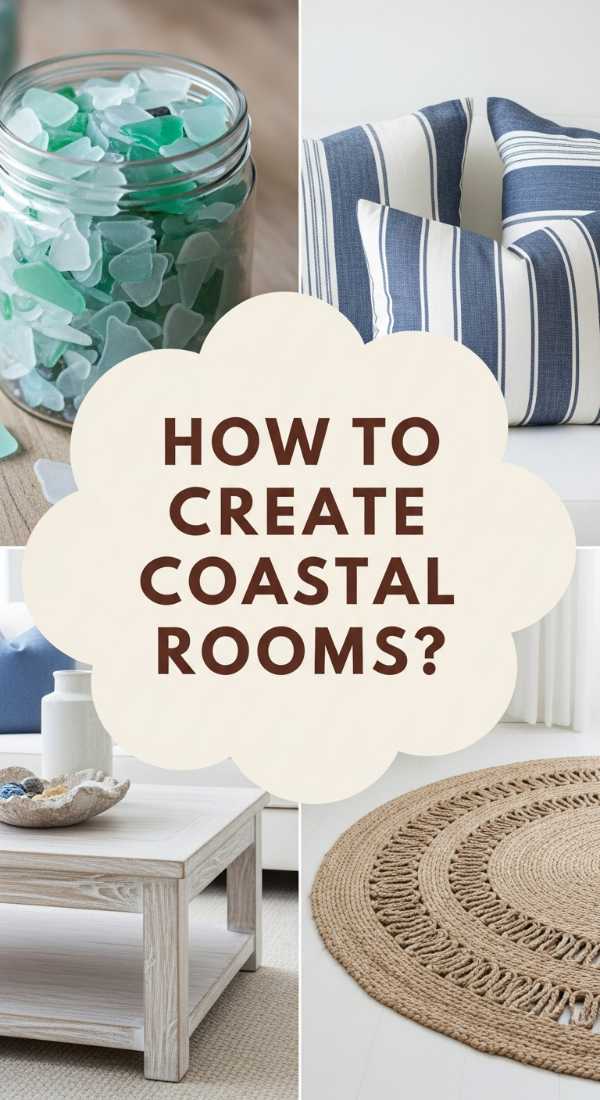
Coastal living is more than just blue and white; it’s about capturing the rhythmic, restorative energy of the tide. We love this look because it brings the outdoors in through organic shapes, weathered woods, and textures that mimic the shoreline. It feels like walking barefoot on cool sand—refreshing, effortless, and deeply calming. The air feels lighter in a coastal room, carrying the imagined scent of salt spray and sun-bleached cedar. It’s an aesthetic that encourages deep breaths and long naps, making the home feel like a permanent sanctuary from the stresses of modern life.
Essential Elements:
- Distressed or ‘driftwood’ finish furniture
- Striped textiles in navy, sky blue, and white
- Large-scale coral or seashell decorative objects
- Woven grasscloth wallpaper for sandy texture
- Nautical accents like rope handles or brass lanterns
- Vibrant green palms or fiddle leaf figs
How to make it
- Washing the Base: Apply a ‘cool-temp’ color palette. Use light blues and soft grays on the walls to mimic a misty morning at sea. This acts as your ‘broth’—it should be light but full of depth.
- Weathering the Elements: Integrate furniture with a visible ‘patina.’ Scuff marks and faded paint are encouraged here; it’s like ‘seasoning’ a cast iron skillet. The more weathered it looks, the more authentic the seaside feel.
- Textural Infusion: Add chunky knit throws and sisal rugs. These provide the ‘grit’ and ‘crunch’ that balance the soft blues. Ensure the textures are varied to keep the eye moving across the room.
- Checking the Tide: Your ‘visual cue for doneness’ is a sense of flow. If the room feels cluttered, it’s ‘over-salted.’ Remove items until the space feels open and breezy, like a clear horizon line.
How to Source Vintage Treasures for a Timeless Heirloom Feel

Why we love this
There is a unique thrill in owning something that has survived decades of history. We love the heirloom aesthetic because it rejects the ‘fast furniture’ culture in favor of soul, substance, and storytelling. A room filled with vintage treasures feels curated rather than decorated, featuring the heavy clink of brass, the rich smell of old leather, and the intricate carvings of solid mahogany. It feels like visiting a sophisticated relative’s library—stately and wise, yet incredibly cozy. These pieces bring a sense of permanence and character that simply cannot be replicated by anything brand new.
Essential Elements:
- Antique oil paintings with ornate gold frames
- Mismatched wooden chairs with original upholstery
- Brass floor lamps and desktop weather stations
- Turkish Oushak rugs with faded, vegetable-dye colors
- Vintage globes, trunks, or typewriters as accents
- Solid wood cabinetry with original glass panes
How to make it
- Slow Sourcing: Do not buy everything at once. This is a ‘slow-braise’ design process. Visit flea markets and estate sales over several months to find pieces that truly ‘speak’ to you.
- Balancing the Ages: Mix your eras. Pair a 1920s chair with an 1800s side table. To prevent the room from looking like a museum, keep the ‘heat’ balanced by using modern, clean-lined lamps next to the antiques.
- Refining the Finish: Clean and polish your finds, but don’t strip the history. Use a high-quality beeswax furniture polish to bring out the ‘glow’ of old wood. This is your ‘glazing’ phase.
- The Heirloom Cue: The room is ‘done’ when it feels like it has a story to tell. Every object should provoke a question. If a piece feels ‘plastic’ or ‘cheap,’ it will spoil the ‘flavor’ of the entire collection.
How to Layer Boho Textures for a Cozy Eclectic Retreat

Why we love this
Boho chic is the ultimate expression of creative freedom and cozy maximalism. We love this look because it prioritizes comfort above all else, using layers upon layers of soft textiles to create a space that feels like a giant, stylish nest. It’s a sensory feast of macramé knots, shaggy wool, and smooth ceramics, all drenched in a palette of warm spices like turmeric, paprika, and cinnamon. It feels global and adventurous, smelling of sandalwood and fresh eucalyptus. It’s the perfect aesthetic for those who want their home to be a vibrant reflection of their nomadic spirit and love for all things handmade.
Essential Elements:
- Macramé wall hangings and plant hangers
- Floor poufs and oversized Moroccan floor pillows
- A mix of patterned textiles (Ikat, Mudcloth, Kilim)
- Floating wooden shelves filled with trailing plants
- Rattan headboards or ‘peacock’ chairs
- Layered rugs (a flatweave over a larger jute)
How to make it
- Layering the Base: Start with the largest rug. This is your ‘pan’—it needs to be big enough to hold all the ingredients. A large jute rug provides the perfect neutral foundation for the spice-colored layers to follow.
- Whisking in Pattern: Introduce your textiles with a ‘bold hand.’ Don’t be afraid to mix patterns, but keep one common color thread (like a specific shade of orange) to ‘bind’ the different prints together.
- Green Garnishing: Add plants at various heights. Hang them, stack them on books, and place them in floor baskets. This adds ‘freshness’ and life, preventing the heavy textiles from feeling dusty or stagnant.
- The Cozy Check: Sit in every seat. If you can’t reach a soft pillow or a cozy throw, the room isn’t ‘cooked’ yet. The ‘visual cue’ is a feeling of soft abundance where no hard edges are left exposed.
How to Refresh a Mobile Home Interior for Stylish Modern Living
Why we love this
Modern mobile home living is a masterclass in intentionality and smart design. We love this aesthetic because it proves that style isn’t dependent on square footage; it’s about making every inch count with bright, clean lines and clever storage solutions. These spaces often feel incredibly ‘hug-like’ and efficient, featuring light-reflective surfaces that make the interior feel double its size. There is a sense of freedom and mobility here, a minimalist ‘tiny house’ vibe that focuses on the quality of the items you choose to keep. It’s a fresh, optimistic take on home that feels adventurous and perfectly tailored.
Essential Elements:
- Light-colored LVP flooring for durability and flow
- Built-in banquette seating with hidden storage
- Vertical shiplap walls to create the illusion of height
- Multi-functional furniture (like nesting tables)
- Bright, white-painted cabinetry with modern brass pulls
- Skylights or oversized windows to maximize natural light
How to make it
- Sieving the Clutter: Before adding anything, remove every unnecessary item. In a small space, clutter is like ‘excess salt’—it ruins the whole dish. Keep only the ‘essentials’ that offer both beauty and function.
- Brightening the ‘Batch’: Paint everything—walls, ceilings, and cabinets—in a consistent light color. This ‘homogenizes’ the space, removing visual breaks and making the room feel like one continuous, expansive ‘batter.’
- Vertical Rise: Use vertical lines to draw the eye up. Install shelving high on the walls and use floor-to-ceiling curtains. This is your ‘leavening agent’—it gives the small space much-needed ‘lift.’
- The ‘Done’ Cues: Walk through the narrowest path. If you don’t bump into anything and the space feels ‘light as air,’ your modern mobile refresh is perfectly ‘baked.’
How to Revive Nineties Nostalgia for a Fun Retro Refresh
Why we love this
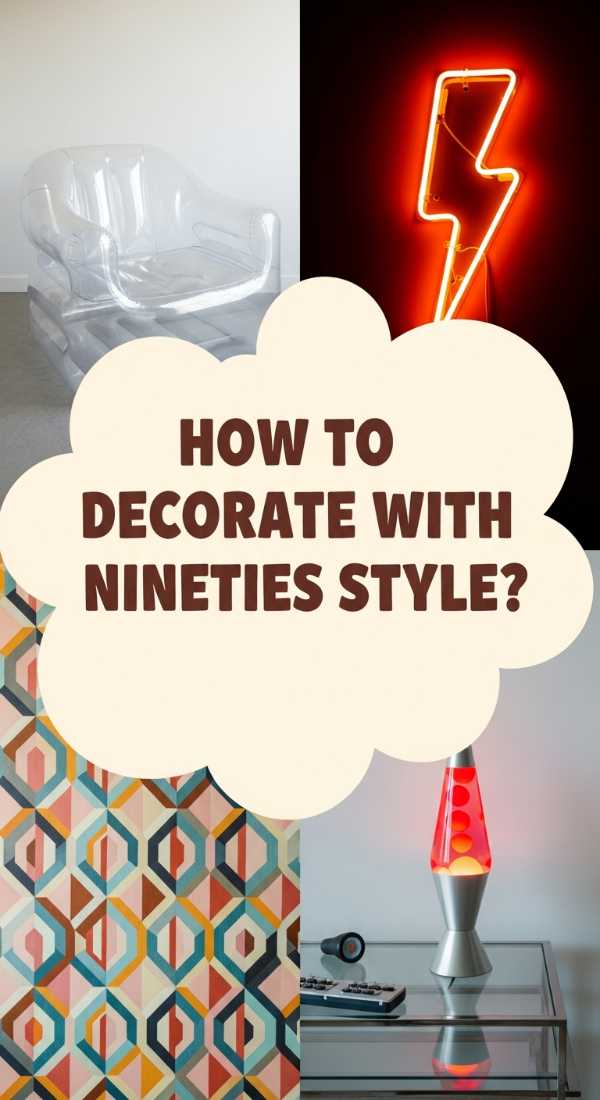
The nineties are back, but this time they’ve grown up into something wonderfully playful yet sophisticated. We love this aesthetic for its unapologetic use of color and geometry—think curvy ‘squiggles,’ primary colors, and a touch of kitsch that doesn’t take itself too seriously. It feels energetic and youthful, like a bowl of fruit loops and Saturday morning cartoons, but elevated with high-quality materials. It’s a sensory playground of smooth plastics, fuzzy neon pillows, and checkered rugs that injects a dose of pure joy into the daily grind. It’s the perfect antidote to the ‘sad beige’ trend, celebrating personality and fun.
Essential Elements:
- Checkered rugs or throw blankets in bold colors
- Inflatable-style glass vases and curvy ‘Ultrafragola’ mirrors
- Primary color accents (Red, Yellow, Blue)
- Lucite or acrylic side tables and shelving
- Post-modern ‘Memphis Group’ inspired patterns
- Neon signage or lava lamps for retro lighting
How to make it
- Setting the Temperature: Choose one ‘hero’ color to dominate the room. Whether it’s a cobalt blue or a hot pink, this is your ‘main heat source.’ Everything else will radiate from this choice.
- Mixing the ‘Texture’: Combine high-shine surfaces (like acrylic) with extreme softs (like faux fur). This ’emulsification’ of textures creates that specific 90s sensory ‘pop’ that feels both retro and current.
- Pattern Folding: Carefully ‘fold in’ checks and swirls. Don’t overmix; one checkered rug and a few wavy pillows are enough. If you add too much, the ‘dough’ of the design will become too heavy and chaotic.
- Visual ‘Ding’: The room is ready when it makes you smile. If it feels too serious, add a ‘quirky’ object like a colorful telephone. The ‘doneness’ is achieved when the space feels ‘fun’ but still functional for an adult.
How to Curate Quirky Objects for a Home That Shows Personality
[IMAGE_10]
Why we love this
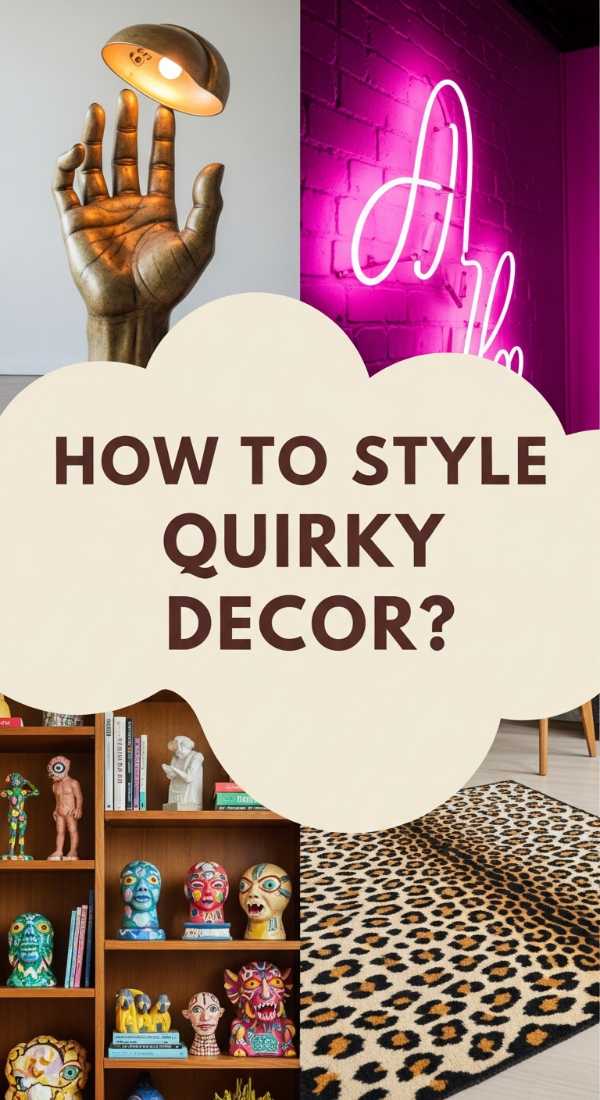
A home should be a reflection of the person who lives there, and nothing says ‘you’ quite like a collection of quirky, one-of-a-kind objects. We love this aesthetic because it breaks all the rules, allowing for a playful dialogue between a ceramic hand, a neon-colored bust, and a vintage ’70s lamp. It feels like an art gallery where you are both the curator and the guest. Every object is a conversation starter, carrying a sense of humor and a bit of the unexpected. This style feels vibrant and intellectually stimulating, proving that the most ‘dreamy’ home is the one that isn’t afraid to be a little bit weird.
Essential Elements:
- Unique sculptural candles and ‘odd’ ceramic vessels
- Gallery walls featuring local art and 3D objects
- Thrifted ‘junk’ turned into gold (like a spray-painted garden gnome)
- Bold, contrasting color palettes (like lilac and lime green)
- Unexpected furniture shapes (scalloped edges or sphere legs)
- Personal collections displayed in ‘cloches’ or shadow boxes
How to make it
- The ‘Base’ Broth: Start with neutral furniture to act as a ‘clear broth.’ This allows your ‘spicy’ and ‘quirky’ ingredients to stand out without competing for attention.
- Sourcing the ‘Wildcards’: Look for items that have an ‘unusual silhouette.’ A lamp that looks like a mushroom or a chair with only three legs. These are your ‘flavor bombs’ that define the dish.
- Plating the Display: Group your quirky objects in ‘vignettes.’ Use different heights and depths to create visual interest. This is the ‘plating’ stage where you ensure every angle looks appetizing and intentional.
- The Personality Test: The curation is ‘done’ when the room feels like a physical manifestation of your inner thoughts. If it looks like a showroom, it’s ‘undercooked.’ Add one more ‘weird’ item until it feels perfectly personal.
Conclusion
Recreating the internet’s most-wanted aesthetics isn’t about following a strict set of rules, but about finding the ‘recipe’ that resonates with your soul. Whether you’re drawn to the sun-soaked peace of a coastal retreat or the vibrant energy of a nostalgic 90s refresh, the secret lies in the details—the textures, the light, and the intentional curation of objects that make you feel truly at home. Remember, your space is a living thing; let it evolve with you. Happy decorating!