
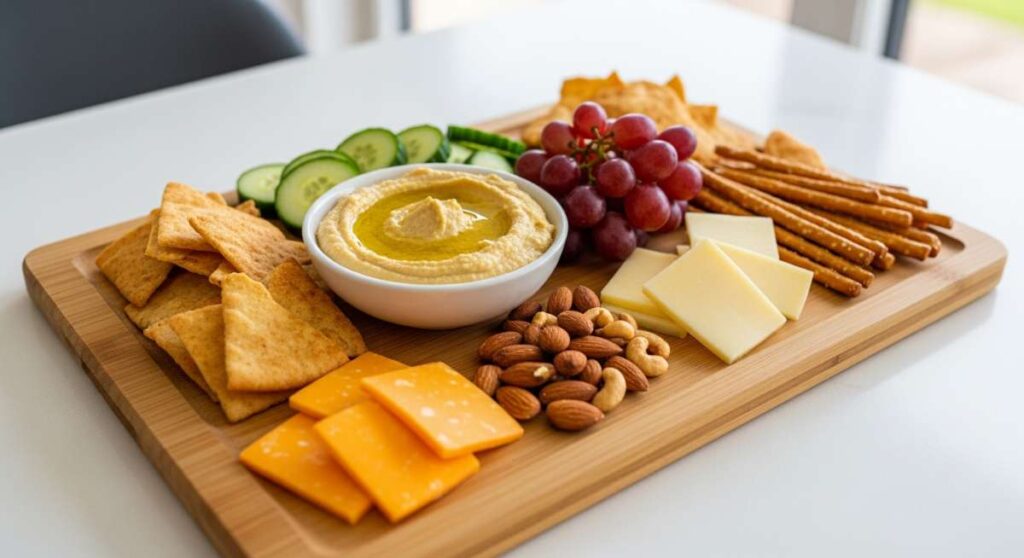
There is something undeniably magical about a shared meal that looks as good as it tastes. We’ve all seen those mesmerizing food boards taking over our social media feeds—vibrant, overflowing displays of texture and color that turn a simple dinner into an interactive experience. But while the aesthetics are what stop the scroll, the heart of a viral food board is the comfort and warmth it brings to your table, inviting everyone to linger a little longer over stories and laughter.
Creating the ultimate food board isn’t just about scattering snacks; it’s about mastering a few key, crave-worthy dishes that anchor the display. Whether you are hosting a cozy movie night or a weekend brunch with your favorite people, these recipes are designed to be the stars of the show. Let’s dive into how you can recreate that viral magic at home with flavors that are just as impressive as the presentation.
How to make authentic miso ramen
Why we love this
There is nothing quite like the soulful embrace of a steaming bowl of miso ramen, where the rich, umami-packed broth coats every single strand of noodle. The aroma of fermented soybean paste mingled with ginger and garlic fills the kitchen, promising a depth of flavor that is both salty and slightly sweet. As you slurp, the silky texture of the broth contrasts beautifully with the tender-crisp toppings, creating a sensory symphony that feels like a warm hug on a rainy afternoon.
Ingredients
- 2 packs fresh ramen noodles
- 4 cups dashi or chicken stock
- 3 tbsp white or red miso paste
- 1 tbsp sesame oil
- 2 cloves minced garlic
- 1 tsp grated ginger
- Toppings: Soft-boiled egg, green onions, nori, and bamboo shoots
How to make it
- Begin by aromatically prepping your base: In a medium pot, heat the sesame oil over medium-low heat and sauté the minced garlic and grated ginger for about 60 seconds until they become fragrant but not browned.
- Slowly pour in your dashi or chicken stock and bring the liquid to a gentle simmer over medium heat; avoid a rolling boil to keep the flavors delicate.
- In a small bowl, whisk the miso paste with a ladleful of the warm stock until completely smooth to ensure no clumps remain, then stir this mixture back into the main pot.
- Cook your ramen noodles in a separate pot of boiling water according to package directions—usually 2-3 minutes—then drain immediately to prevent overcooking.
- Assemble by placing noodles in a deep bowl, pouring the hot miso broth over them, and carefully arranging your soft-boiled egg, sliced green onions, and nori sheets on top for that iconic restaurant look.
How to cook tender steak

Why we love this
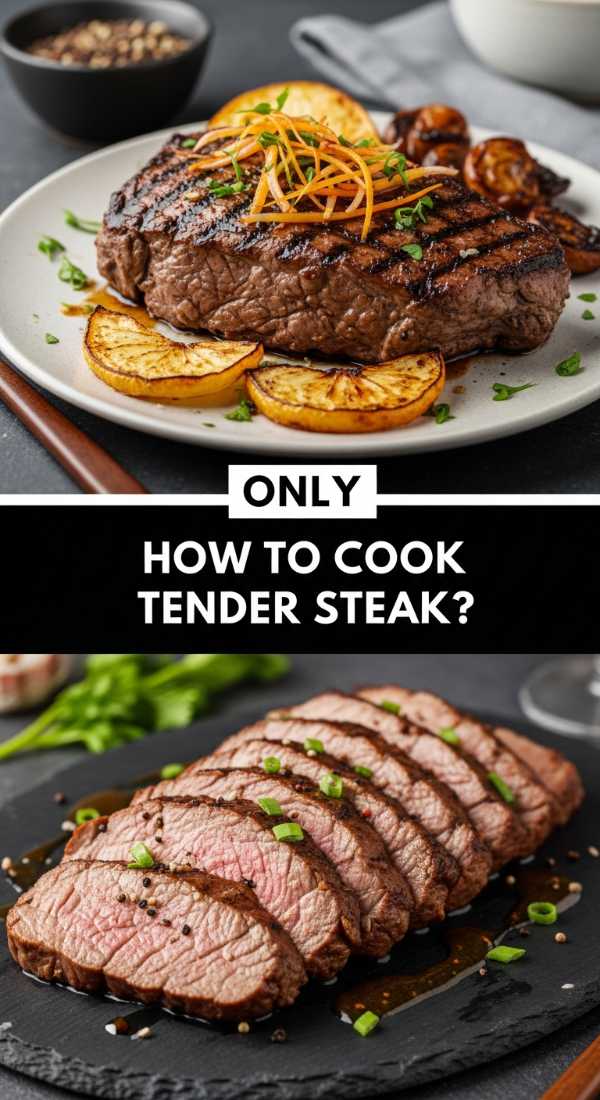
A perfectly cooked steak is the ultimate centerpiece of luxury on any food board, offering a mouthwatering crust that gives way to a buttery, melt-in-your-mouth interior. The scent of browning butter infused with fresh rosemary and smashed garlic creates an irresistible kitchen atmosphere that signals a special occasion. Each bite is a balance of savory juices and a hint of smoke, making it a high-protein indulgence that feels both sophisticated and deeply satisfying.
Ingredients
- 1 lb Ribeye or New York Strip steak (1.5 inches thick)
- 2 tbsp unsalted butter
- 3 cloves garlic, smashed
- 2 sprigs fresh rosemary
- Coarse sea salt and cracked black pepper
- 1 tbsp high-smoke point oil (like grapeseed)
How to make it
- Take the steak out of the refrigerator at least 45 minutes before cooking to allow it to reach room temperature, which ensures even cooking throughout the meat.
- Pat the steak extremely dry with paper towels—moisture is the enemy of a good sear—and season aggressively with sea salt and cracked black pepper on all sides.
- Heat a heavy cast-iron skillet over high heat until it is wisps of smoke are visible; add the oil and carefully lay the steak into the pan, pressing down slightly to ensure contact.
- Sear the steak for about 3 minutes per side without moving it, until a deep, dark golden-brown crust has formed.
- Lower the heat to medium, add the butter, garlic, and rosemary to the pan, and use a spoon to continuously baste the steak with the foaming, flavored butter for another 2-3 minutes until it reaches your desired doneness (130°F for medium-rare).
- Transfer the steak to a cutting board and let it rest for at least 10 minutes before slicing to allow the juices to redistribute back into the fibers.
How to make crispy tempura
Why we love this
Tempura is all about the delicate interplay between a light-as-air, golden batter and the tender, fresh ingredients hidden inside. The satisfying shatter of the thin crust as you bite into a piece of shrimp or sweet potato is addictive, offering a clean, non-greasy crunch that highlights the natural flavors of the food. When served hot, the contrast between the chilled batter and the sizzling oil creates a unique texture that is both airy and incredibly crisp.
Ingredients
- 1 cup all-purpose flour
- 1/4 cup cornstarch
- 1 egg yolk
- 1 cup ice-cold sparkling water
- Assorted vegetables (sweet potato, broccoli, bell peppers) and shrimp
- Neutral oil for deep frying
How to make it
- Prepare your ingredients by slicing vegetables thinly and peeling the shrimp, making sure every piece is completely dry before you begin the battering process.
- Heat at least 2 inches of oil in a wide pot to exactly 350°F (175°C); use a thermometer to maintain this temperature, as oil that is too cool will result in greasy tempura.
- In a bowl, lightly whisk the egg yolk and ice-cold sparkling water; the cold temperature is crucial for preventing gluten development, which keeps the batter light.
- Sift in the flour and cornstarch and mix very briefly with chopsticks—do not overmix, as lumps are actually desirable for a traditional, craggy texture.
- Dip each piece of food into the batter, let the excess drip off, and carefully drop into the hot oil, frying for 2-3 minutes until pale gold and crisp, then drain on a wire rack.
How to bake savory potatoes
Why we love this
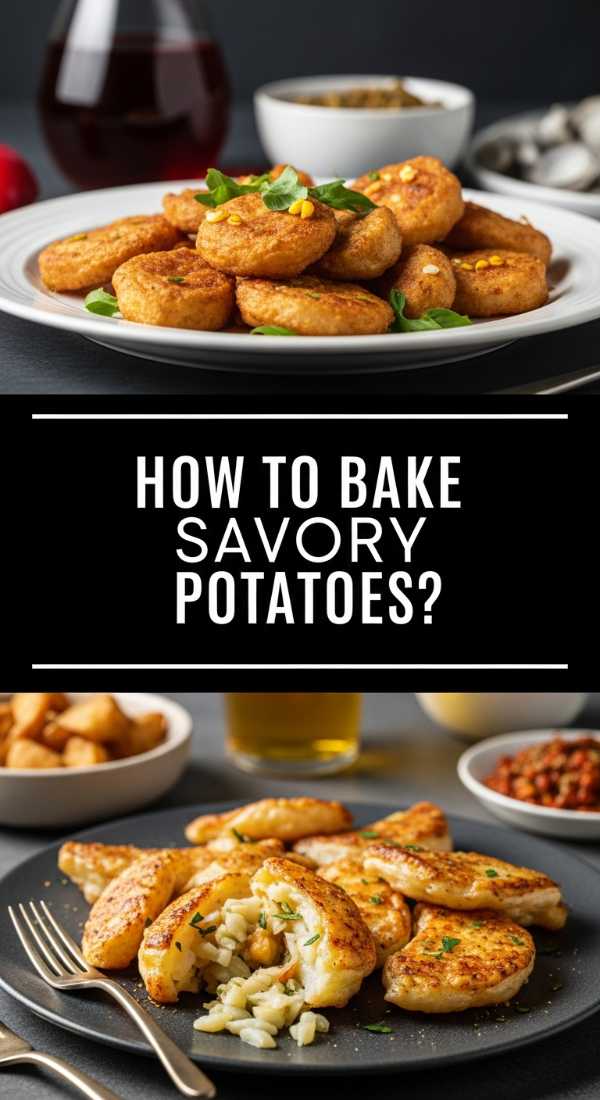
Savory baked potatoes are the ultimate comfort food, providing a rustic charm to your board with their herb-flecked, crispy skins and fluffy, steaming centers. The earthy aroma of roasted Russets mixed with thyme and sea salt creates a grounded, homey feeling that appeals to everyone at the table. They serve as the perfect vessel for various toppings, making them a versatile and crowd-pleasing addition that bridges the gap between snack and meal.
Ingredients
- 4 large Russet potatoes
- 2 tbsp extra virgin olive oil
- 1 tbsp dried thyme
- 1 tsp garlic powder
- Flaky sea salt
- Optional: Sour cream and chives for serving
How to make it
- Preheat your oven to 400°F (200°C) and place a wire rack over a baking sheet to allow hot air to circulate entirely around the potatoes.
- Scrub the potatoes clean and prick them several times with a fork to allow steam to escape, which prevents them from bursting during the baking process.
- Rub each potato generously with olive oil and a mixture of thyme, garlic powder, and flaky salt, ensuring the entire skin is coated for maximum crispness.
- Bake for 50 to 60 minutes; you will know they are done when the skin is brittle and a knife slides into the center with absolutely no resistance.
- Immediately after removing from the oven, slice a slit down the center and gently squeeze the ends to puff up the interior, allowing the steam to release and the potato to stay light.
How to grill teriyaki chicken
Why we love this
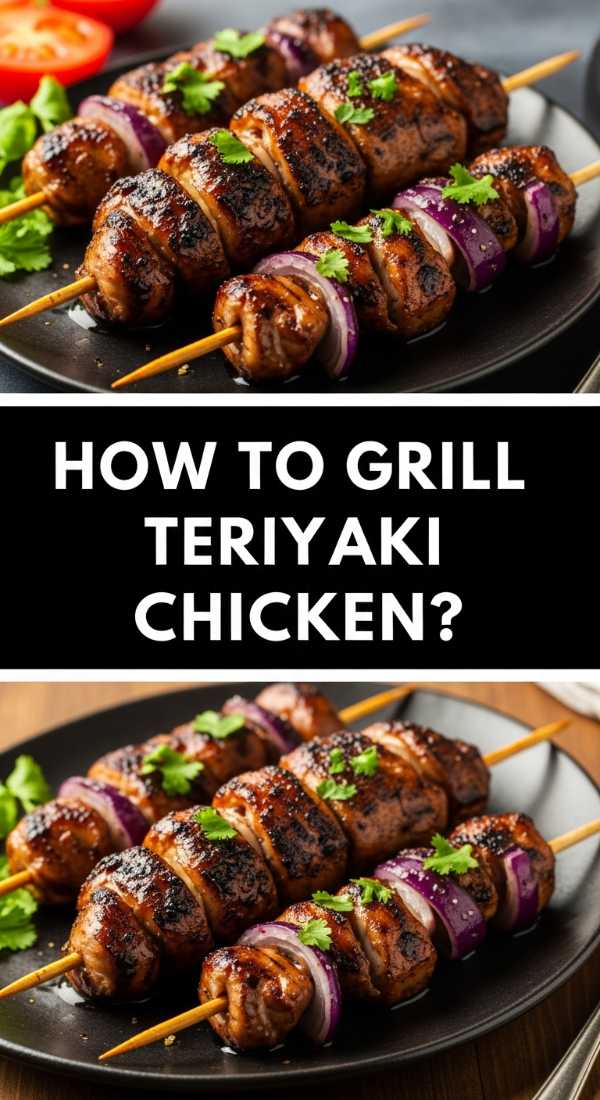
There is a specific joy in the sticky, sweet, and savory glaze of teriyaki chicken as it caramelizes over an open flame, creating those charred, smoky edges we all love. The glossy finish of the sauce makes the chicken look like jewels on the board, while the scent of toasted sesame and ginger provides an instant appetite boost. It’s a dish that manages to be both messy in the best way and sophisticated in its balance of classic Japanese-inspired flavors.
Ingredients
- 1.5 lbs boneless skinless chicken thighs
- 1/2 cup soy sauce
- 1/4 cup mirin
- 2 tbsp brown sugar
- 1 tsp fresh ginger, grated
- 1 tsp toasted sesame seeds
How to make it
- Combine the soy sauce, mirin, brown sugar, and ginger in a small saucepan and simmer over medium heat for 5-8 minutes until the liquid reduces into a thick, syrupy glaze.
- Prepare your grill for medium-high heat and lightly oil the grates to prevent the chicken from sticking.
- Place the chicken thighs on the grill and cook for 5-6 minutes on the first side until distinct grill marks appear and the meat releases easily from the grates.
- Flip the chicken and begin brushing the teriyaki glaze generously over the cooked side using a heat-proof pastry brush.
- Continue cooking for another 5 minutes, flipping and glazing every 60 seconds to build up a thick, lacquered layer of sauce until the internal temperature reaches 165°F.
- Remove from the grill and let the chicken rest for 5 minutes before slicing into strips and sprinkling with toasted sesame seeds.
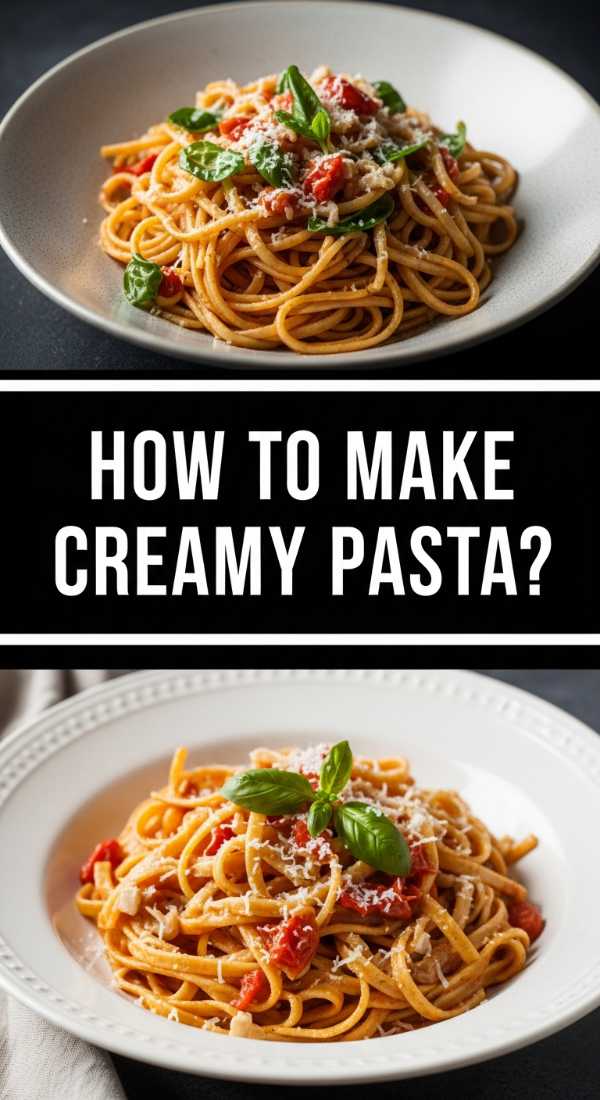
How to make creamy pasta
Why we love this
Creamy pasta is the definition of decadence, featuring a velvety sauce that clings perfectly to every curve of the noodle, promising a rich and comforting experience. The scent of parmesan melting into a garlic-infused cream base is heavenly, evoking the feeling of a high-end Italian bistro right in your dining room. It’s smooth, luxurious, and provides a mild, savory foundation that pairs beautifully with the bolder, spicier elements of a diverse food board.
Ingredients
- 12 oz fettuccine or pappardelle
- 1 cup heavy cream
- 1/2 cup freshly grated Parmesan cheese
- 2 cloves garlic, minced
- 2 tbsp butter
- Fresh cracked black pepper and parsley
How to make it
- Boil a large pot of heavily salted water and cook your pasta until it is just shy of al dente; reserve at least 1 cup of the starchy pasta water before draining.
- In a large skillet over medium heat, melt the butter and gently sauté the minced garlic for about 30 seconds until fragrant, taking care not to let it brown.
- Pour in the heavy cream and bring it to a very low simmer; let it reduce slightly for about 3 minutes until it begins to thicken.
- Whisk in the grated Parmesan cheese gradually, stirring constantly until the sauce is completely smooth and the cheese has fully melted into the cream.
- Toss the pasta directly into the sauce, adding splashes of the reserved pasta water as needed to create a glossy, emulsified coating that sticks to the noodles.
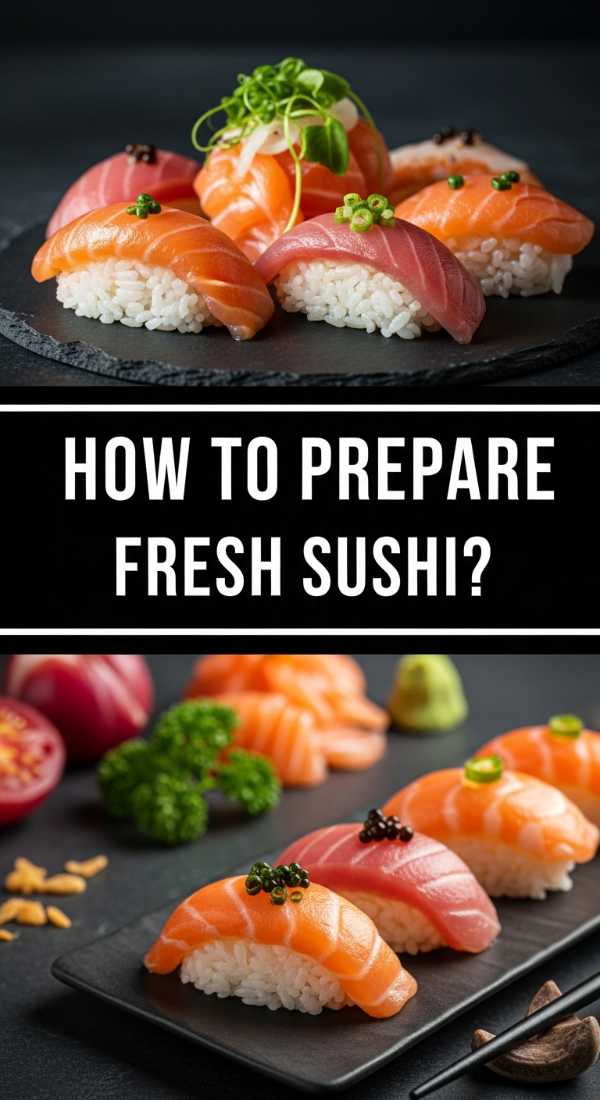
How to prepare fresh sushi
Why we love this
Fresh sushi brings a clean, vibrant aesthetic to the board, offering a refreshing contrast to the cooked components with its bright colors and chilled temperature. The subtle tang of vinegared rice combined with the buttery richness of fresh fish provides a clean palate cleanser that feels light and healthy. Rolling your own sushi is also a wonderful conversation starter, turning the preparation into a fun, tactile activity that guests can enjoy watching or even trying themselves.
Ingredients
- 2 cups sushi rice (prepared with rice vinegar and sugar)
- 4 sheets of Nori (seaweed)
- Sashimi-grade tuna or salmon, sliced into strips
- 1 cucumber, julienned
- 1 avocado, sliced
- Wasabi and pickled ginger for serving
How to make it
- Place a sheet of nori, shiny side down, on a bamboo rolling mat covered with plastic wrap to prevent sticking.
- Wet your hands with water (to stop the rice from sticking to your fingers) and spread a thin, even layer of sushi rice over the nori, leaving about an inch of space at the top edge.
- Arrange a small row of fish, cucumber, and avocado in the center of the rice, being careful not to overstuff the roll.
- Using the bamboo mat, firmly lift the bottom edge of the nori and roll it over the filling, tucking it in tightly as you move upward toward the clear edge.
- Dab a tiny bit of water along the top edge of the nori to seal the roll, then use a very sharp, damp knife to slice the roll into 6-8 uniform pieces.
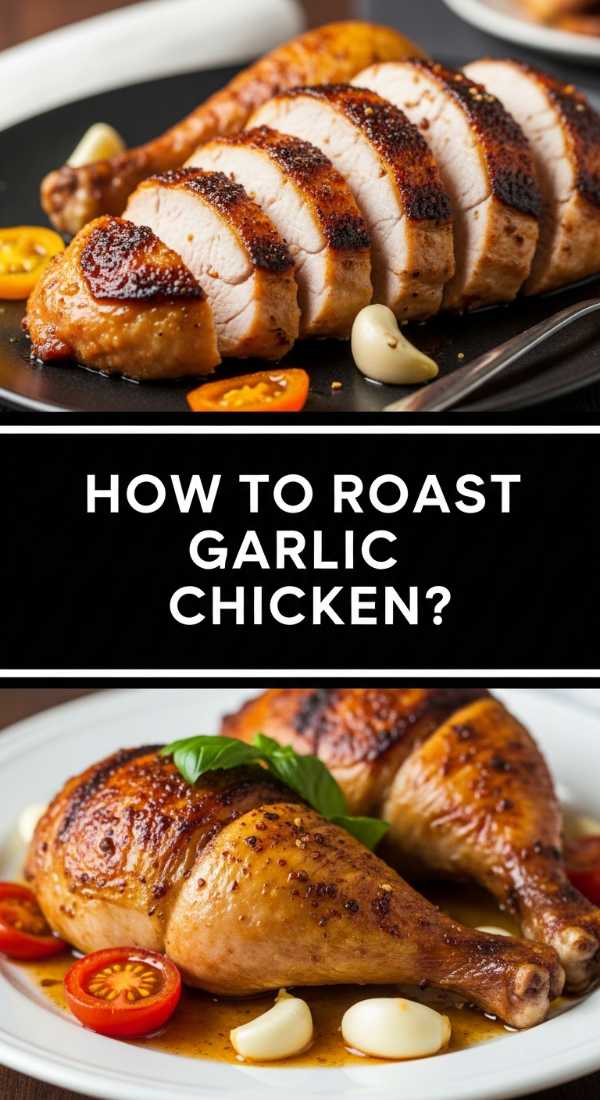
How to roast garlic chicken

Why we love this
Roast garlic chicken is a timeless classic that appeals to the senses with its golden, crackling skin and the aroma of slow-roasted garlic cloves that turn sweet and spreadable. The meat remains incredibly succulent and moist, infused with the fragrance of fresh thyme and butter. It’s the kind of dish that feels substantial and impressive, grounding the food board with a rustic, home-cooked charm that everyone finds irresistible.
Ingredients
- 1 whole chicken (about 4 lbs)
- 40 cloves of garlic, peeled
- 4 tbsp unsalted butter, softened
- 1 bunch fresh thyme
- 1 lemon, halved
- Salt and pepper
How to make it
- Preheat your oven to 425°F (220°C) and ensure the chicken is patted completely dry with paper towels to facilitate a crispy skin.
- Generously season the cavity of the chicken with salt and pepper, then stuff it with the lemon halves and a few sprigs of thyme.
- Rub the softened butter all over the exterior of the skin, getting into all the nooks and crannies, and season the outside heavily with salt.
- Place the chicken in a roasting pan and scatter the 40 cloves of garlic all around the base; the garlic will roast in the chicken drippings to become incredibly flavorful.
- Roast for about 1 hour to 1 hour and 15 minutes, or until the juices run clear and the internal temperature reaches 165°F in the thickest part of the thigh.
- Let the chicken rest for 15 minutes before carving, and serve the soft, roasted garlic cloves alongside the meat for spreading on bread or potatoes.
How to fry crunchy chicken
Why we love this
There is nothing quite as satisfying as the loud, crunchy bite of perfectly fried chicken, where the seasoned flour creates a craggy, golden crust that seals in all the juices. The smell of savory spices like paprika and cayenne wafting from the fryer is an instant crowd-puller, promising a comforting and indulgent treat. It’s a staple for any viral food board because it provides that essential “crunch factor” that keeps people coming back for more.
Ingredients
- 1 lb chicken tenders or thighs
- 2 cups buttermilk
- 2 cups all-purpose flour
- 1 tbsp paprika
- 1 tsp cayenne pepper
- 1 tsp garlic powder
- Vegetable oil for frying
How to make it
- Marinate the chicken in buttermilk for at least 2 hours (or overnight) in the refrigerator; the acidity in the buttermilk tenderizes the meat perfectly.
- In a large shallow bowl, whisk together the flour, paprika, cayenne, and garlic powder to create your seasoned dredge.
- Drip a few tablespoons of buttermilk into the flour mixture and stir with a fork to create small clumps—these clumps become the extra-crunchy bits on the chicken.
- Remove each piece of chicken from the buttermilk, let the excess drip off, and press it firmly into the flour mixture until it is completely and thickly coated.
- Heat oil in a heavy pot to 350°F and fry the chicken in small batches for 6-8 minutes, turning once, until the crust is a deep golden brown and the internal temperature is safe.
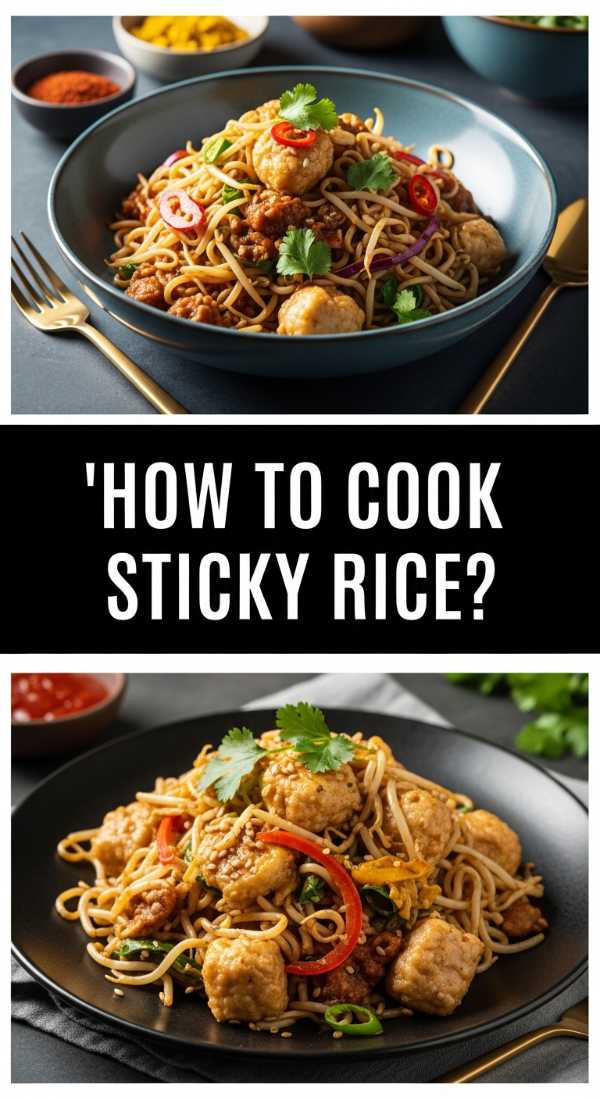
How to cook sticky rice
[IMAGE_10]
Why we love this
Sticky rice is the unsung hero of many great meals, offering a unique, chewy texture that is both satisfying and fun to eat. Its subtle sweetness and ability to be clumped together make it the perfect companion for dipping into sauces or pairing with grilled meats like teriyaki chicken. When cooked correctly, each grain maintains its integrity while clinging to its neighbors, creating a pearlescent, translucent appearance that looks beautiful in a shared spread.
Ingredients
- 2 cups glutinous (sweet) rice
- 2.5 cups water (or coconut milk for a sweeter version)
- A pinch of salt
How to make it
- Rinse the rice in a fine-mesh strainer under cold water until the water runs completely clear; this removes excess surface starch that can make the rice mushy.
- Soak the rice in cold water for at least 4 hours, or ideally overnight; glutinous rice has a different starch structure than regular rice and requires soaking to soften the grain.
- Drain the soaking water and place the rice in a steamer basket lined with cheesecloth or a bamboo steamer.
- Steam over boiling water for 20-25 minutes, flipping the mound of rice halfway through to ensure the top and bottom cook evenly.
- The rice is done when it looks translucent and feels tender but chewy; keep it covered with a damp cloth until the very moment you serve it to prevent it from drying out.
The Final Touch: Assembling Your Board
Now that you have mastered these viral components, the key is assembly. Start by placing your larger bowls (like the ramen and pasta) on the board first to act as anchors. Fill in the gaps with the sliced steak, crunchy chicken, and sushi rolls. Use the roasted garlic and fresh herbs as garnish to fill any small spaces. The beauty of a food board is the lack of perfection—it’s about the abundance and the joy of sharing. Dig in!