

There is a specific kind of magic that happens when the world turns green again, a soft whisper from the earth that invites us back outside to rediscover the treasures hidden in plain sight. For years, I viewed my backyard through a lens of ‘maintenance,’ pulling up what I thought were stubborn weeds, until I realized that the vibrant yellow dandelions dotting my lawn were actually the stars of the internet’s latest obsession: the Simple Food Board. This isn’t just about eating; it’s about slow living, foraged flavors, and the pure joy of turning something humble into a gourmet masterpiece that looks like a literal sunset on a platter.
Creating this board has become my favorite weekend ritual, a way to disconnect from the digital hum and reconnect with the soil. Whether you are hosting a whimsical brunch or just want to treat yourself to a picnic on the living room floor, this collection of dandelion-inspired dishes offers a symphony of flavors—from deep, earthy roasts to bright, citrusy jellies. It’s a sensory journey that proves beauty truly is everywhere if we only know how to cook it. Let’s dive into how you can forage, prep, and plate the ultimate conversation-starter.
How to make dandelion honey?
Why we love this
Dandelion honey, often called ‘vegan honey,’ is a liquid gold that captures the very essence of a sun-drenched meadow in a jar. As it simmers on your stove, your kitchen will fill with a heady, floral aroma that smells like wild nectar and warm afternoons. The texture is thick and silky, coating your tongue with a delicate sweetness that carries a hint of citrus and a deep, botanical undertone. It is the perfect amber-colored centerpiece for your food board, offering a glow that looks as beautiful as it tastes when drizzled over fresh bread.
Ingredients
- 2 cups of fresh dandelion petals (yellow parts only)
- 2 cups of water
- 2 cups of organic cane sugar
- Half a lemon, sliced into rounds
- 1 teaspoon of vanilla bean paste (optional)
How to make it
<1. Start by meticulously separating the yellow petals from the green base (the sepals), as the green parts can introduce an unwanted bitterness to your honey. 2. Place the petals in a medium heavy-bottomed saucepan and add the water and lemon slices, bringing the mixture to a gentle boil over medium-high heat. 3. Once boiling, reduce the heat to low and let it simmer for about 15 minutes, then remove from heat and let the mixture steep overnight or for at least 8 hours to fully extract the floral essence. 4. Strain the infusion through a fine-mesh sieve or cheesecloth, squeezing firmly to get every drop of liquid out, and return the liquid to the clean saucepan. 5. Add the sugar and simmer over low-medium heat, stirring occasionally, for about 45 to 60 minutes until the liquid reduces and thickens to a honey-like consistency; it should coat the back of a spoon. 6. Stir in the vanilla bean paste at the very end, let it cool completely to allow it to thicken further, and store in a sterilized glass jar.
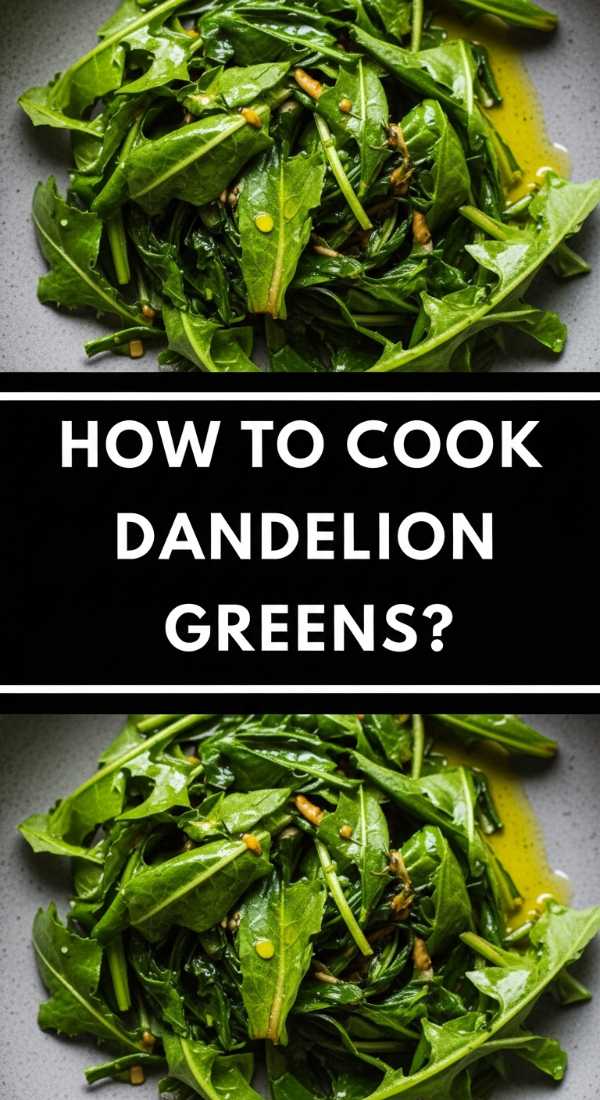
How to cook dandelion greens?

Why we love this
Sautéed dandelion greens are the sophisticated, slightly rebellious cousin of spinach, offering a complex bitterness that wakes up the palate. When tossed in a hot pan with plenty of garlic, the leaves wilt into tender, emerald ribbons that carry the smoky scent of olive oil and the sharp bite of red pepper flakes. There is a satisfying, savory depth to these greens that provides the perfect earthy balance to the sweeter elements on your board. Each bite is a reminder of spring’s vitality, providing a nutrient-dense crunch that feels both indulgent and incredibly healing.
Ingredients
- 1 large bunch of young dandelion greens
- 3 cloves of garlic, thinly sliced
- 2 tablespoons of extra virgin olive oil
- A pinch of red chili flakes
- Sea salt and cracked black pepper to taste
- A squeeze of fresh lemon juice
How to make it
1. Thoroughly wash the dandelion greens in cold water to remove any grit or soil, then pat them dry with a clean kitchen towel. 2. If the greens are more mature and potentially more bitter, blanch them in a pot of boiling salted water for 2 minutes, then immediately plunge them into an ice bath to preserve their vibrant color. 3. Heat the olive oil in a large skillet over medium heat until it shimmer, then add the sliced garlic and chili flakes, sautéing for about 30 seconds until the garlic is fragrant and just beginning to turn a pale golden color. 4. Add the greens to the pan (be careful of splattering if they are still damp) and use tongs to toss them continuously in the garlic oil. 5. Sauté for 3-5 minutes until the greens are completely wilted and tender, but still hold a bit of their structural integrity. 6. Season generously with salt and pepper, remove from heat, and finish with a bright squeeze of lemon juice to cut through the richness of the oil before serving warm.
How to fry dandelion fritters?

Why we love this
Dandelion fritters are the ultimate ‘garden candy,’ a whimsical snack that turns the simple flower head into a crispy, golden delight. Imagine biting through a light, tempura-style crust to find a soft, warm floral center that tastes surprisingly savory, almost like a cross between a mushroom and a zucchini blossom. The aroma is irresistibly buttery and fried, making them a crowd favorite that disappears from the board in seconds. They add a beautiful structural height and a satisfying crunch to your display, looking like little sunbursts caught in a golden net of batter.
Ingredients
- 20-30 freshly picked dandelion heads (stems removed)
- 1 cup of all-purpose flour
- 1 teaspoon of baking powder
- 1/2 teaspoon of garlic powder
- 1 large egg
- 3/4 cup of cold sparkling water
- Vegetable oil for frying
How to make it
1. Carefully rinse the dandelion heads and pat them very dry on paper towels; moisture is the enemy of a crispy fritter. 2. In a medium bowl, whisk together the flour, baking powder, garlic powder, and a pinch of salt until well combined. 3. In a separate small bowl, beat the egg and then whisk in the cold sparkling water; the carbonation helps create a light, airy batter. 4. Gradually fold the wet ingredients into the dry ingredients until just combined, being careful not to overmix, as a few lumps are perfectly fine for this texture. 5. Heat about half an inch of vegetable oil in a heavy skillet over medium-high heat until it reaches approximately 350°F (175°C); you can test it by dropping a bit of batter in to see if it sizzles immediately. 6. Holding each dandelion head by the base of the petals, dip it into the batter to coat thoroughly, then carefully place it face-down into the hot oil. 7. Fry for 2-3 minutes per side until they reach a deep golden brown, then drain on a wire rack or paper towels and sprinkle with a touch of flaky salt while still hot.
How to make dandelion pesto?

Why we love this
This pesto is a vibrant, neon-green explosion of flavor that adds a punchy, herbaceous kick to any food board. It takes the sharp, peppery notes of the dandelion leaves and softens them with the buttery richness of toasted nuts and the salty tang of aged Parmesan cheese. The aroma is incredibly fresh—like a mown lawn meeting a gourmet kitchen—and the texture is thick and rustic, perfect for spreading onto crusty baguette slices. It’s a bold, sophisticated condiment that proves ‘weeds’ can hold their own against the finest basil in the world.
Ingredients
- 2 cups of packed young dandelion leaves
- 1/2 cup of toasted walnuts or pine nuts
- 2 cloves of garlic
- 1/2 cup of freshly grated Parmesan cheese
- 1/2 cup of extra-virgin olive oil
- 1 tablespoon of lemon zest
- Salt and pepper to taste
How to make it
1. Begin by toasting your walnuts or pine nuts in a dry skillet over medium heat for 3-5 minutes, shaking the pan frequently until they are golden and fragrant to unlock their oils. 2. Place the cleaned and dried dandelion leaves, the toasted nuts, the garlic cloves, and the lemon zest into a food processor. 3. Pulse the mixture several times until the leaves are coarsely chopped, then add the grated Parmesan cheese. 4. With the processor running on a low setting, slowly drizzle in the olive oil in a steady stream to create a smooth, emulsified sauce. 5. Stop the processor and scrape down the sides with a spatula to ensure every bit of leaf is incorporated into the paste. 6. Taste the pesto and add salt and pepper as needed; the dandelion leaves vary in bitterness, so you may need an extra pinch of salt to balance the profile. 7. Transfer to a bowl and top with a thin layer of olive oil to prevent oxidation before serving.
How to brew dandelion tea?

Why we love this
Sipping on dandelion tea is like drinking a warm hug from the earth itself, offering a grounding, toasted flavor that is both cleansing and comforting. Whether brewed from the bright yellow petals for a light, floral infusion or from the roasted roots for a coffee-like depth, the aroma is subtly sweet and remarkably soothing. It serves as the perfect ‘palate cleanser’ on a food board, providing a steam-filled mug of wellness that balances out the richer, fried elements. Its pale gold hue in a glass mug adds a serene, aesthetic touch to your lifestyle spread.
Ingredients
- 1/2 cup of fresh dandelion flowers or 1 tablespoon of dried roasted dandelion root
- 2 cups of filtered water
- A slice of fresh ginger (optional)
- Raw honey or maple syrup to sweeten
- A sprig of fresh mint for garnish
How to make it
1. If using flowers, ensure you have removed all the green bits to avoid a bitter brew; if using root, ensure it is cleaned and finely chopped or ground. 2. Bring your filtered water to a rolling boil in a kettle or small pot. 3. Place your prepared dandelions and the optional ginger slice into a teapot or a large heat-proof glass jar. 4. Pour the boiling water over the dandelions and cover the container immediately to trap the volatile oils and beneficial steam inside. 5. Let the tea steep for about 5-10 minutes for flower tea, or 10-15 minutes for root tea to achieve a robust flavor profile. 6. Strain the tea through a fine-mesh tea strainer into your favorite mug, discarding the solids. 7. Stir in your sweetener of choice while the liquid is still hot, and garnish with a fresh mint leaf for a pop of color and a cooling finish.
How to make dandelion jelly?

Why we love this
Dandelion jelly is often described as ‘sunshine in a jar,’ and one look at its translucent, shimmering yellow body explains why. It has a delicate, honey-forward flavor with a surprisingly bright citrus finish that sparkles on the tongue. Spreading this over a cracker with a bit of goat cheese creates a gourmet experience that is both sweet and tangy, a true testament to the versatility of the forage-to-table movement. Its jewel-toned appearance makes it a standout star on any board, catching the light and inviting everyone to take a taste of spring.
Ingredients
- 4 cups of dandelion ‘tea’ (petals steeped in water and strained)
- 1/4 cup of lemon juice
- 1 box (1.75 oz) of powdered fruit pectin
- 4.5 cups of granulated sugar
How to make it
1. Prepare your dandelion tea by steeping 2 cups of petals in 4 cups of boiling water for several hours, then straining thoroughly. 2. Pour the 4 cups of strained tea into a large, deep pot (the mixture will foam up, so a tall pot is essential) and stir in the lemon juice. 3. Whisk in the powdered pectin until it is completely dissolved and there are no visible lumps. 4. Place the pot over high heat and bring the mixture to a full, rolling boil that cannot be stirred down. 5. Once the boil is reached, pour in all of the sugar at once, stirring constantly to incorporate it fully. 6. Bring the mixture back to a full rolling boil and let it boil vigorously for exactly one minute, continuing to stir to prevent the sugar from scorching. 7. Remove the pot from the heat and skim off any white foam from the surface with a metal spoon. 8. Pour the hot jelly into sterilized jars, leaving a quarter-inch of headspace, and let them sit undisturbed for 24 hours to set before serving or storing.
How to toss dandelion salad?

Why we love this
A fresh dandelion salad is the epitome of garden-chic, offering a crisp, peppery bite that feels incredibly revitalizing. The jagged, dark green leaves provide a stunning visual contrast to bright red radishes or creamy white feta, creating a canvas that looks like a Dutch still-life painting. When dressed in a simple, zesty vinaigrette, the greens lose their aggressive edge and instead become a refreshing, tonic-like component of your board. It’s light, crunchy, and packed with the kind of ‘wild’ energy that makes a simple meal feel like a special occasion.
Ingredients
- 4 cups of very young, tender dandelion leaves
- 1/2 cup of thinly sliced radishes
- 1/4 cup of toasted sunflower seeds
- 2 tablespoons of crumbled goat cheese or feta
- Dressing: 3 tbsp olive oil, 1 tbsp apple cider vinegar, 1 tsp Dijon mustard, 1 tsp honey
How to make it
1. Select only the youngest dandelion leaves (those that haven’t flowered yet are the least bitter) and wash them in ice-cold water to ensure maximum crispness. 2. Spin the leaves dry in a salad spinner or pat them very gently with a soft cloth to avoid bruising the delicate foliage. 3. In a small glass jar, combine the olive oil, apple cider vinegar, Dijon mustard, and honey, then shake vigorously until the dressing is fully emulsified. 4. Place the greens in a large wooden bowl and add the sliced radishes and sunflower seeds for a variety of textures. 5. Drizzle about half of the dressing over the salad and use your hands or light tongs to toss gently, ensuring every leaf is lightly coated but not weighted down. 6. Sprinkle the crumbled cheese over the top at the very end so it stays in distinct, creamy pockets. 7. Serve immediately to maintain the crunch and vibrancy of the greens.
How to roast dandelion root?

Why we love this
Roasted dandelion root is the dark, mysterious element of the dandelion world, offering a flavor profile that is surprisingly rich, smoky, and reminiscent of dark cocoa or chicory. When the roots are slowly baked in the oven, they release a deep, nutty aroma that feels incredibly grounding and autumnal, even in the heart of spring. It provides a sophisticated, ‘adult’ flavor to your board, whether used as a coffee substitute or a crunchy, earthy topping. The process of harvesting and roasting the roots is a slow-living art form that rewards patience with a truly unique taste.
Ingredients
- A handful of large, sturdy dandelion roots
- Water for scrubbing
- Optional: A drizzle of melted coconut oil for a richer roast
How to make it
1. Dig up the roots using a garden fork, aiming for the long taproots; spring or fall is the best time for harvesting these. 2. Soak the roots in a bowl of cool water for 10 minutes to loosen the soil, then use a stiff vegetable brush to scrub them until they are clean and white/tan in color. 3. Pat the roots dry and chop them into uniform, small pieces (about the size of a coffee bean) to ensure they roast evenly. 4. Spread the pieces out in a single layer on a parchment-lined baking sheet, ensuring they are not crowded. 5. Preheat your oven to 300°F (150°C) and place the baking sheet inside, roasting for 30 to 50 minutes. 6. Every 15 minutes, stir the pieces and check for color; you want them to be a deep chocolate brown and completely dry, but not black or burnt. 7. Once they smell toasted and look dark, remove them from the oven and let them cool completely; they will become crunchier as they cool and can then be ground or used whole.
How to pickle dandelion buds?

Why we love this
Commonly referred to as ‘poor man’s capers,’ pickled dandelion buds are tiny explosions of briny, acidic joy that cut right through the richness of any cheese or meat on your board. These tight, unopened green jewels have a firm, snappy texture that releases a burst of vinegar and floral spice when bitten. They add a sophisticated, chef-inspired touch to your food board, looking like tiny, exotic botanical specimens preserved in glass. Their salty-sour profile is incredibly addictive, making them the perfect companion for a sharp cheddar or a creamy brie.
Ingredients
- 1 cup of tight, firm dandelion buds (no yellow showing)
- 1/2 cup of white wine vinegar
- 1/2 cup of water
- 1 teaspoon of sea salt
- 5 peppercorns and 1 clove of garlic, smashed
How to make it
1. Gather only the buds that are still tucked deep in the foliage and have not yet begun to open; they should feel very firm to the touch. 2. Wash the buds thoroughly in a sieve to remove any insects or dirt, then trim away any excess stem or loose outer leaves. 3. In a small stainless steel saucepan, combine the white wine vinegar, water, sea salt, peppercorns, and the smashed garlic clove. 4. Bring the brine to a rolling boil over medium-high heat, stirring until the salt has completely dissolved. 5. Place the clean dandelion buds into a small, sterilized glass jar, leaving about half an inch of space at the top. 6. Carefully pour the boiling brine over the buds until they are completely submerged, ensuring the garlic and peppercorns make it into the jar. 7. Seal the jar with a tight-fitting lid and let it cool on the counter before transferring to the refrigerator. 8. For the best flavor development, allow the buds to pickle for at least 3 to 5 days before adding them to your food board.
How to cook dandelion syrup?
[IMAGE_10]
Why we love this
Dandelion syrup is a silky, viscous delight that brings a touch of whimsical elegance to cocktails, pancakes, or yogurt bowls. It has a lighter, more floral profile than honey, with a clarity that lets the subtle ‘green’ notes of the plant shine through a wall of sweetness. The aroma is like a concentrated spring morning, sweet and grassy in the best way possible. Drizzling this over the elements of your board adds a professional, finished look, creating glossy surfaces that catch the light and tie all the foraged flavors together in a cohesive, sugary embrace.
Ingredients
- 3 cups of yellow dandelion petals
- 3 cups of water
- 3 cups of granulated sugar
- 1 slice of lemon
- 1/2 a vanilla bean, split (optional)
How to make it
1. Ensure all green parts are removed from the petals, as even a small amount of green will make the syrup taste more like grass than flowers. 2. Place the petals, water, and lemon slice (and the vanilla bean if using) into a pot and bring to a simmer over medium heat. 3. Let the mixture simmer gently for 20 minutes, then remove from the heat and cover, allowing it to steep for at least 4 hours to intensify the infusion. 4. Strain the mixture through a very fine cloth, squeezing out as much of the floral essence as possible into a clean pot. 5. Add the sugar to the liquid and place over medium heat, stirring constantly until the sugar is fully dissolved. 6. Increase the heat slightly to bring it to a very gentle boil, then lower it back to a simmer; cook for about 20-30 minutes until the liquid has reduced and reached a syrupy consistency. 7. Keep in mind that the syrup will thicken significantly as it cools, so remove it from the heat while it is still slightly more fluid than you want the final product to be. 8. Pour into a glass bottle and store in the fridge for up to a month.
The Art of the Foraged Board
Building the internet’s favorite simple food board is about more than just the recipes—it’s about the story you tell with your ingredients. By taking the ‘common weed’ and elevating it through these ten distinct techniques, you create a culinary experience that is visually stunning, intellectually engaging, and incredibly delicious. Arrange your fritters in the center, surround them with bowls of pesto and jelly, and tuck your fresh salad and pickled buds into the gaps. The result is a vibrant, sun-kissed celebration of nature that will leave your guests (and your followers) absolutely mesmerized. Happy foraging!