

How to Build the Perfect Aesthetic Food Board on a Budget
There is something inherently magical about the transition from spring to summer, when the world transforms into a carpet of vibrant green and speckled gold. I remember sitting on my back porch, watching the sun dip low, and realizing that the very ‘weeds’ I had been trying to pull were actually the key to the most stunning, budget-friendly aesthetic food board I could ever imagine. We often spend a fortune at the specialty grocer trying to find that ‘unique’ edge for our grazing platters, but the truth is, some of the most sophisticated flavors are waiting right in your backyard, completely free and overflowing with sunshine.
Building a dandelion-themed food board isn’t just about the food; it’s about a lifestyle of mindfulness and resourcefulness. It’s that cottagecore dream brought to life on a wooden plank—textures of crispy fried petals, deep emerald pesto, and amber-hued jellies. It’s a conversation starter that tastes like a meadow and looks like a Pinterest board come to life. In this guide, I’m going to show you how to take the humble dandelion and elevate it into a viral-worthy spread that will leave your guests breathless without costing you a single cent in produce.
How to make dandelion honey

Why we love this
Dandelion honey, or ‘crie d’or,’ is a luscious, vegan-friendly alternative to bee honey that captures the very essence of a sun-drenched field in a jar. As it simmers, your kitchen will be filled with a heady, floral aroma that smells like wild meadows and warm afternoon light. The texture is thick and velvety, coating your tongue with a delicate sweetness that has just a hint of citrusy brightness, making it the perfect golden centerpiece for your aesthetic board. It looks absolutely stunning drizzled over soft cheeses or crusty bread, shimmering like liquid gold under the dining room lights.
Ingredients
- 4 cups dandelion yellow petals (green sepals removed)
- 4 cups water
- 1 lemon, sliced into rounds
- 1 orange, sliced into rounds
- 3 cups granulated sugar
- A pinch of salt
How to make it
- Begin by meticulously separating the yellow petals from the green base (the sepals) of the dandelion; any green left behind will impart a bitter taste, so take your time to ensure only the vibrant yellow fluff remains.
- In a large heavy-bottomed saucepan, combine the dandelion petals, 4 cups of water, lemon slices, and orange slices, then bring the mixture to a gentle boil over medium-high heat.
- Once boiling, reduce the heat to a simmer and let it cook for about 15 minutes, then remove from the heat, cover the pot, and allow the infusion to steep overnight (or at least 8 hours) to extract every bit of floral flavor.
- The following day, strain the liquid through a fine-mesh sieve or a piece of cheesecloth into a clean pot, squeezing the petals and fruit slices firmly to release all the concentrated juices.
- Add the sugar and a pinch of salt to the strained liquid, then simmer over low-medium heat for about 1 to 2 hours, stirring occasionally; you are looking for the liquid to reduce and thicken until it reaches a honey-like consistency that coats the back of a spoon.
- Pour the finished dandelion honey into sterilized glass jars and let it cool completely, where it will continue to thicken into a beautiful, spreadable amber nectar.
How to fry dandelion blossoms

Why we love this
Fried dandelion blossoms are the ultimate woodland delicacy, offering a satisfying, tempura-like crunch that gives way to a tender, slightly nutty heart. There is something incredibly whimsical about eating a whole flower that has been transformed into a savory, golden nugget of joy. The aroma of the hot batter hitting the oil is reminiscent of a high-end bistro, yet the flavor is uniquely earthy and light. These little blossoms add a sculptural, elevated element to your food board, providing that essential ‘crunch’ factor that makes every bite of a grazing platter so addictive.
Ingredients
- 2 cups fresh dandelion blossoms (stems removed, but base intact)
- 1 cup all-purpose flour
- 1/2 teaspoon garlic powder
- 1/2 teaspoon smoked paprika
- 1 cup sparkling water (ice cold)
- Neutral oil for frying (like grapeseed or vegetable oil)
- Flaky sea salt for finishing
How to make it
- Rinse your dandelion blossoms gently in cool water to remove any tiny hitchhikers or dust, then pat them completely dry with a paper towel; moisture is the enemy of a crisp fry, so ensure they are bone-dry.
- In a medium mixing bowl, whisk together the flour, garlic powder, and smoked paprika until well combined, then slowly pour in the ice-cold sparkling water, whisking gently just until a thin, slightly lumpy batter forms.
- Pour about 2 inches of oil into a deep skillet or Dutch oven and heat it over medium-high heat until it reaches 350°F (175°C); you can test the heat by dropping a bit of batter in—it should sizzle and float immediately.
- Hold a dandelion blossom by its base, dip it into the batter until fully coated, and then carefully lower it into the hot oil, repeating with a few blossoms at a time to avoid crowding the pan.
- Fry the blossoms for about 2-3 minutes, turning them once with a slotted spoon, until they are a pale golden brown and incredibly crisp to the touch.
- Transfer the fried flowers to a wire rack or a paper-towel-lined plate to drain, and immediately sprinkle with flaky sea salt while they are still hot to ensure the seasoning sticks perfectly.
How to cook dandelion greens

Why we love this
Cooking dandelion greens is an exercise in balancing bold, sophisticated flavors, resulting in a side dish that feels both rustic and refined. When properly prepared, the initial bitterness of the leaves mellows into a deep, savory complexity that pairs beautifully with the richness of garlic and the brightness of lemon. The texture is silky and tender, with an aroma that is fresh and vegetal, like the first breath of spring air in a forest clearing. These greens add a gorgeous pop of deep emerald to your board, acting as a savory anchor for the sweeter components.
Ingredients
- 1 large bunch of fresh dandelion greens
- 2 tablespoons extra-virgin olive oil
- 3 cloves garlic, thinly sliced
- A pinch of red pepper flakes
- 1 tablespoon lemon juice
- Salt and cracked black pepper to taste
How to make it
- Wash the dandelion greens thoroughly in several changes of cold water to remove any grit, then trim off the tough bottom inch of the stems and chop the remaining leaves into 2-inch pieces.
- To significantly reduce the natural bitterness, blanch the greens by dropping them into a pot of boiling salted water for exactly 2 minutes, then immediately plunging them into an ice-water bath to stop the cooking process.
- Drain the blanched greens well and squeeze out any excess water with your hands or a clean kitchen towel until they are relatively dry.
- In a large skillet, heat the olive oil over medium heat and add the sliced garlic and red pepper flakes, sautéing for about 1 minute until the garlic is fragrant and just beginning to turn a golden blonde.
- Add the blanched greens to the skillet, tossing them with tongs to coat in the garlic oil, and sauté for 3-5 minutes until they are heated through and have absorbed the flavors.
- Finish the dish by stirring in the lemon juice and seasoning generously with salt and pepper, ensuring the acid cuts through the richness of the oil for a perfectly balanced bite.
How to brew dandelion tea

Why we love this
Dandelion tea is a soothing, ritualistic beverage that brings a sense of calm and wellness to any food board presentation. Whether brewed from fresh petals for a light, floral infusion or roasted roots for a deep, coffee-like richness, the tea carries an earthy fragrance that grounds the senses. It has a beautiful, clear golden hue that looks stunning served in vintage glassware, offering a digestive-friendly pairing for the heavier items on your platter. Sipping this tea feels like drinking a warm hug from nature, with a gentle sweetness that lingers pleasantly on the palate.
Ingredients
- 2 tablespoons dried dandelion leaves or 1/2 cup fresh petals
- 2 cups boiling water
- 1 teaspoon honey (optional)
- A slice of fresh ginger (optional)
How to make it
- If using fresh petals, ensure they are thoroughly cleaned and free of any green parts; if using dried leaves, measure out 2 tablespoons per two cups of water for a robust flavor.
- Place the dandelion components and an optional slice of ginger into a teapot or a large heat-proof glass carafe.
- Bring fresh, filtered water to a rolling boil, then pour it directly over the dandelions, ensuring all the plant material is submerged.
- Cover the teapot to trap the essential oils and steam, and allow the tea to steep for 5 to 10 minutes depending on how strong you prefer the earthy notes to be.
- Strain the tea through a fine-mesh strainer into individual cups or a serving pitcher, discarding the spent petals or leaves.
- Serve the tea hot with a stir of dandelion honey for a thematic touch, or pour it over ice for a refreshing, floral iced tea that cleanses the palate between bites of food.
How to make dandelion jelly
Why we love this
Dandelion jelly is essentially ‘sunshine in a jar,’ a translucent, shimmering preserve that captures the whimsical beauty of a spring morning. It has a delicate, honey-like flavor with a surprising depth that reminds one of clover and apricot. The texture is perfectly set—firm enough to hold its shape on a cracker but soft enough to spread effortlessly over a wedge of brie. The visual appeal of this jelly is unmatched; its bright yellow clarity acts as a jewel on your aesthetic board, catching the light and inviting guests to try something truly unique and handcrafted.
Ingredients
- 2 cups dandelion ‘tea’ (strong infusion of petals)
- 2 tablespoons lemon juice
- 1 box (1.75 oz) powdered fruit pectin
- 3 cups granulated sugar
How to make it
- Start by creating a concentrated dandelion ‘tea’ by steeping 2-3 cups of yellow petals in boiling water for several hours, then straining and measuring out exactly 2 cups of the liquid.
- In a large, deep pot, combine the dandelion tea, lemon juice, and the powdered pectin, whisking vigorously to ensure there are no lumps of pectin remaining.
- Place the pot over high heat and bring the mixture to a full, rolling boil (a boil that cannot be stirred down), stirring constantly to prevent scorching.
- Once the rolling boil is achieved, pour in the sugar all at once and stir rapidly until the sugar is completely dissolved.
- Return the mixture to a full rolling boil and boil hard for exactly 1 minute, timed carefully to ensure the pectin sets the jelly correctly.
- Remove the pot from the heat, skim off any foam that has risen to the top with a metal spoon, and pour the hot liquid into sterilized jars, leaving a 1/4 inch headspace before sealing and allowing to set for 24 hours.
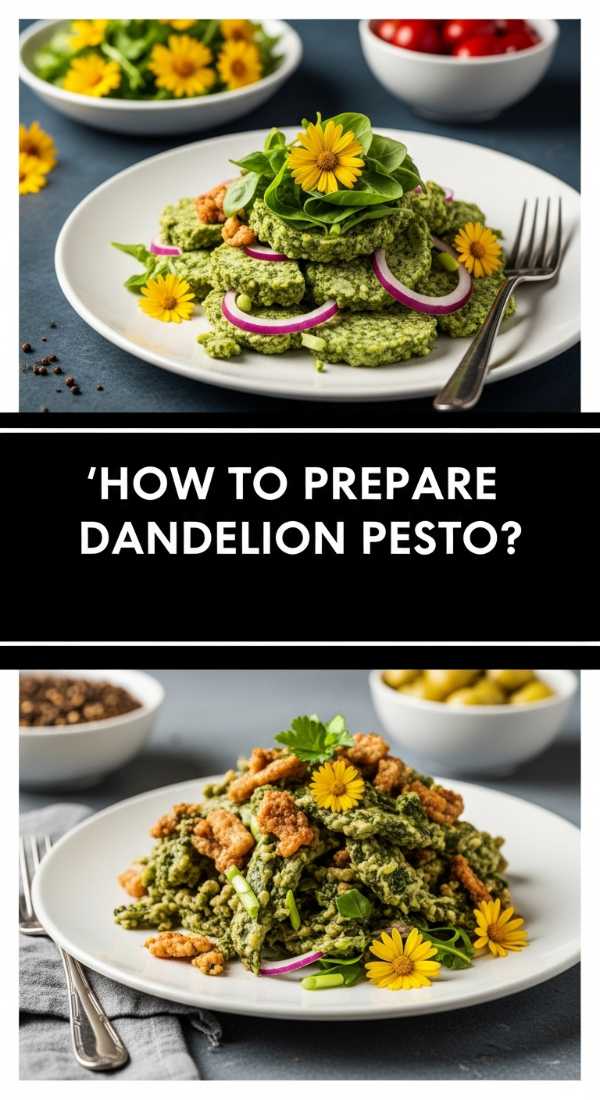
How to prepare dandelion pesto

Why we love this
Dandelion pesto is a vibrant, zesty twist on the classic basil version, offering a sophisticated edge that is perfect for those who love a bit of ‘bite’ in their food. The natural pepperiness of the dandelion greens is beautifully balanced by the creaminess of pine nuts and the salty punch of Parmesan cheese. The aroma is intoxicating—a mix of fresh herbs, toasted nuts, and sharp garlic that fills the room the moment the jar is opened. This pesto provides a brilliant pop of color and a versatile dip or spread that makes your board feel like a professional catering job.
Ingredients
- 2 cups packed young dandelion greens
- 2 cloves garlic
- 1/2 cup toasted walnuts or pine nuts
- 1/2 cup grated Parmesan cheese
- 1/2 cup extra-virgin olive oil
- 1 tablespoon lemon zest
- Salt to taste
How to make it
- Select the youngest, smallest dandelion leaves you can find, as these are the most tender and have the mildest flavor, then wash and dry them thoroughly.
- Place the dandelion greens, garlic cloves, and toasted nuts into a food processor and pulse several times until the mixture is coarsely chopped and combined.
- Add the grated Parmesan cheese and lemon zest to the processor, then pulse a few more times to incorporate.
- With the motor running on a low setting, slowly drizzle in the extra-virgin olive oil in a steady stream until the pesto reaches your desired consistency—usually thick but pourable.
- Stop the processor and scrape down the sides, then taste the pesto and add salt as needed, pulsing once more to blend everything together.
- Transfer the pesto to a small serving bowl for your board, or store it in a jar with a thin layer of olive oil on top to prevent oxidation and keep that brilliant green color.
How to roast dandelion roots

Why we love this
Roasting dandelion roots transforms a humble garden root into a deeply aromatic, cocoa-scented ingredient that adds a wonderful ‘dark’ element to your flavor palette. The roasting process draws out the natural sugars, resulting in a nutty, toasted flavor profile that is strikingly similar to coffee but entirely caffeine-free. The aroma in your kitchen while these roast is warm, comforting, and slightly caramelized. On a food board, these can be ground into a tea or used as a unique, crunchy garnish that provides an earthy counterpoint to sweet fruits and creamy dips.
Ingredients
- 10-15 large dandelion roots (scrubbed very clean)
- A drizzle of melted coconut oil (optional)
- A pinch of cinnamon (optional)
How to make it
- Harvest dandelion roots preferably in the fall or early spring when their nutrient density is highest; scrub them vigorously with a vegetable brush under cold water to remove every trace of soil.
- Chop the clean roots into small, uniform pieces (about 1/4 inch) to ensure they roast evenly without some bits burning while others stay raw.
- Preheat your oven to 350°F (175°C) and spread the chopped roots out in a single layer on a parchment-lined baking sheet.
- Place the roots in the oven and roast for 30 to 45 minutes, stirring the pieces every 10 minutes to ensure they brown uniformly on all sides.
- Keep a close eye on the roots during the final 10 minutes; you are looking for them to turn a deep chocolate brown and emit a rich, toasted aroma, but they can burn quickly if left too long.
- Once fully roasted and dried out, remove them from the oven and let them cool completely; they will become very hard and brittle, at which point you can grind them in a coffee grinder for brewing or use them as a rustic decorative element.
How to make dandelion syrup

Why we love this
Dandelion syrup is the ultimate secret weapon for the home mixologist or brunch enthusiast, offering a light, floral sweetness that elevates any beverage or topping. It has a thinner consistency than the ‘honey’ but packs a punch of concentrated floral flavor that is both refreshing and elegant. The fragrance is like a spring breeze, light and airy with notes of citrus and wild herbs. Drizzled over a stack of pancakes on your board or used as a base for a signature cocktail, this syrup adds a touch of high-end flair to your budget-friendly spread.
Ingredients
- 2 cups dandelion petals
- 2 cups water
- 1.5 cups granulated sugar
- 1/2 lemon, juiced
- Optional: 1 vanilla bean, split
How to make it
- Prepare a strong dandelion tea by simmering the yellow petals in 2 cups of water for 10 minutes, then allowing it to steep for at least an hour to extract the floral essence.
- Strain the infusion through a fine mesh sieve into a clean saucepan, pressing the petals to get every drop of flavored water out.
- Add the sugar, lemon juice, and the optional vanilla bean to the pan, then place it over medium heat.
- Stir the mixture constantly until the sugar has completely dissolved and the liquid begins to simmer gently.
- Continue to simmer for about 10-15 minutes without a lid, allowing the liquid to reduce slightly until it has the consistency of a light maple syrup.
- Remove the vanilla bean, pour the syrup into a glass bottle, and refrigerate; the syrup will stay fresh for several weeks and provides a beautiful, pourable sweetness for your aesthetic board.
How to sauté dandelion leaves
Why we love this
Sautéed dandelion leaves are the quick, ‘farm-to-table’ hero of any savory food board, offering a tender texture and a sophisticated bitterness that cuts through rich fats perfectly. Unlike the blanched version, sautéing them directly allows the edges of the leaves to get slightly crispy and caramelized, creating a wonderful contrast in every forkful. The aroma of wilting greens mixed with hot oil and sea salt is simple yet incredibly appetizing. This is the perfect way to use up every part of the plant while adding a nutritious, dark-green element that balances out the board’s aesthetic.
Ingredients
- 4 cups fresh, young dandelion leaves
- 1 tablespoon unsalted butter or vegan butter
- 1 tablespoon shallot, finely minced
- A splash of balsamic vinegar
- Salt and pepper to taste
How to make it
- Thoroughly wash the dandelion leaves and spin them dry in a salad spinner; any remaining water will steam the leaves rather than sautéing them.
- In a wide skillet, melt the butter over medium heat until it begins to foam, then add the minced shallots and cook for 2-3 minutes until they are translucent and soft.
- Increase the heat to medium-high and add the dandelion leaves in handfuls, tossing them with tongs as they begin to wilt to make room for more.
- Sauté the leaves for only 3-4 minutes, just until they have collapsed and turned a bright, vibrant green, but still retain a bit of structure.
- Add a splash of balsamic vinegar to the pan in the last 30 seconds of cooking, allowing it to bubble and glaze the leaves with a sweet-tart finish.
- Remove from heat immediately to prevent overcooking and serve warm in a small ceramic bowl nestled among cheeses and nuts on your board.
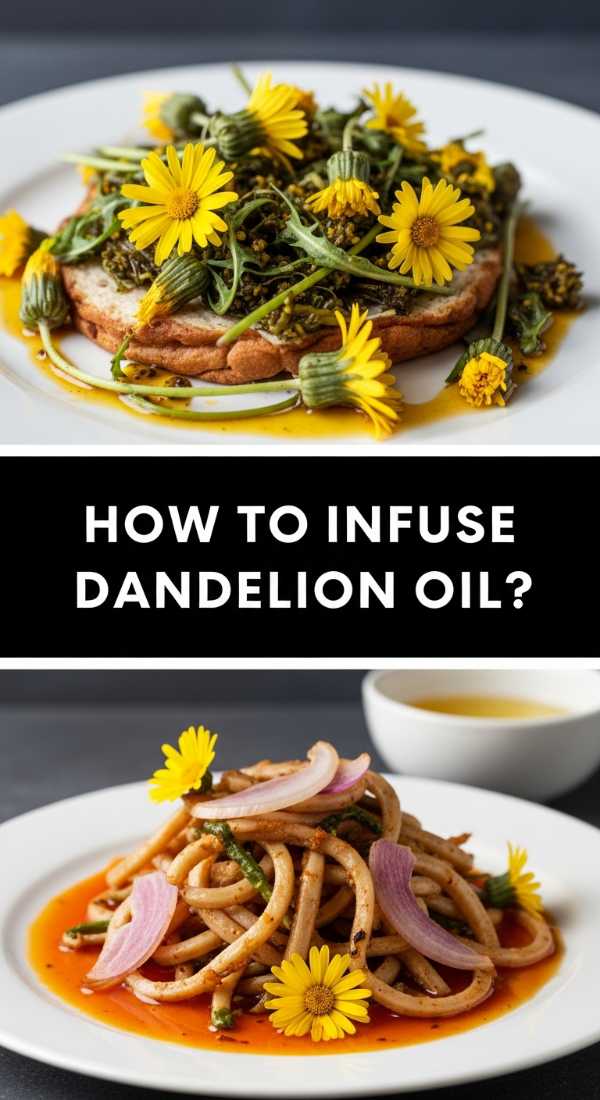
How to infuse dandelion oil
[IMAGE_10]
Why we love this
Infused dandelion oil is a luxurious, multi-purpose golden liquid that captures the healing and aesthetic properties of the flower in a shelf-stable form. The oil takes on a beautiful yellow tint and a faint, sweet scent of dried hay and summer blossoms that is incredibly grounding. Whether you use it as a finishing oil for your savory dishes or as a base for a homemade salve, it adds a layer of ‘apothecary chic’ to your lifestyle. Having a small bottle of this golden oil on your food board, perhaps paired with some crusty sourdough for dipping, screams intentional, high-end living on a budget.
Ingredients
- 1 cup dried dandelion blossoms (must be completely dry to prevent mold)
- 1.5 cups carrier oil (like olive oil, sweet almond oil, or sunflower oil)
- Clean, dry glass jar
How to make it
- Spread fresh dandelion blossoms on a drying rack or paper towel and let them sit in a warm, dry place for 2-3 days until they are completely crisp and dry to the touch.
- Fill a clean, dry glass jar about half-full with the dried dandelion blossoms, being careful not to pack them too tightly so the oil can circulate.
- Pour your chosen carrier oil over the blossoms until they are completely submerged and the oil reaches the top of the jar, leaving about half an inch of headspace.
- Use a clean chopstick or spoon to stir the mixture and release any trapped air bubbles that could lead to spoilage.
- Place the lid on the jar and set it in a sunny windowsill for 2-4 weeks, shaking the jar gently every few days to encourage the infusion process.
- Once the oil has turned a beautiful golden color and smells floral, strain it through a fine-mesh sieve or cheesecloth into a clean amber glass bottle, squeezing the blossoms to get every drop of infused oil out.
Conclusion: Your Meadow-to-Table Masterpiece
Creating an aesthetic food board doesn’t require a massive grocery budget or imported delicacies; it just requires a bit of curiosity and a walk through your local meadow. By taking the humble dandelion—something most people overlook—and transforming it into honey, pesto, and crispy blossoms, you’ve created a story on a plate. This board is a testament to the beauty of the seasons and the joy of finding luxury in the simplest places. Now, go pour yourself a glass of dandelion tea, invite some friends over, and enjoy the golden glow of your hard work!