

How to Achieve the Clean Girl Aesthetic: Viral Minimalist Home Trends
Have you ever walked into a room and felt your heart rate instantly drop, like a weight you didn’t even know you were carrying just vanished? That is the magic of the ‘Clean Girl’ aesthetic making its way from our skincare routines and into our living spaces. It is about more than just white walls; it is about creating a sanctuary that feels intentional, breathable, and deeply restorative. In a world that feels increasingly chaotic, our homes have become the ultimate boundary between the noise of the outside world and our internal peace.
I remember the moment I decided to embrace this viral minimalist shift. I was staring at a coffee table overflowing with ‘stuff’ and realized my home was reflecting my cluttered mind. By stripping away the excess and focusing on high-quality textures and soft, ethereal lighting, I transformed my apartment into a space that feels like a warm hug. It’s about that specific feeling of silk against skin, the scent of a luxury candle wafting through a sun-drenched room, and the visual quiet that allows your soul to rest. Let’s dive into how you can curate this viral, cozy minimalist vibe in your own home.
How to Style a Cozy Minimalist Living Room for Ultimate Calm
Why we love this
There is something deeply visceral about a cozy minimalist living room; it feels like the architectural equivalent of a cashmere blanket wrapped around you on a rainy afternoon. We love how the soft cream palettes play with natural sunlight, creating a golden-hour glow that lasts all day, while the scent of fresh eucalyptus and sandalwood grounds the senses. Every surface feels smooth and cool to the touch, punctuated by the thick, chunky weave of a wool throw that invites you to sink in and stay a while. It is a visual whisper that tells your brain it’s okay to slow down, breathe, and simply exist in the present moment.
Essential Elements:
- Neutral color palette (oatmeal, bone, sand, and soft taupe).
- Textured textiles like bouclé, linen, and chunky knits.
- Natural wood accents in light oak or birch.
- Organic-shaped ceramic vases.
- Minimalist line art or oversized textured canvas.
- Soft, dimmable ambient lighting.
How to make it
- Begin by clearing the room entirely of small knick-knacks to establish a ‘blank slate’ visual baseline; look for a sense of ‘open air’ in the corners of the room.
- Layer your base textures by placing a large, low-pile jute or wool rug as the foundation, ensuring the front legs of all furniture rest on it to anchor the space.
- Select a focal point—usually a sofa in a light linen fabric—and ‘season’ it with exactly three pillows of varying textures (one smooth, one ribbed, one fuzzy) to create depth without clutter.
- Incorporate ‘living’ elements by placing a tall, architectural branch in a heavy stone crock; the visual cue for ‘doneness’ here is a balance between the height of the branch and the negative space around it.
- Adjust your lighting ‘heat levels’ by swapping cool-toned bulbs for warm, 2700K LED bulbs to mimic the soft flicker of candlelight throughout the evening hours.
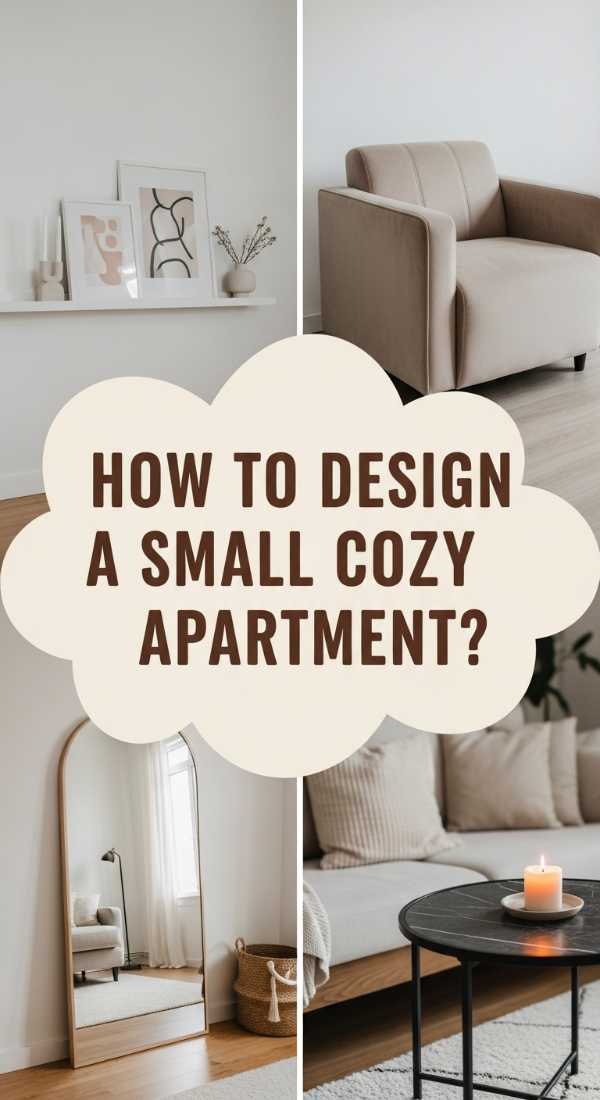
How to Design a Small Living Room Apartment for Cozy Aesthetic Vibes
Why we love this
Small apartments often get a bad rap for feeling cramped, but when styled with the clean girl aesthetic, they become the most enchanting little jewel boxes of comfort. We love the intimacy of a curated small space where every item has a dedicated purpose and a story to tell, creating a ‘nook’ feeling that larger rooms often lack. The aroma of a fresh citrus diffuser brightens the tight corners, while sheer linen curtains catch the breeze, making the walls feel like they are exhaling. It is about the tactile joy of a velvet armchair nestled against a slender bookshelf, creating a pocket of serenity that feels entirely your own.
Essential Elements:
- Multi-functional furniture (storage ottomans, nesting tables).
- Wall-mounted shelving to draw the eye upward.
- Large floor mirrors to bounce light and double the perceived space.
- Sheer, floor-to-ceiling window treatments.
- Low-profile seating to keep sightlines open.
How to make it
- Execute a ‘vertical expansion’ strategy by hanging curtain rods 6-10 inches above the actual window frame; this creates the illusion of soaring ceiling heights.
- Select furniture with ‘exposed legs’ rather than skirted bases; seeing the floor continue under the sofa creates a visual cue of openness that prevents the room from feeling ‘heavy.’
- Position a large leaning mirror opposite your main light source to ‘prep’ the room with reflected sunshine, ensuring the angle catches the most attractive part of the room.
- Organize your media console using uniform cream-colored bins; the goal is to eliminate visual ‘noise’ caused by cords and colorful packaging.
- Finalize the flow by ensuring at least 18 inches of walking space between furniture pieces; if it feels tight, remove one non-essential item to restore the ‘breathability’ of the layout.
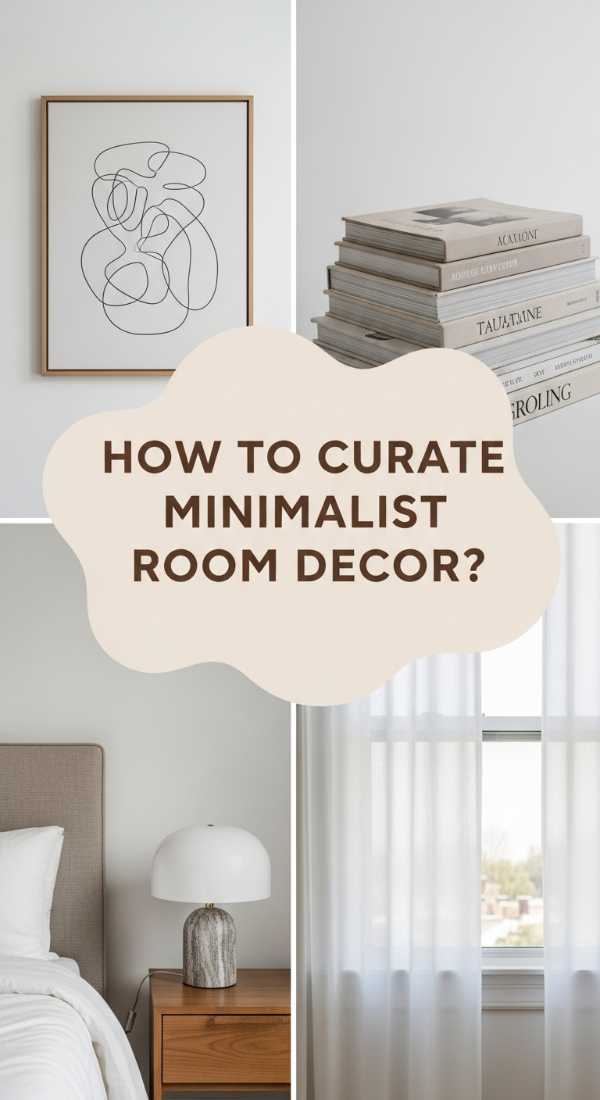
How to Curate Minimalist Room Decor for a Peaceful Sanctuary
Why we love this
A peaceful sanctuary is all about the ‘felt’ experience of a room—the way the air feels cooler, the light softer, and the sounds more muffled. We love the curation process because it forces us to choose only what sparks genuine tranquility, like a single smooth river stone used as a paperweight or a silk eye mask resting on a nightstand. The texture of high-thread-count cotton sheets against bare skin and the subtle hum of a high-end air purifier create a sensory environment that prioritizes wellness above all else. It’s the ultimate form of self-care, designed to reset your nervous system the moment you cross the threshold.
Essential Elements:
- Monochromatic bedding in white or soft cream.
- Hidden storage for all electronics and chargers.
- A signature scent (lavender, vanilla, or sea salt).
- Dimmable sconces or pleated lampshades.
- A single, high-quality piece of greenery (like a Snake Plant).
How to make it
- Treat your bed as the ‘main ingredient’ by using the ‘triple sheet’ method often found in luxury hotels to create a crisp, inviting mountain of softness.
- Audit your nightstand; remove everything except a carafe of water, one book, and a ceramic lamp to minimize cognitive load before sleep.
- Install black-out liners behind sheer decorative curtains to give you total control over the ‘timing’ of light in your sanctuary.
- Scent-layer the room by using a linen spray on the curtains and a slow-burning soy candle; the visual cue for a ‘finished’ sanctuary is when the room smells as clean as it looks.
- Curate a ‘soft-touch’ zone by placing a plush sheepskin rug exactly where your feet land when you swing them out of bed in the morning.
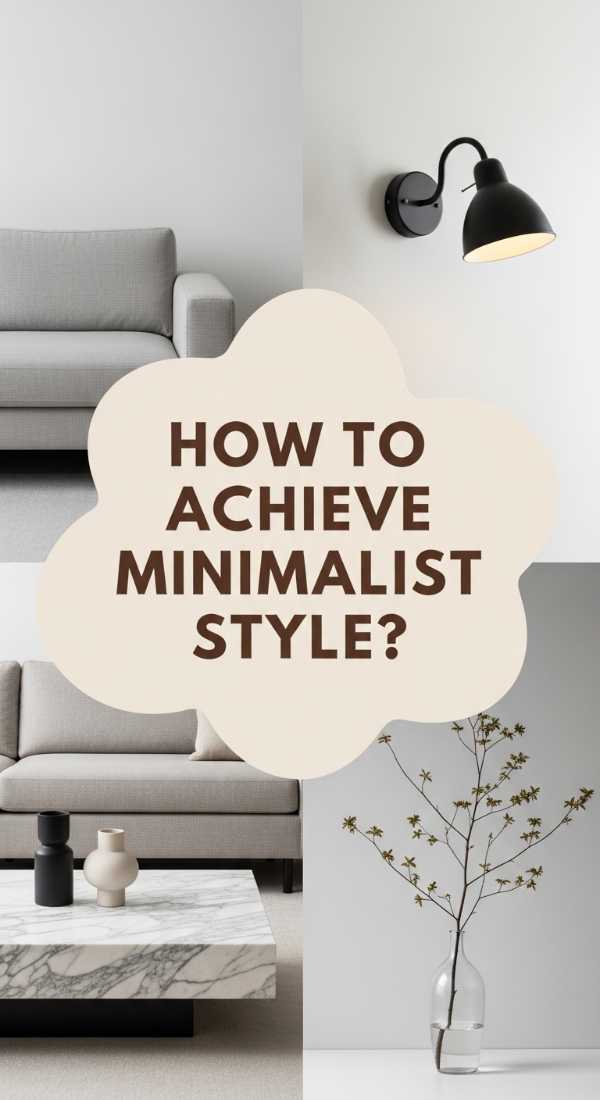
How to Achieve Living Room Decor Minimalist Style for Timeless Elegance
Why we love this
Timeless elegance in minimalism is about the ‘quiet luxury’ of home decor—it doesn’t scream for attention, but it commands it through impeccable craftsmanship and form. We love how a single, perfectly balanced travertine coffee table can ground a room, or how a sculptural lounge chair feels like a piece of art you can actually sit in. The palette remains hushed, but the materials—marble, aged brass, and velvet—provide a rich sensory tapestry that feels expensive and intentional. It’s an aesthetic that doesn’t age, providing a sophisticated backdrop for a life well-lived and a mind that appreciates the finer, simpler details.
Essential Elements:
- Natural stone surfaces (marble, travertine, or soapstone).
- Metallic accents in brushed gold or antique brass.
- Sculptural furniture with curved silhouettes.
- High-quality coffee table books with neutral spines.
- Minimalist floral arrangements (one type of flower only).
How to make it
- Invest in ‘anchor pieces’ with structural integrity; a sofa with a ‘bench cushion’ (one long cushion) looks more tailored and high-end than multiple smaller cushions.
- Incorporate ‘negative space’ as a design element; leave one wall mostly bare to allow a single piece of furniture or art to ‘breathe’ and stand out as a masterpiece.
- Mix your ‘finishes’ by pairing a cold stone table with a warm wooden floor; this contrast provides the ‘heat’ needed to keep a minimalist room from feeling clinical.
- Style your shelving using the ’60-30-10′ rule: 60% books (stacked both vertically and horizontally), 30% decorative objects, and 10% empty space.
- Add a ‘living’ sculpture, such as a large Monstera leaf in a glass vase, ensuring the water is changed daily to maintain the ‘crystal clear’ aesthetic.
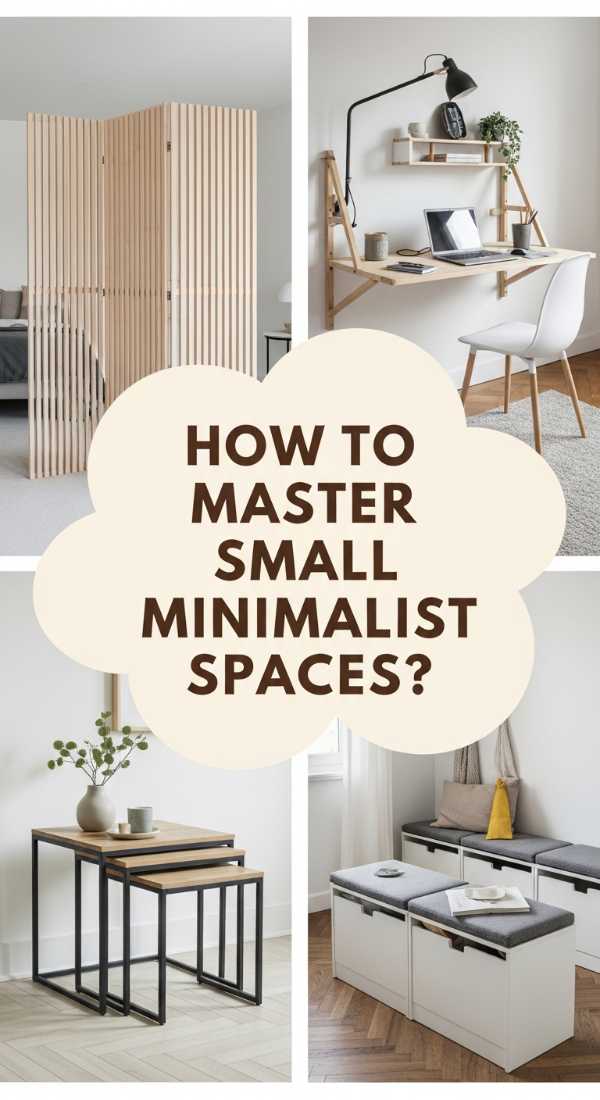
How to Master Minimalist Living Room Small Spaces for Functional Beauty
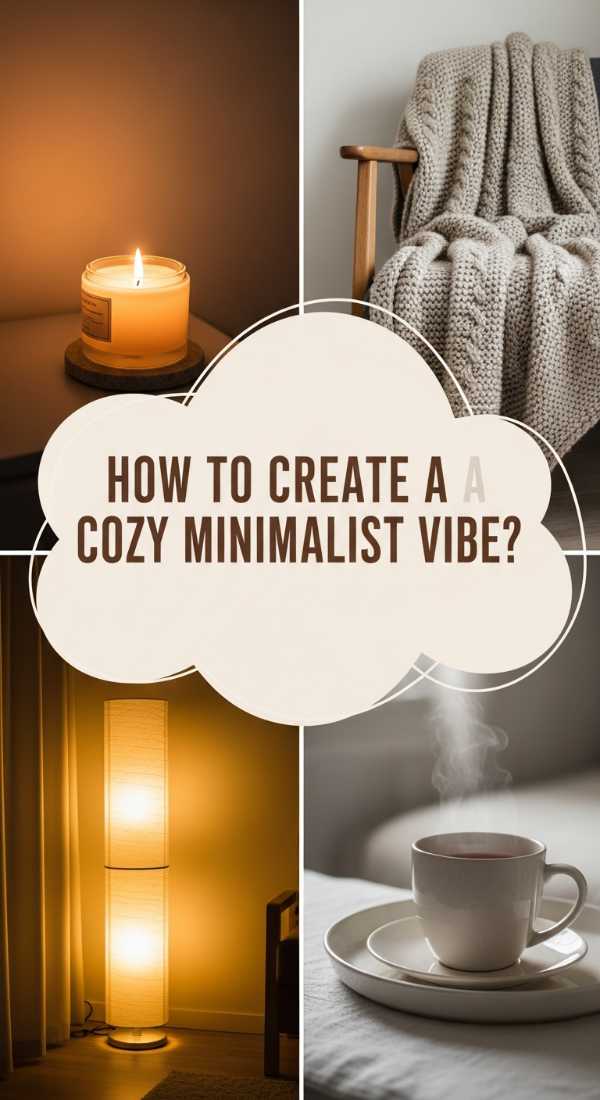
Why we love this
Mastering a small space is like solving a beautiful puzzle where the reward is a home that works for you, not against you. We love the cleverness of a ‘hidden’ office inside a closet or a dining table that doubles as a workspace, all while maintaining a sleek, uncluttered profile. There is a specific satisfaction in seeing a small room feel vast because of smart mirror placement and a light-reflective color palette that makes the walls seem to dissolve. The aroma of fresh linen and the sight of neatly tucked-away essentials create a sense of mastery over one’s environment that is incredibly empowering and calming.
Essential Elements:
- Lucite or glass furniture to reduce visual bulk.
- Built-in cabinetry that blends into the wall color.
- Uniform hangers and storage bins.
- Multi-purpose lighting (task and ambient).
- Collapsible or stackable seating for guests.
How to make it
- Utilize ‘tonal camouflage’ by painting your bulky storage units the exact same color as your walls; this ‘disappears’ the furniture and makes the room feel unified.
- Switch to ‘ghost’ furniture like acrylic chairs for your dining nook; this provides function without taking up any ‘visual real estate’ in the room.
- Organize your ‘flow’ by keeping the central floor space clear; the visual cue for success is being able to walk in a straight line from one end of the room to the other.
- Use ‘micro-lighting’—small, battery-operated puck lights under shelves—to eliminate dark shadows that make small rooms feel smaller.
- Implement a ‘one-in-one-out’ rule for decor; for every new aesthetic object you bring in, one must be donated to maintain the delicate balance of the space.
How to Create a Cozy Minimalist Atmosphere for Relaxing Evenings
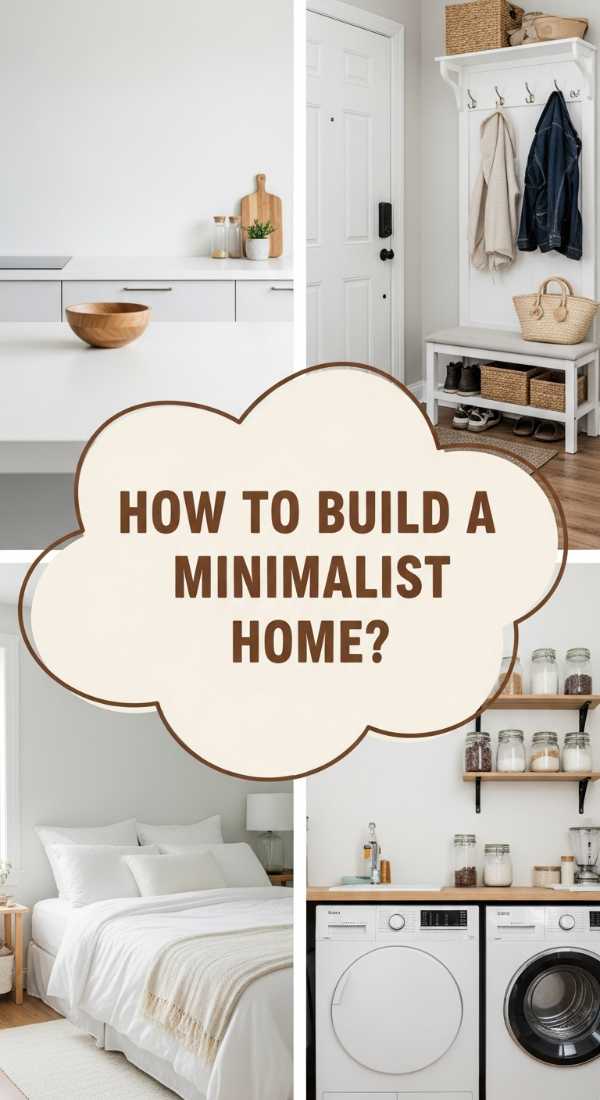
Why we love this
The transition from a busy day to a relaxing evening is a sacred ritual, and the cozy minimalist home is the perfect stage for it. We love the way the room transforms when the overhead lights are killed and the warm glow of floor lamps and candles takes over, casting soft shadows that blur the edges of the day’s stress. The scent of vanilla bean and cedarwood fills the air, while the texture of a weighted blanket provides a grounding, earthy comfort. It’s about the deliberate act of ‘nesting’—dimming the world and turning up the comfort, creating a cocoon of soft sounds and tactile warmth.
Essential Elements:
- Layered lighting (lamps, candles, fairy lights).
- Weighted blankets in neutral tones.
- A dedicated tea or ‘ritual’ station.
- Floor cushions for low-level lounging.
- A high-quality sound system for ambient lo-fi beats.
How to make it
- Create a ‘lighting hierarchy’ by turning off all ceiling lights and relying only on ‘eye-level’ lamps and ‘floor-level’ candles; this mimics the setting sun and prepares the body for rest.
- Designate a ‘tech-free basket’ near the sofa; prep the evening by placing all phones inside to remove the ‘blue light’ distraction from your sanctuary.
- Simmer a ‘stove-top potpourri’ with cinnamon sticks and orange peels if you prefer natural aromas over candles; the heat level should be at the lowest setting just to release the scent.
- Arrange your lounging area with ‘soft-landing’ zones—plenty of oversized pillows on the floor—to encourage a relaxed, grounded posture.
- Set the ‘vibe’ by playing a curated minimalist playlist at a volume where it’s just a whisper in the background, ensuring it doesn’t compete with the silence.
How to Build a Minimalist Home for Stress-Free Living
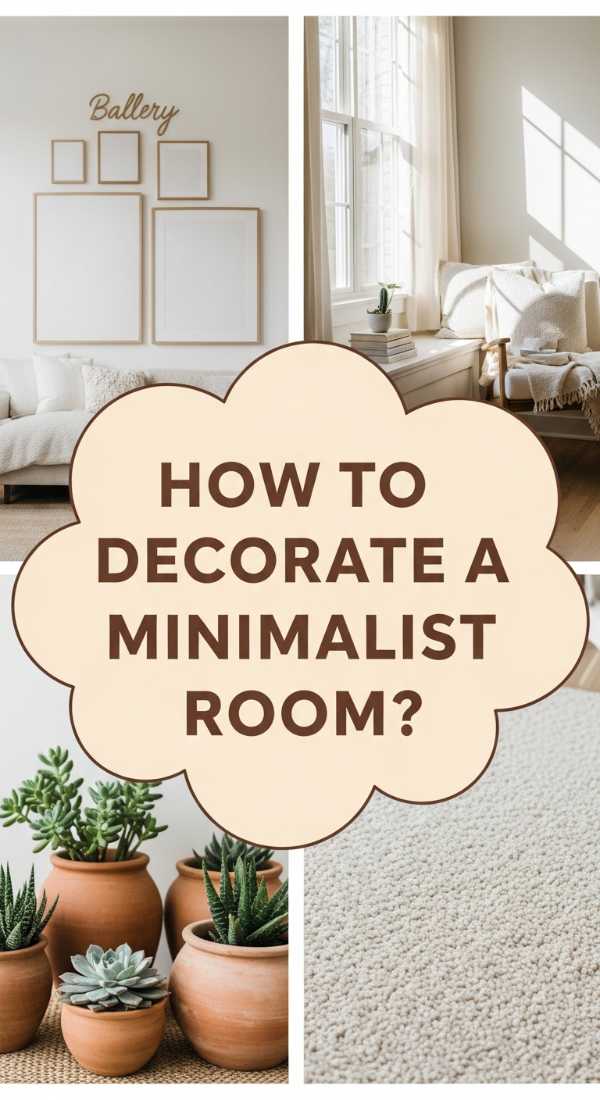
Why we love this
A minimalist home for stress-free living is less about a ‘look’ and more about a philosophy that ‘less is more room for what matters.’ We love the mental clarity that comes from walking into a kitchen with clear countertops and a bedroom where the only thing on the walls is the morning sun. The tactile experience of smooth, high-quality surfaces and the absence of ‘visual clutter’ allow the mind to stop scanning for tasks and start focusing on being. It’s a lifestyle choice that tastes like fresh water and feels like a deep, cleansing breath, providing a foundation of stability in an unpredictable world.
Essential Elements:
- Integrated storage solutions.
- Quality over quantity furniture pieces.
- Clear ‘zones’ for different activities.
- A minimalist ‘command center’ for mail and keys.
- Natural materials like stone, wood, and cotton.
How to make it
- Perform a ‘functional audit’ of every room; if an item hasn’t been used or loved in 90 days, it is cluttering your ‘mental energy’ and should be removed.
- Establish a ‘landing strip’ by the front door with a single tray for keys and a hook for one bag; this prevents the ‘sprawl’ of items into the living area.
- Standardize your ‘visual palette’ by choosing three main colors and sticking to them throughout the whole house; this creates a ‘seamless’ transition between rooms.
- Invest in ‘closed storage’—cabinets with doors rather than open shelving—to hide the ‘necessary clutter’ of daily life like spices or office supplies.
- Check your ‘visual cues’ daily; a clear surface is a ‘done’ surface. If you see a pile forming, address it immediately to keep the ‘stress-free’ flow intact.
How to Decorate a Minimalist Room for Lasting Joy
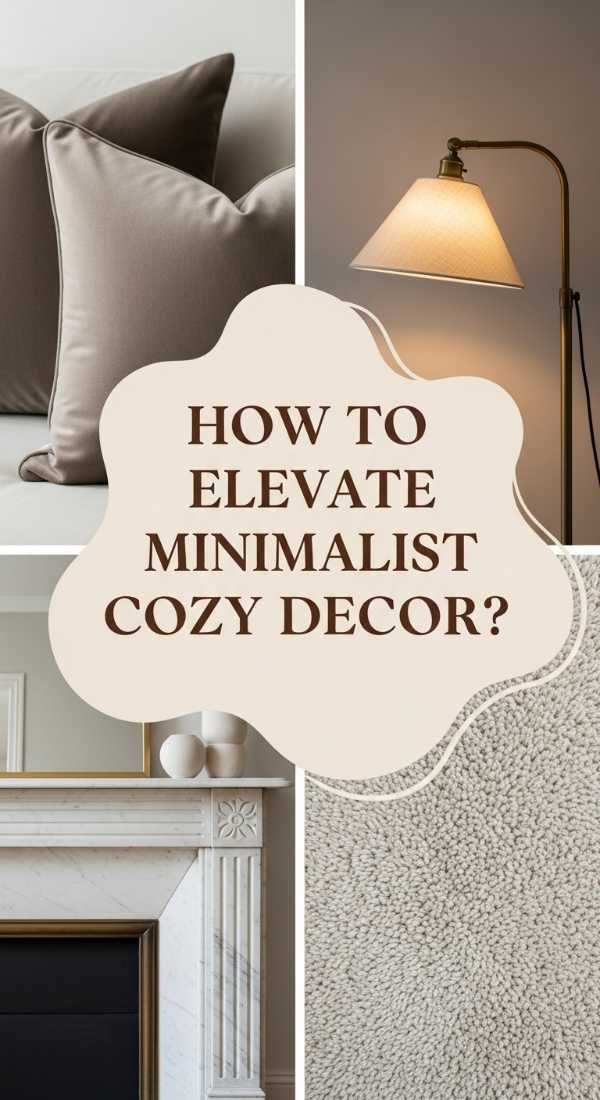
Why we love this
Decorating for joy means curating a space that reflects your soul without burying it under ‘stuff.’ We love the intentionality of choosing a single piece of art that makes you smile every time you see it, or a vase hand-turned by a local artist that feels like a piece of history on your shelf. The sensory experience is light and joyful—think the smell of fresh-cut peonies, the feel of a sun-warmed wooden floor, and a playlist of your favorite acoustic tracks. It’s about creating a ‘happy place’ that doesn’t rely on trends, but on a deep, personal connection to the few items you choose to keep.
Essential Elements:
- Meaningful artwork or personal photography (in minimalist frames).
- Handcrafted ceramics and unique textures.
- Fresh flowers or indoor plants.
- Books that inspire growth and creativity.
- A color accent that reflects your personality (like a soft sage or muted blush).
How to make it
- Identify your ‘hero object’—the one item in the room that truly brings you joy—and place it in the ‘power position’ where it is the first thing you see when entering.
- Use ‘negative space’ to frame your favorite items; by leaving the space around a beautiful object empty, you give it ‘importance’ and allow it to shine.
- Introduce ‘life’ through greenery; a small olive tree in a terracotta pot adds a sense of growth and vitality that artificial decor simply cannot mimic.
- Curate your ‘scent identity’ by choosing one premium fragrance that you only use in your ‘joy room,’ creating a strong neural link between that smell and happiness.
- Finish the room with a ‘softness check’; ensure there is at least one tactile ‘joy’ element, like a velvet cushion or a silk throw, within arm’s reach of every seat.
How to Elevate Minimalist Cozy Decor for a High-End Look
Why we love this
The high-end minimalist look is all about the ‘details of the details’—the heavy weight of a brass door handle, the subtle grain of a marble plinth, or the way a mohair throw catches the light. We love this approach because it turns a home into a gallery of lived-in luxury, where every corner feels sophisticated yet incredibly approachable. The aroma is expensive—think oud, leather, and smoke—and the textures are diverse, ranging from cold stone to warm, buttery leather. It is a confident aesthetic that proves you don’t need a lot of things to have a lot of style; you just need the right things.
Essential Elements:
- High-end materials (travertine, brass, mohair, oak).
- Oversized, statement lighting fixtures.
- Large-scale art with minimal color.
- Designer coffee table books.
- Custom-fitted window treatments.
How to make it
- Focus on ‘material contrast’; pair a sleek, cold marble coffee table with a very textured, warm bouclé sofa to create that ‘high-end’ tension.
- Upscale your ‘hardware’; replace standard drawer pulls and light switches with brushed brass or matte black versions for an instant custom feel.
- Use ‘scale’ to your advantage; one massive piece of art on a large wall looks significantly more ‘luxe’ and minimalist than a gallery wall of smaller prints.
- Layer your rugs by placing a smaller, high-quality vintage rug over a larger, neutral sisal base; this adds ‘architectural depth’ and designer flair.
- Ensure ‘immaculate maintenance’; the cue for a high-end look is perfection. Keep surfaces polished and textiles lint-rolled to maintain the ‘showroom’ quality.
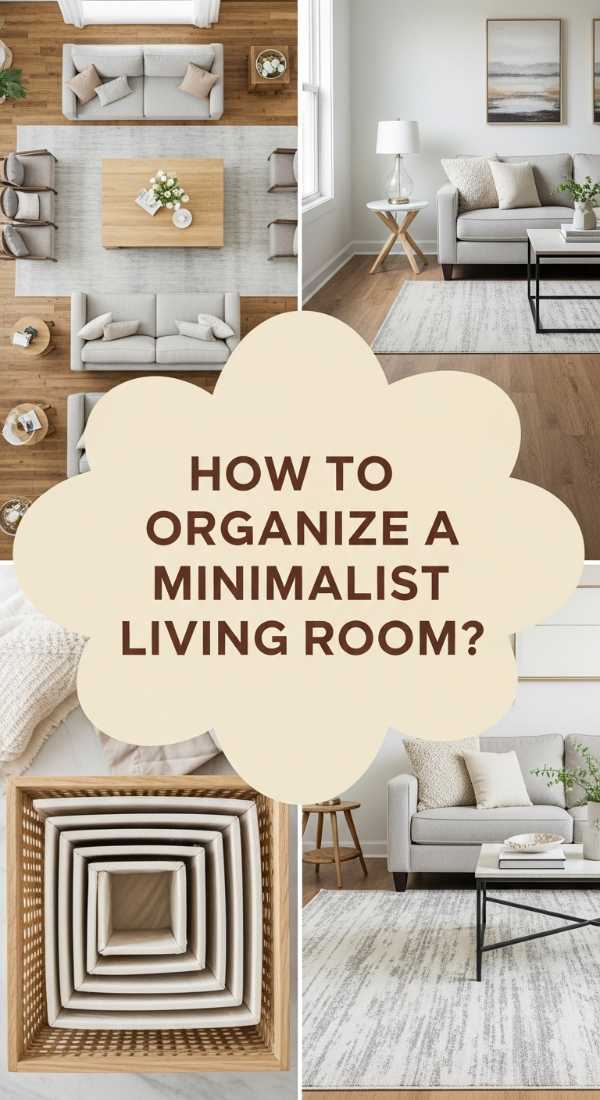
How to Organize a Minimalist Living Room for Better Flow
[IMAGE_10]
Why we love this
A well-organized minimalist room feels like a choreographed dance—everything moves with ease, and nothing gets in your way. We love the ‘flow’ that comes from a thoughtful furniture layout that encourages conversation while leaving paths for movement clear and inviting. The sensory experience is one of ‘unobstructed ease’; there are no cords to trip over, no cluttered surfaces to navigate, and the air feels like it circulates more freely. It is the ultimate expression of the ‘Clean Girl’ aesthetic—a home that functions as beautifully as it looks, supporting your daily rhythms with effortless grace.
Essential Elements:
- Defined walkways (at least 3 feet wide).
- Hidden cable management systems.
- Symmetrical or balanced furniture arrangements.
- A ‘one-touch’ organization system.
- Decluttered ‘visual pathways’ (clear sightlines to windows).
How to make it
- Map your ‘traffic patterns’; observe how you naturally walk through the room and move any furniture that acts as a ‘speed bump’ in your daily routine.
- Implement ‘invisible organization’ by using cable boxes and under-desk clips to hide every single wire; the visual cue for ‘flow’ is a total absence of black plastic cords.
- Create ‘conversational islands’; group seating together so that people face each other, rather than just the TV, to improve the ‘social flow’ of the home.
- Use ‘zoning’ by placing a console table behind a floating sofa to define the living area from the dining area without using physical walls.
- Perform a ‘squint test’; stand at the entrance of the room and squint your eyes. If any area looks particularly ‘busy’ or dark, reorganize that section until the visual weight feels even across the room.
Conclusion
Achieving the viral Clean Girl aesthetic isn’t about following a set of strict rules; it’s about curating a space that serves as a canvas for your best, most peaceful life. Whether you are styling a tiny apartment or a large family home, the principles of cozy minimalism—soft textures, intentional lighting, and functional beauty—will transform your environment into a sanctuary. Remember, the goal is to create a home that feels like a deep breath. Start small, declutter with intention, and let the quiet elegance of minimalism bring lasting joy to your everyday routines.