
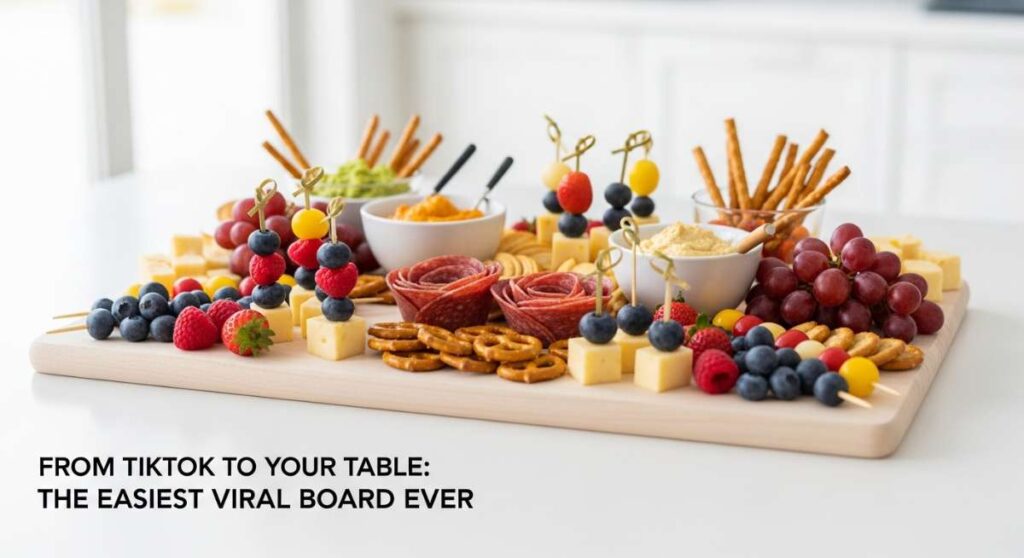
There is something undeniably magical about the way a perfectly curated food board brings people together. We’ve all been there: scrolling through TikTok at 11 PM, mesmerized by the rhythmic chopping and the vibrant colors of a spread that looks almost too good to eat. It’s more than just a meal; it’s an aesthetic, a conversation starter, and a way to turn a simple Tuesday night into an event that feels worth celebrating.
I remember the first time I tried to recreate one of these viral sensations for a small get-together. The air was filled with the scent of roasted garlic and fresh herbs, and the sound of laughter echoed as my friends reached for different bites. That’s the beauty of the ‘viral food board’—it’s approachable, customizable, and creates an effortless sense of luxury in your own home. Today, I’m sharing the ultimate guide to bringing those viral flavors to your table with ease.
HOW TO COOK LEMON CHICKEN?

Why we love this
This dish is the epitome of bright, zesty comfort. Imagine the sound of a golden-brown chicken skin crackling under your fork, releasing a burst of citrusy steam that smells like a Mediterranean afternoon. The tang of the lemon cuts through the richness of the meat, while the garlic mellows into a sweet, buttery undertone that clings to every bite. It’s succulent, vibrant, and provides that essential high-protein anchor for your food board that feels both light and deeply satisfying.
Ingredients
- 4 boneless, skin-in chicken thighs
- 2 large lemons (one sliced, one juiced)
- 4 cloves of garlic, smashed
- 2 tablespoons fresh rosemary
- 3 tablespoons extra virgin olive oil
- Kosher salt and cracked black pepper
How to make it
- Pat the chicken thighs completely dry with paper towels; moisture is the enemy of a crisp skin. Season generously with salt and pepper on both sides.
- Heat the olive oil in a heavy cast-iron skillet over medium-high heat until it begins to shimmer but not smoke.
- Place the chicken skin-side down in the pan. Do not move them for at least 6-8 minutes; you are looking for a deep, mahogany-gold crust and for the skin to naturally release from the pan.
- Flip the chicken and add the smashed garlic, rosemary sprigs, and lemon slices to the hot oil. Use a spoon to baste the rendered fat and lemon oil over the chicken.
- Reduce the heat to medium and pour in the fresh lemon juice. Simmer for another 5-7 minutes until the internal temperature reaches 165°F (74°C). The liquid should reduce into a glossy, fragrant pan sauce.
HOW TO MAKE ROTEL DIP?

Why we love this
Rotel dip is the ultimate nostalgic crowd-pleaser that never goes out of style. It has a velvety, molten texture that wraps around a salty tortilla chip like a warm hug. The subtle heat from the green chilies provides a slow-building tingle on the tongue, balanced perfectly by the creamy, savory richness of the cheese and the hearty crumble of seasoned meat. It’s messy, it’s fun, and it’s the dish everyone gathers around first, sparking that immediate ‘I need this recipe’ reaction.
Ingredients
- 1 lb ground beef or spicy sausage
- 1 block (16 oz) Velveeta or processed cheese, cubed
- 1 can (10 oz) Ro-Tel Diced Tomatoes and Green Chilies
- 1/2 cup whole milk (optional, for thinning)
- 1 teaspoon taco seasoning
How to make it
- In a large skillet over medium heat, brown the ground beef or sausage, breaking it into very small crumbles with a wooden spoon to ensure an even texture throughout the dip.
- Drain the excess fat thoroughly to prevent the dip from becoming oily. Stir in the taco seasoning and cook for 1 minute to bloom the spices.
- Add the cubed cheese and the entire can of Ro-Tel (including the juice) to the skillet. Turn the heat down to low.
- Stir constantly with a silicone spatula as the cheese begins to melt. A low heat is crucial here; if the cheese gets too hot too fast, it can grain or separate.
- Once smooth, add milk a tablespoon at a time if you prefer a pourable consistency. Serve immediately in a warmed bowl to keep it gooey.
HOW TO COOK DIRTY SPAGHETTI?

Why we love this
Dirty Spaghetti is the soul-food cousin of the classic Italian pasta, offering a deep, umami-rich flavor profile that is incredibly addictive. The sauce isn’t just a topping; it’s a thick, savory coating that clings to every strand of pasta, infused with the smokiness of bell peppers and the kick of Cajun spices. Every forkful offers a complex layers of heat and earthiness, creating a heavy-hitting comfort dish that stands out on any food board as the ultimate savory indulgence.
Ingredients
- 1 lb spaghetti noodles
- 1 lb ground beef or pork
- 1 green bell pepper, finely diced
- 1 small onion, finely diced
- 2 stalks celery, minced
- 2 tablespoons Cajun seasoning
- 1/2 cup beef broth
How to make it
- Boil a large pot of heavily salted water. Cook the spaghetti until it is just shy of al dente—usually about 1-2 minutes less than the package instructions—as it will finish cooking in the sauce.
- Meanwhile, in a large pan, sauté the ‘holy trinity’ (onions, bell peppers, and celery) in a bit of oil until they are soft and the onions are translucent.
- Add the ground meat to the veggies, browning it until no pink remains. Drain about half the fat, leaving some for flavor.
- Sprinkle the Cajun seasoning over the meat and stir, then pour in the beef broth. Let this simmer on medium-low for 10 minutes until the liquid reduces and the flavors intensify.
- Toss the pasta directly into the pan with a splash of pasta water. Toss vigorously over medium heat until the sauce emulsifies and ‘dirties’ the noodles completely.
HOW TO MAKE SPRING SOUP?

Why we love this
Spring Soup is like a garden in a bowl—it’s bright, herbaceous, and incredibly refreshing. The texture is light yet silky, often featuring the snap of tender peas and the delicate sweetness of leeks. It smells like fresh-cut grass and rain-washed herbs, providing a beautiful, vibrant green pop to your food board spread. It’s the perfect palate cleanser between heavier bites, offering a clean, crisp finish that makes you feel energized and nourished.
Ingredients
- 2 cups frozen or fresh peas
- 1 bunch asparagus (tips reserved, stalks chopped)
- 2 leeks, white parts only, sliced
- 4 cups vegetable broth
- Fresh mint leaves
- Heavy cream or coconut milk for drizzling
How to make it
- In a Dutch oven, sweat the sliced leeks in butter or oil over low heat until they are soft and fragrant. Do not let them brown; you want to maintain a clean, light color.
- Add the chopped asparagus stalks and vegetable broth. Increase the heat to a simmer and cook for 8 minutes.
- Add the peas and a handful of mint leaves during the last 3 minutes of cooking. Keeping the peas in for a short time preserves their bright green color and sweet flavor.
- Using an immersion blender (or a regular blender in batches), puree the soup until it is completely smooth and velvety.
- Return to the heat, stir in a splash of cream, and drop in the reserved asparagus tips. Simmer for 2 more minutes until the tips are tender-crisp.
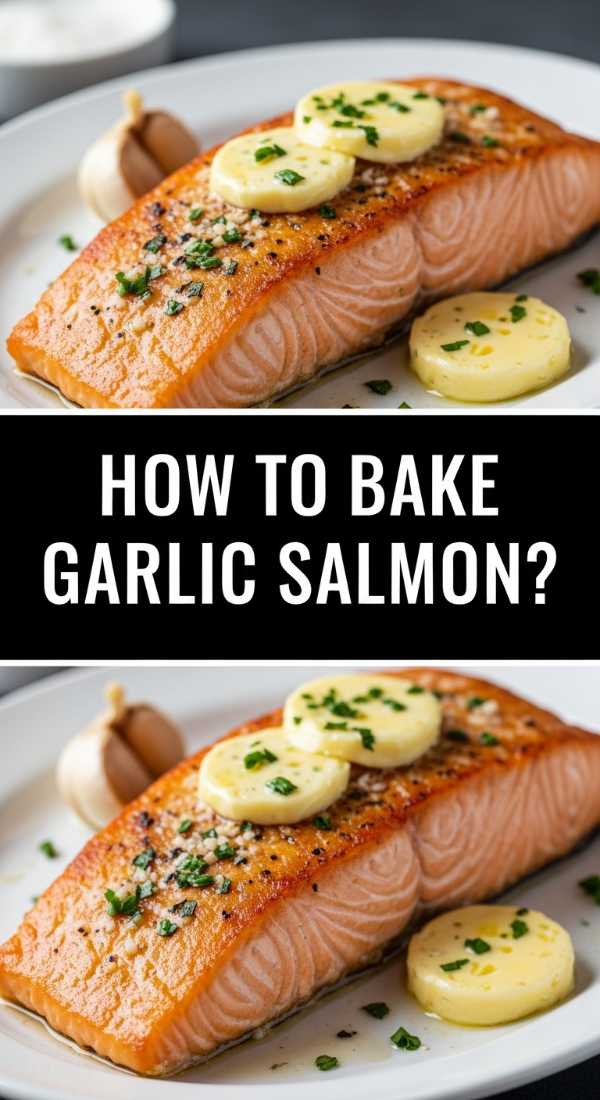
HOW TO BAKE GARLIC SALMON?
Why we love this
Baked garlic salmon is the crown jewel of a high-end food board. When done right, the fish is so tender it flakes away at the slightest touch of a fork, revealing a buttery, translucent center. The aroma of roasted garlic and melting butter creates an intoxicating scent that draws everyone to the table. It feels elegant and sophisticated, yet it provides a hearty, melt-in-your-mouth richness that pairs beautifully with crisp vegetables and sharp dips.
Ingredients
- 2 large salmon fillets
- 4 tablespoons unsalted butter, softened
- 3 cloves garlic, minced
- 1 teaspoon lemon zest
- 1 tablespoon fresh parsley, chopped
- Salt and pepper to taste
How to make it
- Preheat your oven to 400°F (200°C) and line a baking sheet with parchment paper or foil for easy cleanup.
- In a small bowl, mash the softened butter, minced garlic, lemon zest, and parsley together until it forms a uniform paste.
- Season the salmon fillets with salt and pepper, then spread the garlic butter mixture generously over the top of each fillet.
- Bake for 12-15 minutes. A key visual cue is when the salmon turns from translucent to opaque and the white albumin just begins to peek out from the flakes.
- Switch the oven to broil for the last 60 seconds to slightly caramelize the garlic on top, then rest for 3 minutes before serving to lock in the juices.
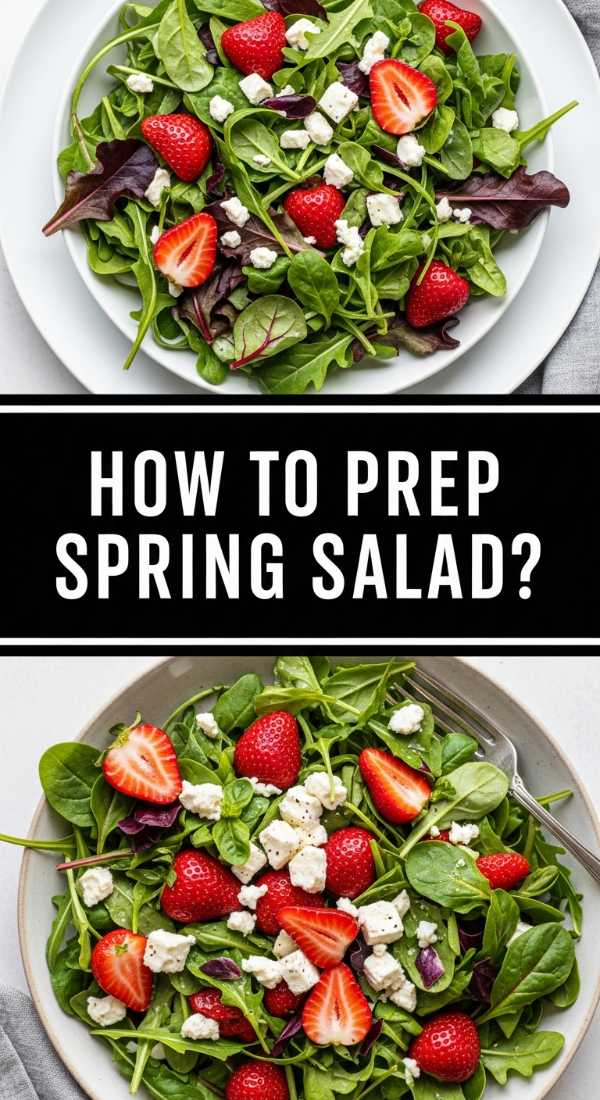
HOW TO PREP SPRING SALAD?
Why we love this
This isn’t just a side dish; it’s a celebration of texture and seasonality. A well-prepped spring salad offers a rhythmic crunch of radishes, the creamy crumble of goat cheese, and the juicy sweetness of seasonal fruit. The dressing should be a whisper, not a shout, enhancing the natural bitterness of the greens. It provides a visual and textural contrast that keeps the palate excited, acting as the perfect fresh companion to the roasted and sautéed elements of the board.
Ingredients
- 4 cups mixed baby greens or arugula
- 1/2 cup sliced radishes
- 1 cup fresh strawberries, sliced
- 1/4 cup toasted walnuts
- 2 oz goat cheese, crumbled
- Vinaigrette: 3 parts olive oil, 1 part balsamic vinegar, 1 tsp honey
How to make it
- Wash your greens in ice-cold water and use a salad spinner to dry them thoroughly. Wet leaves will prevent the dressing from adhering and lead to a soggy salad.
- Slice the radishes and strawberries into thin, uniform rounds using a mandoline or a very sharp knife to ensure every bite has a bit of everything.
- In a small jar, shake the olive oil, balsamic, and honey until the mixture is thick and emulsified.
- Just before serving, place the greens in a large bowl and drizzle half the dressing. Use your hands or tongs to gently lift and toss, ensuring every leaf is lightly glistening.
- Top with the radish, fruit, walnuts, and goat cheese. Do not over-mix once the cheese is added, as it will cloud the dressing and muddy the presentation.
HOW TO COOK ORZO SOUP?

Why we love this
Orzo soup is pure liquid gold. It has a wonderful, silky mouthfeel thanks to the rice-shaped pasta releasing its starches into the broth. It’s hearty enough to be a meal but light enough to serve as a small cup of comfort on a larger spread. The tiny grains of pasta are fun to eat, and when paired with a lemon-herb broth, it creates a warming sensation that is both soothing and sophisticated. It’s the ultimate ‘hug in a bowl’ that guests will keep coming back to scoop up.
Ingredients
- 1 cup dried orzo pasta
- 6 cups chicken or vegetable stock
- 2 cups fresh spinach
- 1 lemon, juiced and zested
- 1 tablespoon olive oil
- 1/2 cup parmesan cheese, grated
How to make it
- Heat olive oil in a pot and add the dry orzo. Toast the pasta for 2-3 minutes, stirring constantly, until it smells nutty and turns a light golden color. This prevents it from getting mushy.
- Slowly pour in the stock. Bring to a boil, then reduce to a simmer. Cook the orzo for about 8-9 minutes, or until it is tender.
- Stir in the fresh spinach. The residual heat will wilt the leaves in about 30 seconds, preserving their vibrant green color.
- Remove from heat and stir in the lemon juice and zest. The acidity brightens the starchiness of the pasta immediately.
- Finish by whisking in the parmesan cheese for a slightly creamy, salty finish. Serve hot with a sprinkle of extra zest on top.
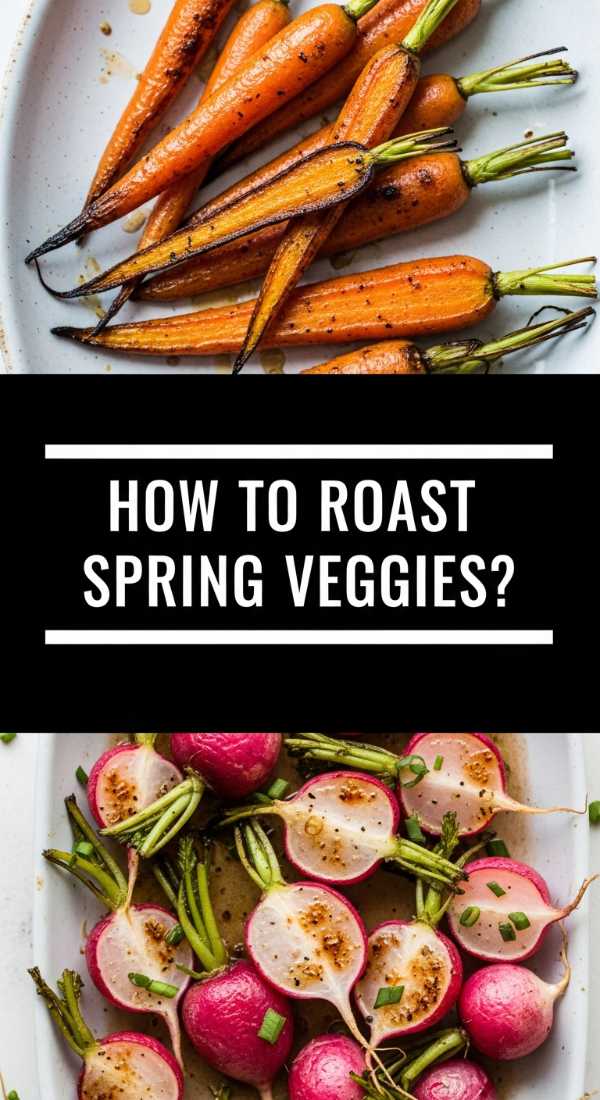
HOW TO ROAST SPRING VEGGIES?
Why we love this
There is a specific sweetness that only comes from roasting spring vegetables until their edges are caramelized and crisp. The interior remains tender and bursting with earthy juice, while the outside takes on a smoky, concentrated flavor. These veggies add a rustic, artisanal look to your board, with their charred tips and glistening oil. They are the perfect vessel for dipping into the Rotel or cheesy dips, providing a healthy crunch that feels incredibly indulgent.
Ingredients
- 1 bunch thin asparagus
- 1 lb baby carrots, tops removed
- 1 lb fingerling potatoes, halved
- 3 tablespoons olive oil
- 1 teaspoon dried thyme
- Flaky sea salt
How to make it
- Preheat your oven to 425°F (220°C). High heat is essential for roasting; a low temperature will steam the veggies rather than brown them.
- On a large sheet pan, toss the potatoes and carrots with olive oil, thyme, and salt. Spread them out so they are not touching; crowding the pan causes moisture to trap, which prevents crisping.
- Roast the potatoes and carrots for 15 minutes first, as they take longer than the asparagus.
- Add the asparagus to the pan, tossing it quickly in the oil already on the sheet. Roast everything together for another 10-12 minutes.
- Look for the potato skins to be blistered and the asparagus tips to be slightly dark and crunchy. Remove from the oven and sprinkle with flaky sea salt while still hot.
HOW TO MAKE CHEESY DIP?

Why we love this
If the Rotel dip is the classic, this cheesy dip is its decadent, gourmet cousin. It’s a thick, bubbling cauldron of multiple cheeses that pull apart in long, satisfying strings. The top is usually baked to a golden, crusty brown that offers a sharp, toasted cheese flavor, while the inside remains a pool of gooey, creamy delight. It’s the kind of dip that makes you close your eyes in appreciation—the ultimate center-point for any viral food board.
Ingredients
- 8 oz cream cheese, softened
- 1 cup sharp cheddar, shredded
- 1 cup mozzarella, shredded
- 1/2 cup sour cream
- 1/4 cup pickled jalapeños, chopped
- 1/2 teaspoon smoked paprika
How to make it
- In a medium bowl, beat the softened cream cheese and sour cream together until completely smooth with no lumps.
- Fold in the cheddar, mozzarella, and chopped jalapeños. Reserving a handful of cheddar for the top is a pro move for a better crust.
- Transfer the mixture to a small oven-safe baking dish or a mini cast-iron skillet. Smooth the top with a spatula.
- Bake at 375°F (190°C) for 20-25 minutes. You are looking for the edges to be bubbling vigorously and the cheese to be completely melted.
- Turn the broiler on for the final 2 minutes to get those iconic brown spots on the cheese. Let it sit for 5 minutes before serving so it thickens slightly.
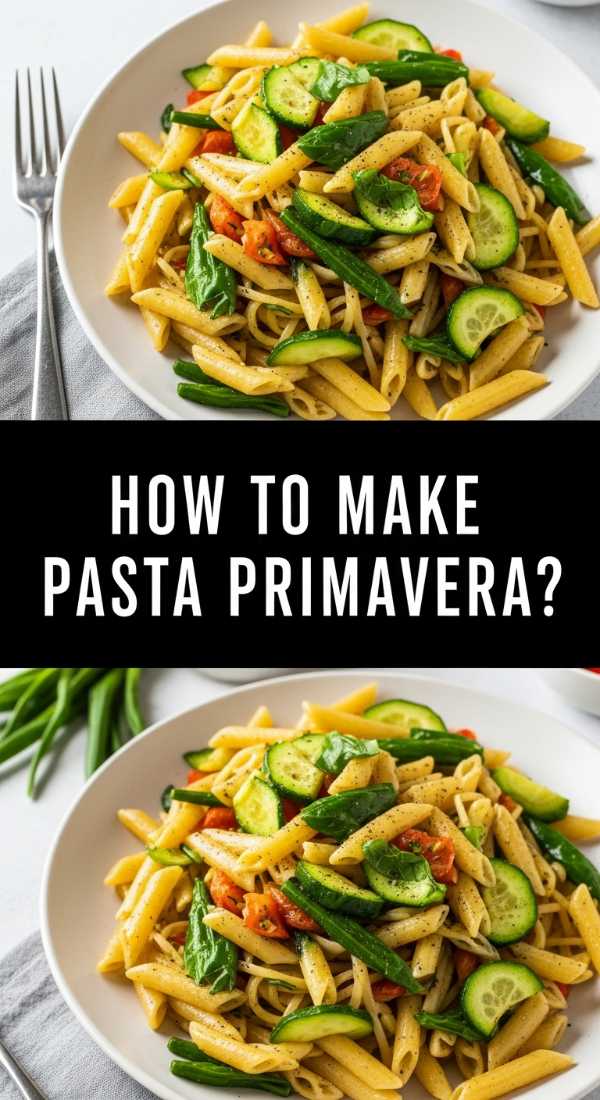
HOW TO MAKE PASTA PRIMAVERA?
Why we love this
Pasta Primavera is a celebration of abundance. It’s a light, refreshing pasta dish that relies on the quality of its vegetables rather than a heavy sauce. The pasta is tossed in a delicate emulsion of butter, garlic, and parmesan, which highlights the snap of zucchini and the sweetness of peppers. It feels like a sophisticated garden party on a plate, providing a colorful, vegetable-forward option that keeps the board feeling balanced and beautifully seasonal.
Ingredients
- 12 oz penne or farfalle pasta
- 1 zucchini, sliced into half-moons
- 1 yellow bell pepper, julienned
- 1/2 cup frozen peas
- 3 cloves garlic, minced
- 1/2 cup pasta water (reserved)
- 1/2 cup grated parmesan
How to make it
- Cook your pasta in boiling salted water. About 3 minutes before the pasta is done, add the frozen peas directly to the pasta water to blanch them.
- Before draining, scoop out a cup of the starchy pasta water—this is your ‘liquid gold’ for the sauce.
- In a separate large pan, sauté the zucchini and bell peppers in olive oil over high heat for only 3-4 minutes. You want them to have color but still retain a firm snap.
- Add the minced garlic to the veggies for the last 60 seconds of sautéing so it doesn’t burn.
- Toss the drained pasta and peas into the veggie pan. Add the parmesan cheese and half of the reserved pasta water. Stir vigorously over medium heat until the water and cheese create a light, creamy glaze that coats every piece of pasta.
The Final Spread: Bringing it All Together
Building a viral food board is about more than just the recipes; it’s about the arrangement and the shared experience. Start by placing your larger bowls—like the soups and dips—in a staggered pattern across your board. Fill in the gaps with the lemon chicken and salmon, then weave the roasted veggies and pasta around them. Use the spring salad as a vibrant border. The goal is to create a landscape of color and texture that invites people to explore. Remember, there are no mistakes here—only delicious discoveries. Happy hosting!
Frequently Asked Questions
Can I make these dishes ahead of time? Many of the components, like the roasted veggies and the dips, can be prepped in advance and reheated. However, for the best texture, I recommend cooking the salmon and the spring salad right before serving.
What is the best board to use for a spread this large? A large wooden butcher block or a marble pastry slab works beautifully. If you don’t have one large enough, you can even line your dining table with parchment paper and build the ‘board’ directly on the table for a truly viral, ‘grazing table’ look!
How do I keep the dips warm? Using small cast-iron skillets or ceramic dishes that hold heat well is key. You can also place the dip bowls on a warming tray if you plan on grazing for several hours.