

Have you ever stepped outside in the early morning, coffee in hand, and felt like the world just paused to breathe with you? There is something profoundly healing about a space that feels like it was grown just for your soul. Transforming a simple backyard or a quiet room into a viral-worthy sanctuary isn’t just about the aesthetics; it’s about creating a lifestyle where every corner tells a story of peace and intentionality.
We’ve all scrolled through those mesmerizing feeds of sun-drenched patios and perfectly curated interiors, wondering how they capture that magic. It starts with a single seed—an idea that blooms into a tactile reality. Whether it’s the soft rustle of leaves against a wooden trellis or the way a blue divider brings calm to a chaotic workday, building your dream sanctuary is about weaving together the elements that make you feel truly at home. Let’s dive into how you can cultivate that viral garden and lifestyle charm right where you are.
How to Optimize a Chicken Coop for a Fresh Backyard

Why we love this
There is nothing quite as grounding as the gentle, rhythmic clucking of happy hens and the earthy, sweet scent of fresh straw under the morning sun. We love this because it brings a touch of the rustic countryside into the modern backyard, offering a sustainable source of farm-to-table goodness. The texture of smooth, warm eggs held in your palm and the vibrant sight of colorful chickens roaming a clean, well-designed coop creates a sensory experience that feels both wholesome and deeply rewarding.
Essential Elements:
- Weather-resistant cedar or reclaimed wood
- Heavy-duty hardware cloth for predator protection
- Deep litter bedding (hemp or pine shavings)
- Automatic solar-powered coop door
- Integrated nesting boxes with external access
- A dust bath area with fine sand and wood ash
How to make it
- Begin by choosing a level, well-draining site that receives a balance of sun and shade throughout the day.
- Construct a sturdy frame using pressure-treated lumber for the base, ensuring it is anchored deeply to prevent shifting.
- Install hardware cloth—not chicken wire—around the run, burying it at least 6 inches underground to deter burrowing predators like foxes or raccoons.
- Build the nesting boxes at a height slightly lower than the roosting bars to encourage the hens to sleep on the bars rather than in their laying area.
- Apply a non-toxic, water-based sealant to the exterior to protect the wood while keeping the interior air quality safe for the birds.
- Optimize ventilation by installing adjustable vents at the top of the coop to allow moisture and ammonia to escape while preventing direct drafts.
How to Style Blue Aesthetic Dividers for an Organized Home Office

Why we love this
The color blue has an incredible ability to lower the heart rate and sharpen the mind, making it the perfect hue for a productive yet peaceful sanctuary. These dividers don’t just separate space; they curate a mood, offering a velvety visual rest for the eyes during long hours of focus. We adore the way a dusty cornflower or a deep navy screen can transform a chaotic room into a professional oasis, providing a crisp, clean backdrop that feels both sophisticated and incredibly soothing.
Essential Elements:
- Folding paneled screens in shades of slate or azure
- Velvet or linen upholstery for sound dampening
- Gold or brass hardware for a touch of luxury
- Clip-on task lighting for focused work
- Aesthetic hanging organizers for stationery
How to make it
- Identify the natural light source in your room and position the divider so it minimizes glare on your computer screen while still feeling illuminated.
- Select a three-to-five panel divider and arrange it in a soft ‘Z’ or ‘U’ shape to provide maximum stability and visual depth.
- Attach acoustic foam or thick fabric to the back of the panels if you need to dampen sound for professional video calls or recordings.
- Style the divider by draping a lightweight silk scarf or hanging a minimalist wreath to soften the vertical lines.
- Integrate functional elements by using small, clear adhesive hooks to hold your headphones or a small calendar, keeping your desk surface clear.
- Ensure the feet of the divider are equipped with felt pads to protect your flooring and allow for easy repositioning as your needs change.
How to Select Exterior Concrete Shades for a Sleek Patio

Why we love this
There is a modern, architectural elegance in the cool, smooth touch of high-quality concrete that balances the wildness of a garden perfectly. Selecting the right shade—whether it’s a warm sand-infused grey or a dramatic charcoal—creates a foundation that feels both permanent and effortlessly chic. We love the way the setting sun casts long, soft shadows across a matte concrete surface, highlighting the subtle textures and making the vibrant greens of your plants pop with an almost electric intensity.
Essential Elements:
- High-grade concrete mix with integral color pigments
- Non-slip matte finish sealant
- Contraction joints for crack control
- Contrasting aggregate (like white quartz or basalt)
- Pre-cast concrete pavers or poured-in-place slabs
How to make it
- Evaluate the existing color palette of your home’s exterior; choose a concrete shade that is two shades lighter or darker than your siding for a cohesive look.
- Order a small sample of the concrete pigment and view it outside at different times of the day to see how the natural light changes the hue.
- Prepare the sub-base with at least 4 inches of compacted gravel and a layer of sand to ensure the concrete has a stable, level foundation.
- Incorporate integral color into the wet mix rather than using a surface dust-on color to ensure the shade remains consistent even if the surface chips.
- Use a broom finish or a light salt finish technique during the curing phase to provide a safe, non-slip texture for rainy days.
- Apply a high-quality penetrating sealer after the concrete has cured for 28 days to protect the color from UV fading and oil stains.
How to Incorporate Pink Lace Patterns for a Dreamy Room Makeover
Why we love this
Soft, blush-toned lace evokes a sense of nostalgic romance and ethereal beauty that feels like stepping into a Victorian-inspired dreamscape. The way sunlight filters through intricate floral patterns, casting delicate, dancing shadows across a room, creates an atmosphere of pure tranquility and grace. We love this look because it adds a layer of tactile softness and vintage charm, turning a standard bedroom into a sanctuary that feels light, airy, and wonderfully feminine.
Essential Elements:
- Blush or dusty rose lace curtains
- Scalloped-edge lace pillow shams
- Intricate lace table runners or doilies
- Pink-toned floral wallpaper as a backdrop
- Soft velvet accents to balance the lace texture
How to make it
- Choose a focal point for the lace, such as a large window or a canopy bed, to prevent the room from feeling overly cluttered.
- Layer sheer pink lace curtains over a solid blackout blind to create depth and allow for privacy without losing the aesthetic appeal.
- Select lace with a high cotton content for a more matte, high-end look that drapes beautifully and resists the “shiny” look of cheap synthetics.
- Integrate the pattern into smaller details like lampshades or the edges of shelving to create a cohesive theme throughout the space.
- Balance the softness of the pink lace with structured elements like a white wooden bed frame or a sleek gold mirror.
- Mist the lace lightly with a linen spray containing lavender or rose water to enhance the sensory experience of the room makeover.
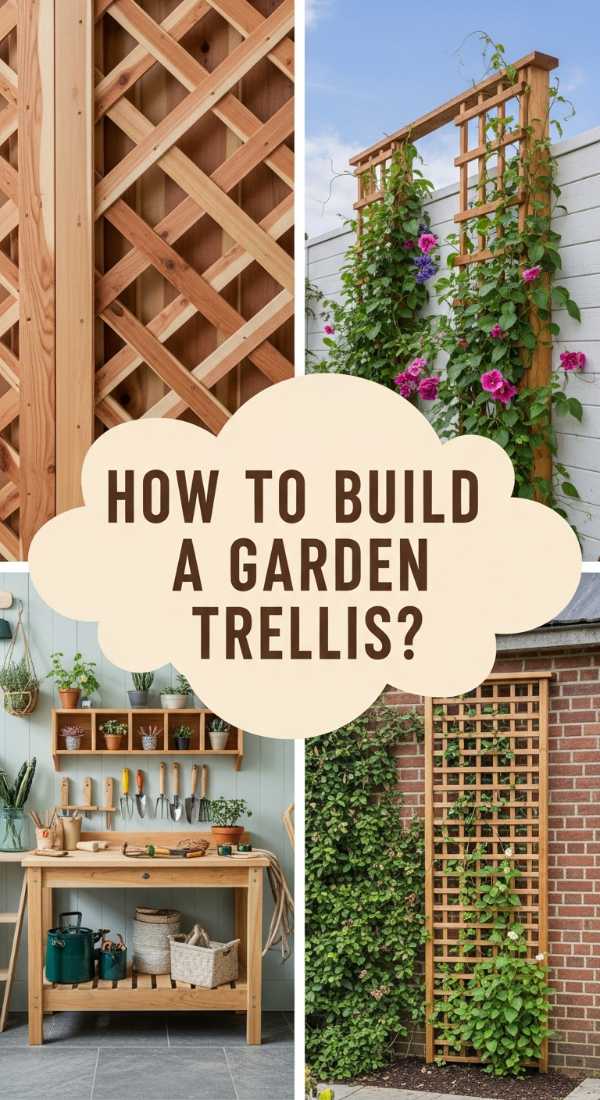
How to Construct a Wooden Trellis for a Bountiful Vertical Garden

Why we love this
A wooden trellis is more than just a support structure; it is the skeleton of a living masterpiece that brings lush, green verticality to any sanctuary. The scent of climbing jasmine or the sight of heavy, ripening grapes hanging from a cedar lattice creates a sense of abundance and natural enclosure. We love the way wood weathers over time, gaining a silvery patina that tells the story of the seasons while providing a sturdy home for adventurous vines to reach for the sky.
Essential Elements:
- Rot-resistant wood (Cedar, Redwood, or Teak)
- Galvanized or stainless steel screws
- Wood glue rated for outdoor use
- Level and measuring tape
- Anchor spikes or post-hole digger
How to make it
- Sketch your design, opting for a classic diamond or square lattice pattern with openings of at least 4-6 inches to allow for easy vine weaving.
- Cut your vertical support posts and horizontal slats to size, sanding the edges to prevent snagging delicate plant stems.
- Pre-drill holes for all screws to prevent the wood from splitting, especially near the ends of the slats.
- Assemble the outer frame first on a flat surface, ensuring all corners are perfectly square before attaching the interior lattice pieces.
- Secure the trellis to a wall with 2-inch spacers or sink the support posts 18 inches into the ground for a free-standing structure.
- Plant your climbers at the base, about 6 inches away from the wood, and gently guide the initial shoots toward the trellis using soft garden twine.
How to Renovate a Retro Ranch for Timeless Modern Appeal

Why we love this
Retro ranch homes possess a unique, low-slung charm that prioritizes a seamless connection between indoor and outdoor living. We love renovating these spaces because they offer a perfect canvas for “Mid-Century Modern” aesthetics, featuring wide windows and open floor plans that invite the garden inside. The combination of clean, horizontal lines and warm wood accents creates a home that feels grounded, spacious, and eternally stylish, making every room feel like a sunny retreat.
Essential Elements:
- Large-format floor tiles or original hardwood
- Floor-to-ceiling glass sliding doors
- Minimalist, flat-panel cabinetry
- Exposed ceiling beams or vaulted ceilings
- A neutral palette with pops of mustard or teal
How to make it
- Focus on maximizing light by replacing small, segmented windows with large, fixed-pane glass units to blur the line between the interior and the garden.
- Remove non-structural walls between the kitchen, dining, and living areas to create the signature open-concept flow characteristic of modern ranch design.
- Update the exterior siding with a mix of vertical cedar planks and smooth stucco to add contemporary texture and visual interest.
- Choose a unified flooring material that runs from the front door through to the back patio to create a sense of infinite, uninterrupted space.
- Incorporate smart home technology subtly, ensuring outlets and controls are hidden or integrated into the minimalist aesthetic.
- Refinish any original architectural details, such as a brick fireplace, by painting them in a soft off-white or a bold charcoal to modernize the look instantly.
How to Display Glass Garden Sculptures for a Radiant Yard

Why we love this
Glass garden sculptures are like captured light, adding a magical, prismatic dimension to your greenery that changes with the moving sun. We love the way a hand-blown glass orb or a crystalline spire catches the golden hour glow, scattering rainbows across the grass and petals. It brings an artistic, high-end feel to the garden, offering a visual surprise that feels both sophisticated and whimsically enchanted, especially when nestled among soft ferns or swaying grasses.
Essential Elements:
- Hand-blown glass orbs or teardrops
- Sturdy metal or stone mounting pedestals
- Uplighting or solar-powered spotlights
- Clear museum wax for securing pieces
- Drought-tolerant plants to surround the sculptures
How to make it
- Select sculptures with colors that either complement your blooms (e.g., cobalt blue with yellow lilies) or contrast sharply for a dramatic focal point.
- Position the glass in areas where it will receive direct sunlight for at least part of the day to maximize the refractive light effects.
- Place sculptures at varying heights—some tucked low among the foliage and others elevated on pedestals—to create a dynamic visual journey through the garden.
- Ensure stability by burying the base of the pedestals or using heavy-duty adhesive for pieces placed on stone walls or benches.
- Clean the glass regularly with a simple mixture of vinegar and water to keep the surfaces sparkling and free of hard water spots.
- Install low-voltage LED spotlights at the base of the sculpture to create a glowing, ethereal effect during the evening hours.
How to Enhance Outdoor Living Areas for Relaxing Evenings

Why we love this
There is nothing more restorative than an evening spent under a canopy of stars, surrounded by the warmth of a fire and the soft glow of string lights. We love enhancing outdoor living areas because they become the heart of the home during the warmer months, offering a place to disconnect from screens and reconnect with loved ones. The texture of a chunky knit throw, the crackle of burning wood, and the aroma of night-blooming jasmine create a sensory sanctuary that feels like a permanent vacation in your own backyard.
Essential Elements:
- Weatherproof sectional or oversized lounge chairs
- A smokeless fire pit or stone hearth
- Dimmable Edison-style string lights
- Outdoor rugs in natural jute or polypropylene
- All-weather Bluetooth speakers for ambient sound
How to make it
- Define the space by laying down a large outdoor rug that anchors your seating arrangement and provides a soft surface for bare feet.
- Arrange your furniture in a conversational circle around a central fire element to foster social interaction and a cozy atmosphere.
- Layer lighting by combining overhead string lights with solar path markers and flickering LED candles on side tables for a multi-dimensional glow.
- Incorporate high-quality outdoor textiles, such as UV-resistant pillows and quick-dry cushions, to ensure comfort and durability against the elements.
- Plant fragrant herbs like rosemary or lavender in nearby pots; when the evening breeze blows, it will carry their calming scents into your seating area.
- Add a vertical element, like a decorative screen or a tall planter, to provide privacy from neighbors and create a true sense of an outdoor “room.”
How to Design a Floral Garden Wall for an Enchanting Path

Why we love this
A floral garden wall is a vertical explosion of color and scent that turns a simple walkway into a portal to another world. We love the way a wall of climbing roses or clematis creates a soft, living boundary that feels intimate and lush. The feeling of walking past a wall of blooms, their petals occasionally brushing your shoulder and their perfume filling the air, is the ultimate expression of garden luxury. It’s a viral-worthy feature that adds incredible depth and a sense of wonder to even the smallest spaces.
Essential Elements:
- Wall-mounted wire trellis system or cattle panels
- Rapid-climbing flowering vines (Wisteria, Honeysuckle, or Roses)
- Drip irrigation lines for consistent moisture
- Organic bloom-boosting fertilizer
- Heavy-duty masonry anchors for wall attachment
How to make it
- Choose a wall that receives at least 6 hours of sunlight and check that it is structurally sound enough to support the weight of mature vines.
- Install a wire cable system in a grid or chevron pattern, leaving a 2-inch gap between the wire and the wall to allow for airflow and prevent mold.
- Prepare the soil at the base of the wall with plenty of organic compost and bone meal to give your climbing plants a strong, nutrient-rich start.
- Train the young shoots horizontally across the bottom of the trellis first; this encourages more vertical growth and a fuller carpet of flowers.
- Prune the plants twice a year—once after the main bloom and once in late winter—to maintain the shape and promote vigorous new growth.
- Incorporate a variety of species that bloom at different times to ensure your floral wall remains vibrant and colorful from spring through late autumn.
How to Master Coquette Interior Design for a Charming Home
[IMAGE_10]
Why we love this
The coquette aesthetic is a delightful celebration of hyper-femininity, whimsy, and delicate charm. We love this style because it prioritizes beauty for beauty’s sake—think dainty bows, pastel palettes, and vintage-inspired flourishes that make a home feel like a storybook retreat. The soft touch of ruffles, the shimmer of a crystal chandelier, and the playfulness of floral prints come together to create a space that is unapologetically romantic and incredibly cozy, offering a sanctuary from the harshness of the outside world.
Essential Elements:
- Ribbons and bows used as accents (on mirrors, chairs, or pillows)
- A palette of cream, baby pink, and mint green
- Vintage gold-framed mirrors and artwork
- Toile or small-scale floral patterns
- Delicate porcelain tea sets and trinket dishes
How to make it
- Start with a neutral base—like off-white walls—and layer in your coquette elements through textiles and small decor pieces to avoid overwhelming the space.
- Tie oversized silk or velvet bows around the backs of your dining chairs or at the corners of your picture frames for an instant coquette touch.
- Incorporate “grandmillennial” furniture pieces, such as a tufted ottoman or a vanity with cabriole legs, to provide a sense of timeless elegance.
- Style your shelves with a mix of vintage books, lace doilies, and dried flower arrangements in antique glass vases.
- Use soft, diffused lighting—think pleated lampshades or string lights—to create a warm, inviting glow that enhances the romantic atmosphere.
- Add a few modern touches, like a sleek acrylic tray or a contemporary art print, to keep the look fresh and prevent it from feeling too much like a costume.
Cultivating Your Forever Sanctuary
Building a viral-worthy garden and home isn’t about following every trend—it’s about finding the elements that resonate with your personal sense of peace and joy. From the structural beauty of a wooden trellis to the soft, romantic details of a coquette bedroom, each choice you make adds a layer of sanctuary to your life. Take it one step at a time, enjoy the process of watching things grow, and soon you’ll have a space that is not only beautiful on camera but deeply nourishing for your everyday life.