
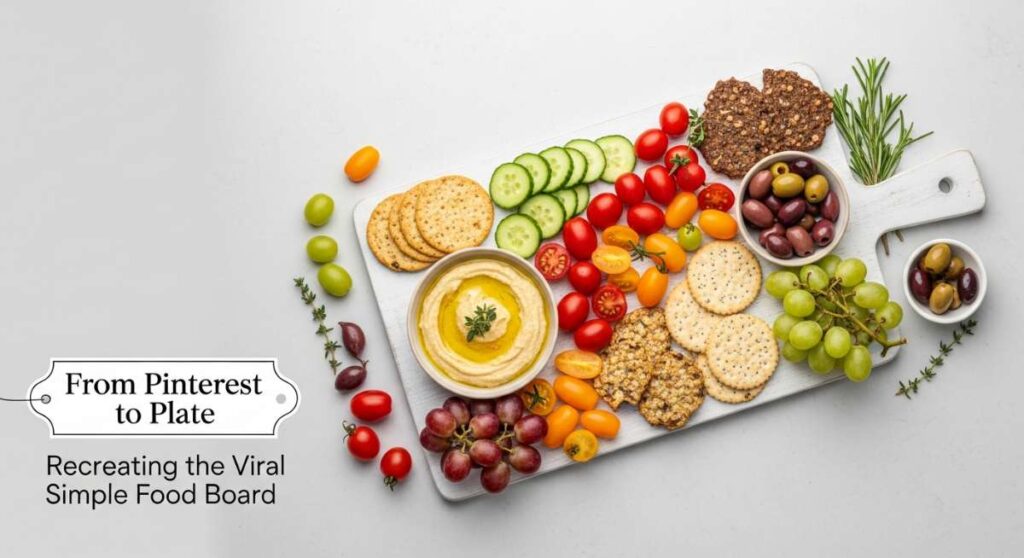
We’ve all been there—late at night, scrolling through a beautifully curated Pinterest board titled ‘Simple Aesthetic Food’ or ‘Weekend Bites,’ feeling that sudden spark of culinary inspiration. There is something about the soft lighting, the vibrant greens of fresh herbs, and the rustic charm of a perfectly set table that makes you want to drop everything and head straight to the kitchen. For months, I’ve been pinning these viral recipes, dreaming of the day I could turn those pixels into plates. Today, I’m finally sharing how I brought the viral Simple Food Board to life in my own home.
This journey isn’t just about the food; it’s about the feeling. It’s about the slow ritual of chopping fresh spring vegetables, the sizzle of a grill on a sunny afternoon, and the joy of sharing a beautifully decorated cake with friends. These recipes are designed to be approachable yet stunning, proving that you don’t need a professional kitchen to create viral-worthy meals. Let’s dive into the flavors of the season and turn our digital dreams into delicious reality.
How to Design Spring Cakes?

Why we love this
There is nothing quite like the sight of a light, airy sponge cake adorned with the first blooms of the season. The aroma of zesty lemon peel and Madagascar vanilla wafts through the house as it bakes, creating an atmosphere of pure warmth. When you take that first bite, the texture is velvety and soft, perfectly balanced by a silky buttercream that melts on your tongue. The visual appeal of delicate, edible pansies pressed into the frosting makes it feel like you’re eating a piece of a sun-drenched meadow.
Ingredients
- 2 1/2 cups all-purpose flour
- 1 1/2 cups granulated sugar
- 1 cup unsalted butter, softened
- 4 large eggs, room temperature
- 1 cup whole milk
- 1 tbsp baking powder
- 1 tsp salt
- Zest of 2 lemons
- Edible flowers (pansies, violas, or chamomile)
How to make it
- Preheat your oven to 350°F (175°C) and generously grease two 8-inch round cake pans with butter and a dusting of flour.
- In a large stand mixer bowl, cream the softened butter and granulated sugar together for at least 5 minutes until the mixture is pale, fluffy, and looks like whipped clouds.
- Add the eggs one at a time, beating well after each addition to ensure the emulsion doesn’t break; stir in the lemon zest for that bright citrus punch.
- In a separate bowl, sift together the flour, baking powder, and salt to ensure no lumps remain and the cake rises evenly.
- Alternate adding the dry ingredients and the milk to the butter mixture, starting and ending with the dry ingredients; mix on low speed just until combined—do not overmix or the cake will be tough.
- Divide the batter evenly between the pans and bake for 30-35 minutes, or until a wooden skewer inserted into the center comes out clean with just a few moist crumbs.
- Let the cakes cool in the pans for 10 minutes before transferring to a wire rack to cool completely; once chilled, frost with a light Swiss meringue buttercream and gently press clean, dry edible flowers into the sides for that viral Pinterest aesthetic.
How to Make Rotel Dip?
Why we love this
This dip is the ultimate crowd-pleaser, bringing a nostalgic, creamy comfort to any gathering. The sight of golden, melted cheese swirling with the vibrant reds and greens of diced tomatoes and green chilies is enough to make anyone’s mouth water. As it simmers, the spicy, savory aroma fills the room, promising a bold flavor profile that hits all the right notes of heat and salt. Every scoop with a crunchy tortilla chip provides a satisfying contrast between the smooth, velvety dip and the crisp bite of the corn.
Ingredients
- 1 lb Velveeta cheese, cubed
- 1 can (10 oz) Ro-Tel Diced Tomatoes and Green Chilies
- 1/2 lb ground sausage or beef
- 1/2 tsp taco seasoning
- Fresh cilantro for garnish
- Tortilla chips for serving
How to make it
- In a large skillet over medium-high heat, brown the ground sausage or beef, breaking it into very small crumbles with a wooden spoon until no pink remains and it is slightly crispy.
- Drain the excess fat from the skillet to ensure the dip isn’t greasy, then sprinkle the meat with taco seasoning for extra depth of flavor.
- Lower the heat to medium-low and add the cubed Velveeta cheese and the entire can of Ro-Tel (do not drain the liquid from the can, as it provides the essential acidity and moisture).
- Stir the mixture constantly with a heat-resistant spatula to prevent the cheese from scorching on the bottom of the pan; continue until the cheese is completely melted and glossy.
- Transfer the dip to a small slow cooker on the ‘warm’ setting to maintain its pourable consistency throughout your party.
- Garnish with a handful of freshly chopped cilantro just before serving to provide a pop of color and a fresh herbaceous finish.
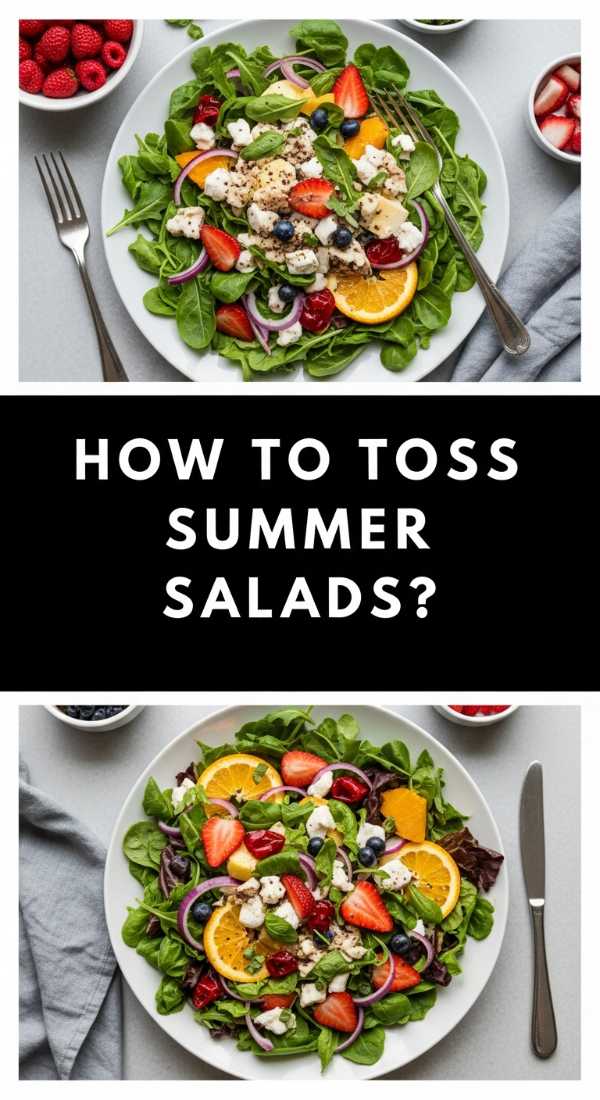
How to Toss Summer Salads?
Why we love this
A true summer salad is a masterclass in texture and freshness, combining the snap of crisp greens with the juicy sweetness of seasonal stone fruits. The scent of torn mint and basil leaves mingles with the acidic tang of a white balsamic vinaigrette, creating an olfactory experience that screams sunshine. As you toss the ingredients together, the colors—deep purples of blackberries, bright greens of arugula, and creamy whites of goat cheese—marry into a dish that is as beautiful as it is delicious. It feels light and hydrating, making it the perfect antidote to a humid July afternoon.
Ingredients
- 4 cups baby arugula or spinach
- 1 cup fresh peaches, sliced
- 1/2 cup blueberries or blackberries
- 1/4 cup toasted pecans
- 2 oz goat cheese, crumbled
- 3 tbsp extra virgin olive oil
- 1 tbsp white balsamic vinegar
- Honey, salt, and pepper to taste
How to make it
- Start by chilling your salad bowl in the refrigerator for 10 minutes; a cold bowl helps keep the greens crisp while you are tossing.
- In a small glass jar, whisk together the olive oil, white balsamic vinegar, a drizzle of honey, salt, and freshly cracked black pepper until the dressing is fully emulsified and thick.
- Place the arugula in the chilled bowl and drizzle only half of the dressing over the leaves, using clean hands or large tongs to gently lift and turn the greens so every leaf is lightly coated.
- Arrange the sliced peaches and berries over the greens rather than tossing them in aggressively, which prevents the delicate fruit from bruising or staining the salad.
- Sprinkle the toasted pecans and crumbled goat cheese over the top for crunch and creaminess.
- Finish with a final light drizzle of the remaining dressing and a sprinkle of flaky sea salt right before the bowl hits the table to ensure maximum freshness and flavor impact.
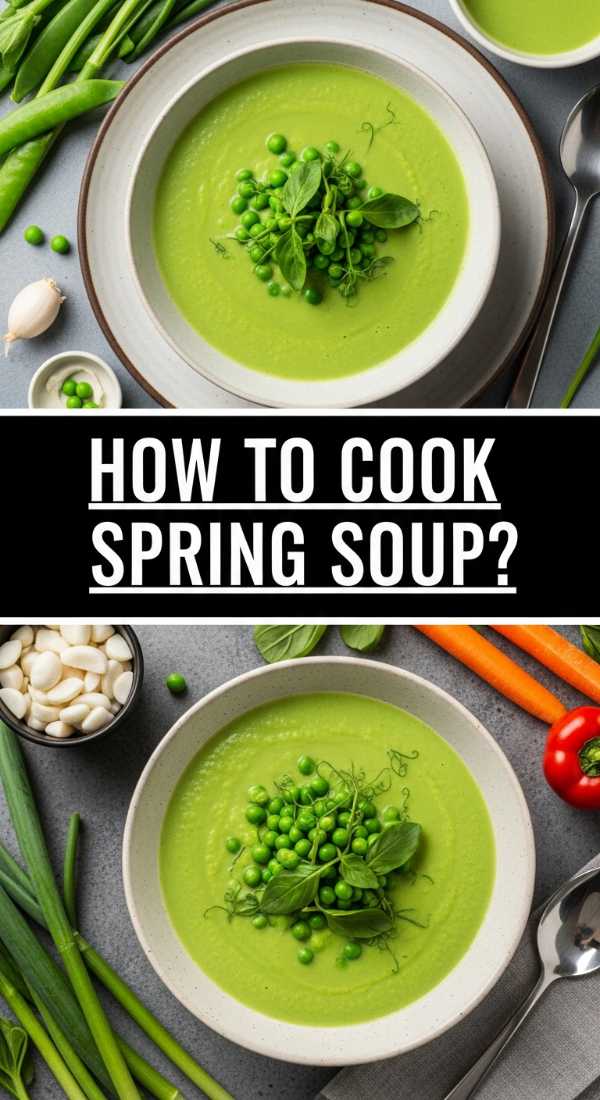
How to Cook Spring Soup?

Why we love this
Spring soup is like a liquid garden, capturing the essence of new growth in a single bowl. The vibrant emerald green color comes from fresh peas and asparagus, giving it a visual brightness that feels incredibly healthy and rejuvenating. The aroma is clean and grassy, accented by the sharp fragrance of lemon zest and the earthy scent of sautéed leeks. Each spoonful is silky and smooth, offering a delicate sweetness from the spring vegetables that lingers on the palate, making it a sophisticated starter for any seasonal dinner party.
Ingredients
- 1 lb fresh asparagus, woody ends removed
- 2 cups frozen or fresh peas
- 2 large leeks, white parts only, sliced
- 4 cups vegetable broth
- 1 tbsp olive oil
- 1/2 cup heavy cream (optional)
- Fresh chives and lemon zest for garnish
How to make it
- Heat the olive oil in a heavy-bottomed Dutch oven over medium heat; add the sliced leeks and a pinch of salt, sautéing them slowly for 5-7 minutes until they are translucent and soft but not browned.
- Increase the heat slightly and add the asparagus pieces (save the tips for garnish), stirring them for 2 minutes to lock in their bright green color.
- Pour in the vegetable broth, making sure it completely covers the vegetables, and bring the liquid to a gentle simmer—do not let it reach a rolling boil, as high heat can dull the green pigments.
- Simmer for about 8-10 minutes until the asparagus is fork-tender, then add the peas for the final 2 minutes of cooking just to warm them through.
- Using an immersion blender, puree the soup directly in the pot until it is completely smooth and aerated; if using a traditional blender, work in small batches and be careful with the hot liquid.
- Stir in the heavy cream if you desire a richer texture, and serve in shallow bowls garnished with blanched asparagus tips, chopped chives, and a generous grating of lemon zest.
How to Make Dirty Spaghetti?

Why we love this
Dirty spaghetti is the soulful, deep-flavored cousin of the classic Italian dish, drawing inspiration from the rich, spicy notes of Cajun ‘dirty rice.’ The kitchen fills with the savory, peppery aroma of the ‘Holy Trinity’—onions, celery, and bell peppers—sautéing alongside browned meat and spices. The texture is hearty and satisfying, with the long strands of pasta clinging to a thick, flavorful sauce that is packed with umami. It’s a comfort food masterpiece that feels rustic and sophisticated all at once, offering a complex heat that warms you from the inside out.
Ingredients
- 1 lb spaghetti noodles
- 1/2 lb ground beef
- 1/2 lb ground pork or pork sausage
- 1 medium onion, finely diced
- 1 green bell pepper, finely diced
- 2 celery stalks, finely diced
- 3 cloves garlic, minced
- 2 tbsp Cajun seasoning
- 1/2 cup beef broth
How to make it
- Bring a large pot of heavily salted water to a boil; cook the spaghetti for about 1-2 minutes less than the package directions for ‘al dente,’ as it will finish cooking in the sauce later.
- In a large, deep skillet, brown the ground beef and pork over medium-high heat, using a spatula to break the meat into very fine bits until it is deeply caramelized.
- Add the diced onion, bell pepper, and celery (the Trinity) to the meat and sauté for 8 minutes, allowing the vegetables to soften and soak up the rendered fats from the meat.
- Stir in the minced garlic and Cajun seasoning, toasting the spices for 60 seconds until they become intensely fragrant.
- Pour in the beef broth to deglaze the pan, scraping up all the browned bits (fond) from the bottom of the skillet to incorporate that concentrated flavor into the sauce.
- Transfer the undercooked spaghetti directly from the water into the skillet using tongs; add a splash of starchy pasta water and toss everything together for 2 minutes over medium heat until the sauce thickens and coats every strand of pasta perfectly.
How to Decorate Spring Cookies?
Why we love this
Decorating spring cookies is a meditative art form that transforms simple sugar cookies into edible canvases. The scent of sweet almond icing and buttery shortbread is intoxicating, creating a sense of nostalgic joy. As you pipe delicate flower petals or intricate leaf patterns, the smooth Royal icing dries to a perfect, satiny sheen that is incredibly satisfying to behold. The crunch of the cookie followed by the snap of the icing provides a delightful textural contrast, making these treats the highlight of any dessert table or gift basket.
Ingredients
- Batch of sugar cookies, cut into shapes
- 4 cups powdered sugar
- 3 tbsp meringue powder
- 1/2 tsp almond extract
- 6-8 tbsp warm water
- Gel food coloring (pastel shades)
How to make it
- In a clean stand mixer bowl, whisk the powdered sugar, meringue powder, and almond extract; gradually add water one tablespoon at a time until the icing reaches a thick, honey-like ’15-second consistency.’
- Divide the icing into separate bowls and use a toothpick to add tiny amounts of gel food coloring, mixing thoroughly until you achieve soft, viral-inspired pastel hues.
- Transfer the icing into piping bags fitted with small round tips; if you don’t have tips, snip a very tiny hole at the corner of the bag.
- Outline the perimeter of each cooled cookie first, then ‘flood’ the center by adding more icing and using a toothpick to push it into the corners for a seamless, flat finish.
- Allow the base layer to dry for at least 4 hours before adding details; pipe small dots to create flower centers or thin lines for leaf veins to give the cookies a professional, 3D look.
- Let the finished cookies dry completely overnight in a cool, dry place before stacking or packaging to prevent any smudging of the intricate designs.
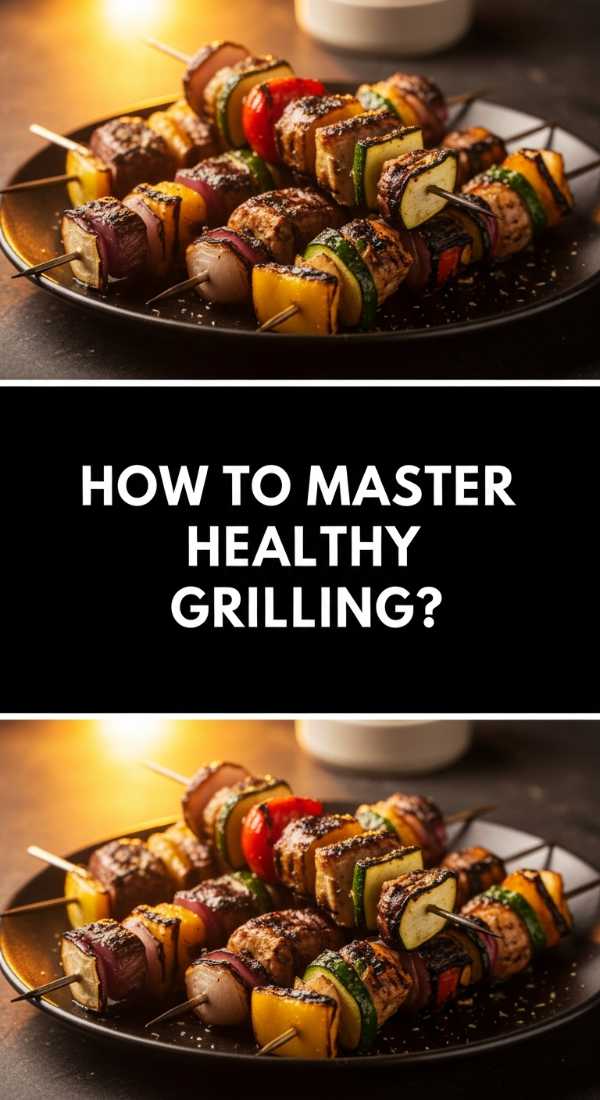
How to Master Healthy Grilling?
Why we love this
Mastering the grill is about embracing the elemental flavors of fire and smoke to elevate simple, healthy ingredients. The sizzle of fresh zucchini and marinated chicken hitting the hot grates is the quintessential sound of outdoor living. The aroma is a intoxicating blend of charred wood, caramelized natural sugars, and zesty herb marinades that promises a meal that is both lean and incredibly satisfying. The resulting dishes have those beautiful, bold sear marks and a smoky depth that you simply cannot replicate in an oven, making healthy eating feel like a true celebration.
Ingredients
- 2 lbs lean protein (chicken breast or salmon fillets)
- Assorted vegetables (bell peppers, zucchini, asparagus)
- 1/4 cup olive oil
- Juice of 1 lemon
- 2 cloves garlic, crushed
- Fresh rosemary and thyme
How to make it
- Begin by preheating your grill to medium-high heat (about 400°F) and meticulously cleaning the grates with a wire brush to prevent sticking and ensure clean sear marks.
- In a shallow dish, whisk together olive oil, lemon juice, crushed garlic, and chopped herbs; marinate your protein for at least 30 minutes in the refrigerator, but take it out 10 minutes before grilling to take the chill off.
- Lightly brush your sliced vegetables with olive oil and a sprinkle of salt; do not over-oil them, as excess oil can cause flare-ups on the grill.
- Place the protein on the hottest part of the grill; leave it undisturbed for 5-6 minutes to develop a proper crust before attempting to flip it.
- Move the protein to a slightly cooler part of the grill to finish cooking through while you grill the vegetables over the direct heat for 3-4 minutes per side until they have charred edges but remain tender-crisp.
- Use a meat thermometer to ensure the chicken reaches an internal temperature of 165°F (74°C) or the salmon reaches 145°F (63°C), then let the meat rest for 5 minutes before slicing to keep the juices locked inside.
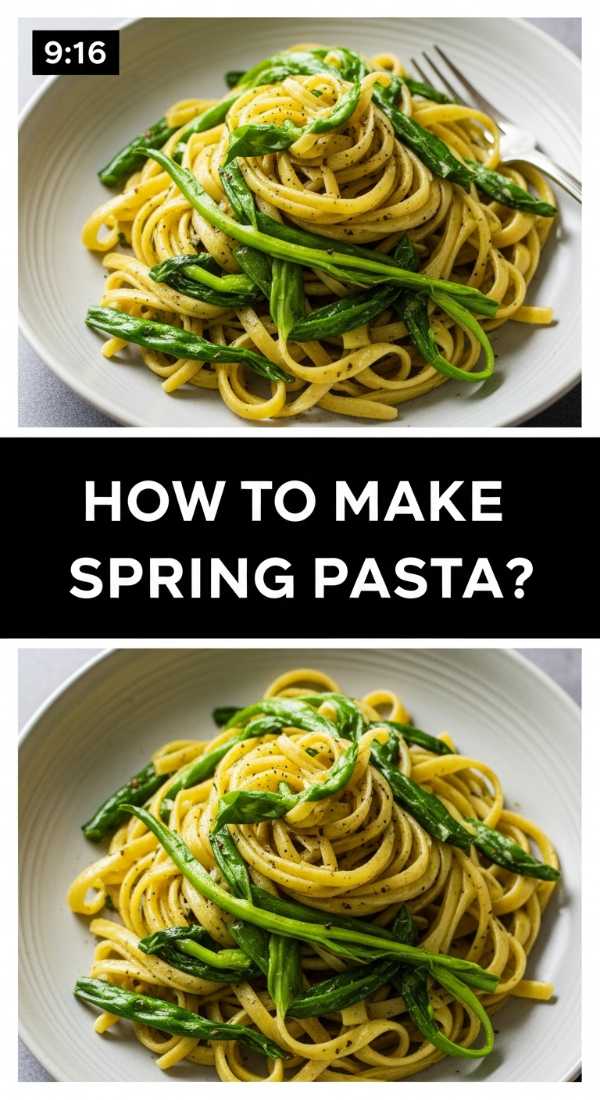
How to Make Spring Pasta?
Why we love this
Spring pasta is the embodiment of culinary lightness, ditching heavy red sauces for a bright, buttery emulsion of garlic and herbs. The scent of garlic gently simmering in olive oil combined with the fragrance of freshly grated Parmesan is enough to draw anyone into the kitchen. The texture is elegant—silky pasta strands tossed with tender-crisp greens like spinach or snap peas that provide a fresh, snappy bite. It feels indulgent yet refreshing, a perfect meal for those transitional evenings when the air is still a bit cool but the sun is staying out longer.
Ingredients
- 12 oz linguine or fettuccine
- 2 tbsp butter
- 2 tbsp extra virgin olive oil
- 4 cloves garlic, thinly sliced
- 1 cup frozen peas or sliced snap peas
- 1/2 cup pasta water
- 1/2 cup grated Parmesan cheese
- Red pepper flakes and fresh parsley
How to make it
- Boil the pasta in a large pot of salted water until it is just shy of al dente; remember that the pasta will continue to cook in the sauce, so it needs to have a bit of a ‘bite’ left.
- In a large skillet over low-medium heat, melt the butter into the olive oil; add the sliced garlic and a pinch of red pepper flakes, cooking very slowly so the garlic softens and infuses the oil without turning brown or bitter.
- Add the peas to the garlic oil and toss for 2 minutes just until they turn a bright, vivid green.
- Before draining the pasta, use a measuring cup to scoop out at least one cup of the starchy pasta water—this is the secret ingredient for a silky, viral-quality sauce.
- Transfer the pasta directly into the skillet; pour in half of the pasta water and the Parmesan cheese, then toss vigorously with tongs over medium heat.
- The agitation of tossing the pasta with the starch and fat will create a creamy, translucent sauce that coats every strand; add more pasta water if the dish looks dry, and finish with a handful of fresh parsley and a final squeeze of lemon.
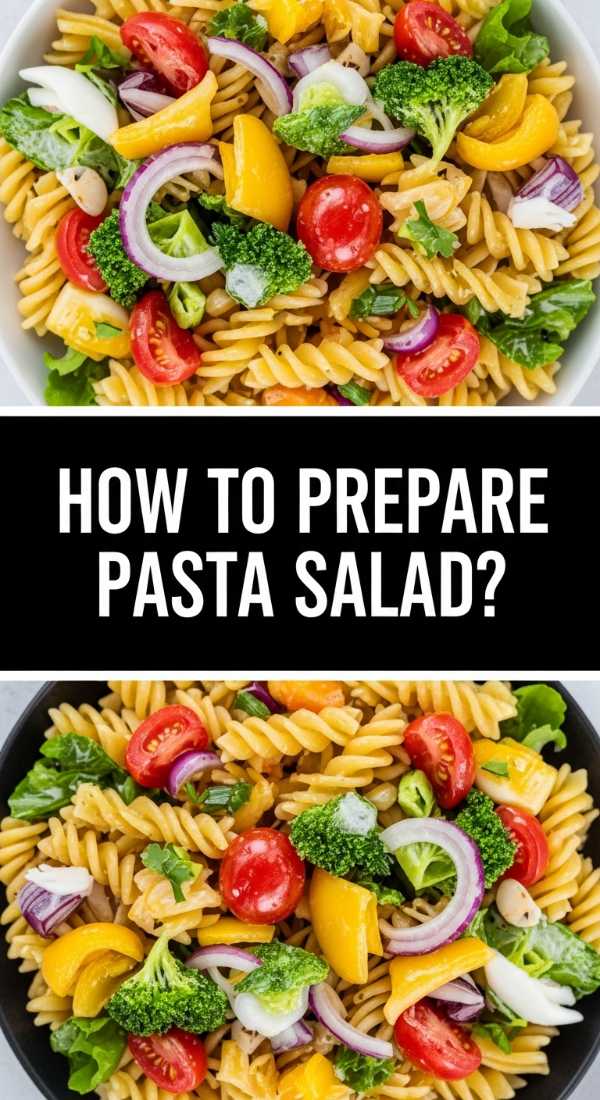
How to Prepare Pasta Salad?

Why we love this
Pasta salad is the ultimate versatile side dish, offering a kaleidoscope of colors and a symphony of textures in every bowl. The aroma is zesty and bright, driven by a punchy herb vinaigrette that soaks into every crevice of the pasta shapes. As you bite into it, you get the chewiness of the pasta, the crunch of fresh cucumbers, the brine of olives, and the creamy richness of feta or mozzarella pearls. It’s a dish that actually tastes better the longer it sits, making it the perfect stress-free prep for picnics or busy weeknights.
Ingredients
- 1 lb rotini or farfalle pasta
- 1 cup cherry tomatoes, halved
- 1 cucumber, diced
- 1/2 cup kalamata olives, sliced
- 1/2 cup red onion, finely diced
- 4 oz feta cheese or mozzarella pearls
- 1/2 cup Italian dressing or herb vinaigrette
How to make it
- Cook the pasta in a large pot of boiling salted water according to package directions, but aim for the firm side of al dente to ensure it doesn’t get mushy after marinating.
- Drain the pasta and immediately rinse it under cold running water to stop the cooking process and wash away excess starch, which prevents the pasta from sticking together.
- In a massive mixing bowl, combine the cooled pasta with the tomatoes, cucumber, olives, and red onion; ensure your vegetables are cut into uniform, bite-sized pieces for the best mouthfeel.
- Pour the dressing over the ingredients and toss thoroughly until every piece is glistening; use a high-quality vinaigrette with plenty of dried oregano and garlic for that classic deli-style flavor.
- Gently fold in the cheese last to prevent it from breaking down or clouding the dressing.
- Cover the bowl and refrigerate for at least 2 hours before serving—this allows the pasta to absorb the flavors of the dressing and the vegetables to slightly soften, resulting in a much more cohesive dish.
How to Serve Spring Brunch?
[IMAGE_10]
Why we love this
Serving a spring brunch is about creating an effortless, elegant atmosphere where the food is as much a part of the decor as the flowers on the table. The smell of fresh-brewed coffee and warm, buttery croissants creates an instant sense of relaxation and luxury. The spread is a beautiful mix of sweet and savory, from golden quiches to bowls of glistening berries, all arranged to encourage lingering conversations and second helpings. It’s a celebration of the weekend, a slow-paced ritual that feels like a deep breath of fresh air after a long week.
Ingredients
- 1 pre-made pie crust or puff pastry
- 6 large eggs
- 1 cup heavy cream
- 1 cup shredded Gruyère or Swiss cheese
- 2 cups fresh spinach or sautéed mushrooms
- Fresh fruit platter and pastries for sides
How to make it
- Preheat your oven to 375°F (190°C) and blind-bake your pie crust for 10 minutes using pie weights to ensure the bottom stays crisp and doesn’t get soggy under the custard.
- In a medium bowl, whisk the eggs and heavy cream together with a pinch of nutmeg, salt, and white pepper until the mixture is completely homogenous and slightly frothy.
- Layer the shredded cheese and your choice of vegetables (like spinach or mushrooms) in the bottom of the par-baked crust.
- Slowly pour the egg mixture over the fillings, allowing it to settle into all the gaps; do not overfill, leave about a quarter-inch of space from the top of the crust.
- Bake the quiche for 35-40 minutes until the edges are set but the center still has a slight, jello-like jiggle; this ensures a creamy, custardy texture rather than a rubbery one.
- While the quiche rests for 15 minutes, arrange your fruit platter and pastries on elevated cake stands and prepare a ‘Mimosa Bar’ with chilled sparkling wine and a variety of juices to complete the viral aesthetic.
The Final Flourish: Bringing Your Board to Life
Recreating the viral Simple Food Board is about more than just following a recipe; it’s about embracing a lifestyle that finds beauty in the everyday. Whether you are piping delicate flowers onto a cookie or tossing a fresh summer salad, you are participating in a creative process that nourishes both the body and the soul. I hope these recipes inspire you to turn off your screen, head to the kitchen, and create something that is as beautiful as it is delicious. Don’t forget to take a photo of your masterpiece—after all, your plate might just be the next viral pin!
Frequently Asked Questions
Can I make these recipes ahead of time? Yes! Most of these dishes, especially the pasta salad and the spring cookies, actually benefit from being made in advance. The quiche can also be baked a day early and reheated gently in the oven.
Where can I find edible flowers for my spring cake? You can often find them in the herb section of high-end grocery stores or at local farmers’ markets. Just ensure they are labeled as ‘food grade’ and haven’t been treated with pesticides.
What is the secret to a perfect Rotel dip? The key is not draining the can of tomatoes and chilies. That extra liquid is packed with flavor and helps keep the cheese at the perfect dipping consistency.
How do I keep my grilled vegetables from falling through the grates? For smaller items like asparagus or sliced peppers, using a grill basket is a game-changer. Otherwise, make sure to slice your zucchini and peppers into large, flat planks.