
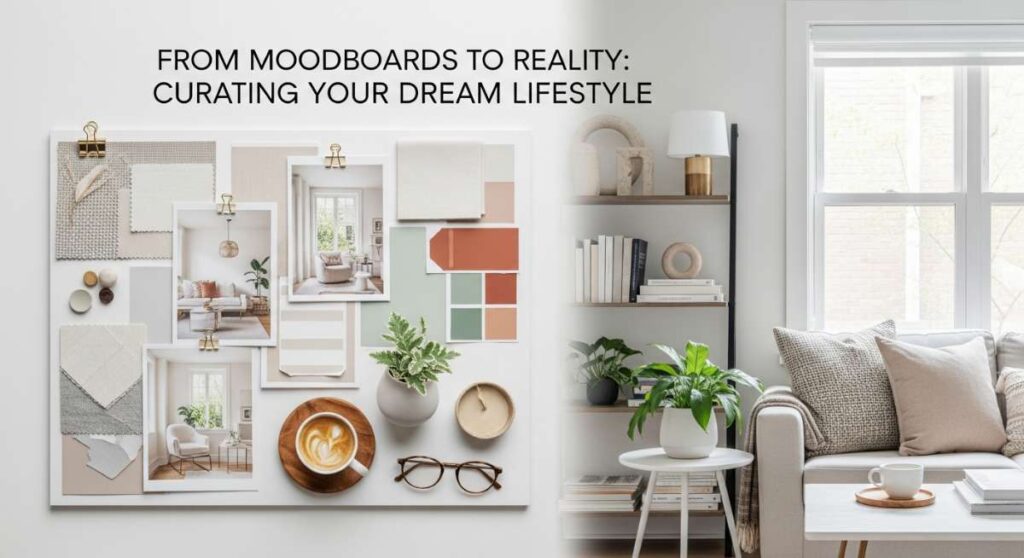
Have you ever spent hours scrolling through Pinterest, your heart fluttering at the sight of a perfectly sun-drenched reading nook or a home office that breathes creativity? I know I have. There is a specific kind of magic in seeing a moodboard come to life, transforming those digital pixels into a physical space that feels like a warm embrace at the end of a long day.
Curating your dream lifestyle isn’t just about buying expensive furniture or following the latest trends; it’s about intentionality. It is about choosing the textures that touch your skin, the scents that fill your rooms, and the visual harmony that allows your soul to finally rest. Today, we are diving deep into how you can bridge the gap between inspiration and reality, one intentional choice at a time.
How to Design a Serene Home for Complete Inner Peace
Why we love this
A serene home is more than just a quiet space; it is a sensory experience that grounds your nervous system the moment you step through the threshold. Imagine the soft, cool touch of linen curtains brushing against your hand as a light breeze carries the faint, earthy aroma of sandalwood and white tea throughout the hall. This design approach focuses on a visual softness that mimics the gentle light of a quiet morning, wrapping you in a blanket of calm that makes the chaos of the outside world feel miles away. It is about creating a sanctuary where every corner invites you to take a deep, restorative breath and simply be.
Essential Elements:
- Neutral color palette (creams, soft greys, and muted beiges).
- Natural light optimization with sheer window treatments.
- Organic textures like jute, linen, and light-toned woods.
- Minimalist decor that prioritizes quality over quantity.
- Ambient scenting through essential oil diffusers or soy candles.
How to make it
- Begin by stripping the room of any visual noise; remove any items that do not serve a functional purpose or bring a sense of joy, treating this as the ‘cleaning and prepping’ phase of your space.
- Select a base color that mimics natural stone or soft clouds; apply this to your largest surfaces to create a consistent ‘temperature’ for the room that feels cool yet inviting.
- Incorporate layers of soft textiles, ensuring you mix textures like a chunky knit throw over a smooth cotton sofa to add depth without adding clutter.
- Position your lighting at eye level rather than using harsh overhead bulbs; use warm-toned LEDs (2700K) to simulate the golden hour glow, adjusting the ‘intensity’ to suit the time of day.
- Finalize the space by introducing a singular ‘hero’ scent; use a cold-air diffuser to disperse a subtle mist of lavender or cedarwood, ensuring the fragrance is a delicate undertone rather than an overwhelming presence.
How to Style a Chic Home Office for Maximum Creative Flow
Why we love this
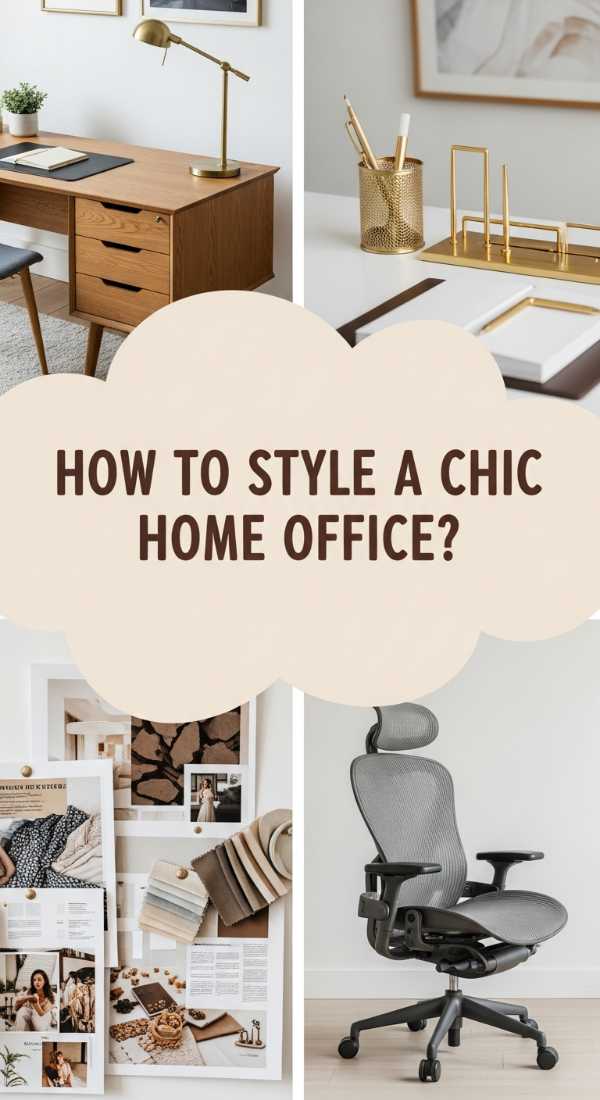
The perfect home office should feel like an extension of your own ambition, a place where the air is thick with the scent of fresh parchment and energized citrus notes. There is a tactile joy in the weight of a heavy brass pen against a smooth marble desktop, or the way a plush velvet chair supports you as you dive into your deepest work. This space is designed to trigger a flow state, using visual cues and luxurious textures to tell your brain that it is time to create something beautiful. It is the intersection of high fashion and high productivity, making every workday feel like an inspired event.
Essential Elements:
- A statement desk (think marble, dark oak, or glass).
- Ergonomic but stylish seating in velvet or leather.
- Task lighting with adjustable arms and warm brass finishes.
- Curation of ‘inspiration’ objects like art books and sculptures.
- Organized cable management to keep the visual field clean.
How to make it
- Start by positioning your desk to face a window or an open area to maximize the ‘creative horizon’; this prevents visual stagnation and keeps the energy in the room flowing.
- Invest in a high-quality desk surface; if using wood, treat it with a natural wax to enhance the grain and the ‘hand-feel’ of your workspace.
- Layer your task lighting by placing a focused lamp on the left (if right-handed) to eliminate shadows; ensure the bulb has a ‘cool-white’ temperature to keep your brain alert and focused.
- Curate a ‘power shelf’ behind you for video calls, arranging books by color or size and adding a singular green plant to introduce a living element to your digital backdrop.
- Establish a daily ‘close-down’ ritual where you clear the surface of all papers and pens, resetting the ‘palette’ of your desk for the next morning’s inspiration.
How to Elevate Home Interior Design for a High End Aesthetic

Why we love this
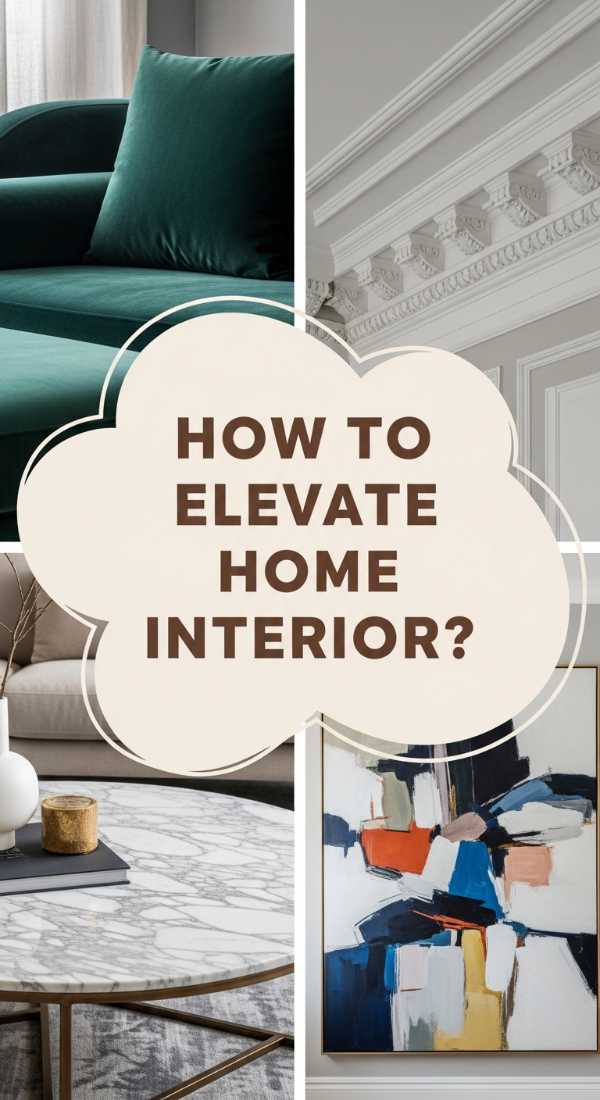
Achieving a high-end aesthetic is less about the price tag and more about the curation of contrast and the richness of materials. We love the way a polished marble surface catches the light, reflecting the deep, saturated tones of a velvet sofa or the intricate weave of a silk-blend rug. It’s a sensory feast where the aroma of expensive leather and fresh-cut lilies fills the air, creating an atmosphere of sophisticated timelessness. This style feels curated over time, offering a bespoke experience that makes every everyday moment feel like a scene from a luxury cinema.
Essential Elements:
- Monochromatic or high-contrast color schemes.
- Over-scaled artwork that acts as a focal point.
- Metallic accents in champagne gold or brushed nickel.
- Architectural lighting like sconces and picture lights.
- High-quality drapery that puddles slightly on the floor.
How to make it
- Focus on ‘visual weight’ by selecting one large-scale piece of furniture, such as an oversized sectional, and anchoring the room around it with a large, low-pile rug.
- Apply ‘jewelry’ to the room through hardware; swap standard cabinet pulls and light switches for heavy, knurled brass or matte black versions for a tactile upgrade.
- Incorporate reflective surfaces strategically to bounce light; place a large, gilded mirror opposite a window to ‘double’ the natural light and increase the perceived volume of the room.
- Style your coffee table using the ‘rule of three’: a stack of books, a textured object (like a bowl), and a botanical element to create a balanced, professional look.
- Use a ‘slow-simmer’ approach to decorating; add one high-quality piece every few months rather than rushing to fill the space with ‘fast-furniture,’ ensuring each item has a story and substance.
How to Choose Elegant Homecoming Dresses for a Memorable Night
Why we love this
There is a unique thrill in the rustle of a satin skirt or the way thousands of tiny sequins catch the strobe light of a dance floor, creating a shimmering aura around you. Choosing the right homecoming dress is about finding a garment that feels like a second skin, one that moves with you as you laugh and dance. We love the tactile contrast of delicate lace against smooth skin and the confidence that comes from a perfectly tailored silhouette. It’s not just a dress; it’s the costume for a night of core memories, scented with the sweet, floral perfume of youth and excitement.
Essential Elements:
- High-quality fabrics like silk, satin, or heavy crepe.
- A silhouette that complements your personal body architecture.
- Subtle embellishments like seed pearls or fine embroidery.
- Comfortable but elegant footwear (block heels or embellished flats).
- A cohesive jewelry story that doesn’t compete with the neckline.
How to make it
- Identify your ‘hero’ feature; if you love your shoulders, opt for a halter or off-the-shoulder neckline, ensuring the ‘prep’ involves proper skin hydration for a healthy glow.
- Analyze the fabric ‘drape’ by moving in the dress; silk will cling and flow, while structured crepe will hold a sharp, modern line—choose the one that matches your movement style.
- Check the ‘doneness’ of the fit; take the dress to a professional tailor to ensure the hemline is exactly one inch above the floor (or your desired length) to prevent tripping.
- Coordinate your accessories by matching the ‘undertone’ of the dress; cool-toned blues and greens pair best with silver, while warm reds and golds sing with gold jewelry.
- Perform a ‘stress test’ by sitting, dancing, and reaching up in the dress to ensure you have a full range of motion for a night of uninterrupted fun.
How to Select a Dreamy Homescreen Wallpaper for Constant Daily Inspiration

Why we love this
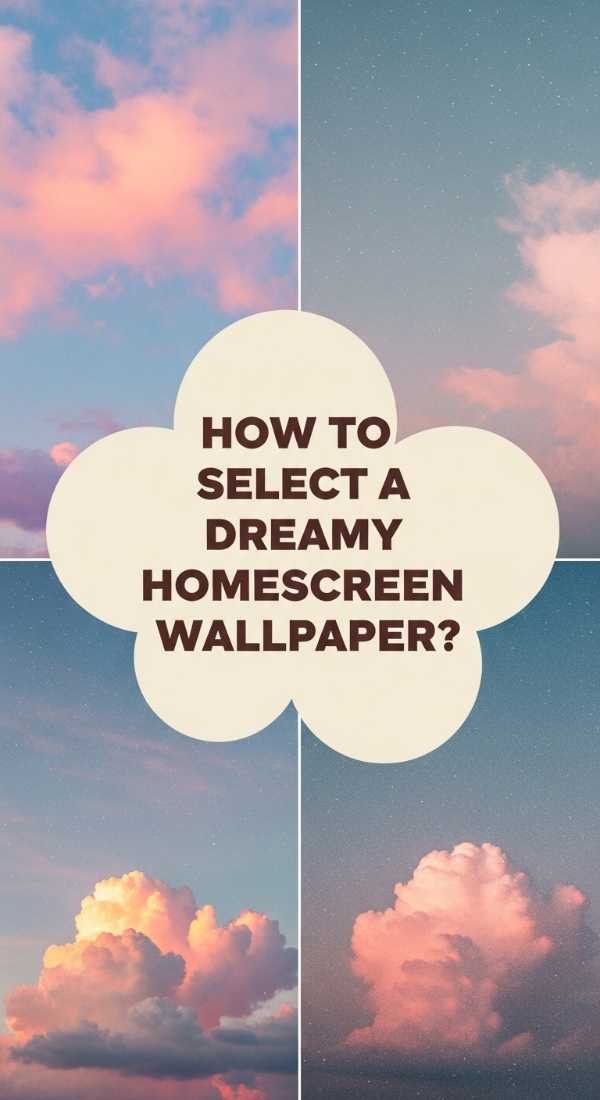
Your phone is the most viewed ‘room’ in your life, and its wallpaper serves as the digital ambient light for your day. We love the way a soft, grain-textured aesthetic photo or a minimalist abstract gradient can instantly lower your heart rate every time you check your notifications. Imagine a visual that feels like a cool morning mist or a warm sunset glow, providing a tiny, five-second vacation for your eyes amidst a busy schedule. It is about curating a digital atmosphere that aligns with your goals and brings a sense of beauty to the mundane.
Essential Elements:
- High-resolution imagery (avoiding pixelation).
- A color palette that doesn’t clash with your app icons.
- Negative space to allow for clock and notification visibility.
- Imagery that evokes a specific desired emotion (calm, energy, focus).
- Consistency between the lock screen and home screen.
How to make it
- Source high-quality images from platforms like Unsplash or Pinterest, looking for ‘4K’ or ‘HD’ tags to ensure the visual ‘crispness’ is professional.
- Test the ‘readability’ of the image; place your most-used apps over the photo to ensure the text labels are still legible against the background details.
- Apply a slight ‘blur’ or ‘darken’ filter to the home screen version of the image to create a ‘depth of field’ effect that makes your icons pop forward.
- Use ‘widgets’ to complement the wallpaper; select a clock or calendar widget that shares a primary color with the image to create a cohesive ‘UI design’ look.
- Change your wallpaper with the ‘seasons’ of your life; update it monthly to reflect your current mood boards, keeping the visual inspiration fresh and relevant.
How to Master Decorating Ideas for the Home for a Cozy Feel
Why we love this
Coziness is a feeling of being safely tucked away, surrounded by textures that invite you to linger and stay a while. We love the sensory richness of a faux-fur throw paired with the rough, handmade charm of a ceramic mug filled with steaming cocoa. The aroma of cinnamon and vanilla should hang heavy in the air, creating a sweet, nostalgic atmosphere that feels like a warm hug. It’s about creating ‘pockets’ of comfort—small vignettes where the lighting is low, the fabrics are thick, and the world feels perfectly small and secure.
Essential Elements:
- Layers of textiles (pillows, throws, rugs).
- Warm, flickering light sources like candles or fairy lights.
- Natural elements like pinecones, dried oranges, or wood.
- Soft, rounded furniture shapes rather than sharp angles.
- Personal items like framed photos and cherished mementos.
How to make it
- Layer your rugs by placing a smaller, high-pile ‘shag’ or sheepskin rug over a larger jute or sisal base; this adds immediate ‘thermal’ and visual warmth to the floor.
- Switch your light bulbs to a ‘flicker’ flame effect or use dimmable smart bulbs set to a warm 2200K amber glow to mimic the ‘simmer’ of a fireplace.
- Curate a ‘comfort tray’ for your coffee table, including a candle, a small vase of dried flowers, and a stack of coasters to make the space feel ‘lived-in’ and ready for guests.
- Utilize the ‘filling’ technique for pillows; use down or high-quality feather inserts that are 2 inches larger than the cover to ensure they look plump and inviting.
- Introduce ‘scent-scaping’ by simmering a pot of water with apple slices and cinnamon sticks on the stove, allowing the steam to ‘baste’ the entire home in a cozy fragrance.
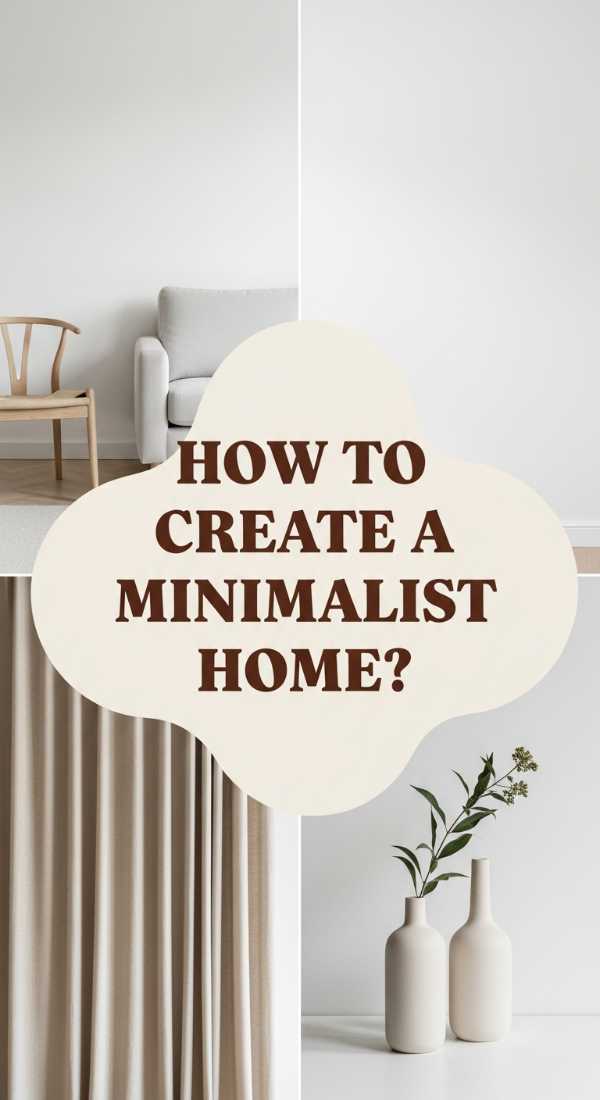
How to Create a Minimalist Home for a Clutter Free Life

Why we love this
Minimalism is the ultimate breath of fresh air; it is the visual equivalent of a clean slate and a quiet mind. We love the crispness of a white wall paired with the stark, beautiful silhouette of a single green leaf in a glass vase. There is a profound sense of relief in knowing that every object in your home has a purpose and a place, leaving the air feeling light and the energy feeling focused. It is a design style that celebrates the beauty of nothingness, allowing the architecture of your life to take center stage without the distraction of ‘stuff.’
Essential Elements:
- A ‘one-in, one-out’ rule for all physical objects.
- Hidden storage solutions that keep surfaces clear.
- A limited color palette of 2-3 complementary tones.
- Functional furniture with clean, straight lines.
- Significant amounts of ‘negative space’ on walls and floors.
How to make it
- Execute a ‘hard-reset’ by clearing every single surface in a room; do not put anything back unless it is essential for daily function or provides significant aesthetic value.
- Organize your ‘hidden’ spaces—drawers and closets—using clear acrylic dividers so that the ‘invisible’ parts of your home match the ‘visible’ serenity.
- Choose furniture that ‘floats’; pieces with thin legs that allow you to see the floor underneath create an illusion of more space and less physical ‘weight.’
- Control the ‘input’ of paper and mail by setting up a digital scanning station, ensuring that physical clutter is stopped at the ‘doorway’ phase of your home’s ecosystem.
- Focus on the ‘texture of light’; since the room is minimal, use the shadows cast by window blinds or structural elements to act as the primary ‘pattern’ for the space.
How to Arrange Lush Home Decor for a Natural Sanctuary

Why we love this
Transforming your home into a natural sanctuary brings the vibrant, healing energy of the outdoors right into your living room. We love the lush, waxy texture of monstera leaves and the way the morning sun filters through a hanging fern, casting dancing shadows on the floor. The air in a natural sanctuary feels different—cooler, crisper, and tinged with the refreshing scent of damp earth and chlorophyll. This style is about blurring the lines between the wild and the domestic, creating a living, breathing environment that nurtures your well-being through constant connection to nature.
Essential Elements:
- A variety of indoor plants at different heights.
- Natural materials like terra cotta, stone, and untreated wood.
- Botanical prints and nature-inspired artwork.
- Water features or small tabletop fountains for sound.
- Maximum access to natural, unfiltered sunlight.
How to make it
- Create ‘vertical interest’ by installing floating shelves at varying heights and filling them with trailing plants like Pothos or Ivy to mimic the ‘canopy’ of a forest.
- Group your plants in ‘communities’ rather than spacing them out; this not only looks more lush but also creates a ‘micro-climate’ that increases humidity for the plants.
- Incorporate ‘raw’ textures by using river stones as a mulch for your indoor pots or using a large piece of driftwood as a centerpiece for your dining table.
- Optimize the ‘feeding’ of your space; use liquid seaweed fertilizer once a month to ensure your ‘decor’ stays vibrant, green, and actively growing.
- Add a ‘sensory’ layer with a small, quiet water fountain; the sound of running water acts as ‘white noise’ that masks urban sounds and reinforces the sanctuary feeling.
How to Arrange your Home Office for Sustainable Daily Comfort
Why we love this
Sustainable comfort in a home office is about designing for the ‘long haul,’ ensuring your body feels as good at 5:00 PM as it did at 9:00 AM. We love the marriage of high-tech ergonomics with soft, human-centric touches like a wool rug underfoot or a lumbar support pillow wrapped in breathable linen. There’s a quiet satisfaction in a setup that anticipates your needs—a swivel that is smooth as silk, a monitor height that saves your neck, and the gentle warmth of a heated mug coaster. It’s an investment in your physical self, wrapped in a beautiful, professional package.
Essential Elements:
- An adjustable standing desk for movement throughout the day.
- Monitor arms to ensure the screen is at eye level.
- A footrest to promote proper circulation and posture.
- Climate control elements like a small fan or a localized heater.
- Sustainable materials like cork, bamboo, or recycled plastics.
How to make it
- Calibrate your ‘elbow-angle’; adjust your chair height until your arms form a perfect 90-degree angle with the desk surface, preventing shoulder strain and ‘cooking’ your muscles with tension.
- Implement the ’20-20-20′ rule through visual cues; place a small plant or object 20 feet away and look at it every 20 minutes to give your eyes a necessary ‘cool-down.’
- Arrange your ‘reach-zone’; keep your most-used items (mouse, phone, water) within a 12-inch radius to minimize repetitive stretching and micro-traumas to your joints.
- Choose a chair with ‘breathable’ mesh or natural fabrics to allow for air circulation, preventing the discomfort of heat buildup during long ‘deep-work’ sessions.
- Incorporate ‘standing intervals’; set a timer to transition your desk to a standing height for 15 minutes every hour to keep your metabolism and energy levels from ‘stalling.’
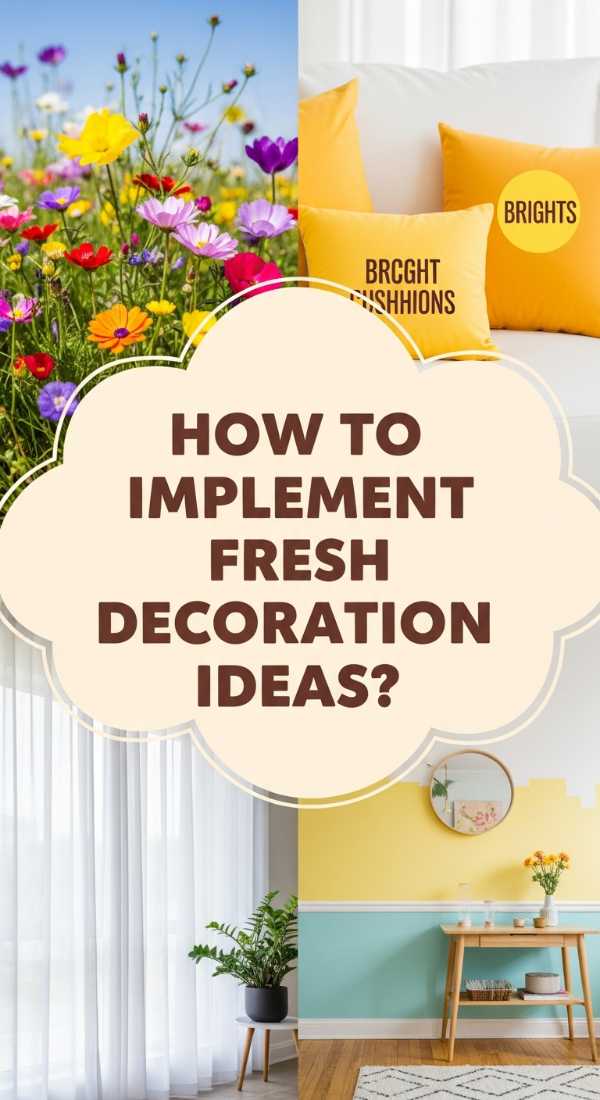
How to Implement Fresh Decoration Ideas for a Seasonal Space Refresh
[IMAGE_10]
Why we love this
Refreshing your space seasonally is like letting your home breathe in rhythm with the earth; it keeps your environment from ever feeling stagnant or dull. We love the transition from the heavy, spicy scents of winter to the bright, zesty citrus and floral notes of spring. Imagine swapping out a thick wool throw for a light, breezy cotton gauze, or replacing a dark centerpiece with a bowl of bright green moss and early-blooming bulbs. It’s a celebratory process that honors the passage of time, making your home feel like a living, evolving gallery of your life’s current chapter.
Essential Elements:
- A rotation of textiles (curtains, pillows, bedding).
- Seasonal florals and greenery (fresh or high-quality dried).
- A signature seasonal scent (candles, diffusers, or potpourri).
- Small decor accents like trays, vases, and bowls in seasonal colors.
- Adjustable lighting (heavier shades for winter, lighter for summer).
How to make it
- Perform a ‘seasonal deep-clean’ as the foundation; wash windows and baseboards to ensure the new ‘ingredients’ of your decor have a sparkling backdrop.
- Swap your ‘heavy’ textiles; store velvet and wool in cedar-lined bins and bring out linen and silk to ‘lighten’ the visual and physical weight of the room.
- Update your ‘botanical profile’; use pussy willow or cherry blossoms for spring, eucalyptus for summer, dried wheat for autumn, and evergreen boughs for winter.
- Shift your ‘color accents’; choose three small areas (a shelf, a coffee table, and a bed) to introduce a seasonal ‘pop’ color through candles or small ceramics.
- Reconfigure your furniture layout slightly to follow the ‘path of the sun’; in summer, pull seating closer to windows, and in winter, orient it toward the fireplace or ‘cozy’ corners.
Final Thoughts on Curating Your Life
Curating a dream lifestyle isn’t a destination—it’s a beautiful, ongoing practice of listening to what makes you feel most alive. Whether you are rearranging your office for better flow or choosing the perfect dress for a night out, remember that you are the architect of your own joy. Your home and your habits are the canvas upon which you paint the story of your life. Start small, be intentional, and enjoy every sensory detail along the way.