
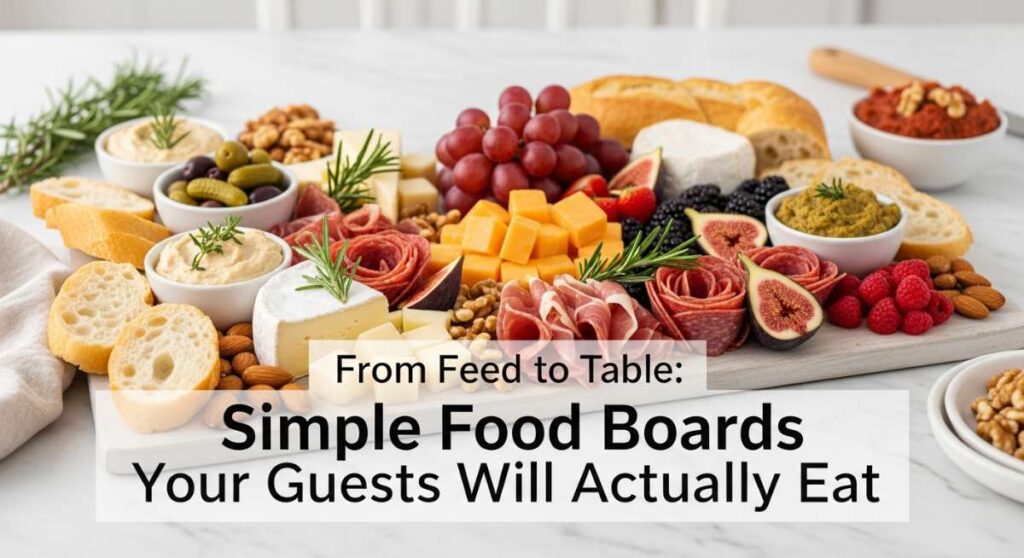
From Feed to Table: Simple Food Boards Your Guests Will Actually Eat
We’ve all been there—scrolling through endless feeds of impossibly curated charcuterie boards that look more like a museum exhibit than a meal. They are stunning, sure, but there is always that moment of hesitation when guests arrive. Nobody wants to be the first person to ruin the ‘art.’ I decided it was time to move past the intimidation factor and bring back the joy of communal eating with boards that are approachable, messy in the best way, and designed to be devoured.
Food has this magical way of acting as the ultimate icebreaker. When you place a vibrant, steaming, or perfectly chilled board in the center of the table, the energy in the room shifts. It becomes less about the formality of a sit-down dinner and more about the laughter, the reaching across for that last piece of crusty bread, and the shared experience of discovering a new flavor combination. My goal today is to show you how to take those viral trends and turn them into real-life memories that taste even better than they look.
Whether you’re hosting a breezy backyard get-together or a cozy indoor brunch, these simple food board concepts cover everything from the sweetest spring bakes to the smokiest summer grills. Let’s get into the kitchen and start building something your friends will actually eat!
How to bake spring cakes?

Why we love this
There is nothing quite like the delicate, airy crumb of a freshly baked spring cake to signal the change of seasons. Imagine the subtle aroma of lemon zest and vanilla bean wafting through your kitchen, mingling with the fresh scent of blooming jasmine outside. These mini cakes are designed for a dessert board, offering a soft, velvety texture that melts on the tongue, paired with a zesty glaze that provides a satisfying, sugary snap. It is a light-as-air experience that feels like a celebratory hug in every bite, making it the perfect centerpiece for a bright afternoon tea.
Ingredients
- 2 cups cake flour (sifted)
- 1 1/2 cups granulated sugar
- 1 tbsp baking powder
- 1/2 tsp salt
- 3/4 cup unsalted butter (softened)
- 1 cup whole milk (room temperature)
- 4 large egg whites
- 2 tsp vanilla extract
- Zest of 2 lemons
- Fresh berries for garnish
How to make it
- Preheat your oven to 350°F (175°C). Prepare a mini-cake pan or a standard cupcake tin by greasing it thoroughly with butter and dusting it with a light coating of flour to ensure a clean release.
- In a large mixing bowl, whisk together the sifted cake flour, sugar, baking powder, and salt until well combined and aerated.
- Add the softened butter one tablespoon at a time to the dry ingredients. Use a hand mixer on low speed to blend until the mixture resembles coarse sand; this ‘reverse creaming’ method ensures a tighter, more professional crumb.
- In a separate jug, whisk together the milk, egg whites, vanilla extract, and lemon zest.
- Slowly pour half of the liquid mixture into the flour-butter base. Beat on medium-high for 2 minutes to build the cake’s structure. Add the remaining liquid and beat for another minute until the batter is silky and pale.
- Fill the tins about two-thirds full. Bake for 18-22 minutes. Look for the edges to just begin pulling away from the sides and a toothpick to come out clean with a few moist crumbs.
- Let the cakes cool in the pan for 10 minutes before transferring them to a wire rack. Serve on a board with a side of lemon curd and fresh raspberries.
How to make healthy dinners?

Why we love this
A healthy dinner board is all about the vibrant contrast of colors and the satisfying crunch of garden-fresh produce. We love this approach because it moves away from the ‘boring salad’ trope and into a world of roasted textures, creamy dips, and lean, seasoned proteins that feel indulgent without being heavy. The aroma of roasted garlic and earthy cumin fills the air, while the cool, refreshing snap of cucumber provides a perfect counterpoint to warm, charred chicken or chickpeas. It’s a balanced, nourishing feast that leaves you feeling energized and satisfied rather than sluggish.
Ingredients
- 1 lb chicken breast or firm tofu (cubed)
- 2 tbsp olive oil
- 1 tsp smoked paprika
- 1 tsp dried oregano
- 1 cup hummus
- 1 cup cherry tomatoes (halved)
- 2 Persian cucumbers (sliced)
- 1/2 cup kalamata olives
- 1/4 cup feta cheese crumbles
- Warm pita bread cut into triangles
How to make it
- Begin by marinating your protein. Toss the chicken or tofu with olive oil, smoked paprika, oregano, salt, and pepper. Let it sit for at least 20 minutes to absorb the flavors.
- Heat a cast-iron skillet over medium-high heat. Once the pan is shimmering, add the protein in a single layer. Sear for 5-6 minutes per side without moving them, allowing a deep, golden-brown crust to form.
- Check the internal temperature of the chicken; it should reach 165°F (74°C). If using tofu, ensure all sides are crispy and browned. Remove from heat and let it rest for 5 minutes.
- While the protein rests, prep your vegetables. Ensure the cucumbers are sliced thin and the tomatoes are seasoned with a pinch of flaky sea salt to draw out their natural juices.
- On a large wooden board, place a bowl of hummus in the center. Arrange the warm protein on one side and the fresh vegetables, olives, and feta on the other.
- Toast the pita triangles briefly in the same skillet used for the protein to pick up the residual spices and heat.
- Serve immediately, encouraging guests to build their own mini-wraps or ‘deconstructed’ bowls directly from the board.
How to cook spring soup?

Why we love this
Spring soup is the ultimate transition food, bridging the gap between winter’s chill and summer’s heat. This vibrant green pea and mint soup is a sensory delight; its electric color is a visual feast, while the aroma is a refreshing blend of sweet peas and cool herbs. The texture is incredibly smooth and velvety, coating the palate with a clean, vegetal sweetness that feels light and restorative. Paired on a board with crusty baguette slices and a dollop of crème fraîche, it creates a communal dipping experience that is sophisticated yet deeply comforting.
Ingredients
- 4 cups fresh or frozen sweet peas
- 1 large leek (white and light green parts only, sliced)
- 2 cloves garlic (minced)
- 4 cups vegetable broth
- 1/4 cup fresh mint leaves
- 2 tbsp olive oil
- Salt and white pepper to taste
- Crème fraîche for garnish
- Crusty baguette (sliced)
How to make it
- Heat the olive oil in a large heavy-bottomed pot over medium heat. Add the sliced leeks and a pinch of salt. Sauté for 5-7 minutes until the leeks are soft and translucent but not browned.
- Add the minced garlic and cook for just 60 seconds until fragrant, being careful not to let it burn, which would turn the soup bitter.
- Pour in the vegetable broth and bring the mixture to a gentle boil.
- Add the peas to the boiling broth. Cook for only 3 to 5 minutes if using frozen, or 5 to 7 minutes for fresh. You want the peas to be tender but still retain their bright, vibrant green color; overcooking will turn them a dull olive drab.
- Remove the pot from the heat and stir in the fresh mint leaves.
- Use an immersion blender directly in the pot, or carefully transfer the mixture to a high-speed blender in batches. Blend on high until the soup is completely smooth and aerated.
- Season with salt and a touch of white pepper. Serve in small bowls on a board surrounded by toasted baguette slices and a bowl of crème fraîche for swirling.
How to decorate spring cookies?

Why we love this
Decorating cookies for a spring board is an exercise in pure, unadulterated joy. We love this because it transforms a simple sugar cookie into a canvas for pastel colors and floral patterns. The scent of sweet butter and almond extract is intoxicating, while the physical act of piping icing is incredibly meditative. The final result is a board of edible art with a satisfying snap from the royal icing and a soft, melt-in-your-mouth cookie base. It’s a fantastic way to engage guests, as you can leave some cookies plain for a ‘decorate-your-own’ interactive board experience.
Ingredients
- Batch of sugar cookies (pre-baked and cooled)
- 4 cups powdered sugar
- 3 tbsp meringue powder
- 1/2 tsp almond extract
- 5-7 tbsp warm water
- Gel food coloring (pastel shades)
- Edible dried flowers
How to make it
- Ensure your sugar cookies are completely cool. Any residual warmth will cause the icing to melt and run off the edges.
- In a stand mixer fitted with the whisk attachment, combine the powdered sugar, meringue powder, and almond extract.
- Slowly add the warm water one tablespoon at a time while mixing on low. Once combined, increase to medium-high speed and beat for 5-7 minutes until the icing forms stiff, glossy peaks. This is your ‘outline’ icing.
- Divide the icing into small bowls and tint them with gel food coloring. To create ‘flood’ icing for filling the cookies, add a few extra drops of water to each bowl until the icing reaches a honey-like consistency.
- Pipe a border around each cookie using the stiff icing. Let it set for 2 minutes.
- Fill the center with the flood icing, using a toothpick or ‘scribe’ tool to pop any air bubbles and push the icing into the corners.
- While the icing is still wet, gently press edible dried flowers or sprinkles into the surface. Allow the cookies to dry completely (6-8 hours or overnight) before arranging them on your serving board.
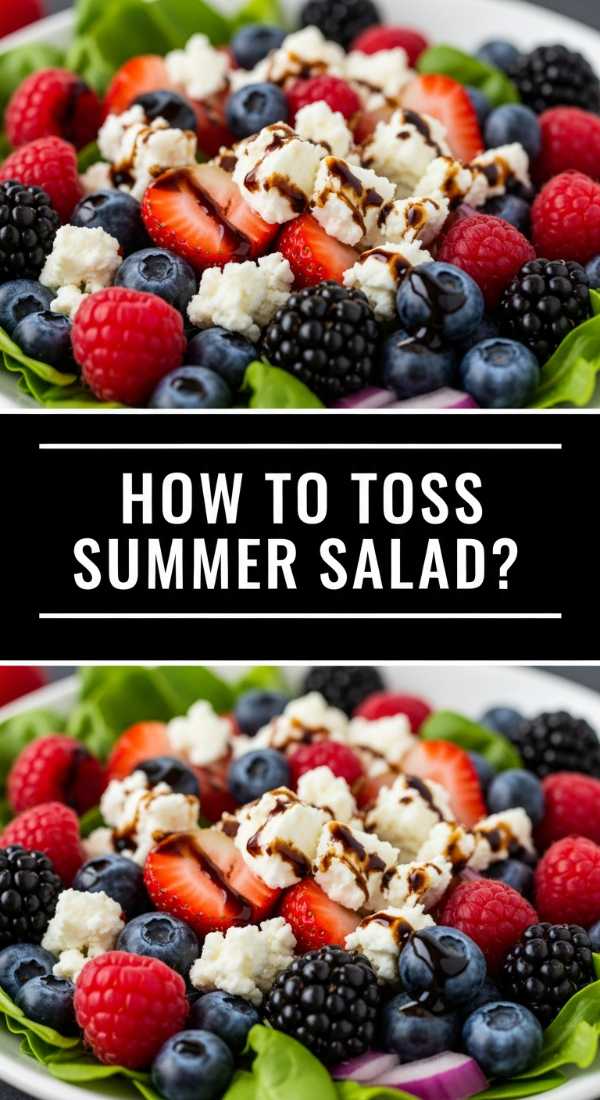
How to toss summer salad?
Why we love this
A summer salad board is a celebration of peak-season produce at its most unadulterated. We love the way juicy, sun-ripened stone fruits like peaches or nectarines play against the creamy, milky heart of a burrata cheese. The aroma of torn basil leaves and a sharp balsamic reduction creates an olfactory experience that screams ‘summer patio.’ Every bite is a balance of sweet, salty, and acidic, with the crunch of toasted nuts providing a necessary textural shift. It’s a refreshing, visually stunning way to serve a salad that encourages people to pick and choose their favorite bits.
Ingredients
- 3 ripe peaches (sliced)
- 2 balls of fresh Burrata cheese
- 4 cups baby arugula
- 1/2 cup toasted pecans
- 1/4 cup fresh basil leaves (torn)
- 2 tbsp high-quality balsamic glaze
- 3 tbsp extra virgin olive oil
- Flaky sea salt and cracked black pepper
How to make it
- Start by prepping your fruit. Slice the peaches into thick wedges. If you want extra depth of flavor, you can quickly sear them on a hot grill for 1 minute per side to caramelize the sugars.
- On a large, flat board or platter, create a bed of fresh baby arugula. Drizzle the greens lightly with a teaspoon of olive oil and a pinch of salt to ensure every layer is seasoned.
- Place the Burrata balls in the center. Use a knife to gently tear the outer skin of the cheese, exposing the creamy stracciatella interior.
- Arrange the peach wedges and toasted pecans decoratively around the cheese.
- Just before serving, scatter the torn basil leaves over the entire board. The bruising of the leaves releases the essential oils, providing that signature summer scent.
- Drizzle the remaining olive oil and the balsamic glaze in a sweeping motion across the board.
- Finish with a generous sprinkle of flaky sea salt and black pepper. Serve with a set of tongs and some grilled sourdough slices on the side for scooping up the cheese and juices.
How to make rotel dip?

Why we love this
The Rotel dip board is the king of nostalgic comfort food. There is something deeply satisfying about the sight of bubbling, molten golden cheese studded with spicy tomatoes and savory meat. The aroma is bold and savory, filled with the scent of cumin, chili, and toasted corn from the accompanying chips. It’s a tactile experience—the resistance of a thick tortilla chip as it scoops up a heavy glob of dip, followed by the spicy, creamy explosion of flavor. It is the ultimate ‘crowd-pleaser’ that disappears within minutes of being set on the table.
Ingredients
- 1 lb ground sausage or lean ground beef
- 1 block (32 oz) Velveeta or similar melting cheese (cubed)
- 2 cans (10 oz each) Ro-Tel Diced Tomatoes and Green Chilies (undrained)
- 1/2 tsp chili powder
- 1/4 cup fresh cilantro (chopped)
- Large bag of sturdy tortilla chips
- Sliced jalapeños for topping
How to make it
- In a large skillet over medium-high heat, brown the ground meat. Use a wooden spoon to break it into small, uniform crumbles. Cook until no pink remains and the meat has developed a slightly crispy exterior.
- Drain the excess fat from the skillet to ensure the dip doesn’t become greasy.
- Lower the heat to low. Add the cubed cheese to the skillet. It is vital to keep the heat low during this stage to prevent the cheese from scorching or becoming grainy.
- Pour in both cans of Ro-Tel (with the liquid!). The acidity in the tomato juice helps emulsify the cheese into a smooth sauce.
- Stir constantly with a heat-resistant spatula until the cheese is completely melted and the mixture is uniform. Stir in the chili powder.
- Transfer the dip to a warm ceramic bowl or a small slow cooker to keep it dip-able. Place the bowl in the center of a large board.
- Surround the dip with a mountain of tortilla chips, sliced jalapeños, and a sprinkle of fresh cilantro. Serve while steaming hot.
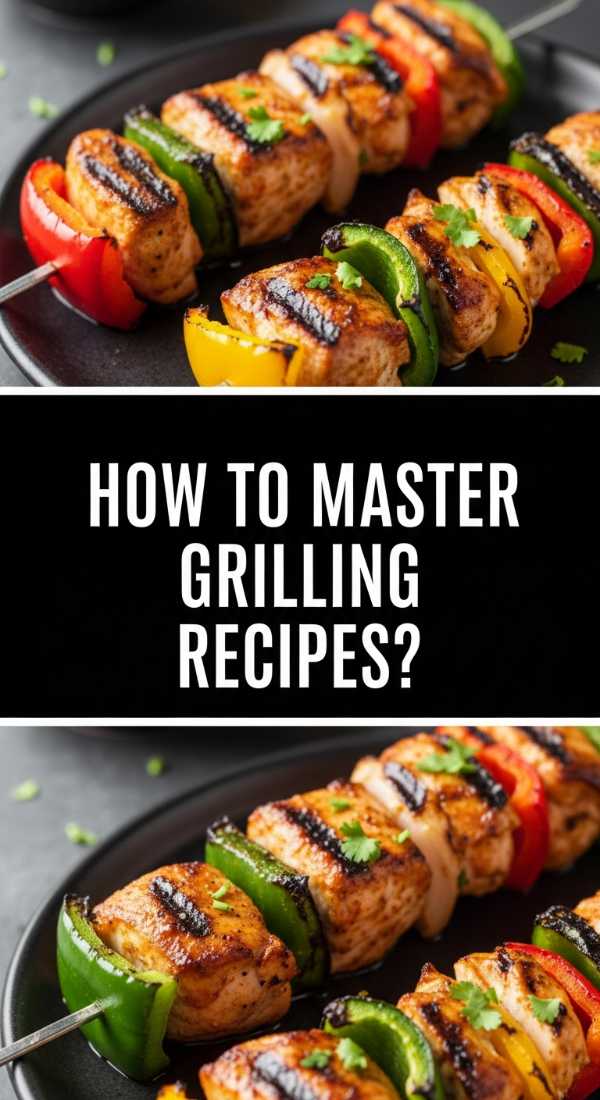
How to master grilling recipes?
Why we love this
Mastering the grill for a board-style presentation brings a rustic, smoky elegance to your hosting. We love the char-grilled edges of skewers and the way the heat intensifies the natural sweetness of peppers and onions. The sound of the sizzle and the smell of woodsmoke create an immediate atmosphere of a summer celebration. A grilling board offers a variety of textures—from the juicy ‘snap’ of a well-cooked sausage to the tender give of a marinated vegetable. It’s a masculine, hearty way to serve appetizers that feels both impressive and laid-back.
Ingredients
- 1 lb sirloin steak or chicken thighs (cubed)
- 1 red bell pepper (chunked)
- 1 red onion (chunked)
- 1 cup zucchini (sliced into thick rounds)
- 1/2 cup BBQ sauce or balsamic marinade
- Wooden skewers (soaked in water for 30 minutes)
- Fresh parsley for garnish
How to make it
- If using wooden skewers, ensure they have been submerged in water for at least 30 minutes to prevent them from igniting on the grill.
- Thread the meat and vegetables onto the skewers, alternating colors and textures. Don’t crowd them too tightly; leaving a tiny bit of space ensures the heat can circulate and cook everything evenly.
- Preheat your grill to medium-high (about 400°F/200°C). Clean the grates thoroughly and lightly oil them using a paper towel dipped in vegetable oil held by tongs.
- Place the skewers on the grill. For steak, sear for 3-4 minutes per side for a medium-rare finish. For chicken, ensure it reaches an internal temp of 165°F.
- During the last 2 minutes of cooking, brush your sauce or marinade onto the skewers. This prevents the sugars in the sauce from burning while still allowing them to caramelize and become tacky.
- Remove from the grill and let the meat rest for 5 minutes. This allows the juices to redistribute so they don’t run out the moment someone takes a bite.
- Arrange the skewers on a large wooden board garnished with lemon wedges and fresh parsley.
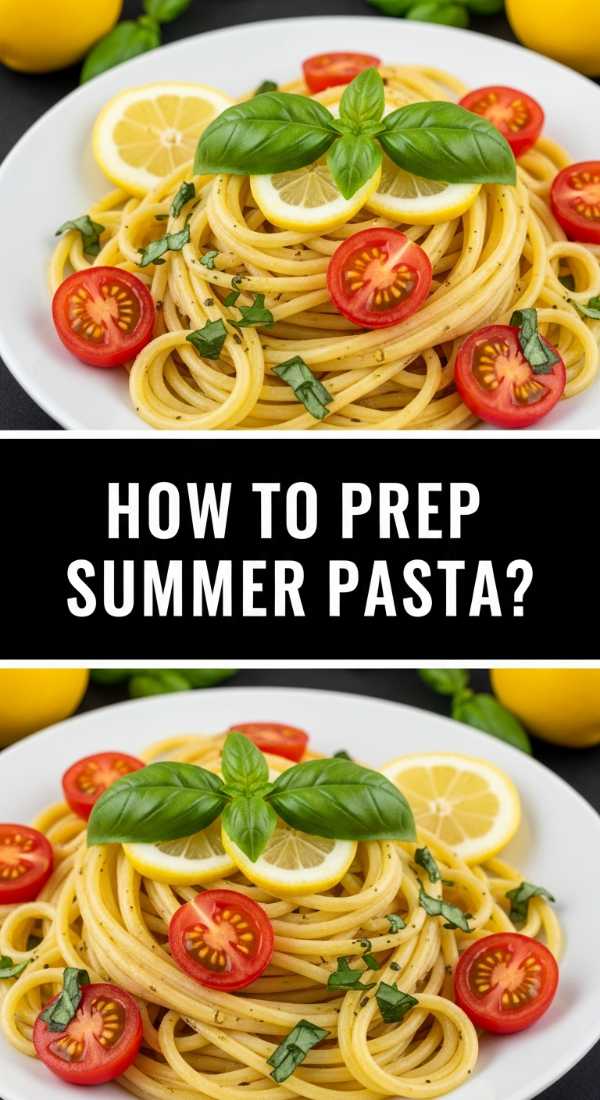
How to prep summer pasta?
Why we love this
Summer pasta is all about ‘Al Fresco’ vibes—light, zesty, and effortlessly cool. This board features a pasta salad that shuns heavy mayo in favor of a bright, herb-infused vinaigrette. We love the way the rotini spirals catch the dressing, and how the fresh mozzarella pearls provide a soft, creamy contrast to the crisp bite of red onions and peppers. It’s a dish that actually tastes better as it sits, making it the hero of a stress-free hosting board. The aroma of fresh oregano and garlic creates an instant Mediterranean mood that feels like a vacation on a plate.
Ingredients
- 1 lb rotini or fusilli pasta
- 1/2 cup Italian vinaigrette
- 1 cup cherry tomatoes (halved)
- 1/2 cup mini mozzarella pearls
- 1/4 cup red onion (finely diced)
- 1/2 cup cucumber (cubed)
- 1/4 cup fresh parsley and basil
- Salt and pepper to taste
How to make it
- Bring a large pot of heavily salted water to a rolling boil. Cook the pasta until it is ‘al dente’—usually 1-2 minutes less than the package instructions. You want a firm bite to stand up to the dressing.
- Drain the pasta and immediately rinse it under cold running water. This stops the cooking process and washes away excess starch, preventing the pasta from sticking together.
- In a large bowl, toss the cooled pasta with half of the Italian vinaigrette. This allows the pasta to absorb the flavor as it cools completely.
- Add the tomatoes, mozzarella, red onion, and cucumber. Toss gently to combine.
- Finely chop the fresh herbs and fold them in at the very end to preserve their bright green color and punchy flavor.
- Taste and adjust seasoning with salt and pepper. Add the remaining dressing just before serving to give it a fresh, glossy look.
- Spread the pasta salad out on a rimmed board or in a shallow wide bowl on a board, surrounded by breadsticks and extra olives for a complete summer feast.
How to cook crockpot meals?

Why we love this
There is a unique kind of kitchen magic in a crockpot meal that turns a tough cut of meat into a succulent, fall-apart masterpiece. We love this for a board because it’s the ultimate ‘low stress’ hosting hack. The aroma of slow-cooked pork carnitas or beef fills the house for hours, building anticipation for your guests. The texture is incredibly tender, almost buttery, and when served on a board with various toppings, it becomes a DIY taco or slider station that feels abundant and generous. It’s the definition of ‘set it and forget it’ luxury.
Ingredients
- 3 lb pork shoulder or chuck roast
- 1 onion (chopped)
- 3 cloves garlic (smashed)
- 1 cup orange juice (for pork) or beef broth
- 1 tbsp cumin
- 1 tbsp dried oregano
- Salt and pepper
- Small tortillas or slider buns for the board
How to make it
- For maximum flavor, do not skip the sear. Season the meat generously with salt and pepper, then brown it in a hot skillet with a tablespoon of oil for 3-4 minutes per side until a deep brown crust forms.
- Place the chopped onions and garlic at the bottom of the slow cooker to act as a flavorful ‘rack’ for the meat.
- Place the seared meat on top of the aromatics. Sprinkle with the cumin and oregano.
- Pour your liquid (juice or broth) around the sides of the meat, not directly over it, to avoid washing off the seasoning.
- Cover and cook on LOW for 8-10 hours. Cooking on low is crucial; high heat can toughen the proteins before they have a chance to break down.
- Once the meat shreds easily with two forks, remove it from the pot. If you want crispy edges (highly recommended for carnitas), spread the shredded meat on a baking sheet and broil for 4-5 minutes.
- Serve the shredded meat in the center of a board, surrounded by warm tortillas, lime wedges, pickled onions, and fresh cilantro.
How to use sourdough discard?

Why we love this
Sourdough discard crackers are the secret weapon of the sustainable, flavor-focused host. We love the complex, tangy depth that the fermented discard brings to a simple cracker, and the way they provide an ultra-crispy, sturdy base for any dip or cheese. The aroma while baking is reminiscent of a professional bakery—toasty, sour, and buttery. These aren’t your average store-bought crackers; they have a rustic, artisanal look with visible herbs and sea salt crystals that make your food board look instantly more high-end and thoughtful.
Ingredients
- 1 cup sourdough discard (unfed)
- 1/4 cup unsalted butter (melted)
- 1 cup all-purpose flour
- 1/2 tsp fine sea salt
- 2 tbsp dried herbs (rosemary, thyme, or ‘Everything Bagel’ seasoning)
- Flaky salt for topping
How to make it
- In a medium bowl, combine the sourdough discard, melted butter, flour, salt, and dried herbs. Mix until a cohesive dough forms. It should be soft but not overly sticky.
- Divide the dough into two pieces. Wrap in plastic and refrigerate for at least 30 minutes. This chills the butter and relaxes the gluten, making it much easier to roll out thin.
- Preheat your oven to 325°F (160°C). Prepare two sheets of parchment paper the size of your baking sheets.
- Place one piece of dough on the parchment and roll it out as thin as possible—ideally about 1/16th of an inch. The thinner the dough, the crispier the cracker.
- Lightly brush the surface with a tiny bit of water or oil and sprinkle with flaky sea salt.
- Use a pizza cutter to score the dough into squares or rectangles, but don’t worry about separating them yet.
- Bake for 20-25 minutes, rotating the pans halfway through. They are done when they are golden brown and firm to the touch in the center. Let them cool completely on the pan to reach maximum crunch before snapping them apart and piling them onto your board.
The Art of the Finished Board
At the end of the day, the best food board is the one that gets messy. It’s the one where the dip has been swiped clean, the cracker crumbs are scattered, and the guests are lingering over the last few grapes or slices of cheese. By focusing on these simple, flavorful components—from the slow-cooked meats to the zesty spring soups—you’re creating an environment where the food is an invitation, not a barrier. So, put down the tweezers, stop worrying about perfect symmetry, and start building boards that celebrate the joy of eating together. Happy hosting!
Frequently Asked Questions
Q: How do I keep my food board looking fresh if I prep it in advance?
A: The key is to keep ‘wet’ and ‘dry’ components separate until the last moment. Prep your veggies and meats and keep them in airtight containers. Assemble the board no more than 20 minutes before guests arrive to prevent crackers from getting soggy or produce from wilting.
Q: What is the best type of board to use for serving?
A: Look for non-porous hardwoods like maple, walnut, or cherry. Avoid softwoods like pine, which can absorb odors. If you are serving something ‘messy’ like rotel dip or soup, ensure you have small bowls with stable bases to place directly on the wood.
Q: How many items should I include on a single board?
A: For a balanced look, aim for the ‘Rule of Three’: three textures (crunchy, creamy, soft) and three flavor profiles (salty, sweet, acidic). You don’t need forty ingredients to make a board look full; just vary the arrangement of a few high-quality items.