
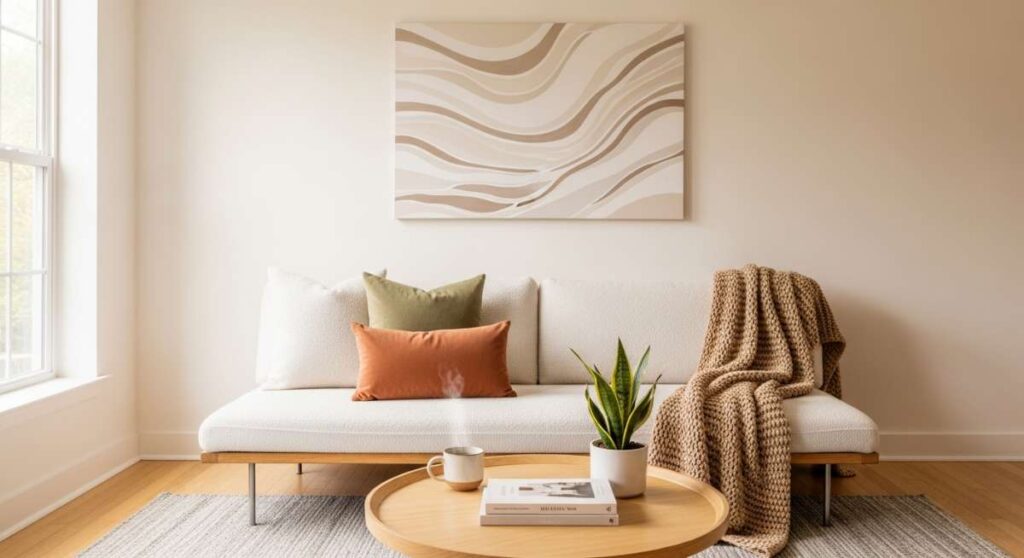
From Cold to Calm: The Ultimate Guide to the Cozy Minimalist Aesthetic
We’ve all been there: walking through the front door after a long, draining day, only to be met with a sea of clutter and visual noise that makes your chest tighten just a little bit more. It feels like your home is demanding your attention rather than offering you rest. But what if your space felt like a deep, cleansing breath? Imagine a home that isn’t just ‘tidy,’ but is intentionally curated to wrap you in a cocoon of warmth, where every object has a purpose and every corner invites you to exhale.
The cozy minimalist aesthetic is the beautiful middle ground between the sterile emptiness of extreme minimalism and the overwhelming chaos of maximalism. It’s about stripping away the distractions to make room for the things that truly nourish your soul—the softest wool throw, the flickering glow of a single candle, and the quiet beauty of an unobstructed view. It’s about creating a sanctuary that feels both high-end and deeply lived-in, where the silence is intentional and the comfort is absolute.
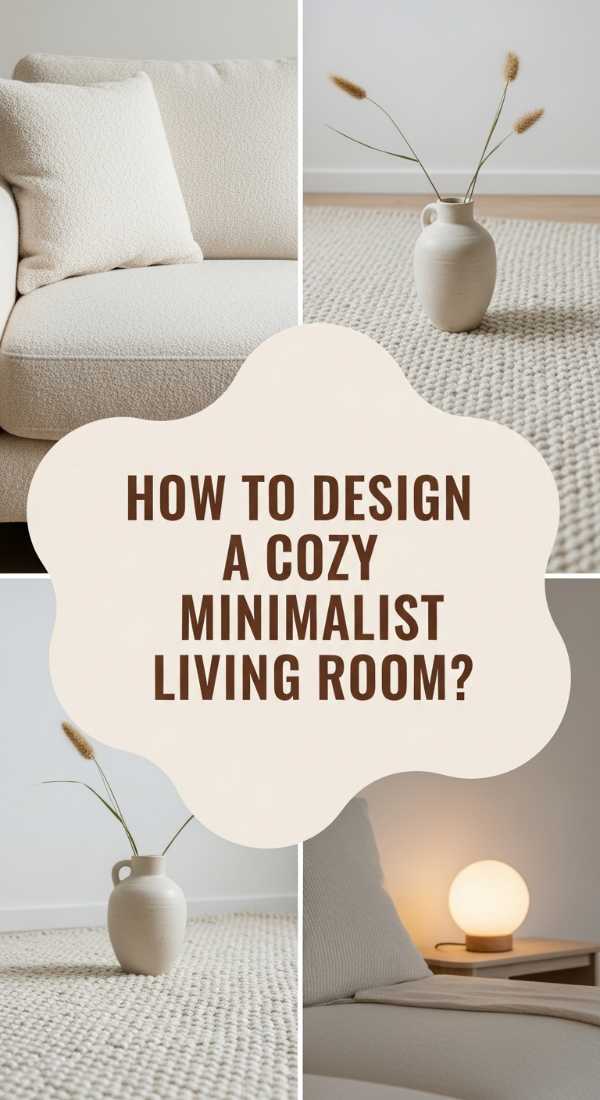
How to Design a Cozy Minimalist Living Room for Total Calm
Why we love this
There is a profound sense of relief that comes from a room that doesn’t compete for your attention. In a calm living room, the textures are the stars; you can almost feel the grain of the reclaimed wood coffee table under your fingertips and the plush, high-pile rug cushioning your feet. The aroma of sandalwood and cedarwood lingers in the air, creating a grounded atmosphere that feels like a forest clearing in the middle of a bustling city. It’s a sensory experience that slows your heart rate the moment you sink into the sofa.
Essential Elements:
- Neutral color palette (oatmeal, cream, soft grey)
- Natural textures like linen and jute
- Low-profile, comfortable seating
- Strategic negative space
- A single, oversized statement plant
How to make it
- Begin by ‘clearing the canvas.’ Remove every single item from your living room except the large furniture. This allows you to see the architectural ‘bones’ of the room without the distraction of old decor.
- Anchor the room with a rug that is large enough for all furniture legs to rest on. A soft, off-white wool rug provides the foundation of ‘warmth’ needed for minimalism.
- Layer your seating with exactly two high-quality textiles. Choose one chunky knit blanket and one silk-linen blend pillow. The contrast in textures provides visual interest without the need for bright colors.
- Calibrate your lighting. Replace harsh overhead bulbs with warm-toned LEDs (2700K). Place a floor lamp with a fabric shade in the corner to create a soft, diffused glow that eliminates harsh shadows.
- Curate your surfaces. On the coffee table, place only three items: a stack of two oversized books, a single ceramic tray, and a candle. This ‘rule of three’ provides balance and prevents a cluttered appearance.
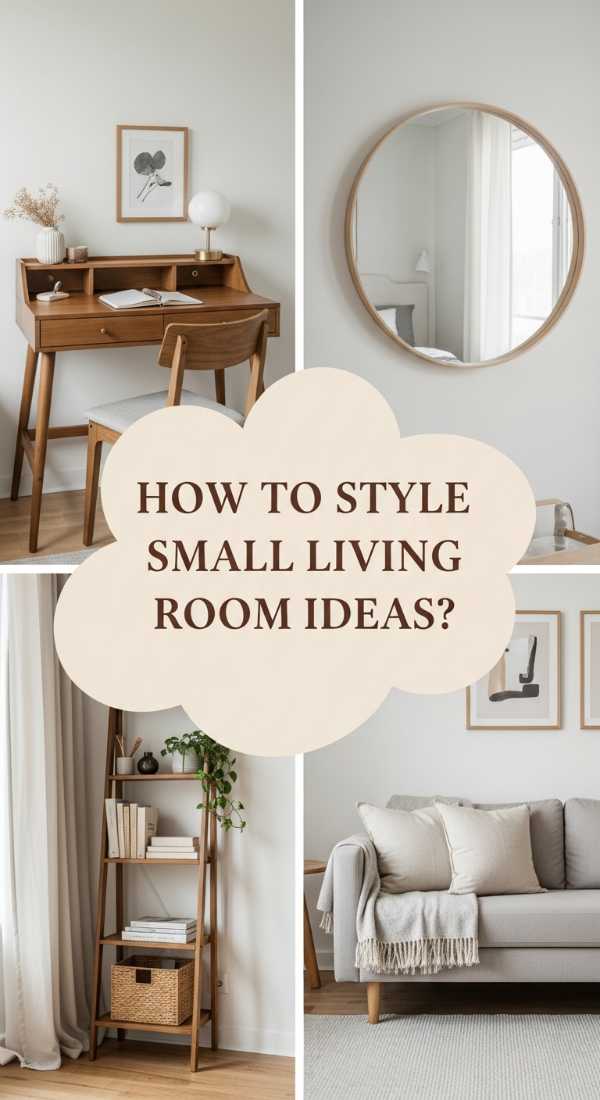
How to Style Small Living Room Ideas for Apartment Living with Aesthetic Charm
Why we love this
Small apartments often feel like they are closing in on us, but with a minimalist approach, they transform into jewel-box sanctuaries. We love the way light bounces off mirrored surfaces and pale walls, making the air feel crisp and breathable. There’s something incredibly satisfying about a space where every square inch is optimized, where the scent of fresh eucalyptus revitalizes your spirit and the velvet upholstery of a small armchair offers a luxurious tactile escape from the digital world.
Essential Elements:
- Multi-functional furniture
- Sheer window treatments
- Wall-mounted shelving
- Light-toned wood finishes
- Large floor mirrors to expand the space
How to make it
- Select furniture with visible legs. Seeing the floor continue under your sofa and chairs tricks the eye into thinking the room is much larger than it is. Avoid heavy, skirted furniture pieces.
- Maximize vertical space with ‘floating’ shelves. Keep the items on these shelves sparse—mix a few books with open spaces to keep the wall from feeling ‘heavy.’
- Install sheer, floor-to-ceiling curtains. Hang the rod as close to the ceiling as possible to draw the eye upward, creating the illusion of height and letting in maximum natural light.
- Use a ‘monochromatic’ layering technique. Use different shades of the same color (like varying tones of beige) to create depth without visual fragmentation, which can make small rooms feel choppy.
- Introduce a ‘living element.’ A tall, skinny fiddle-leaf fig in a corner provides height and organic shape without taking up the floor space of a wider plant.
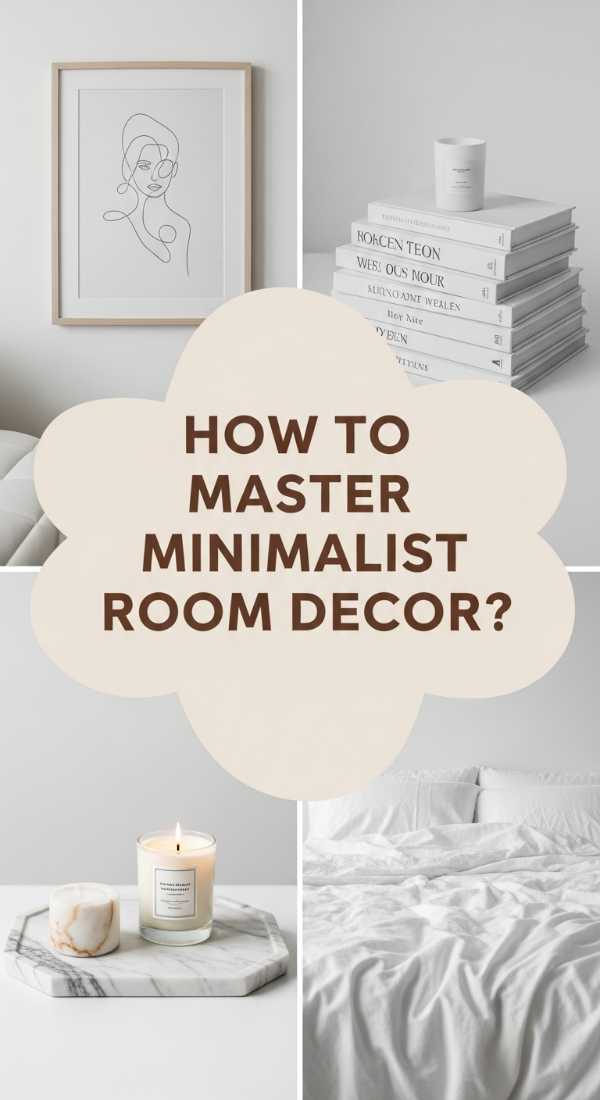
How to Master Minimalist Room Decor for an Elevated Lifestyle
Why we love this
An elevated minimalist room feels like a high-end boutique hotel suite—it’s curated, intentional, and impeccably smooth. The touch of a cool marble tray against a warm cashmere throw creates a sensory dialogue that feels expensive and refined. It’s a lifestyle choice that says you value quality over quantity, and you can smell the expensive simplicity of white tea and bergamot as you walk through the door. It makes your daily routine feel like a ritual of luxury.
Essential Elements:
- High-quality materials (marble, brass, leather)
- Structured silhouettes
- Minimalist wall art with significant matting
- Hidden storage solutions
- Sophisticated scent profile
How to make it
- Invest in ‘Hero’ pieces. Rather than five cheap decor items, buy one high-quality marble sculpture or a handmade ceramic vase. This singular focus creates an immediate focal point of quality.
- Execute ‘invisible’ organization. Use beautiful boxes or leather bins to hide remotes, cables, and chargers. If it isn’t beautiful or essential, it should be tucked away out of sight.
- Master the art of the ‘large-scale’ frame. Use oversized frames for small pieces of art. The vast amount of white space (the matting) around the art makes the room feel gallery-like and expensive.
- Incorporate metal accents sparingly. A touch of brushed brass in a lamp base or a picture frame adds a ‘warm’ metallic gleam that prevents the room from looking too flat or matte.
- Scent the space intentionally. Use an electric stone diffuser with high-end essential oils. The steady, quiet mist adds a layer of invisible luxury that defines the ‘mood’ of the room.
How to Create a Minimalist Home for Stress Free Living
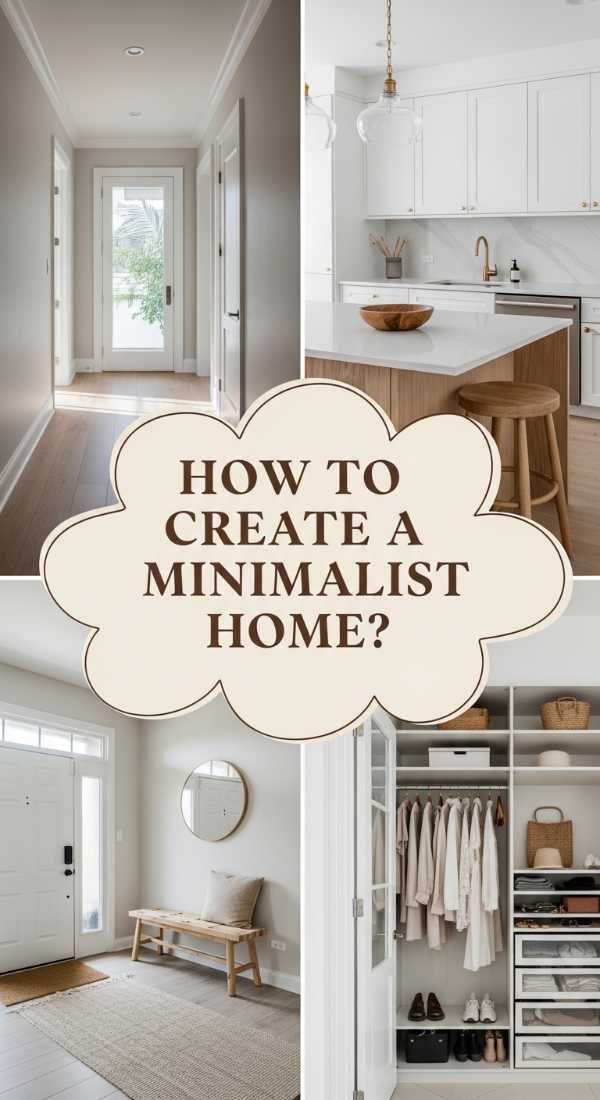
Why we love this
There is an undeniable psychological weight to ‘stuff.’ We love this approach because it literally lowers cortisol levels. Walking into a stress-free minimalist home is like plunging into a cool pool on a hot day—it’s an immediate reset. The lack of visual clutter allows your mind to stop scanning for tasks to do, letting you focus on the rhythm of your own breathing. The soft rustle of linen curtains in the breeze becomes the only soundtrack you need.
Essential Elements:
- Defined ‘zones’ for different activities
- Minimal color distractions
- Abundant natural light
- Tactile, comforting fabrics
- Closed cabinetry
How to make it
- Perform a ‘functional audit.’ Identify the three activities you do most in your home (e.g., reading, cooking, resting). Remove anything from those zones that doesn’t directly support those activities.
- Standardize your utilitarian items. Replace mismatched hangers with uniform wooden ones; move dish soap into a glass pump. This removes ‘micro-stresses’ caused by visual clutter in high-use areas.
- Set up a ‘landing strip’ by the door. A small console table with a bowl for keys and a drawer for mail ensures that the ‘outside world’ chaos doesn’t bleed into the rest of your sanctuary.
- Adopt the ‘one in, one out’ rule. For every new item that enters the house, one must leave. This maintains the equilibrium of your space and prevents slow clutter creep.
- Prioritize ‘soft’ transitions. Use dimmable switches to gradually lower the light levels in the evening, signaling to your brain that the day is ending and it is safe to relax.
How to Curate a Minimalist Cozy Sanctuary for Cold Winter Nights
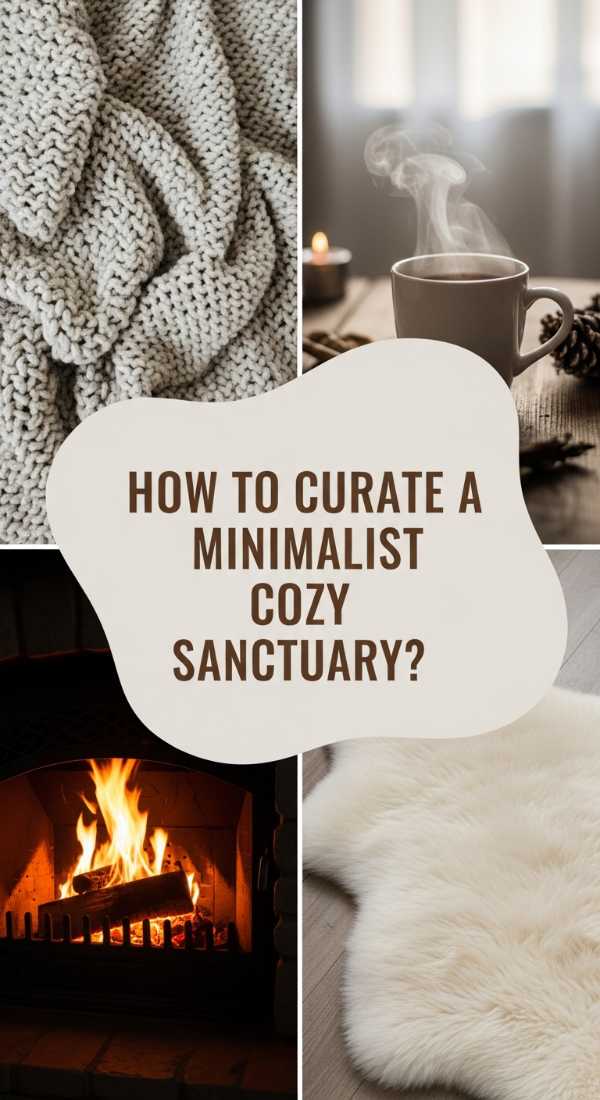
Why we love this
When the wind is howling outside and the windows are frosted over, the cozy minimalist sanctuary becomes a fortress of warmth. It’s the ultimate contrast: the cold, blue winter light outside versus the golden, amber glow of a fireplace or beeswax candle inside. We love the weight of a heavy knit blanket and the way the steam from a cup of herbal tea catches the light. It’s about being ‘held’ by your environment when the world outside feels harsh.
Essential Elements:
- Warm-toned woods (walnut, cherry)
- Faux fur or shearling textures
- Candlelight and fairy lights
- Deep, earthy color accents (terracotta, forest green)
- Heavier weight textiles
How to make it
- Layer your lighting ‘horizontally.’ Place candles at different heights—on the floor (in lanterns), on the coffee table, and on the mantel—to create a flickering, 360-degree warmth.
- Swap out your summer linens for ‘winter weights.’ Replace light cotton throws with heavy wool or bouclé. The added physical weight of the fabric provides a comforting, ‘grounding’ sensation.
- Introduce organic shapes. Use a curved armchair or round pillows to soften the hard lines of a minimalist room, making it feel more like a ‘nest.’
- Create a ‘warmth station.’ Arrange a beautiful wooden tray with a ceramic teapot, two mugs, and a small bowl of dried orange slices or cinnamon sticks for a natural, seasonal scent.
- Use ‘darker’ neutrals. Incorporate charcoal or deep chocolate tones in your accents. These colors ‘absorb’ light and make the walls feel like they are gently moving closer, increasing the feeling of intimacy.
How to Achieve Living Room Decor Minimalist Style for Modern Sophistication
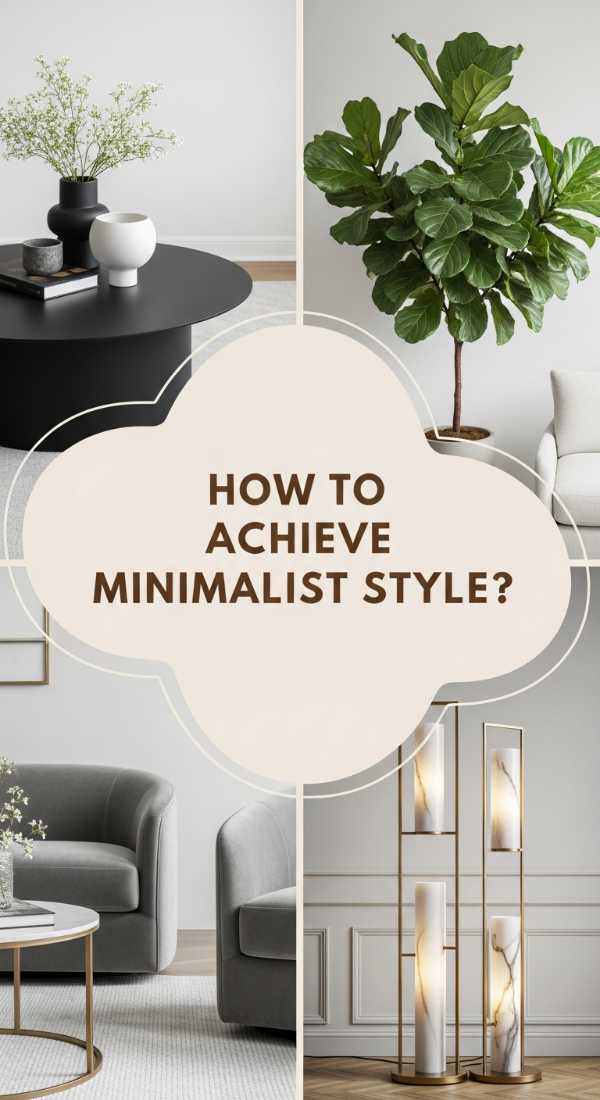
Why we love this
Modern sophistication is all about the ‘edit.’ We love this style because it feels decisive and confident. It’s the architectural equivalent of a perfectly tailored blazer—nothing is extra, yet it feels completely finished. The air feels expensive, scented with notes of leather and smoke, and the surfaces are so clean they practically glow. It’s a space that commands respect while still offering a deep, quiet comfort for the soul.
Essential Elements:
- Clean, geometric lines
- A focus on silhouette and form
- Monochromatic or high-contrast palettes (Black and white)
- Minimal but high-impact accessories
- Polished stone or concrete elements
How to make it
- Focus on ‘form over fashion.’ Choose furniture with a strong, recognizable silhouette, such as a mid-century modern lounge chair. The shape itself acts as the decor, so you don’t need extra ornaments.
- Implement the ‘Negative Space Ratio.’ Ensure at least 40% of your wall space and 30% of your floor space remains completely empty. This ‘breathable’ space is what creates the feeling of sophistication.
- Use ‘Block’ styling. Group similar items together in a strict geometric block—for example, four identical black-and-white photos in a perfect square grid. This creates order and visual impact.
- Introduce a ‘hard’ surface contrast. Balance soft sofas with a black steel coffee table or a concrete side table. The ‘tension’ between hard and soft materials is the hallmark of modern sophistication.
- Hide all tech. Use a television that looks like art when off, or hide the TV inside a sleek cabinet. Removing the ‘black mirror’ of a screen instantly elevates the room’s energy.
How to Arrange a Minimalist Living Room in Small Spaces for Better Flow
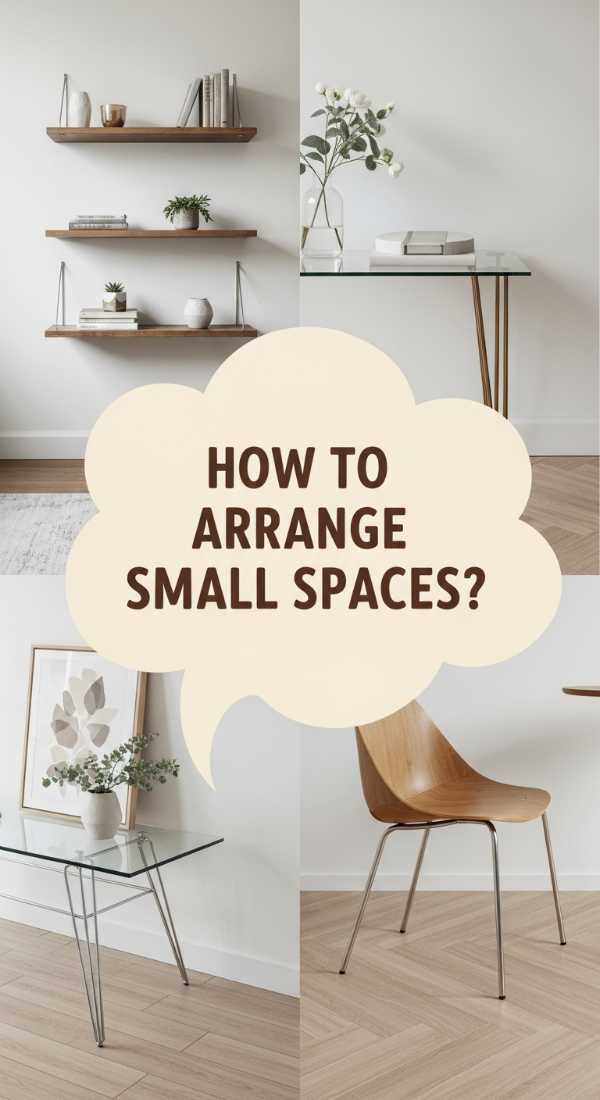
Why we love this
Flow is the invisible ingredient that makes a home feel effortless. We love a well-arranged small space because it feels like a dance—you move through it without ever bumping into a corner or feeling trapped. It’s the feeling of openness even when the square footage is limited. The scent of fresh air from a cracked window and the clear pathways create a sense of freedom and mobility that is deeply refreshing for the mind.
Essential Elements:
- Clear walking paths (at least 30 inches wide)
- Furniture scaled to the room size
- Mirrors placed opposite windows
- Floating furniture (pulled away from walls)
- Transparent materials (acrylic, glass)
How to make it
- Map your ‘traffic patterns.’ Observe how you naturally walk through the room and move furniture out of those direct lines. A clear path to the window or the door is essential for a ‘flow’ state.
- Use ‘The Float’ technique. Pull your sofa just 3-4 inches away from the wall. This tiny gap allows air and light to circulate behind the furniture, making the room feel less ‘stuffed.’
- Utilize transparent accents. A glass coffee table or an acrylic ‘Ghost’ chair provides the function you need without taking up any ‘visual weight,’ keeping the room feeling airy.
- Consolidate small pieces. Instead of three small side tables, use one larger, more functional one. Fewer ‘legs’ on the floor leads to a cleaner visual field and better physical flow.
- Direct the eye. Use a single large piece of art at the far end of the room to draw the eye through the space, creating a sense of distance and depth.
How to Personalize a Minimalist Room for Unique Self Expression
Why we love this
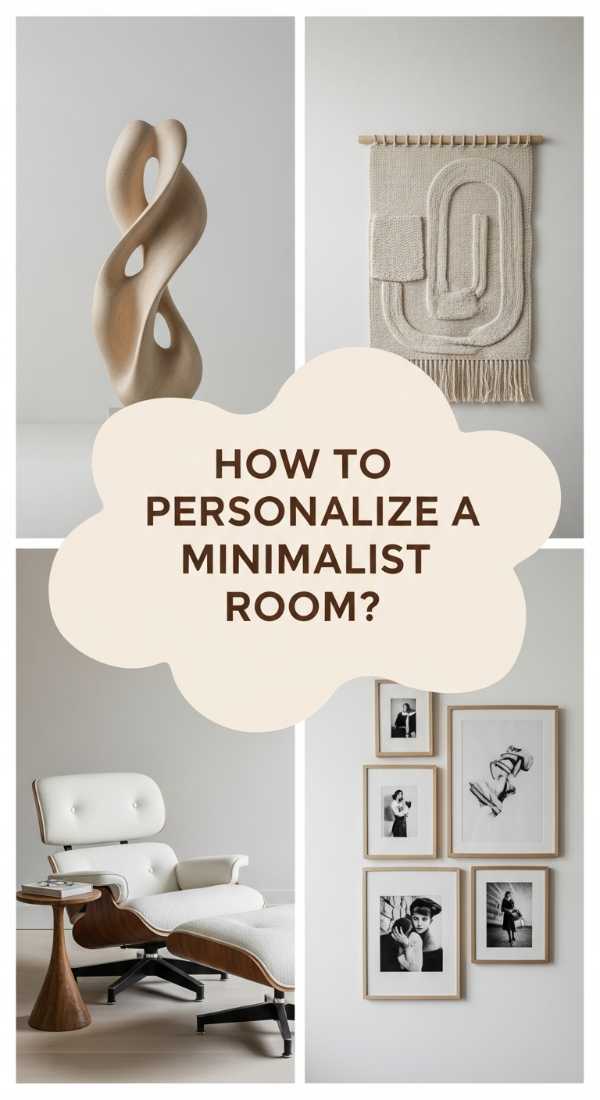
Minimalism doesn’t mean erasing your personality; it means highlighting it. We love this because when you only have a few items on display, those items speak volumes about who you are. A single vintage camera, a bowl of stones collected from a favorite beach, or a hand-poured candle with a scent that reminds you of childhood—these things become soulful landmarks. It’s the feeling of being completely ‘at home’ because every item is a piece of your story.
Essential Elements:
- Personal ‘artifacts’ with meaning
- Handmade or artisanal pieces
- A curated ‘color story’ that reflects your mood
- Textured items that you love to touch
- Personal photography in minimalist frames
How to make it
- Curate a ‘Collection of One.’ Instead of displaying a whole collection of shells, pick the most beautiful one and place it under a glass cloche. The isolation gives the object a museum-quality significance.
- Incorporate ‘living’ memories. Use a plant that was a gift or a cutting from a friend’s garden. This adds personal history to your decor in a way that feels organic and alive.
- Choose a ‘Signature Scent.’ Select a specific essential oil blend or incense that you only use in your home. This olfactory branding makes the space uniquely ‘yours’ to anyone who enters.
- Display ‘active’ hobbies. If you play guitar, hang it on the wall as a piece of sculptural art. This integrates your personality into the room’s design without adding ‘useless’ clutter.
- Use ‘Human’ textures. Add something handmade, like a ceramic bowl with visible thumbprints or a hand-woven textile. These ‘imperfections’ add a layer of warmth and human connection to the minimalist grid.
How to Select Decor Minimalist Accents for a Timeless Feel
Why we love this
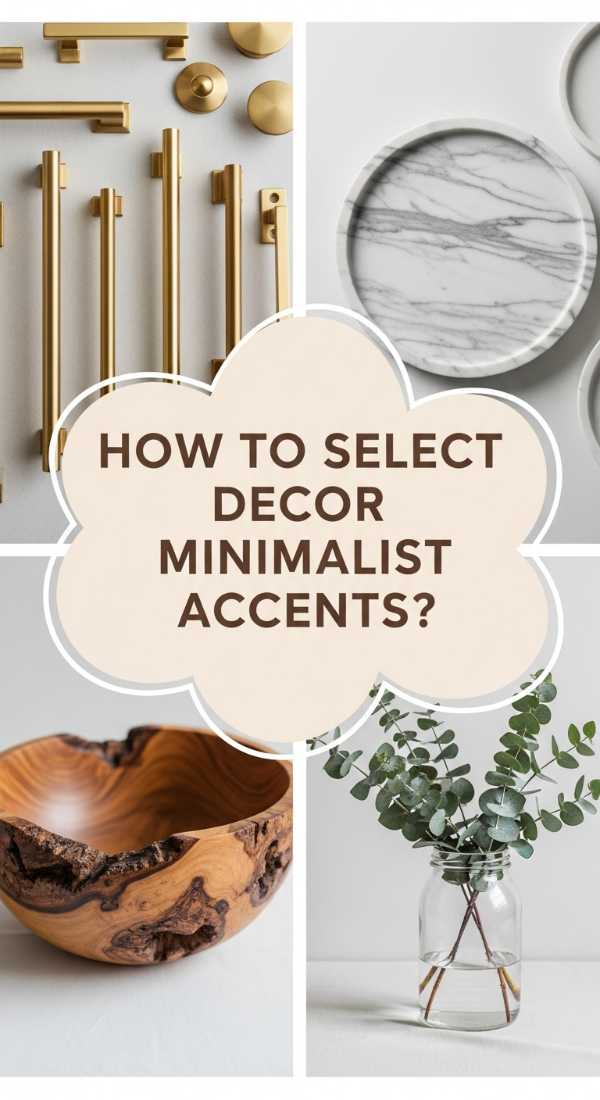
Timelessness is the ultimate luxury. We love the feeling of a room that won’t look dated in five years—a space that feels as fresh today as it will in a decade. The smooth, cool touch of natural stone, the warmth of solid oak, and the subtle sheen of high-quality linen are timeless for a reason. These materials age beautifully, developing a ‘patina’ of life that only adds to the cozy, grounded feeling of the home over time.
Essential Elements:
- Natural, durable materials
- Neutral, ‘earth-bound’ colors
- Classical proportions
- Avoidance of ‘micro-trends’
- Focus on craftsmanship
How to make it
- Apply the ‘Material Test.’ Ask yourself: ‘Will this material look better or worse in 10 years?’ Wood, stone, and linen look better; plastic and cheap laminate look worse. Choose accordingly.
- Stick to a ‘Nature-Inspired’ palette. Colors found in nature—stones, clouds, sand, and soil—never go out of style and provide a consistent, calming backdrop for your life.
- Prioritize ‘Substantial’ weight. Choose accents that feel heavy for their size. A solid brass paperweight or a thick marble bookend conveys a sense of permanence and quality that lightweight items lack.
- Choose ‘Simple’ silhouettes. Look for vases and lamps with basic geometric shapes (spheres, cylinders, cones). These shapes have been aesthetically pleasing for thousands of years and will continue to be.
- Limit ‘Statement’ colors to organic tones. If you want a pop of color, choose one that occurs in nature, like a deep ochre or a dusty terracotta, which feels more timeless than neon or synthetic hues.
How to Refresh Room Decor Minimalist Vibes for Seasonal Updates
Why we love this
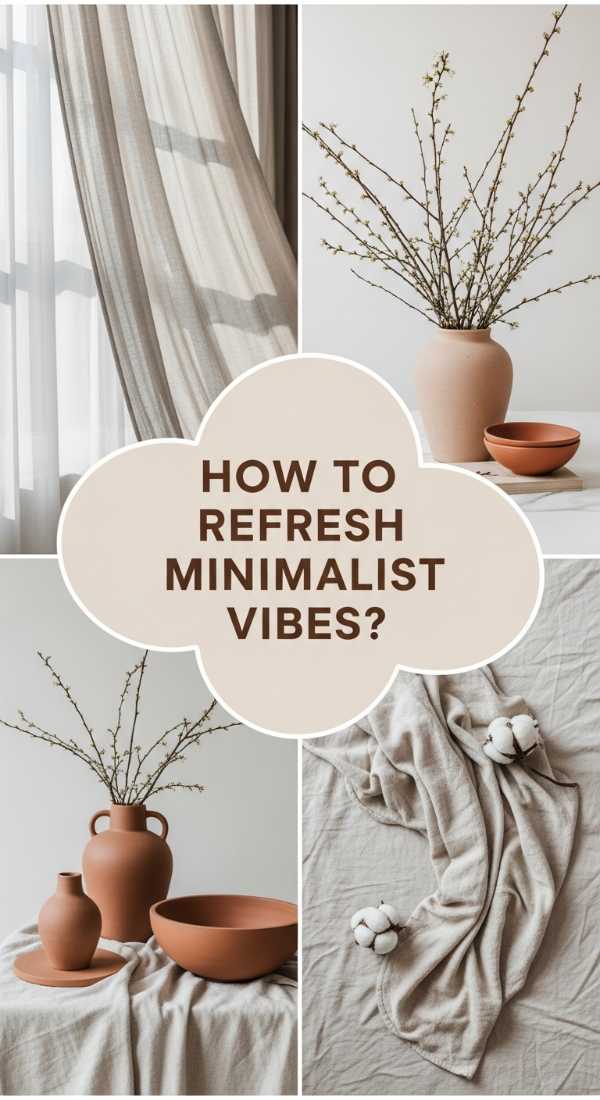
One of the best things about a minimalist home is how easily it transforms. Like a crisp white shirt that you style differently for every season, a minimalist room is a versatile base. We love the way a simple swap of a cushion cover or a change in the greenery can completely shift the energy. In the spring, the scent of fresh lavender and a light linen throw feel like a rebirth; in the autumn, the smell of dried cloves and a heavy wool rug feel like a warm hug.
Essential Elements:
- Seasonal ‘botanicals’ (branches, flowers, dried grass)
- Textile rotation (linen vs. wool)
- Scent-scape adjustments
- Subtle palette shifts
- Natural seasonal light management
How to make it
- Practice ‘Botanical Swapping.’ In spring/summer, use fresh green branches or bright eucalyptus. In autumn/winter, switch to dried pampas grass, bare architectural branches, or pine.
- Rotate your ‘Tactile Layers.’ Keep two sets of pillow covers: a light, breathable linen for warm months and a textured bouclé or velvet for cold months. This changes the ‘feel’ of the room without changing the furniture.
- Update the ‘Scent Profile.’ Shift from light citrus and floral scents in the summer to heavier, spicier, or woodier scents in the winter to match the atmospheric energy.
- Adjust your ‘Light Temperature.’ In summer, keep windows clear to let in the bright, blue-toned natural light. In winter, add small ‘accent’ lamps with very warm bulbs to mimic the glow of a fire.
- Clear the ‘Visual Weight’ for summer. During hot months, remove your rugs or swap them for thin jute mats to create a cooler, ‘barer’ floor that feels psychologically lighter and breezier.
Conclusion: Embracing the Calm
Creating a cozy minimalist home isn’t a weekend project; it’s a lifestyle shift toward intentionality and peace. By focusing on quality over quantity, embracing texture, and respecting the power of negative space, you transform your house into a true sanctuary. It’s time to stop managing your belongings and start enjoying your environment. Remember, the most beautiful thing in any room is the feeling of calm it provides for the people inside it.