

Do you ever walk into your home after a long day, only to feel your shoulders tighten instead of drop? I’ve been there—tripping over shoes, staring at a desk buried in paper, and feeling like my physical space was just a reflection of the noise in my head. We often think that collecting things makes us feel more secure, but the truth is, the more we own, the more those things own us. Transitioning to a minimalist lifestyle isn’t about living in a cold, white box; it’s about making room for the things that actually matter.
Today, we are diving deep into how to turn every corner of your life, from your front porch to your digital desktop, into a sanctuary of peace and clarity. This is about curated living—choosing quality over quantity and finding beauty in the simple, the functional, and the green. Let’s reclaim your space together and turn that chaos into a calm, high-performance environment that fuels your soul rather than draining it.
How to Boost Curb Appeal with Lush Greenery

Why we love this
There is something inherently healing about walking up to a home framed by the deep, earthy scent of damp soil and the vibrant rustle of hostas. It’s the first impression of your sanctuary, offering a soft visual transition from the hectic outside world to your private retreat. Imagine the velvety texture of lamb’s ear against the structural sharpness of an ornamental grass, creating a sensory symphony that greets you every single evening. This lush approach softens the hard lines of architecture, making even the most modern home feel grounded and alive.
Essential Elements:
- Layered perennial shrubs (like Boxwoods or Hydrangeas)
- Varying shades of green foliage for depth
- Heavy stone or ceramic planters
- Organic cedar mulch
- Subtle path lighting
How to make it
- Begin by assessing your light levels. Minimalist curb appeal relies on healthy, thriving plants, so choose varieties that match your zone and sun exposure.
- Create a structural anchor by planting evergreen shrubs closest to the foundation. Use a spade to dig holes twice the width of the root ball to ensure easy expansion.
- Layer in front of the evergreens with varying heights. Use mid-height grasses or flowering perennials to create a tiered effect that feels full but intentional.
- Edge your garden beds with a crisp, clean line using a manual edger. This visual boundary is key to the minimalist aesthetic.
- Apply a 3-inch layer of dark mulch. This suppresses weeds while providing a high-contrast background that makes the green foliage pop.
- Install two large, symmetrical planters on either side of the door. Use the ‘thriller, filler, spiller’ method to ensure they look professionally designed.
How to Style Your Cubicle for Ultimate Focus and Clarity

Why we love this
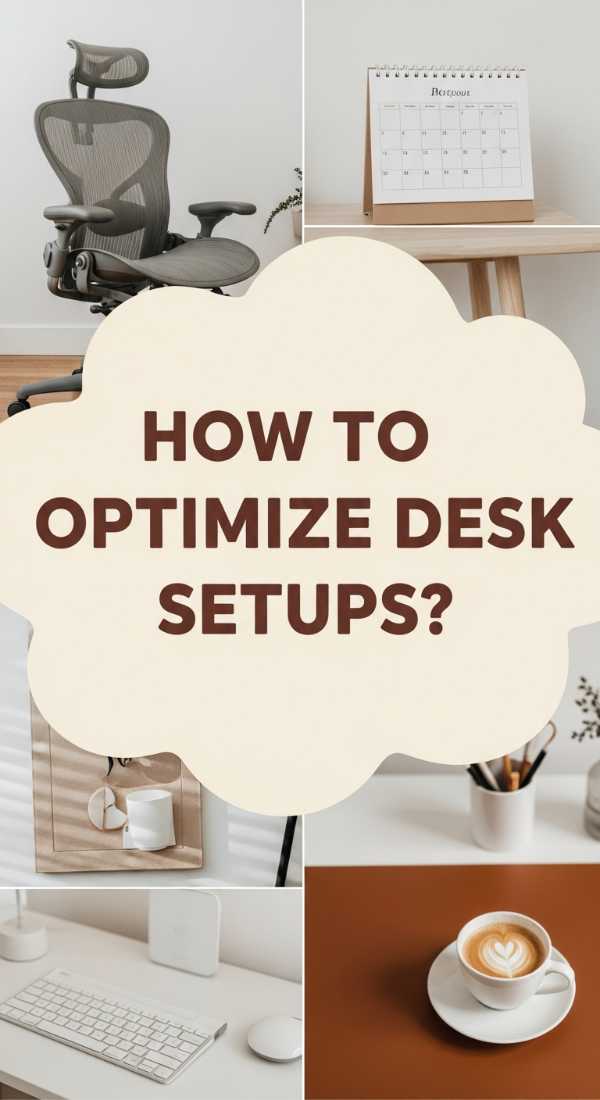
The standard office cubicle can feel like a grey vacuum, but with the right minimalist touches, it becomes a cockpit for high-level creativity. We love the feeling of a smooth, vegan leather desk mat beneath our wrists and the gentle, air-purifying presence of a snake plant tucked in the corner. By stripping away the visual clutter of sticky notes and tangled cords, you create a mental ‘blank canvas’ that allows your most complex ideas to take flight without distraction.
Essential Elements:
- Neutral-toned desk mat (felt or leather)
- Vertical file organizer in matte metal
- Single, high-quality ceramic mug
- Low-light indoor plant
- Minimalist analog clock
How to make it
- Clear everything off the surface. Wipe down the desk with a microfiber cloth to remove dust and static.
- Place your desk mat in the center. This defines your primary workspace and protects the desk surface.
- Use a vertical organizer to store only the active projects you are working on today. Everything else should be filed away in drawers or digitized.
- Route all charging cables behind the desk using adhesive clips. A ‘cable-free’ look is the hallmark of a minimalist workspace.
- Add one personal element—a single framed photo or a small sculpture—that inspires you, but keep the color palette monochromatic to avoid visual noise.
How to Craft an Aesthetic Digital Wallpaper with Iconic Tech

Why we love this
We spend hours looking at our screens, so why should they be cluttered with disorganized icons? A minimalist digital wallpaper acts as a visual deep breath. We adore the look of clean, geometric shapes paired with soft, grain-textured gradients that mimic a film aesthetic. It’s about creating a digital environment that feels as organized as a physical desk, using iconic tech-inspired motifs that celebrate the tools we use to build our dreams.
Essential Elements:
- High-resolution minimalist background image
- Custom folder icons in a cohesive color palette
- Widget stacks for utility (weather, calendar)
- Hidden taskbar/dock settings
How to make it
- Choose a background with a ‘rule of thirds’ composition. The main visual interest should be off-center to leave room for your most-used folders.
- In a design tool like Canva or Procreate, create 500x500px PNG files for your custom icons. Use simple line art and a muted color scheme (like cream, charcoal, and sage).
- On a Mac, right-click a folder, select ‘Get Info,’ and drag your new PNG over the folder icon at the top. On Windows, use the ‘Change Icon’ feature in properties.
- Organize your desktop into a grid. Use ‘Stacks’ to automatically group files by type, keeping the surface clean.
- Adjust your display settings to ‘Auto-hide’ the dock or taskbar to maximize the screen real estate and focus on the wallpaper design.
How to Build a Dreamy Pool Deck for Sunny Afternoon Bliss
Why we love this
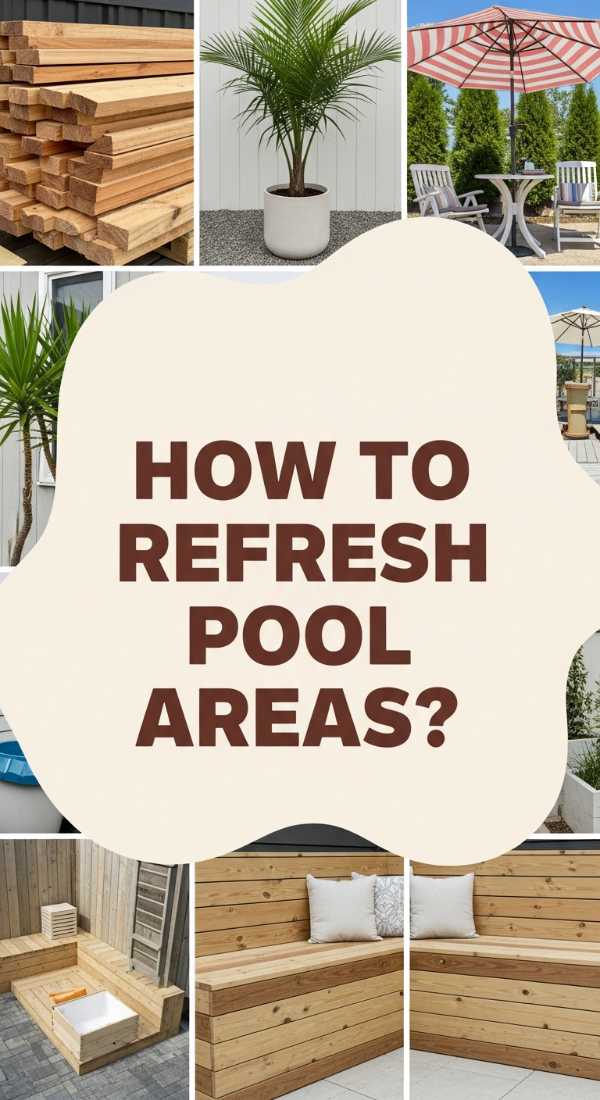
A minimalist pool deck is the pinnacle of luxury, evoking the feeling of a high-end Mediterranean resort. We love the warmth of sun-bleached composite wood underfoot and the way light reflects off the water onto clean, white lounge chairs. It’s a space where the architecture of the home meets the fluidity of the water. The lack of clutter allows the sound of the ripples and the warmth of the sun to take center stage, creating a sensory escape in your own backyard.
Essential Elements:
- Wide-plank composite or teak decking
- Seamless glass or hidden wire railings
- Low-profile loungers with linen cushions
- Concrete or stone side tables
- Oversized cantilever umbrella
How to make it
- Start with a level foundation of pressure-treated joists spaced 16 inches on center to prevent any sagging over time.
- Lay your decking boards with hidden fasteners. This creates a smooth, nail-free surface that is safe for bare feet and looks incredibly high-end.
- Leave a 1/8-inch gap between boards for drainage. Minimalist design is as much about functionality as it is about looks.
- Install recessed LED deck lights into the perimeter boards. These provide a soft glow at night without the clutter of traditional light poles.
- Select furniture with thin, architectural lines. Avoid bulky plastic; instead, opt for powder-coated aluminum or treated wood that can withstand the elements.
How to Create Low Maintenance Front Yards for Busy Homeowners
Why we love this
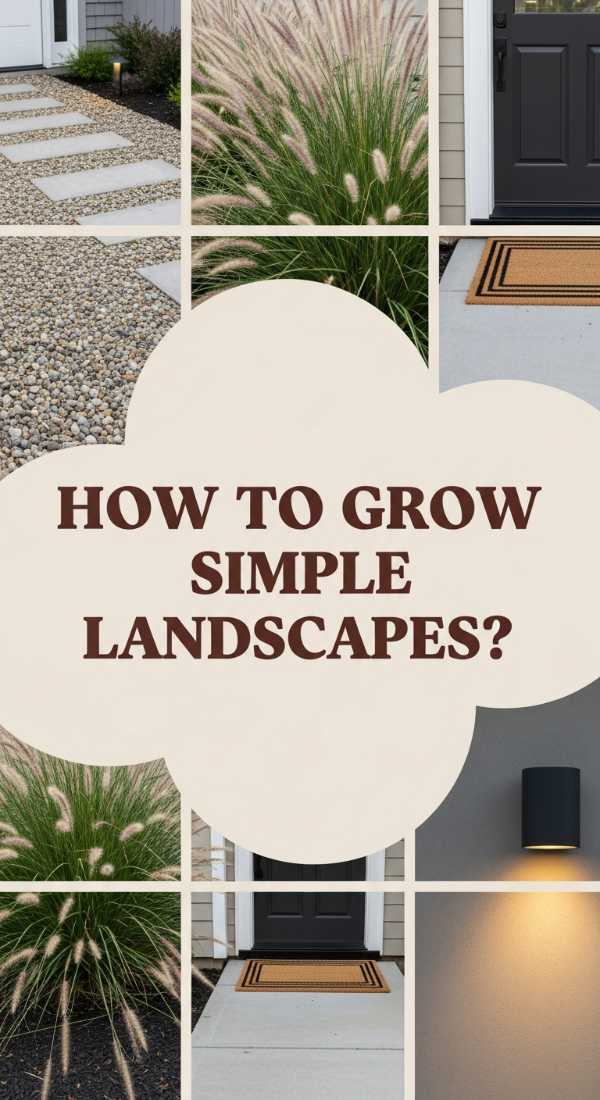
True minimalism is about reclaiming your time, and nothing says ‘time-saver’ like a front yard that doesn’t require a weekend of mowing. We love the sophisticated, modern look of xeriscaping—using smooth river rocks, sculptural agaves, and drought-tolerant succulents. The textures are diverse and fascinating, from the crunch of gravel to the waxy sheen of a desert rose, providing year-round beauty without the need for constant watering or weeding.
Essential Elements:
- Landscape fabric (weed barrier)
- Pea gravel or crushed granite
- Drought-resistant architectural plants
- Steel or heavy-duty plastic edging
- Drip irrigation system (optional)
How to make it
- Remove all existing grass using a sod cutter to ensure you get the roots. This prevents future growth through your new landscape.
- Install professional-grade landscape fabric over the entire area, securing it with landscape staples every 12 inches.
- Cut ‘X’ shapes in the fabric where you want your plants to go. Dig your holes, mix in some succulent-friendly soil, and plant your greenery.
- Install your edging to create clean, geometric borders between different textures or the sidewalk.
- Spread 2-3 inches of your chosen stone. Use a rake to level it out perfectly. The weight of the stone will hold the fabric down and keep the yard looking pristine for years.
How to Design a Productive Workspace for High Performance

Why we love this
A high-performance workspace is where dreams are built, and a minimalist design ensures that your environment never competes with your focus. We love the sleek integration of a standing desk that moves silently, paired with the focused glow of a task lamp that illuminates only what you need. The air feels lighter in a room that isn’t burdened by excess, allowing you to enter ‘deep work’ states faster and stay there longer, surrounded by materials that feel cool and professional.
Essential Elements:
- Height-adjustable desk (minimalist controls)
- Ergonomic task chair with mesh support
- Monitor arm to free up desk space
- Noise-canceling acoustic panels (felt or fabric)
- Dedicated ‘tech drawer’ for peripherals
How to make it
- Position your desk perpendicular to a window. This provides natural light for your mood without the glare on your screen.
- Mount your monitor on a gas-spring arm. Adjust it so the top third of the screen is at eye level, which reduces neck strain and clears the desk surface.
- Attach a power strip to the underside of the desk. Plug everything in and use velcro ties to bundle the cables so only one cord goes to the wall outlet.
- Introduce ‘Zoned Lighting.’ Use a warm ambient light for general room glow and a cool, bright task light specifically for your desktop.
- Incorporate a ‘reset’ habit: at the end of every day, clear the desk of all papers and coffee cups so you start each morning with a fresh slate.
How to Coordinate Your Studio Setup with Music Inspired Decor
Why we love this
For the creative soul, music isn’t just something you hear; it’s something you live. We love the vibe of a minimalist studio that treats instruments like art—a single electric guitar hanging on a walnut mount, or a vintage turntable sitting on a low-profile credenza. The aesthetic is tactile and moody, filled with the soft texture of acoustic foam and the warm glow of a neon sign that sets the creative pace. It’s a sanctuary where every element is tuned to your personal rhythm.
Essential Elements:
- Minimalist wall mounts for instruments
- Vinyl record display shelving
- Sleek studio monitors (speakers)
- Dimmer-controlled accent lighting
- Plush area rug for sound dampening
How to make it
- Identify your primary workstation (DAW or mixing desk) and center it on the shortest wall of the room for the best acoustics.
- Install wall-mounted guitar or headphone hangers. Keeping equipment off the floor makes the room feel much larger and more organized.
- Use floating shelves to display a curated selection of 5-10 vinyl records. This adds personality without the bulk of a massive collection.
- Apply hexagon acoustic panels in a geometric pattern. These serve a dual purpose of sound treatment and modern wall art.
- Hide all audio cables in floor raceways or behind furniture. In a studio, cable management is the difference between a professional suite and a hobbyist’s basement.
How to Revamp Your Outdoor Oasis with Budget Friendly Materials
Why we love this
You don’t need a million dollars to create a space that feels like a million bucks. We love the ingenuity of using whitewashed wooden pallets topped with oversized, weather-resistant cushions to create a custom sectional. The vibe is relaxed and ‘boho-minimalist,’ especially when the sun sets and string lights begin to flicker against the natural wood. It’s about the joy of DIY and the satisfaction of transforming ‘nothing’ into a cozy retreat for late-night conversations and stargazing.
Essential Elements:
- Reclaimed wooden pallets or cedar planks
- Outdoor-grade white or grey paint
- Edison-style string lights
- DIY gravel fire pit area
- Potted herbs for fragrance and function
How to make it
- Source high-quality pallets (look for ‘HT’ stamp for heat-treated, which is safer). Sand them down thoroughly to prevent splinters.
- Apply two coats of outdoor-grade white stain or paint. This protects the wood and gives it a clean, coastal minimalist look.
- Stack the pallets to your desired height and secure them with long wood screws to prevent shifting.
- Define your ‘oasis’ area by laying down a circle of pea gravel. This is much cheaper than pavers and adds a lovely textural element.
- String your lights in a ‘zigzag’ pattern above the seating. Use sturdy poles or attach them to the house eaves for a professional, taut look.
How to Elevate Your Front Entry with Simple Natural Elements

Why we love this
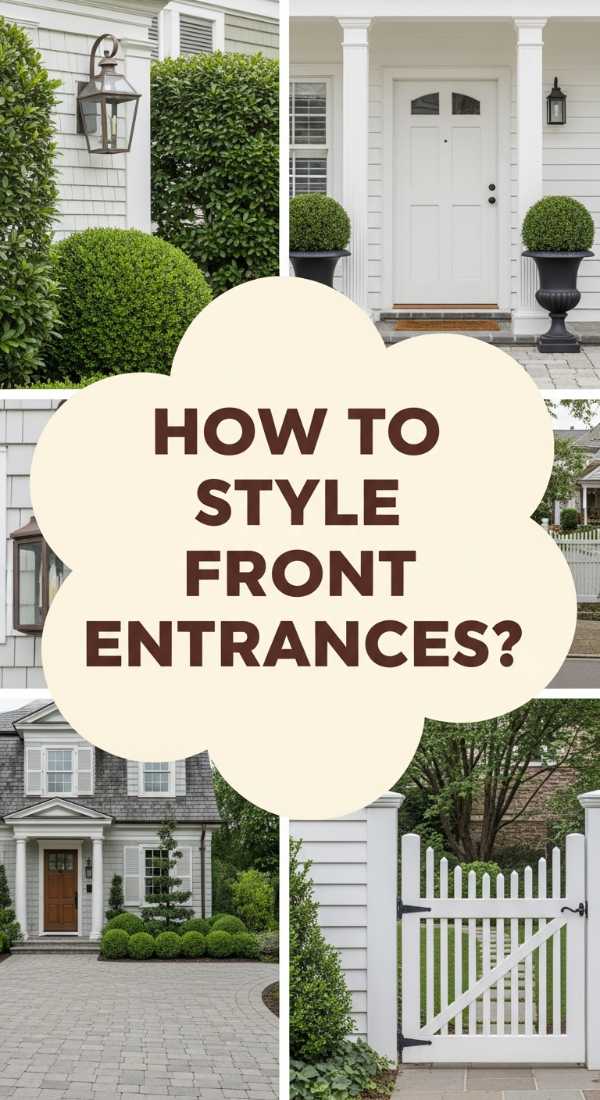
The front entry is the ‘handshake’ of your home. We love the understated elegance of natural textures—a heavy linen wreath, a solid oak bench, and the cool touch of a slate doormat. By sticking to a palette of earth tones, you create a seamless transition from the outdoors in. It feels grounded, timeless, and incredibly welcoming without being fussy. It’s the kind of entrance that tells your guests they can leave their stress at the door.
Essential Elements:
- Natural wood bench or stool
- Woven jute or sisal rug
- Single-branch floral arrangement (like Eucalyptus)
- Brushed brass hardware
- Neutral-toned door paint (like mushroom or sage)
How to make it
- Paint your front door in a matte finish. Muted tones work best for a minimalist entry as they don’t compete with the greenery.
- Swap out old, dated hardware for a high-quality, streamlined handle set in brushed brass or matte black.
- Layer a small jute rug under a slightly larger doormat for a ‘designer’ look that adds texture and warmth.
- Place a minimalist wooden bench to one side. Not only is it functional for taking off shoes, but it also provides a horizontal line that anchors the space.
- Add a large glass or ceramic floor vase with a few tall, dried branches. It’s a low-maintenance way to bring height and life to the corner.
How to Organize Your Office Desk for a Zen Professional Life
[IMAGE_10]
Why we love this
A Zen desk is more than just clean—it’s a physical manifestation of a calm mind. We love the tactile satisfaction of bamboo drawer organizers where every pen and paperclip has a specific home. There’s a certain magic in a desk that holds only a laptop, a notebook, and a single glass of water. It encourages a ‘single-tasking’ philosophy that increases the quality of your work and reduces the friction of your daily routine. It’s quiet, it’s efficient, and it’s beautiful.
Essential Elements:
- In-drawer bamboo dividers
- Under-desk cable management tray
- Minimalist paper tray
- Small desktop oil diffuser
- Daily planner with a clean layout
How to make it
- Empty every drawer. If you haven’t used an item in six months, discard it or move it to a long-term storage bin.
- Measure your drawer interiors and purchase bamboo dividers that fit snugly. Categorize your items: pens in one, tech cables in another, and note cards in a third.
- Install a metal tray to the underside of the desk. Place your power brick and all excess cord length inside it so nothing touches the floor.
- Keep only one notebook on the desk at a time. The ‘one thing’ rule prevents the creeping return of clutter.
- Set up a small essential oil diffuser with a ‘focus’ scent like peppermint or rosemary to anchor your brain in ‘work mode’ as soon as you sit down.
The Path to a Lighter Life
Minimalism isn’t a destination; it’s a practice. It’s the daily choice to value your peace of mind over the accumulation of objects. By implementing these shifts in your home and workspace, you aren’t just ‘cleaning’—you are designing a life that supports your highest self. Start small, pick one corner, and feel the weight lift. Your sanctuary is waiting.