
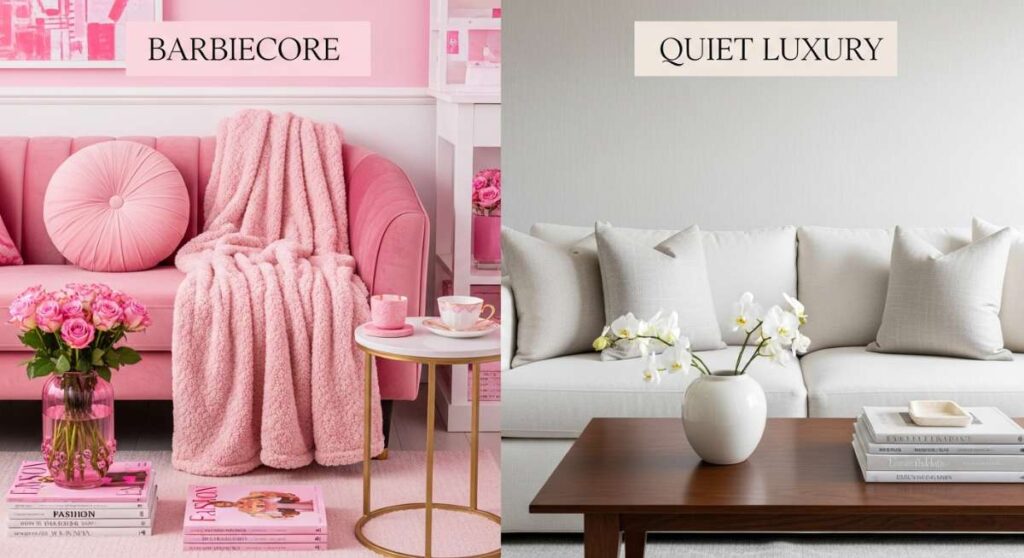
We’ve all been there—curled up on the sofa after a long day, scrolling through a never-ending stream of perfectly curated rooms that make our hearts skip a beat. One moment it’s the neon-pink energy of Barbiecore, and the next, it’s the hushed, expensive-feeling elegance of Quiet Luxury. But beyond the viral hashtags, there’s a deeper desire we all share: the craving for a home that doesn’t just look like a magazine spread, but feels like a warm hug for the soul.
Your home is the canvas of your life, the backdrop to your morning coffee rituals and your late-night heart-to-hearts. Recently, I’ve found myself moving away from the ‘standard’ looks and leaning into aesthetics that tell a real story. Whether you’re looking to turn a tiny corner into a spiritual sanctuary or transform your entire living room into a sun-drenched coastal retreat, these trending styles are about more than just furniture—they’re about creating an atmosphere that resonates with who you truly are.
How to Curate Rustic Mexican Charm for a Warm Heartfelt Welcome
Why we love this
There is an undeniable soulfulness in the rustic Mexican aesthetic that instantly makes guests feel like family. Walking into a room styled this way feels like stepping into a sun-baked hacienda where the air smells of slow-simmered spices and aged wood. The texture of rough-hewn beams against smooth, hand-painted tiles creates a sensory feast that is both grounding and vibrant. It’s a style that celebrates imperfection—the chip in a clay pot or the fading dye of a woven rug—making it the ultimate choice for a home that prioritizes connection over cold perfection.
Essential Elements:
- Terracotta floor tiles or ‘Saltillo’ pavers
- Hand-painted Talavera pottery and accents
- Wrought iron light fixtures and hardware
- Woven textiles like ‘Serape’ or ‘Rebozo’ fabrics
- Distressed mesquite or pine furniture
How to make it
- Start with a warm, earthy base by choosing a wall color in a creamy parchment or a soft terracotta wash. Ensure the finish is matte to mimic the look of traditional plaster.
- Anchor the room with a heavy, rustic wooden table. Look for pieces with visible wood grain and manual joinery techniques like mortise and tenon for that authentic hacienda feel.
- Layer in textiles by draping a vibrant, hand-woven runner across the table or using embroidered ‘Otomí’ pillows on the seating. The key is to mix patterns that share a common color palette to avoid visual clutter.
- Incorporate natural greenery, specifically potted cacti or succulents in aged clay pots. Place them near windows where the natural light can catch the orange and red tones of the pottery.
- Finish the space with mood lighting. Replace harsh overhead bulbs with warm-toned LEDs housed in punched-tin lanterns that cast intricate, dancing shadows across the walls at night.
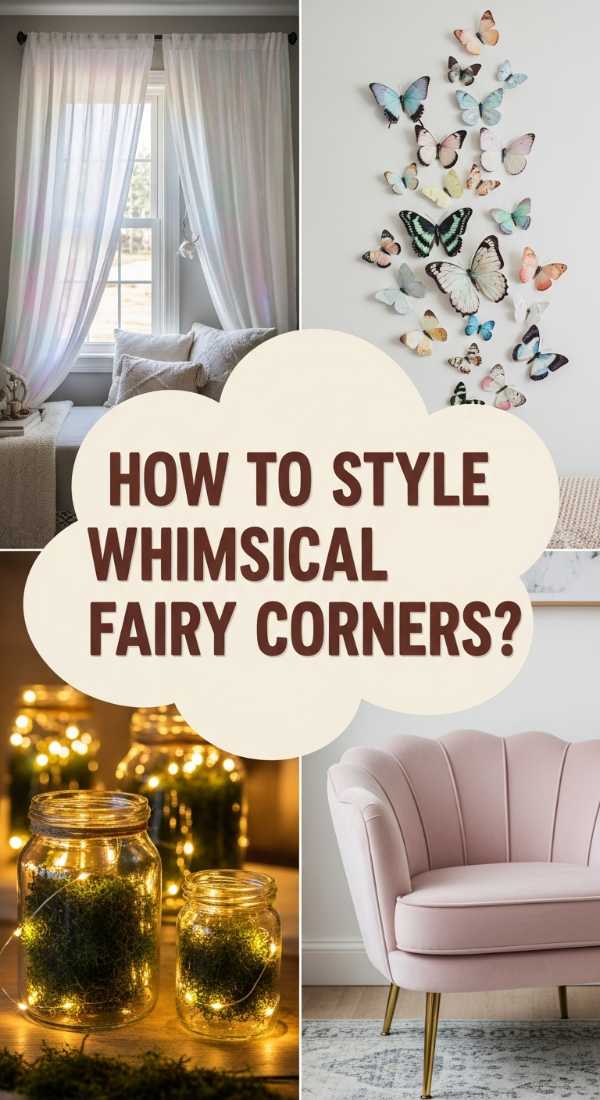
How to Style Whimsical Fairy Corners for Infinite Daily Joy
Why we love this
Creating a fairy corner is like carving out a small piece of a childhood dream and bringing it into your adult reality. It’s a delicate, ethereal aesthetic that relies on soft textures like faux fur and tulle combined with the gentle glow of twinkling lights. The atmosphere is one of pure enchantment, where the scent of dried lavender lingers and every corner offers a soft place to land. It provides a much-needed mental escape from the rigid lines of modern life, offering a soft-focus sanctuary that encourages daydreaming and creative flow.
Essential Elements:
- Sheer canopy fabrics or iridescent curtains
- Micro-LED copper wire string lights (fairy lights)
- Preserved moss, dried flowers, and crystal clusters
- Vintage-style birdcages or glass terrariums
- Soft velvet floor cushions and plush rugs
How to make it
- Select a quiet nook or a window seat to serve as your foundation. Clear away any bulky or modern items that break the ‘magic’ of the space.
- Install a ceiling hook and drape layers of sheer tulle or lightweight silk from the top, allowing the fabric to pool slightly on the floor for a romantic, weightless effect.
- Weave micro-fairy lights through the canopy fabric and along the baseboards. Use warm-white or soft-amber bulbs to create a golden-hour glow that feels natural rather than clinical.
- Arrange your botanical elements by placing preserved moss inside glass cloches or hanging dried eucalyptus bundles. The organic shapes contrast beautifully with the soft fabrics.
- Add a final touch of whimsy with hanging crystals or suncatchers in the window. When the sun hits them, they will scatter ‘pixie dust’ rainbows across your enchanted corner, completing the transformation.
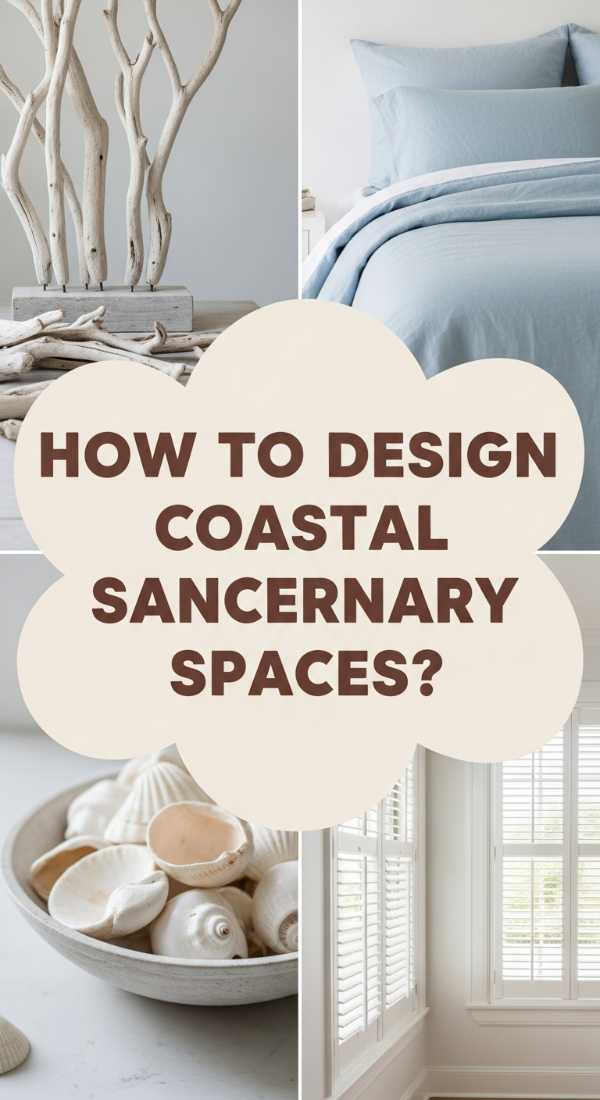
How to Design Coastal Sanctuary Spaces for Total Seaside Serenity

Why we love this
The coastal sanctuary aesthetic is a breath of fresh, salty air for the home, designed to evoke the effortless calm of a beach at sunrise. It leans heavily on a palette of soft whites, sandy beiges, and muted seaglass blues, creating a visual rhythm that mimics the ebb and flow of the tide. The textures are raw and tactile—think the crunch of a sisal rug underfoot and the cool, crisp touch of high-thread-count linen. It’s a design style that cleanses the palate and quiets the mind, making every homecoming feel like a vacation.
Essential Elements:
- Slipcovered furniture in white or oatmeal linen
- Natural fiber rugs like jute, sisal, or seagrass
- Weathered wood accents and driftwood decor
- Glass jars filled with sea glass or smooth river stones
- Large-scale windows with minimal, airy treatments
How to make it
- De-clutter the space entirely to allow for ‘white space’ that gives the eyes a place to rest. Coastal design relies on a sense of openness and airiness.
- Choose furniture with low profiles and relaxed silhouettes. If you have existing pieces, use high-quality linen slipcovers to instantly soften the look and add that beach-house vibe.
- Integrate natural textures by layering a smaller wool rug over a larger jute rug. This adds physical warmth while maintaining the organic, coastal aesthetic.
- Focus on ‘found’ objects for decor. Place a large piece of sculptural driftwood on a mantle or console table as a focal point, ensuring it remains the hero piece without competing with smaller trinkets.
- Maximize natural light by using sheer linen curtains that catch the breeze. The goal is to blur the lines between the indoors and the horizon outside, creating a seamless sense of serenity.
How to Master Vintage Soul Decor for a Timeless Living Legacy

Why we love this
Vintage soul decor is for the storytellers and the collectors who believe that every object should have a history. This aesthetic feels rich and layered, characterized by the deep mahogany of antique desks, the weight of solid brass candlesticks, and the distinct, comforting scent of old library books. It’s an interior style that feels incredibly grounded and permanent in an era of ‘fast furniture.’ There is a profound sense of peace in knowing that your surroundings have stood the test of time, offering a sense of continuity and a connection to the past.
Essential Elements:
- Antique or ‘thrifted’ hardwood furniture
- Oil paintings in ornate, gilded frames
- Brass, copper, or pewter decorative objects
- Rich textiles like brocade, tapestry, or worn leather
- Classic architectural details like crown molding
How to make it
- Begin by sourcing one ‘anchor’ antique piece, such as a Victorian sideboard or a mid-century leather armchair. This piece sets the era and quality standard for the rest of the room.
- Develop a curated color story using ‘historical’ shades—deep forest greens, navy blues, or burgundy. Use these on the walls or through heavy velvet drapery to create depth.
- Display collections with intention. Rather than scattering items, group vintage brass candlesticks or old leather-bound books together on a shelf to create a curated, museum-like vignette.
- Incorporate art that looks ‘aged.’ Even if it’s a new print, placing it in an authentic thrifted frame with a slightly tarnished patina will give it that essential vintage soul.
- Focus on the tactile experience. Use real wood, real metal, and real stone. Avoiding plastic or synthetic finishes is crucial for maintaining the timeless integrity of this aesthetic.
How to Create Catholic Prayer Nooks for Deep Spiritual Peace
Why we love this
A prayer nook is a sacred pause in a busy home, a dedicated space where the spiritual and the physical meet. It’s an aesthetic built on reverence and quietude, often centered around a beautiful icon or a crucifix that draws the eye upward. The soft flickering of a beeswax candle and the faint, sweet aroma of frankincense create an atmosphere of immediate calm. It’s a place designed not just for the eyes, but for the soul, providing a physical anchor for daily reflection and a constant reminder of a higher purpose.
Essential Elements:
- A small ‘altar’ table or wall-mounted shelf
- Religious icons, crucifixes, or sacred art
- Kneeler (prie-dieu) or a comfortable velvet chair
- Votive candles or incense burners
- Fresh flowers and a Bible or prayer book
How to make it
- Identify a quiet, low-traffic area of your home, perhaps a corner of a bedroom or a nook under a window, where you won’t be easily disturbed.
- Set up a small table and cover it with a clean linen cloth. The color of the cloth can change with the liturgical seasons (purple for Lent, white for Easter) to keep the space dynamic.
- Place your central focal point—usually a crucifix or an icon of a patron saint—at eye level. Surround it with two candles to signify the light of faith.
- Organize your spiritual tools. Place your Bible, rosary, or prayer journals in a beautiful wooden bowl or a dedicated drawer to keep the surface of the altar clutter-free.
- Incorporate a natural element, like a small vase of lilies or roses, to symbolize life and growth. Light a candle whenever you enter the space to signify the transition from the mundane to the sacred.
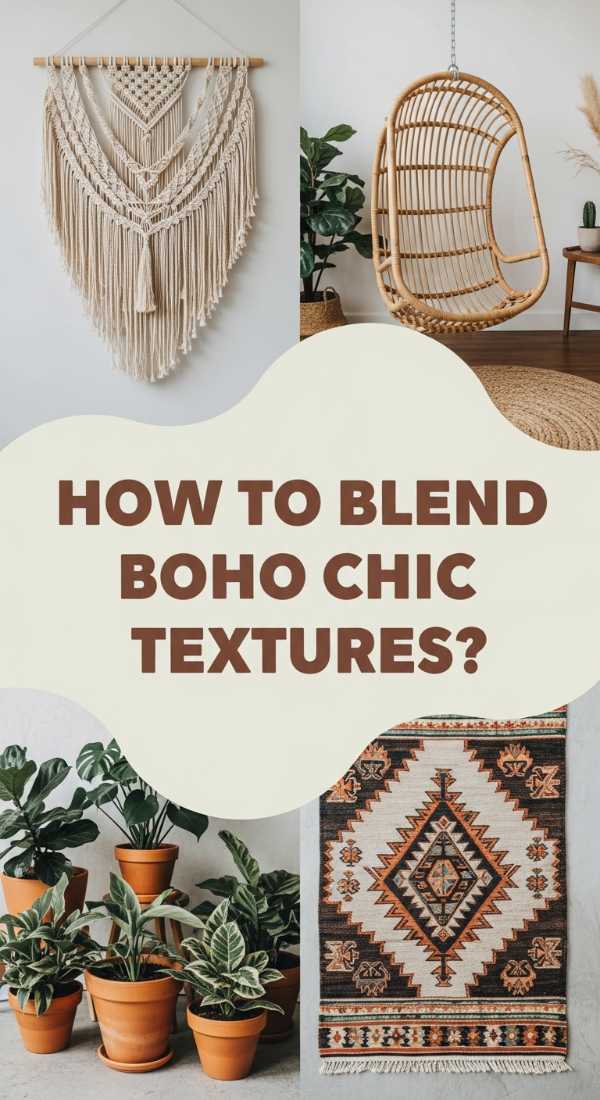
How to Blend Boho Chic Textures for the Ultimate Cozy Escape

Why we love this
Boho chic is the ultimate expression of relaxed, lived-in luxury. It’s an aesthetic that invites you to kick off your shoes and sink into a sea of woven textures and soft patterns. The feeling is one of curated chaos—where macrame wall hangings meet oversized monstera leaves and Moroccan lanterns. There is a warmth to this style that comes from the layering of organic materials, making it feel like a cozy, global sanctuary. It’s a celebration of the handmade and the natural, designed for those who want their home to feel like an endless Sunday afternoon.
Essential Elements:
- Macrame wall art and plant hangers
- Rattan or wicker furniture pieces
- Layered rugs (cowhide over sisal, or Turkish kilims)
- Abundant indoor plants and hanging vines
- Fringed pillows and chunky knit throws
How to make it
- Start with a neutral base of whites or light greys on the walls to allow the various textures to stand out without overwhelming the room.
- Layer your flooring. Place a large, flat-weave neutral rug down first, then angle a smaller, more colorful patterned rug on top of it. This creates an immediate ‘designer’ look that feels cozy and intentional.
- Bring in the ‘greenery wall.’ Use plants of varying heights—a tall Fiddle Leaf Fig in the corner, trailing Pothos on high shelves, and small succulents on coffee tables to create a lush, jungle-like vibe.
- Mix and match your seating. Combine a structured sofa with a rattan peacock chair or a soft floor pouf to encourage a relaxed, informal seating arrangement.
- Add the ‘fringe factor.’ Use textiles that have tactile details like tassels, fringe, or raised embroidery. These small details catch the light and add the necessary ‘boho’ depth to the room.
How to Elevate Mobile Home Interiors for Luxury Small Space Living
Why we love this
The new wave of mobile home design proves that luxury isn’t about square footage—it’s about intentionality and high-end finishes. This aesthetic is sleek, smart, and incredibly satisfying, focusing on maximizing every inch with clever built-ins and sophisticated color palettes. Walking into a modern luxury mobile home feels like entering a high-end yacht or a boutique hotel suite. The use of reflective surfaces, gold hardware, and integrated lighting makes the space feel expansive and expensive, turning a small footprint into a grand statement of style.
Essential Elements:
- Built-in multifunctional furniture
- High-gloss or ‘super-matte’ cabinetry
- Brushed gold or matte black hardware
- Large mirrors to create the illusion of depth
- Under-cabinet and toe-kick LED lighting
How to make it
- Standardize your color palette. Using the same color for walls, cabinets, and even some furniture pieces ‘blurs’ the corners of the room, making the space feel significantly larger.
- Upgrade the hardware. Replace standard plastic or basic metal pulls with heavy, high-quality brushed gold or marble knobs. This ‘jewelry’ for your cabinets instantly elevates the entire kitchen or bathroom.
- Install vertical slats or shiplap. Running boards vertically on a focal wall draws the eye upward, creating the illusion of higher ceilings and a more custom-built appearance.
- Use ‘ghost’ furniture. Incorporate acrylic chairs or a glass coffee table. Because these pieces are transparent, they provide function without taking up visual ‘weight’ in a small room.
- Focus on lighting layers. Avoid a single center light. Instead, use a combination of recessed ceiling lights, wall sconces, and hidden LED strips under cabinets to create a warm, multi-dimensional glow.
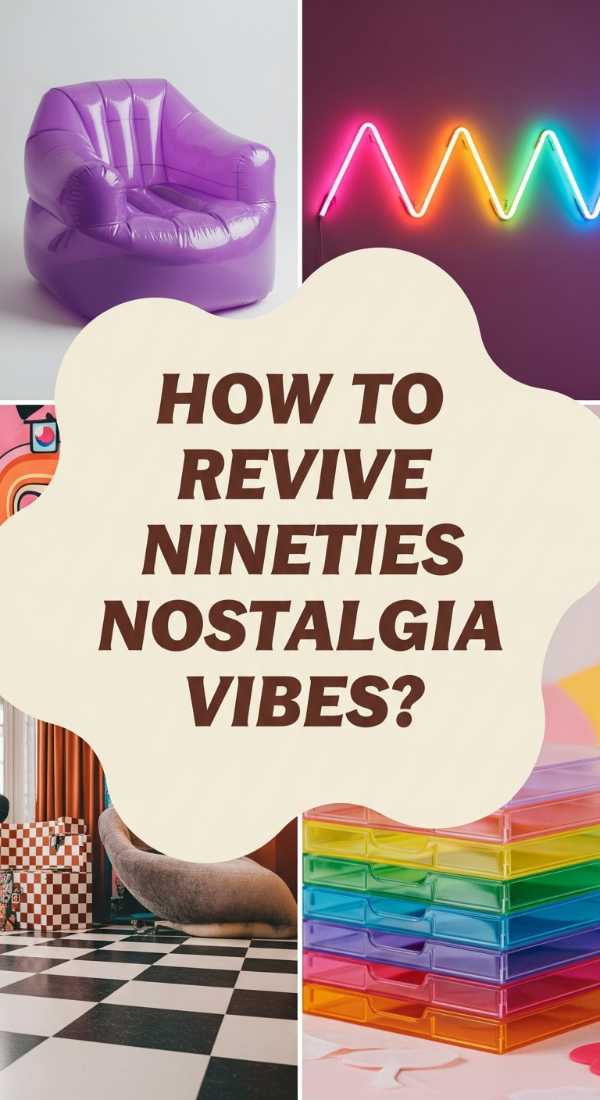
How to Revive Nineties Nostalgia Vibes for a Funky Retro Refresh
Why we love this
Nineties nostalgia is back, but it’s grown up and gotten a chic makeover. This aesthetic is a playful explosion of color and geometry that feels refreshingly rebellious after years of minimalist greys. It’s about the joy of a neon squiggle, the satisfying ‘pop’ of a primary color, and the funky comfort of velvet textures. There’s a high-energy, ‘main character’ energy to this style that makes every day feel like a retro music video. It celebrates individuality and fun, reminding us that home decor shouldn’t always be so serious—it should be a blast.
Essential Elements:
- Neon signs and colorful LED accent lighting
- Checkered patterns and geometric rugs
- Curvy, ‘blob-style’ mirrors and furniture
- Inflatable-inspired acrylic or colorful plastic accents
- Pop art prints and bold typography
How to make it
- Choose a ‘power color’ like cobalt blue, electric lime, or hot pink. Use this as your primary accent color against a clean white or light grey backdrop to make it pop.
- Introduce the ‘checkered’ trend. A black-and-white checkered rug or a set of checkered ceramic coasters adds an instant 90s graphic edge that is very on-trend right now.
- Swap out standard mirrors for ‘wavy’ or ‘squiggle’ designs. These organic, funky shapes break up the straight lines of traditional rooms and add a sense of movement.
- Add a statement neon sign. Whether it’s a word or a simple shape like a lightning bolt, the vibrant glow adds a nightlife-inspired vibe that is quintessential 90s.
- Mix textures by pairing a velvet sofa with a sleek, colorful plastic side table. The contrast between the soft and the ‘artificial’ creates that signature retro-future aesthetic.
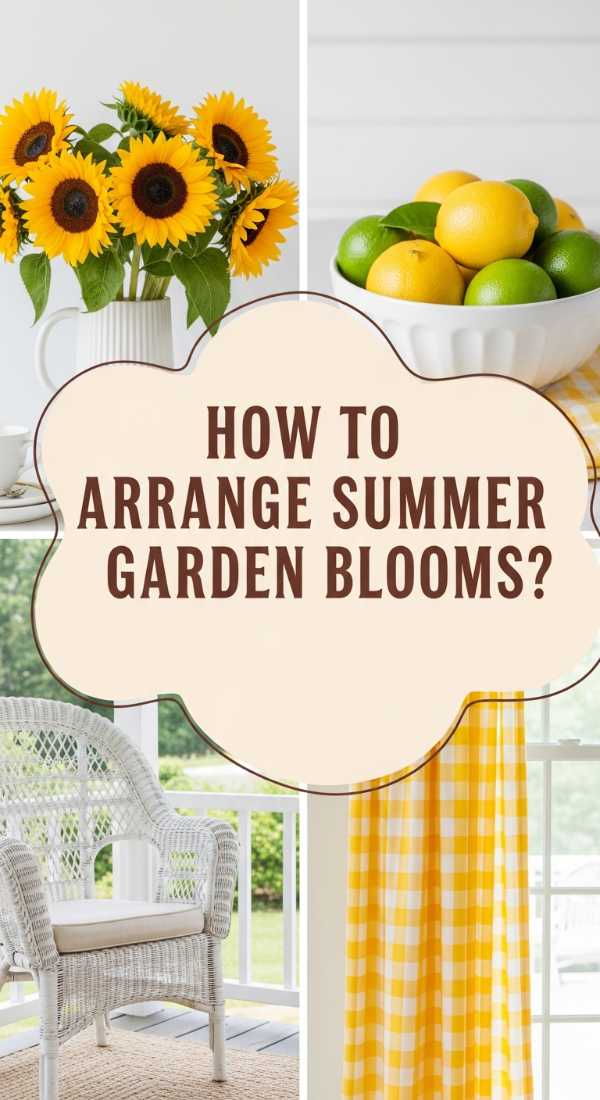
How to Arrange Summer Garden Blooms for an Indoor Nature Haven
Why we love this
Bringing summer garden blooms indoors is the quickest way to breathe life and vitality into your home. This aesthetic is all about wild, untamed beauty—think overflowing vases of peonies, snapdragons, and eucalyptus that look like they were just gathered from a meadow. The fragrance is intoxicating, filling the house with the scent of wet earth and sweet nectar. It creates a soft, romantic atmosphere that blurs the line between your living room and the great outdoors, offering a constant connection to the changing seasons and the simple beauty of nature.
Essential Elements:
- Varied glass vases and ceramic pitchers
- Floral frogs or chicken wire for structural support
- A mix of ‘thriller’ (bold), ‘filler’ (soft), and ‘spiller’ (trailing) flowers
- Sharp floral shears and flower food
- Natural light sources to highlight the petals
How to make it
- Harvest or buy your flowers in the early morning when they are most hydrated. Cut the stems at a 45-degree angle to maximize their water intake capacity.
- Prepare your vessel. Use a ball of chicken wire or a floral frog at the bottom of the vase to give you control over where the stems sit, allowing for a ‘wilder’ and less stiff look.
- Build your base with greenery first. Eucalyptus, ferns, or even branches from a backyard tree create the ‘skeleton’ of the arrangement and provide a lush green background.
- Add your ‘thriller’ flowers—the big, showy blooms like dahlia or sunflowers—slightly off-center to create a focal point. Then, tuck in ‘fillers’ like baby’s breath or waxflowers to close the gaps.
- Place the arrangement in a spot with indirect sunlight and away from drafts. Change the water every two days and re-trim the stems to keep your indoor garden haven looking fresh for up to a week.
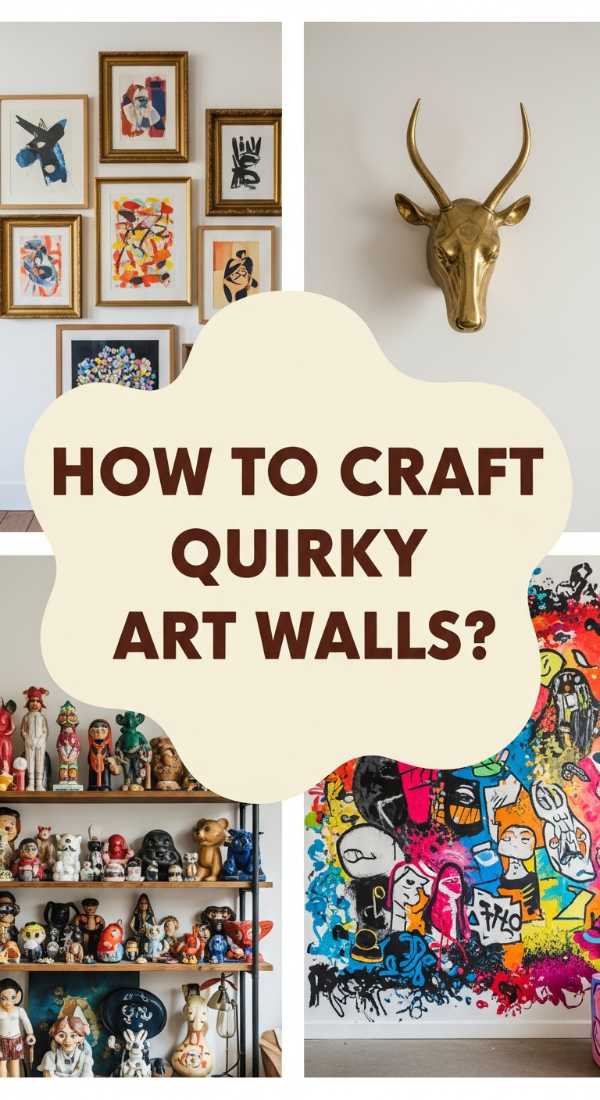
How to Craft Quirky Art Walls for a Truly Unique Personality Statement
[IMAGE_10]
Why we love this
A quirky art wall is a visual autobiography, a collection of everything that makes you, you. It’s an aesthetic that defies rules, mixing high-brow oil paintings with thrift store finds, concert tickets, and even pressed leaves. The result is a vibrant, textured display that draws people in and sparks conversation. There is a profound sense of creative freedom in this style; it doesn’t care about matching or ‘proper’ spacing. It’s a riot of color and memory that makes a house feel like a home full of life, laughter, and a very specific, wonderful personality.
Essential Elements:
- Mismatched frames (gold, wood, painted, modern)
- Art in various mediums (prints, canvases, textiles, 3D objects)
- Command strips or a variety of wall hooks
- A spirit of ‘more is more’ and visual play
- Painter’s tape for layout planning
How to make it
- Collect your pieces over time. Don’t try to buy everything at once; the best quirky walls are built through travel, thrifting, and personal milestones.
- Lay all your items out on the floor in front of the wall you intend to use. This allows you to move pieces around without making unnecessary holes in the wall.
- Start with your largest or ‘heaviest’ piece as the anchor, slightly off-center. Build the rest of the collection around it, mixing small items next to large ones and horizontal frames next to vertical ones.
- Incorporate 3D elements. Add a small hanging planter, a vintage clock, or a decorative mask among the flat frames to add physical depth and shadows to the wall.
- Use a consistent ‘gap’ size (roughly 2-3 inches) between pieces to provide a sense of intentionality, even if the art itself is wildly different. Once you like the floor layout, transfer it to the wall one piece at a time.
Finding Your Personal Home Signature
At the end of the day, trends like Barbiecore or Quiet Luxury are just starting points. The real magic happens when you mix the old with the new, the sacred with the silly, and the high-end with the handmade. Your home should be a reflection of your journey—a place where you feel most like yourself. So, grab that vintage frame, light that prayer candle, or paint that wall a daring shade of 90s teal. Your space is waiting to tell your story.