
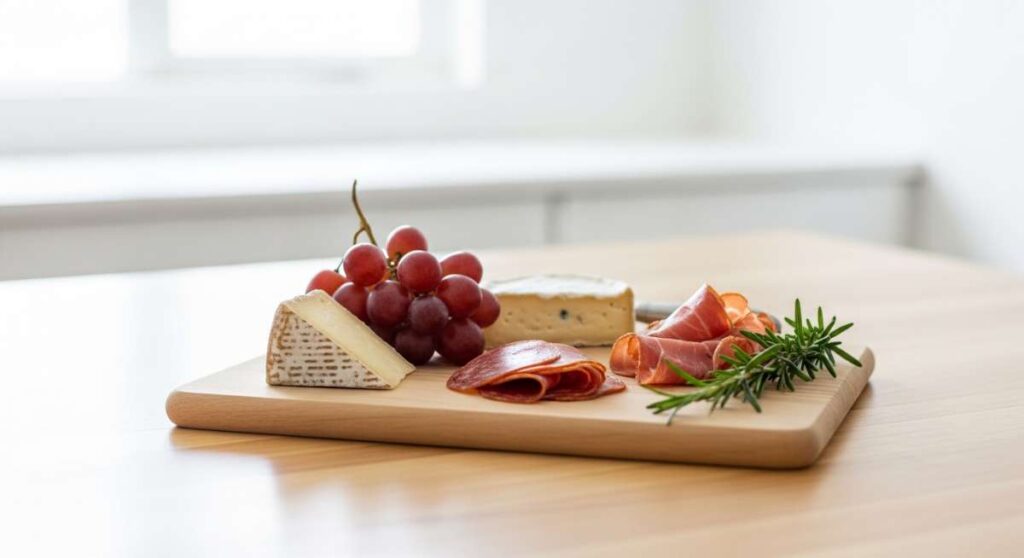
There is something truly magical about the way food can anchor a memory. I remember sitting on my sun-drenched patio last June, the air thick with the scent of blooming jasmine and the sound of distant laughter, holding a simple wooden board piled high with the most vibrant ingredients. It wasn’t fancy or expensive, but it was curated with love, and within minutes of posting a photo, my inbox was flooded. It seems we are all craving that same thing: effortless elegance that doesn’t require hours in a hot kitchen.
This ‘Simple Food Board’ isn’t just about the food; it’s about the permission to slow down and enjoy the season. Whether you are hosting a sprawling garden party or just looking to elevate a quiet Tuesday night at home, these recipes are designed to be approachable yet stunning. They celebrate the crunch of a fresh radish, the zest of a lemon, and the way a drizzle of honey can transform a piece of cheese into a gourmet experience. Let’s dive into the viral secrets that will make your next gathering unforgettable.
How to make spring dinner?
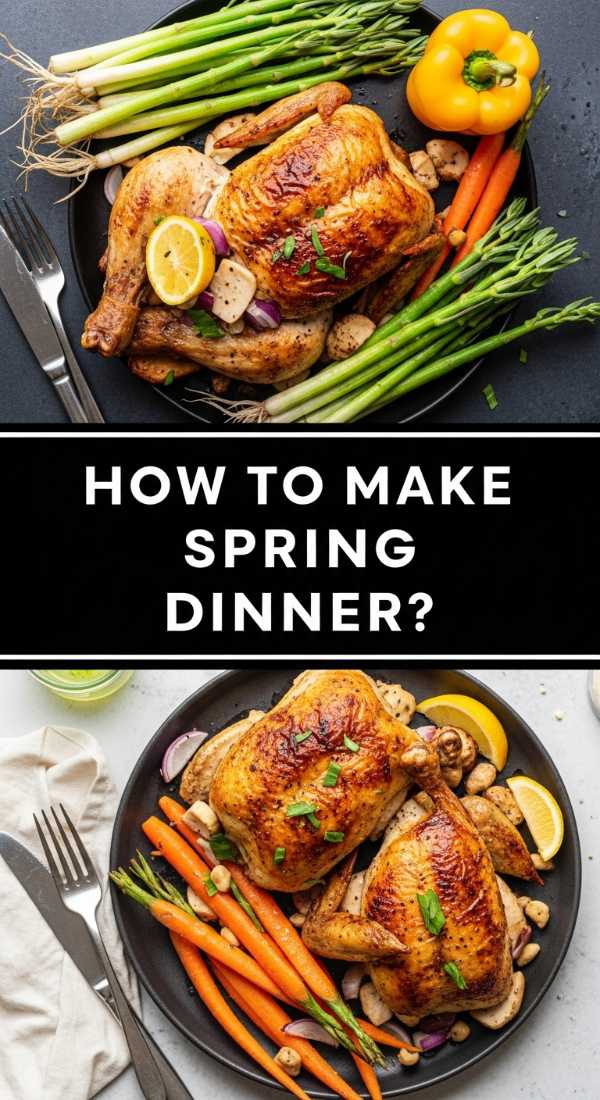
Why we love this
This spring dinner board is the ultimate celebration of rebirth and fresh beginnings, featuring a palette of pastel greens and creamy whites that look like a garden on a plate. We adore the way the peppery bite of raw radishes contrasts with the velvety, whipped goat cheese, all tied together by the floral notes of local honey. Each bite feels light yet satisfying, offering a symphony of textures that snap and melt simultaneously, perfectly capturing the crisp essence of a breezy April evening spent outdoors.
Ingredients
- 1 log of high-quality goat cheese (chevre)
- 1 bunch of French breakfast radishes, halved with tops attached
- 2 tablespoons of artisanal wildflower honey
- 1 teaspoon of flaky sea salt (Maldon is best)
- Fresh chives, finely snipped
- Toasted baguette slices or sourdough crisps
How to make it
- Begin by bringing your goat cheese to room temperature for about 30 minutes; this ensures it reaches a spreadable, whipped consistency that won’t tear your bread.
- Place the goat cheese in a small bowl and use a whisk or a fork to vigorously beat it with a splash of heavy cream or olive oil until it is light and airy.
- Spread the whipped cheese onto a large wooden board using the back of a spoon to create deep, decorative swirled wells.
- Carefully wash your radishes, leaving a bit of the green stem for a rustic look, and pat them completely dry with a lint-free towel to ensure the honey adheres later.
- Arrange the radishes around the cheese, then drizzle the honey generously over the cheese wells and the vegetables.
- Finish the board with a dramatic sprinkle of flaky sea salt and the snipped chives for a pop of color and a mild onion bite.
How to prep cookout food?

Why we love this
Preparation is the secret ingredient to a stress-free cookout, allowing the host to actually enjoy the sunshine instead of being tethered to the grill. We love this method because it focuses on marinating and par-grilling techniques that lock in the smoky aroma of charcoal while keeping the meats incredibly juicy and tender. The sight of organized, colorful skewers and pre-portioned sides creates an inviting atmosphere that signals to your guests that the feast is about to begin, making the entire experience feel professional yet deeply personal.
Ingredients
- 2 lbs of protein (chicken thighs or steak tips)
- 1/4 cup olive oil
- 3 cloves of garlic, smashed
- Zest and juice of 1 lemon
- Fresh rosemary and thyme sprigs
- Bell peppers, red onions, and zucchini for skewers
How to make it
- Start by cutting your proteins into uniform 1.5-inch cubes; uniformity is key for even cooking times across the entire grill surface.
- In a large glass bowl or gallon-sized freezer bag, whisk together the olive oil, garlic, lemon juice, zest, and herbs to create a high-acid marinade that tenderizes the fibers.
- Submerge the meat in the marinade and refrigerate for at least 4 hours, though overnight is ideal for the flavors to penetrate to the center of the protein.
- While the meat marinades, chop your vegetables into sizes that match the meat cubes and store them in a separate airtight container to keep them crisp.
- Two hours before the party, thread the meat and vegetables onto metal or soaked wooden skewers, leaving a tiny gap between items to allow heat to circulate.
- Keep the prepared skewers on a parchment-lined sheet pan in the fridge until the moment the grill reaches a medium-high heat (about 400°F).
How to make pink sprite?

Why we love this
This drink is a viral sensation for a reason: it’s a whimsical, sparkling treat that tastes like a bottled sunset. The effervescence of the Sprite provides a crisp backdrop for the sweet, slightly tart infusion of red berries, creating a refreshing beverage that appeals to both kids and adults. It’s the visual appeal that really wins hearts, with its gradient of soft blush to deep magenta, making it the perfect accessory for a stylish summer brunch or a poolside hang.
Ingredients
- 1 bottle (2 liters) of Sprite or 7-Up
- 1 cup fresh strawberries, hulled and sliced
- 1/2 cup fresh raspberries
- 1 tablespoon grenadine or maraschino cherry juice
- Fresh mint sprigs for garnish
- Plenty of crushed ice
How to make it
- Place the sliced strawberries and raspberries in a large pitcher and use a wooden muddler or the back of a large spoon to gently crush them until they release their juices.
- Pour the grenadine over the fruit and let it macerate for 10 minutes; this draws out the natural pigments for a more vibrant pink hue.
- Fill highball glasses to the brim with crushed ice—crushed ice is vital as it provides more surface area for the color to cling to, creating that ‘cloud’ effect.
- Slowly pour the Sprite over the fruit mixture in the pitcher, stirring gently with a long spoon to incorporate without losing the carbonation.
- Pour the mixture into the prepared glasses, ensuring a few pieces of fruit make it into every cup.
- Garnish with a slapped mint sprig (slapping it releases the essential oils) and a whole strawberry on the rim for that classic aesthetic.
How to toss summer salad?

Why we love this
A perfectly tossed summer salad is an art form that balances the heavy heat of July with a cooling, crisp crunch. We love the technique of ‘layering textures’ where the softness of bibb lettuce meets the snap of cucumber and the creamy richness of feta cheese. The aroma of fresh mint and basil hitting the citrus dressing is intoxicating, creating a sensory experience that feels like a spa day on a plate—light, hydrating, and revitalizing for those humid afternoons.
Ingredients
- 4 cups mixed greens (arugula and bibb)
- 1 cup watermelon cubes, chilled
- 1/2 cup crumbled feta cheese
- 1/4 cup toasted pine nuts
- Dressing: 3 parts olive oil to 1 part white balsamic vinegar
- Fresh mint leaves, torn
How to make it
- Chilling your salad bowl in the refrigerator for 20 minutes before serving is a professional trick that keeps the greens from wilting the moment they hit the table.
- Whisk your dressing in a separate small jar until it is completely emulsified; you’ll know it’s ready when it thickens and becomes opaque.
- Place the greens in the bottom of the chilled bowl and drizzle only half of the dressing over them, using your hands to gently ‘massage’ the leaves so they are lightly coated but not weighed down.
- Scatter the watermelon and feta over the top—avoid stirring them in too early as the watermelon juice can dilute the dressing and the feta can turn the salad ‘muddy.’
- Add the toasted pine nuts and torn mint leaves just before serving to maintain their crunch and aromatic potency.
- Give the salad one final, very gentle toss with large tongs, lifting from the bottom to ensure the heavier ingredients are distributed without bruising the delicate greens.
How to cook summer meals?

Why we love this
Summer cooking is all about high heat and low effort, utilizing the bounty of the season to create meals that are exploding with natural sugars and charred goodness. We love this approach because it emphasizes the ‘blistered’ effect—where vegetables like cherry tomatoes and corn take on a smoky depth that complements the brightness of fresh lemon. It’s a way of cooking that feels primal and satisfying, resulting in dishes that are as colorful as a farmer’s market stall and as comforting as a home-cooked classic.
Ingredients
- 1 lb cherry tomatoes
- 2 ears of corn, shucked and silk removed
- 1 lb large shrimp, peeled and deveined
- 4 cloves garlic, minced
- 1/4 cup unsalted butter, melted
- Red pepper flakes and fresh parsley
How to make it
- Preheat your largest cast-iron skillet over medium-high heat until it begins to wisps slightly with smoke; the heavy iron retains the heat necessary for a proper sear.
- Toss the cherry tomatoes and corn kernels in a bowl with a tablespoon of high-smoke-point oil (like avocado oil) and a pinch of salt.
- Add the vegetables to the hot skillet and leave them undisturbed for 3-4 minutes until the tomato skins burst and the corn begins to char and caramelize.
- Push the vegetables to the edges of the pan and add the shrimp to the center, cooking for 90 seconds per side until they turn opaque and pink.
- Pour the melted butter and minced garlic over the entire pan, stirring constantly for 60 seconds so the garlic browns without burning and creates a silk sauce.
- Remove from heat immediately, garnish with red pepper flakes for heat and a handful of chopped parsley, and serve directly from the skillet for a rustic presentation.
How to make sweet nectar?

Why we love this
Sweet nectar is the liquid gold of the culinary world, a concentrated infusion that captures the very soul of ripe summer stone fruits. We love it because it is incredibly versatile; a single spoonful can transform a plain yogurt, a stack of pancakes, or even a glass of sparkling water into something extraordinary. The aroma as it simmers on the stove—honeyed, floral, and deeply fruity—fills the entire house with a sense of warmth and sweetness that lingers long after the nectar has cooled.
Ingredients
- 4 large ripe peaches, pitted and sliced
- 1 cup organic honey or agave nectar
- 1/2 cup water
- 1 vanilla bean, split and scraped
- A pinch of sea salt
How to make it
- Combine the sliced peaches, water, and honey in a heavy-bottomed saucepan over medium heat, stirring occasionally to ensure the honey doesn’t scorch.
- Add the vanilla bean seeds and the pod itself to the mixture; the pod contains intense flavor that will release slowly as the liquid simmers.
- Bring the mixture to a gentle boil, then immediately reduce the heat to low, allowing it to simmer for about 20 minutes until the peaches have completely broken down into a pulp.
- Use a fine-mesh strainer lined with cheesecloth to strain the mixture into a glass jar, pressing gently on the solids to extract every drop of concentrated liquid.
- Stir in a tiny pinch of sea salt—this doesn’t make it salty, but rather acts as a flavor enhancer that makes the sweetness of the fruit pop.
- Allow the nectar to cool completely at room temperature before sealing and refrigerating; it will thicken significantly as it chills, reaching a syrup-like consistency.
How to bake spring cookies?

Why we love this
These spring cookies are like a bite-sized version of a meadow in bloom, featuring a delicate crumb that practically dissolves on the tongue. We love the inclusion of dried culinary lavender and lemon zest, which provides a sophisticated flavor profile that is both floral and bright without being overwhelming. The soft, buttery texture is achieved through a specific creaming method, resulting in a cookie that is pale and elegant—perfect for a garden tea party or a thoughtful handmade gift.
Ingredients
- 1 cup unsalted butter, softened to room temperature
- 1/2 cup powdered sugar
- 2 cups all-purpose flour
- 1 tablespoon dried culinary lavender, lightly crushed
- Zest of 2 large lemons
- 1 teaspoon vanilla extract
How to make it
- In a large stand mixer, cream the softened butter and powdered sugar for at least 5 minutes until the mixture is white and fluffy; this aeration is what gives the cookies their delicate snap.
- Add the lemon zest, vanilla extract, and the crushed lavender—crushing the lavender is essential to release the oils so the flavor isn’t ‘soapy.’
- Turn the mixer to the lowest setting and gradually add the flour, mixing only until the white streaks disappear to avoid overworking the gluten.
- Roll the dough into a log using parchment paper and chill in the freezer for 30 minutes; a cold dough prevents the cookies from spreading too thin in the oven.
- Slice the log into 1/4-inch rounds and place them on a baking sheet lined with a silicone mat, leaving 2 inches of space between each cookie.
- Bake at 325°F for 12-14 minutes—you are looking for the edges to be just barely set while the centers remain pale; they will firm up perfectly as they cool on the pan.
How to cook summer pasta?

Why we love this
Summer pasta is a masterclass in ‘less is more,’ relying on the heat of the freshly boiled noodles to create a sauce out of raw, peak-season ingredients. We love how the olive oil emulsifies with the pasta water to create a glossy, light coating that isn’t heavy like a winter ragu. The scent of torn basil and the zing of lemon zest make this dish feel incredibly fresh, while the addition of toasted breadcrumbs adds a delightful crunch that keeps every forkful interesting and textured.
Ingredients
- 1 lb spaghetti or linguine
- 1/2 cup extra virgin olive oil
- 3 cloves garlic, very thinly sliced (longitudinal)
- 1/2 cup freshly grated Parmigiano-Reggiano
- A large handful of fresh basil leaves
- 1/2 cup panko breadcrumbs, toasted in butter
How to make it
- Bring a large pot of heavily salted water (it should taste like the sea) to a rolling boil and cook your pasta for 1-2 minutes less than the package directions for a true al dente texture.
- While the pasta cooks, heat the olive oil in a cold skillet with the sliced garlic, allowing the oil to warm up gradually so the garlic infuses without burning.
- Crucial step: Reserved 1 full cup of the starchy pasta water before draining the noodles; this ‘liquid gold’ is the secret to a silky, cohesive sauce.
- Add the drained pasta directly into the skillet with the garlic oil and pour in half of the reserved pasta water, tossing vigorously with tongs over medium heat.
- Slowly sprinkle in the grated cheese while continuing to toss; the movement creates an emulsion between the oil, water, and cheese for a creamy finish.
- Turn off the heat, stir in the torn basil and lemon zest, and top with the buttery toasted breadcrumbs immediately before serving to ensure they stay crunchy.
How to use sourdough discard?

Why we love this
Using sourdough discard is the ultimate way to honor the ‘zero-waste’ kitchen while adding a complex, tangy depth to your baking that you simply can’t get from commercial yeast. We love making discard crackers because they are the perfect vehicle for the dips on our viral food board. The fermentation process of the discard adds a subtle sour note that pairs beautifully with rosemary and sea salt, resulting in a thin, shatteringly crisp cracker that feels much more expensive than its simple ingredients suggest.
Ingredients
- 1 cup sourdough discard (unfed)
- 1/2 cup all-purpose flour
- 2 tablespoons unsalted butter, melted
- 1 tablespoon fresh rosemary, minced
- 1/2 teaspoon sea salt
- Olive oil for brushing
How to make it
- In a medium bowl, mix the sourdough discard, flour, melted butter, and rosemary until a shaggy dough forms, then knead it gently by hand for 1 minute until smooth.
- Wrap the dough in plastic and let it rest in the fridge for at least 30 minutes; this relaxes the gluten and makes it much easier to roll out thinly.
- Preheat your oven to 350°F and place a piece of parchment paper on your counter the size of your baking sheet.
- Roll the dough out directly onto the parchment paper as thin as possible—it should be almost translucent for the best crunch.
- Brush the surface lightly with olive oil and sprinkle with sea salt, then use a pizza cutter to score the dough into squares or diamonds (don’t worry about separating them).
- Bake for 15-20 minutes, rotating the pan halfway through, until the crackers are a deep golden brown and firm to the touch; let them cool completely on a wire rack to reach maximum crispness.
How to bake spring cake?

Why we love this
The spring cake is the crowning jewel of any seasonal table, a light-as-air confection that celebrates the arrival of berries and sunshine. We love this specific recipe for its ‘chiffon’ crumb—a texture so soft and spongy that it feels like eating a cloud. The aroma of vanilla bean and macerated strawberries is pure nostalgia, evoking memories of garden parties and birthdays past, while the minimalist decoration style allows the natural beauty of the fruit to take center stage.
Ingredients
- 1.5 cups cake flour (sifted)
- 1 cup granulated sugar
- 6 large eggs, separated at room temperature
- 1/2 cup vegetable oil
- 1/4 cup fresh strawberry puree
- 1 teaspoon cream of tartar
How to make it
- Start by sifting your cake flour three times; this may seem tedious, but it incorporates the air necessary for a tall, light rise without using chemical leaveners.
- In one bowl, whisk together the egg yolks, oil, strawberry puree, and half the sugar until the mixture is thick and a pale pink color.
- In a separate, perfectly clean glass bowl, beat the egg whites with the cream of tartar until soft peaks form, then gradually add the remaining sugar until stiff, glossy peaks appear.
- Gently fold the dry ingredients into the yolk mixture in thirds, being careful not to deflate the batter by using a slow, circular motion with a spatula.
- Slowly fold in the egg whites—one third at a time—until no white streaks remain; the batter should look foamy and voluminous.
- Pour into an ungreased tube pan and bake at 325°F for 50-55 minutes, then invert the pan immediately upon removal from the oven to cool upside down; this prevents the delicate structure from collapsing as it sets.
Conclusion
Creating a viral-worthy food board isn’t about perfection; it’s about the joy of assembly and the freshness of the season. By focusing on high-quality ingredients and these simple yet effective techniques, you can turn any meal into a celebration. I hope these recipes inspire you to head to your local market, pick up what’s in bloom, and invite a few friends over to share in the magic. Happy hosting!