
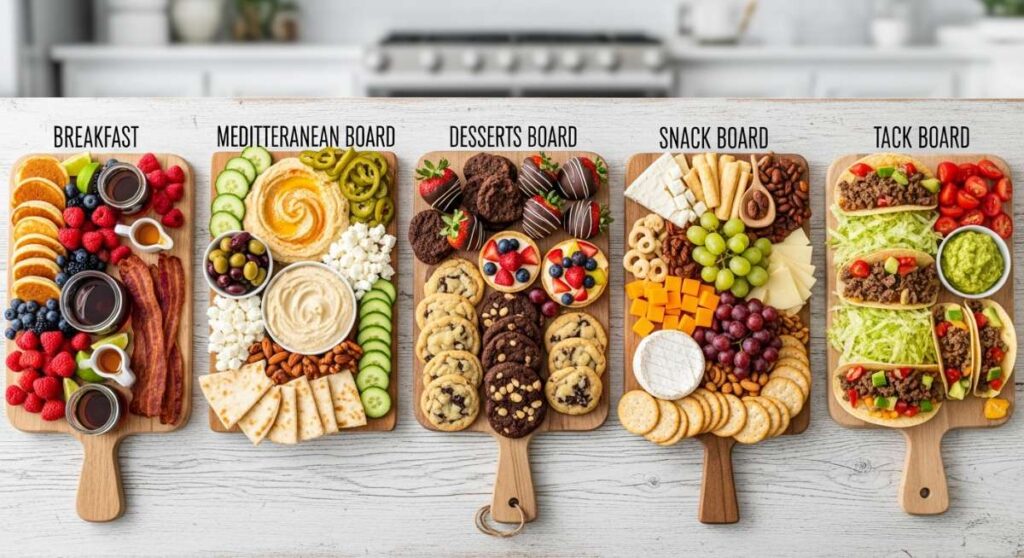
There is a certain magic that happens when you set a massive, colorful board in the middle of the table. Suddenly, the stiff formality of a dinner party melts away into a relaxed, communal experience where everyone feels invited to dig in. I’ve always believed that the best memories aren’t made over complicated, five-course meals that keep the host stuck in the kitchen, but over shared plates that encourage laughter, second helpings, and lingering conversations long after the wine has run low.
Lately, these ‘viral food boards’ have taken over my feed and my heart because they prioritize both aesthetics and ease. Whether you’re hosting a breezy backyard hang or a cozy weeknight get-together, these five ideas transform simple ingredients into a stunning centerpiece. Let’s reclaim the joy of entertaining by keeping it effortless, delicious, and undeniably beautiful.
How to make spring salmon?
Why we love this
This board is the embodiment of rejuvenation, featuring a perfectly flaky salmon that practically melts on the tongue. The aroma of fresh dill and zesty lemon zest fills the air, cutting through the rich, buttery fat of the fish, while the vibrant pink of the salmon contrasts beautifully against bright green asparagus spears. It feels light and sophisticated, offering a refreshing crunch and a silky texture that makes every bite feel like a celebration of the new season.
Ingredients
- 2 lbs fresh Atlantic salmon side
- 2 bunches thin asparagus
- 3 lemons (sliced and zested)
- Fresh dill and parsley
- Capers and thinly sliced red onions
- Extra virgin olive oil
- Maldon sea salt and cracked black pepper
How to make it
- Begin by preheating your oven to 400°F (200°C) and lining a large baking sheet with parchment paper to ensure even heat distribution and easy cleanup.
- Pat the salmon side completely dry with paper towels; this is a professional secret to achieving a slight crust rather than steaming the fish.
- Rub the salmon generously with olive oil and season with a heavy hand of sea salt and pepper, then top with lemon slices and half of the fresh herbs to infuse the flesh as it cooks.
- Arrange the trimmed asparagus around the fish, drizzling them with oil and a pinch of salt to ensure they roast to a perfect crisp-tender state.
- Slide the tray into the center rack of the oven and roast for 12-15 minutes; look for the salmon to turn opaque and flake easily with a fork when pressed at the thickest part (an internal temp of 135°F for medium-well).
- Once removed, let the salmon rest for 5 minutes before transferring it to your board, finishing with fresh dill and capers for a pop of salinity.
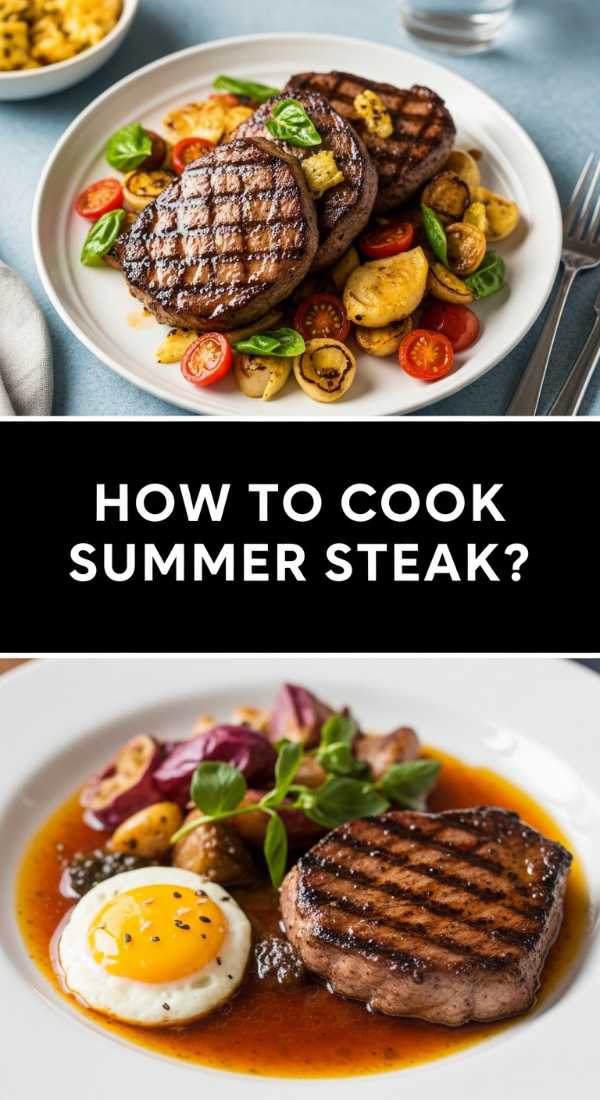
How to cook summer steak?
Why we love this
Nothing screams summer like the smokey, charred aroma of a perfectly seared steak paired with the sweetness of grilled seasonal vegetables. The contrast between the deeply caramelized crust and the juicy, tender pink interior creates a sensory experience that is both rugged and refined. It’s a hearty, protein-packed board that feels indulgent yet fresh, especially when topped with a bright, herbaceous chimichurri that awakens the palate with every forkful.
Ingredients
- 2 large Ribeye or New York Strip steaks (room temperature)
- 4 ears of sweet corn
- 2 bell peppers (sliced into wide strips)
- Garlic butter with rosemary
- Chimichurri sauce (parsley, garlic, vinegar, oil)
- Coarse Kosher salt
How to make it
- Pull your steaks out of the fridge at least 45 minutes before cooking; bringing them to room temperature ensures a uniform cook and prevents a cold, raw center.
- Preheat your cast-iron skillet or outdoor grill to high heat until it is screaming hot—you should see a slight wisp of smoke rising from the surface.
- Pat the steaks bone-dry and season aggressively with kosher salt; the salt creates a moisture-wicking effect that leads to a superior, mahogany-colored crust.
- Sear the steaks for 4-5 minutes on the first side without moving them, allowing the Maillard reaction to work its magic and create that iconic charred texture.
- Flip the steaks and add garlic butter and rosemary to the pan, spooning the melted fat over the meat (basting) for the final 3-4 minutes until an internal thermometer reads 130°F for medium-rare.
- Let the meat rest for a full 10 minutes on a cutting board to allow the juices to redistribute; meanwhile, char your corn and peppers on the same high heat.
- Slice the steak against the grain and arrange on the board with the charred veggies and a drizzle of chimichurri.
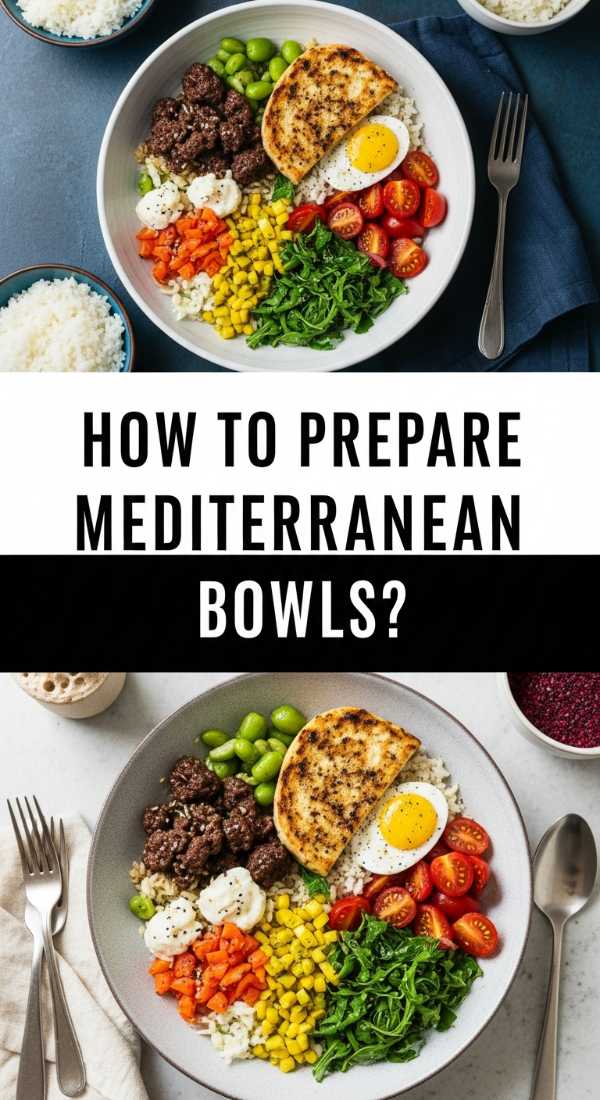
How to prepare mediterranean bowls?
Why we love this
The Mediterranean board is a symphony of textures and temperatures, blending warm grains with chilled, crisp vegetables and creamy dips. You get the crunch of cucumbers, the salty punch of Kalamata olives, and the velvety smoothness of homemade hummus all in one place. It is an interactive feast that allows guests to build their own perfect bite, filling the room with the earthy scent of toasted cumin and the brightness of freshly squeezed lemon juice.
Ingredients
- Cooked quinoa or fluffy couscous
- Crispy roasted chickpeas
- English cucumbers and cherry tomatoes
- Kalamata olives and pickled red onions
- Creamy hummus and Tzatziki
- Feta cheese crumbles
- Warm pita bread triangles
How to make it
- Start by cooking your base grain (quinoa or couscous) in salted vegetable broth instead of water to layer in flavor from the very beginning.
- While the grains simmer, toss canned chickpeas with olive oil, cumin, and paprika, then roast at 425°F for 20 minutes until they achieve a satisfying, popcorn-like crunch.
- Prepare your ‘fresh’ elements by dicing cucumbers and tomatoes into uniform pieces, ensuring every spoonful has a bit of everything; sprinkle them with a little lemon juice to keep them vibrant.
- To assemble the board, place two large bowls of hummus and tzatziki in the center to act as anchors for the other ingredients.
- Create piles of grains, roasted chickpeas, and the chopped salad around the dips, leaving no wood showing on the board for a ‘bountiful’ look.
- Finish by tucking warm, toasted pita triangles into the gaps and garnishing with a heavy dusting of feta and fresh parsley.
How to grill paleo chicken?
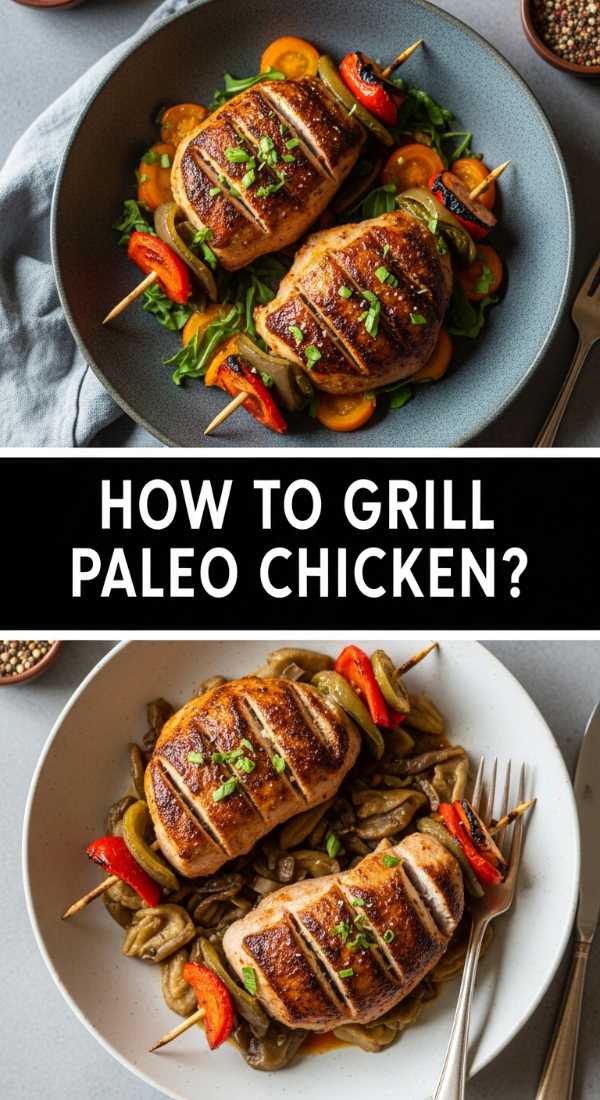
Why we love this
This board proves that eating clean can be incredibly satisfying, featuring smoky, spice-rubbed chicken that remains impossibly moist under a crispy skin. The scent of smoked paprika and toasted garlic wafts from the board, complemented by the natural sweetness of grilled sweet potatoes and zucchini. It’s a wholesome, grain-free feast that feels substantial and rustic, providing a deep, savory flavor profile that satisfies the soul without the heavy carb-load.
Ingredients
- 2 lbs boneless, skin-on chicken thighs
- Large sweet potatoes (sliced into rounds)
- Zucchini and yellow squash spears
- Avocado oil (high smoke point)
- Paleo Rub: Smoked paprika, garlic powder, onion powder, dried oregano
- Fresh lime wedges
How to make it
- Rub the chicken thighs with avocado oil and a generous coating of your paleo spice blend, ensuring you get under the skin for maximum flavor penetration.
- Heat your grill to medium-high (about 400°F) and clean the grates thoroughly to prevent the delicate chicken skin from sticking.
- Place the chicken skin-side down first; this renders the fat and creates a crispy, golden-brown shield that keeps the interior meat juicy.
- Grill for about 6-7 minutes per side, using a meat thermometer to ensure the internal temperature reaches a safe 165°F.
- On the cooler side of the grill, place your sweet potato rounds and zucchini spears, brushing them with the remaining oil and a pinch of salt until they have beautiful grill marks.
- Arrange the grilled chicken in the center of the board, surrounded by the colorful grilled vegetables, and provide plenty of lime wedges to brighten the smoky flavors.
How to serve fast pasta?
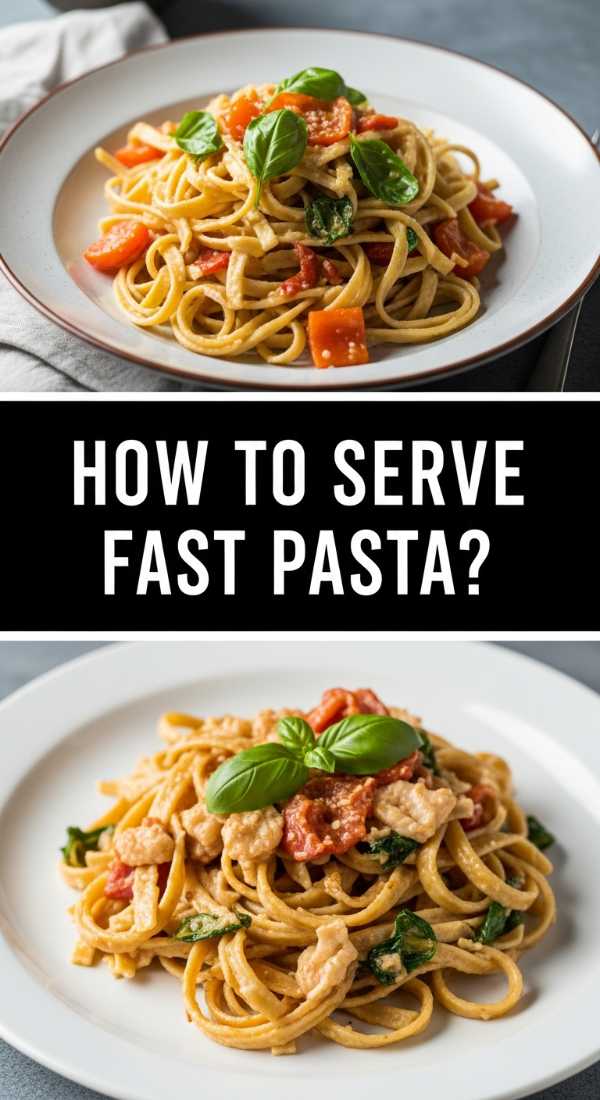
Why we love this
The fast pasta board is pure comfort, showcasing ribbons of pasta tossed in a glossy, golden garlic and oil sauce that coats every strand. The aroma of toasted garlic and spicy chili flakes is intoxicating, promising a meal that is both simple and deeply rewarding. With the addition of fresh basil and a mountain of finely grated Parmesan, it creates a rich, savory experience that feels like a warm hug from an Italian grandmother, all served in a casual, modern way.
Ingredients
- 1 lb Pappardelle or Bucatini pasta
- 1/2 cup high-quality extra virgin olive oil
- 6 cloves of garlic (thinly sliced)
- 1 tsp red pepper flakes
- Fresh basil leaves
- Grated Parmigiano-Reggiano
- Reserved pasta water
How to make it
- Bring a massive pot of water to a rolling boil and salt it until it ‘tastes like the sea’; this is your only chance to season the pasta itself.
- Drop the pasta and cook it for exactly 2 minutes less than the package directions; we want it ‘al dente’ because it will finish cooking in the sauce.
- While the pasta boils, heat the olive oil in a large skillet over medium-low heat and add the sliced garlic. Sauté slowly until the garlic is a pale golden color—do not let it brown or it will turn bitter.
- Add the red pepper flakes to the oil for 30 seconds to release their heat, then ladle in half a cup of the starchy pasta water to create an emulsion.
- Transfer the pasta directly from the water to the skillet using tongs, tossing vigorously over medium heat so the sauce thickens and clings to the noodles.
- Pour the glossy pasta onto a large wooden board or platter, topping with an avalanche of cheese and torn basil leaves for an immediate, impressive serve.
The Art of the Board
Whether you choose the elegance of the spring salmon or the rustic charm of the paleo chicken, remember that the secret ingredient to any successful board is the people you share it with. These ideas are designed to take the pressure off the host and put the focus back on connection. So, grab your largest platter, find some fresh ingredients, and start building your own viral food board today. Your guests—and your stress levels—will thank you!