
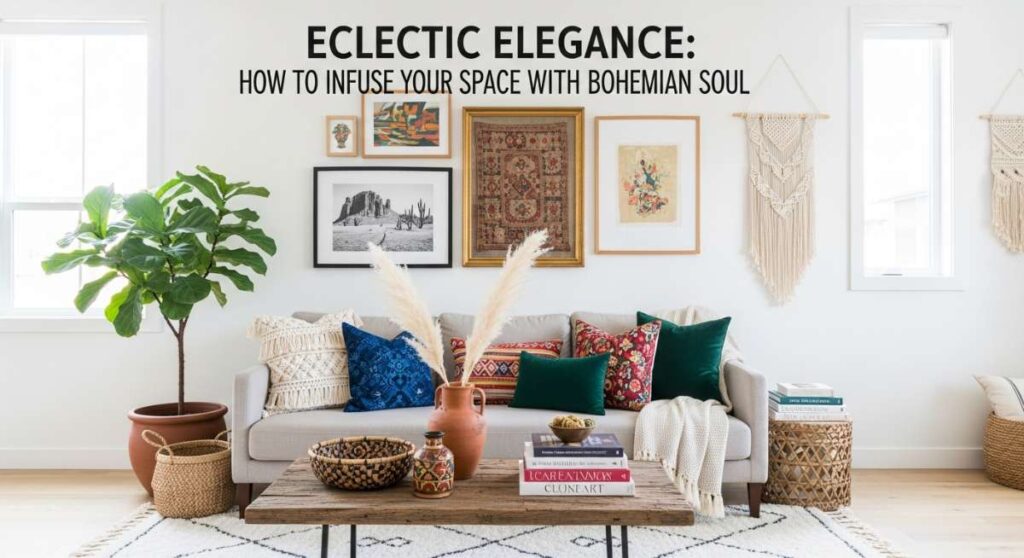
Eclectic Elegance: How to Infuse Your Space with Bohemian Soul
Have you ever walked into a room and felt like it was giving you a warm, lingering hug? That’s the magic of a home with a bohemian soul. It’s not about following a rigid set of rules or matching every stick of furniture; it’s about the curated chaos of your life’s journey, the textures that invite you to kick off your shoes, and the soft, amber light that makes every corner feel like a sanctuary. My own journey into eclectic elegance started with a single vintage rug from a dusty flea market, and it transformed my sterile apartment into a living, breathing map of my favorite memories.
Creating a space that feels both elegant and untamed requires a delicate balance of intention and intuition. It is about honoring the history of a reclaimed wood table while embracing the luxury of a velvet sofa. When we design with ‘soul,’ we aren’t just decorating; we are storytelling. We are layering our hopes, our travels, and our comforts into a physical environment that recharges us. Let’s dive into the essential elements that will help you transform your house into a radiant, bohemian retreat.
How to Reflect Golden Hour Glow for a Radiant Sanctuary

Why we love this
There is a fleeting, ethereal moment just before the sun dips below the horizon where the world is bathed in a liquid honey light that makes everything feel soft and sacred. Bringing that ‘golden hour’ indoors isn’t just about lighting; it’s about capturing a mood of perpetual peace and tranquility. Imagine the way a warm breeze catches a sheer curtain, casting dancing shadows across your favorite books while the scent of amber incense lingers in the air. This radiant glow transforms a simple room into a luminous sanctuary where time seems to slow down, allowing you to breathe more deeply and appreciate the quiet beauty of your surroundings.
Essential Elements:
- Sheer linen or voile curtains in cream or champagne.
- Strategically placed oversized floor mirrors with brass or gold frames.
- Warm-toned LED bulbs (2700K or lower).
- Prism crystals or suncatchers for windows.
- Polished metallic accents like copper trays or brass candlesticks.
How to make it
- Identify your primary light source: Begin by observing where the sun enters your room during the late afternoon. This is your ‘anchor’ point for the glow.
- Layer your window treatments: Install a double rod. Place sheer, lightweight fabrics on the inner rod to diffuse harsh direct sunlight into a soft, hazy radiance. Keep heavier drapes on the outer rod for nighttime privacy.
- Angle for reflection: Position a large mirror directly opposite your sunniest window. Tilt it slightly upward using a floor wedge so it catches the light and bounces it toward the ceiling, filling the entire room with reflected warmth.
- Warm your artificial sources: Swap out all ‘daylight’ or cool-blue bulbs for warm-dimming LEDs. When the sun goes down, use dimmers to keep the light level at about 30%, mimicking the low-intensity hum of twilight.
- Add the ‘sparkle’ layer: Hang lead-crystal prisms at varying heights in the window. The visual cue for ‘doneness’ is when the room is dotted with small rainbows and the shadows on the walls are soft-edged rather than sharp.
How to Layer Patterned Textiles for the Ultimate Cozy Floor
Why we love this
A bare floor can feel cold and uninviting, but a layered floor is the very foundation of bohemian comfort. There is something deeply grounding about sinking your toes into a mix of plush wool, flat-woven jute, and intricate kilim patterns. It invites you to sit on the floor, play records, and linger over tea. The sensory contrast between a rougher natural fiber and a soft, high-pile rug creates a tactile playground that feels rich and lived-in. It’s an effortless way to introduce color and history into your space without overwhelming the walls.
Essential Elements:
- A large, neutral base rug (Jute or Sisal).
- Two to three smaller accent rugs (Persian, Turkish, or Moroccan styles).
- Assorted floor poufs and oversized cushions.
- Rug pads to prevent slipping and add extra cushioning.
- Double-sided carpet tape for securing edges.
How to make it
- Establish the base: Lay down a large, natural-fiber rug that covers at least 70% of the floor space. Ensure the furniture legs (at least the front two) sit firmly on this base to ‘anchor’ the room.
- Introduce the primary pattern: Place your largest patterned rug at a slight 15-degree angle over the base rug. This ‘off-kilter’ placement is the secret to the relaxed, boho look; it should look intentional but not symmetrical.
- Layer for texture: Add a smaller, high-texture rug—like a sheepskin or a thick shag—directly in front of the seating area. Look for a visual cue of ‘plushness’ where the rugs overlap by at least 6 inches.
- Secure the transitions: Use rug-to-rug pads or double-sided tape specifically for textiles to ensure the layers don’t ripple. This is a professional tip to prevent tripping hazards while maintaining the aesthetic.
- Finish with ‘soft seating’: Scatter floor pillows and poufs in corners where the rug layers meet. The floor is ‘done’ when there isn’t a single path that feels ‘hard’ to the feet.
How to Style Macrame Art for a Soulful Vertical Gallery

Why we love this
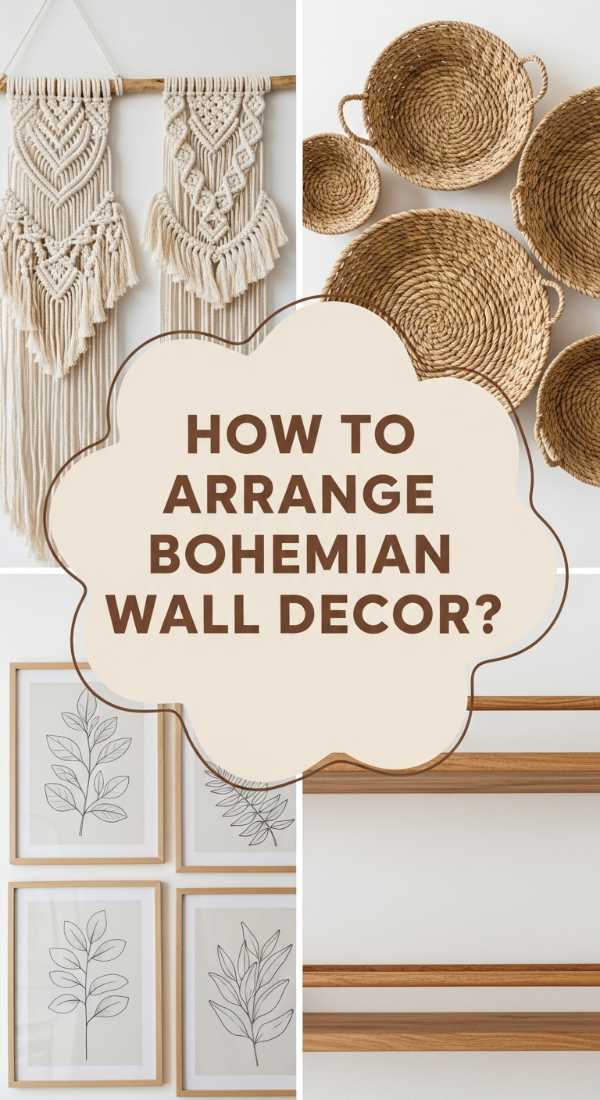
Macrame is the heartbeat of bohemian decor, representing the slow, intentional craft of human hands. These knotted masterpieces add a soft, organic geometry to walls that can otherwise feel flat or clinical. The creamy cotton cords against a dark or colored wall provide a striking contrast that is both rustic and refined. We love the way the long, trailing fringes sway slightly in the breeze, adding a kinetic, living energy to the room. It’s a tactile art form that begs to be touched, bringing a sense of warmth and ancient craft into the modern home.
Essential Elements:
- Large-scale macrame wall hanging.
- Smaller ‘mini’ macrame plant hangers.
- Driftwood or wooden dowels for mounting.
- S-hooks and ceiling hooks.
- Combing tool or wide-tooth comb for fringe maintenance.
How to make it
- Select your focal point: Choose the largest wall in the room, usually above a bed or sofa. The macrame should be roughly two-thirds the width of the furniture piece below it for perfect visual balance.
- Prep the fringe: Before hanging, use a wide-tooth comb to gently brush out the bottom fringe. Professional tip: Steam the cords with a handheld steamer to remove any kinks from packaging, giving it a lush, high-end drape.
- Mount with organic elements: Instead of a metal rod, use a piece of weathered driftwood. Secure the driftwood to the wall using two sturdy brackets hidden behind the knots for a ‘floating’ effect.
- Create a vertical ‘cascade’: Hang smaller macrame plant hangers at varying heights to the left or right of the main piece. The technique here is to create a ‘V’ shape with your eyes, leading the viewer from the top of the plant hangers down to the bottom of the wall hanging.
- Assess the density: If the wall still feels ‘thin,’ add more layers. The gallery is complete when the wall feels ‘clothed’ and the fringe falls in a smooth, heavy curtain.
How to Curate Plush Velvets for a Dreamy Lounge Space

Why we love this
Velvet is the ultimate fabric of indulgence, offering a depth of color that no other textile can match. In a bohemian space, velvet acts as the ‘anchor of elegance,’ elevating the more rustic elements like rattan or raw wood. When you run your hand across a high-quality velvet sofa, the pile shifts, catching the light and creating a sense of movement. It feels like a hug for your skin. We love using jewel-toned velvets—deep emeralds, burnt oranges, and midnight blues—to create a moody, romantic lounge area that feels like a private club for the soul.
Essential Elements:
- A velvet sofa or several velvet armchairs.
- Down-filled velvet throw pillows.
- Weighted velvet blankets or quilts.
- Soft-bristle upholstery brush.
- Distilled water and microfiber cloth for spot cleaning.
How to make it
- Select your ‘hero’ color: Choose a deep, saturated tone that contrasts with your wall color. If you have light walls, go for a dark teal; if you have dark walls, a vibrant ochre works beautifully.
- Mix the ‘pile’ heights: Use pillows with different velvet textures—some crushed, some smooth, some ribbed. This creates ‘visual depth’ where the light hits the surfaces differently.
- The ‘Chop’ Technique: For that professional blogger look, use down-filled inserts that are 2 inches larger than the pillow cover. Give the top of the pillow a firm ‘chop’ with your hand to create a structured but soft indentation.
- Drape with intention: Don’t fold your velvet blankets neatly. Instead, pinch the center of the blanket and ‘drop’ it over the corner of the sofa. This ‘casual-gluxe’ drape suggests effortless comfort.
- Maintenance for longevity: Regularly brush the velvet in the direction of the pile to keep it from looking matted. The space is ‘ready’ when the velvet looks luminous and the pillows are invitingly soft.
How to Organize Artisan Ceramics for a Whimsical Culinary Haven

Why we love this
A bohemian kitchen should feel like a working artist’s studio. Artisan ceramics, with their thumbprints, uneven glazes, and organic shapes, bring a human touch to the most functional room in the house. There is a deep satisfaction in sipping coffee from a mug that was thrown on a wheel by a local potter. These pieces celebrate imperfection and turn everyday tasks—like eating breakfast or prepping a salad—into a sensory ritual. The earthy clink of heavy stoneware and the matte finish of hand-mixed glazes create a grounded, whimsical vibe that is purely magical.
Essential Elements:
- Open shelving (reclaimed wood is best).
- Handmade ceramic mugs, bowls, and plates.
- Stone or ceramic canisters for dry goods.
- Woven baskets for grouping smaller items.
- A variety of glaze finishes (matte, crackle, and reactive).
How to make it
- Strip back the cabinets: If possible, remove the doors from a section of upper cabinetry or install floating reclaimed wood shelves. This creates the ‘stage’ for your ceramics.
- Group by ‘family’ not ‘match’: Instead of a perfectly matching set, group items by color family. For example, collect various shades of ‘ocean blue’ mugs. The visual cue for success is a collection that looks gathered over time, not bought in a box.
- Height and Stacking: Stack plates in groups of four, but lean one unique bowl or platter against the back wall to show off its shape. Use wooden risers to create different levels of height on the shelf.
- Introduce organic textures: Mix in a few wooden spoons or a marble mortar and pestle. The contrast between the smooth ceramic and the raw wood highlights the beauty of both.
- The ‘Everyday’ Access: Keep the most beautiful, frequently used pieces at eye level. The kitchen is ‘styled’ when it looks like someone just finished a beautiful meal and the tools of the trade are part of the art.
How to Style Linen Canopies for a Romantic Sleep Retreat
Why we love this
There is nothing quite as romantic or soul-soothing as a bed draped in soft, breathable linen. A canopy creates a ‘room within a room,’ a cocoon where the outside world ceases to exist. The way linen wrinkles naturally adds to the lived-in, bohemian charm—it says that perfection is not the goal, but comfort is. Sleeping under a canopy feels like being tucked into a cloud. The fabric diffuses the morning light, creating a soft, hazy glow that makes waking up feel like a gentle transition rather than a jarring event. It’s the ultimate expression of a ‘sleep retreat.’
Essential Elements:
- Long panels of lightweight linen or cheesecloth.
- Ceiling-mounted curtain tracks or four-poster bed frame.
- Twinkle lights (warm white) with a remote.
- Decorative ties (leather strips or velvet ribbons).
- Linen bedding in complementary earthy tones.
How to make it
- Map the ‘drape’ path: Decide if you want a full-bed enclosure or just a headboard drape. For a bohemian look, a ‘tent’ style hung from a central point above the headboard is often more soulful than a structured frame.
- Install the hardware: Use heavy-duty ceiling hooks or a circular embroidery hoop for a DIY ‘crown’ canopy. Ensure it is anchored into a joist for safety.
- Thread the fabric: Loop the linen panels through the hoop or over the frame. The technique here is to allow for plenty of ‘puddling’ on the floor—at least 3-4 inches of extra fabric gives it that luxurious, effortless feel.
- Integrate the light: Weave battery-operated micro-LED ‘fairy’ lights into the folds of the fabric. Professional tip: Use a warm-white light rather than cool-white to maintain the cozy atmosphere.
- Secure and soften: Use leather strips to loosely tie the panels back during the day. The retreat is finished when the bed feels like a private, luminous island of soft textures.
How to Pair Rattan Seating for a Chic Reading Nook
Why we love this
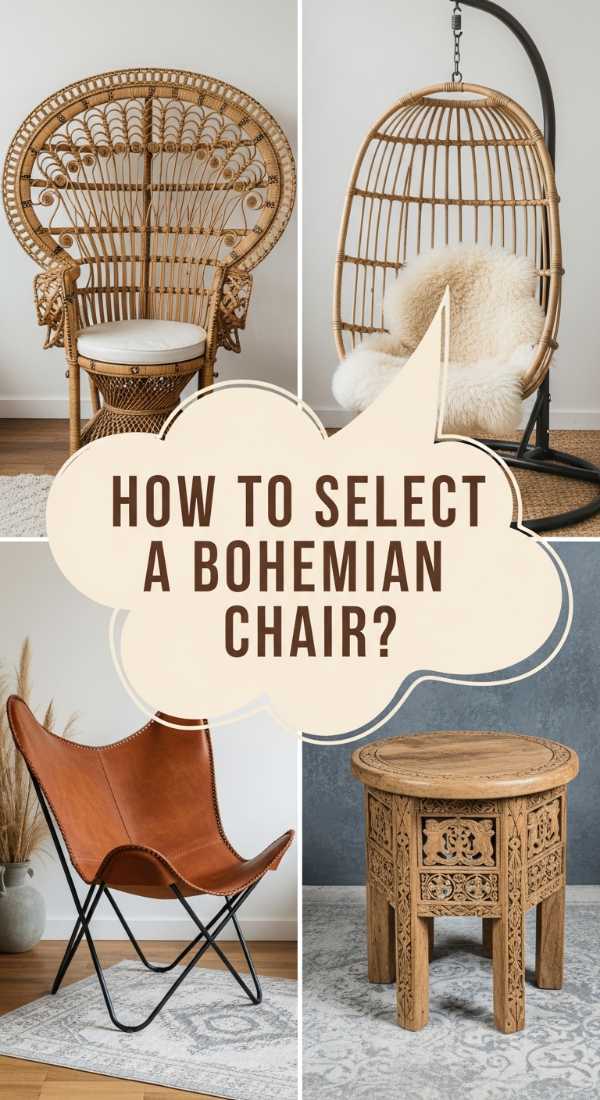
Rattan is the quintessential bohemian material—light, durable, and deeply connected to nature. It brings an airy, tropical elegance to a reading nook that feels both vintage and timeless. We love the way the intricate woven patterns create dappled shadows when the sun hits them. Pairing a structured rattan chair with a soft sheepskin throw creates a perfect ‘yin and yang’ of textures. It’s a material that breathes, making it the perfect spot to curl up with a book for hours without feeling overheated or confined. It adds a sense of ‘vacation’ to your daily routine.
Essential Elements:
- A vintage-style rattan chair (Peacock, Papasan, or a classic armchair).
- A small rattan or bamboo side table.
- Sheepskin or faux-fur throw rug.
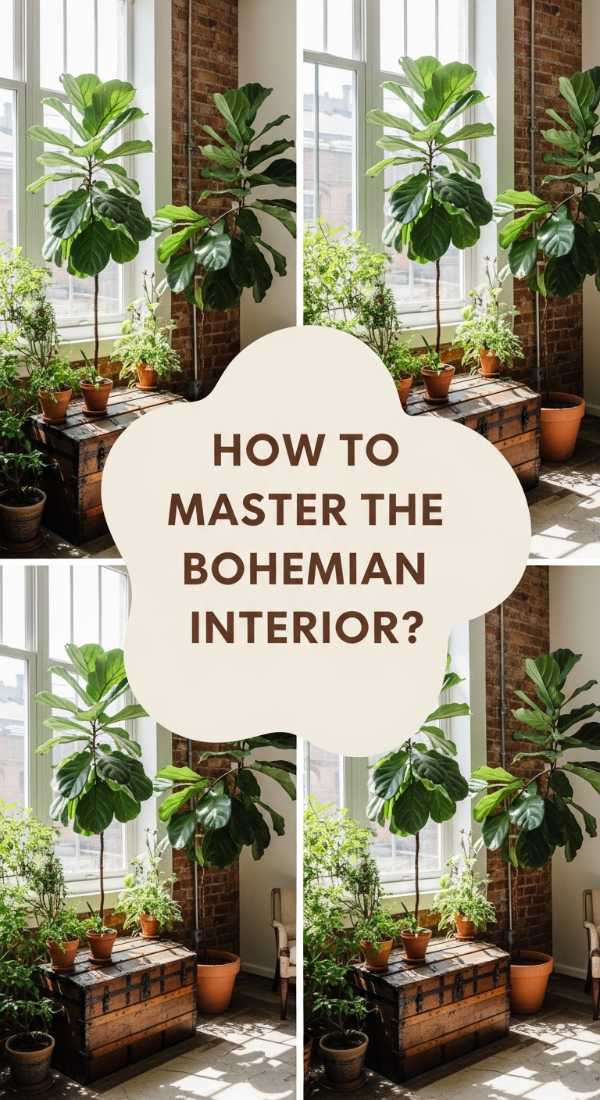
- A tall, leafy plant (like a Bird of Paradise or Monstera).
- A focused brass floor lamp for reading.
How to make it
- Select the ‘throne’: Choose a chair with a high back to create a sense of enclosure. If the rattan is vintage, check for any loose weaves and secure them with clear wood glue.
- Layer for comfort: Rattan can be hard on its own. Add a high-density foam cushion for the seat, then drape a plush sheepskin over the back. This visual contrast of ‘hard’ and ‘soft’ is key to the boho-chic look.
- The ‘Green’ Frame: Place a large potted plant directly behind the chair. The leaves should hang slightly over the top of the chair, creating a natural ‘canopy’ that makes the nook feel like a secret garden.
- Optimize the lighting: Position a thin-profile brass lamp so the light falls directly over your shoulder. The cue for ‘doneness’ is when you sit down and feel completely tucked away from the rest of the room.
- Style the side table: Keep it simple with a ceramic coaster and a small stack of three books. The nook is ready when it looks like an invitation to disappear into another world.
How to Blend Natural Elements for an Organic Home Vibe
Why we love this
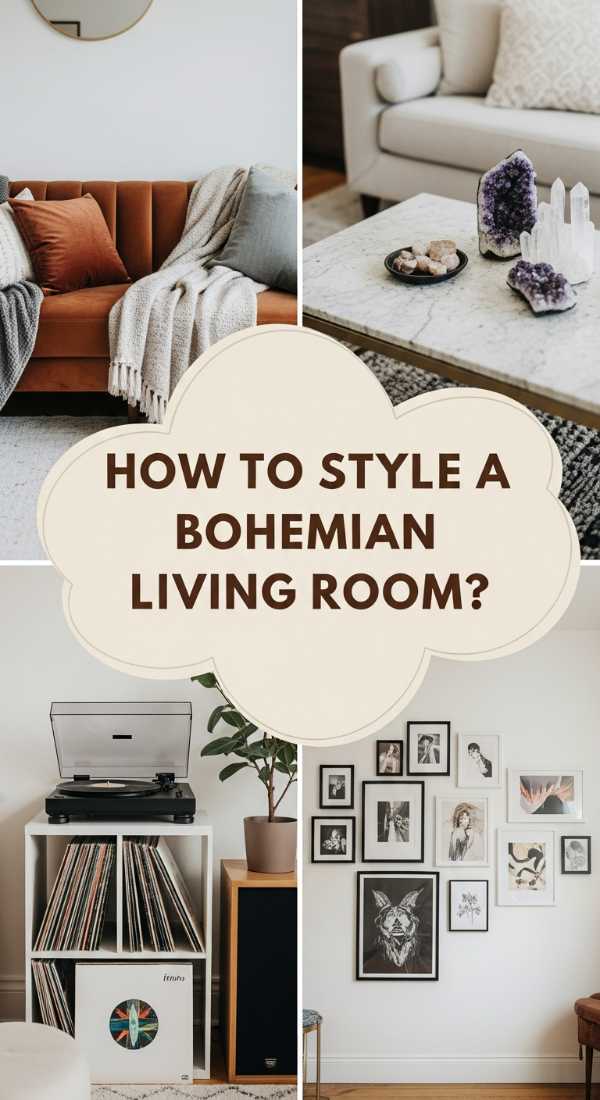
A bohemian home should feel like an extension of the natural world. Bringing in ‘wild’ elements—like sun-bleached driftwood, raw crystals, and an abundance of greenery—grounds the space and connects us to the earth’s rhythms. There is a specific aroma that comes with this organic vibe: the scent of damp soil from healthy plants, the woody notes of cedar, and the clean smell of air filtered through leaves. We love how natural elements bring life to static furniture; a vine trailing down a bookshelf or a cluster of amethysts on a coffee table adds a sense of mystery and ancient beauty that mass-produced items simply can’t replicate.
Essential Elements:
- Living indoor plants (trailing, upright, and succulents).
- Raw mineral specimens (Amethyst, Quartz, Selenite).
- Found wood (Driftwood, birch logs, or gnarled branches).
- Natural stone coasters or bowls.
- Woven seagrass or wicker baskets for planters.
How to make it
- Create ‘Plant Jungles’: Don’t just place one plant per table. Group them in ‘trios’ of varying heights. Place a tall Snake Plant in the back, a medium Pothos in the middle, and a small succulent in the front for a tiered, organic look.
- Use ‘Found’ Decor: On your next walk, look for interesting branches or stones. Clean them thoroughly and place them on a mantel or in a glass bowl. The technique is to treat these free, natural items with the same reverence as expensive art.
- The Crystal Grid: Group 3-5 raw crystals on a wooden tray. Place the largest in the center and the smaller ones surrounding it. This creates a focal point of ‘energy’ and adds a subtle shimmer to the room.
- Natural Textures in Pots: Replace all plastic nursery pots with clay, terracotta, or woven baskets. The visual cue is a lack of ‘artificial’ surfaces; everything should look like it could have grown there.
- The Sensory Check: Walk through the room. It is ‘done’ when you see something green or organic from every seated position in the space.
How to Arrange Vintage Finds for a Balanced Gathering Space

Why we love this
Vintage finds are the ‘soul’ in ‘Bohemian Soul.’ These objects have lived lives before they reached you, carrying with them a patina of history that brand-new items lack. A balanced gathering space uses these treasures to spark conversation and create a sense of nostalgia. We love the thrill of the hunt—finding that perfect mid-century bar cart or an ornate Victorian mirror. When you arrange these pieces, you aren’t just filling a room; you are curating a museum of your own taste. The mix of eras and styles creates a space that feels timeless because it doesn’t belong to any single trend.
Essential Elements:
- One ‘statement’ vintage furniture piece (credenza, coffee table).
- An assortment of vintage brass or glass accessories.
- Antique wall art or framed botanical prints.
- A mix of old and new books.
- Trays to ‘corral’ smaller vintage trinkets.
How to make it
- The ’60-30-10′ Rule: To prevent the room from looking like a junk shop, use 60% modern/neutral pieces, 30% vintage furniture, and 10% small antique accents. This maintains ‘Eclectic Elegance.’
- Anchor with a focal piece: Place your largest vintage find—like a beautiful carved wood coffee table—in the center of the gathering area. This gives the eye a place to rest.
- The ‘Gallery Wall’ Technique: Mix vintage oil paintings with modern photography. Use different frames but keep a consistent ‘thread’—like all gold frames or all black frames—to tie the disparate eras together.
- Corral the ‘Small Stuff’: Use a modern lacquer tray to hold a collection of vintage brass animals or old magnifying glasses. This makes the collection look ‘intentional’ rather than ‘cluttered.’
- Balance the ‘Weight’: If you have a heavy vintage piece on one side of the room, balance it with a large plant or a modern floor lamp on the other. The space is ‘balanced’ when no single area feels visually ‘heavier’ than the rest.
How to Revive Distressed Wood for a Timeless Rustic Feel
[IMAGE_10]
Why we love this
There is a rugged, honest beauty in distressed wood. It tells a story of weather, wear, and resilience. In a bohemian home, rustic wood elements provide the necessary ‘grit’ to balance out the ‘glam’ of velvets and silks. We love the tactile experience of a table where you can feel the grain and the little ‘history marks’ of past use. Reviving these pieces isn’t about making them look new; it’s about highlighting their age while making them functional for a modern home. It brings a sense of the forest and the farmhouse into the city, grounding the space in a timeless, rustic warmth.
Essential Elements:
- Old wooden furniture (stools, benches, or tables).
- Fine and medium-grit sandpaper.
- Matte wood wax or hemp oil.
- Tack cloth for dust removal.
- Natural bristle brush or lint-free rags.
How to make it
- Clean and Prep: Scrub the wood with a mild soap and water solution to remove decades of grime. Let it dry completely for 24 hours—this is a critical step for the finish to adhere.
- Strategic Sanding: Use medium-grit sandpaper only on the areas that would naturally show wear: edges, corners, and around handles. Avoid sanding the flat ‘middle’ areas too much, as you want to preserve the original patina.
- The ‘Grain’ Technique: Always sand in the direction of the wood grain. If you sand across it, you’ll create visible scratches that look ‘fake’ rather than ‘distressed.’
- Apply the ‘Soul’: Instead of a shiny polyurethane, use a matte wood wax or hemp oil. Apply it in thin, circular motions with a lint-free rag. Professional tip: Let the oil soak in for 20 minutes, then buff it out with a clean cloth.
- The Visual Cue: The wood is ‘revived’ when it has a soft, low-luster glow and feels smooth to the touch but still shows its original character marks. It should look like it has been loved for a hundred years.
Conclusion: Embracing Your Own Bohemian Soul
Infusing your space with bohemian soul is a journey of self-discovery. It’s about letting go of the ‘shoulds’ and embracing what truly resonates with your spirit. Whether it’s the way the golden hour light hits your velvet sofa or the sound of the wind through a macrame hanging, these small details are what transform a house into a home. Don’t be afraid to experiment, to mix the old with the new, and to let your space grow and change just as you do. Your home should be a reflection of your wildest dreams and your most peaceful moments. Happy decorating!