
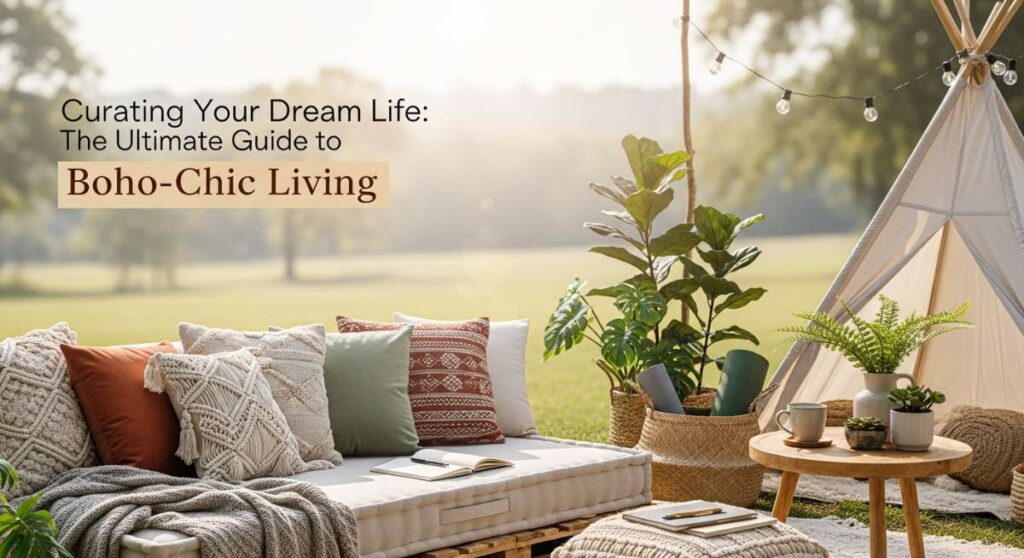
Curating Your Dream Life: The Ultimate Guide to Boho-Chic Living
Have you ever walked into a space and felt your entire nervous system instantly relax? There is a certain magic in a home that feels lived-in yet intentional, a sanctuary where every corner tells a story of travel, comfort, and soul. Bohemian living isn’t just about throwing a few macramé hangings on the wall; it is an art form of curation that celebrates the perfectly imperfect and the deeply personal. It is about creating a space that breathes with you, reflecting your spirit through layers of texture, light, and warmth.
In this guide, we are diving deep into the heart of viral bohemian aesthetics. We are moving beyond the surface-level trends to explore how you can craft a home that feels like a warm hug every time you step through the door. Whether you are starting with a blank canvas or looking to infuse your current space with more character, these ten transformations will help you design a life that feels as good as it looks. Let’s embark on this journey of mindful curation together, turning your house into a soulful haven.
How to Create a Radiant Gallery Wall for Ultimate Morning Inspiration

Why we love this
A gallery wall is more than just decor; it is a visual symphony that greets you every morning, setting the tone for your entire day. We love how the varied textures of wood, glass, and canvas catch the early light, creating a rhythmic dance of shadows and highlights that sparks immediate creativity. There is something deeply grounding about seeing a collection of memories, art, and quotes that resonate with your soul, offering a sensory experience that smells like fresh parchment and feels like a warm embrace of self-expression. It transforms a sterile white wall into a vibrant portal of inspiration that keeps your spirit elevated from the first sip of coffee.
Essential Elements:
- A collection of mismatched frames in wood, brass, and matte black.
- High-quality art prints, personal photographs, and pressed botanicals.
- Kraft paper or newspaper for templating.
- Painter’s tape and a reliable level.
- Picture hanging strips or small nails and a hammer.
- Small decorative accents like a brass skeleton key or a small woven wall pocket.
How to make it
- Begin by gathering all your pieces and laying them out on a large floor space to visualize the composition. Aim for a balance of sizes, placing your largest “anchor” piece slightly off-center to create organic movement.
- Maintain a consistent gap of 2 to 3 inches between each frame. This spacing is the secret to making a cluster of different items look like a cohesive collection rather than a cluttered mess.
- Trace each frame onto kraft paper and cut out the shapes. Label each paper with the corresponding artwork and mark exactly where the hanging hardware is located on the back of the frame.
- Use painter’s tape to arrange these paper templates on your wall. This allows you to step back and adjust the flow without committing to holes. Look for a visual balance where the weight of the colors and textures feels evenly distributed.
- Once satisfied, hammer your nails or apply adhesive strips directly through the marks on the paper templates. Carefully peel the paper away, leaving the hardware perfectly positioned.
- Hang your pieces and use a level to ensure every frame is perfectly straight. The visual cue for success is a wall that feels full of life but has a clear, rhythmic structure that draws the eye upward.
How to Style a Cozy Floor Nook for Deep Relaxation

Why we love this
There is a primal comfort in being close to the ground, surrounded by a mountain of soft fabrics and the gentle scent of lavender and old books. We love floor nooks because they offer an escape from the frantic pace of modern life, inviting you to sink into a world of tactile luxury where the rough grain of a jute rug meets the buttery softness of velvet floor cushions. The atmosphere in a well-styled nook feels hushed and sacred, a place where the air seems thicker with peace and the only sounds are the rustle of pages and the soft chime of a nearby suncatcher. It is the ultimate ritual space for deep breathing and true mental decompression.
Essential Elements:
- A thick, high-pile rug or a layered jute and sheepskin combination.
- At least three oversized floor pillows or a low-profile bean bag chair.
- A soft, chunky knit throw blanket.
- A low wooden crate or a stack of sturdy books to act as a side table.
- A warm-toned Himalayan salt lamp or a cluster of soy candles.
- A trailing plant like a Pothos or String of Pearls.
How to make it
- Identify a quiet corner of your room, ideally near a window for natural light or tucked away in a low-traffic alcove. Clear the space entirely to start with a fresh energy.
- Lay down your base layer—a textured rug that extends at least a foot beyond where you plan to sit. If using a jute rug, top it with a smaller faux-sheepskin for a soft sensory contrast against your legs.
- Arrange your floor cushions in a triangular formation to provide both back support and a place to lounge. Ensure the largest, firmest cushion is against the wall to act as a sturdy backrest.
- Place your “side table” (the crate or book stack) within easy arm’s reach. It should be low enough that you don’t have to reach up, maintaining that grounded, low-to-earth feeling.
- Drape your throw blanket over the main cushion with an intentional “tossed” look. This adds immediate visual warmth and invites you to crawl in.
- Add your lighting and greenery. Position the salt lamp on your floor table to emit a soft, amber glow that mimics a sunset, and hang your trailing plant so its vines graze the edge of your nook, creating a living frame for your sanctuary.
How to Design a Sun-Drenched Kitchen for Mindful Morning Coffee

Why we love this
The kitchen is the heart of the home, but a sun-drenched, boho-styled kitchen is its soul. We love the way the morning light filters through sheer curtains, hitting ceramic mugs and glass jars to create a shimmering, golden atmosphere that smells of freshly ground beans and cinnamon. It’s a space that encourages slow living; where the cold touch of a stone countertop is balanced by the warmth of reclaimed wood shelving. Preparing coffee here becomes a meditative ceremony rather than a rushed chore, allowing you to watch the steam rise in slow curls against a backdrop of green leaves and earthy textures.
Essential Elements:
- Open wooden shelving to replace heavy upper cabinets.
- An array of clear glass jars for storing grains, coffee, and spices.
- Ceramic handmade mugs in earthy tones (terracotta, sage, cream).
- Sheer linen cafe curtains.
- A small herb garden in terracotta pots for the windowsill.
- Brass or copper accents (spoons, canisters, or faucet).
How to make it
- Clear your countertops of all plastic appliances and non-essential items. The goal is to create a sense of “breathable” space where only beautiful, functional objects remain.
- Install open shelves made of raw or lightly stained wood. Mount them using minimalist brackets to let the wood grain be the star. Space them at least 12-15 inches apart to allow room for taller jars and pitchers.
- Decant your dry goods into glass jars of varying heights. Group them on the shelves by frequency of use, creating a visual rhythm that looks like an old-world apothecary.
- Hang sheer linen curtains that stop at the windowsill. These should be thin enough to let light pour through while softening any harsh glares, creating that sought-after “glowy” kitchen look.
- Create a dedicated coffee station. Place your ceramic mugs on a small wooden tray alongside your coffee maker and a small vase of dried flowers. Visual cues for success here are clean lines mixed with organic shapes.
- Finish the space by placing your herb pots on the sill. Ensure they are in terracotta to absorb excess moisture and provide that classic earthy texture that anchors the sun-drenched aesthetic.
How to Transform a Simple Bedroom into a Sacred Sleep Sanctuary

Why we love this
A sleep sanctuary is the ultimate gift to your future self. We love the transition from a busy day to a bedroom that feels like a soft, eucalyptus-scented cloud. The magic lies in the layering of natural fibers like linen and cotton, which regulate temperature while providing a tactile richness that synthetic fabrics simply cannot match. In this space, the air feels cooler, the light is dim and amber-hued, and every texture—from the woven headboard to the smooth wood of the nightstand—is designed to lower your heart rate. It’s a place where you don’t just sleep; you restore your very essence in a cocoon of bohemian luxury.
Essential Elements:
- Linen bedding in a muted, earthy color palette (oatmeal, terracotta, or dusty rose).
- A textured headboard made of rattan, cane, or upholstered linen.
- Blackout curtains layered under sheer decorative drapes.
- A bedside essential oil diffuser with lavender or sandalwood oil.
- Soft, dimmable bedside lamps with warm-toned bulbs (2700K).
- A large, leafy plant like a Fiddle Leaf Fig to purify the air.
How to make it
- Start with the bed, the focal point of the room. Use a high-quality linen duvet cover and layer it with a lighter cotton coverlet. The “boho secret” is to use a duvet one size larger than your bed for an extra-puffy, luxurious overhang.
- Stack your pillows by size: two large shams in the back, two standard pillows in front, and one or two textured lumbar pillows at the very front. This creates a mountain of comfort that looks professionally styled.
- Swap out bright overhead lights for bedside lamps that feature woven shades. These shades will cast beautiful, intricate shadow patterns on the walls as you wind down.
- Set up your scent station. Place a diffuser on your nightstand and fill it with water and 3-5 drops of calming oil. The visual cue of the soft mist rising contributes significantly to the “sanctuary” vibe.
- Ensure the floor next to the bed is soft. If you have hardwood, place a small, plush rug exactly where your feet land in the morning to prevent a cold shock to the system.
- Keep the surfaces clutter-free. Use a small wooden bowl on the nightstand to hold jewelry or earplugs, keeping the visual landscape calm and orderly for better sleep hygiene.
How to Curate a Welcoming Reading Corner for Quiet Afternoons
Why we love this
There is nothing quite like the feeling of disappearing into a story while curled up in a corner that feels entirely your own. We love the quiet intimacy of a reading nook—the way a velvet armchair holds you perfectly, the subtle sound of a turning page, and the comfort of a warm tea sitting nearby. This space is a celebration of slow time. It combines the intellectual beauty of a mini-library with the physical comfort of a lounge, creating a multisensory experience where the smell of old paper meets the softness of a mohair throw. It’s your personal escape pod from the digital world.
Essential Elements:
- A comfortable accent chair (velvet, leather, or a deep-seated wicker chair).
- A small bookshelf or a floating shelf to display a curated selection of books.
- An adjustable floor lamp with a warm bulb.
- A soft throw blanket and a decorative lumbar pillow.
- A small side table for tea or coffee.
- A coaster made of natural stone or wood.
How to make it
- Choose a spot that feels tucked away—under a staircase, in a bay window, or in a quiet corner of the living room. Angle the chair toward the center of the room to feel connected, or toward a window for a view.
- Position your floor lamp behind and to the side of the chair. The light should fall over your shoulder onto your book without creating a glare or shadow.
- Style your bookshelf not just with books, but with “breathable” gaps. Place some books vertically and others horizontally, and intersperse small treasures like a sea shell or a vintage clock.
- Drape your throw blanket over one arm of the chair, letting it pool slightly on the seat. This makes the chair look “ready” for a reader and adds a necessary layer of texture.
- Place the side table within a natural reaching distance. Test it by sitting in the chair; you shouldn’t have to lean forward to set down your mug.
- Add a final touch of life: a small vase with a single dried flower or a succulent. This brings an organic element to the structured lines of the books and chair.
How to Blend Textures for a Harmonious Home Aesthetic

Why we love this
The secret to a home that feels expensive yet cozy is the masterful blending of textures. We love this approach because it moves the focus from “matching” to “harmonizing.” When you run your hand across a room and feel the transition from cool marble to rough jute, smooth leather to nubby wool, your brain registers a sense of richness and depth. This tactile variety prevents a room from feeling “flat” or one-dimensional. It creates a sensory landscape that feels sophisticated, intentional, and incredibly inviting, turning a simple room into a complex, layered masterpiece of comfort.
Essential Elements:
- Natural fibers: Jute, seagrass, sisal.
- Soft textiles: Wool, velvet, linen, silk.
- Hard surfaces: Reclaimed wood, polished stone, hammered metal.
- Organic elements: Dried grasses, fresh greenery, cork.
How to make it
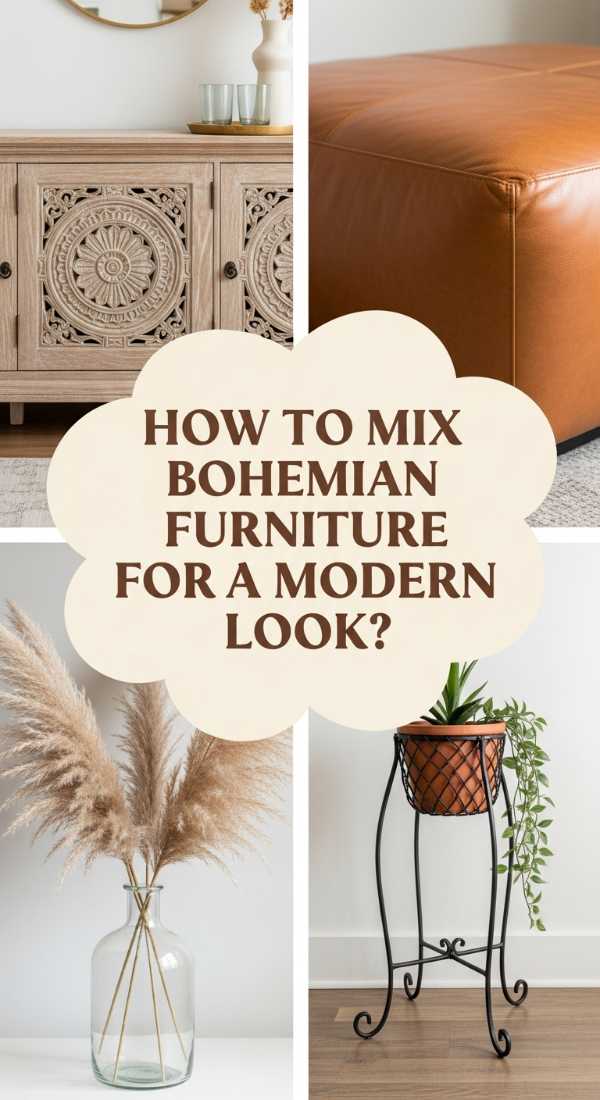
- Follow the “Rule of Three” for every surface. For a sofa, blend a linen base (the sofa fabric) with a wool throw and a velvet pillow. These three distinct textures create a professional, layered look.
- Use your rug to anchor the textures. A chunky jute rug provides a coarse, earthy foundation that makes soft leather furniture or silk curtains pop by comparison.
- Mix your metals. Don’t stick to just one finish. Blend matte black hardware with a few brushed brass accents to add visual “grit” and warmth to the space.
- Introduce wood in different finishes. Pair a smooth, polished teak coffee table with a rough-hewn reclaimed wood shelf. The contrast in the wood grain adds immediate character.
- Add “living” textures. A bunch of dried pampas grass offers a fluffy, ethereal texture that contrasts beautifully against the solid, heavy lines of a ceramic vase.
- Check the visual weight. If a room feels too “heavy” (too much wood or leather), lighten it with airy textures like glass or sheer linen. The goal is a balanced sensory experience.
How to Elevate Bare Walls for a Textured Artisan Look

Why we love this
Flat, white walls can often feel cold and sterile, but we love the transformation that happens when you treat a wall like a canvas for texture. By adding artisan elements like woven baskets, macramé, or textured plaster, you give the room a “voice.” It’s the difference between a house and a home. These elements catch the light differently throughout the day, creating moving shadows that add a dynamic quality to the space. There is a soulful, global vibe that comes from artisan wall decor—it suggests a life well-traveled and an appreciation for the handmade, making the room feel warm and lived-in.
Essential Elements:
- Woven wall baskets in various sizes and patterns.
- Macramé wall hangings or fiber art.
- Framed textile pieces (like a piece of vintage mudcloth).
- Wooden wall pegs or accordion racks.
- Floating wooden shelves with trailing plants.
How to make it
- For a basket wall, start with your largest, most colorful basket as the center point. Arrange smaller baskets around it in an asymmetrical, organic cloud shape.
- Use small finish nails to hang baskets through the weave. This makes the hardware invisible and allows the baskets to sit flush against the wall.
- When hanging fiber art or macramé, ensure it is at eye level. The texture of the ropes should be visible enough to invite the viewer to want to touch it.
- Use wooden pegs to hang functional but beautiful items, like a straw hat or a linen tote bag. This turns everyday objects into part of the textured wall art.
- Layer your wall decor. A floating shelf can hold a small framed print that partially overlaps a woven wall hanging, creating a sense of depth and curated history.
- The visual cue for a finished wall is when it feels “clothed.” It shouldn’t be covered edge-to-edge, but the focal areas should feel substantial and tactile.
How to Layer Ambient Lighting for a Glowy Evening Atmosphere
Why we love this
Lighting is the most powerful tool in your design arsenal to change the mood of a room. We love layered ambient lighting because it mimics the soft, diffused glow of twilight, washing away the harshness of the day. By avoiding the “big light” (overhead lighting) and instead using multiple small sources, you create pockets of warmth and intimacy. It makes the air feel golden and the shadows feel soft. This glowy atmosphere is the ultimate backdrop for long conversations, quiet reflection, or simply basking in the beauty of your curated home. It’s pure, cinematic comfort.
Essential Elements:
- Floor lamps with fabric or woven shades.
- Table lamps with warm-toned LED bulbs (2200K – 2700K).
- Fairy lights or string lights with amber bulbs.
- Candles (soy or beeswax) and glass hurricanes.
- Himalayan salt lamps or selenite lamps.
How to make it
- Identify the “dark corners” of your room. Every corner should have at least one low-level light source to eliminate deep, cold shadows.
- Use the “Triangle Technique”: place three light sources at different heights in a room (e.g., a floor lamp, a table lamp, and a candle on a low table) to create a sense of balanced enclosure.
- Switch all your bulbs to “Warm White.” Look for the Kelvin rating on the box; anything above 3000K will feel too blue and clinical for a boho-chic vibe.
- Drape fairy lights along a bookshelf or around a mirror. The reflection will double the glow and add a whimsical, viral aesthetic quality to the room.
- Incorporate real flame. Use a cluster of pillar candles of varying heights on a tray. The flickering movement of a real flame adds a layer of life that electric lights can’t replicate.
- The visual cue for success: turn off the overhead light. If you can still see comfortably and the room feels warm and inviting rather than dark and spooky, you’ve mastered ambient layering.
How to Choose a Statement Rug for an Instant Room Glow Up

Why we love this
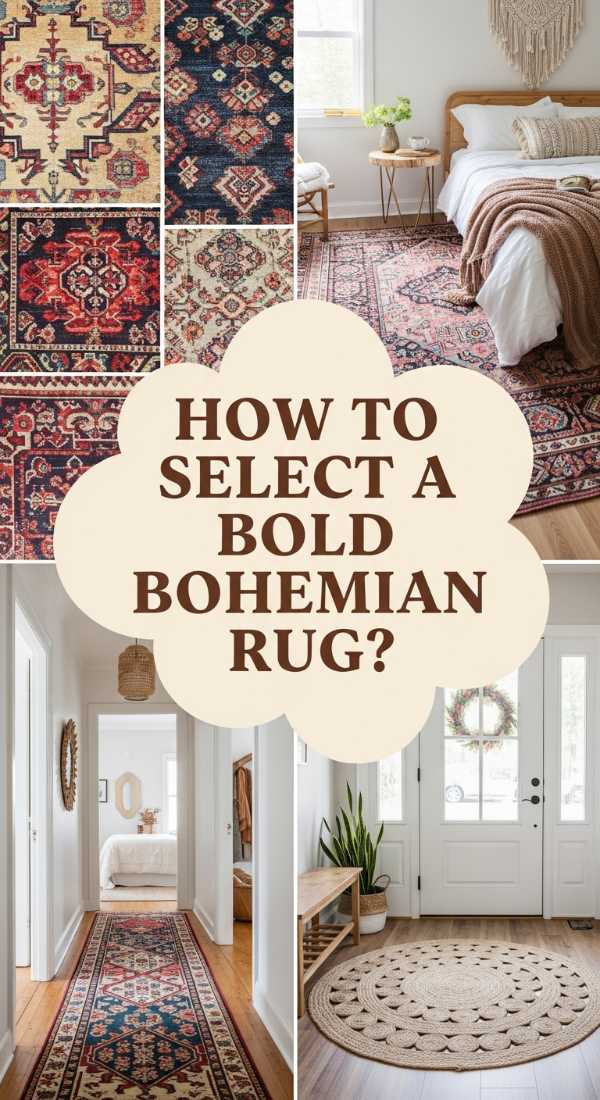
A rug is the foundation of a room’s personality. We love a statement rug because it can instantly anchor a disparate collection of furniture and turn it into a cohesive “room.” Whether it’s a faded Persian pattern or a bold geometric tribal design, a great rug provides a visual and physical warmth that transforms the entire energy of the space. It’s the largest piece of “art” you will own, and it feels incredible underfoot. A statement rug acts as the “glue” that holds your bohemian aesthetic together, providing a color palette and a texture that invites you to kick off your shoes and stay a while.
Essential Elements:
- A large-scale rug (Persian, Moroccan, or Jute).
- A high-quality rug pad to prevent slipping and add cushion.
- Furniture that coordinates with at least one color in the rug.
- Rug tape for corners if needed.
How to make it
- Go big. A common mistake is buying a rug that is too small. For a living room, at least the front legs of all your seating should sit on the rug. This creates a “zone” of comfort.
- Choose a pattern that incorporates your “bridge color”—the main color that connects your walls, pillows, and curtains.
- If you love a rug that is too small but can’t find a larger one, layer it. Place the smaller patterned rug over a larger, inexpensive jute or sisal rug. This is a classic boho-chic move that adds extra texture.
- Consider the pile height. A low-pile or flatweave rug (like a Kilim) is better for high-traffic areas and allows for easier furniture movement, while a high-pile (shag or Moroccan) rug is best for bedrooms and nooks.
- When the rug arrives, roll it out and place heavy books on the corners for 24 hours to flatten them. A flat, flush rug looks much more expensive and polished.
- The visual cue: stand back and look at the room. The rug should make the furniture feel like it is “sitting” in the space rather than floating on the floor.
How to Mix Patterns for a Luxe Bohemian Vibe
[IMAGE_10]
Why we love this
Mixing patterns is the ultimate expression of confidence in home design. We love it because it feels worldly, adventurous, and incredibly high-end when done correctly. It breaks the rules of “matching” and instead embraces a curated chaos that feels vibrant and full of stories. When you see a floral print sitting next to a geometric stripe and a tribal ikat, your eyes are constantly discovering new details. It gives your home a luxe, boutique-hotel feel that is uniquely yours, reflecting a personality that isn’t afraid to be bold and eclectic.
Essential Elements:
- Items with varying pattern scales (large, medium, and small).
- A shared color palette (at least two colors that appear in every pattern).
- Solid-colored “breathing spaces” (solid pillows or blankets).
- A mix of organic patterns (florals, leaves) and geometric patterns (stripes, diamonds).
How to make it
- Pick your “Hero Pattern.” This should be your largest and most complex print—usually found on a rug or a large set of curtains.
- Add a “Secondary Pattern” that is half the scale of the hero. If the hero is a large-scale floral, make the secondary pattern a medium-scale geometric stripe or diamond.
- Incorporate a “Tertiary Pattern” in a small scale, like a tiny polka dot or a subtle herringbone. This adds fine detail without competing with the larger prints.
- Keep the colors consistent. If your hero pattern has navy and terracotta, ensure your other patterns also feature navy or terracotta. This “color thread” is what prevents the mix from looking messy.
- Break up the patterns with solid blocks of color. Place a solid cream pillow between two patterned ones. This gives the eye a place to rest and makes the patterns pop more effectively.
- The visual cue: step back and squint. If the patterns blur into a harmonious wash of color rather than a vibrating mess, you have achieved the perfect luxe boho mix.
Conclusion
Curating a boho-chic life is a journey, not a destination. It’s about more than just buying the right things; it’s about how those things make you feel when the sun goes down and the candles are lit. By focusing on texture, light, and personal meaning, you aren’t just decorating a room—you are crafting a sanctuary that supports your well-being and inspires your soul. Remember to let your home grow with you, adding pieces as you find them and letting your space breathe. You deserve a home that feels like your favorite song. Happy curating!