
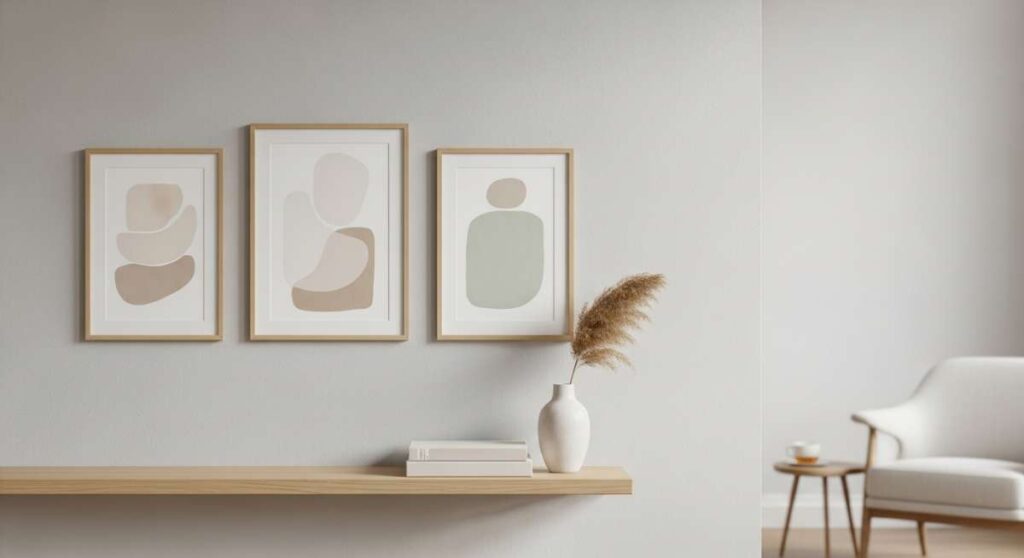
Curating Calm: Minimalist Wall Decor for Every Room
Have you ever walked into a room and felt your shoulders immediately drop? There is a profound, silent power in a space that doesn’t shout for attention but instead whispers an invitation to rest. In our chaotic, fast-paced world, our homes should be the ultimate sanctuary—a physical manifestation of a deep exhale. Achieving this doesn’t mean stripping your walls bare; it means choosing pieces that resonate with your soul and allow the architecture of your life to breathe.
Minimalist wall decor is an art of intentionality. It is about finding that perfect balance between ‘enough’ and ‘too much,’ where every frame, texture, and color serves a purpose. Whether you are moving into a new high-end apartment or looking to refresh a well-loved family home, the way we dress our walls defines the emotional temperature of our rooms. Today, I’m sharing my favorite ways to style your vertical spaces to create a dreamy, curated atmosphere that feels like a warm hug every time you walk through the door.
How to Design a Dreamy Haven for Peaceful Sleep
Why we love this
There is something incredibly grounding about a bedroom that feels like a high-end spa retreat. We love this approach because it focuses on soft, tactile textures like raw linen and pale oak that invite the touch. As you settle into bed, the sight of a singular, large-scale abstract painting in muted tones creates a focal point that anchors the room without cluttering the mind. You can almost smell the faint, clean aroma of fresh cotton and lavender as the morning light hits the textured canvas, creating a dance of shadows that feels both organic and deeply soothing.
Essential Elements:
- Large-scale canvas art in neutral tones
- Floating oak shelving
- Soft-glow LED backlighting
- Minimalist metal frames
- Textured fabric wall hangings
How to make it
- Begin by measuring the wall space directly above your headboard; your decor should ideally cover two-thirds of the bed’s width to maintain visual balance.
- Choose a single, large-scale piece of art or a pair of symmetrical prints. Ensure the color palette consists of soft grays, beiges, or sage greens to lower the heart rate.
- Mark your hanging points using a level tool. For a professional finish, the center of the artwork should be exactly 57 inches from the floor, which is standard gallery height.
- Install your hardware using heavy-duty wall anchors to ensure the piece sits flush against the wall, preventing any distracting tilts or wobbles.
- Add a warm-toned puck light or a slim picture light above the frame to create an ambient glow that mimics the soft transition of twilight.
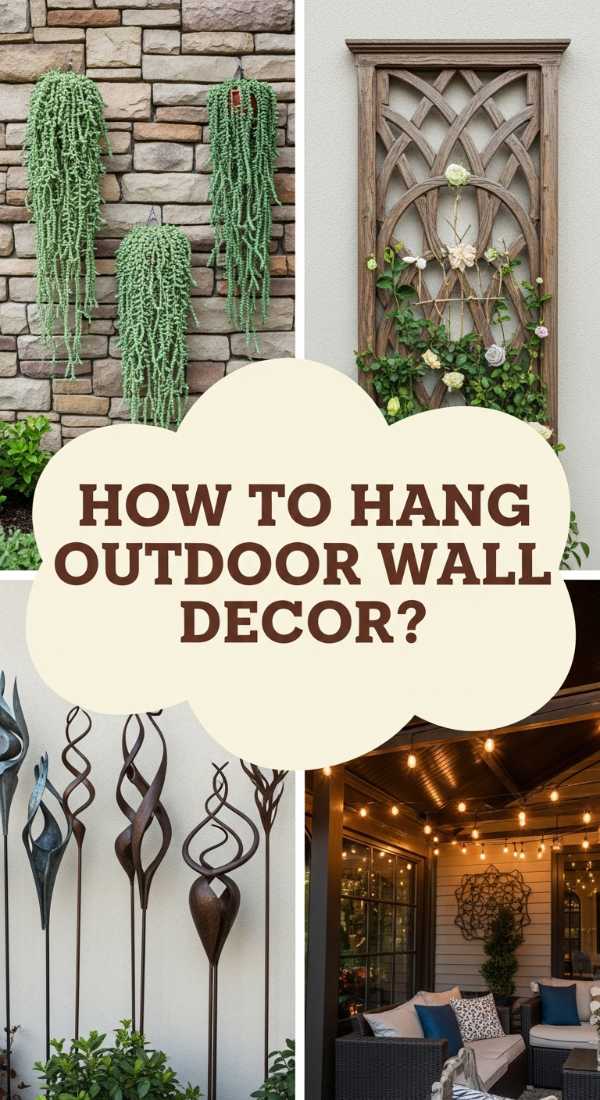
How to Refresh Your Patio for Magical Outdoor Hosting
Why we love this
Transforming an outdoor wall is like adding an extra room to your house where the ceiling is the sky. We love the juxtaposition of cold industrial metals against the lush, green textures of climbing vines or potted ferns. When you host an evening gathering, the way the flickering candlelight reflects off a minimalist metal wall sculpture creates a rhythmic, magical atmosphere. You’ll find yourself breathing in the scent of damp earth and blooming jasmine, feeling the cool evening breeze as your patio becomes a sophisticated extension of your interior style.
Essential Elements:
- Weather-resistant metal wall art
- Vertical planter systems
- Outdoor-rated string lights
- Slate or stone wall tiles
- Teak wood wall panels
How to make it
- Clean the exterior wall surface thoroughly using a power washer or stiff brush to remove dust, cobwebs, and organic debris.
- Install a vertical garden grid or a series of minimalist hooks specifically designed for masonry or siding to avoid structural damage.
- Arrange your outdoor art pieces in a staggered, organic pattern to mimic natural growth rather than a rigid indoor gallery style.
- If using lighting, weave slim outdoor-rated fairy lights or Edison bulbs along the perimeter of the wall decor to highlight textures after sunset.
- Apply a clear, matte sealant to any wooden elements to protect against UV rays and moisture, ensuring the finish remains crisp and new throughout the seasons.
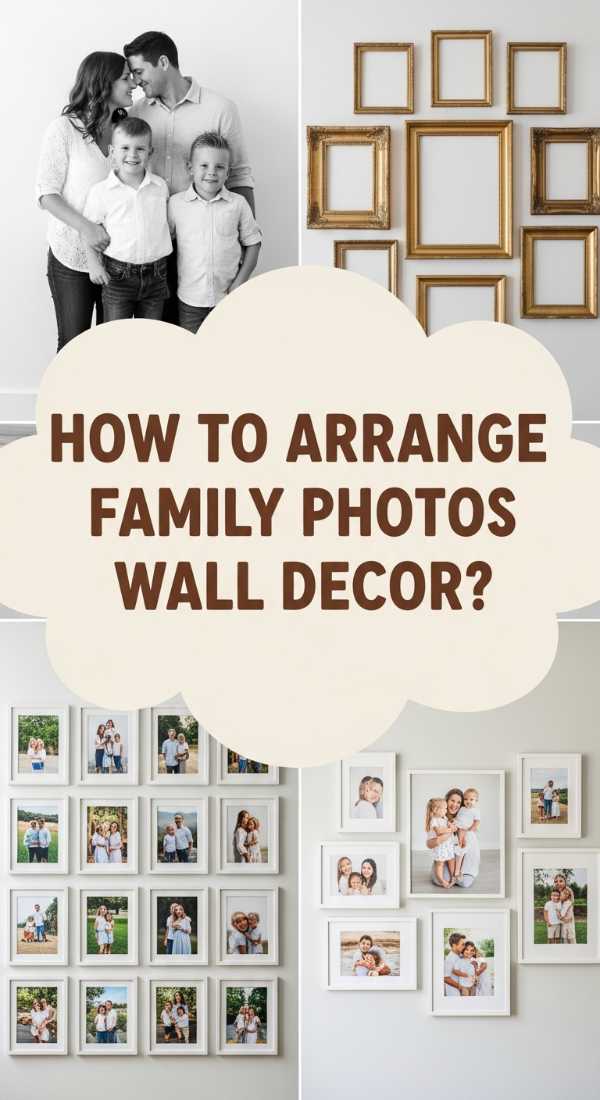
How to Showcase Family Moments for a Warm Living Room
Why we love this
A living room should tell the story of the people who live there, but doing so with a minimalist eye keeps it from feeling overwhelming. We love the use of uniform, thin-profile black frames and oversized white matting to give personal snapshots a professional, museum-quality feel. Walking past these images, you catch the ‘aroma’ of nostalgia—memories of salty beach days and crisp mountain air—while the clean lines of the gallery wall keep the space feeling modern and airy rather than cluttered with mementos.
Essential Elements:
- Uniform 12×12 or 16×20 frames
- Extra-wide white mats
- High-resolution black and white prints
- Laser level for precision
- Acid-free mounting tape
How to make it
- Select 6 to 9 of your favorite family photos and convert them all to high-contrast black and white to ensure a cohesive look across the collection.
- Print the images in a size that allows for at least 3 inches of white matting on all sides; this ‘negative space’ is the key to the minimalist aesthetic.
- Lay the frames out on the floor first to experiment with a grid layout—a 3×3 square is a classic, high-end choice for large living room walls.
- Use painter’s tape to mark the exact corners of each frame on the wall, ensuring a consistent 2-inch gap between every frame for perfect symmetry.
- Nail your hooks into the center of your tape marks, then hang the frames and use a spirit level to ensure every single line is perfectly horizontal and vertical.
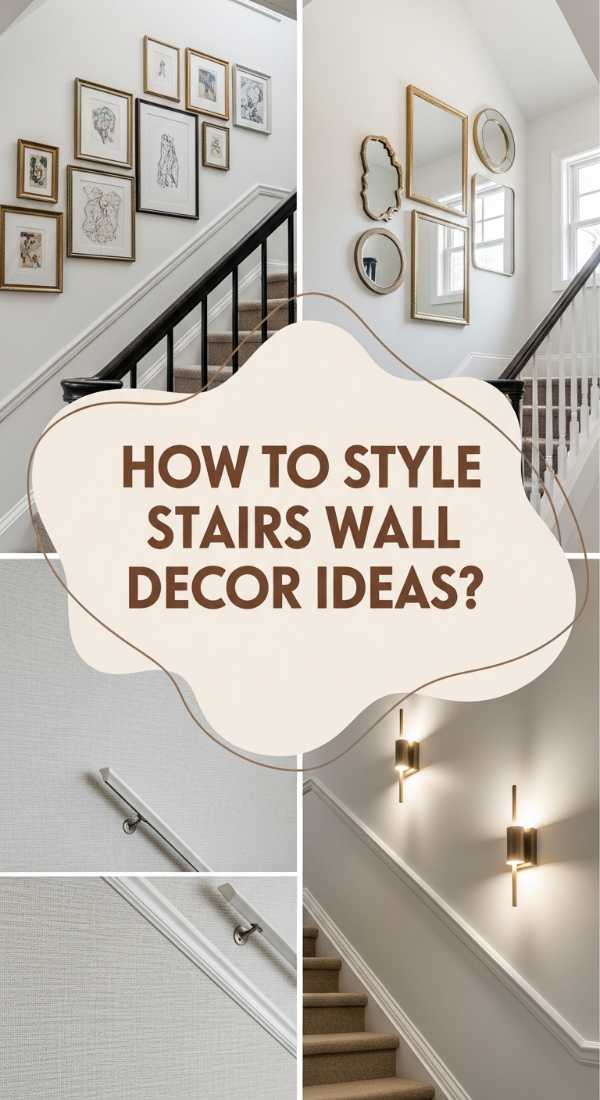
How to Elevate Your Stairwell for a Grand Entrance
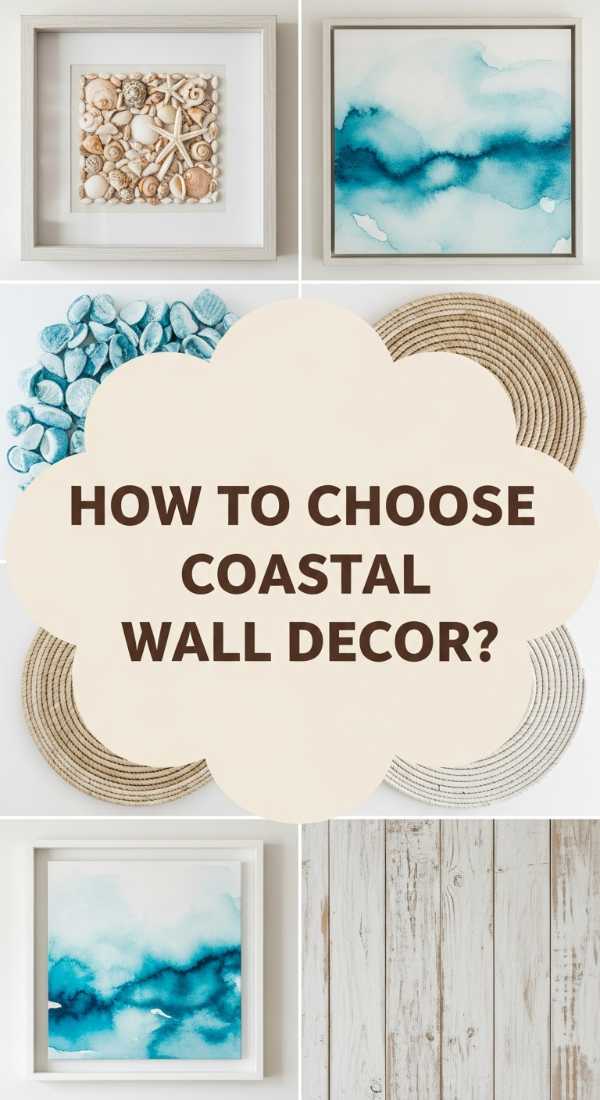
Why we love this
The stairwell is often a forgotten transition space, but it offers a unique vertical canvas that can feel incredibly grand. We love using linear, rhythmic art pieces that follow the upward trajectory of the stairs, leading the eye naturally to the upper levels of the home. The sensation is one of movement and height; the smooth, cool touch of a metal handrail paired with the visual crispness of framed line art makes the act of moving through the house feel like a curated experience in a contemporary art gallery.
Essential Elements:
- Coordinated series of line art
- Slim-profile shadow boxes
- Directional spotlighting
- Stair-step mounting hardware
- Neutral-toned wallpaper accents
How to make it
- Measure the angle of your staircase by using a string line held parallel to the steps; this will be your ‘baseline’ for hanging art.
- Select a series of three to five pieces of art that share a common theme, such as architectural sketches or minimalist botanicals.
- Start with the middle piece at the center of the stairwell and work your way out, maintaining the same distance from the floor for each piece relative to the step below it.
- Use heavy-duty adhesive strips or secure nails, as the vibration from footsteps on the stairs can cause traditional hanging methods to shift over time.
- Install a recessed ceiling spotlight directed at the art to create dramatic shadows and highlight the texture of the paper or canvas as you ascend.
How to Bring Coastal Vibes Home for a Relaxing Atmosphere
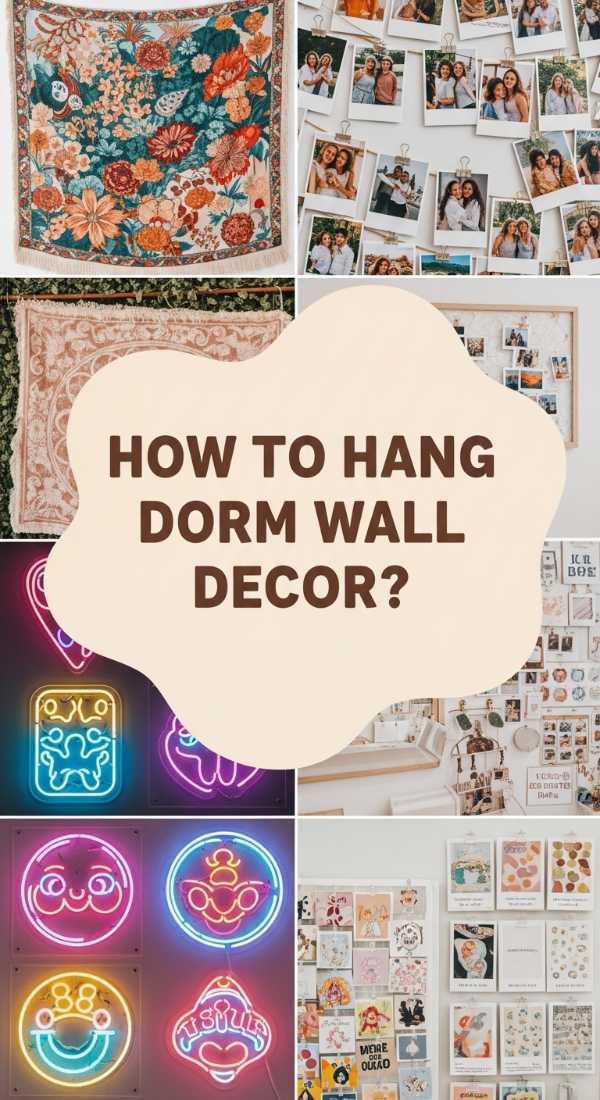
Why we love this
Coastal minimalism isn’t about seashells and anchor motifs; it’s about the feeling of vast horizons and sun-bleached wood. We love the use of macro-photography—close-ups of shimmering water or the texture of sand—which brings a sense of serenity into the home. You can almost feel the grit of sand underfoot and the cool mist of the ocean on your skin as you gaze at a large, unframed canvas that captures the gradient of a sea-foam sky, making your living area feel infinitely larger and more breathable.
Essential Elements:
- Macro-photography prints
- Natural driftwood wall hangings
- Woven seagrass wall plates
- Light oak frames
- Matte-finish glass to reduce glare
How to make it
- Choose artwork with a ‘cool’ color temperature—think teals, soft blues, and sandy beiges—to lower the visual ‘heat’ of the room.
- Incorporate a physical texture, like a piece of smoothed driftwood mounted on a minimalist bracket, to add a 3D element that breaks up the flat wall surface.
- Position your largest ‘ocean’ piece opposite a window to reflect natural light, which enhances the ‘water’ effect of the photography.
- Avoid heavy, ornate frames; instead, use ‘floater frames’ that make the canvas look as though it is hovering inside the wood, emphasizing the airy coastal feel.
- Keep the surrounding wall color a crisp, gallery white or a very pale ‘salt’ gray to let the blue tones of the art truly pop without competition.
How to Upgrade Your Dorm for the Ultimate Student Sanctuary

Why we love this
Dorm rooms are notoriously industrial and cold, which is why we love using soft wall decor to transform them into warm sanctuaries. Using large-scale textile tapestries or removable fabric decals adds a layer of acoustic softening, dampening the echoes of a busy hallway. The sensory experience shifts from cold cinderblock to the soft, woven feel of cotton and wool. It’s a way to reclaim your space and create a personal ‘nest’ that smells like your favorite candle and feels like a true escape from the stress of exams.
Essential Elements:
- Woven wall tapestries
- Damage-free hanging strips
- Removable vinyl line decals
- Grid-style wire photo boards
- Battery-operated copper fairy lights
How to make it
- Wipe down the dorm walls with rubbing alcohol to ensure a clean surface; this is critical for keeping damage-free strips from falling off.
- Hang a large, neutral-colored textile behind your bed to act as a faux-headboard, which immediately softens the entire look of the room.
- Use minimalist wire grids to display photos and notes; keep the colors of the items you clip on consistent (e.g., all sepia tones) to maintain the minimalist vibe.
- Apply vinyl ‘dot’ or ‘line’ decals in a random, organic pattern on one wall to create the illusion of expensive wallpaper without the permanent commitment.
- Drape thin copper-wire lights across the top of your wall decor to provide a warm, golden glow that replaces the harsh overhead fluorescent lighting.
How to Add Cultural Flair for a Vibrant Interior

Why we love this
Minimalism doesn’t have to be monochromatic; it can be a beautiful stage for cultural storytelling. We love the use of singular, high-impact pieces like a hand-woven African Juju hat or a minimalist Japanese woodblock print. These pieces bring a rich ‘aroma’ of global travel and history into your home. The texture of natural feathers or aged paper provides a stunning contrast to modern furniture, creating a space that feels vibrant, lived-in, and deeply personal while still maintaining a clean, uncluttered aesthetic.
Essential Elements:
- Hand-crafted masks or textiles
- Shadow-box frames for 3D objects
- Earthy color palettes (terracotta, ochre)
- Minimalist pedestals for wall-mounted sculpture
- Spotlighting for texture emphasis
How to make it
- Select one ‘hero’ piece that represents a culture or place meaningful to you; minimalism works best when you give one object space to breathe rather than grouping many together.
- If the item is a textile, use a modern acrylic rod to hang it, which keeps the focus on the fabric while providing a sleek, contemporary edge.
- For 3D objects like masks or carvings, use a shadow box frame with a deep mat to protect the item and give it the ‘importance’ of a museum artifact.
- Position the piece at eye level in a high-traffic area, like an entryway, where its unique texture and story can be appreciated immediately.
- Pair the cultural piece with a very simple, modern lamp or chair nearby to bridge the gap between traditional craftsmanship and modern design.
How to Curate a Stylish Porch for Curb Appeal

Why we love this
Your porch is the ‘handshake’ of your home, and we love using minimalist wall decor to make that first impression one of calm and style. Instead of cluttered seasonal knick-knacks, a single, oversized house number plate in a modern font or a sleek, black metal wreath frame creates a sophisticated look. You can feel the ‘freshness’ of the outdoors, the crisp air, and the orderly welcome that suggests a beautifully maintained home inside, boosting your mood before you even turn the key in the lock.
Essential Elements:
- Modern oversized house numbers
- Sleek outdoor wall sconces
- Powder-coated metal wreaths
- Cedar wood slat wall panels
- Minimalist welcome signage
How to make it
- Choose a high-contrast color for your wall decor—black metal against a white or light-colored house is the gold standard for minimalist curb appeal.
- Mount oversized house numbers vertically rather than horizontally to create a more modern, architectural feel that draws the eye upward.
- Install a pair of identical, minimalist wall sconces on either side of the door or a large piece of wall art to create pleasing symmetry.
- Ensure all hardware is stainless steel or rust-proof to prevent ‘bleeding’ streaks on your exterior paint over time.
- If using a wreath, opt for a ‘half-wreath’ design on a simple wire frame with one type of greenery (like eucalyptus) to keep the look lean and modern.
How to Fill Large Spaces for a Modern Masterpiece
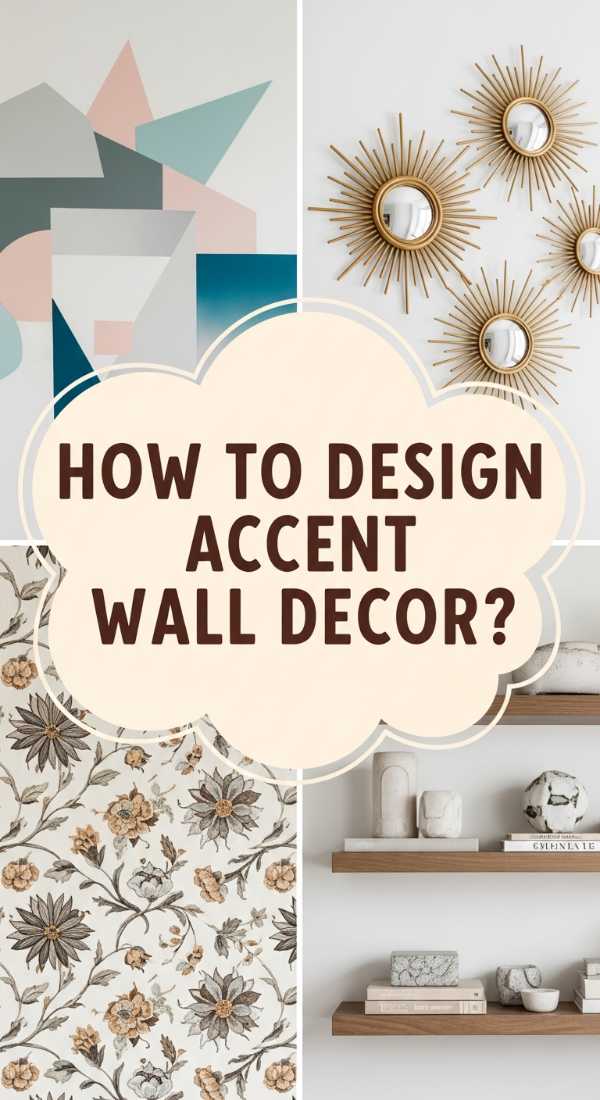
Why we love this
Large, empty walls can feel daunting, but they are actually your greatest opportunity to create a ‘wow’ factor. We love the use of triptychs—one image split across three canvases—because they fill the volume of a room while maintaining a sense of lightness and rhythm. Standing before a large-scale triptych feels like standing before a window into another world. The vastness of the art creates a silent, powerful presence that grounds the furniture and makes the ceiling feel higher, turning a standard room into a modern masterpiece.
Essential Elements:
- Triptych or Diptych canvas sets
- Ultra-thin ‘floater’ frames
- Large-scale abstract art
- Laser level and measuring tape
- Professional-grade hanging cleats
How to make it
- Determine the ‘visual center’ of your large wall; usually, this is the center point between two architectural features like a fireplace and a corner.
- When hanging a triptych, ensure the gap between each panel is exactly 2 to 3 inches; any wider and the image ‘breaks,’ any narrower and it feels cramped.
- Use a Z-bar or French cleat hanging system for large pieces; this ensures the art stays perfectly level and can support the significant weight of large frames.
- Choose art with a lot of ‘negative space’ (empty white or neutral areas) so that even though the piece is large, it doesn’t visually ‘crowd’ the room.
- Light the entire installation using a track lighting system with three separate heads, each angled to hit the center of one of the triptych panels for a balanced glow.
How to Create an Accent Wall for a High End Apartment
[IMAGE_10]
Why we love this
In high-end apartments, the walls themselves should feel like a piece of art. We love the minimalist ‘tonal’ accent wall—where you use the same color for the wall, the molding, and the art frames. This creates a deep, ‘velvety’ texture that feels incredibly luxurious and expensive. As the sun sets, the shadows in the molding and the subtle sheen of the paint create a rich, sensory experience that feels like being wrapped in a cashmere blanket. It’s the ultimate expression of ‘quiet luxury’ where the detail is in the depth, not the clutter.
Essential Elements:
- Picture frame molding kits
- Monochromatic paint (matte finish)
- Coordinated art prints
- High-quality painters tape
- Caulk and wood filler
How to make it
- Plan a grid of ‘picture frame’ molding on your wall using a pencil and a level; aim for large, tall rectangles to emphasize the height of your ceilings.
- Apply the molding using a miter saw for 45-degree corner cuts and a brad nailer for a secure, professional attachment to the drywall.
- Fill all nail holes and seams with wood filler and caulk, سپس sand them smooth until the molding looks like it grew out of the wall itself.
- Paint the entire wall—molding and all—in a single, sophisticated color like deep charcoal, forest green, or creamy mushroom in a matte or eggshell finish.
- Hang a single, minimalist piece of art inside the central molding ‘frame’ using a color that is just one or two shades different from the wall for a subtle, high-end look.
Conclusion
Curating a home is a journey, not a destination. By choosing minimalist wall decor, you aren’t just decorating a surface; you are deciding how you want to feel within your own four walls. Whether it’s the architectural grandeur of a triptych in the living room or the soft, tactile comfort of a tapestry in a dorm, these intentional choices transform a house into a sanctuary. Remember, the goal isn’t perfection—it’s peace. Start small, trust your eye, and let your walls breathe.