
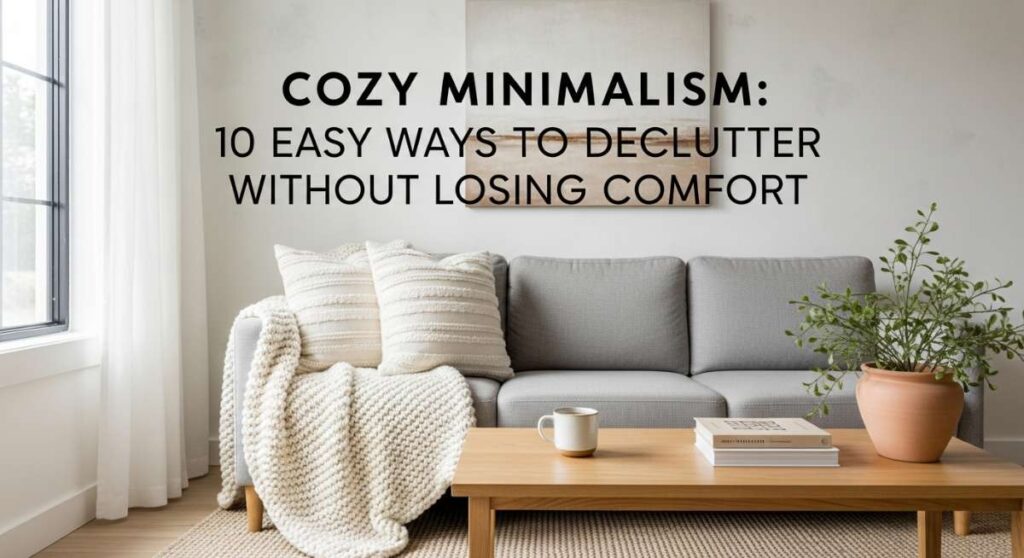
We’ve all been there: standing in the middle of a room filled with things we love, yet feeling a strange sense of suffocating weight. The trend of maximalism promised us joy in abundance, but for many of us, it just resulted in a never-ending cycle of dusting and rearranging. On the other end of the spectrum, cold, sterile minimalism can feel like living in a high-end art gallery where you’re afraid to set down a coffee mug. It’s a delicate dance, finding that sweet spot where simplicity meets soul.
Cozy minimalism isn’t about getting rid of everything you own; it’s about curating a space that breathes while still hugging you back. It’s the scent of cedarwood drifting from a single, high-quality candle, the tactile thrill of a chunky knit throw draped over a clean-lined sofa, and the visual peace of a clear tabletop. It’s about making room for the life you actually want to live, rather than just housing the items you’ve accumulated over the years.
Today, I’m sharing my personal roadmap to achieving this balance. Whether you’re staring at a cramped studio or a sprawling family room that’s lost its way, these ten strategies will help you reclaim your home as a peaceful sanctuary. Let’s dive into how we can strip away the noise and dial up the comfort, one intentional choice at a time.
How to Design a Cozy Minimalist Living Room for Ultimate Comfort

Why we love this
There is something profoundly healing about walking into a living room that feels expansive yet intimate. We love this approach because it prioritizes the human experience over the display of objects, allowing the warmth of natural sunlight to play off soft, touchable fabrics. Imagine sinking into a deep, linen-upholstered sectional while the subtle aroma of fresh eucalyptus fills the air and your eyes rest on a single, meaningful piece of art. It’s a sensory reset that transforms your home from a storage unit into a true sanctuary for the soul.
Essential Elements:
- Neutral-toned oversized sectional or sofa
- Natural fiber area rug (jute or wool)
- Hidden storage solutions
- Layered lighting (floor lamps, sconces)
- Organic accents like driftwood or stone
How to make it
- Establish your anchor point by selecting a high-quality sofa in a breathable fabric like cotton or linen; ensure it is positioned to face the room’s most natural light source to maximize the airy feel.
- Prepare the floor space by laying down a rug that is large enough for all furniture legs to sit on, which creates a cohesive ‘island’ of comfort and prevents the room from feeling fragmented.
- Adjust the ‘visual heat’ of the room by replacing harsh overhead lights with warm-toned bulbs (2700K) and placing lamps at varying heights to eliminate shadows in the corners.
- Curate your surfaces by removing all non-essential items, then selectively re-introducing three items of varying heights to one tabletop to create a balanced, intentional vignette.
- Fine-tune the comfort level by adding exactly two plush pillows and one textured throw, ensuring they follow a consistent color palette to maintain visual serenity.
How to Style a Small Living Room for an Airy Aesthetic
Why we love this
Small spaces have a bad reputation for feeling cluttered, but when styled with a minimalist eye, they become the most charming ‘jewel boxes’ of a home. We love the airy aesthetic because it uses light and reflection to trick the eye into feeling limitless, turning a cramped corner into a breezy retreat. Picture the crispness of sheer white curtains billowing in a light breeze and the way a strategically placed mirror catches the sunset, bouncing golden light into every shadowed nook. It’s about the freedom of movement and the clarity of mind that comes when every inch of a room serves a purpose.
Essential Elements:
- Leggy furniture (to show more floor space)
- Acrylic or glass coffee tables
- Floor-to-ceiling sheer drapes
- Large-scale wall mirrors
- Monochromatic color scheme
How to make it
- Begin by ‘elevating’ your furniture; choose pieces with exposed legs rather than skirts to allow the eye to travel underneath, which immediately creates the illusion of more square footage.
- Install window treatments as high as possible—ideally just below the ceiling line—letting the fabric pool slightly on the floor to draw the eye upward and elongate the walls.
- Position a large mirror directly opposite your primary window; this ‘prep’ step is crucial for doubling the natural light and creating a ‘faux window’ effect.
- Select a transparent ‘ghost’ table or glass-topped piece for the center of the room to provide functionality without adding visual weight or blocking the flow of the floor pattern.
- Keep the palette tight by using ‘tone-on-tone’ whites, creams, and light grays, which prevents the brain from hitting ‘visual speed bumps’ as it scans the room.
How to Select Minimalist Room Decor for a Peaceful Haven
Why we love this
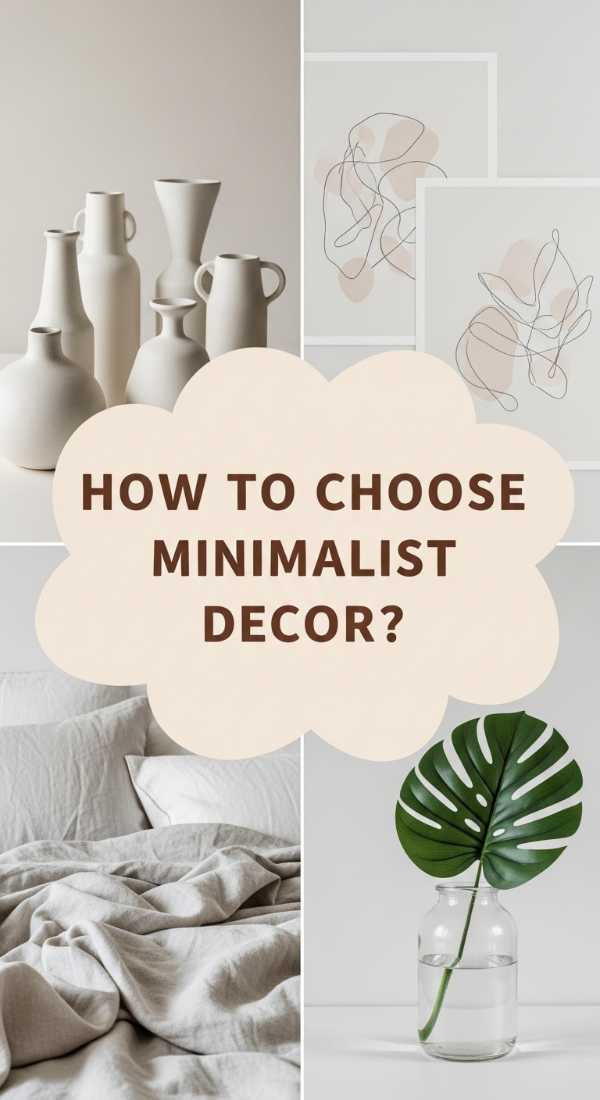
Decor should be the punctuation mark at the end of a sentence, not the whole story. We love minimalist decor because it shifts the focus to quality over quantity, celebrating the grain of a handmade wooden bowl or the delicate curve of a ceramic vase. It’s the feeling of running your hand over a cool marble tray and knowing that every item in your line of sight was chosen with love and intention. This approach creates a ‘quiet’ room where your thoughts can finally be heard, free from the distracting chatter of unnecessary knick-knacks.
Essential Elements:
- Statement ceramic vessels
- Abstract, large-scale line art
- Sustainable wooden accents
- Single-stem greenery
- Textured wall hangings
How to make it
- Perform a ‘clear-out’ phase by removing every single decorative object from the room and placing them in a separate staging area to see the space with fresh eyes.
- Evaluate each piece based on ‘weight’; choose items that have a presence but don’t feel busy, such as a single large vase rather than a collection of five small ones.
- Arrange items using the ‘rule of three,’ but keep the spacing wide to allow for ‘white space’ between objects, preventing a cluttered look on shelves or mantels.
- Introduce life by selecting a single, architectural branch (like magnolia or olive) and placing it in a heavy, textured pot to provide a focal point that breathes.
- Check the ‘doneness’ of the room by sitting in every chair; if an object blocks your view or feels distracting, remove it until the visual field feels calm and unobstructed.
How to Curate a Minimalist Home for a Mindful Lifestyle
Why we love this
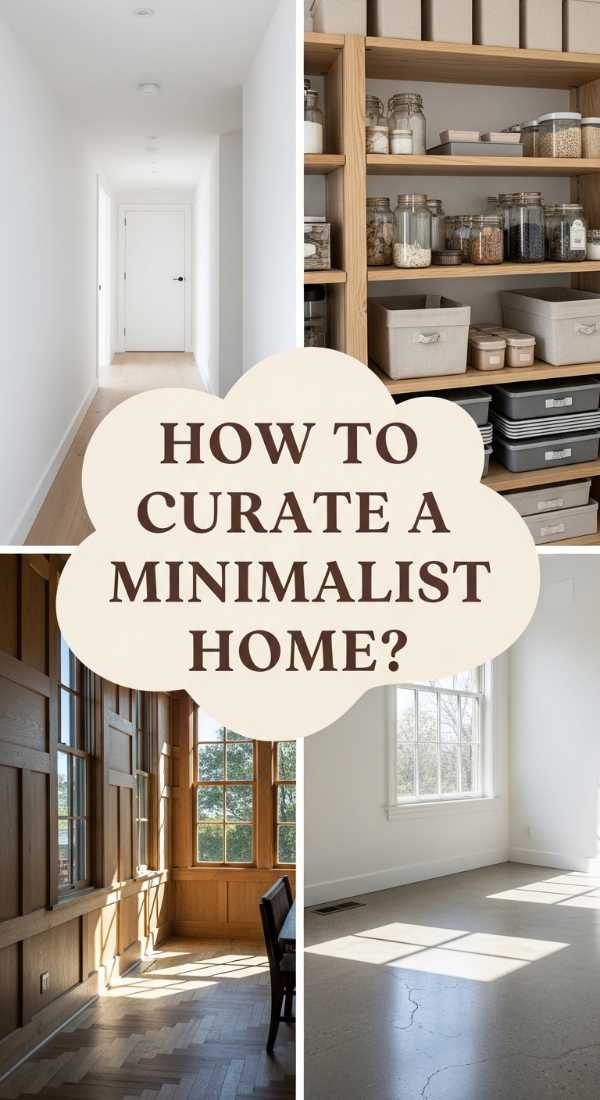
Curation is an act of self-care. We love a mindful, curated home because it acts as a physical manifestation of our mental state—calm, organized, and intentional. There is a specific, grounding aroma that comes with a mindful home—perhaps a hint of beeswax or freshly laundered linen—that tells your nervous system it’s time to decompress. It’s the joy of opening a drawer and seeing only what you need, neatly arranged, or walking through a hallway that feels like a transition into peace rather than a gauntlet of chores left undone.
Essential Elements:
- Uniform storage containers
- Designated ‘drop zones’
- Multi-functional furniture
- Digital decluttering tools
- Natural cleaning supplies
How to make it
- Identify the ‘high-friction’ areas of your daily routine, such as the entryway or kitchen counter, and clear them completely to establish a baseline of zero clutter.
- Implement a ‘one-in, one-out’ rule for every new purchase, ensuring the volume of items in your home remains static and manageable.
- Organize ‘behind the scenes’ by using clear, uniform bins in pantries and closets; this visual consistency reduces the mental load of searching for items.
- Set a ‘reset timer’ for 10 minutes every evening to return all items to their designated homes, maintaining the minimalist aesthetic without a massive weekend cleaning session.
- Audit your sensory environment by removing items that make noise or visual ‘noise’ (like bright plastic packaging), replacing them with glass jars or silent, organic materials.
How to Master Living Room Decor Minimalist Style for Sophistication
Why we love this
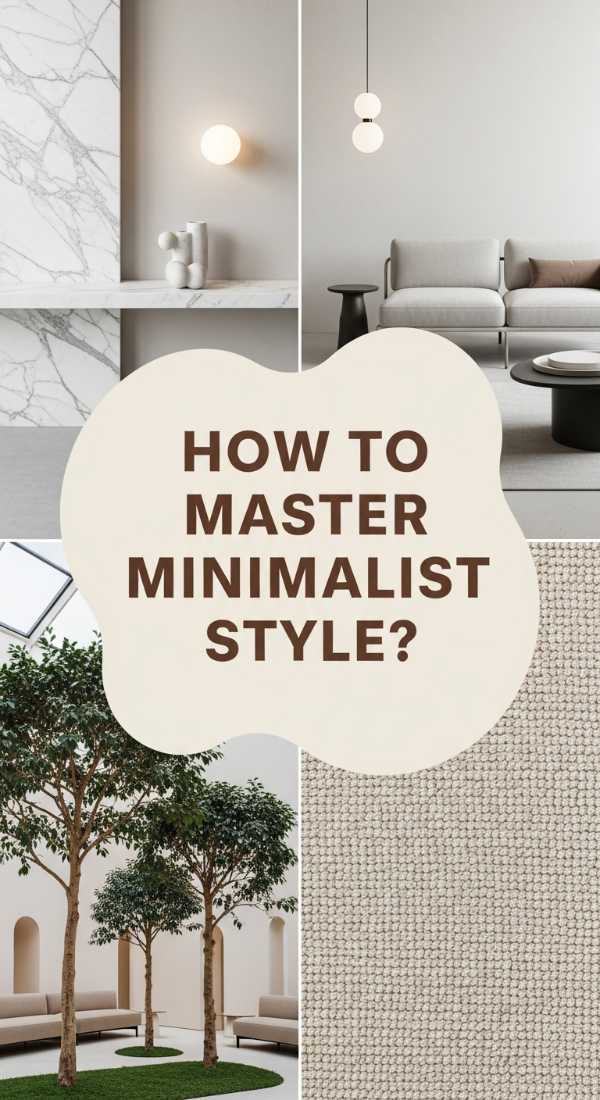
Minimalism doesn’t have to mean ‘plain’; it can be the height of sophistication. We love this look because it relies on the luxury of materials—the velvet of a pillow, the cool touch of brass, the rich grain of walnut—to tell a story of refined taste. It’s like wearing a perfectly tailored white shirt; it’s simple, but the quality is undeniable. In a sophisticated minimalist room, you feel like the best version of yourself, surrounded by an environment that is polished, professional, and yet deeply inviting for a glass of wine at the end of the day.
Essential Elements:
- High-end metallic finishes (brass or blackened steel)
- Sculptural furniture pieces
- Premium textiles (velvet, silk, heavy linen)
- Low-profile silhouettes
- Architectural lighting
- Limited color palette (Black, White, Gold)
How to make it
- Select one ‘sculptural’ furniture piece, such as a curved armchair or a uniquely shaped coffee table, to serve as the ‘hero’ of the room and anchor the design.
- Layer in ‘hard’ materials by introducing a marble plinth or a brass floor lamp; the contrast between stone and metal adds a sophisticated edge to soft furnishings.
- Apply the ‘low-profile’ technique by choosing furniture that sits closer to the ground, which creates a modern, sleek horizon line throughout the space.
- Focus on the ‘finish’ by ensuring all exposed wood grains match or complement each other in tone, avoiding a ‘hodgepodge’ look that detracts from the high-end feel.
- Finalize the look with one oversized, high-quality art piece; the scale of the art should be large enough to command the wall without requiring secondary decor nearby.
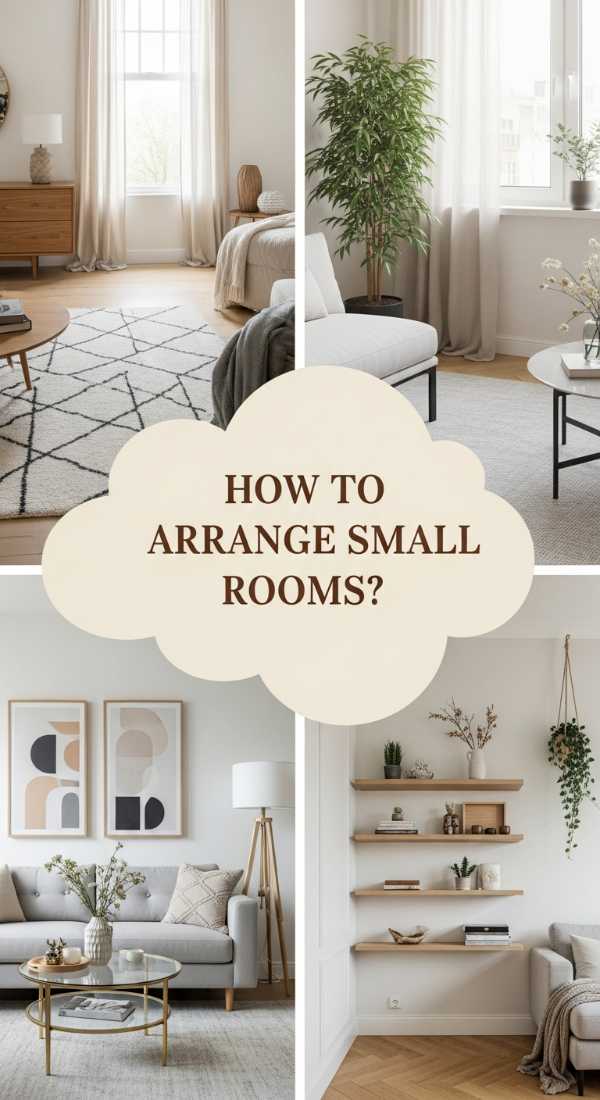
How to Arrange Minimalist Living Room Small Spaces for Flow

Why we love this
Flow is the invisible ingredient that makes a house feel like a home. We love a well-arranged small space because it removes the physical ‘stumbling blocks’ that cause daily stress. When a room flows perfectly, you move through it with a sense of grace, never bumping into a corner or having to squeeze past a chair. It’s the feeling of openness and breathability that makes even the smallest apartment feel like a sanctuary, allowing energy (and conversation) to circulate freely around the room.
Essential Elements:
- Circular coffee tables
- Floating shelves
- Negative space (empty corners)
- Clear pathways (36-inch rule)
- Zone-defining rugs
How to make it
- Map your ‘traffic patterns’ by walking through the room as you normally would; use painter’s tape on the floor to mark out clear 3 feet wide paths that must remain unobstructed.
- Soften the ‘angles’ by swapping rectangular tables for round or oval ones, which allows for smoother movement around the furniture and prevents ‘visual jams.’
- Utilize vertical space by installing floating shelves at eye level, ‘lifting’ the decor off the floor to keep the ground plane clear and open.
- Observe the ‘breathe’ rule: ensure every piece of furniture has at least 3-5 inches of space between it and the wall, creating a sense of lightness and ‘air’ around the items.
- Define functional ‘zones’ with rugs, but keep the rug colors similar to the floor color to maintain a seamless, flowing visual transition from one area to the next.
How to Blend Minimalist and Cozy Textures for a Warm Room

Why we love this
This is where the ‘cozy’ in cozy minimalism really comes to life. We love blending textures because it adds depth and ‘soul’ to a room without needing more ‘stuff.’ It’s the contrast between a smooth, cool leather chair and a chunky, hand-knit wool blanket. It’s the way a soft sheepskin rug feels under bare feet on a chilly morning, paired with the rustic, earthy feel of a clay pot. This layering creates a rich, sensory experience that invites you to linger, making the minimalism feel intentional and warm rather than sparse.
Essential Elements:
- Chunky knit throws
- Linen toss pillows
- Woven baskets
- Sheepskin or faux-fur rugs
- Bouclé upholstery
How to make it
- Start with a ‘base layer’ of smooth, flat-weave fabrics on your main furniture pieces to maintain the clean minimalist silhouette.
- Apply ‘textural friction’ by layering a high-pile throw or a bouclé pillow onto the smooth surface; the difference in ‘feel’ creates visual interest without color clutter.
- Incorporate ‘natural warmth’ by adding woven seagrass or rattan baskets for storage; the organic, irregular weave breaks up the straight lines of minimalist design.
- Introduce ‘tactile luxury’ with a small sheepskin rug draped over a wooden bench or chair, providing a soft landing spot and a boost of physical warmth.
- Keep the ‘mix’ balanced by limiting yourself to three different textures per room, ensuring they stay within the same tonal family to keep the look cohesive and calm.
How to Choose Room Decor Minimalist Colors for Serenity
Why we love this
Color has the power to instantly lower your heart rate. We love minimalist color palettes because they mimic the soothing tones found in nature—the soft gray of a river stone, the warm cream of sun-bleached wood, or the deep forest green of a distant mountain. When your walls and furniture share a harmonious, low-contrast palette, the boundaries of the room seem to melt away. You’re left in a soft, hazy cocoon of serenity where your mind can finally rest and recuperate from the vibrant, overstimulating world outside.
Essential Elements:
- Warm whites (e.g., Swiss Coffee or Alabaster)
- Greige (Gray-Beige) tones
- Soft sage or muted terracotta
- Matte finishes
- Natural wood tones
How to make it
- Determine the ‘undertone’ of your natural light; if your room faces north, choose ‘warm’ whites with yellow or pink bases to counteract the blue light.
- Apply the ’60-30-10′ rule with a minimalist twist: use 60% of your primary neutral, 30% of a secondary neutral, and only 10% of a muted ‘nature-inspired’ accent color.
- Select matte paint finishes over gloss; matte surfaces absorb light rather than reflecting it, creating a ‘velvety’ wall appearance that feels much softer and more serene.
- Harmonize your ‘woods’ by ensuring the largest wooden elements (floors/tables) have similar undertones, which prevents the ‘visual noise’ of clashing timber colors.
- Test your colors at ‘peak’ times (midday and evening) to ensure the shades don’t turn ‘muddy’ or ‘cold’ as the sun moves, adjusting the ‘saturation levels’ as needed for constant calm.
How to Refresh a Minimalist Room with Seasonal Accents
Why we love this
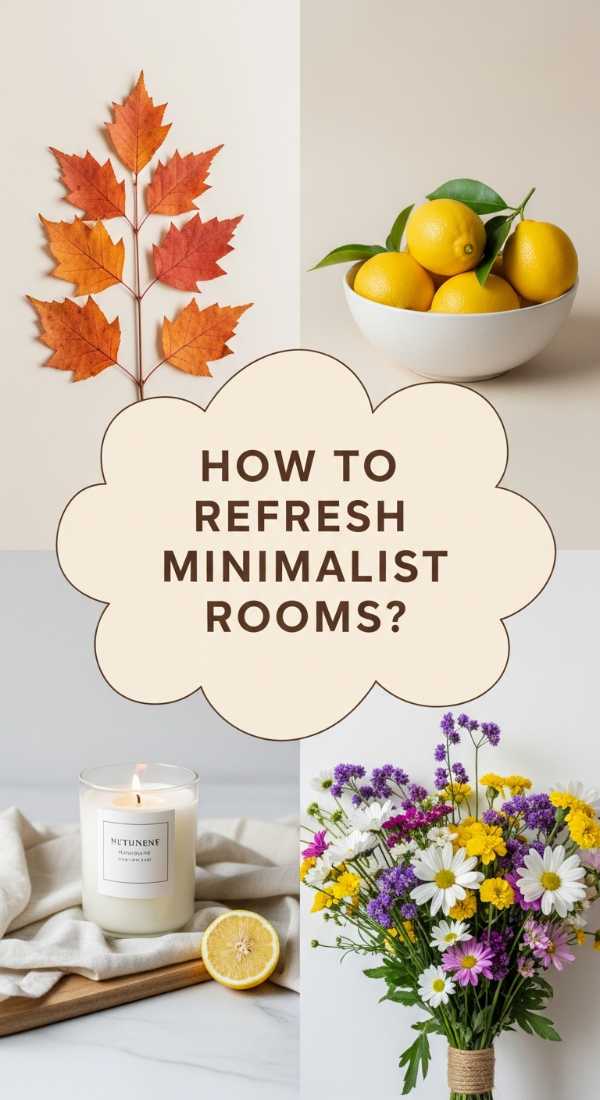
The beauty of a minimalist base is that it becomes a blank canvas for the changing seasons. We love seasonal refreshing because it keeps your home feeling alive and in sync with the rhythm of the year. It’s the simple joy of swapping a light linen throw for a heavy wool one as the first frost hits, or replacing a cedar candle with the scent of fresh-cut grass in the spring. These tiny, intentional shifts allow you to celebrate the ‘now’ without accumulating a attic full of seasonal plastic decor that you’ll only use once a year.
Essential Elements:
- Seasonal greenery (pine in winter, blossoms in spring)
- Scented soy candles
- Interchangeable pillow covers
- Seasonal fruit bowls (lemons, apples, or pinecones)
- Textured bed or sofa runners
How to make it
- Establish a ‘storage capsule’ for your seasonal items, keeping only enough to fill one small box, which forces you to be highly selective with your accents.
- Swap ‘scent profiles’ as the primary refresh tool; use ‘cool’ scents like eucalyptus in summer and ‘warm’ scents like cinnamon or woodsmoke in winter to change the room’s mood instantly.
- Use ‘nature’s bounty’ as your primary decor; a bowl of green apples in autumn or a vase of dried pampas grass in winter provides seasonal flair that is compostable and clutter-free.
- Switch out ‘pillow skins’ rather than buying new pillows; this ‘low-impact’ technique allows for a color change (e.g., burnt orange to sage green) without taking up storage space.
- Update the ‘weight’ of your textiles; thin out the room in the summer by removing heavy rugs or curtains, then ‘re-insulate’ with textures as the temperature drops.
How to Achieve a Cozy Minimalist Living Room on a Budget
[IMAGE_10]
Why we love this
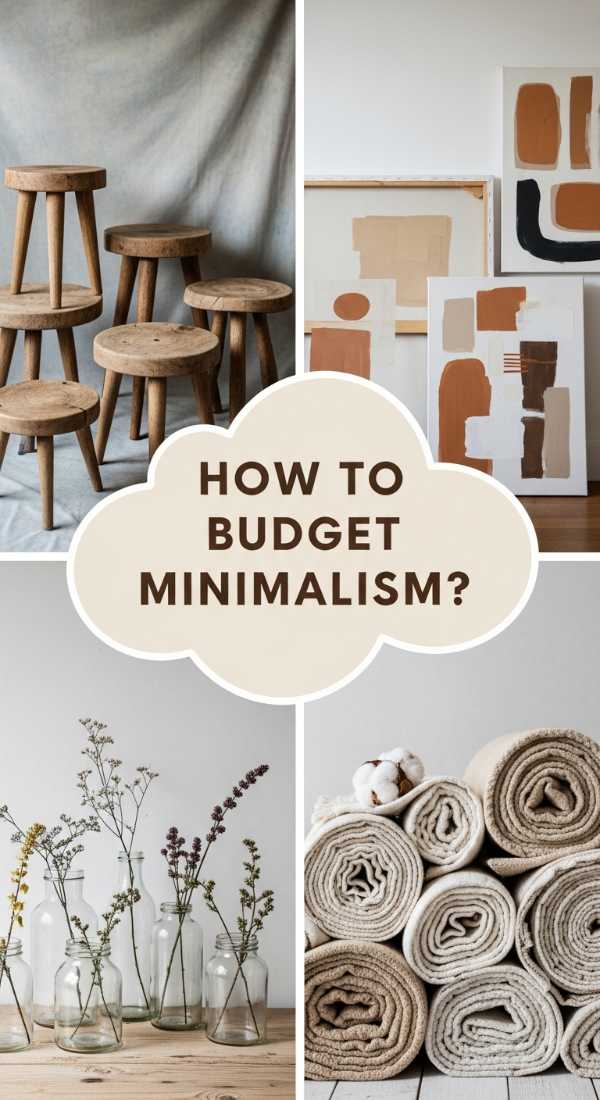
Minimalism is inherently budget-friendly because it’s about buying less, but doing it on a budget feels like a creative victory. We love this approach because it forces you to look at everyday objects with a designer’s eye and find beauty in the found, the thrifted, and the handmade. There is a deep satisfaction in transforming a $10 thrift store vase with a bit of ‘stone’ spray paint or finding the perfect discarded branch for your mantel. It proves that luxury and peace aren’t about the price tag, but about the care and intention you bring to your space.
Essential Elements:
- Thrifted ceramic finds
- DIY ‘textured’ art (spackle on canvas)
- Upcycled furniture
- Propagated houseplants
- Multi-purpose textiles
How to make it
- Perform a ‘shopping trip’ in your own home; move furniture from the bedroom to the living room or re-purpose a kitchen pitcher as a flower vase to refresh the space for free.
- Master the ‘thrift flip’ by hunting for high-quality silhouettes (like solid wood tables) and ‘updating’ them with a simple sanding and a clear matte wax finish.
- Create ‘designer’ wall art by applying common joint compound to a cheap canvas in abstract strokes, then painting it in a single neutral shade for a high-end textured look.
- Grow your own ‘decor’ by propagating plants like Pothos or Snake plants from cuttings; they add life and air-purification to the room at zero cost.
- Shop ‘end-of-season’ sales for your high-quality basics; invest in one ‘splurge’ item like a good rug when it’s at its lowest price, then build your minimalist room around it over time.
Embracing the Less-is-More Lifestyle
As we’ve explored today, cozy minimalism isn’t a destination you reach and then stop; it’s a living, breathing way of interacting with your surroundings. It’s a commitment to choosing peace over clutter and quality over quantity every single day. By focusing on these ten areas, you aren’t just decorating a room—you are designing a life that feels lighter, warmer, and more authentically you. So, take a deep breath, look around, and start with just one small corner. Your sanctuary is waiting for you.