

Clean Lines & Comfy Vibes: Your Roadmap to a Cozy Minimalist Home
Have you ever walked into a room and felt an immediate sense of peace wash over you, as if the walls themselves were exhaling? That is the magic of the cozy minimalist home. For years, I thought I had to choose between the stark, cold galleries of high-modernism or the cluttered, overwhelming warmth of a lived-in cottage. I spent my weekends shuffling piles of ‘stuff’ from one corner to another, never truly feeling like I could breathe. But then, I discovered the middle ground: a space where every item serves a purpose or sparks joy, yet everything is wrapped in soft textures and warm light.
Creating a cozy minimalist haven isn’t just about throwing away your belongings; it’s about intentionality. It’s about the way the afternoon sun hits a single, perfectly placed ceramic vase, or the feeling of your toes sinking into a high-pile wool rug after a long day. It’s about stripping away the noise so you can finally hear your own thoughts. In this guide, I’m sharing my secrets to achieving that elusive balance of clean lines and ‘stay-all-day’ comfort.
How to Style a Cozy Minimalist Living Room for Ultimate Relaxation
Why we love this
This setup is like a warm cup of herbal tea for the soul, blending the visual clarity of minimalism with the physical embrace of soft linens. Imagine leaning back against a oversized linen sofa while the scent of sandalwood and sea salt wafts through the air from a hidden diffuser. The texture of a hand-woven throw blanket against your skin provides a grounding weight, while the absence of visual clutter allows your eyes to rest on the gentle, organic curves of a wooden coffee table. It is a sensory sanctuary where the hum of the outside world simply fades into a quiet, rhythmic pulse of serenity.
Essential Elements:
- Neutral-toned linen sofa with deep seating
- Hand-woven wool or cotton throw blankets
- Solid oak or walnut low-profile coffee table
- Sandalwood or amber essential oil diffuser
- Soft, dimmable floor lamps with warm-spectrum bulbs
How to make it
- Begin by ‘clearing the palate’ of your room; remove every accessory until you are left with only the essential large furniture pieces to assess the flow.
- Position your primary seating toward the most natural light source, ensuring there is a clear ‘breathing’ perimeter of at least 18 inches around the furniture.
- Layer your ‘base’ texture by draping a heavy-weight knit throw over one corner of the sofa, letting it fall naturally to avoid a stiff, staged appearance.
- Adjust your lighting ‘temperature’ by swapping out cool white bulbs for warm 2700K LEDs, creating a golden-hour glow that mimics a setting sun.
- Season the space with scent; activate your diffuser 20 minutes before you intend to relax so the aroma has time to fully permeate the fabric fibers of the room.
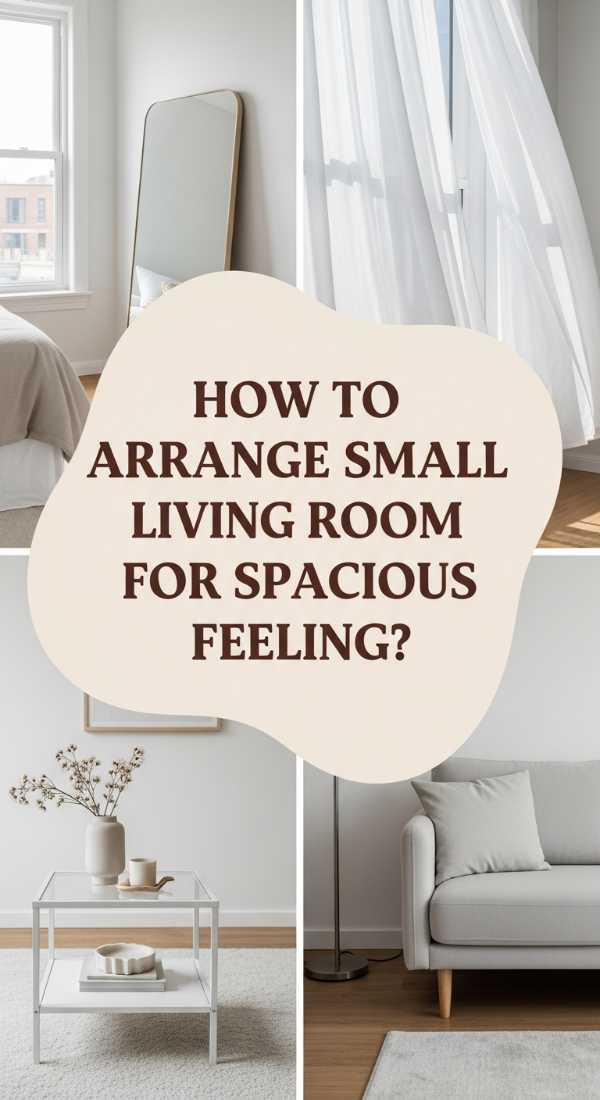
How to Arrange a Small Living Room for a Spacious Feeling
Why we love this
There is a profound joy in proving that ‘small’ doesn’t have to mean ‘stuffy.’ By prioritizing floor visibility and vertical lines, you create a room that feels light, airy, and surprisingly expansive. The sight of sunlight bouncing off a strategically placed mirror creates an illusion of depth that makes the walls seem to push outward. You feel a sense of lightness, as if the room is inhaling a deep breath of fresh air, allowing you to move freely without the constant fear of bumping into sharp corners or crowded surfaces.
Essential Elements:
- Furniture with raised legs (to show more floor)
- Large-scale wall mirror with a thin frame
- Translucent or sheer floor-to-ceiling curtains
- Acrylic or glass side tables
- Wall-mounted lighting fixtures
How to make it
- Measure your floor plan with precision, ensuring that the ‘path of travel’ is at least 3 feet wide to maintain a professional, uncrowded gallery feel.
- Select furniture with ‘exposed legs’ rather than skirted bases; this visual trick allows the eye to follow the floor to the wall, instantly doubling the perceived square footage.
- Mount a large mirror directly opposite your largest window to ‘harvest’ the light and reflect the outdoor view back into the darkest corners of the room.
- Install sheer curtains high above the actual window frame; this ‘vertical stretch’ technique draws the eye upward, making low ceilings feel like soaring lofts.
- Finalize the arrangement by removing one item you thought you needed; if the room feels ‘lighter’ after it’s gone, leave it out permanently.
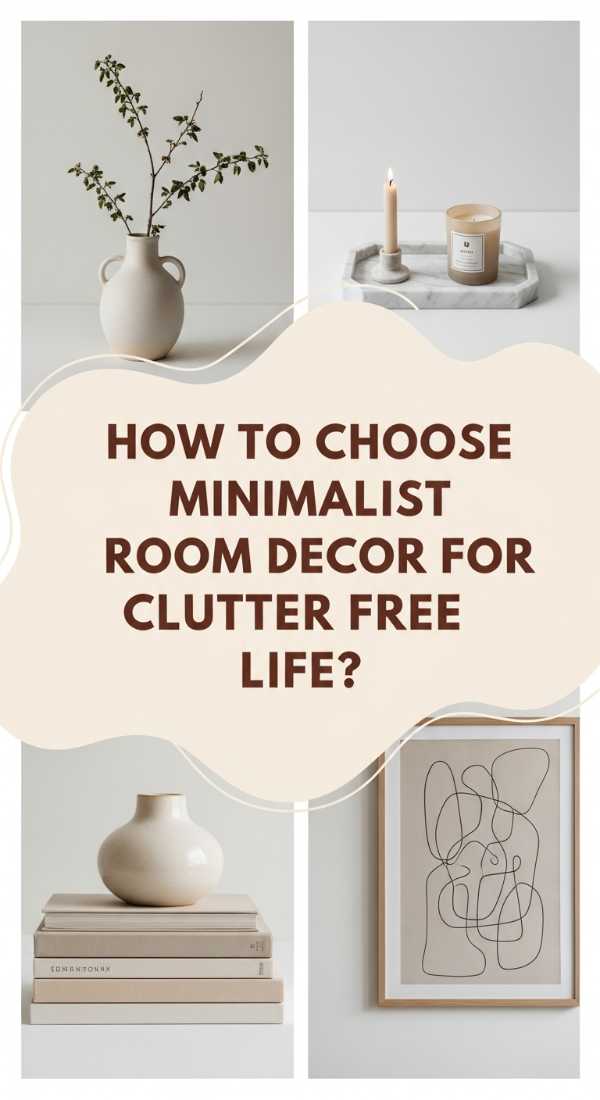
How to Choose Minimalist Room Decor for a Clutter Free Life

Why we love this
Curating decor with a minimalist mindset is an exercise in loving what you have more deeply. Every object on display becomes a focal point, telling a story of craftsmanship and intention. You’ll find yourself running your fingers over the smooth, matte glaze of a single handmade bowl or admiring the intricate grain of a reclaimed wood tray. This approach eliminates the ‘mental load’ of cleaning hundreds of knick-knacks, replacing it with a profound appreciation for the few items that truly resonate with your aesthetic soul.
Essential Elements:
- Matte-finish ceramic vases in earthy tones
- Stackable wooden trays for ‘corralling’ small items
- One or two high-quality art prints with ample white space
- Natural elements like dried pampas grass or a single branch
- Textured stone coasters
How to make it
- Perform a ‘utility audit’ on every decorative object; if it doesn’t serve a functional purpose or evoke a strong positive memory, move it to a ‘holding box’ for 30 days.
- Group your remaining essentials in ‘odd numbers’ (the rule of three); place a tall vase, a medium book, and a small stone together to create a balanced visual pyramid.
- Utilize trays as ‘boundaries’ for your surfaces; anything that doesn’t fit within the tray’s edges is considered excess and should be rehomed.
- Select a ‘hero’ piece of art—something large and impactful—rather than a gallery wall of small frames to keep the visual ‘noise’ at a minimum frequency.
- Regularly ‘prune’ your decor by rotating items seasonally, ensuring the space always feels fresh and never becomes stagnant with accumulated dust.
How to Create a Cozy Minimalist Haven for Peaceful Evenings
Why we love this
As the sun dips below the horizon, your home should transition into a cocoon of softness and shadow. This style prioritizes the ‘hygge’ factor—think flickering candlelight reflecting off polished surfaces and the muffled silence created by thick, plush rugs. It is an invitation to slow down, to put away the phone, and to sink into a state of restorative stillness. The atmosphere is thick with a sense of safety and quiet luxury, making every evening feel like a high-end spa retreat in the comfort of your own living room.
Essential Elements:
- Beeswax or soy candles in glass jars
- High-pile Moroccan or shag rugs
- Dimmable smart bulbs with ‘sunset’ modes
- Velvet or heavy cotton floor cushions
- A dedicated ‘tech-free’ wooden box
How to make it
- Set the ‘lighting foundation’ by turning off all overhead lights and using only floor-level lamps and candles to create a low-contrast, relaxing environment.
- Layer a plush rug over your existing hard flooring to act as a ‘sound dampener,’ absorbing the echoes of the day and softening the acoustics of the room.
- Establish a ‘digital sunset’ ritual by placing all devices in a beautiful wooden box at least one hour before bed, physically removing the temptation of blue light.
- Arrange floor cushions around a low coffee table to encourage a ‘grounded’ sitting posture, which is scientifically proven to lower heart rates.
- Light candles in clusters rather than scattered around the room; this creates ‘islands of light’ that draw people together into cozy, intimate circles.
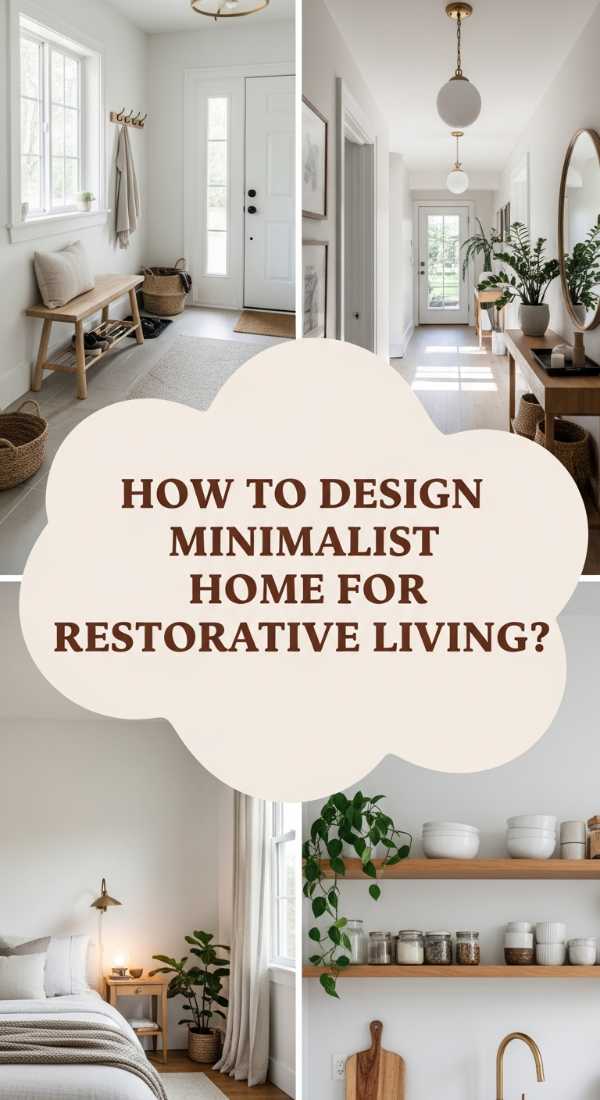
How to Design a Minimalist Home for Restorative Living
Why we love this
Designing for restoration means building a space that heals you while you inhabit it. We love the use of biophilic elements—bringing the outdoors in through lush greenery and raw, unrefined materials. The smell of fresh pine or eucalyptus mixed with the earthy scent of terracotta creates a grounding atmosphere. You feel connected to nature even in the heart of a city, finding peace in the organic imperfections of a live-edge table or the soft rustle of a monstera leaf in the breeze.
Essential Elements:
- Large indoor plants (Snake plant, Ficus, or Monstera)
- Terracotta or unglazed clay pots
- Furniture made from reclaimed or sustainable wood
- Natural fiber textiles (hemp, jute, organic cotton)
- Large windows with unobstructed views
How to make it
- Identify your ‘restoration zones’—areas where you perform self-care—and strip them of all electronics and plastic materials.
- Introduce ‘living air filters’ by placing large-leafed plants in corners; ensure they are in clay pots to allow the soil to breathe and release a natural, earthy aroma.
- Incorporate ‘tactile grounding’ by choosing a coffee table with a raw wood finish; touching natural materials helps regulate the nervous system.
- Keep window treatments minimal—use hidden tracks or simple rods—to maximize the ‘dose’ of Vitamin D and natural circadian rhythm cues from sunlight.
- Maintain the ‘restorative balance’ by ensuring that for every new item brought in, a non-natural or plastic item is removed from the space.
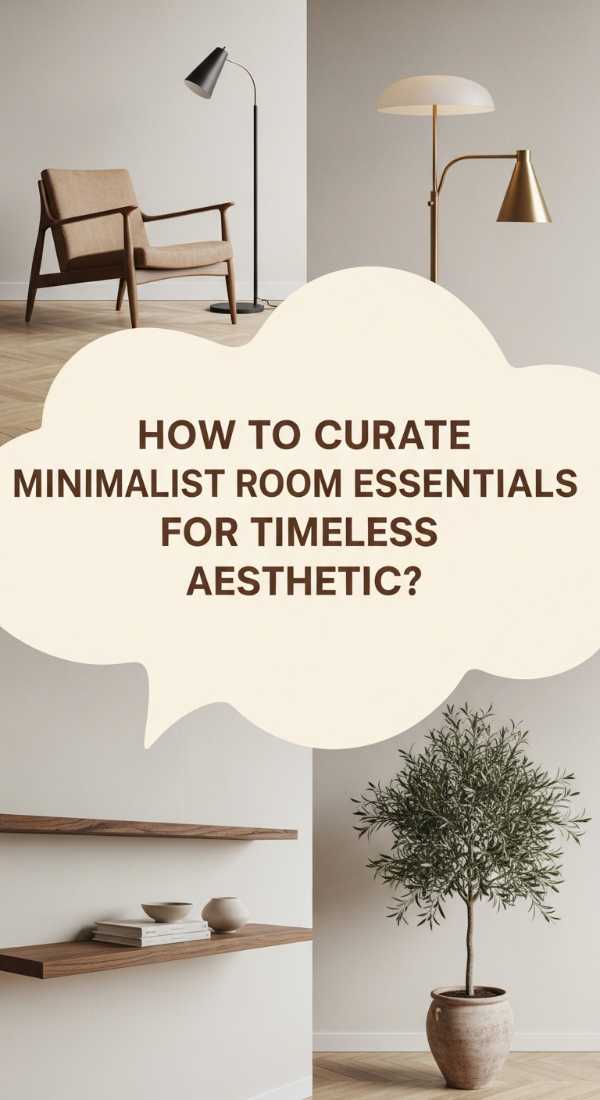
How to Curate Minimalist Room Essentials for Timeless Aesthetic

Why we love this
A timeless aesthetic is the ultimate antidote to the ‘fast furniture’ culture that leaves our homes feeling cheap and disposable. There is a deep satisfaction in owning a piece of furniture that you know will look just as elegant twenty years from now as it does today. We love the weight of a solid marble tray, the crispness of high-thread-count linen, and the way quality materials develop a beautiful patina over time. It’s an investment in your future peace, ensuring you never have to chase trends again.
Essential Elements:
- A classic mid-century modern lounge chair
- Marble or stone accent pieces
- 100% Belgian linen curtains or upholstery
- Hand-forged metal hardware (brass or matte black)
- A single, high-quality wool area rug
How to make it
- Invest in ‘anchor pieces’ first; choose a sofa with a classic silhouette and neutral upholstery that serves as the ‘foundation’ of your long-term design.
- Vet every material for ‘longevity’; prioritize solid wood over MDF and genuine stone over plastic laminates to ensure the items age gracefully.
- Stick to a ‘monochromatic plus one’ color palette—mostly whites, greys, and beiges with one consistent wood tone to keep the look cohesive through the years.
- Replace standard cabinet pulls and door handles with hand-forged metal versions; these small ‘touchpoints’ elevate the entire feel of the home.
- Evaluate your purchases with the ‘ten-year test’—if you can’t imagine loving the piece in a decade, it is not a minimalist essential.
How to Balance Minimalist Cozy Elements for a Warm Welcome
Why we love this
This balance is the secret sauce of a truly ‘viral’ home—it’s that feeling of a ‘hug in a room.’ We love how the clean, sharp lines of a modern entryway are softened by the presence of a chunky knit runner or the sight of a single, well-placed family photo in a simple frame. It’s welcoming without being cluttered, and sophisticated without being cold. It tells your guests, ‘I am organized and thoughtful, but you are more than welcome to kick off your shoes and stay a while.’
Essential Elements:
- Chunky knit wool rugs or runners
- A sleek wooden bench with a soft cushion
- Minimalist coat hooks in a warm wood or brass
- A bowl for keys made of tactile material like felt or wood
- Warm-toned wall art with personal significance
How to make it
- Create a ‘transition zone’ at the entrance; place a sleek bench where guests can sit, softening the hard lines with a single, high-quality velvet pillow.
- Balance the ‘cold’ surfaces (like tile or hardwood) with ‘warm’ textiles; a thick runner rug acts as a visual ‘welcome mat’ that dampens footsteps.
- Organize your entryway ‘miscellaneous’ items into a single, high-end bowl; this contains the clutter while making the items look like an intentional collection.
- Use ‘scent-scaping’ by placing a subtle reed diffuser near the door with notes of vanilla or cedarwood to create an immediate sense of ‘home.’
- Keep the walls mostly clear, but choose one ‘heart-centered’ photo or piece of art to place at eye-level, giving the minimalist space a human pulse.
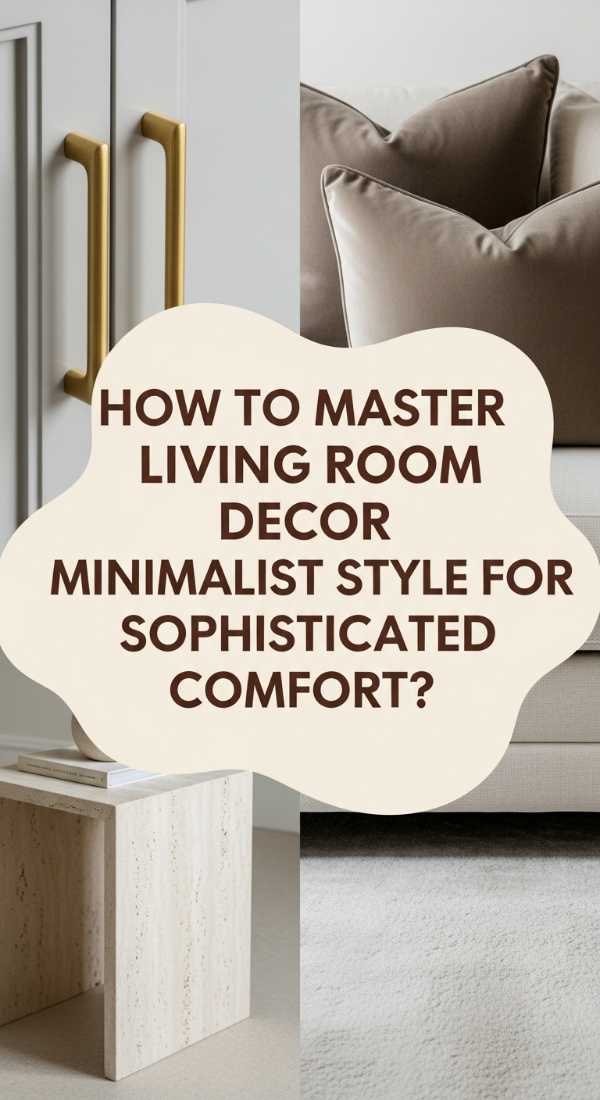
How to Master Living Room Decor Minimalist Style for Sophisticated Comfort
Why we love this
Sophisticated comfort is about the luxury of space and the quality of details. We love the intentional use of negative space—the ‘quiet’ parts of the wall that allow your mind to wander. When you sit in a masterfully designed minimalist room, you feel like an architectural element yourself. The sleekness of a low-profile chair paired with the richness of a cashmere throw creates a juxtaposition that feels incredibly high-end yet entirely approachable. It’s the visual equivalent of a perfectly tailored silk suit.
Essential Elements:
- Architectural lighting (think sculptural floor lamps)
- Cashmere or high-end wool throws
- Low-profile, modular seating systems
- Custom-built floating shelves
- Neutral-toned coffee table books with beautiful spines
How to make it
- Focus on ‘form over fashion’; choose furniture with interesting silhouettes that act as art pieces themselves, reducing the need for extra decor.
- Utilize ‘negative space’ as a design element; leave at least one wall almost entirely bare to serve as a ‘visual reset’ for the eyes.
- Implement ‘modular’ furniture that can be reconfigured; this allows the room to evolve with your needs without adding more ‘stuff.’
- Style your shelves with ‘breathing room’—leave 30% of each shelf empty to avoid that ‘cramped’ look and keep the atmosphere sophisticated.
- Incorporate ‘hidden tech’; use cable management boxes and hide televisions in cabinetry to ensure the sleek lines of the room aren’t broken by wires.
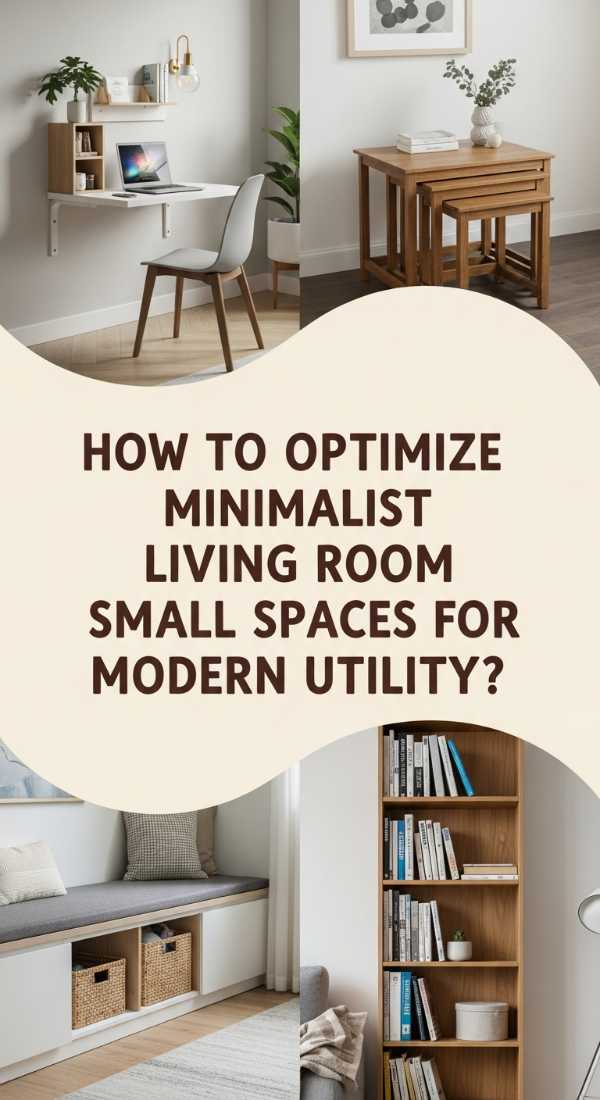
How to Optimize Minimalist Living Room Small Spaces for Modern Utility

Why we love this
In a world of remote work and multi-functional living, utility is the new luxury. We love the ‘transformer’ nature of these spaces—how a sleek console can become a desk, or a storage ottoman can provide extra seating. There is a satisfying ‘click’ when everything has a designated home, and nothing is wasted. It’s about being smart with your square footage so that your environment works for you, rather than you working to maintain your environment.
Essential Elements:
- Nesting tables that can be tucked away
- Wall-mounted drop-leaf desks
- Ottomans with internal storage compartments
- Floating shelves for vertical storage
- Multi-functional furniture (like a sofa bed or storage bench)
How to make it
- Audit your ‘daily zones’; if you work from home, ensure your ‘desk’ is a wall-mounted piece that can be folded up at 5 PM to ‘shut down’ the workday visually.
- Use ‘nesting’ furniture that expands only when guests arrive, keeping the floor clear for your daily movement and yoga practice.
- Optimize ‘dead space’ by installing floating shelves high up near the ceiling; this provides storage for less-used items without encroaching on living space.
- Choose ‘double-duty’ decor; a beautiful wooden stool can serve as a side table most days and as an extra seat for dinner parties.
- Keep a ‘one-in, one-out’ policy strictly enforced in small spaces to prevent the ‘clutter creep’ that ruins a minimalist utility layout.
How to Achieve a Minimalist Cozy Vibe for Daily Joy
[IMAGE_10]
Why we love this
Ultimately, a home is a place for living, and the cozy minimalist vibe is all about maximizing daily joy. We love the ritualistic feel of a clean kitchen counter with a single beautiful coffee press, or the comfort of a reading nook that consists only of a chair, a lamp, and your favorite book. It’s about stripping away the distractions of ‘home maintenance’ and replacing them with moments of presence. It’s a lifestyle that says your time and your peace are the most valuable things you own.
Essential Elements:
- A high-quality ceramic coffee or tea set
- A designated ‘quiet corner’ with a comfortable chair
- Organic cotton bed linens
- Hand-poured candles with natural scents
- Soft, dimmable mood lighting
How to make it
- Create ‘joy stations’—small areas dedicated to your favorite rituals, like a coffee station or a reading nook, and keep them impeccably curated.
- Prioritize ‘sensory touchpoints’; invest in the items you touch most often, like your bedding and your favorite mug, choosing the highest quality materials.
- Practice ‘evening reset’ habits; spend 10 minutes every night putting everything back in its place so you wake up to a ‘clean slate’ every morning.
- Use lighting to signal ‘joy times’; have a specific lamp you only turn on when it’s time to read or relax, anchoring that feeling to the visual cue.
- Continuously ‘edit’ your life; if an item no longer brings you joy or serves a purpose, let it go with gratitude to make space for more peace.
Conclusion
The journey to a cozy minimalist home is not a destination, but a beautiful, ongoing practice of choosing ‘better’ over ‘more.’ It is about creating a space that reflects the quietest, most peaceful version of yourself. As you implement these steps, remember that your home should be a sanctuary, not a showroom. Let your personality shine through the textures, the light, and the carefully chosen items that make your heart feel full. Happy decorating, and here’s to a life lived with clean lines and very, very comfy vibes.