

Blooming Nostalgia: How to Master the Vintage Floral Bedroom Look
Do you ever find yourself daydreaming about a time when life moved a little slower, and every corner of a home felt like it had a story to tell? I remember walking into my grandmother’s guest room as a child; the air always smelled faintly of dried lavender and pressed rose petals, and the bed was a mountain of soft, flowery quilts that felt like a giant hug. That sense of ‘blooming nostalgia’ is more than just a decor trend; it’s about reclaiming a sense of comfort and timeless beauty in our fast-paced, digital world.
Creating a vintage floral bedroom isn’t about making a room look like a dusty museum. It’s about layering history, texture, and botanical charm to create a sanctuary that feels both lived-in and luxurious. Whether you are drawn to the moody drama of Victorian gardens or the sun-bleached sweetness of a 1940s cottage, there is a floral aesthetic that will make your heart skip a beat. Let’s dive into how we can bring that garden-fresh, vintage magic into your sleeping space.
How to Design a Vintage Floral Bedroom for Timeless Elegance
Why we love this
There is an undeniable grace in a room that balances the wildness of nature with the refined structure of classic design. We love this approach because it feels permanent and soulful, evoking the sensory experience of a quiet morning in an English manor. You can almost feel the smooth, cool touch of antique mahogany furniture against the soft, matte texture of high-thread-count cotton sheets. The aroma of old books and fresh peonies fills the air, creating an atmosphere where time seems to stand still and every nap feels like a royal indulgence.
Essential Elements:
- Dark wood bed frame or wrought iron headboard.
- Fine-line botanical prints (think scientific illustrations).
- Neutral base colors like cream, taupe, or soft slate.
- Symmetrical furniture layout for a formal feel.
- Crystal or brass lighting fixtures.
How to make it
- Select your anchor piece: Choose a bed frame with historical weight, such as a four-poster wood frame or a spindle-style metal bed. Ensure the finish is matte rather than high-gloss to maintain that ‘aged’ look.
- Establish a neutral foundation: Paint your walls in a warm off-white or a very pale ‘parchment’ grey. This provides a clean canvas that prevents the floral patterns from feeling cluttered or overwhelming.
- Apply the ‘Rule of Three’ for florals: Select one large-scale floral print for your primary duvet, a medium-scale print for a throw pillow, and a tiny, ‘ditsy’ print for the bed skirt. This creates a visual hierarchy that looks professional and curated.
- Incorporate ‘weighted’ textures: Add a heavy wool throw or a pair of velvet drapes. The visual cue for ‘doneness’ here is when the room feels grounded and not too ‘floaty’ or light.
- Finish with curated art: Hang framed botanical prints in a grid pattern. Use matching frames to keep the look elegant rather than eclectic.
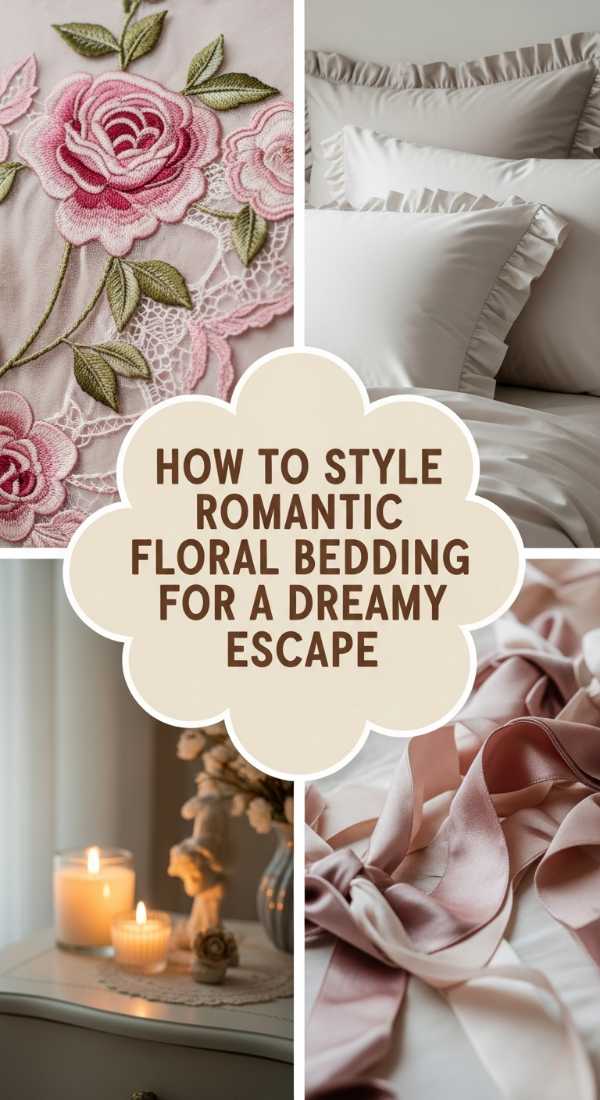
How to Style Romantic Vintage Floral Bedding for a Dreamy Escape
Why we love this
This look is the personification of a love letter. It’s all about softness, ruffles, and the hazy glow of a sunset filtering through sheer curtains. We love the way the light catches the delicate folds of a floral duvet cover, making the room feel like a soft-focus dream. The texture is a symphony of brushed cotton and linen, providing a tactile experience that is incredibly soothing to the skin after a long day. It smells like rosewater and clean laundry, offering a sensory retreat that encourages deep rest and romantic thoughts.
Essential Elements:
- Ruffled pillow shams and duvet borders.
- Soft pastel floral patterns (pinks, peaches, and lavender).
- Sheer lace or chiffon window treatments.
- Distressed white or ‘shabby chic’ furniture.
- Aromatic candles or diffusers with floral notes.
How to make it
- Start with a high-loft duvet: The key to the romantic look is volume. Use a duvet insert that is one size larger than your cover to create a plump, cloud-like appearance.
- Layer your pillows: Place two large European shams against the headboard, followed by two standard floral shams, and finish with a decorative ‘boudoir’ pillow. This ‘staircase’ effect adds depth and invitation.
- Incorporate ruffles and pleats: Look for bedding that features ‘waterfall’ ruffles. The professional tip here is to steam the ruffles after washing so they drape gracefully rather than looking crumpled.
- Soft lighting setup: Replace bright white bulbs with warm-toned LEDs. Use pleated fabric lampshades to diffuse the light, creating a soft, romantic amber glow across the floral patterns.
- Add a vintage vanity: Place a small wooden desk or vanity with a floral runner near the bed to reinforce the ‘feminine retreat’ theme.
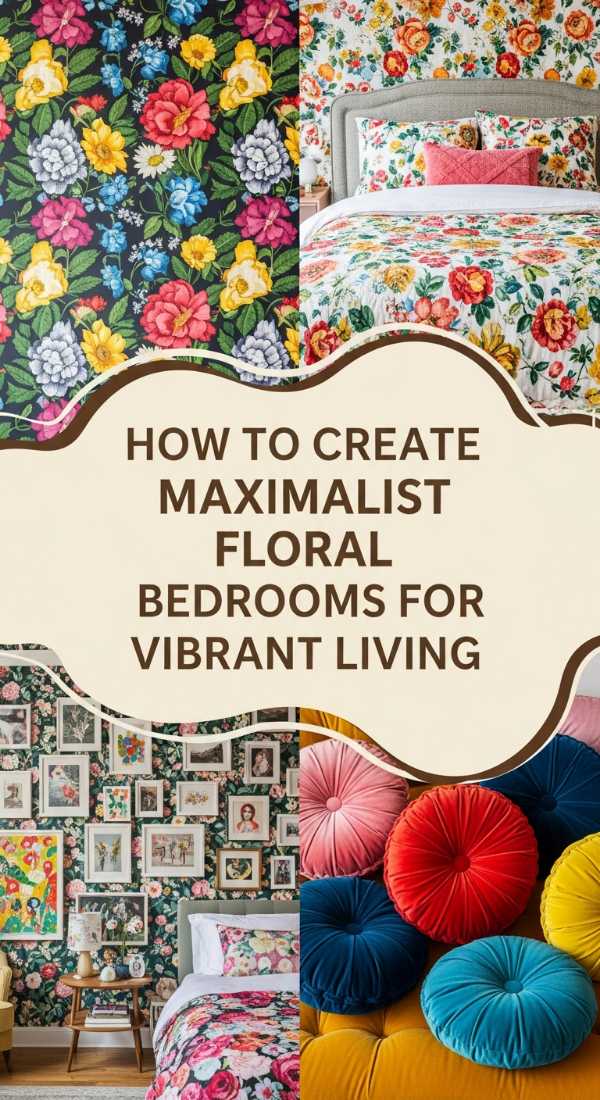
How to Create a Maximalist Floral Bedroom Aesthetic for Vibrant Living
Why we love this
Maximalism is a celebration of life, and floral patterns are the perfect vehicle for this exuberant style. We love the sensory overload of walking into a room where every surface tells a story of color and growth. The air feels electric and energized, smelling of spicy carnations and citrus. The textures are varied and bold—from embroidered silk to heavy brocade—giving the space a ‘treasure box’ feel. It’s a confident look that rejects the ‘less is more’ philosophy in favor of a lush, vibrant environment that inspires creativity every morning.
Essential Elements:
- Bold, large-scale floral wallpaper.
- Contrasting color palettes (e.g., navy and orange, emerald and pink).
- Layered rugs with clashing patterns.
- Ornate, gilded mirrors and frames.
- Abundant decorative objects and ‘maximalist’ clutter.
How to make it
- Commit to the walls: Start by applying a bold floral wallpaper on all four walls. Choose a pattern with a dark background to make the floral colors ‘pop’ with high intensity.
- Mix, don’t match: Select bedding that shares at least one color with the wallpaper but features a different floral style. For example, pair a watercolor floral wall with an embroidered folk-art floral quilt.
- Layer the floor: Place a large, patterned Persian rug down first, then layer a smaller floral-shaped rug or a faux-fur pelt on top at an angle. This builds the ‘more-is-more’ texture from the ground up.
- Scale your accessories: Use oversized lamps and large-scale art. Small items get lost in a maximalist room; you want items that can hold their own against the bold patterns.
- Balance with ‘Resting Points’: Even in maximalism, the eye needs a place to rest. Include a few solid-colored velvet pillows in a jewel tone to break up the patterns and signify the ‘completion’ of the design phase.
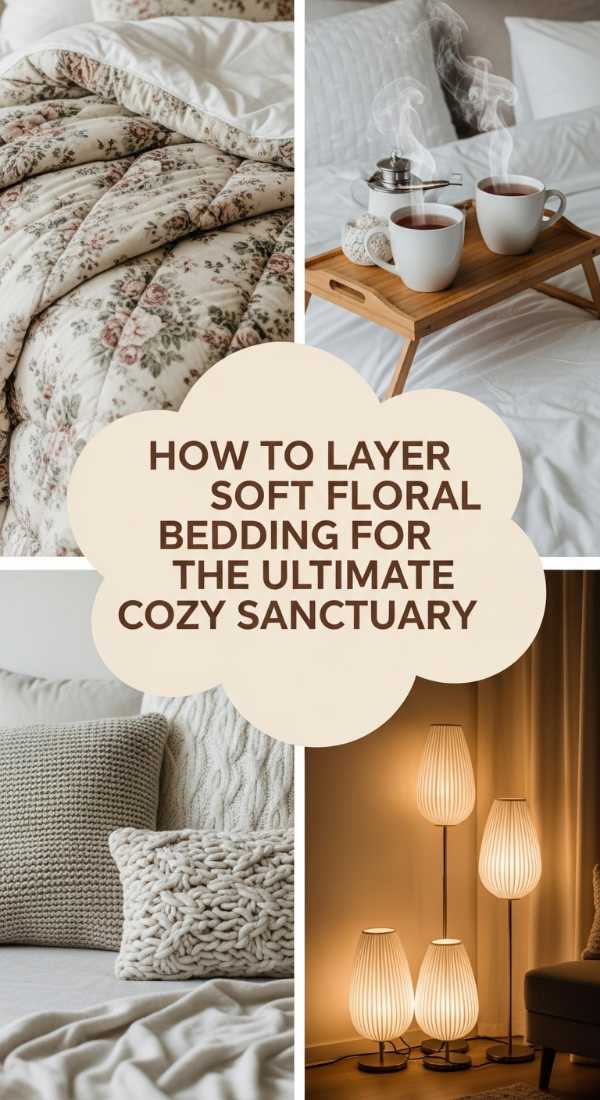
How to Layer Soft Floral Bedding for the Ultimate Cozy Sanctuary
Why we love this
There is nothing quite like the feeling of burrowing into a bed that has been layered with intention and care. This aesthetic focuses on the ‘nesting’ instinct, where florals provide a visual softness that matches the physical plushness of the blankets. We love the way a layered bed holds heat and releases the comforting scent of fabric softener and home. The tactile variety—a mix of quilted cotton, knitted wool, and smooth percale—creates a sensory playground that makes leaving the bed in the morning the hardest part of your day.
Essential Elements:
- Quilted floral coverlets.
- Chunky knit throw blankets.
- Fitted sheets in a contrasting tiny floral print.
- Multiple layers of varying weights.
- A padded or upholstered headboard.
How to make it
- The Base Layer: Start with high-quality floral percale sheets. The ‘snap’ of crisp sheets provides the first layer of sensory satisfaction.
- The Middle Weight: Add a lightweight floral quilt or coverlet. Fold this back halfway down the bed to reveal the sheets underneath, creating a ‘layered’ look.
- The Warmth Layer: Add a heavy duvet at the foot of the bed, folded into thirds. This provides weight for the feet and an extra layer of visual volume.
- The Texture Topper: Drape a chunky, hand-knit wool throw over one corner of the duvet. The contrast between the intricate floral print and the heavy, bumpy knit is a professional stylist’s secret.
- Visual Check: The bed is ‘done’ when it looks about 50% taller than a standard bed. If it looks flat, add another layer or fluff the existing ones.
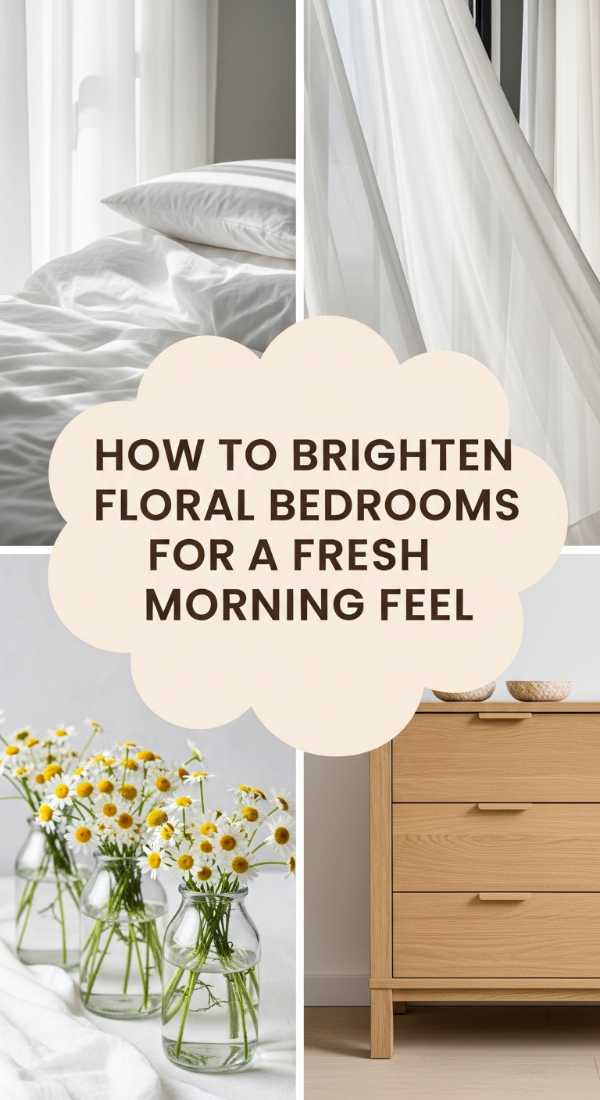
How to Brighten a Floral Bedroom for a Fresh Morning Feel

Why we love this
This look is like a breath of fresh air on a spring morning. It’s crisp, clean, and invigorating, focusing on white backgrounds and vibrant, ‘living’ floral colors. We love how this aesthetic amplifies natural light, making the flowers on the bedding seem to glow as the sun hits them. The aroma is clean and zesty, like lemon peel and freshly cut grass. The textures are light and breathable, such as linen and thin cotton, ensuring that you wake up feeling refreshed rather than weighed down by heavy decor.
Essential Elements:
- White or cream-based floral prints.
- Lightweight linen curtains.
- Mirrored surfaces to bounce light.
- Fresh green plants to complement the floral prints.
- Minimalist white furniture.
How to make it
- Optimize natural light: Remove heavy drapes and replace them with sheer white linen panels. This allows maximum light to enter while maintaining privacy.
- Choose ‘Airy’ Florals: Select bedding where the floral pattern has plenty of ‘white space’ around the blooms. This prevents the room from feeling ‘stuffy’ or dark.
- Incorporate reflective elements: Place a large mirror opposite the window. This doubles the visual impact of the floral patterns and the natural light.
- Use ‘Fresh’ accents: Decorate with white ceramic vases and light-toned wood. Avoid dark mahogany or heavy brass, which can dampen the bright energy of the room.
- The Morning ‘Visual Cue’: The room is balanced when the white surfaces appear to ‘glow’ during peak daylight hours. If any corner feels shadowy, add a small white lamp or a bright floral art piece.
How to Incorporate Antique Lace with Floral Bedding for a Victorian Vibe

Why we love this
There is a hauntingly beautiful, heirloom quality to the combination of intricate lace and vintage florals. It evokes the feeling of a Victorian manor house, full of secrets and handcrafted treasures. We love the tactile contrast between the raised, bumpy patterns of the lace and the smooth, printed floral cotton. The scent associated with this look is sophisticated and deep—think amber and sandalwood. It creates a space that feels dignified and incredibly personal, as if every piece was carefully selected and passed down through generations.
Essential Elements:
- Lace-trimmed pillowcases or flat sheets.
- Crocheted bedspreads or ‘antimacassars’.
- Moody, dark floral prints (burgundy, forest green).
- Ornate dark wood furniture.
- Vintage lace doilies for nightstands.
How to make it
- Source authentic textures: Look for ‘Venetian’ or ‘Chantilly’ style lace. Incorporate this through lace-edged flat sheets that are folded over a darker floral duvet.
- The ‘Peeking’ Technique: Place a lace-trimmed sheet under a heavy quilt. Pull the sheet up and fold it over the top of the quilt by about 6 inches so the lace is the star of the show near the pillows.
- Balance the ‘Dainty’ with ‘Heavy’: To avoid the room looking too fragile, pair delicate lace with a heavy, dark-toned floral rug or dark wood bed frame.
- Add a ‘Lace Canopy’: For a true Victorian feel, drape a large piece of vintage lace over a bed crown or the top of a four-poster bed.
- Aged Visual Cue: The room is ready when it feels ‘textured.’ Run your hand over the bed; you should feel the transition from smooth cotton to the intricate ridges of the lace.
How to Bring the Garden Indoors for a Lush Bedroom Retreat
Why we love this
This aesthetic blurs the line between the bedroom and a secret garden, creating a literal ‘living’ room. We love the oxygen-rich, earthy atmosphere that comes from mixing floral textiles with actual living plants. The sensory experience is profound: the damp earth smell of potted ferns, the soft rustle of leaves in the breeze, and the cool touch of terracotta. It feels like a sanctuary hidden away from the city, where you can breathe deeply and reconnect with the rhythms of nature without ever leaving your bed.
Essential Elements:
- Botanical wallpaper with vine or leaf motifs.
- Living indoor plants (ferns, ivy, peace lilies).
- Natural wood and wicker furniture.
- Bedding with realistic, ‘wildflower’ prints.
- Terracotta or clay decorative accents.
How to make it
- The Green Base: Start by placing large potted plants, like a Fiddle Leaf Fig or a Monstera, in the corners of the room to provide height and a ‘canopy’ feel.
- Coordinate the Prints: Choose floral bedding that features green stems and leaves prominently. This ‘tethers’ the fabric patterns to the real plants in the room.
- Natural Textures: Replace metal or plastic items with wicker baskets, jute rugs, and raw wood nightstands. This reinforces the ‘outdoor’ sensory experience.
- Layer ‘Living’ Art: Use wall-mounted planters or ‘living walls’ alongside floral paintings. This creates a 3D effect where the garden feels like it’s growing into the room.
- Maintenance Visual Cue: The room is ‘done’ when every sightline includes at least one piece of greenery (real or printed). Ensure all plants are dusted to keep that ‘lush’ and healthy look.
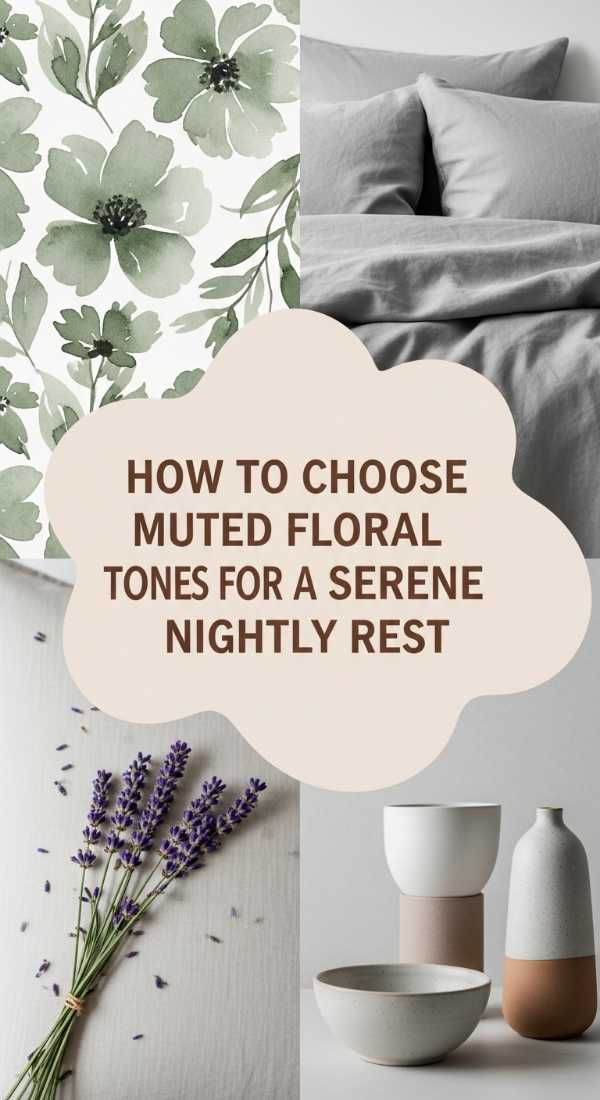
How to Choose Muted Floral Tones for a Serene Nightly Rest
Why we love this
Sometimes, the world is too loud, and we need our bedroom to be a visual whisper. Muted florals—think sage green, dusty rose, and faded denim—offer a sense of serenity that is deeply calming. We love the ‘sun-bleached’ look of these textiles, which feel soft to the touch as if they’ve been washed a thousand times. The aroma is clean and mild, like chamomile tea. It’s a sophisticated, understated take on the floral trend that focuses on peace and quietude rather than high-energy pattern play.
Essential Elements:
- Desaturated color palette (greys, olives, dusty pinks).
- Matte fabrics like linen or washed cotton.
- Simple, unadorned furniture lines.
- Soft, diffused lighting (no harsh overheads).
- Minimalist floral art.
How to make it
- Select a ‘Dusty’ Palette: Look for bedding labeled as ‘garment washed’ or ‘vintage wash.’ These fabrics have a naturally muted, matte finish that doesn’t reflect light.
- Limit Pattern Contrast: Use patterns that have a low contrast between the flower color and the background color (e.g., light grey flowers on a charcoal background). This is easier on the eyes.
- Incorporate ‘Soft’ Woods: Use furniture made of light oak or birch. These ‘quiet’ woods complement the muted tones without adding visual noise.
- Monochromatic Layering: Layer different shades of the same muted color. For example, a sage floral duvet with a solid olive green throw and forest green pillows.
- The ‘Zen’ Check: The room is ready when you walk in and feel an immediate drop in your heart rate. If a color feels too ‘bright,’ swap it for a greyer version of that hue.
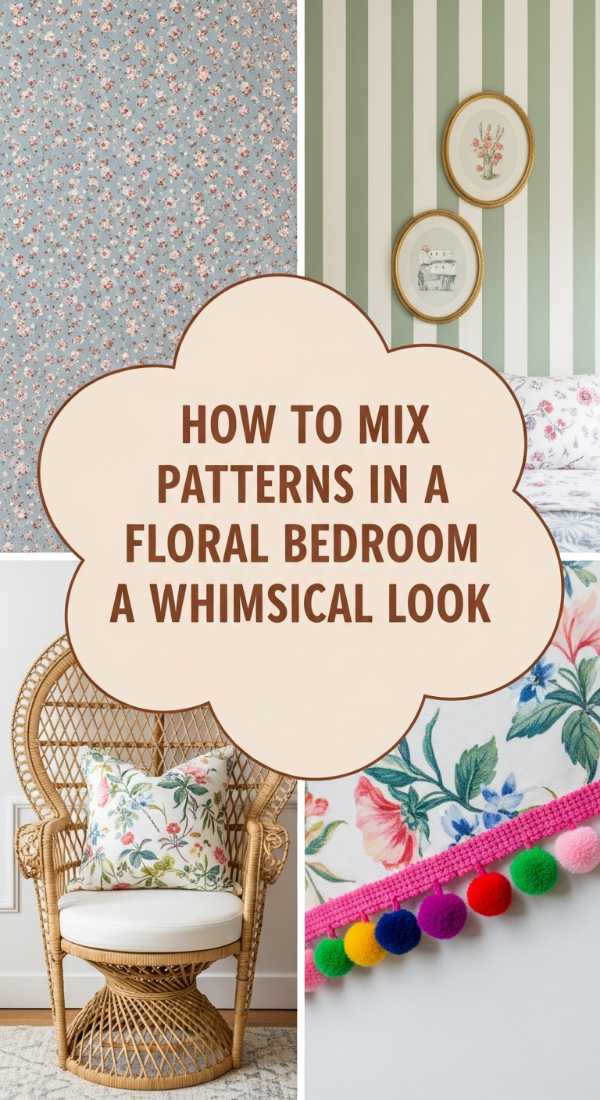
How to Mix Patterns in a Floral Bedroom for a Whimsical Look

Why we love this
This approach is all about playfulness and personality, creating a room that feels like a scene from a whimsical storybook. We love the ‘happy accident’ feel of mixing stripes, checks, and florals; it breaks the rules in the best possible way. The sensory experience is one of discovery—your eyes are constantly finding new details and charming combinations. It smells like a mix of wildflowers and old-fashioned candy, and the textures are as varied as the patterns, making the space feel energetic, creative, and uniquely yours.
Essential Elements:
- A mix of large-scale florals and small-scale stripes.
- Gingham or checkered accents (pillows or curtains).
- Bright, eclectic color combinations.
- Hand-painted furniture.
- Quirky, vintage accessories (antique toys, colorful clocks).
How to make it
- The Anchor Pattern: Start with your largest floral print (usually the duvet). This is your ‘boss’ pattern that dictates the color palette for the rest of the room.
- The Geometric Counterpart: Add a geometric pattern like stripes or gingham in the same color family. If your floral has pink roses, use a pink and white striped sheet set.
- Scale Variation: Ensure each pattern is a different size. Pair a ‘jumbo’ floral with a ‘mini’ check and a ‘medium’ stripe. This prevents the patterns from ‘fighting’ each other.
- Bridge with Solids: Use solid-colored pillows or a throw to act as a ‘buffer’ between two busy patterns. This makes the mix look intentional rather than messy.
- The ‘Whimsy’ Test: If the room makes you smile when you walk in, you’ve nailed it. The professional visual cue is a ‘balanced chaos’ where no single pattern dominates the entire view.
How to Add Velvet Accents to Floral Bedding for High-End Comfort
[IMAGE_10]
Why we love this
Adding velvet to a floral bedroom is like adding a heavy silk ribbon to a bouquet of wildflowers—it elevates everything. We love the sheer indulgence of velvet; its weight and sheen provide a luxurious ‘high-end’ feel that contrasts beautifully with the humble cottage vibe of floral cotton. The texture is incomparable—cool and smooth one way, fuzzy and warm the other. It smells like luxury and expensive perfume, creating a ‘boudoir’ atmosphere that makes you feel like the protagonist of a high-society period drama.
Essential Elements:
- Velvet throw pillows in jewel tones (emerald, ruby, sapphire).
- A heavy velvet quilt or ‘bed runner’.
- Velvet-upholstered headboard or bench.
- Rich floral prints with dark, moody backgrounds.
- Gold or brass accents for extra glamour.
How to make it
- Choose ‘Jewel’ Tones: Pick a color from your floral bedding (like the deep red of a rose or the dark green of a leaf) and find velvet accessories in that exact shade to create a cohesive, expensive look.
- The ‘Weight’ Placement: Place a heavy velvet quilt at the foot of the bed. The weight of the velvet helps the bedding ‘hang’ perfectly, giving it a tailored, professional appearance.
- Texture Interaction: Place a smooth silk floral pillow next to a matte velvet pillow. The way they play with light creates a sophisticated visual depth.
- Upholstery Update: If possible, add a velvet-covered bench at the end of the bed. This extends the ‘luxury’ texture beyond the mattress and into the rest of the room.
- Visual Cue for Luxury: The room is ‘done’ when the bed has a slight ‘sheen’ from the velvet, catching the light and drawing the eye toward the center of the room.
Conclusion: Embracing Your Own Blooming Nostalgia
Mastering the vintage floral look is less about following a set of rigid rules and more about following your heart. Whether you prefer the quiet serenity of muted tones or the bold energy of maximalist patterns, the goal is to create a space that feels like a true reflection of your personality and a sanctuary for your soul. By layering textures, playing with light, and honoring the beauty of the natural world, you can transform your bedroom into a timeless retreat that offers comfort, beauty, and a little bit of magic every single night. Happy decorating!