
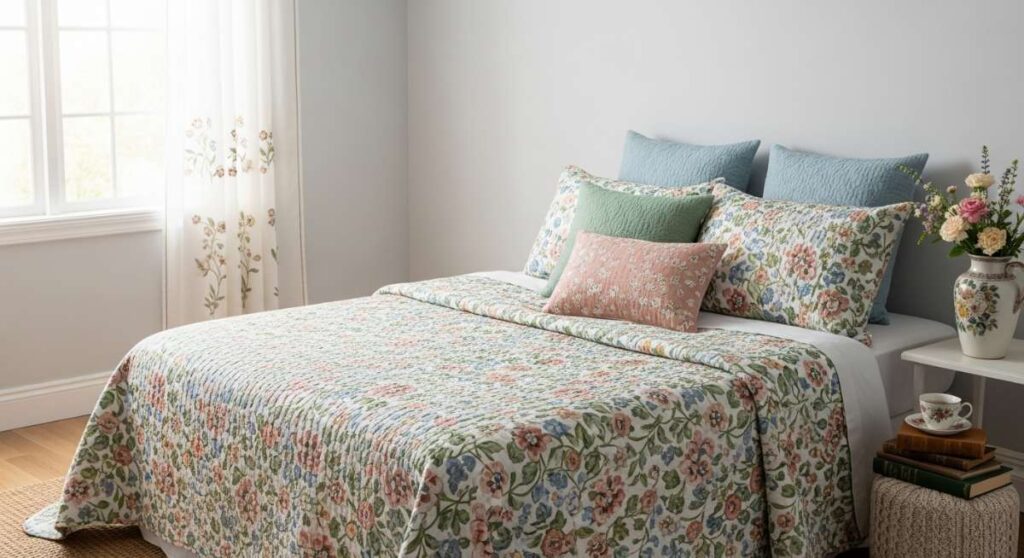
Bloom Where You Sleep: Creating a Vintage Floral Sanctuary
Close your eyes and imagine stepping into a sun-drenched cottage garden at dusk, where the scent of wild roses hangs heavy in the air and the world outside simply ceases to exist. There is a profound, soul-deep comfort in surrounding ourselves with the organic beauty of nature, especially in the one place where we are meant to find total restoration: our bedrooms. For me, the vintage floral aesthetic isn’t just about decor; it’s about curate a feeling of timelessness and peace that anchors us in an increasingly digital world.
Creating a vintage floral sanctuary is like writing a love letter to the past while embracing the soft, tactile needs of the present. It’s about the way a faded cabbage rose print catches the morning light, or how a crisp linen sheet feels against your skin after a long day. We aren’t just choosing patterns; we are layering memories, textures, and atmospheres to create a cocoon that nurtures our dreams. Let’s dive into how you can transform your sleeping space into a blooming haven of comfort and style.
How to Create a Romantic Floral Sanctuary for Cozy Evenings
Why we love this
There is something inherently poetic about a room that feels like it’s perpetually in bloom, even when the stars are out and the candles are lit. This look captures the essence of a moonlit garden, blending deep, moody floral patterns with the soft glow of amber lighting to create an intimate atmosphere that invites long conversations and deep rest. We love the way the rich velvets interact with delicate petals, creating a sensory experience that feels both opulent and grounded. It’s the ultimate way to decompress, surrounding yourself with the visual equivalent of a warm hug and the soothing aroma of dried lavender and old books.
Essential Elements:
- Deep-toned floral wallpaper or tapestries
- Velvet throw pillows in burgundy or dusty rose
- Dimmable amber-toned bedside lamps
- Heavy linen curtains to block out the modern world
- Aromatherapy diffusers with rose or sandalwood oils
How to make it
- Begin by prepping your ‘base layer’ by choosing a focal wall for your floral pattern; ensure the surface is clean and primed to allow the patterns to pop without distraction.
- Simmer the lighting levels by replacing harsh white bulbs with warm-spectrum LEDs (2700K), which act as the ‘low heat’ setting for your visual atmosphere.
- Fold in your textiles by layering a heavy quilt over your bed, ensuring the floral print is the star while the solid colors provide a stabilizing ‘dough’ for the eyes.
- Garnish the space with vintage brass accents; the metallic sheen acts like a finishing salt, reflecting the soft light and adding a touch of regal elegance.
- Finalize the prep by ‘seasoning’ the air with a botanical room spray, ensuring the scent profile matches the visual weight of your floral choices.
How to Style Vintage Floral Bedding for a Timeless Look

Why we love this
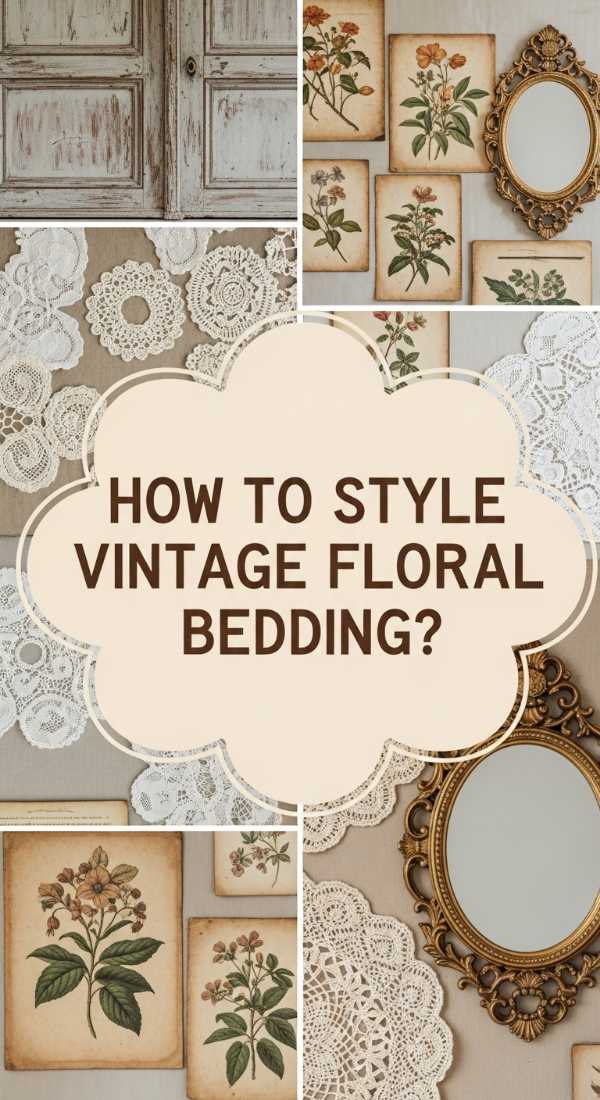
Vintage floral bedding is the heartbeat of this aesthetic, offering a nostalgic nod to the past without feeling dated or dusty. When styled correctly, these patterns bring a rhythmic, organic energy to the room that mimics the natural flow of a wildflower meadow. We love the tactile contrast between a crisp percale floral sheet and a chunky knit throw, providing a variety of surfaces that keep the eye moving and the body comfortable. It’s a timeless choice because it bridges the gap between generations, feeling as fresh today as it did in a mid-century manor, provided you balance the prints with the right proportions.
Essential Elements:
- High-thread-count cotton sheets with micro-floral prints
- A reversible duvet cover with large-scale botanical illustrations
- Standard and king-sized shams in coordinating patterns
- A solid-colored bed runner to ground the busy prints
- Delicate lace-trimmed pillowcases for a touch of heritage
How to make it
- Start by ‘kneading’ the bed frame into position, ensuring it is centered and provides a sturdy foundation for the layers to come.
- Apply your ‘primer’ layer with a fitted sheet in a neutral tone, then whisk in the flat sheet with the floral side facing down so the pattern reveals itself when folded back.
- Temper the visual intensity by choosing a duvet cover where the floral scale is different from the sheets; a large-scale print over a micro-print creates a ‘chef’s kiss’ level of professional layering.
- Emulsify the textures by adding two large European shams at the back, followed by your standard floral pillows, creating a gradient of height and volume.
- Check for ‘doneness’ by standing at the door; if the patterns look chaotic, add a solid-colored throw at the foot of the bed to act as a visual palette cleanser.
How to Achieve French Country Elegance with Floral Textures
Why we love this
French Country style is all about that ‘perfectly imperfect’ look that feels both sophisticated and lived-in. By incorporating floral textures—think raised embroidery, jacquard weaves, and quilted surfaces—you add a three-dimensional quality to your sanctuary that mimics the rustic charm of a Provençal farmhouse. We love this approach because it relies on the play of light across different fabrics rather than just high-contrast colors. It creates a soft, tactile landscape that feels expensive but approachable, where the scent of fresh baguettes and field lavender seems to linger just out of reach.
Essential Elements:
- Quilted bedspreads with scalloped edges
- Toile de Jouy floral patterns in muted blues or greys
- Weathered wood furniture with carved floral motifs
- Wrought iron bed frame for a rustic foundation
- Dried flower bouquets in ceramic pitchers
How to make it
- Set your ‘oven’ to a neutral temperature by painting the walls in a soft cream or ‘greige’ to allow the French floral textures to take center stage.
- Sift through your fabric choices, prioritizing natural fibers like flax linen and cotton duck that have a visible, rustic grain.
- Layer your quilted bedspread over the bed, ensuring the ‘rise’ is even on both sides and the scalloped edges drape gracefully toward the floor.
- Infuse the room with ‘floral spice’ by adding a distressed wooden bench at the foot of the bed, perhaps with a hand-painted vine detail.
- Monitor the consistency by ensuring no more than three different floral textures are competing; you want a harmonious blend, not a ‘clumpy’ design.
How to Bring the Garden Indoors for a Natural Sleep Environment
Why we love this
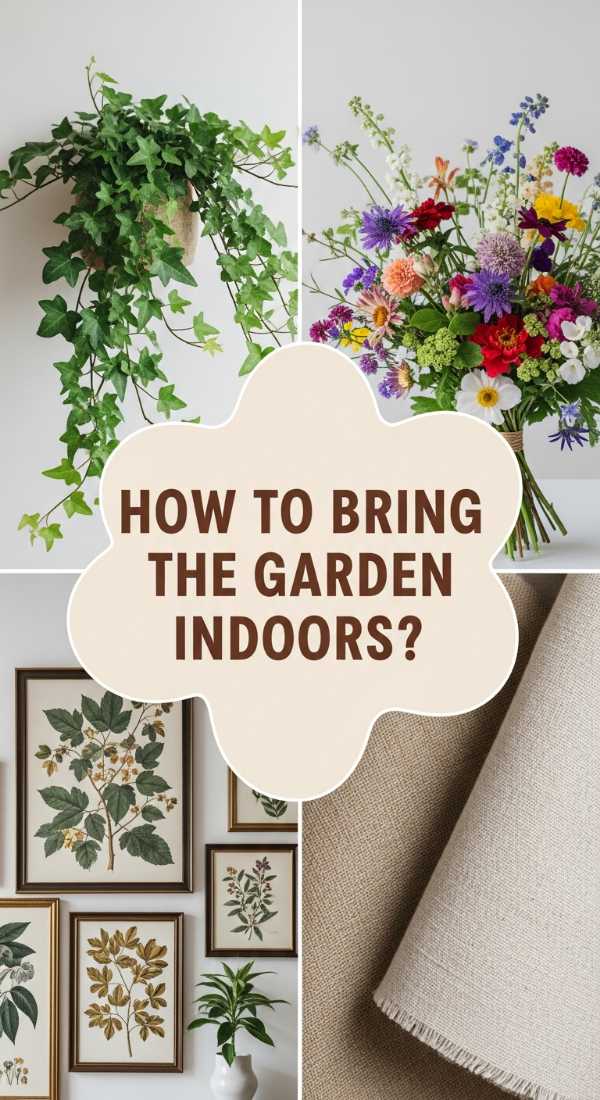
There is a biological peace that comes from being surrounded by greenery, and bringing the garden indoors is the ultimate way to bio-hack your way to a better night’s sleep. This aesthetic uses floral patterns to bridge the gap between your indoor sanctuary and the wild world outside, creating a seamless transition that lowers cortisol and invites deep breathing. We love the freshness of this look; it feels like the room is ‘inhaling,’ with botanical prints that look like they were plucked straight from a Victorian herbarium. It’s a vibrant, living space that celebrates growth and the cyclical beauty of the seasons.
Essential Elements:
- Botanical art prints featuring scientific plant names
- Live potted plants like Jasmine or Lavender for scent
- Floral patterns featuring greenery and vines rather than just petals
- Rattan or wicker furniture for an organic feel
- Sheer green or white curtains that mimic garden light
How to make it
- Clean your ‘ingredients’ by dusting all surfaces and ensuring windows are crystal clear to maximize the ‘natural light’ ingredient.
- Plant your seeds by placing live greenery at varying heights—floor plants, bedside succulents, and hanging ivy—to create a multi-level canopy.
- Marinate the walls with botanical illustrations framed in simple oak or pine, creating a gallery wall that serves as a visual herb garden.
- Adjust the ‘hydration’ levels of the room by using a humidifier, which keeps both your skin and your live floral elements flourishing.
- Finish by ‘plating’ the bed with linens that feature vine-heavy patterns, ensuring the colors reflect the lush greens of your live plants.
How to Design a Serene Floral Bedroom for Total Peace of Mind
Why we love this
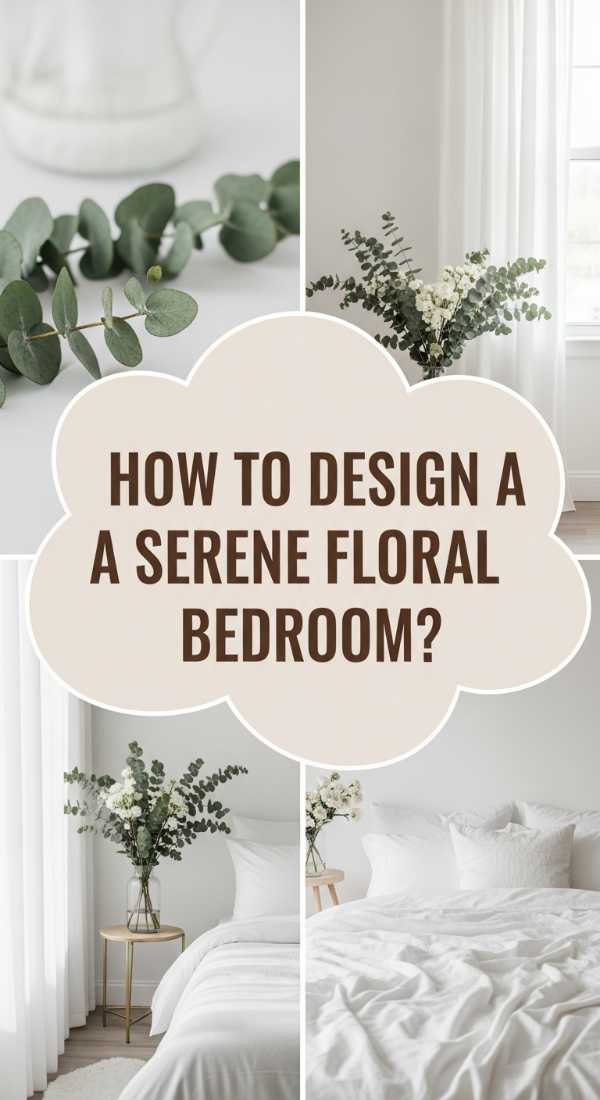
In a world that is often loud and chaotic, a serene floral bedroom acts as a visual ‘mute’ button. By choosing florals in monochromatic or highly desaturated palettes, you get the beauty of the pattern without the overstimulation of bright colors. We love the way a soft, pale peony print can make a room feel like it’s wrapped in a cloud, providing a space where your mind can finally stop racing. It’s about the quiet luxury of subtle details—the whisper of a floral print on a silk pillowcase or the delicate curve of a porcelain vase—all working together to create a sanctuary of total mental clarity.
Essential Elements:
- Monochromatic floral patterns (white on white or cream on cream)
- High-quality silk or satin bedding in pale tones
- Minimalist furniture with clean lines
- Soft, plush area rugs in neutral colors
- Candles with clean, light floral scents like Lily of the Valley
How to make it
- Preheat the room’s serenity by decluttering all surfaces; a serene floral aesthetic requires plenty of ‘negative space’ to breathe.
- Choose a ‘base stock’ of soft white or pale grey for the walls and large furniture pieces to provide a calming backdrop.
- Slow-cook the design by introducing florals through subtle textures, such as a white-on-white jacquard duvet that reveals its pattern only when the light hits it.
- Whisk in a single accent color—like a very pale sage or lavender—to give the room a hint of ‘flavor’ without overpowering the senses.
- Visual cues for doneness: The room should feel light and airy; if it feels ‘heavy,’ remove one decorative element until the balance is restored.
How to Layer Pastel Floral Linens for a Dreamy Escape

Why we love this
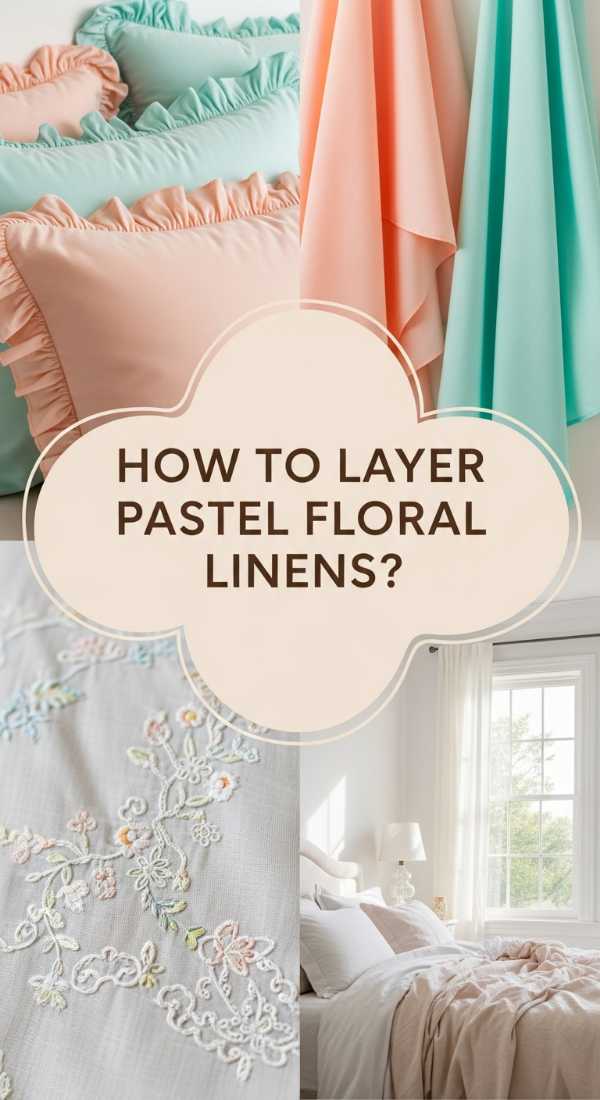
Pastel florals are the epitome of ‘sweetheart’ decor, offering a whimsical and dreamy escape from the mundane. This look reminds us of strawberry cream, morning mist, and the first blooms of April, bringing a sense of hope and lightness to the bedroom. We love layering these soft hues—mint, peach, and baby blue—because they play so well together, allowing you to mix multiple floral patterns without the space feeling heavy. It’s a playful yet sophisticated way to embrace your inner romantic, creating a bed that looks like a giant, soft confection that you can’t wait to dive into at the end of the day.
Essential Elements:
- Pastel-toned floral sheets and pillowcases
- Lightweight cotton quilts in contrasting pastel shades
- Tulle or lace bed canopy
- Decorative birdcages or vintage vanity sets
- Watercolor-style floral wall art
How to make it
- Start with a ‘batter’ of soft pastel sheets; don’t be afraid to mix a peach floral bottom sheet with a mint floral top sheet.
- Layer in a ‘filling’ of a medium-weight quilt in a solid pastel shade to act as a bridge between the different floral patterns.
- Frost the bed with a variety of decorative pillows in ‘candy’ colors, ensuring they vary in shape (rounds, squares, and boudoirs).
- Infuse the room with ‘bubbles’ by hanging a sheer lace canopy over the bed, which diffuses the light into a soft, dreamy glow.
- Garnish with a vase of fresh tulips or carnations in coordinating pastel shades to bring the ‘recipe’ to life with real-world color.
How to Embrace Cottagecore Charm with Dainty Floral Details
Why we love this
Cottagecore is more than a trend; it’s a return to a simpler, more intentional way of living, and the bedroom is the perfect place to start. This look celebrates the ‘dainty’—the small-scale ditsy prints, the hand-stitched embroidery, and the humble materials that tell a story of craftsmanship. We love the cozy, ‘lived-in’ feel of a cottagecore floral room, where every item feels like it has a history. It’s the visual equivalent of a warm cup of herbal tea and a hand-knit blanket, offering a sense of security and charm that makes even the smallest apartment feel like a hidden countryside retreat.
Essential Elements:
- Ditsy floral prints (tiny, repeating flower patterns)
- Hand-embroidered linens or throw pillows
- Open shelving with vintage teacups and floral tins
- Natural wood finishes and hand-woven baskets
- Wall-mounted dried flower wreaths
How to make it
- Create a ‘homestead’ foundation by using a simple wooden or iron bed frame that doesn’t compete with the intricate dainty patterns.
- Stir in a variety of ditsy prints across your bedding; the ‘secret sauce’ here is keeping the color palette consistent (e.g., all warm earth tones) even if the patterns vary.
- Add a ‘pinch’ of handmade charm by displaying embroidered hoops on the wall or using a handmade quilt passed down through the family.
- Bring the ‘harvest’ in by using baskets for storage, filling them with extra floral blankets that ‘overflow’ slightly for a relaxed look.
- Monitor the ‘texture’ by ensuring everything feels soft and natural; avoid shiny synthetics which can ‘break’ the rustic cottagecore emulsion.
How to Incorporate Victorian Floral Patterns for a Regal Atmosphere
Why we love this
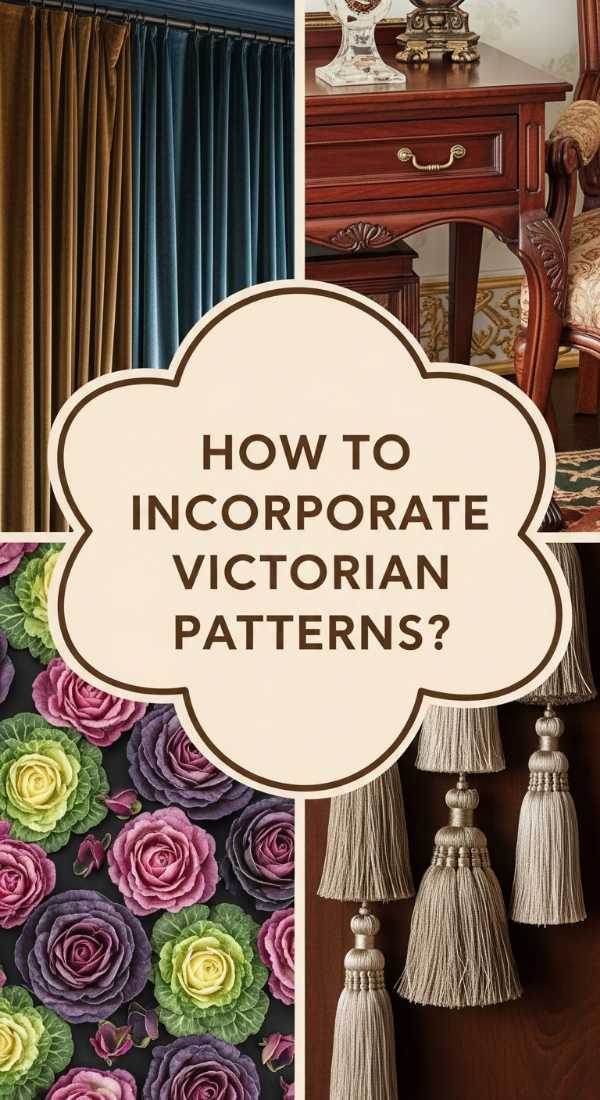
For those who crave a bit of drama and history, Victorian-style florals offer a regal, high-contrast aesthetic that feels incredibly indulgent. Think large, moody roses on dark backgrounds, intricate damasks, and heavy fabrics that command attention. We love this look because it turns the bedroom into a theatrical sanctuary, a place of mystery and elegance that feels entirely separate from the modern world. The richness of the patterns—often paired with gold leaf and dark wood—creates a ‘jewelry box’ effect, making every moment spent in the room feel like a special occasion.
Essential Elements:
- Dark-ground floral wallpaper (black, navy, or hunter green)
- Brocade or damask fabrics with floral motifs
- Ornate gold-framed mirrors and artwork
- Velvet upholstery with tufted details
- Crystal chandeliers or wall sconces
How to make it
- Prepare your ‘glaze’ by choosing a dark, moody paint or wallpaper for the walls, which will allow the floral patterns to ‘glow’ by comparison.
- Layer in ‘heavy cream’ textiles like velvet and silk, ensuring the floral patterns are bold and large-scale for maximum impact.
- ‘Sear’ the edges of the room with gold accents; use ornate frames and brass hardware to provide a sharp, regal contrast to the soft floral prints.
- Incorporate an antique ‘centerpiece’ like a carved mahogany wardrobe or an upholstered chaise lounge to anchor the Victorian theme.
- Balance the ‘richness’ by keeping the floor neutral with a dark wood or a simple Persian rug that shares a color with your floral patterns.
How to Refresh Your Space with Vibrant Floral Accents for Spring Renewal
Why we love this
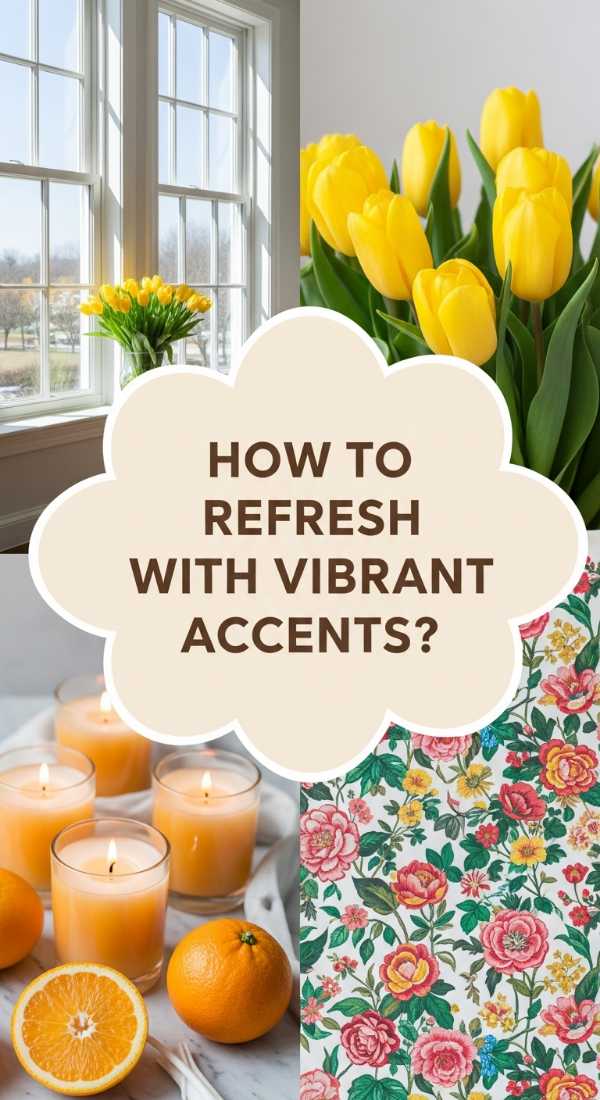
When the seasons change, our interiors should change with them, and there is no better way to signal spring than with vibrant, high-energy floral accents. This look is all about zest and vitality—using pops of yellow, bright pink, and lime green to wake up a tired room. We love how a few well-placed floral items can completely shift the energy of a space, making it feel lighter, faster, and more optimistic. It’s like a visual shot of espresso, providing a refreshing burst of color that celebrates the return of the sun and the renewal of the natural world outside your window.
Essential Elements:
- Brightly colored floral throw pillows and blankets
- Vibrant botanical wall decals or removable wallpaper
- Freshly cut flowers in colorful glass vases
- Lightweight, breathable fabrics like linen and muslin
- Citrus-scented candles or room diffusers
How to make it
- ‘Deglaze’ your winter decor by removing heavy blankets and dark textures to create a clean, light base for your spring refresh.
- Add ‘zest’ by introducing accent pillows with bold, graphic floral prints in primary or secondary colors.
- Flash-fry the room’s energy by swapping out heavy drapes for sheer, light-colored curtains that let in the maximum amount of ‘natural heat’ (sunlight).
- Introduce ‘fresh herbs’ by placing several small vases of seasonal blooms (daffodils, hyacinths) around the room to provide visual and olfactory highlights.
- Check the ‘brightness’ level; if the room feels too busy, use white bedding as a ‘neutralizer’ to let the vibrant accents stand out without clashing.
How to Blend Modern Accents with Floral Bedroom Aesthetic for a Fresh Vibe
[IMAGE_10]
Why we love this
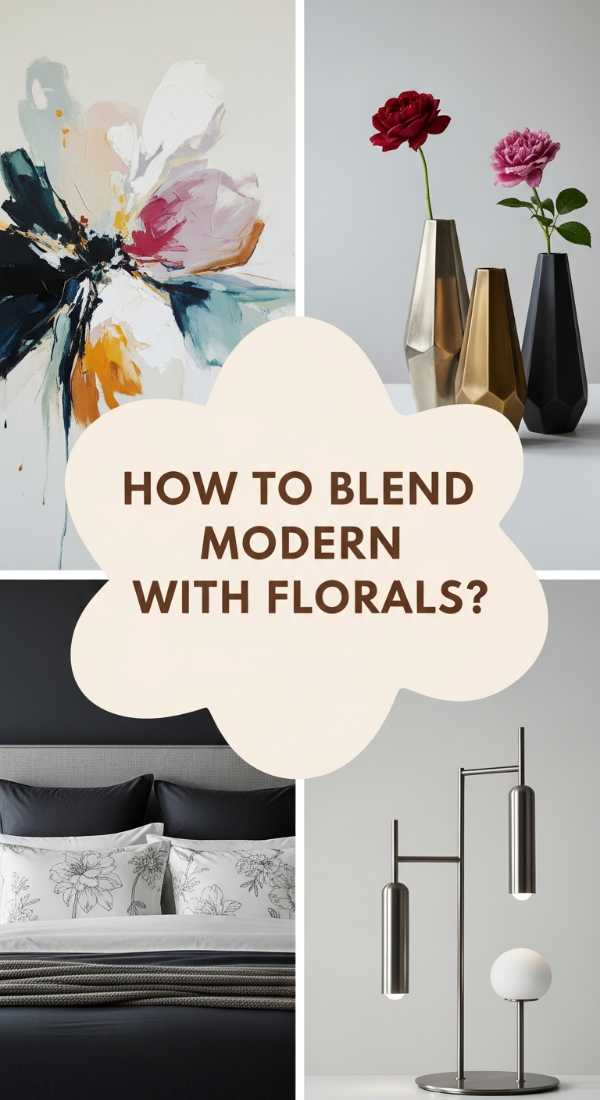
If you love florals but fear the ‘grandma’s house’ look, blending modern accents with vintage prints is the perfect solution. This ‘New Traditionalist’ approach takes the best of both worlds—the comfort of florals and the clean lines of modern design. We love the tension between a romantic floral duvet and a sleek, mid-century modern nightstand; it creates a space that feels curated and intentional rather than just a collection of antiques. It’s a fresh, edgy take on the sanctuary concept that proves florals can be contemporary, sophisticated, and incredibly cool when handled with a modern eye.
Essential Elements:
- Abstract floral prints or large-scale, stylized botanicals
- Modern furniture with tapered legs and clean silhouettes
- Industrial or minimalist lighting fixtures
- Geometric-patterned rugs to contrast with organic florals
- Metallic accents in matte black or brushed nickel
How to make it
- Set your ‘foundation’ with a piece of modern furniture, such as a platform bed or a sleek metal nightstand, to establish the ‘modern’ temperature.
- Fold in your florals using ‘contemporary cuts’—choose patterns that are more abstract or have a larger ‘white space’ between the flowers.
- Balance the ‘pH levels’ of the design by pairing an organic floral print with a geometric accent, such as a striped throw or a hexagon-patterned rug.
- Apply a ‘glaze’ of modern lighting; use a directional reading lamp or a minimalist pendant to provide a sharp counterpoint to the soft bedding.
- Final visual cue: The room should feel ‘balanced.’ If it feels too cold, add more floral ‘warmth’; if it feels too fussy, add more modern ‘structure.’
Conclusion
Creating a vintage floral sanctuary is a journey into the heart of what makes a home feel like a home. Whether you lean toward the moody drama of a Victorian manor, the sun-kissed charm of a French cottage, or the clean lines of a modern floral blend, the goal remains the same: to create a space that reflects your soul and offers a soft place to land. By layering textures, playing with scale, and treating your design process with the care of a master chef, you can transform your bedroom into a blooming haven that nourishes your spirit every single night. Bloom where you sleep, and let your dreams be as beautiful as your surroundings.