
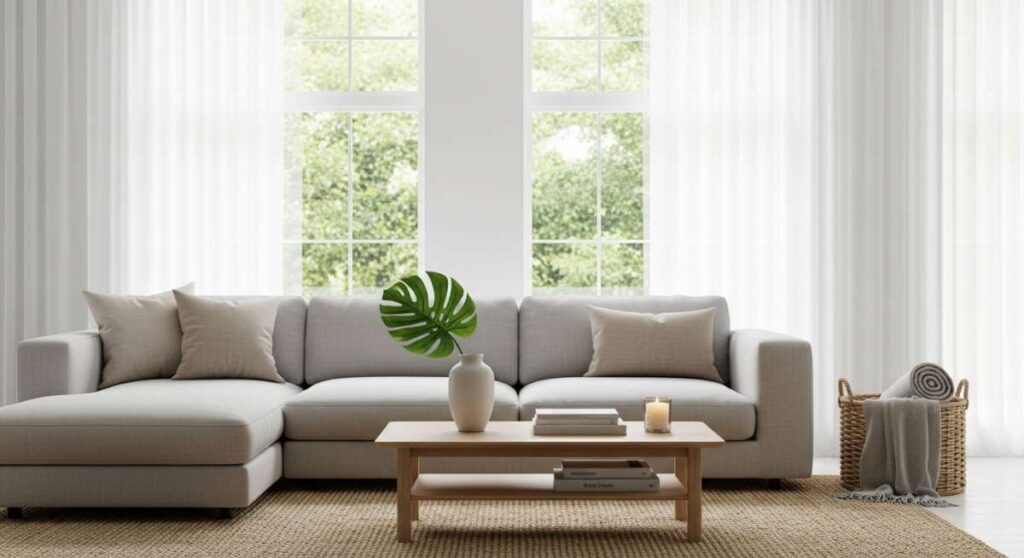
Aesthetic Living: Transforming Your Home into a Sanctuary
Have you ever stepped through your front door after a grueling day and felt an immediate wave of relief wash over you? That is the power of a sanctuary. Our homes are more than just four walls and a roof; they are the physical manifestation of our inner peace, the canvas upon which we paint our daily lives, and the soft landing pad for our weary souls. In a world that constantly demands our attention and energy, creating an aesthetic environment that resonates with your spirit isn’t just about ‘decorating’—it’s about radical self-care.
We often think that a dream home requires a massive budget or a professional designer, but the truth is far more intimate. It’s about the way the morning light catches a glass vase, the soft texture of a linen throw against your skin, and the intentional placement of a single green leaf. By curating our spaces with intention, we transform the mundane into the magical. Join me as we explore how to elevate every corner of your life, from the way you sleep to the way you entertain, turning your living space into a breathtaking retreat that feels exactly like home.
How to Style a Small Living Room for Effortless Entertaining

Why we love this
There is something incredibly intimate and charming about a small living room that hums with the sound of laughter and the clinking of glasses. We love this approach because it challenges the idea that ‘bigger is better,’ focusing instead on the warmth and connection that only a cozy space can provide. Imagine soft, ambient lighting casting long shadows across velvet pillows, the scent of fresh eucalyptus lingering in the air, and a layout that encourages guests to lean in close. It’s about creating a hive of comfort where every guest feels like they belong to a secret, exclusive club designed just for them.
Essential Elements:
- Multi-functional nesting tables.
- A large, plush area rug to define the zone.
- Strategic accent lighting (floor lamps and candles).
- Light-reflecting mirrors.
- Textured throw blankets and oversized floor cushions.
How to make it
- Begin by assessing the ‘flow’ of your room; remove any bulky furniture that blocks walking paths to create an open, inviting energy.
- Position your largest seating piece against the longest wall, but pull it out a few inches to give the room ‘breathing room’—this visual gap makes the walls feel further away.
- Incorporate glass or acrylic coffee tables; their transparency maintains the visual square footage while providing a necessary surface for drinks and appetizers.
- Layer your lighting by placing a warm-toned floor lamp in a corner and scattered tea lights on surfaces, ensuring no harsh overhead lights disrupt the moody, sophisticated atmosphere.
- Finalize the setup by adding a dedicated ‘beverage station’ on a sideboard or bar cart, stocked with glassware and garnishes to encourage guests to help themselves, reducing your stress as a host.
How to Refresh Your Bedroom for a More Restful Sleep on a Budget
Why we love this
Your bedroom should be a sacred temple of rest, a place where the chaos of the digital world cannot penetrate. We love this budget-friendly refresh because it proves that luxury is a feeling, not a price tag. There is nothing quite like the sensation of sliding into crisp, cool sheets that smell of lavender, or the visual calm of a decluttered nightstand. This transformation focuses on sensory indulgence—softening the edges of your environment so that your mind can finally stop racing and surrender to the restorative power of deep, uninterrupted sleep.
Essential Elements:
- High-quality cotton or linen duvet cover.
- Blackout curtains or heavy fabric drapes.
- Essential oil diffuser with lavender or cedarwood.
- Warm-toned LED bedside bulbs (2700K).
- A dedicated ‘tech-free’ wooden tray.
How to make it
- Strip your bed entirely and rotate your mattress to ensure even wear, then launder your linens with a capful of white vinegar to restore their natural softness and fluffiness.
- Clear every single item off your nightstands and only return three things: a source of hydration, a book, and one calming decorative object to minimize visual ‘noise.’
- Swap out bright white light bulbs for warm-toned versions to signal to your brain that it is time to produce melatonin; look for bulbs with a ‘sunset’ or ‘amber’ hue.
- Install blackout window treatments, ensuring they extend several inches beyond the frame to prevent ‘light leaks’ from streetlamps that disrupt REM cycles.
- Mist your pillows with a homemade spray of distilled water and three drops of essential oil, then tuck the edges of your top sheet tightly under the mattress for a high-end hotel ‘tuck’ feel.
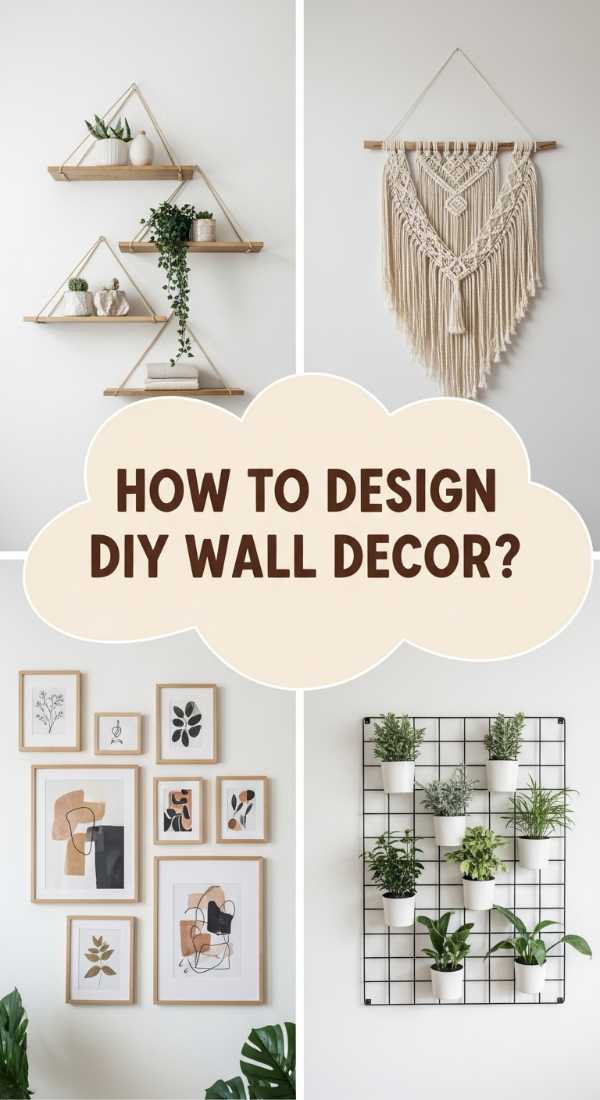
How to Build a Custom Gallery Wall for Personalized Home Style
Why we love this
A gallery wall is the ultimate storyteller; it is a curated collection of your life’s greatest hits, from vintage postcards to family heirlooms. We love this because it adds an irreplaceable soul to a room, turning a blank, sterile wall into a vibrant conversation starter. There’s a specific joy in seeing disparate elements—a gold-framed oil painting next to a modern black-and-white photograph—find a harmonious rhythm together. It’s a visual symphony of your personal taste that makes your home feel deeply lived-in and authentically yours.
Essential Elements:
- A mix of frame sizes and finishes (wood, metal, matte).
- Personal photos, art prints, and 3D objects (like a small mask or plate).
- Kraft paper and painter’s tape for templating.
- Level and measuring tape.
- Wall-safe hanging strips or various sized nails.
How to make it
- Trace each of your frames onto Kraft paper and cut them out; these will be your ‘dummies’ so you don’t make unnecessary holes in the wall.
- Lay your actual frames out on the floor first, starting with the largest piece as your ‘anchor’ slightly off-center, and arrange the smaller pieces around it in a balanced but asymmetrical cluster.
- Tape your paper templates to the wall using painter’s tape, adjusting the spacing until there is a consistent 2-3 inch gap between every piece for a cohesive look.
- Use a level to ensure the templates are perfectly straight; then, hammer your nails directly through the paper templates at the marked hanging points.
- Tear the paper away and hang your frames, finishing by adding a small piece of ‘museum putty’ to the bottom corners of each frame to keep them from shifting over time.
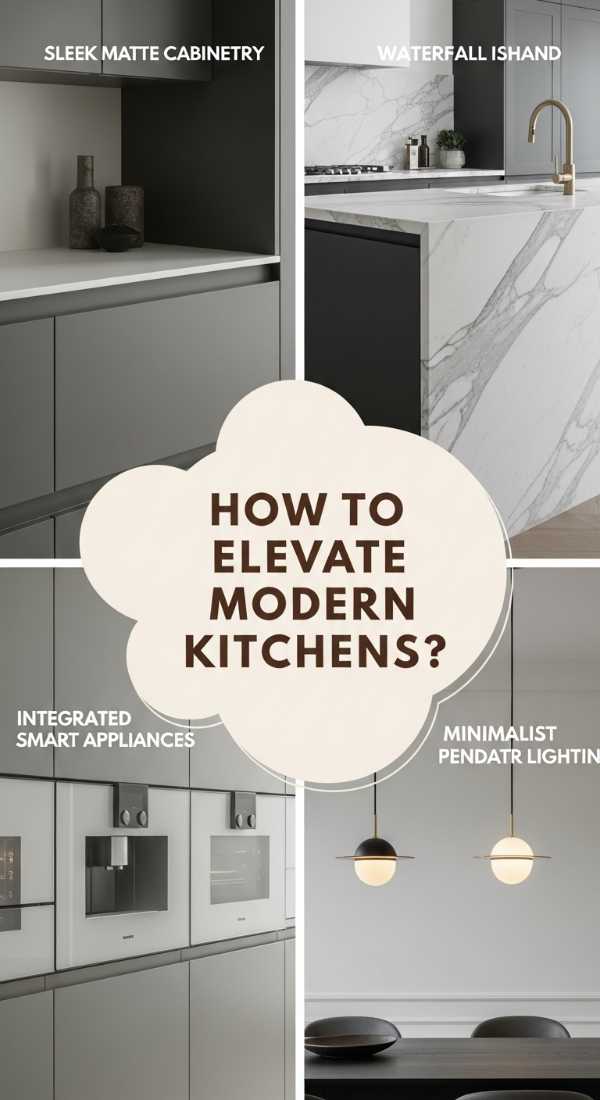
How to Achieve a Futuristic and Functional Modern Kitchen Aesthetic
Why we love this
There is a profound sense of clarity that comes from a kitchen where form meets cutting-edge function. We love this aesthetic because it strips away the clutter of traditional cooking spaces, replacing it with sleek surfaces and hidden technologies that make daily chores feel like a seamless dance. Imagine the cool touch of quartz countertops, the satisfying ‘click’ of push-to-open cabinetry, and the glow of integrated LED strip lighting. It’s a space that feels like the future, where every tool has a purpose and every surface reflects a commitment to modern elegance.
Essential Elements:
- Handle-less, flat-panel cabinetry.
- Integrated or hidden appliances.
- Under-cabinet LED task lighting.
- Monochromatic color palette (charcoal, slate, or stark white).
- Minimalist bar stools with architectural lines.
How to make it
- Declutter your countertops completely, storing small appliances like toasters and blenders inside ‘appliance garages’ to maintain a continuous, unbroken visual line.
- Install smart LED strips under the upper cabinets and along the kickplates; set them to a cool-white temperature during the day and a dimmable warm glow for evening ambiance.
- Replace traditional hardware with finger-pulls or magnetic latches to achieve a ‘flush’ look across all cabinetry faces.
- Upgrade your faucet to a matte black or brushed gold ‘touchless’ model, which adds both a high-tech feel and improved hygiene to your prep area.
- Incorporate a ‘tech hub’ drawer with built-in USB ports to keep devices charging out of sight, ensuring your futuristic aesthetic isn’t ruined by a mess of tangled cables.
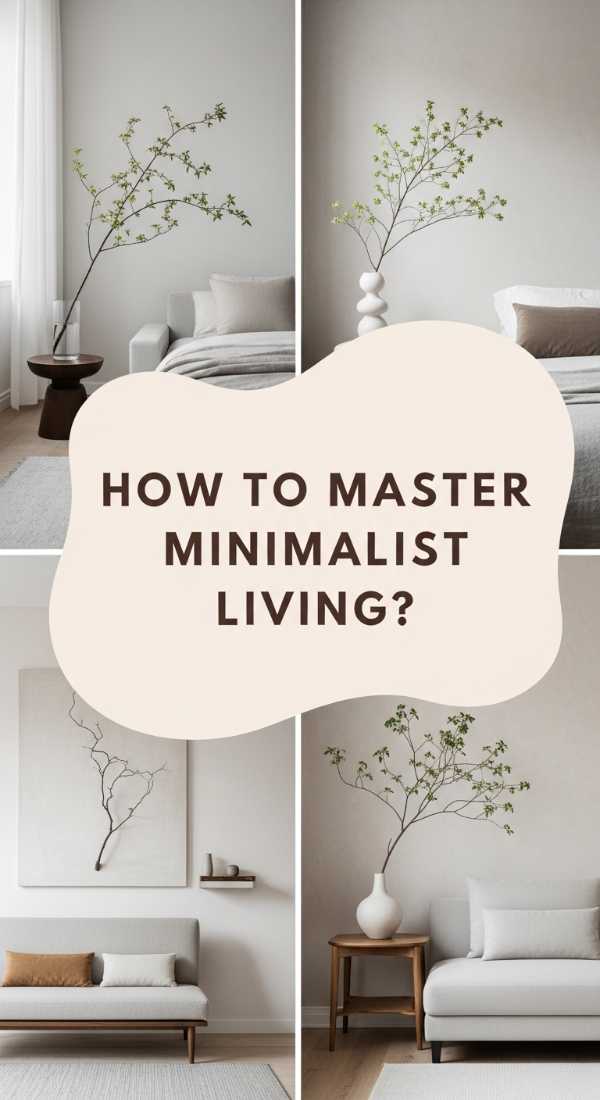
How to Curate a Minimalist Sanctuary for Total Peace of Mind
Why we love this
Minimalism isn’t about owning nothing; it’s about making room for what truly matters. We love this approach because it acts as a mental ‘reset’ button, removing the physical reminders of unfinished business and excess. A minimalist sanctuary feels light, airy, and expansive, allowing your thoughts to breathe. The beauty lies in the quality over quantity—a single, perfectly crafted chair, a soft wool rug, and plenty of ‘negative space’ that invites the eye to rest. It is the ultimate antidote to the overstimulation of the modern world.
Essential Elements:
- A neutral, earthy color palette (beiges, creams, soft greys).
- One ‘statement’ piece of furniture.
- Natural materials like light oak or stone.
- Hidden storage solutions.
- Sheer linen window treatments.
How to make it
- Perform a ‘deep edit’ of the room, removing any item that does not serve a functional purpose or bring you profound aesthetic joy; if you haven’t used it in six months, it leaves.
- Paint the walls in a high-quality matte finish using a soft ‘greige’ or warm white to create a soft, diffused light effect throughout the day.
- Select one large-scale piece of art for the main wall rather than a cluster of small items, which anchors the room without creating visual clutter.
- Organize your remaining essentials into hidden storage—think ottomans with lids or built-in shelving—so that the visible surfaces remain entirely clear.
- Layer in ‘soft’ minimalism through textures like a chunky knit throw or a jute rug to prevent the space from feeling cold or sterile while maintaining the ‘less is more’ philosophy.
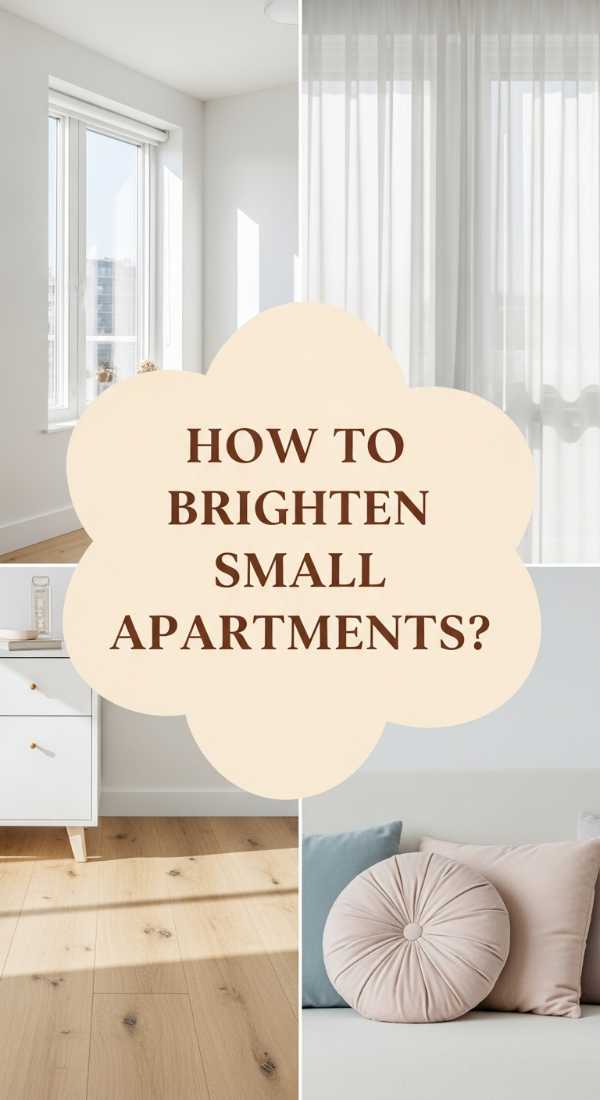
How to Use Light and Color to Open Up Tiny Apartments
Why we love this
This is the ultimate ‘magic trick’ of interior design. We love this technique because it empowers anyone living in a small urban space to feel like they have a sprawling penthouse. By manipulating how light bounces and how the eye perceives color, you can literally stretch the dimensions of a room. There is something incredibly satisfying about watching a dark, cramped corner transform into a bright, airy nook through nothing more than a fresh coat of paint and the strategic placement of a mirror. It’s about reclaiming your space and your perspective.
Essential Elements:
- Reflective surfaces (mirrors, glass, polished metals).
- Semi-gloss paint for trim and ceilings.
- Sheer, floor-to-ceiling curtains.
- Low-profile furniture.
- Transparent ‘ghost’ chairs.
How to make it
- Paint your walls and ceiling the same light color; this removes the visual ‘boundary’ where the wall ends and the ceiling begins, making the room feel significantly taller.
- Place a large floor mirror directly opposite your primary window to catch the natural light and bounce it into the darkest parts of the apartment.
- Hang your curtain rods as high as possible—just below the ceiling—to draw the eye upward and create the illusion of grander window proportions.
- Select furniture with ‘legs’ rather than pieces that sit flat on the floor; seeing the floor continue underneath the furniture makes the room appear more spacious.
- Use a ‘monochromatic’ color scheme for your furniture and rugs that closely matches your wall color, which prevents the eye from ‘tripping’ over contrasting blocks of color in a small space.
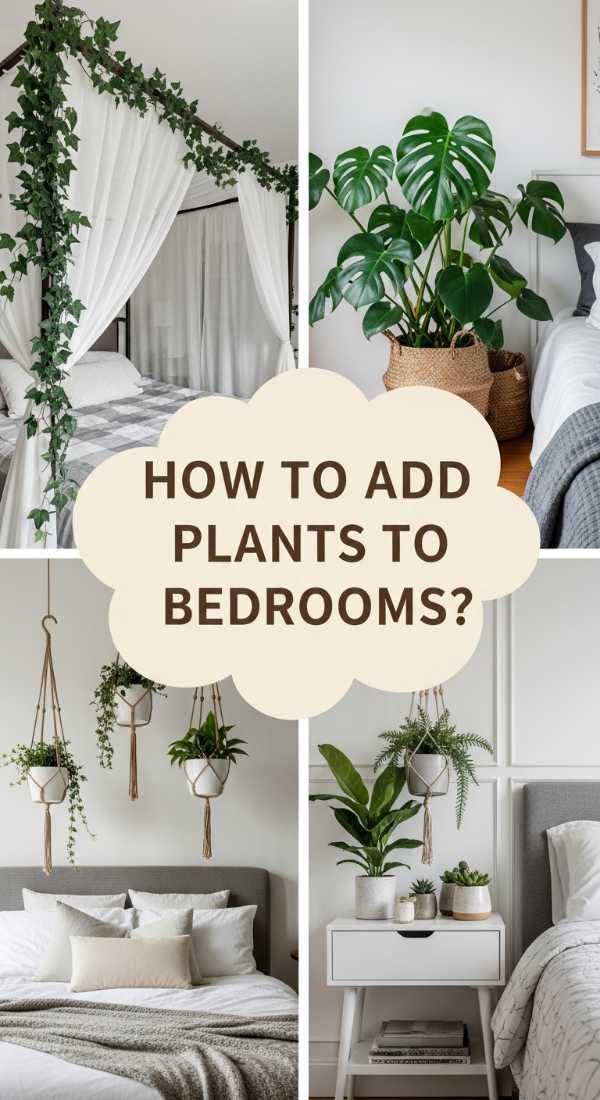
How to Create a Lush Indoor Jungle for a Dreamy Bedroom Aesthetic
Why we love this
Bringing the outdoors in is a timeless way to infuse life and vitality into your sanctuary. We love the indoor jungle aesthetic because it transforms a bedroom into a living, breathing ecosystem that purifies the air while you sleep. The vibrant greens against soft bedding create a lush, tropical ‘escape’ feeling that is incredibly grounding. There is a deep, primal comfort in being surrounded by nature; the rustle of leaves and the earthy scent of damp soil provide a sensory richness that synthetic decor simply cannot replicate.
Essential Elements:
- Varying heights of plants (Monstera, Snake Plant, Pothos).
- Terracotta or ceramic pots in a unified color family.
- A watering can with a long, slender spout.
- Plant stands and hanging macramé holders.
- A humidity tray or small mister.
How to make it
- Identify the ‘light zones’ in your bedroom—bright indirect light near windows for Monsteras, and low light corners for Snake plants or ZZ plants.
- Create ‘clusters’ of plants at varying heights using stools or plant stands to mimic the natural layering of a forest floor, rather than lining them up in a single row.
- Incorporate ‘trailing’ plants like Pothos on high shelves or in hanging planters to draw the eye upward and fill the vertical space with cascading greenery.
- Group your plants together to create a ‘microclimate’; as plants transpire, they increase the local humidity, which helps them—and your skin—stay hydrated.
- Schedule a ‘self-care’ watering day once a week, using the time to dust the leaves with a damp cloth to ensure they can photosynthesize efficiently and stay glossy.
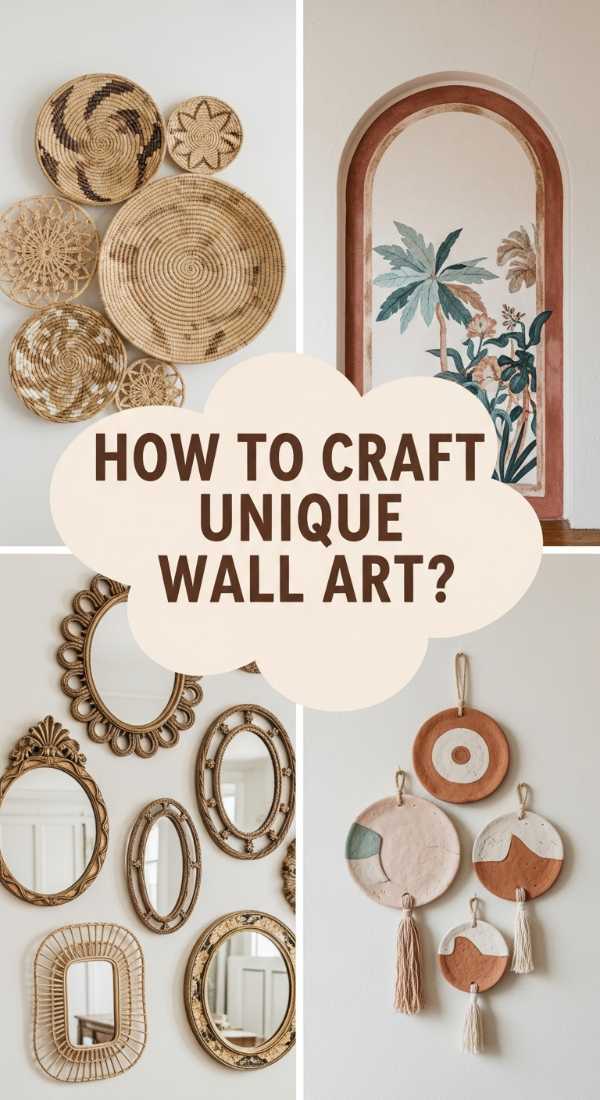
How to Repurpose Everyday Items for High-End Wall Decor
Why we love this
Sustainability meets high-end design in this creative approach to wall decor. We love this because it celebrates the ‘beauty in the ordinary’ and allows for completely unique, one-of-a-kind art. Repurposing items like vintage textiles, interesting architectural salvage, or even beautiful kitchen platters as wall hangings adds a layer of history and texture that store-bought prints lack. It’s a soulful way to decorate that tells a story of resourcefulness and keen artistic vision, proving that luxury isn’t about what you spend, but how you see.
Essential Elements:
- Found objects (vintage trays, textile scraps, old shutters).
- Heavy-duty adhesive or specialized mounting brackets.
- Shadow boxes for 3D items.
- Acrylic spray or wax for preservation.
- Uniform hanging hardware.
How to make it
- Scour thrift stores or your own storage for items with interesting silhouettes—think circular woven baskets, brass trays, or textured wooden boards.
- Clean each item thoroughly and apply a light coat of matte sealant if the material is porous or delicate to prevent dust buildup and aging.
- Create a ‘theme’ for your repurposed items, such as a collection of vintage copper molds or a series of framed antique handkerchiefs, to give the collection a curated, intentional feel.
- Use ‘plate hangers’ or heavy-duty mounting tape to secure non-traditional items to the wall, ensuring they are flush for a professional, ‘gallery-grade’ installation.
- Backlight 3D objects with small, battery-operated puck lights hidden behind the frames to create dramatic shadows and highlight the unique textures of your found treasures.
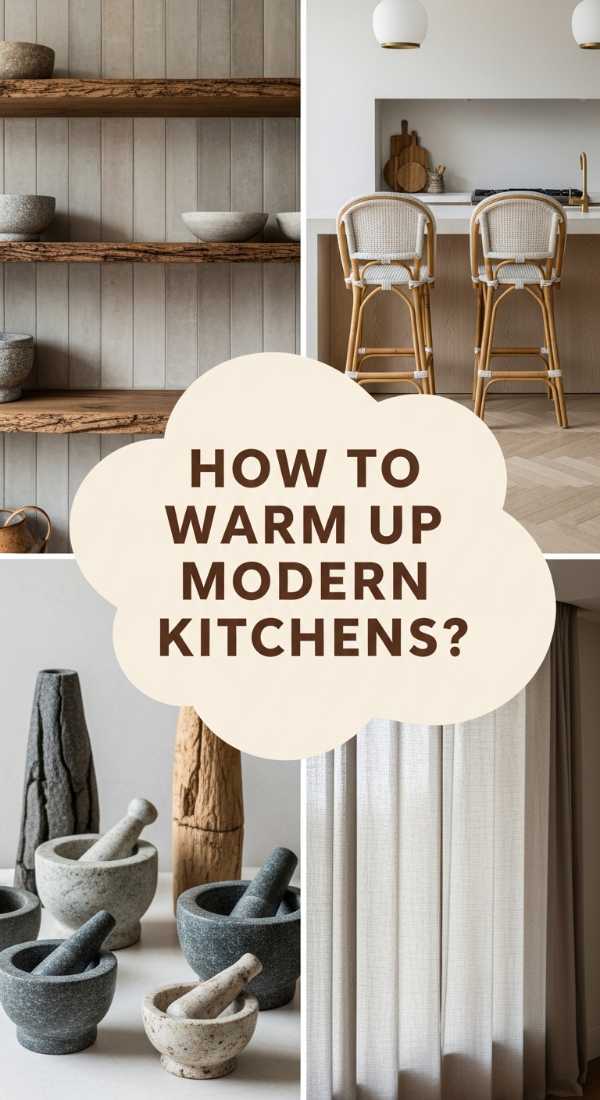
How to Blend Natural Textures into a High-Trend Modern Kitchen
Why we love this
Modern kitchens can sometimes feel ‘cold’ with their abundance of stainless steel and stone; blending in natural textures is the secret to adding ‘heart’ to the heat of the home. We love this look because it balances the clinical precision of modern design with the organic warmth of the earth. Imagine a sleek marble island topped with a rough-hewn wooden bowl, or woven rattan pendants hanging over a high-gloss stovetop. It’s a beautiful juxtaposition that makes the kitchen feel less like a laboratory and more like a gathering place.
Essential Elements:
- Reclaimed wood shelving or accents.
- Woven seagrass or rattan bar stools.
- Linen tea towels and aprons.
- Stone or ceramic canisters with raw finishes.
- Potted herbs in clay pots.
How to make it
- Replace standard metal bar stools with woven rattan or wood-and-leather versions to instantly soften the ‘hard’ lines of a modern kitchen island.
- Install a few floating shelves made from reclaimed wood to display your most beautiful ceramics, providing a warm, organic contrast to cold tile backsplashes.
- Swap out synthetic dish towels for heavy-weight flax linen in muted tones; the tactile quality adds an immediate sense of luxury to the sink area.
- Introduce ‘live edge’ cutting boards or serving platters on the countertops, leaning them against the wall as functional pieces of art that break up the monotony of flat surfaces.
- Use oversized clay or terracotta pots for your countertop herb garden, ensuring the matte, earthy finish of the pots contrasts with the polished shine of your countertops.
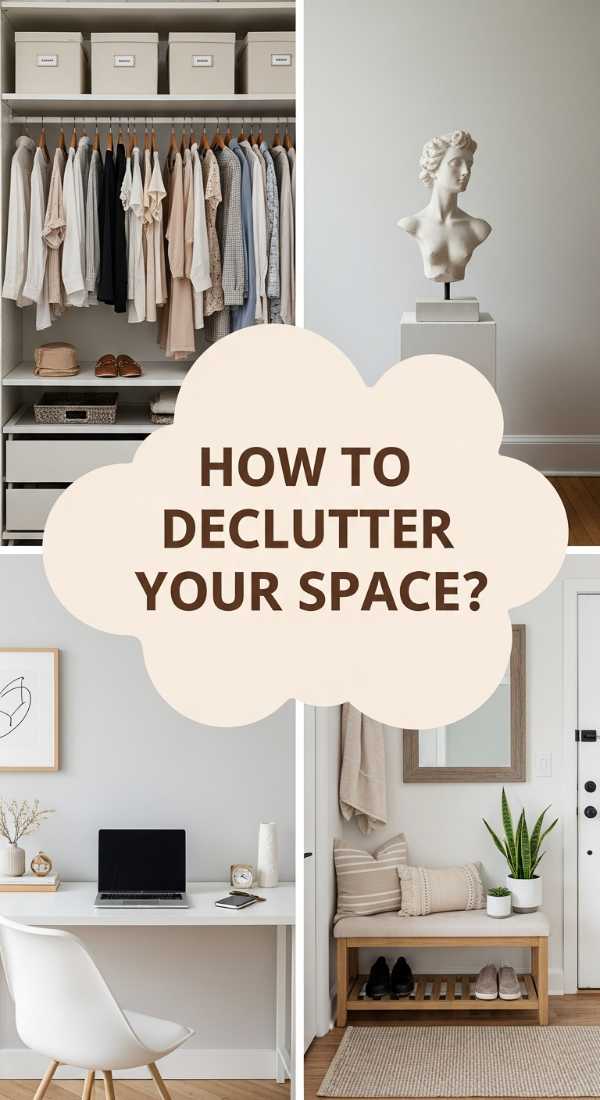
How to Practice Minimalist Decorating for a Stress-Free Home
[IMAGE_10]
Why we love this
Minimalist decorating is more than a style; it is a philosophy of living that prioritizes clarity and calm. We love this practice because it directly impacts your mental well-being by reducing ‘visual clutter’ which is often linked to elevated cortisol levels. Walking into a room where every object has been chosen with care and nothing feels ‘extra’ allows your mind to settle instantly. It encourages a slower pace of life, where you appreciate the few things you own more deeply, creating a home that is a true sanctuary from the frantic pace of the outside world.
Essential Elements:
- A ‘one-in, one-out’ rule for decor.
- Multi-purpose furniture.
- Neutral, calming color palettes.
- High-quality, durable materials.
- Hidden organization systems.
How to make it
- Start by clearing all surfaces in a single room and leave them bare for 24 hours to ‘reset’ your visual expectations and identify what you truly miss.
- When reintroducing items, choose only those that satisfy both a functional need and a high aesthetic standard—if it’s just ‘okay,’ it doesn’t make the cut.
- Invest in ‘closed’ storage solutions (cabinets with doors rather than open shelving) to hide the necessary but unattractive items of daily life, like chargers or paperwork.
- Focus on the ‘sensory’ rather than the ‘visual’; choose a rug for how it feels underfoot and a candle for its clean scent rather than buying more ‘knick-knacks.’
- Practice a ‘daily sweep’ where you return every item to its designated home before bed, ensuring you wake up every morning to a clean, minimalist slate that promotes immediate peace.
Conclusion: Embracing the Art of the Sanctuary
Transforming your home into a sanctuary is a journey, not a destination. It’s about listening to the whispers of your own heart and creating a space that nurtures your unique spirit. Whether you are adding a single plant to your bedroom or completely redesigning your living room flow, remember that the most beautiful homes are those that reflect the love and care of the people living inside them. Start small, be intentional, and watch as your home becomes the ultimate retreat you’ve always dreamed of.