
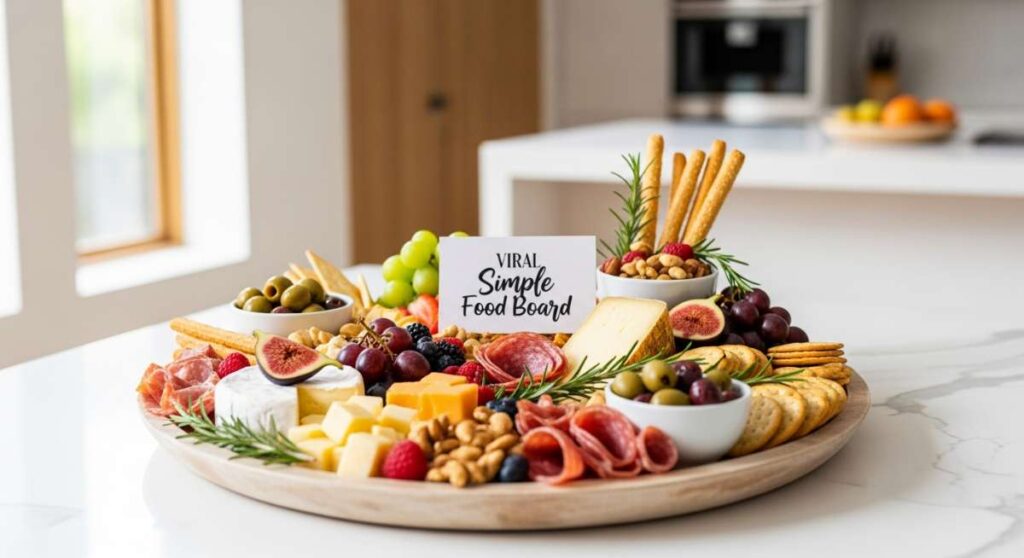
Effortless Entertaining: How to Build the Viral Simple Food Board
There is something inherently magical about the way a gathering shifts when a giant, colorful board of roasted vegetables is placed in the center of the table. Gone are the days of stuffy three-course meals where the host is trapped in the kitchen while the laughter drifts in from the living room. Instead, we are embracing a more soulful way of eating—one where the food is the centerpiece, the conversation flows as freely as the wine, and everyone feels invited to dig in and discover their favorite bite. It’s about creating a moment of connection that feels both elevated and entirely unpretentious.
The viral ‘Simple Food Board’ isn’t just about nutrition; it’s about the sensory explosion of textures and colors that only roasting can provide. Imagine the deep, earthy sweetness of caramelized carrots, the satisfying crunch of charred broccoli florets, and the velvety smoothness of a roasted garlic bulb spread onto crusty bread. This guide is my love letter to the humble vegetable, transformed by heat and salt into a feast that looks like a work of art. Whether you are hosting a festive party or just want to make Tuesday night feel like a celebration, these recipes are designed to make you the hero of your own kitchen.
10 Best Roasted Vegetable Recipes (Step-by-Step Guide)
Why we love this
This collection represents the ultimate versatility of the garden, bringing together a spectrum of colors and flavors that dance across the palate. We love this because it masterfully balances the smoky notes of high-heat roasting with the natural sugars of root vegetables, creating a symphony of charred edges and tender centers. The aroma of rosemary and thyme wafting through the house creates an immediate sense of warmth and home, inviting everyone to the table long before the timer dings. It is the perfect foundational skill for any home cook looking to master the art of the board.
Ingredients
- 2 lbs mixed baby potatoes, halved
- 1 lb heirloom carrots, peeled and trimmed
- 1 large red onion, cut into thick wedges
- 2 cups Brussels sprouts, trimmed and halved
- 4 tbsp extra virgin olive oil
- 1 tbsp fresh rosemary, minced
- 1 tbsp fresh thyme leaves
- 1 tsp sea salt
- 1/2 tsp cracked black pepper
- 1 head of garlic, top sliced off
How to make it
- Preheat your oven to 425°F (220°C). This high temperature is crucial for achieving that golden-brown caramelization rather than just steaming the vegetables.
- In a large mixing bowl, toss the potatoes, carrots, onions, and Brussels sprouts with 3 tablespoons of olive oil, salt, pepper, and fresh herbs. Ensure every piece is glistening and evenly coated for consistent cooking.
- Place the garlic head on a small piece of foil, drizzle with the remaining oil, wrap it tightly, and set it in a corner of your large rimmed baking sheet.
- Spread the seasoned vegetables across the baking sheet in a single layer. Do not crowd the pan; if the vegetables are touching too much, they will release moisture and steam instead of roasting. Use two pans if necessary.
- Slide the tray into the center rack of the oven. Roast for 30-35 minutes, using a flat metal spatula to toss and turn the vegetables halfway through. Look for deep golden edges on the potatoes and a slight char on the sprouts.
- Test for doneness by piercing the thickest carrot with a fork; it should slide through with zero resistance. Remove from the oven and let rest for 5 minutes before assembling on your board.
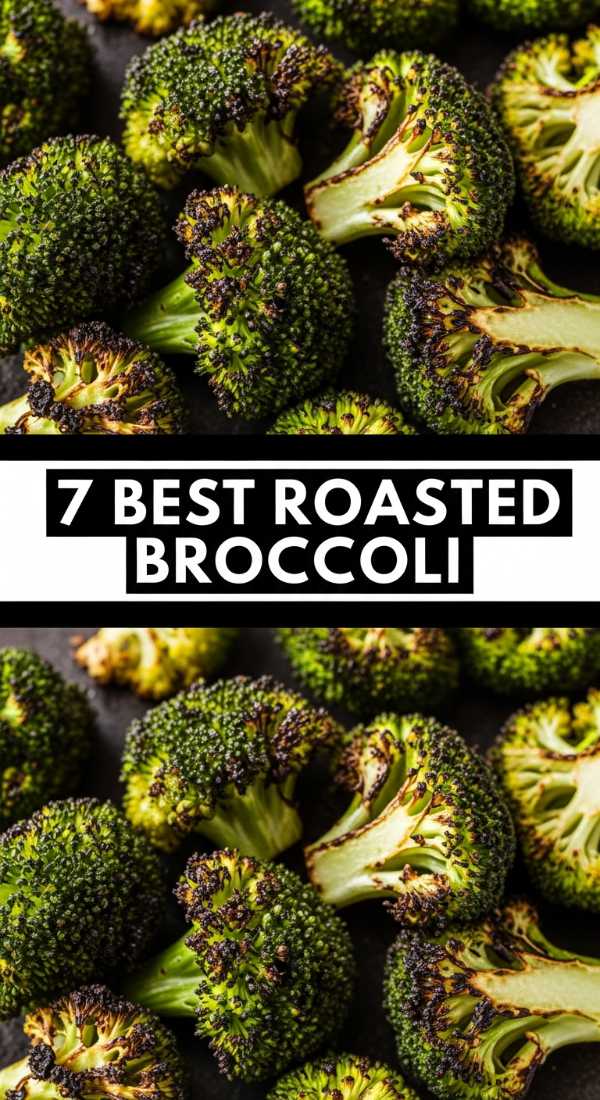
7 Easy Ways to Roast Broccoli (Step-by-Step Guide)
Why we love this
Broccoli is the undisputed king of the char, and these techniques turn a simple green floret into a crispy, salty delicacy that tastes more like a snack than a side dish. The way the tiny trees catch the salt and oil in their canopy ensures that every single bite is an explosion of savory flavor and crunch. We love how the heat transforms the bitterness of raw broccoli into a nutty, complex sweetness that pairs beautifully with everything from lemon zest to spicy chili flakes. It is a textural masterpiece that adds height and vibrance to any viral food board.
Ingredients
- 2 large heads of broccoli, cut into bite-sized florets
- 3 tbsp avocado oil (high smoke point)
- 1/2 tsp kosher salt
- Optional toppings: Lemon zest, Parmesan cheese, red pepper flakes, toasted almonds, sesame oil, balsamic glaze, or nutritional yeast.
How to make it
- Wash the broccoli thoroughly and—most importantly—pat it completely dry with a clean kitchen towel. Any moisture left on the florets will turn into steam, preventing the desired crispiness.
- Preheat the oven to 400°F (200°C). Line a heavy-duty baking sheet with parchment paper for easy cleanup and to prevent sticking.
- In a large bowl, toss the florets with the avocado oil and salt. Massage the oil into the florets to ensure the seasonings reach deep into the cracks of the heads.
- Spread the broccoli on the sheet, making sure the flat cut sides of the stems are facing down against the hot pan; this creates a beautiful crust.
- Roast for 20-25 minutes. At the 15-minute mark, check the undersides. Once they are deep brown, give them a quick toss.
- Remove when the tips are charred and dark. Immediately toss with your chosen topping (like lemon zest or a dusting of Parmesan) while the oil is still sizzling to help the flavors adhere.
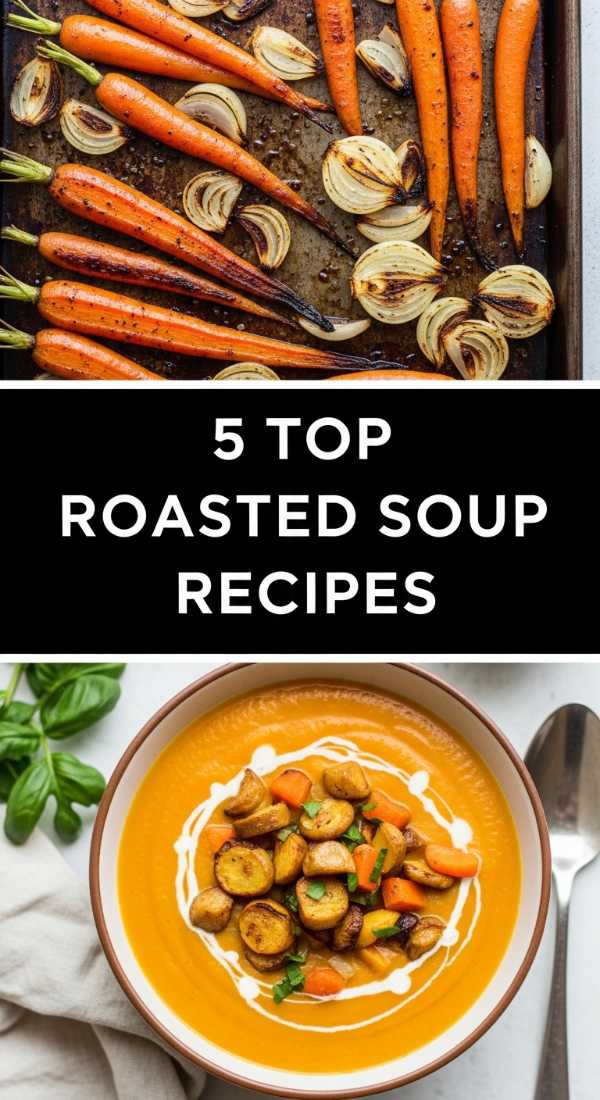
5 Best Roasted Vegetable Soups (Step-by-Step Guide)
Why we love this
There is a profound depth of flavor in a roasted vegetable soup that simply cannot be achieved by boiling ingredients in a pot. The process of roasting concentrates the essence of the vegetables, bringing out a rich, umami quality that feels luxurious and comforting. We love the velvety mouthfeel of a pureed roasted squash or tomato soup, paired with the rustic charm of a crusty baguette dipped into the bowl. It is the liquid gold of the food board world, providing a warm, dippable element that grounds the entire meal with its hearty, nourishing soul.
Ingredients
- 3 lbs roasting vegetables (Butternut squash, tomatoes, or bell peppers)
- 1 large yellow onion, quartered
- 4 cloves garlic, peeled
- 4 cups high-quality vegetable or chicken stock
- 2 tbsp olive oil
- 1 tsp smoked paprika
- Salt and pepper to taste
- 1/2 cup heavy cream or coconut milk (optional)
How to make it
- Preheat your oven to 400°F (200°C). Prepare your chosen vegetables by cutting them into uniform 2-inch chunks to ensure they cook at the same rate.
- Toss the vegetables, onion, and garlic in olive oil, paprika, salt, and pepper on a baking sheet. Roast for 45 minutes, or until the vegetables are very soft and beginning to caramelize at the edges.
- Transfer all the roasted ingredients, including any flavorful juices left on the pan, into a large Dutch oven or heavy-bottomed pot.
- Add the stock and bring the mixture to a gentle simmer over medium heat for about 10 minutes to allow the flavors to meld.
- Use an immersion blender directly in the pot to blend until completely smooth. If you prefer a thinner consistency, add more stock a half-cup at a time.
- Stir in the cream or coconut milk if using, and taste for seasoning. Simmer for another 2 minutes, then serve in small ramekins on your food board for easy dipping.
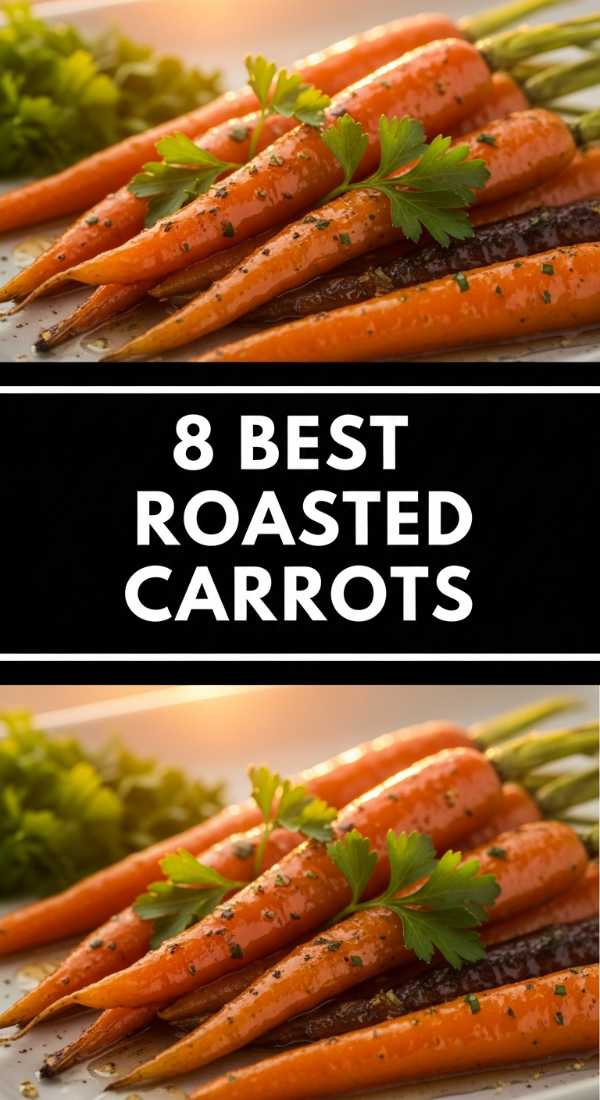
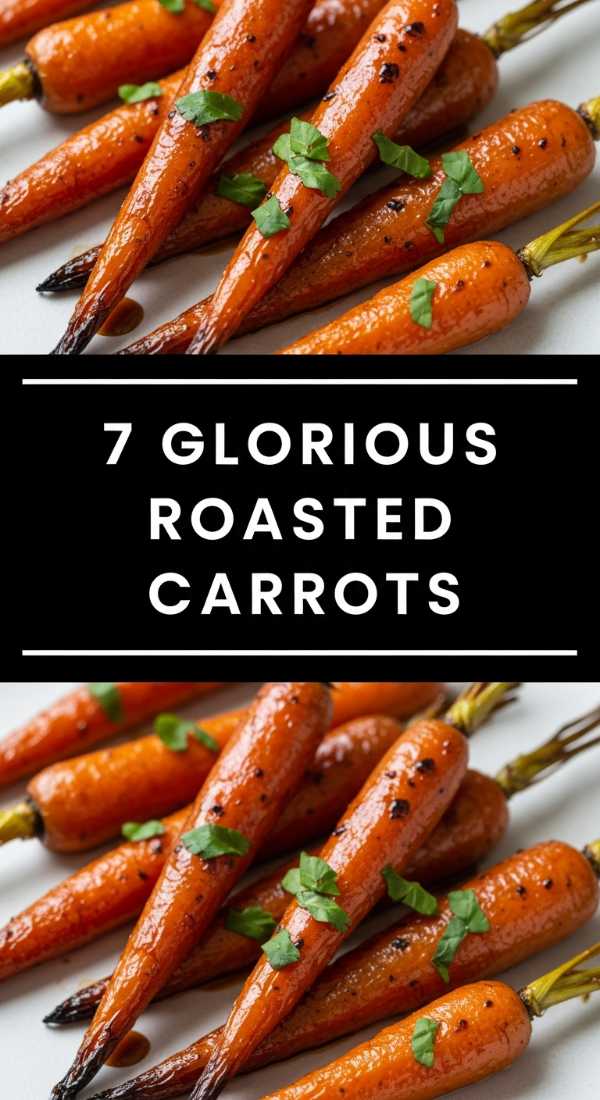
8 Delicious Ways to Roast Carrots (Step-by-Step Guide)
Why we love this
Carrots are the unsung heroes of the roasting world, transforming from a crunchy snack into candy-like morsels of pure joy. We love the visual appeal of using rainbow carrots—purples, yellows, and oranges—which make the board look like a vibrant sunset of healthy goodness. The way the natural sugars interact with high heat creates a tacky, glazed exterior that is absolutely irresistible when paired with savory herbs or zesty dips. They provide a beautiful linear structure to your board, acting as edible utensils that invite guests to dip and crunch.
Ingredients
- 2 lbs whole carrots (thin, with tops partially attached if possible)
- 2 tbsp melted ghee or olive oil
- 1 tsp honey or maple syrup
- 1/2 tsp cumin seeds
- 1/4 tsp flaky sea salt
- Fresh parsley for garnish
How to make it
- Preheat the oven to 425°F (220°C). If the carrots are thick, slice them in half lengthwise so they cook quickly and evenly.
- Whisk together the oil, honey, and cumin seeds in a small bowl. This mixture will create a light glaze that enhances the carrots’ natural sweetness.
- Arrange the carrots on a baking sheet and pour the glaze over them, using your hands to ensure each carrot is fully coated from tip to tail.
- Roast for 20-30 minutes. Use a pair of tongs to rotate the carrots every 10 minutes to ensure they brown on all sides without burning the honey glaze.
- The carrots are done when they look slightly shriveled and have dark brown spots of caramelization. They should be tender but still have a slight “snap” when bitten.
- Finish with a sprinkle of flaky sea salt and freshly chopped parsley while they are still hot to add a pop of color and freshness.
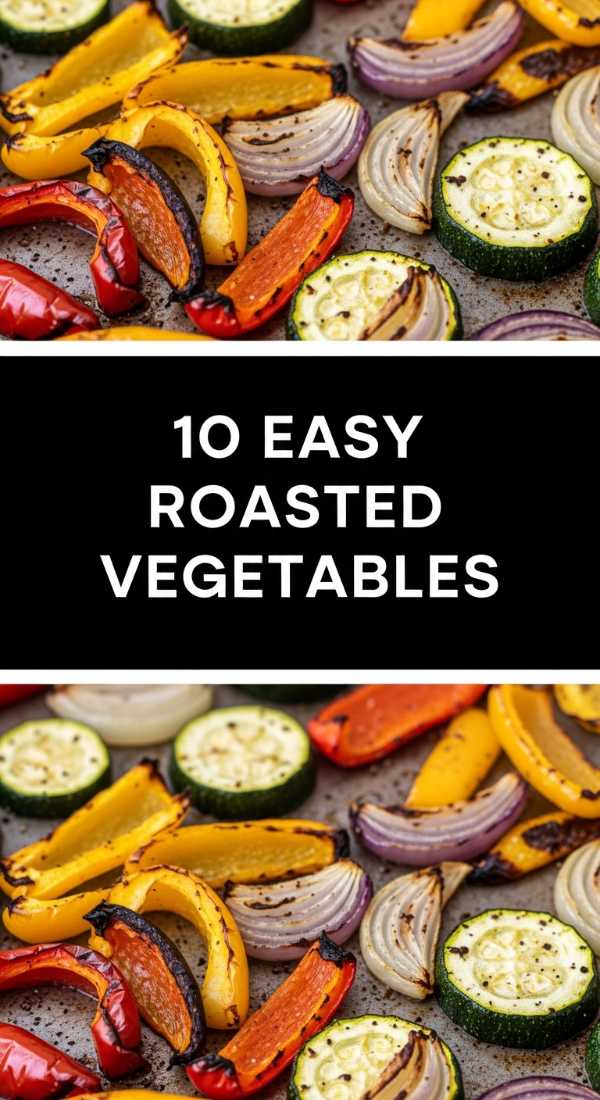
10 Sheet Pan Roasted Vegetables (Step-by-Step Guide)

Why we love this
The sheet pan method is the ultimate secret to effortless entertaining, allowing you to prep a massive amount of food with minimal cleanup. We love the communal feeling of a giant tray coming out of the oven, steaming and fragrant, ready to be slid directly onto the table. It is the epitome of the ‘Simple Food Board’ philosophy: maximum flavor with minimum fuss. By combining different colors and shapes on one pan, you create an instant feast that caters to every dietary preference while looking like you spent hours in the kitchen.
Ingredients
- 1 head cauliflower, cut into florets
- 2 zucchini, sliced into half-moons
- 1 red bell pepper, cut into strips
- 1 cup cherry tomatoes
- 1 bunch asparagus, woody ends trimmed
- 3 tbsp olive oil
- 2 tsp dried oregano
- 1 tsp garlic powder
- Salt and pepper
How to make it
- Preheat your oven to 400°F (200°C). Note that different vegetables have different cook times; we will use a staggered roasting technique.
- Start with the cauliflower and peppers. Toss them with oil and seasonings and roast for 15 minutes.
- Pull the pan out and add the zucchini and cherry tomatoes. Toss them into the mix, adding a splash more oil if needed. Roast for another 10 minutes.
- Finally, add the asparagus to the pan for the last 5-7 minutes of cooking. Asparagus is delicate and will overcook quickly if added too early.
- Check that all vegetables are tender. The tomatoes should be bursting, and the cauliflower should have charred edges.
- Let the pan sit for 2 minutes, then garnish with fresh herbs and serve immediately on a large wooden board.
6 Creamy Roasted Vegetable Soups (Step-by-Step Guide)
Why we love this
There is a specific luxury to a creamy soup that feels like a warm hug in a bowl, especially when the creaminess comes from the vegetables themselves. We love using roasted cauliflower or parsnips as a base, as they blend into a silk-like texture that feels incredibly rich without being heavy. These soups are the perfect “dip” element for a board, providing a smooth contrast to the crunchy roasted pieces. The aroma of roasted onions and cream simmering together is enough to make anyone’s mouth water, creating an atmosphere of pure comfort.
Ingredients
- 2 lbs parsnips or cauliflower
- 1 head of garlic
- 1 large white onion
- 3 cups vegetable stock
- 1 cup heavy cream or cashew cream
- 1/4 tsp ground nutmeg
- Salt and white pepper
How to make it
- Preheat oven to 400°F (200°C). Chop your base vegetable (cauliflower or parsnips) and onion into small pieces. Wrap the garlic head in foil with oil.
- Roast the vegetables and garlic for 35-40 minutes until very soft and lightly golden.
- Squeeze the roasted garlic cloves out of their skins and into a high-speed blender. Add the roasted vegetables and onion.
- Pour in half the stock and blend on high until a thick paste forms. Gradually add the remaining stock and the cream until you reach a silky, pourable consistency.
- Transfer to a pot and heat over medium-low. Stir in the nutmeg, salt, and white pepper. The nutmeg is the secret ingredient that highlights the earthiness of the roasted vegetables.
- Serve in small bowls drizzled with a bit of olive oil or a sprinkle of chives to add visual interest to your board.
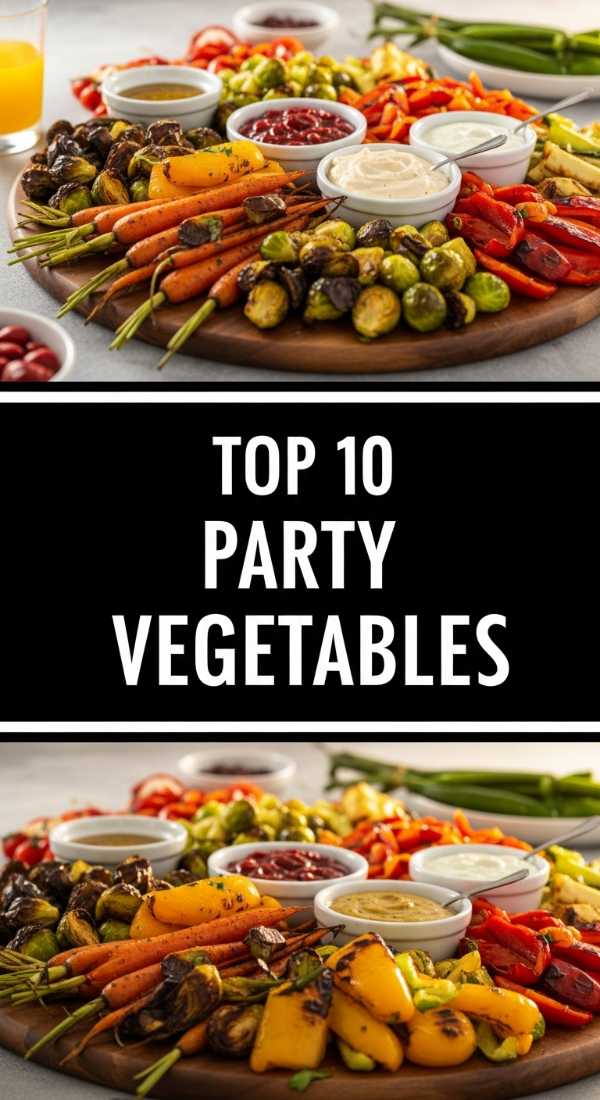
Top 10 Party Roasted Platters (Step-by-Step Guide)
Why we love this
Party platters are all about the ‘wow’ factor, and a perfectly composed roasted vegetable board is a showstopper that rivals any charcuterie tray. We love the interactive nature of a platter; it encourages guests to reach across, share dips, and discuss their favorite findings. By mixing temperatures—warm roasted veg with cold dips like hummus or tzatziki—you create a complex eating experience. It’s a celebration of abundance that feels generous and vibrant, making it the perfect focal point for any social gathering where food is meant to be enjoyed slowly and socially.
Ingredients
- Assortment of roasted vegetables (from previous steps)
- 1 cup hummus
- 1 cup whipped feta or goat cheese
- Handful of kalamata olives
- Slices of toasted sourdough or pita bread
- Fresh cucumber slices for crunch
- Garnish: Pomegranate seeds and fresh mint
How to make it
- Select a large wooden board or a flat slate as your canvas. Start by placing your “anchors”—the small bowls of dips and soups—in a diagonal line across the board.
- Arrange the largest roasted vegetables (like the potatoes and carrots) in clusters around the bowls. Keep similar colors together or mix them for a “wildflower” look.
- Fill the gaps with smaller items like roasted broccoli, Brussels sprouts, and olives. This creates a dense, lush appearance that looks bountiful.
- Tuck the toasted bread or pita slices into the edges of the board, allowing them to lean against the vegetables.
- Garnish the entire board with a final sprinkle of flaky salt, fresh mint, and pomegranate seeds for a burst of acidic brightness.
- Provide small tongs or forks to encourage guests to serve themselves, and keep a small dish nearby for olive pits or discarded stems.
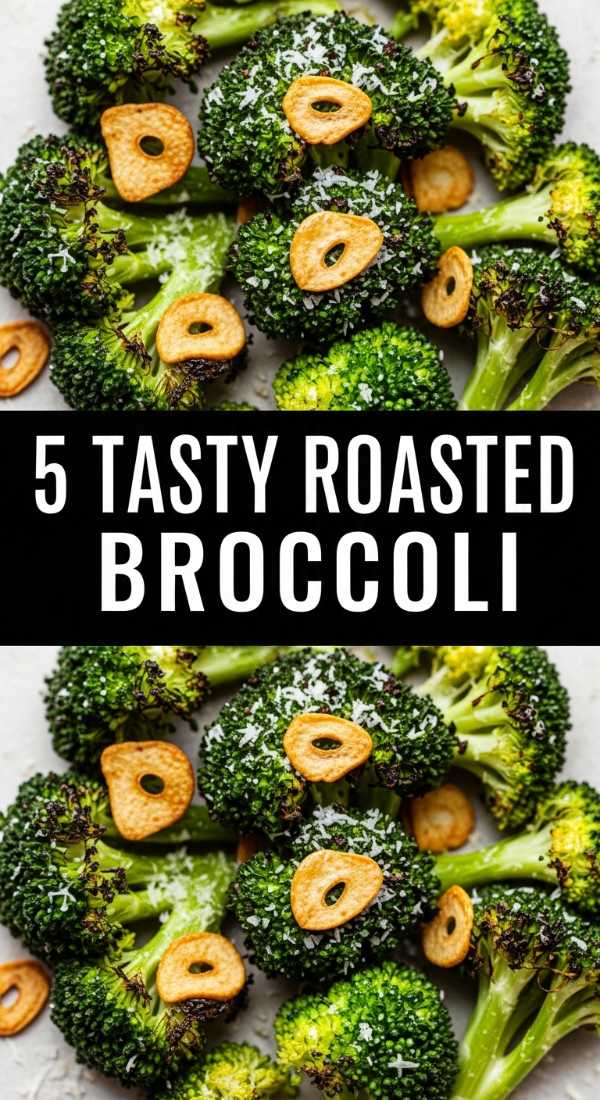
5 Best Roasted Garlic Broccoli (Step-by-Step Guide)
Why we love this
This dish is for the true garlic lovers, combining the sharp, sulfurous bite of fresh broccoli with the mellow, buttery sweetness of slow-roasted garlic. We love how the garlic becomes jam-like in the oven, clinging to the broccoli florets and creating a flavor profile that is both rustic and sophisticated. The smell alone is intoxicating—a savory, warm fragrance that fills the kitchen and signals that something truly delicious is happening. It’s a simple upgrade that takes a standard side dish and makes it worthy of a starring role on your board.
Ingredients
- 1.5 lbs broccoli florets
- 6 cloves of garlic, thinly sliced
- 3 tbsp olive oil
- Juice of half a lemon
- 1/4 cup grated Pecorino Romano
- Salt and black pepper
How to make it
- Preheat oven to 425°F (220°C). In a large bowl, whisk the olive oil with the sliced garlic, allowing the oil to infuse for a few minutes while the oven heats.
- Add the broccoli florets to the bowl and toss vigorously. You want the sliced garlic to distribute evenly so that every few florets get a piece of garlic attached to them.
- Spread the mixture onto a baking sheet. Ensure the garlic slices are mostly tucked under florets or mixed in well so they don’t burn before the broccoli is done.
- Roast for 18-22 minutes. At the 10-minute mark, use tongs to turn the broccoli. The garlic should be golden brown and the broccoli edges should be crisp.
- Remove from the oven and immediately squeeze the fresh lemon juice over the top. The acidity will cut through the richness of the oil and garlic.
- Finish with a heavy dusting of Pecorino Romano; the heat from the broccoli will slightly melt the cheese, creating a delicious crust.
7 Sweet Balsamic Roasted Carrots (Step-by-Step Guide)
Why we love this
Balsamic vinegar and carrots are a match made in culinary heaven, creating a sophisticated sweet-and-sour profile that is incredibly addictive. We love the way the balsamic reduces in the oven, transforming into a thick, syrupy glaze that coats the carrots in a dark, glossy sheen. The result is a vegetable that tastes like a gourmet treat, with a depth of flavor that is both tangy and deeply caramelized. These carrots add a beautiful dark color to your board, providing a visual and flavor contrast to the lighter, greener vegetables.
Ingredients
- 2 lbs carrots, peeled and sliced on a diagonal
- 3 tbsp high-quality balsamic vinegar
- 1 tbsp maple syrup
- 2 tbsp olive oil
- 1 tsp dried thyme
- Salt and pepper
How to make it
- Preheat the oven to 400°F (200°C). In a small jar, shake together the balsamic vinegar, maple syrup, olive oil, and thyme until emulsified.
- Place the carrots on a parchment-lined baking sheet. Pour the balsamic mixture over them and toss with your hands until every slice is purple-tinged and coated.
- Arrange the carrots so they are not overlapping. This ensures the balsamic glaze reduces and sticks to the carrots rather than pooling and burning on the pan.
- Roast for 25-30 minutes. Every 10 minutes, stir the carrots to redistribute the glaze and prevent the sugars from sticking to the parchment.
- The carrots are ready when they are tender and the glaze has become thick and sticky, clinging tightly to the vegetable.
- Remove from the oven and let cool for 2 minutes before transferring to your board. Garnish with a little more fresh thyme for a professional finish.
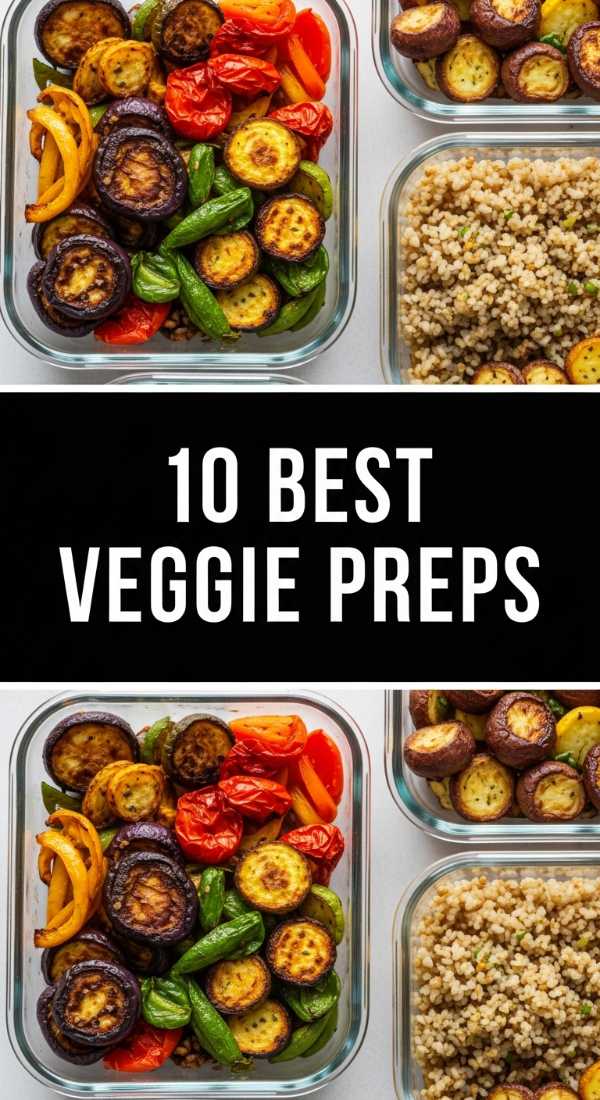
10 Roasted Vegetable Meal Prep Ideas (Step-by-Step Guide)
[IMAGE_10]
Why we love this
The beauty of the roasted vegetable board is that it’s the gift that keeps on giving, making meal prep for the week feel like a breeze rather than a chore. We love how roasted vegetables hold their integrity in the fridge, allowing you to build grain bowls, salads, or wraps in minutes. It’s about working smarter, not harder—taking one afternoon to roast a variety of plants and then reaping the delicious rewards all week long. The textures remain satisfying, and the flavors often deepen after a day in the fridge, making your Wednesday lunch feel just as special as your Sunday board.
Ingredients
- Bulk amounts of: Sweet potatoes, red beets, cauliflower, and zucchini
- Large bottle of olive oil
- Multi-purpose seasoning (Salt, pepper, garlic powder, onion powder)
- Airtight glass storage containers
- Quinoa or brown rice (for assembly)
How to make it
- Dedicate one hour on a Sunday to “The Great Roast.” Preheat your oven to 400°F (200°C) and prepare three different baking sheets.
- Sheet 1: Hard root vegetables (Potatoes/Beets) – these take the longest. Roast for 45 minutes.
- Sheet 2: Medium vegetables (Cauliflower/Carrots) – Roast for 30 minutes.
- Sheet 3: Soft vegetables (Zucchini/Peppers) – Roast for 20 minutes. Set timers so you can pull each tray as it finishes.
- Let all vegetables cool completely to room temperature on the counter. Placing hot vegetables in closed containers creates steam, which makes them soggy.
- Divide the roasted bounty into glass containers. Keep them separate or mix them based on your planned meals.
- To serve later in the week, reheat in an air fryer or oven at 350°F for 5 minutes to restore the crispiness. Serve over a bed of quinoa with a dollop of tahini dressing for a perfect meal-prep bowl.
Conclusion
Building a viral simple food board is about more than just following a recipe; it’s about embracing the beauty of natural ingredients and the joy of shared experiences. By mastering the simple art of roasting, you can transform the most basic vegetables into a stunning centerpiece that nourishes both the body and the soul. Remember, there are no mistakes here—only opportunities to experiment with new spices, textures, and arrangements. So, grab your favorite wooden board, preheat that oven, and let the magic of effortless entertaining begin.