
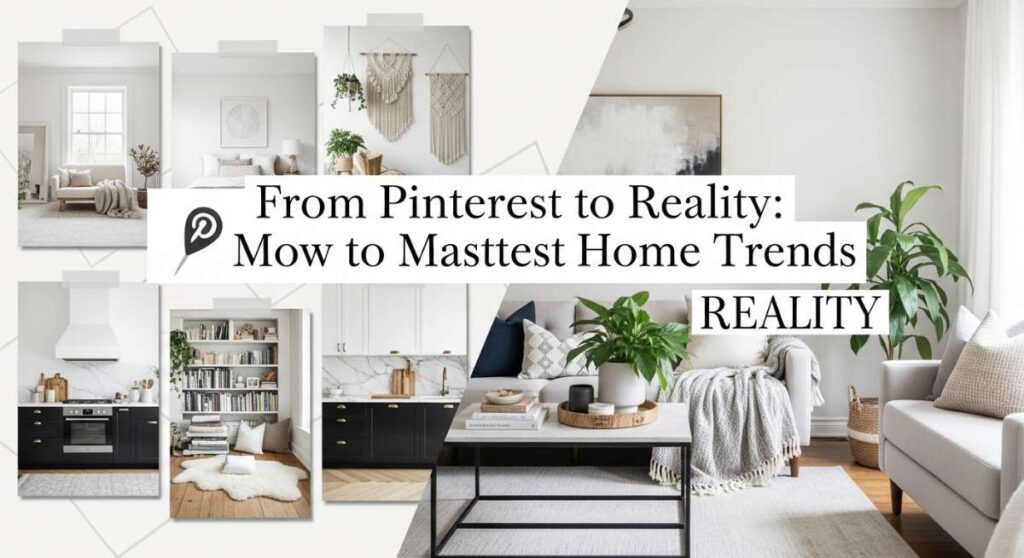
Have you ever spent hours scrolling through Pinterest, your eyes darting between perfectly curated living rooms and cozy reading nooks, only to look up at your own space and feel a disconnect? We’ve all been there—the digital daydreaming is intoxicating, but the leap from a screen to a physical sanctuary can feel like an impossible feat of engineering and magic. Your home should be more than just a place where you store your belongings; it should be a sensory experience that grounds you, a physical manifestation of your soul that welcomes you with open arms every time you turn the key in the lock.
Bringing these viral aesthetics into reality isn’t about having a massive budget or a professional design degree; it’s about understanding the ‘flavor’ of the vibe and layering it with intention. It’s about the way the light hits a linen curtain or the tactile comfort of a hand-knotted rug underfoot. In this guide, we are going to break down the hottest home trends currently taking over our feeds and show you exactly how to ‘cook up’ these looks in your own space, ensuring your home feels as good as it looks in a photograph.
How to Style a Rustic Mexican Home for Warm Inviting Energy
Why we love this
There is a profound, grounded warmth in the Rustic Mexican aesthetic that feels like a permanent golden hour. We love the way the earthy terracotta tiles hum with a quiet heat, complemented by the rough, artisanal texture of hand-woven saltillo and the sweet, resinous scent of burning copal or beeswax. It’s an atmosphere that celebrates imperfection—the visible brushstrokes on a clay vase or the natural knots in a heavy mesquite table—creating an environment where you feel instantly relaxed, as if the walls themselves are offering a slow, warm embrace and a cup of spiced chocolate.
Essential Elements:
- Terracotta or saltillo floor tiles
- Hand-painted Talavera pottery and accents
- Heavy, rustic dark wood furniture (mesquite or pine)
- Textiles with bold geometric patterns and vibrant dyes
- Wrought iron light fixtures and hardware
- Live greenery, specifically succulents and cacti in clay pots
How to make it
- Begin by establishing your ‘base temperature’ with a warm color palette. Apply a lime-wash or a textured plaster finish to your walls in shades of ochre, soft sand, or creamy terracotta to mimic the sun-baked adobe look.
- Layer in your ‘spices’ through textiles. Drape a hand-loomed Mexican serape or a heavy wool rug over your seating. Look for pieces with high-contrast weaves that feel substantial and slightly coarse to the touch.
- Introduce ‘charred’ elements for depth. Integrate dark wrought iron through curtain rods, wall sconces, or chair legs to ground the brighter colors and provide a visual weight that feels historical and sturdy.
- For the final ‘plating,’ arrange groups of Talavera pottery. The key is to mix patterns—don’t worry about perfect matching. The vibrant blues, yellows, and oranges should clash slightly to create that authentic, lively energy. Check for ‘doneness’ by ensuring every corner has a touch of organic texture, from a rough clay pot to a woven basket.
How to Design Whimsical Home Spaces for Dreamy Magical Living
Why we love this
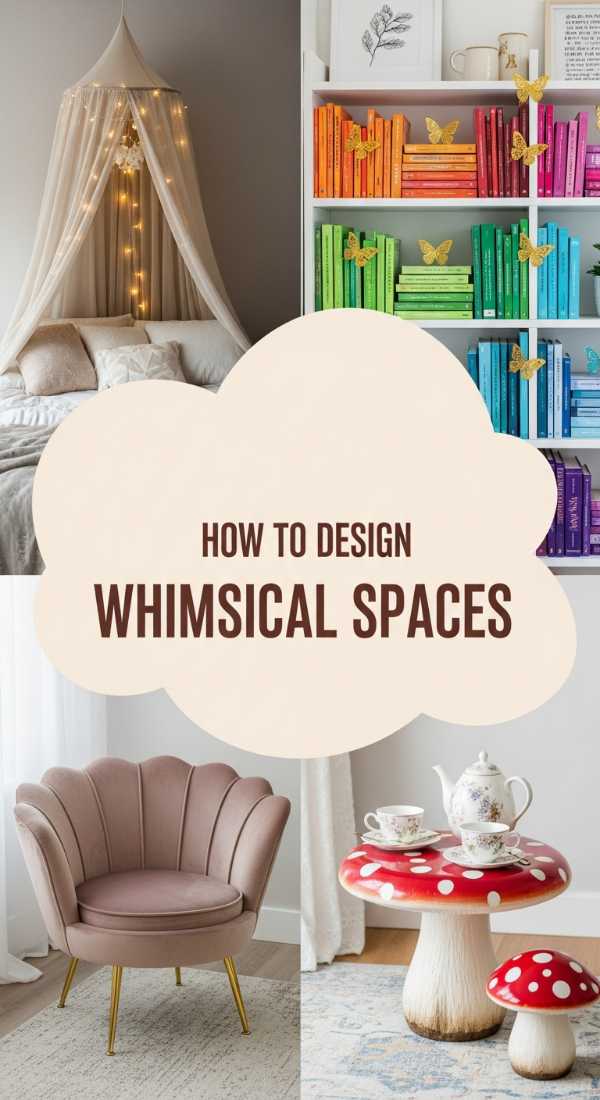
Whimsical design is an invitation to play, a rebellion against the sterile and the serious. We adore this look because it feels like stepping inside a beautifully illustrated storybook where the rules of gravity and adulting don’t quite apply. Imagine the soft glow of fairy lights twinkling against pastel velvet, the playful curves of mushroom-shaped lamps, and the faint, sweet aroma of lavender and old paper. It’s a space that encourages daydreaming, making the mundane act of drinking tea feel like a magical ceremony in a hidden forest glade.
Essential Elements:
- Mushroom-shaped decor and botanical motifs
- Soft, iridescent or pastel color palettes
- Curved furniture with scalloped edges
- Wall decals of stars, clouds, or wildflowers
- Sheer, fluttery fabrics like organza or tulle
- Vintage gold frames and ornate mirrors
How to make it
- Start by softening the ‘structure’ of your room. Replace sharp, angular furniture with rounded silhouettes—think scalloped headboards or kidney-shaped coffee tables that encourage a fluid flow through the space.
- Infuse the air with ‘lightness.’ Hang sheer, ethereal curtains high above the window frames so they pool slightly on the floor. When the breeze catches them, they should dance, creating a sense of movement and mystery.
- Add ‘sparkle’ by layering light sources. Instead of one harsh overhead light, use ‘simmering’ low-level lighting: warm-toned LED strips behind mirrors, mushroom floor lamps, and strings of delicate fairy lights tucked into glass jars.
- Finalize the ‘composition’ with unexpected details. Place a cluster of vintage brass butterflies on the wall or a velvet stool in a contrasting candy-tone. The ‘doneness’ cue here is a feeling of enchantment—if the room feels like it could belong to a forest spirit, you’ve mastered it.
How to Master Mobile Home Decorating for Maximum Cozy Comfort
Why we love this
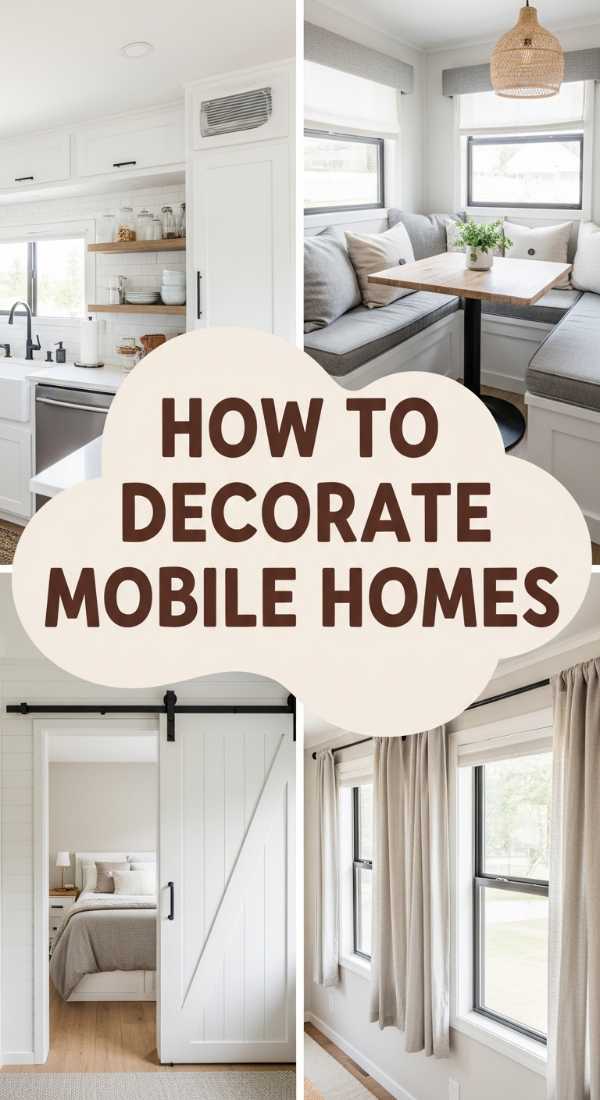
Mobile home living offers a unique opportunity to create a ‘nest’ that is incredibly intentional and ultra-cozy. We love how this aesthetic prioritizes the tactile—thick chunky knit blankets, smooth light-wood finishes, and the comforting, snug feeling of a perfectly utilized small space. There’s something deeply satisfying about the way every object has a dedicated place, creating a sense of order and peace. The atmosphere is often bright and airy, smelling of fresh linen and cedar, making the entire home feel like a warm, portable hug that travels with you.
Essential Elements:
- Multi-functional furniture (storage ottomans, Murphy beds)
- Light-reflecting mirrors to expand the visual space
- Light-colored walls (whites, soft greys, or pale oaks)
- Vertical storage solutions and floating shelves
- Cozy textiles like faux fur and heavy knits
- Indoor plants to bring the outside in
How to make it
- Optimize your ‘base’ by maximizing light. Paint all interior walls in a high-reflectivity white or a very pale wood grain. This ‘sears’ away the shadows that can make small spaces feel cramped, providing a clean canvas.
- Layer your ‘comfort’ zones. Since space is at a premium, ensure every seat is an oasis. Add a high-pile rug to the floor to dampen sound and provide a plush ‘crust’ of comfort underfoot.
- Execute ‘precision’ storage. Use vertical ‘heat’—climb the walls with floating shelves that go all the way to the ceiling. This draws the eye upward, creating the illusion of height while keeping the floor clear and ‘uncluttered.’
- Season with personality. Use small-scale accents like a gallery wall of tiny polaroids or a curated shelf of mugs. The ‘visual cue’ for completion is when the space feels ‘full’ but not ‘overflowing’—a perfect balance of utility and charm.
How to Embody Summer Home Decor for Sun-Drenched Relaxation

Why we love this
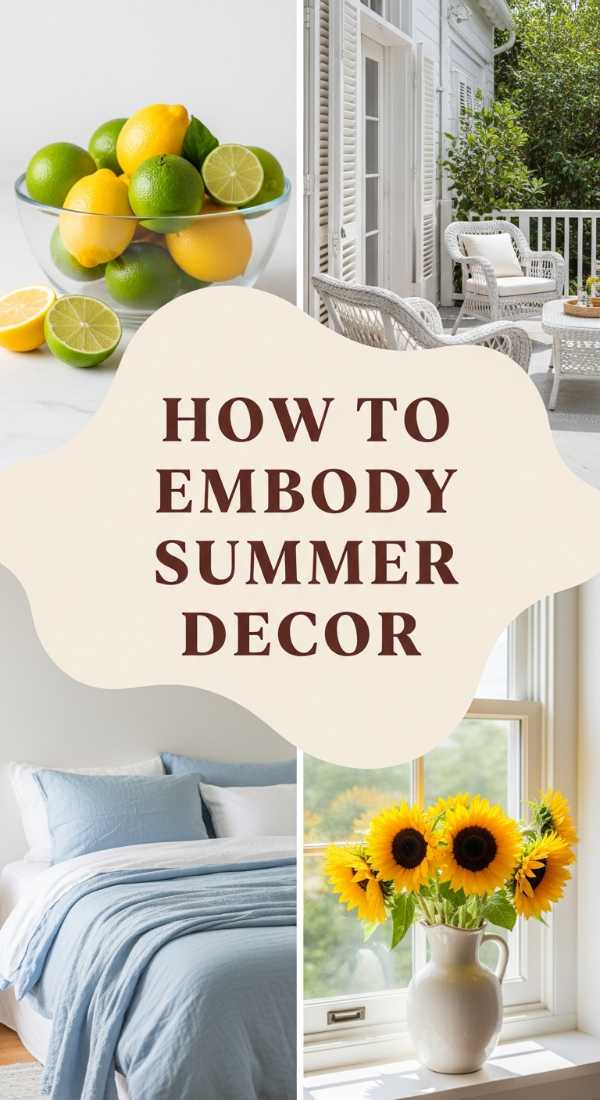
Summer decor is the interior equivalent of a deep, refreshing breath of salty sea air. We love it for its ability to make a home feel perpetually bright, cool, and effortless. Think of the crispness of white linen sheets against sun-warmed skin, the zesty, uplifting scent of sliced lemons and garden mint, and the sight of sunlight dancing through woven rattan shades. It’s an aesthetic that strips away the heavy layers of winter, leaving behind a space that feels light, hydrated, and ready for a slow, barefoot afternoon of pure relaxation.
Essential Elements:
- Natural fibers (jute, seagrass, linen, rattan)
- A palette of crisp white, sand, and citrus accents
- Fresh greenery and bowls of citrus fruit
- Lightweight, breathable window treatments
- Open-air feeling with minimal clutter
- Indoor-outdoor transition pieces
How to make it
- De-clutter to create ‘airiness.’ Remove heavy rugs and dark velvet pillows. You want the room to feel ‘light’ and ‘flaky’ like a puff pastry—nothing should feel weighed down or dense.
- Introduce ‘organic’ textures. Replace heavy wood tables with rattan or wicker pieces. These materials allow light and air to pass through them, which keeps the visual ‘temperature’ of the room low and breezy.
- Add ‘zest’ with color pops. Use citrus tones—lemon yellow, lime green, or blood orange—in small doses like throw pillows or kitchen towels. These act as high-notes that wake up the neutral base of the room.
- Finalize with ‘freshness.’ Place a large glass vase of eucalyptus or palm leaves in the center of the room. The ‘doneness’ cue is a sense of coolness; if the room feels like a shaded porch on a hot day, you have achieved summer perfection.
How to Integrate Sacred Catholic Home Decor for Spiritual Peace
Why we love this
There is a timeless, reverent beauty in Sacred Catholic decor that transforms a home into a sanctuary for the soul. We love the way it blends high-art sophistication with humble devotion—the flicker of a votive candle against a gold-leafed icon, the faint, woody aroma of frankincense, and the cool touch of marble or polished wood. It’s a style that prioritizes quietude and reflection, creating pockets of peace where one can escape the noise of the world and feel connected to something much larger and more ancient.
Essential Elements:
- Home altars or prayer corners (Oratory)
- Religious icons and classic sacred art
- Crucifixes in traditional materials like wood or brass
- Votive candles and incense burners
- Rich jewel tones (deep reds, blues, and golds)
- Lace altar cloths or embroidered linens
How to make it
- Identify your ‘hearth’ or focal point. Choose a quiet corner or a mantle to serve as your sacred space. This will be the ‘reduction’ of your design—the most concentrated area of spiritual intention.
- Layer ‘timeless’ materials. Use a base of dark, polished wood for your altar and cover it with a delicate white lace runner. This contrast between the ‘heavy’ and the ‘delicate’ creates a sense of liturgical tradition.
- Infuse ‘light and scent.’ Place beeswax candles of varying heights and a small incense boat or burner. The ‘visual cue’ is the soft, warm glow that draws the eye and centers the mind during quiet moments.
- Add ‘narrative’ through art. Hang a high-quality print of a classic masterpiece or place a small, hand-painted icon. The ‘doneness’ is reached when the space feels ‘hushed’ and ‘set apart’ from the rest of the domestic activity.
How to Blend Coastal Home Decor for Fresh Oceanic Serenity
Why we love this
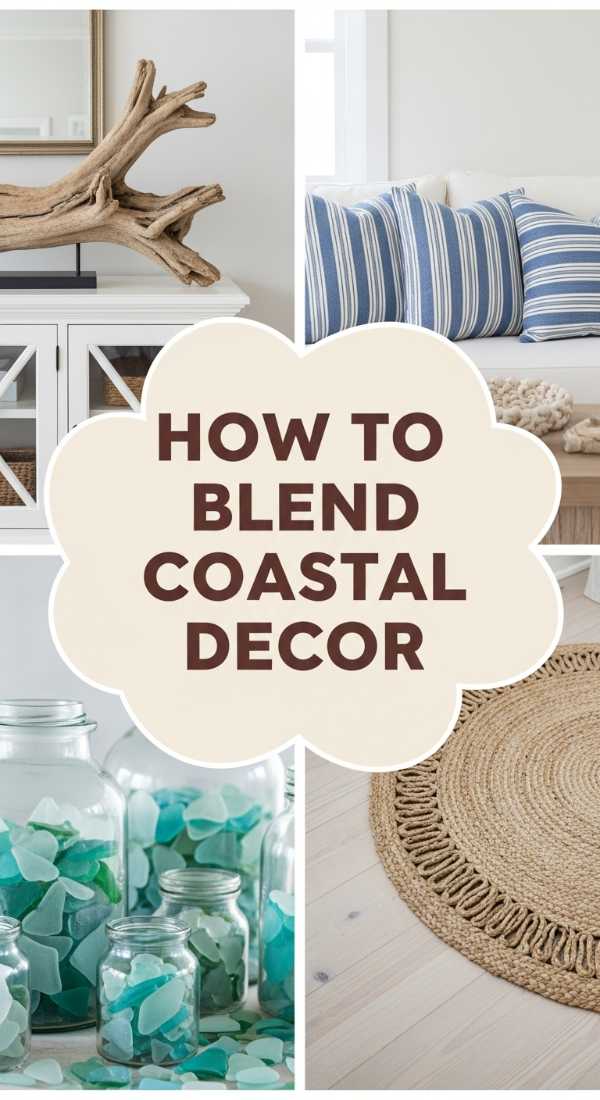
Coastal decor is the ultimate balm for a busy mind, offering a serene palette inspired by the meeting of land and sea. We love the tactile contrast of smooth, sea-washed glass against the rugged grain of driftwood, and the way soft blues and whites mimic the rhythm of the waves. The air in a coastal home feels cleaner, often carrying the faint, ozonic scent of salt and sun-bleached cedar. It’s an aesthetic that promotes deep sleep and slow mornings, making every day feel like a calm stroll along a private shoreline.
Essential Elements:
- A color palette of watery blues, sandy beiges, and crisp whites
- Bleached wood or driftwood accents
- Slipcovered furniture in white or oatmeal linen
- Natural textures like seagrass rugs and coral motifs
- Nautical-inspired lighting (lanterns or rope details)
- Large windows with minimal, breezy treatments
How to make it
- Establish a ‘wash’ of color. Start with a foundation of soft white walls and layer in different ‘tints’ of blue—from pale seafoam to deep navy—to mimic the depth of the ocean.
- Introduce ‘weathered’ textures. Select furniture with a ‘distressed’ or ‘pickled’ finish that looks as though it has been seasoned by salt air. This adds an authentic, lived-in ‘crust’ to the room.
- Layer ‘organic’ sea-life elements. Scatter subtle nods to the ocean, such as a bowl of sea glass, a piece of dried coral, or a lamp with a jute-wrapped base. Avoid ‘kitschy’ items; keep the selections sophisticated and raw.
- Focus on ‘fluidity.’ Arrange furniture to allow for an open, easy flow, much like an incoming tide. Check for ‘doneness’ by standing in the center of the room; it should feel spacious, light, and incredibly ‘cool’ to the eye.
How to Perfect Vintage Home Decor Ideas for Classic Sophistication
Why we love this
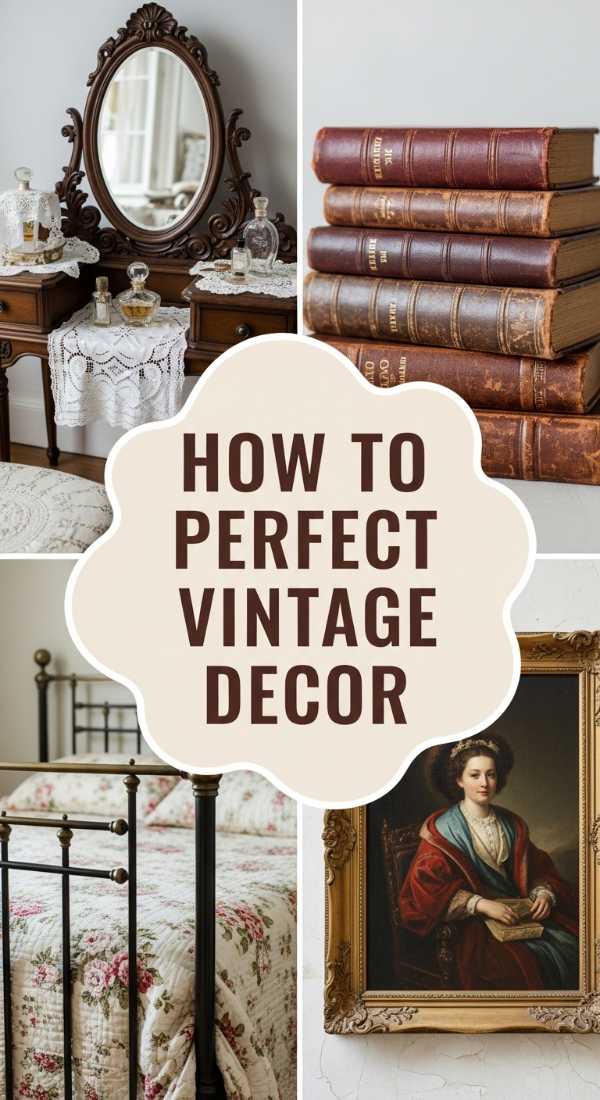
Vintage decor is like a well-aged wine; it has complexity, history, and a depth that new items simply can’t replicate. We love the soulful feel of a velvet armchair that has seen decades of conversation, the solid weight of an antique brass lamp, and the nostalgic, slightly musty aroma of old library books. It’s an aesthetic that rewards the hunter, turning a home into a curated gallery of personal history and classic sophistication, where every object has a story to tell and a unique patina to admire.
Essential Elements:
- Antique or repurposed furniture with character
- Rich fabrics like velvet, brocade, and heavy silk
- Ornate gilded frames and vintage oil paintings
- Mid-century modern or Victorian silhouettes
- Darker, moodier color palettes (forest green, burgundy, navy)
- Classic patterns like houndstooth, floral, or toile
How to make it
- Start with a ‘base’ of history. Find one ‘hero’ piece of furniture—like a curved velvet sofa or a dark wood apothecary chest—and build the rest of the room around its specific era and ‘flavor.’
- Layer in ‘metallic’ highlights. Introduce aged brass or tarnished silver through picture frames, candlesticks, or drawer pulls. This adds a ‘shimmer’ of old-world luxury that breaks up the darker tones.
- Apply ‘textural’ depth. Mix fabrics with different ‘mouthfeels’—pair a smooth leather chair with a rough wool throw and a plush velvet pillow. This creates a rich, sensory experience that feels ‘expensive’ and curated.
- ‘Curate’ your collection. Arrange a gallery wall using a mix of vintage mirrors and thrifted oil portraits. The ‘doneness’ cue is a sense of ‘curated chaos’—it should look like a collection gathered over a lifetime, not bought in a single weekend.
How to Layer Eclectic Boho Home Decor for a Relaxed Nomadic Spirit
Why we love this
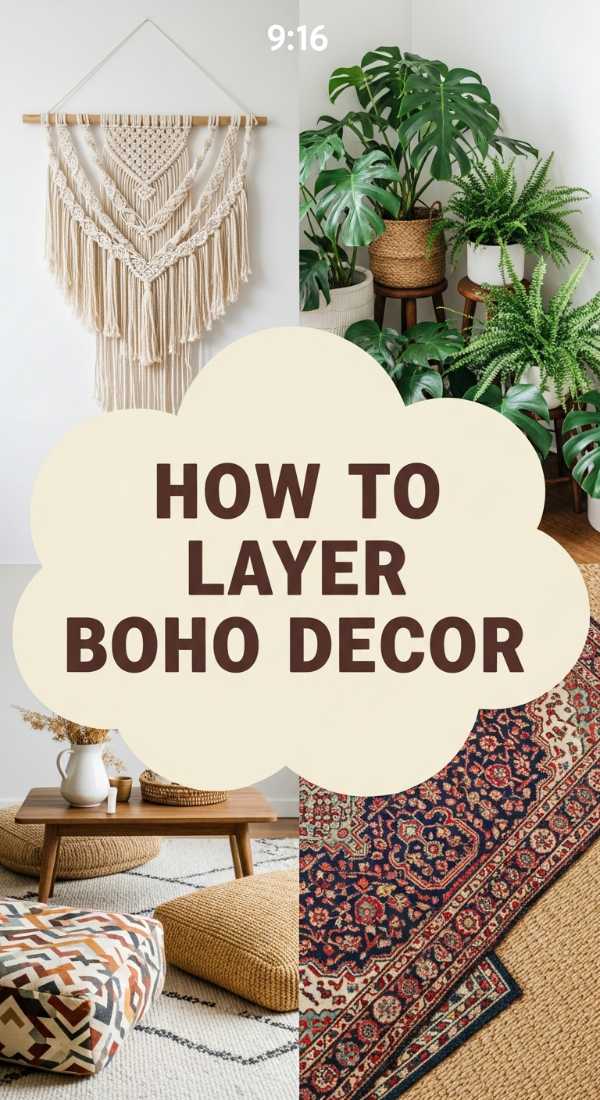
Eclectic Boho is a vibrant celebration of the global traveler’s spirit, a feast for the eyes that feels warm, unpretentious, and deeply personal. We love the riot of colors and patterns—Persian rugs layered over jute, macrame wall hangings swaying gently, and a forest of indoor plants breathing life into every corner. It smells like sandalwood and rich earth, and it feels like a soft, cushioned landing pad where you can kick off your shoes and be your most authentic self among treasures from around the world.
Essential Elements:
- Layered rugs (mixing patterns and textures)
- Macrame, fringe, and tassel details
- A ‘jungle’ of indoor plants (pothos, palms, fiddle leaf figs)
- Global textiles (kilims, mudcloth, ikat)
- Low-slung seating and floor poufs
- Rattan and bamboo furniture pieces
How to make it
- Build a ‘base’ of layered patterns. Start by placing a large, neutral jute rug down, then ‘sear’ a smaller, brightly patterned Persian or Moroccan rug on top at an angle. This layering is the ‘heart’ of the boho vibe.
- Introduce ‘vertical’ life. Hang plants from the ceiling in macrame holders and place them on high shelves to create a ‘canopy’ effect. This brings a living, breathing energy to the ‘upper’ levels of the room.
- Mix your ‘textile’ palette. Don’t match your pillows; instead, choose a variety of sizes and patterns that share at least one common color ‘note.’ This ensures the look is ‘unified’ but not ‘uniform.’
- Finalize with ‘nomadic’ accents. Display travel souvenirs, vintage cameras, or hand-carved bowls. The ‘doneness’ cue is a feeling of ‘maximalist comfort’—if there’s a cozy spot to sit in every corner surrounded by things you love, you’ve nailed it.
How to Channel Nostalgic 90s Home Decor for a Fun Retro Callback
Why we love this
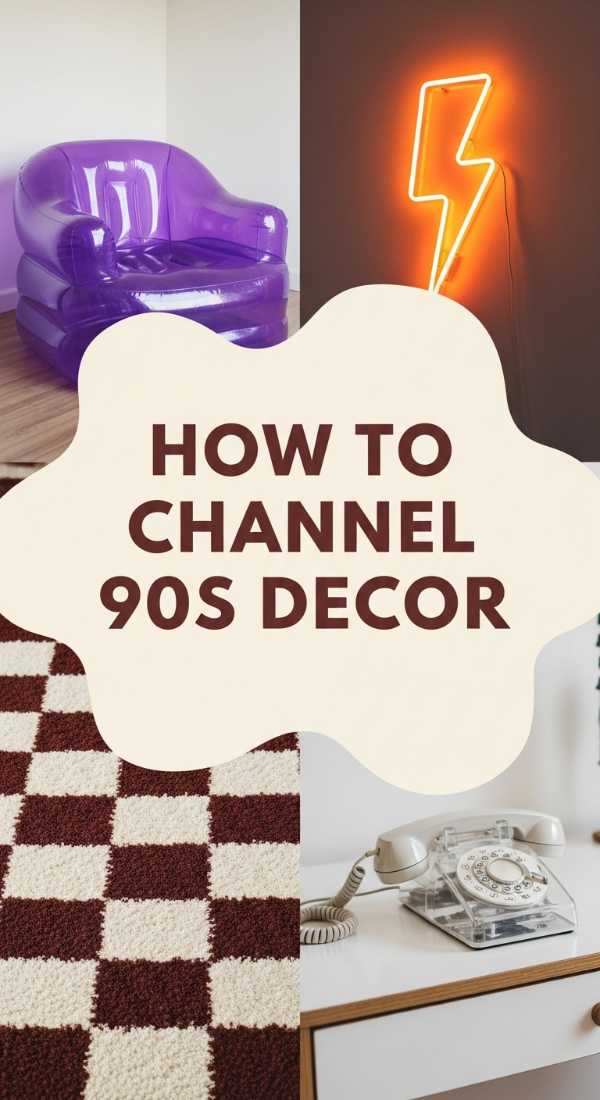
Nostalgic 90s decor is a playful, high-energy trip down memory lane that doesn’t take itself too seriously. We love the bold, graphic pops of primary colors, the quirky ‘inflatable’ aesthetics (reimagined for modern comfort), and the sheer fun of neon signage. It’s a space that feels like a Saturday morning cartoon—bright, optimistic, and full of personality. The air feels charged with a youthful energy, perhaps smelling of fruity candles or fresh laundry, creating a home that is an instant conversation starter and a total mood-booster.
Essential Elements:
- Checkered patterns (specifically black and white)
- Neon light signs and colorful LED strips
- Curved, ‘blob-like’ furniture and decor
- Primary color accents (red, blue, yellow)
- Acrylic or ‘ghost’ furniture
- Retro tech used as decor (clear phones, vinyl players)
How to make it
- Start with a ‘graphic’ foundation. Introduce a checkered rug or a set of checkered throw pillows. This ‘high-contrast’ pattern provides the signature 90s ‘rhythm’ that anchors the room.
- Apply ‘synthetic’ pops of color. Use translucent acrylic side tables or neon-colored glass vases. These ‘plastic-chic’ materials capture the ‘glossy’ finish that was so prevalent in the late 20th-century aesthetic.
- Introduce ‘electric’ lighting. Add a custom neon sign or hide RGB light strips behind your bed frame or desk to create a ‘glow’ that can change according to your mood. This adds a ‘digital’ heat to the space.
- Season with ‘pop’ culture. Use ‘throwback’ items like a clear-cased telephone or oversized wall clocks. Check for ‘doneness’ by evaluating the ‘fun factor’—if the room makes you smile and feels a bit like a ‘cool’ 90s teenager’s bedroom grown up, it’s perfect.
How to Display Bold Quirky Home Decor for a Unique Personal Statement
[IMAGE_10]
Why we love this
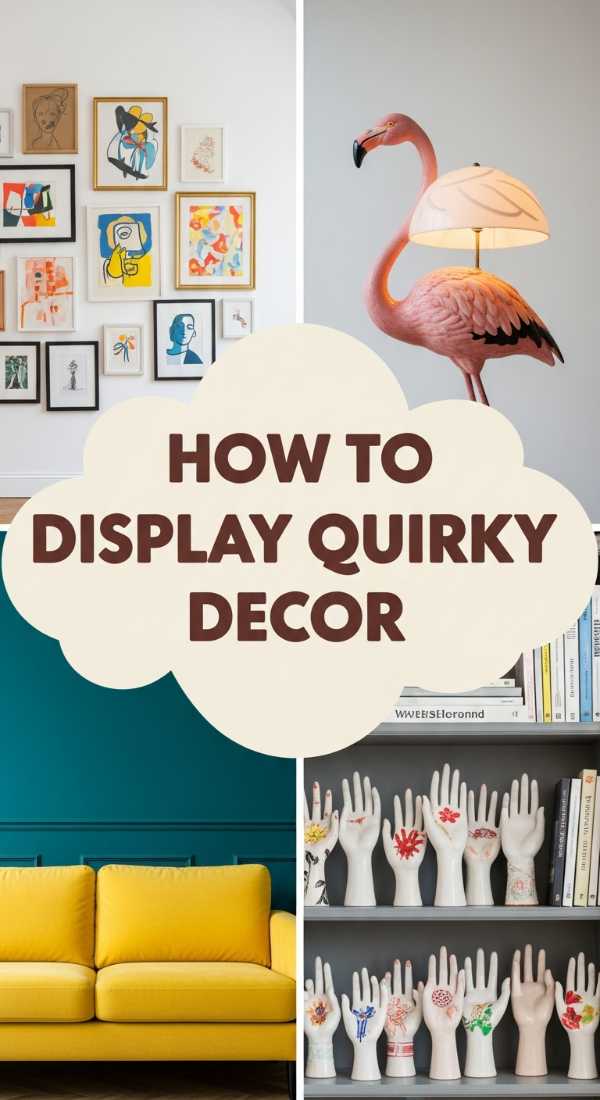
Bold and quirky decor is the ultimate expression of confidence and individuality. We love this aesthetic because it breaks every rule in the book, pairing neon pink with leopard print or displaying giant cherry sculptures on a coffee table. It’s a sensory explosion—textures that range from fuzzy faux fur to sleek cold metal, and a visual landscape that is never boring. Walking into a quirky home feels like an adventure; it smells like a daring perfume and feels like a celebration of the unique, the weird, and the wonderful.
Essential Elements:
- Unexpected, oversized sculptural pieces (e.g., giant food items)
- Clashing patterns (stripes with florals with animal prints)
- Bright, saturated ‘acid’ colors
- Surrealist art and ‘weird’ mirrors
- Unique lighting fixtures (hand-shaped lamps, etc.)
- A ‘more is more’ philosophy
How to make it
- Choose a ‘statement’ protein. Pick one truly ‘out there’ piece—like a bright orange velvet chair or a 3-foot tall gold gnome—to be the center of the room’s gravity. Everything else will ‘garnish’ this piece.
- Practice ‘unapologetic’ clashing. Don’t ask ‘does this go together?’ Instead, ask ‘do I love this?’ Layer a leopard print rug over a striped floor. The ‘friction’ between the patterns is what creates the ‘heat’ in this design.
- Add ‘humorous’ details. Use ‘ironic’ decor, like a ‘Caution’ sign as wall art or a lamp shaped like a bunch of bananas. These ‘spices’ keep the room from feeling too pretentious or ‘designed.’
- Refine the ‘imbalance.’ Quirky decor is about a ‘controlled mess.’ Group odd numbers of items together on surfaces. The ‘doneness’ indicator is when the room feels like a 3D collage of your own brain—uniquely yours and brilliantly strange.
Conclusion
Mastering these viral home trends is ultimately about finding the rhythm that speaks to your own lifestyle. Whether you are drawn to the sun-drenched peace of a coastal retreat or the high-energy nostalgia of a 90s-inspired loft, remember that the most important element in any room is *you*. Use these steps as your recipe, but don’t be afraid to adjust the ‘seasoning’ to suit your own tastes. Your home is the one place in the world where you have total creative freedom, so embrace the process, trust your instincts, and turn those Pinterest dreams into a reality that you can touch, smell, and enjoy every single day.