
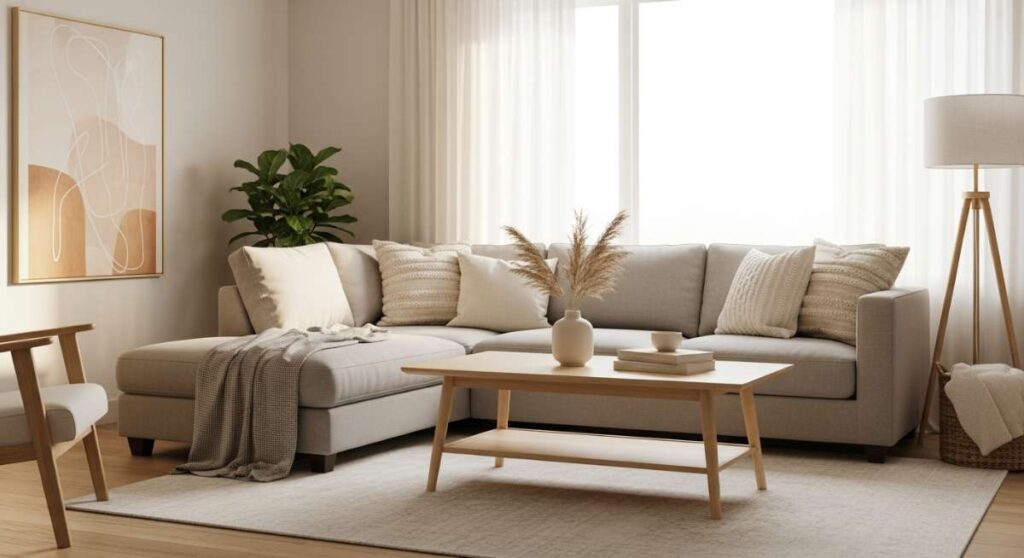
The Cozy Minimalist Secret: How to Design a Living Room You’ll Never Want to Leave
Have you ever walked into your living room after a long, grueling day and felt an instant weight lift off your shoulders? That’s the dream, isn’t it? But for many of us, our living spaces often feel like a battleground between ‘too much stuff’ and ‘too cold to be comfortable.’ We’re stuck in this cycle of buying more to feel cozy, only to realize the clutter is actually what’s keeping us from feeling truly at peace. I’ve spent years experimenting with the ‘less is more’ philosophy, but I quickly realized that minimalism shouldn’t mean living in a white box that feels like a doctor’s waiting room.
The secret I discovered is the ‘Cozy Minimalist’ aesthetic—a delicate dance between curated intentionality and soul-soothing warmth. It’s about creating a sanctuary that breathes, where every object has a purpose and every texture invites you to sink in and stay a while. It’s not about having nothing; it’s about having the *right* things. In this guide, I’m sharing the viral secrets to transforming your living room into a high-vibe, low-stress haven that feels both sophisticated and incredibly snuggly.
How to Elevate a Tiny Apartment for Maximum Cozy Comfort
Why we love this
There is something uniquely magical about a small space when it’s done right—it feels like a curated cocoon designed specifically for your soul. By focusing on elevation rather than just ‘fitting things in,’ you transform a cramped studio or tiny flat into a high-end suite. The air feels lighter when the floor is visible, and the scent of a high-quality sandalwood candle seems to linger longer in a space that isn’t choked by unnecessary furniture. It’s about the tactile joy of running your hand over a smooth wooden surface and the visual relief of a clean, bright corner that catches the morning sun perfectly.
Essential Elements:
- Floating wall-mounted shelving units
- Leggy furniture (mid-century modern style)
- Large-scale floor mirrors
- Sheer linen window treatments
- Multi-functional nesting tables
How to make it
- Start by clearing the floor ‘visual plane.’ Use furniture with slender legs to allow light to flow underneath, creating the illusion of more square footage.
- Measure your vertical space. Install floating shelves at eye level to draw the gaze upward, ‘seasoning’ the walls with a few curated books rather than cluttering surfaces.
- Position a large mirror opposite your primary light source. This ‘simmers’ the natural light, bouncing it throughout the room to eliminate dark, heavy corners.
- Layer in ‘breathable’ fabrics. Replace heavy velvet drapes with sheer linens that filter the ‘heat’ of direct sunlight into a soft, ethereal glow.
- Finalize the layout by ensuring there are 18 inches of walkway between furniture pieces, ensuring the ‘flow’ of the room remains unobstructed and airy.
How to Curate a Minimalist Living Room for a Peaceful Home Atmosphere
Why we love this
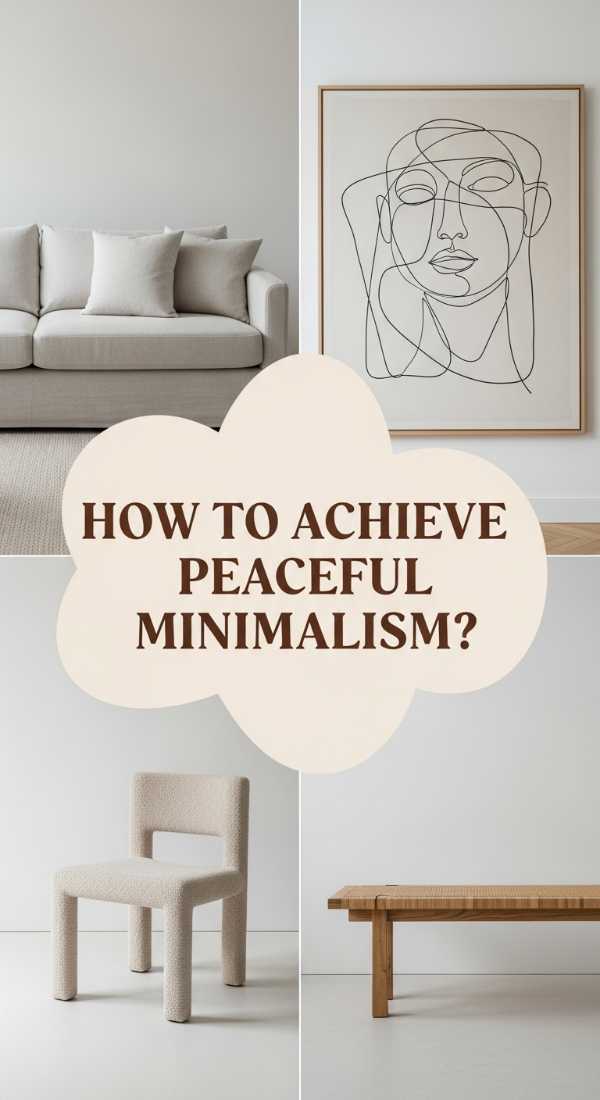
A curated room is a quiet room for the mind. When you remove the visual noise of excess decor, you create space for your thoughts to settle and your creativity to bloom. We love this approach because it treats your home like an art gallery for your life, where only the most meaningful pieces get a ‘spotlight.’ The atmosphere becomes one of deep, resonant stillness, where the ticking of a clock or the sound of a page turning becomes a soothing soundtrack to your evening. It is the ultimate luxury: the luxury of space and clarity.
Essential Elements:
- A single ‘hero’ piece of artwork
- Neutral-toned foundational furniture
- Hidden storage solutions (ottomans/baskets)
- Natural wood accents
- Dimmable ambient lighting
How to make it
- Perform a ‘clutter audit.’ Remove every item that doesn’t serve a daily function or spark genuine joy, effectively ‘reducing’ your room to its essence.
- Select a neutral ‘base’ color for your largest pieces (sofa, rug). Think oatmeal, stone, or soft greys to provide a steady, calming foundation.
- Incorporate ‘concealed prep’ storage. Use woven baskets or sleek cabinets to hide remotes, chargers, and magazines, keeping the ‘surface level’ pristine.
- Introduce one ‘hero’ element—a large canvas or a sculptural vase—to act as the room’s focal point, preventing the space from feeling empty or ‘under-cooked.’
- Set your lighting ‘temperature.’ Use bulbs between 2700k and 3000k to ensure the minimalist lines of the room are softened by a warm, golden radiance.
How to Master the Cozy Minimalist Aesthetic for Absolute Serenity

Why we love this
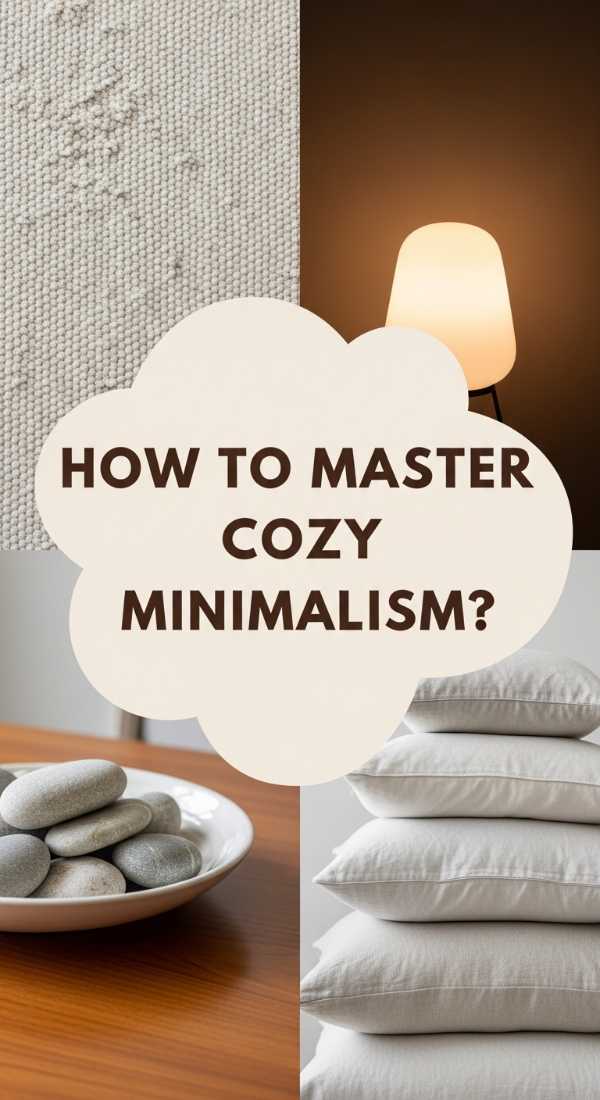
This aesthetic is the ‘hug’ of the design world. It takes the clean lines of minimalism and wraps them in a cashmere blanket. We love it because it feels incredibly expensive yet totally approachable. You get the crispness of a modern home but the soft ‘squish’ of a lived-in space. The sensory experience is unparalleled—think of the contrast between a cool marble coffee table and a warm, chunky wool throw. It creates a ‘sensory balance’ that tells your nervous system it is finally safe to relax and let go of the day’s stress.
Essential Elements:
- Chunky knit wool throws
- Cream-colored bouclé textures
- Natural stone or clay accents
- Dried botanical arrangements (pampas grass)
- Piled floor cushions
How to make it
- Establish your ‘palette.’ Stick to 3-4 shades of the same color family (e.g., beige, tan, cream, and sand) to create a ‘low-contrast’ environment that is easy on the eyes.
- Layer your textures like ingredients in a slow-cooker. Place a high-pile rug over a flat-weave jute base to create a rich, ‘savory’ depth underfoot.
- Swap out ‘cold’ materials like chrome or plastic for ‘warm’ organic ones like terracotta or light oak to add an earthy, grounded soul to the room.
- Soft-style your seating. Add two oversized pillows in varying fabrics (linen meets wool) to each end of the sofa to invite immediate lounging.
- Introduce ‘life’ without the maintenance. A vase of dried eucalyptus provides a soft visual texture and a faint, soothing aroma without the ‘work’ of fresh flowers.
How to Arrange Small Living Room Furniture for Improved Flow and Style

Why we love this
There is a rhythmic beauty in a well-arranged room; it’s like a perfectly choreographed dance. When furniture is placed with intention, the room feels larger, and the energy—or ‘Qi’—moves freely. We love this because it removes the ‘clunky’ feeling of bumping into chairs or navigating obstacles. A smart layout facilitates better conversation, deeper connections, and a sense of mastery over your environment. It’s about making your home work for *you*, rather than you working around your furniture.
Essential Elements:
- Round coffee tables (to prevent ‘sharp’ corners)
- Armless chairs or ‘slipper’ chairs
- Transparent acrylic accents
- Wall-mounted lighting (sconces)
- Defined ‘zones’ using area rugs
How to make it
- Identify the ‘entry point.’ Keep the path from the door to the primary seating clear of any furniture ‘roadblocks’ to ensure a welcoming vibe.
- Use ‘float’ techniques. Pull your sofa a few inches away from the wall to let the room ‘breathe’ and create a sense of depth and professional styling.
- Anchor the space with a rug that is large enough for all front legs of the furniture to sit on, ‘binding’ the pieces into a cohesive social unit.
- Opt for a round coffee table in the center. The lack of corners ‘softens’ the flow and makes it easier for guests to move around the ‘heart’ of the room.
- Incorporate ‘see-through’ elements. A glass or acrylic side table provides function without adding ‘visual weight,’ keeping the ‘airiness’ of the prep intact.
How to Build a Minimalist Home Sanctuary for Mindful Living
Why we love this
A home sanctuary is more than just a room; it’s a lifestyle choice to prioritize your mental well-being. This approach focuses on the ‘ritual’ of living. We love this because it turns mundane tasks—like drinking a cup of tea or reading the news—into a sacred experience. By stripping away distractions, you’re left with the essentials that foster mindfulness. The feeling is one of profound ‘groundedness,’ where the home acts as a protective shell against the frantic pace of the modern world.
Essential Elements:
- Low-profile lounge seating
- A dedicated ‘tech-free’ corner
- Hand-poured soy candles
- Soft, dimmable floor lamps
- A single, thriving indoor plant (like a Rubber Tree)
How to make it
- Designate a ‘Quiet Zone.’ Choose one corner of the room to be completely free of electronics, ‘preparing’ it with a comfortable chair and a small side table.
- Control the ‘light levels.’ Use multiple small lamps rather than one big overhead light to create ‘islands’ of warmth that encourage a meditative state.
- Incorporate ‘nature’s rhythm.’ Place a large plant near a window; the visual cue of something growing ‘slowly’ encourages you to match that pace.
- Use ‘scent-scaping.’ Choose a signature home scent (like lavender or cedar) to ‘glaze’ the room in a consistent olfactory layer of calm.
- Practice ‘one-in, one-out.’ To maintain the sanctuary, for every new object brought in, ‘sear’ your attachment to an old one and donate it to keep the energy fresh.
How to Style Minimalist Room Decor for a Refined Look
Why we love this
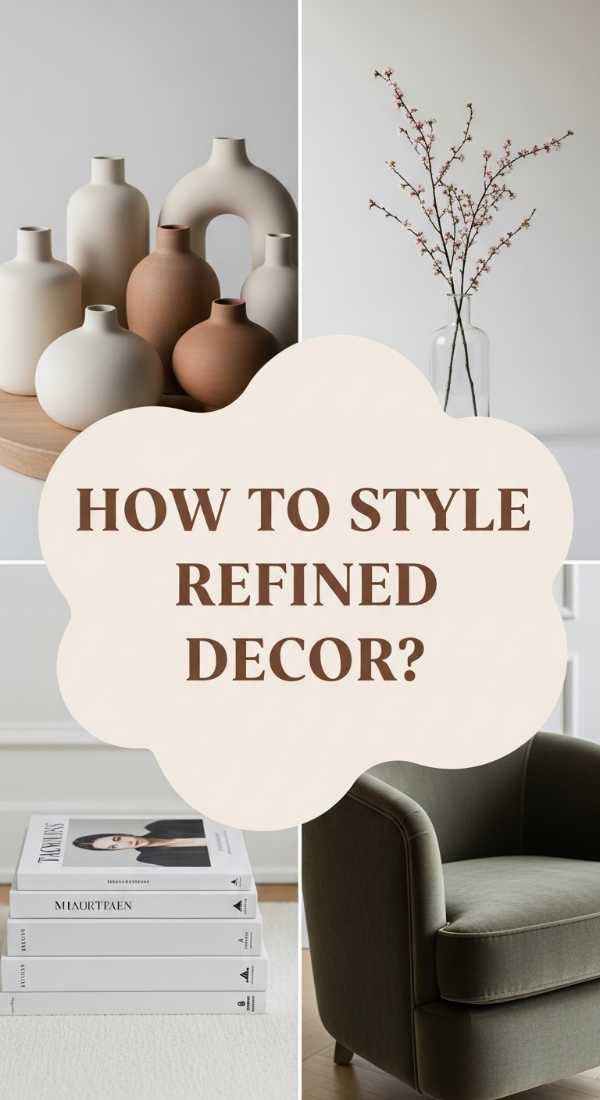
Refined minimalism is the ‘quiet luxury’ of home decor. It’s not about being ’empty,’ it’s about being ‘exquisite.’ We love this because it emphasizes quality over quantity. Every piece of decor becomes a conversation starter—a hand-thrown ceramic bowl, a vintage brass tray, or a heavy linen cushion. The refined look feels intentional, mature, and incredibly chic. It’s like wearing a perfectly tailored white shirt; it’s simple, but the quality of the fabric and the fit make it look like a million bucks.
Essential Elements:
- Monochromatic color schemes
- Mixed metal accents (brass or blackened steel)
- High-quality textiles (silk, linen, wool)
- Sculptural vases and vessels
- Art books with beautiful spines
How to make it
- Apply the ‘Rule of Three.’ Group decor items in threes of varying heights to create a ‘balanced’ visual tension that looks professional and curated.
- Choose a ‘signature’ metal. Incorporate subtle brass or matte black accents in light fixtures or tray edges to ‘garnish’ the room with a touch of sophistication.
- Edit your ‘color story.’ Stick to a tight palette of whites, creams, and one ‘earth’ tone (like terracotta or olive) to ensure a ‘clean’ and cohesive finish.
- Style your coffee table with ‘levels.’ Use a stack of two large art books as a pedestal for a small candle or a unique stone, adding ‘structural’ height.
- ‘Polish’ the look with negative space. Leave at least 40% of your shelf or tabletop space empty to let the ‘refined’ pieces really stand out.
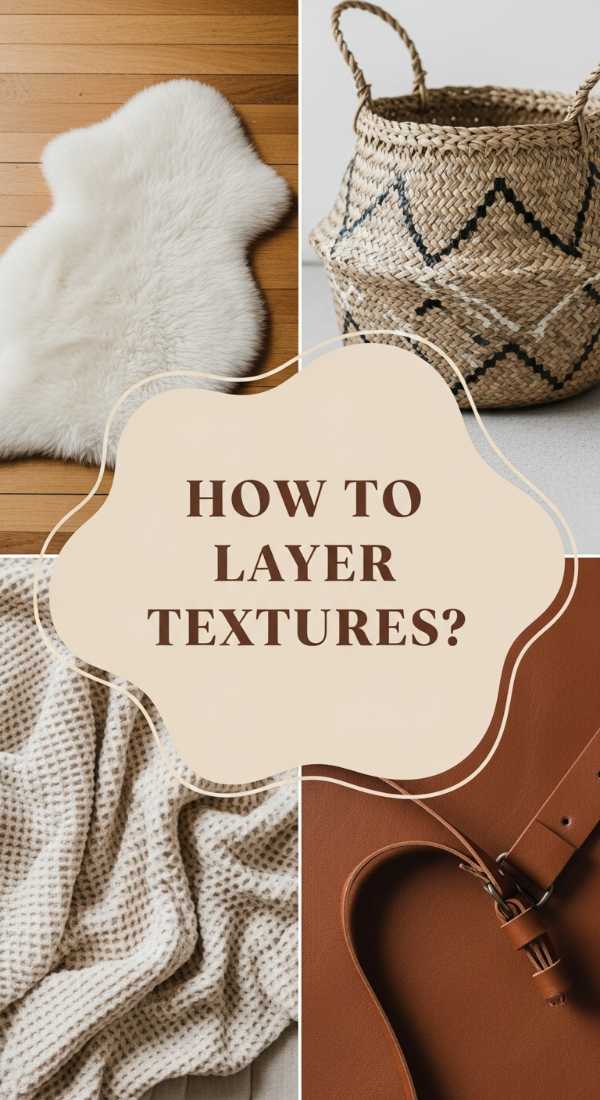
How to Layer Textures in a Cozy Minimalist Space for Ultimate Warmth
Why we love this
Layering is the ‘secret sauce’ that prevents a minimalist room from feeling ‘flat.’ When you layer textures, you add a ‘flavor profile’ to the room that is rich and multi-dimensional. We love the way a nubby wool rug feels against bare feet, contrasted with the smooth, cool touch of a leather chair. It creates a physical ‘warmth’ that goes beyond temperature. It’s a sensory feast that makes the room feel ‘full’ and ‘finished’ without needing to add a single piece of actual ‘stuff.’
Essential Elements:
- Jute or Sisal base rugs
- Sheepskin (or faux) throws
- Woven rattan baskets
- Smooth velvet or linen pillows
- Raw wood surfaces
How to make it
- Start with your ‘base layer.’ Lay down a large, flat-weave rug (like jute) to provide a ‘crust’ of earthy texture across the entire floor.
- Add the ‘filling.’ Toss a high-pile or shag rug on top of the base rug at an angle to introduce a ‘creamy,’ soft texture to the seating area.
- ‘Fold in’ the textiles. Mix and match pillow covers—combine a rough-hewn linen with a smooth velvet to create a ‘contrast’ that is pleasing to the touch.
- Drape your ‘toppings.’ Place a chunky knit throw over the arm of a sofa, letting it ‘pool’ slightly on the seat to invite someone to wrap themselves in it.
- Incorporate ‘raw’ elements. Add a wooden bowl or a rattan tray to bring in a ‘grainy’ texture that breaks up the ‘smoothness’ of modern furniture.
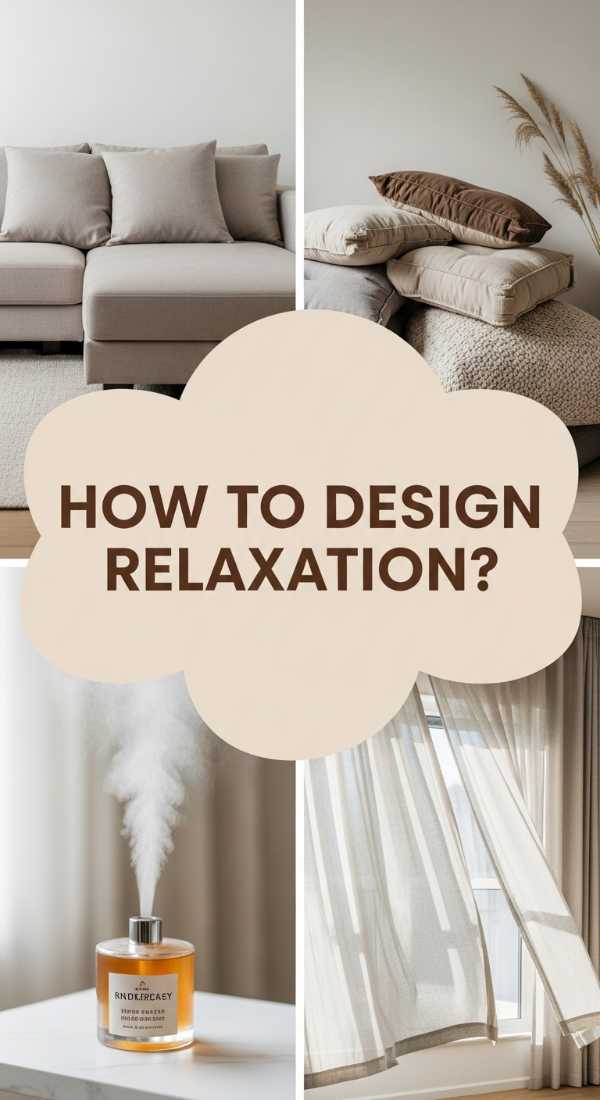
How to Design a Minimalist Living Room for Daily Relaxation
Why we love this
Design should serve your life, not just your Instagram feed. Designing for daily relaxation means prioritizing ergonomics and comfort while maintaining a clean aesthetic. We love this because it turns the living room into a ‘recharge station.’ The absence of clutter reduces ‘decision fatigue,’ and the presence of extreme comfort ensures that your ‘rest time’ is actually restorative. It’s about creating a ‘soft landing’ for yourself every single evening, where the couch is deep and the lighting is just right.
Essential Elements:
- Deep-seated ‘cloud’ style sofas
- Adjustable floor lamps for reading
- Soft-touch remote organizers
- Plush, oversized floor rugs
- Ergonomic lounge chairs
How to make it
- Select a ‘sink-in’ sofa. Prioritize a depth of at least 40 inches to ensure the ‘prep’ for relaxation is built into the furniture itself.
- Install ‘dimmer’ technology. Every light source should be adjustable so you can ‘simmer’ the brightness down as the evening progresses toward sleep.
- Arrange for ‘reachability.’ Ensure every seating spot has a ‘landing pad’ (side table) within arm’s reach for a book, a drink, or a pair of glasses.
- Use ‘soft’ window treatments. Use blackout-lined linen curtains that can be closed to ‘seal out’ the busy world and create a private, quiet ‘chamber.’
- Keep ‘relaxation tools’ handy but hidden. Place a soft eye mask or a favorite book in a sleek drawer near your main seat for ‘instant’ access to calm.
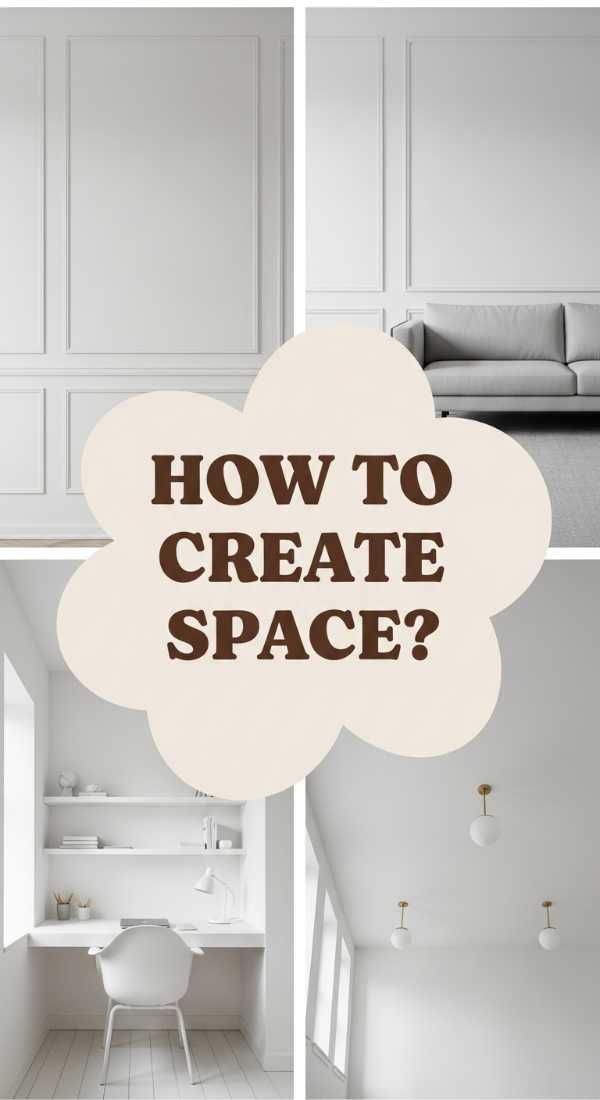
How to Optimize a Small Living Room for a Spacious Feel
Why we love this
There is a unique thrill in ‘cheating’ the eye into seeing more space than actually exists. Optimizing for a spacious feel creates a sense of freedom and ‘breathability’ that can be life-changing in a small home. We love the ‘openness’ it brings to your daily life; you no longer feel ‘boxed in.’ Instead, the room feels ‘expanded,’ light-filled, and energetic. It’s about using design ‘tricks’ to maximize every square inch, turning a ‘tiny’ room into a ‘grand’ experience.
Essential Elements:
- Furniture with ‘clear’ lines
- Wall-to-wall light-colored rugs
- Vertical storage reaching the ceiling
- Mirror-backed shelving
- Uniform color palettes
How to make it
- Utilize ‘low-profile’ furniture. Choose pieces that sit closer to the ground to keep the ‘horizon line’ of the room low, making the ceilings feel ‘lifted.’
- Use the ‘long-line’ technique. Hang curtain rods 6 inches above the window frame and let the fabric ‘puddle’ on the floor to ‘stretch’ the height of the walls.
- Paint ‘tone-on-tone.’ Use the same color for your walls, baseboards, and even shelving to ‘erase’ the visual boundaries and make the room feel ‘limitless.’
- Maximize ‘glass and gloss.’ Use a glass-top coffee table or a high-gloss lacquer tray to ‘reflect’ the light, adding a ‘sparkling’ clarity to the space.
- Keep ‘sightlines’ open. Ensure no piece of furniture blocks the view of a window or an adjacent room, ‘prepping’ the eye for a continuous, spacious journey.
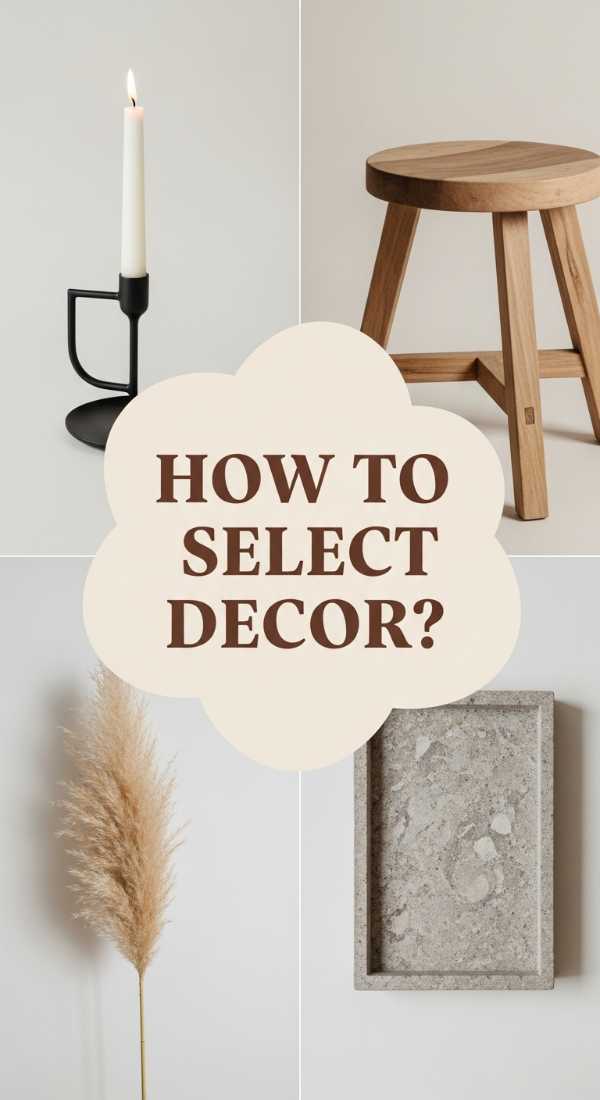
How to Select Minimalist Decor Pieces for a Cohesive Home
[IMAGE_10]
Why we love this
Cohesion is the hallmark of a professionally designed home. It’s the ‘thread’ that pulls every room together into a single, beautiful story. We love this because it creates a ‘seamless’ transition as you move through your home. Nothing feels ‘jarring’ or out of place. It’s about selecting decor that speaks the same ‘language’—whether that’s a language of organic shapes, muted tones, or clean geometry. When your decor is cohesive, your home feels ‘ordered’ and intentional, which leads to a more ‘ordered’ and peaceful mind.
Essential Elements:
- A consistent ‘accent’ material (like light oak or marble)
- A unified ‘color story’ across all rooms
- Repeatable geometric shapes (circles or soft squares)
- Similar ‘weight’ in art frames
- Consistent hardware finishes (all matte black or all brass)
- Quality over quantity mindset
How to make it
- Define your ‘Core Three.’ Pick three ‘ingredients’ (e.g., oak wood, white linen, and matte black metal) and ensure they appear in every corner of the room.
- ‘Batch’ your purchases. When buying decor, look for ‘families’ of items—vases that share the same glaze or pillows from the same collection to ensure an ‘instant’ match.
- Use ‘visual bridges.’ Place a piece of art that contains all your room’s colors in a prominent spot to ‘whip’ the disparate elements together into one ‘mixture.’
- Match your ‘undertones.’ Ensure all your whites are ‘warm’ (yellow-based) or ‘cool’ (blue-based) to prevent the room from looking ‘muddy’ or disconnected.
- Final ‘plating’ check. Stand in the doorway and scan the room; if one object ‘sticks out’ like a sore thumb, ‘de-glaze’ the space by removing it or swapping it for something in your core palette.
Conclusion: Your Sanctuary Awaits
Designing a cozy minimalist living room isn’t just about the furniture you choose or the rugs you layer—it’s about how you feel when the world shuts out and it’s just you and your space. By being intentional with your choices and focusing on high-quality textures and thoughtful layouts, you create a haven that nourishes your soul. Remember, your home should be a reflection of the peace you want to feel inside. Start small, edit often, and always choose comfort. Happy styling!