

We have all been there—standing in the middle of a room that feels simultaneously too small and too full. There is a specific kind of weight that comes with physical clutter; it settles on your shoulders and clouds your mind before you’ve even had your morning coffee. For years, I thought ‘more’ was the answer to making a house feel like a home, but I’ve discovered that true sanctuary is found in the spaces where we let the architecture and our own breath take center stage.
Minimalism isn’t about living in a cold, white box or getting rid of everything you love. It is about curation. It is about choosing to surround yourself only with the things that serve a purpose or spark a genuine sense of peace. When we transition to a minimalist mindset, especially in smaller living spaces, we aren’t just cleaning up; we are creating a canvas for a more intentional life. Let’s dive into how you can transform your home into a high-impact, low-stress haven without breaking the bank.
How to Curate Small Living Spaces for Maximum Comfort

Why we love this
There is an incredible sense of liberation that comes from walking into a room where every object feels intentional. Imagine the soft, tactile sensation of a single, high-quality linen throw draped over a slim-profile chair, rather than a mountain of mismatched pillows. The air feels lighter, and the visual noise is replaced by a soothing palette of neutrals that allows your eyes to rest. It is about the subtle aroma of a clean space and the way the physical boundaries of a room seem to expand when the floorboards are visible and the surfaces are clear of unnecessary debris.
Essential Elements:
- Multi-functional furniture (like an ottoman with storage)
- A cohesive, neutral color palette (creams, sands, and soft greys)
- One large-scale statement piece of art to draw the eye upward
- Clear floor space to allow for easy movement
How to make it
- Begin by performing a visual audit of the room, identifying every item that hasn’t been used or truly appreciated in the last six months.
- Select a ‘hero’ piece of furniture, such as a low-profile sofa, and position it against the longest wall to maximize the central walking area.
- Layer in your neutrals by starting with the largest surfaces—the rug and curtains—ensuring they are within two shades of each other to create a seamless visual flow.
- Incorporate height by adding a tall, slender floor lamp or a vertical shelf, which draws the eye toward the ceiling and creates the illusion of more square footage.
- Finalize the space by ‘editing’ your surfaces; keep only three items on any given tabletop, varying their heights for visual interest while maintaining a sense of openness.
How to Style a Cozy Minimalist Nook for Pure Serenity

Why we love this
A minimalist nook is like a deep exhale in a busy world. It’s that corner of the home where the texture of a hand-woven rug meets the smooth, cool surface of a small wooden side table. The sensory experience is centered on stillness—the gentle flicker of a beeswax candle and the weight of a soft book in your hands. It creates a pocket of serenity where the mind can wander without being distracted by a dozen different colors or competing patterns, offering a tactile hug that recharges your soul.
Essential Elements:
- A single comfortable armchair or floor cushion
- A small, minimalist side table
- A single source of soft, warm lighting (like a reading lamp)
- A high-quality textile, such as a wool or cashmere throw
How to make it
- Identify an underutilized corner near a window to take advantage of natural shadows and light transitions throughout the day.
- Place your seating at a 45-degree angle to the corner to create an inviting, ‘enclosed’ feeling without making the space feel cramped.
- Position a small table within arm’s reach, ensuring its height is level with the armrest of your chair for ergonomic ease.
- Install a warm-toned LED bulb (around 2700K) in your lamp to mimic the glow of a sunset, which signals to your brain that it is time to relax.
- Add one single personal item—a plant or a favorite book—to anchor the space, ensuring it doesn’t compete with the clean lines of the furniture.
How to Design a Minimalist Bedroom for Better Sleep

Why we love this
Your bedroom should feel like a cloud. When you remove the electronics, the piles of laundry, and the busy decor, you are left with a sanctuary that prioritizes the most important sensory experience of all: rest. The feeling of crisp, 100% cotton sheets against your skin and the absolute silence of a room that isn’t cluttered with dust-gathering knick-knacks creates a profound sense of safety. The visual simplicity allows your heart rate to slow and your mind to drift into a deep, restorative slumber.
Essential Elements:
- Breathable, natural fiber bedding (linen or cotton)
- Blackout curtains in a soft, matte fabric
- Symmetry (matching nightstands with minimal items)
- Closed storage to hide all visual ‘noise’
How to make it
- Strip the room of all items that are not related to sleep or intimacy, moving desks or workout equipment to other areas.
- Invest in a platform bed frame with clean lines to eliminate the need for a bulky box spring and allow for better airflow under the bed.
- Dress the bed in layers of the same color family (e.g., all whites or all soft greys) to create a plush, high-end hotel feel that is visually calm.
- Clear the nightstands of everything except a lamp and perhaps a single carafe of water, ensuring the surfaces remain unobstructed.
- Adjust the lighting by using dimmable switches, allowing you to slowly lower the light levels an hour before sleep to prep your circadian rhythm.
How to Organize a Minimalist Home for Daily Flow

Why we love this
There is a rhythmic beauty to a home that functions like a well-oiled machine. When every object has a ‘home,’ the friction of daily life disappears. You no longer spend ten minutes searching for keys or mail. Instead, you experience the smooth glide of a well-organized drawer and the satisfaction of a completely clear kitchen counter. This level of organization creates a sensory feeling of competence and control, where the air feels fresh and every movement through the house is purposeful and fluid.
Essential Elements:
- Uniform storage bins or baskets
- A designated ‘landing strip’ near the entrance
- Labelled zones for high-use items
- Hidden cable management systems
How to make it
- Map out your daily routine to identify ‘hot spots’ where clutter naturally accumulates, such as the entryway or the kitchen island.
- Install a sleek wall-mounted rack or a simple tray at the entry point to catch keys, mail, and sunglasses immediately upon entering.
- Utilize the ‘one in, one out’ rule: for every new item brought into the home, one item must be donated or recycled to maintain the balance.
- Group similar items into uniform containers inside cupboards to eliminate visual chaos when doors are opened.
- Hide all visible power cords using clips or boxes, as exposed wires are one of the biggest contributors to ‘visual friction’ in a minimalist space.
How to Master Living Room Decor for Calm Vibes

Why we love this
A minimalist living room is the heart of a peaceful home. It’s a space where the scent of a clean room mixes with the soft rustle of a curtain in the breeze. By focusing on low-profile furniture and negative space, you create a room that feels ‘breathable.’ The lack of clutter allows the quality of your materials—the grain of a wooden table or the weave of a jute rug—to shine through, providing a sophisticated and calming backdrop for conversation and connection.
Essential Elements:
- Low-to-the-ground furniture to keep sightlines open
- A large, solid-colored area rug to ground the space
- Minimal wall decor (one or two meaningful pieces)
- Hidden storage for media and remotes
How to make it
- Arrange seating in a way that encourages face-to-face interaction, leaving at least 18 inches between the coffee table and the sofa for comfortable movement.
- Choose a rug that is large enough for all furniture legs to sit on, which visually ‘zones’ the area and makes the room feel cohesive.
- Limit decorative objects on the coffee table to a single tray containing no more than three items of varying textures (e.g., a ceramic bowl, a wooden chain, and a candle).
- Opt for sheer window treatments that allow light to filter in while maintaining privacy, softening the edges of the room.
- Use ‘negative space’ intentionally by leaving at least one wall almost entirely bare, which provides a visual ‘rest’ for the eyes.
How to Blend Minimalist Elements with Warm Textures
Why we love this
This is where ‘cold’ minimalism becomes ‘warm’ minimalism. It is the juxtaposition of a sharp, modern line with the soft, inviting crunch of a sheepskin rug or the rough, organic feel of a ceramic vase. By layering textures, you add depth and soul to a room without needing to add more ‘stuff.’ The sensory experience is rich and varied—the coolness of stone, the warmth of wood, and the softness of fabric all working together to create a home that feels curated yet lived-in.
Essential Elements:
- Natural materials (wood, stone, wool, linen)
- Tonal layering (different shades of the same color)
- Handcrafted ceramics with organic shapes
- A mix of matte and polished finishes
How to make it
- Select a base neutral color for your room, then find three different materials in that same color (e.g., a beige linen sofa, a beige wool rug, and a beige velvet pillow).
- Incorporate raw wood elements, such as a side table or picture frames, to add an ‘earthy’ warmth that softens the clean lines of minimalist furniture.
- Layer a smaller, textured rug (like faux fur or jute) over a larger, flat-weave rug to add immediate visual and physical depth.
- Introduce handmade ceramics; the slight imperfections in the glaze and shape provide a human touch that offsets the precision of modern design.
- Swap out cold metal hardware for brushed brass or matte black finishes to add a subtle, sophisticated warmth to cabinets and doors.
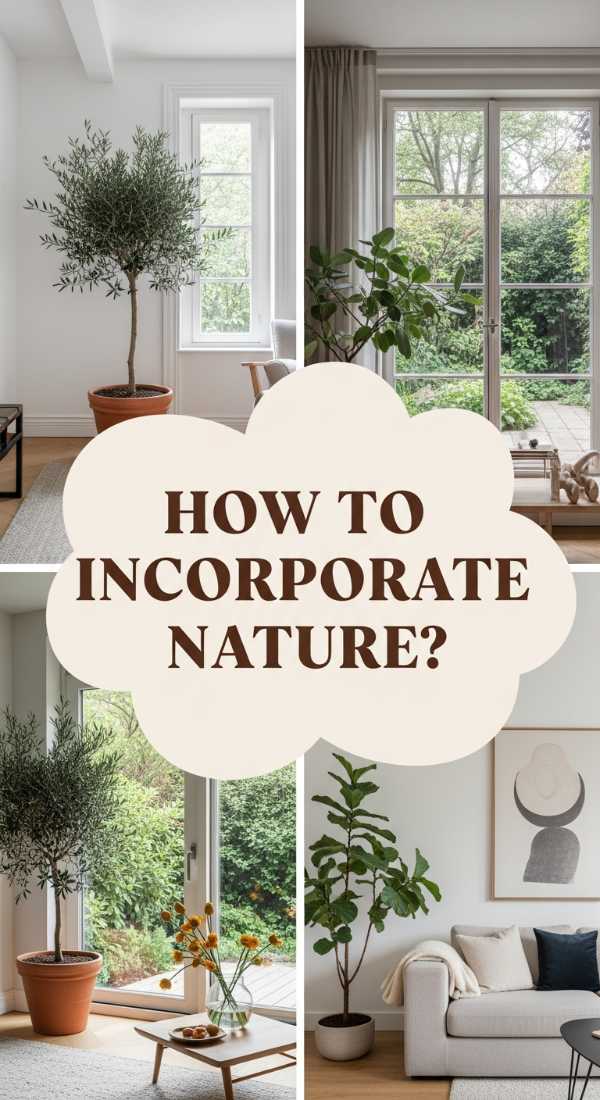
How to Incorporate Nature into Minimalist Room Decor
Why we love this
Bringing nature indoors is the ultimate minimalist hack. A single, vibrant green leaf against a stark white wall creates a focal point that is both calming and energizing. The sensory benefits are immense—the faint, clean scent of damp soil, the way the leaves filter the afternoon light into dancing shadows, and the literal purification of the air you breathe. It bridges the gap between our structured indoor lives and the wild, organic world outside.
Essential Elements:
- Large-leafed plants (like a Monstera or Fiddle Leaf Fig)
- Terracotta or stone planters
- Natural wood accents
- Unobstructed window views
How to make it
- Select one ‘statement’ plant that fits the scale of your room; a tall plant in a corner adds life without cluttering surfaces.
- Group smaller plants in odd numbers (three is ideal) and keep them in identical or tonal pots to maintain a clean, uniform look.
- Position plants near mirrors to double their visual impact and reflect more green throughout the space.
- Use natural elements as decor—a bowl of smooth river stones or a piece of driftwood can serve as a beautiful, minimalist centerpiece.
- Ensure your windows are clean and clear of heavy drapes to ‘frame’ the outdoor view as a natural piece of changing art.
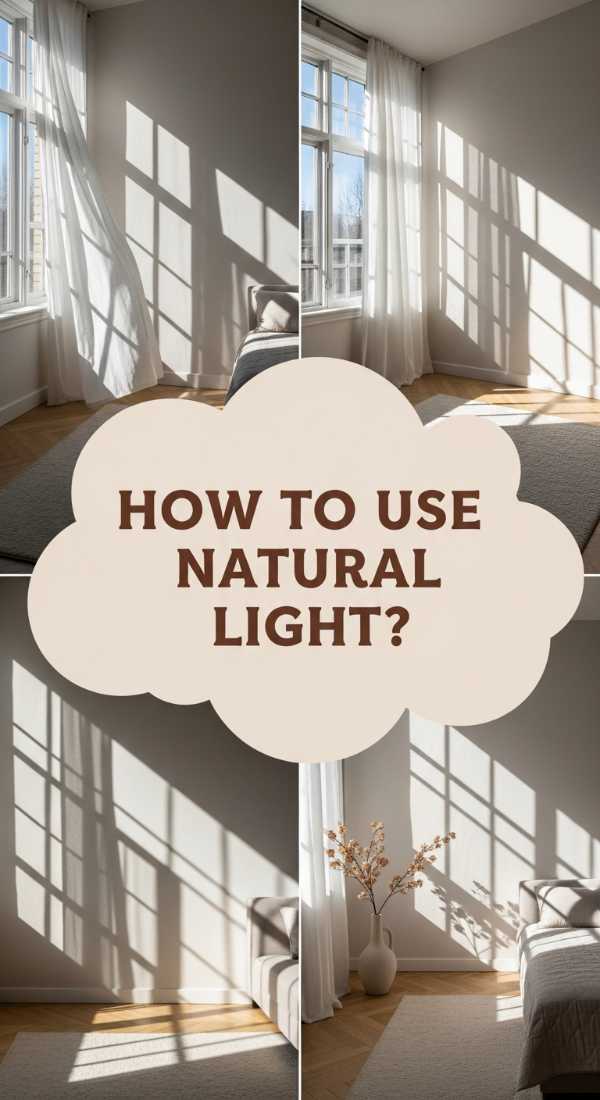
How to Use Natural Light in a Minimalist Home

Why we love this
Natural light is the most important ‘material’ in a minimalist home. It changes the mood of a room from hour to hour, casting long, dramatic shadows in the morning and a golden, honey-like glow in the late afternoon. The feeling of sun hitting your skin while you sit in a simplified room is pure bliss. Light makes everything feel more spacious, highlighting the textures you’ve carefully chosen and making even the smallest apartment feel like an airy loft.
Essential Elements:
- Strategically placed mirrors to bounce light
- Sheer or light-filtering window treatments
- Reflective surfaces (glass, polished stone)
- Light-colored paint with high LRV (Light Reflectance Value)
How to make it
- Paint your walls in a ‘bright white’ or ‘cool grey’ with a high LRV to ensure that every bit of incoming light is reflected back into the room.
- Hang a large mirror directly opposite your largest window to effectively ‘double’ the amount of natural light entering the space.
- Remove any bulky furniture that blocks the path of light from the windows to the rest of the room.
- Replace heavy blinds with light linen or sheer voile curtains that provide privacy while still allowing the sun to permeate the space.
- Keep glass surfaces and windows sparkling clean; even a thin layer of dust can significantly dull the brightness and clarity of a room.
How to Create a Minimalist Kitchen for Culinary Peace

Why we love this
A minimalist kitchen is a dream for anyone who loves to cook. Imagine a countertop that is completely bare, save for a single wooden cutting board and a bowl of fresh lemons. The sensory experience shifts from the stress of ‘cleaning around’ things to the joy of the process—the sound of a knife on wood, the aroma of fresh herbs, and the ease of finding exactly what you need. It turns cooking from a chore into a meditative ritual.
Essential Elements:
- Hidden appliances (behind cabinet doors or in an appliance garage)
- Uniform spice jars and pantry containers
- High-quality, multi-use cookware
- Integrated or ‘handle-less’ cabinetry
How to make it
- Clear everything off your counters and only put back the items you use every single day (usually just the coffee maker or a toaster).
- Invest in a set of matching glass jars for your dry goods; removing mismatched packaging immediately reduces visual ‘noise’ in the pantry.
- Adopt a ‘one pot’ philosophy—high-quality cast iron or stainless steel can replace a dozen cheap, specialized pans.
- Organize your drawers using bamboo or acrylic dividers so that every utensil has a specific slot, preventing the dreaded ‘junk drawer’ syndrome.
- Wipe down all surfaces with a natural, citrus-scented cleaner every evening to maintain the ‘reset’ feel for the next morning’s use.
How to Transition to a Cozy Minimalist Evening Routine
[IMAGE_10]
Why we love this
The transition from the chaos of the day to the peace of the night is the ultimate minimalist ritual. As the lights dim and the house settles, the sensory experience becomes one of soft textures and quiet sounds. The smell of lavender oil, the warmth of a mug of herbal tea, and the feeling of a heavy, knitted blanket create a cocoon of comfort. This routine isn’t just about what you do; it’s about what you *stop* doing, allowing your mind to slowly power down in a space that supports total relaxation.
Essential Elements:
- Dimmer switches or low-wattage lamps
- Essential oil diffuser with calming scents
- Digital-free zone (no phones or laptops)
- A cozy, dedicated ‘wind-down’ spot
How to make it
- Begin the ‘house reset’ at 8:00 PM: spend ten minutes putting away any items that migrated during the day so you wake up to a clean space.
- Lower the lights throughout the house, relying only on secondary lighting like lamps and candles to signal the end of the day.
- Switch off all screens 60 minutes before bed; replace them with a physical book, a journal, or a meditation practice.
- Prepare a simple, warm beverage like chamomile tea, focusing on the warmth of the mug and the steam rising from the cup.
- Mist your pillows with a light lavender or cedarwood spray to anchor the minimalist environment with a signature ‘sleep scent.’
Conclusion: Your Minimalist Journey Starts Now
Minimalism is not a destination; it is a continuous practice of choosing what matters. By focusing on quality over quantity and light over clutter, you can transform even the smallest studio into a sanctuary that feels vast and full of life. Remember, your home should be the place where you go to recharge, not another item on your to-do list. Start small, edit often, and enjoy the incredible peace that comes with a curated life.