
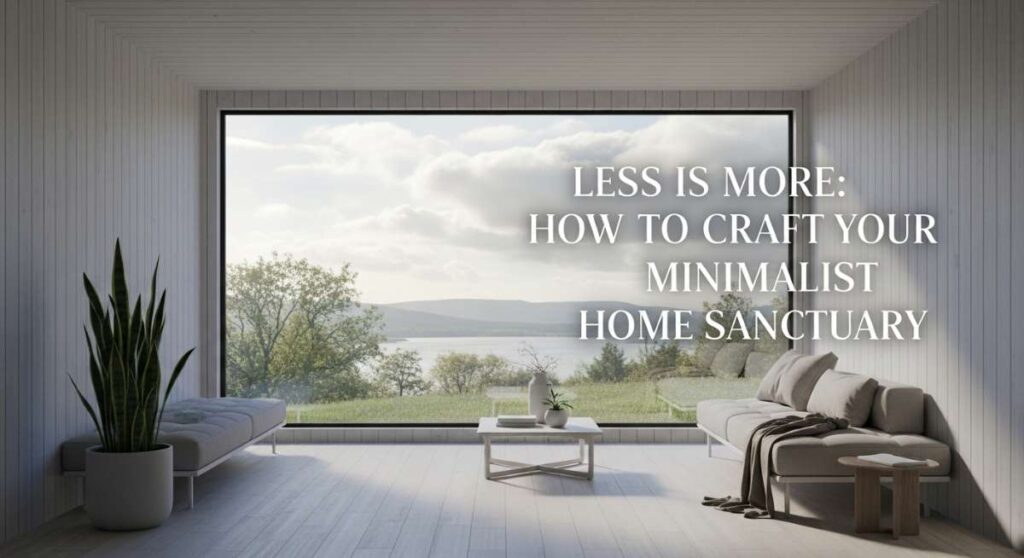
Less is More: How to Craft Your Minimalist Home Sanctuary
Have you ever walked through your front door after a long, draining day, only to feel your shoulders tighten at the sight of piles of mail, scattered shoes, and ‘stuff’ competing for your attention? I’ve been there, staring at a room full of things I thought I loved, yet feeling absolutely suffocated by them. There is a profound, quiet magic that happens when we stop filling our spaces and start curating them—a transition from a house that demands your labor to a sanctuary that restores your soul.
Crafting a minimalist sanctuary isn’t about living in a cold, empty box; it’s about making room for the things that truly matter: the golden hour light dancing on a bare wall, the scent of fresh eucalyptus, and the deep, restorative breath you take when your eyes have a place to rest. Today, I’m sharing the heart-centered steps to stripping away the excess and building a home that feels like a warm hug for your mind. Let’s turn down the volume of the world and find the beauty in the ‘less.’
How to Master Living Room Decor Minimalist Style for Tiny Apartments
Why we love this
There is an incredible sense of liberation in mastering a tiny space with a minimalist lens; it feels like the room suddenly expands, exhaling as the clutter clears. Imagine the crisp, clean scent of linen spray mingling with the bright, airy feeling of sunlight bouncing off white walls, making a 500-square-foot flat feel like a sprawling loft. The texture of a single, high-quality wool rug underfoot provides a grounded warmth that replaces the need for dozens of small, distracting trinkets, creating a focused haven where every inch serves a purpose and every shadow tells a story of intentionality.
Essential Elements:
- Multi-functional nesting tables in light oak or birch.
- Floor-to-ceiling sheer curtains to draw the eye upward.
- A curated gallery wall with no more than three oversized, framed minimalist prints.
- Hidden storage ottomans in neutral canvas.
- A single, large architectural plant like a Bird of Paradise.
How to make it
- Begin by ‘editing’ the floor plan; remove any furniture that obstructs the natural walking paths, aiming for at least 30 inches of clear walkway to ensure a fluid energy flow.
- Prep your walls by painting them a high-reflectance white; use a satin finish to gently bounce light into the dimmest corners of the apartment.
- Select your ‘anchor piece’—usually the sofa—and position it against the longest wall to maximize the central floor area; ensure the legs are visible to create the illusion of more floor space.
- Install your window treatments at the highest possible point, ideally touching the ceiling, to draw the gaze vertically and trick the eye into seeing height.
- Finalize the look by ‘zoning’ with light; place a slim LED floor lamp in a ‘dead’ corner to eliminate shadows that make small spaces feel cramped.
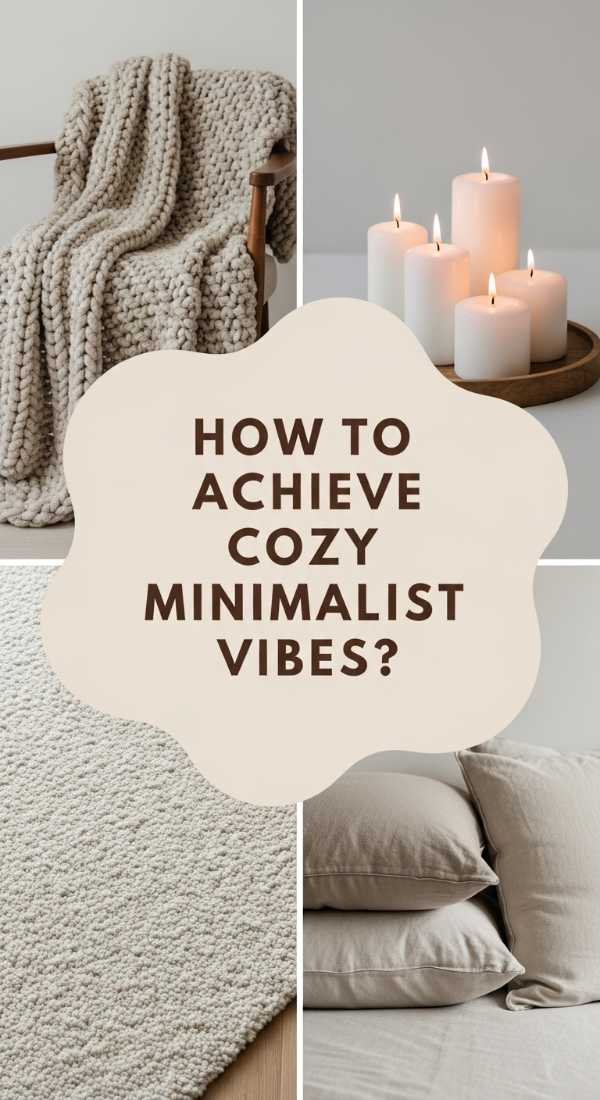
How to Create Cozy Minimalist Vibes for Total Winter Warmth
Why we love this
Minimalism in winter doesn’t mean being cold; it means focusing on the ‘hygge’ elements that provide the most sensory impact without the visual noise. Think of the rich, earthy aroma of sandalwood candles flickering against a backdrop of creamy white walls, or the tactile bliss of a chunky knit throw draped over a simple wooden bench. This style celebrates the contrast between the stark, freezing world outside and the curated, toasted warmth of your home, where every texture is chosen for its ability to soothe the skin and calm the spirit during the darkest months.
Essential Elements:
- Chunky wool or cashmere throw blankets in oatmeal or stone.
- Dimmable amber-toned floor lamps.
- Natural cedar or sandalwood incense and candles.
- Soft, oversized floor cushions in linen or velvet.
- A stack of kiln-dried birch logs near the hearth or in a basket.
How to make it
- Layer your textiles starting with the heaviest weight at the bottom; place a thick rug as your ‘base’ and add throws to seating areas to build ‘visual heat.’
- Adjust your lighting ‘temperature’ to the 2700K range; this mimics the glow of a sunset and avoids the clinical feel that minimalist spaces can sometimes have.
- Introduce ‘organic life’ by placing a bowl of dried oranges or cinnamon sticks on a central table; this provides a natural scent without the need for synthetic sprays.
- Curate your ‘warmth stations’—keep a basket of slippers and a single, beautiful ceramic mug nearby to encourage slow, mindful rituals.
- Monitor the ‘visual weight’ of the room; if a corner feels too heavy with blankets, fold them into tight, clean rolls to maintain the minimalist silhouette while keeping the comfort accessible.
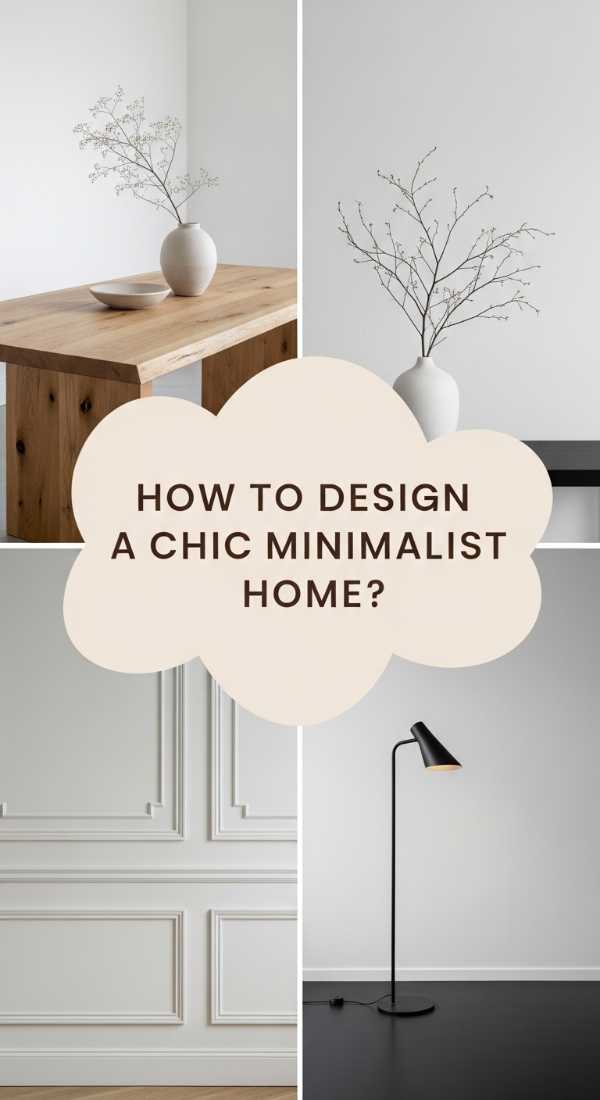
How to Design Minimalist Home Essentials for Effortless Chic Living
Why we love this
Effortless chic is all about the ‘quiet luxury’ of everyday items that are as functional as they are beautiful. There is a deep satisfaction in reaching for a perfectly balanced ceramic mug or seeing a row of uniform glass jars in a pantry, where the ‘heat’ of the design comes from the quality of the materials rather than the quantity of the objects. It transforms mundane tasks—like pouring a glass of water or hanging up a coat—into moments of aesthetic appreciation, filling your daily life with a steady stream of small, visual wins that keep your mind clear and your heart light.
Essential Elements:
- Matching ceramic dinnerware in matte charcoal or eggshell.
- Sleek, black metal coat hooks with a satin finish.
- Uniform glass storage jars with bamboo lids.
- High-quality linen tea towels in muted earth tones.
- A single, sculptural water carafe for the bedside or dining table.
How to make it
- Perform a ‘utility audit’ by removing every item in your kitchen or entryway that is chipped, broken, or visually ‘loud’ (like plastic packaging).
- Decant all pantry essentials into your uniform glass jars; this ‘visual cue’ tells your brain that the space is organized, lowering cortisol levels instantly.
- Swap out mismatched hardware for a single, consistent finish across the home, such as brushed brass or matte black, to create a ‘threaded’ design language.
- Choose ‘hero’ essentials that stay on display; a single high-end wooden cutting board can serve as both a tool and a piece of decor.
- Maintain the ‘one in, one out’ rule strictly; for every new chic essential you bring in, a redundant or lower-quality item must be donated or recycled.
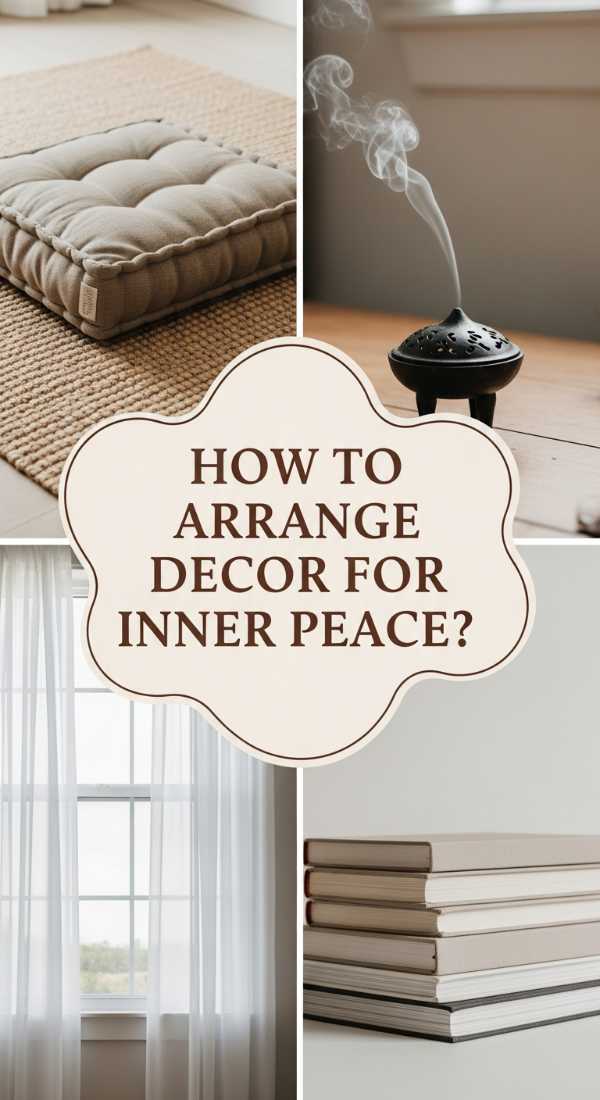
How to Arrange Room Decor Minimalist Pieces for Maximum Serenity
Why we love this
The arrangement of a room is the choreography of your home life, and a minimalist arrangement is like a slow, graceful dance. We love the ‘negative space’—those intentional gaps on a shelf or wall that allow the remaining pieces to truly breathe and be seen. When you walk into a room where every piece is placed with precision, you can almost feel the air moving more freely; the scent of fresh air from an open window seems cleaner, and the silence of the room feels supportive rather than empty, creating a sanctuary that actively lowers your heart rate.
Essential Elements:
- The ‘Rule of Three’ for grouping small objects.
- Clear acrylic or glass surfaces to maintain sightlines.
- Low-profile furniture that stays below eye level.
- A single, striking focal point like a large-scale piece of abstract art.
- Circular elements (mirrors, trays) to soften hard architectural lines.
How to make it
- Identify your ‘serenity anchor’—the spot where your eye naturally lands when you enter the room—and clear everything within a three-foot radius of it except for one beautiful object.
- Apply the ‘breathable shelf’ technique: fill only 60% of any given shelf surface, leaving the rest as empty space to prevent visual ‘clutter-overheat.’
- Group objects in odd numbers (1, 3, or 5) varying their heights but keeping their color palette identical to maintain a ‘low-contrast’ look.
- Angle your seating toward a window or a piece of art rather than a television to shift the focus of the room toward contemplation and natural beauty.
- Use ‘invisible’ tethers; align the edges of rugs with the legs of furniture to create a sense of structural order that feels calm to the subconscious mind.
How to Build Minimalist Living Room Small Spaces for Daily Inspiration

Why we love this
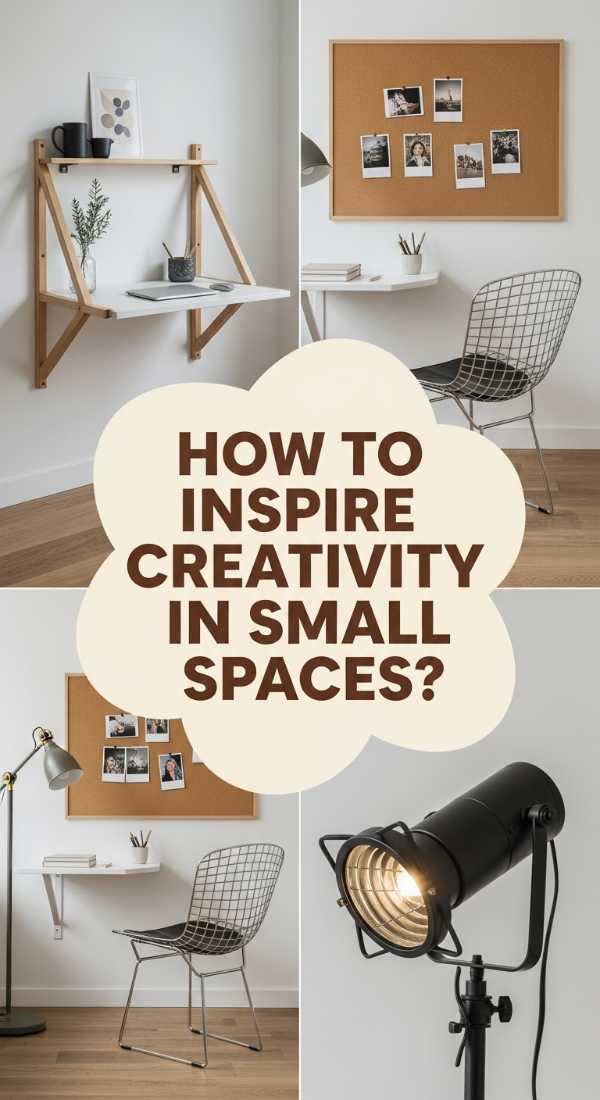
Building a space for inspiration in a small footprint is about focusing on the ‘vertical’ and the ‘luminous.’ We love how a single, well-placed mirror can turn a cramped corner into a sun-drenched portal, or how a floating shelf can house just one book that changes your perspective for the day. It’s about the aroma of fresh coffee in a clean space where there are no piles of laundry or papers to distract you from your morning thoughts, allowing your creativity to rise like steam in a room that feels both grounded and limitless.
Essential Elements:
- Floating wall desks or narrow console tables.
- Oversized round mirrors to ‘double’ the perceived space.
- Wall-mounted sconces to save floor and table space.
- A single, high-quality leather or fabric journal kept on display.
- Minimalist desk organizers in clear glass or wire.
How to make it
- Select a ‘light-path’ corner—the area that receives the most morning sun—and clear it entirely to create your ‘inspiration zone.’
- Mount your furniture; by lifting desks and shelves off the floor, you expose more ‘grounding’ area, which makes the small space feel significantly larger.
- Install your oversized mirror directly opposite the window; this ‘technique’ maximizes the bounce of natural light and brings the outdoor ‘life’ inside.
- Keep only one project visible at a time; store all other materials in hidden cabinets to prevent ‘mental drag’ while you work or create.
- Incorporate ‘living inspiration’ by placing a single bud vase with a fresh flower; the visual cue of growth and life provides a high-end, refreshed feel every single day.
How to Refresh Minimalist Cozy Corners for Ultimate Reading Bliss
Why we love this
The reading nook is the ultimate minimalist indulgence—a small, dedicated sliver of the world designed for one purpose: escape. We love the feeling of ‘cocooning’ in a chair that is perfectly molded to the body, surrounded by nothing but soft light and the faint, nostalgic scent of paper. It’s a sensory retreat where the texture of a velvet cushion meets the smoothness of a warm ceramic mug, creating a ‘micro-sanctuary’ that feels entirely separate from the rest of the house, proving that you don’t need a whole library to find literary peace.
Essential Elements:
- A deep, comfortable accent chair in a neutral tone.
- An adjustable ‘pharmacy style’ reading lamp.
- A small, circular side table just big enough for a cup and a book.
- A plush, high-pile rug specifically for the nook area.
- A soft, woven basket for one or two current reads.
How to make it
- Position your chair at a 45-degree angle to a corner or window to create a sense of ‘enclosure’ without needing walls.
- Set your lighting height; the base of the lampshade should be at eye level when you are seated to provide ‘task focus’ without glare.
- Add a single ‘texture layer’—a sheepskin or faux-fur rug under the chair provides immediate acoustic dampening and physical warmth.
- Strictly limit the ‘book-stock’; only keep what you are currently reading in this space to avoid the ‘visual noise’ of a crowded bookshelf.
- Finish the refresh with a ‘scent-anchor’—a lavender sachet hidden in the chair cushion to signal to your brain that it is time to relax and read.
How to Elevate Room Decor Minimalist Textures for a High End Feel

Why we love this
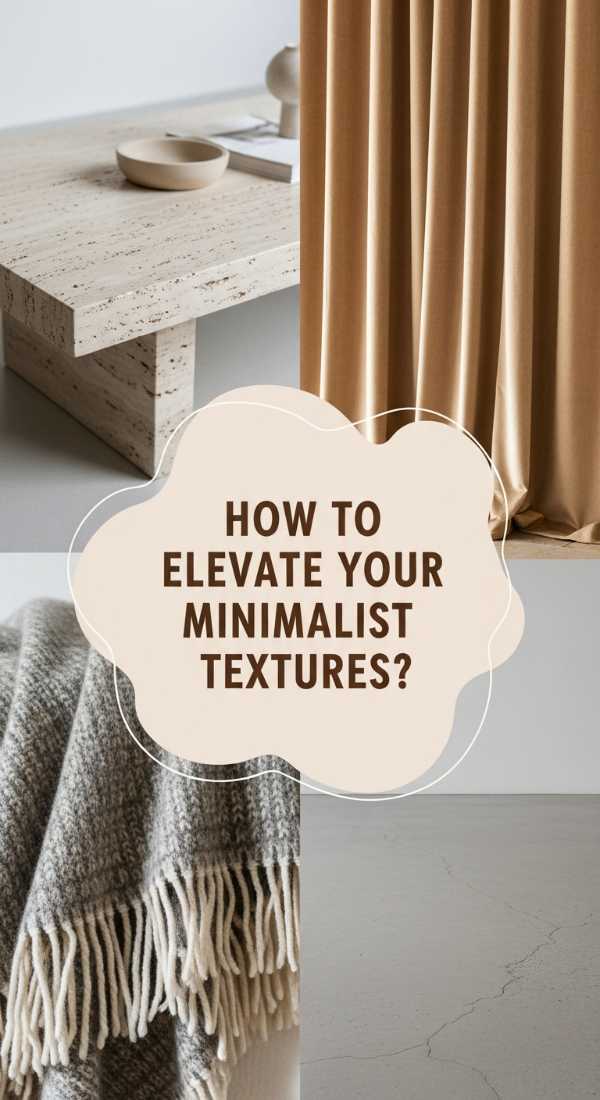
Minimalism often gets a bad rap for being ‘flat,’ but when you play with high-end textures, it becomes incredibly rich and multidimensional. We love the way light catches the grain of raw oak, the cool touch of honed marble, and the ‘crunch’ of heavy linen. It’s a sophisticated, tactile experience where the ‘flavor’ of the room comes from the quality of the ‘ingredients.’ In a high-end minimalist room, you don’t need color to create drama; you use the shadow and light created by the physical depth of the fabrics and materials to tell a story of luxury and restraint.
Essential Elements:
- Honed marble trays or coasters.
- Raw silk or bouclé throw pillows.
- Unfinished or matte-waxed wood furniture.
- Hand-knotted wool rugs with a subtle, raised pattern.
- Architectural pottery with a grainy, stone-like finish.
How to make it
- Start with a ‘monochromatic base’—pick one color (like ‘greige’ or ‘soft white’) and commit to it for 80% of the room to set the high-end tone.
- Introduce ‘texture-clash’—place a rough, stone-textured vase on a smooth, polished marble table; the contrast creates visual ‘heat’ and interest.
- Layer your window treatments with a heavy linen curtain over a sheer panel to add physical ‘weight’ and luxury to the light filtration.
- Switch out standard plastic switch plates for metal or stone versions; this tactile ‘visual cue’ reinforces the high-end feel every time you enter the room.
- Check the ‘luster-balance’; ensure you have a mix of matte, satin, and one small ‘pop’ of shine (like a brass bowl) to keep the minimalist palette from looking dull.
How to Curate Minimalist Living Room Small Spaces for Peaceful Mornings
Why we love this
Mornings in a curated minimalist space feel like a fresh start every single day. There is no ‘visual debris’ from the day before to greet you—only clean lines and the peaceful dance of early morning shadows. We love the way a minimal space allows you to hear the world waking up; the clinking of a spoon against ceramic, the distant birdsong, and the rustle of a curtain. It creates a ‘buffer zone’ between sleep and the demands of the day, allowing you to sip your coffee in a state of calm focus that carries through your entire afternoon.
Essential Elements:
- Low-profile, ‘floating’ media console.
- A single, large-scale potted plant (like a Fiddle Leaf Fig).
- Soft, diffused morning light via light-filtering blinds.
- Clear coffee table to keep the floor ‘visible’ and open.
- Minimalist floor seating or ‘poufs’ for a grounded feel.
How to make it
- Clear all surfaces every night before bed; this ‘prep work’ ensures you wake up to a ‘blank slate’ rather than yesterday’s mess.
- Position your primary seating to face the sunrise; use the natural ‘visual cues’ of the changing light to set your internal clock.
- Integrate ‘hidden tech’; use cable management boxes to hide all wires, as the ‘visual heat’ of tangled cords is a major peace-disrupter.
- Select a single ‘sensory object’ for the coffee table—perhaps a smooth river stone or a small wooden bowl—to focus on during morning meditation.
- Maintain a ‘minimalist scent profile’ by using a light citrus diffuser in the morning to energize the space without overwhelming the senses.
How to Perfect Minimalist Cozy Lighting for a Dreamy Atmosphere
Why we love this
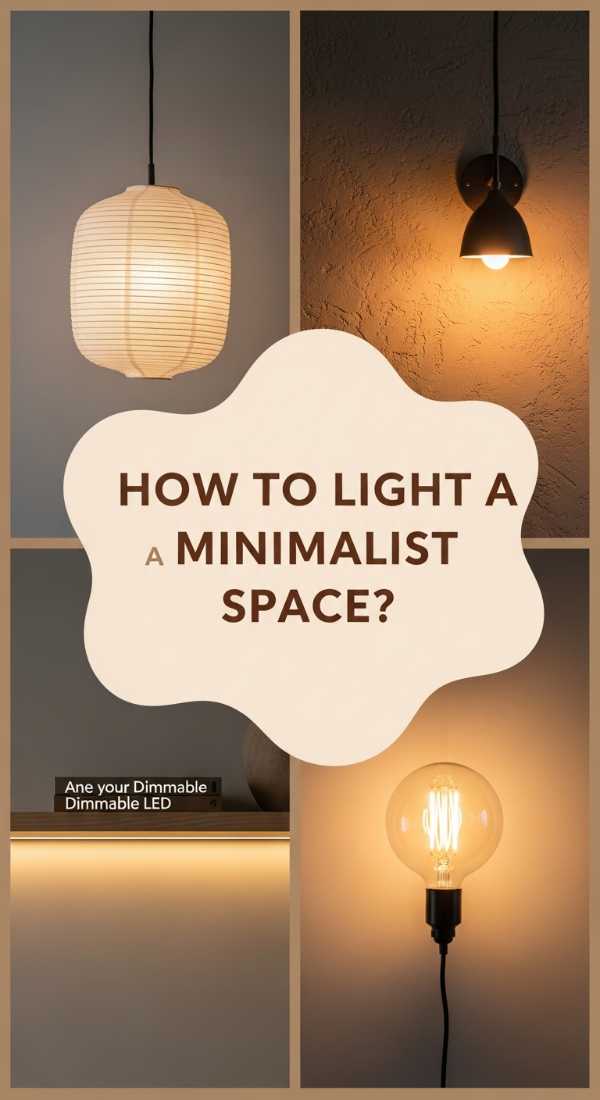
Lighting is the ‘secret sauce’ of minimalism; it is the invisible element that transforms a room from a sterile gallery into a dreamy, glowing sanctuary. We love how a soft, warm glow can blur the edges of a room, making the walls feel further away and the atmosphere more intimate. The scent of a beeswax candle combined with the golden ‘wash’ of a dimmable lamp creates a ‘sensory hug’ that makes you want to whisper and linger. It’s about using light to highlight what you love and gently hide the rest in a soft, intentional shadow.
Essential Elements:
- Smart bulbs with adjustable color temperatures.
- Paper lanterns or pleated fabric shades for maximum diffusion.
- Under-cabinet or ‘toe-kick’ LED strips for a floating effect.
- Small, battery-operated ‘cordless’ table lamps for flexibility.
- Real beeswax candles for a natural, golden flame.
How to make it
- Ban the ‘Big Light’—the overhead light should only be used for cleaning; for ‘living,’ use at least three different sources of ‘eye-level’ light.
- Place lamps in the corners of the room to ‘push back’ the walls and create a sense of expansive, dreamy depth.
- Use ‘uplighting’ behind a large plant to cast beautiful, sculptural shadows on the ceiling, adding a layer of natural art to the room.
- Install dimmers on every switch; the ‘technique’ is to keep lights at about 30-40% brightness during the evening to signal the body to produce melatonin.
- Coordinate your bulb temperatures—ensure every bulb in the room is exactly 2700K to prevent a ‘clash’ of cool and warm light that feels unsettling.
How to Simplify Minimalist Home Storage for a Clutter Free Life
[IMAGE_10]
Why we love this
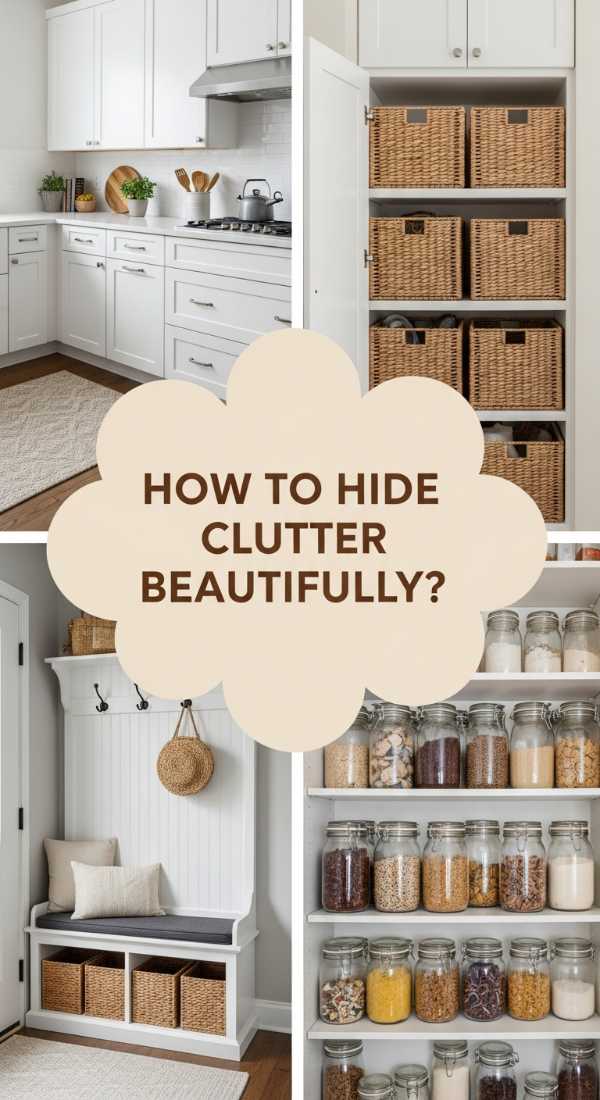
Minimalist storage is the ultimate act of self-care; it’s about giving your future self the gift of ease. There is a deep, resonant calm in opening a drawer and seeing exactly what you need, organized with military precision but styled with a soft, aesthetic touch. We love the ‘visual silence’ of a storage system that blends into the architecture—where the ‘noise’ of stuff is tucked away behind smooth, handle-less doors. It creates a home where you spend your time living your life, rather than managing your belongings, allowing for a life that is as light as the air in your new sanctuary.
Essential Elements:
- Floor-to-ceiling built-in cabinets that match wall color.
- Uniform, stackable bins for interior organization.
- Label-free containers for a ‘cleaner’ look.
- Drawer dividers in natural wood or clear acrylic.
- A ‘landing strip’ tray in the entryway for keys and mail.
How to make it
- Perform a ‘category purge’—take every single item of one type (e.g., all pens or all linens) and place them on the floor; only keep the 20% you actually use.
- Choose storage containers that ‘disappear’; white bins on white shelves or clear bins inside drawers provide organization without ‘visual clutter.’
- Implement the ‘two-minute rule’: if an item can be put back in its designated storage spot in under two minutes, do it immediately to prevent ‘clutter-creep.’
- Utilize ‘vertical storage’ for items used less than once a week, keeping the ‘prime real estate’ at eye level for daily essentials only.
- Audit your storage every season; as your life changes, your ‘minimalist inventory’ should shift too, ensuring you never outgrow the serenity of your sanctuary.
Conclusion
Creating a minimalist home sanctuary is a journey, not a destination. It’s a daily practice of choosing quality over quantity and peace over ‘stuff.’ By focusing on these curated elements—from the light that hits your morning coffee to the texture of the blanket that warms your winter nights—you aren’t just decorating a house; you are building a lifestyle that prioritizes your well-being. Start small, breathe deep, and remember: the less you have, the more room you have for what truly matters.