

The Art of Simplicity: A Guide to Minimalist Living
Have you ever walked into a room and felt an instant, audible exhale escape your lungs? Not because of what was there, but because of what wasn’t? For years, I lived in a cycle of ‘more’—more pillows, more trinkets, more noise—thinking that a full home meant a full life. But the truth is, the clutter was just a physical manifestation of a crowded mind. Finding minimalism wasn’t about deprivation for me; it was about making room for the things that actually matter: light, breath, and stillness.
Minimalist living is an art form that transforms your sanctuary into a canvas of intention. It’s about the soft touch of a linen throw, the way the morning sun hits a bare oak floor, and the quiet confidence of a home that doesn’t demand your constant attention. Today, I’m sharing my heart and my home with you, guiding you through the subtle shifts that turn a chaotic space into a curated masterpiece of peace. Let’s strip back the layers and find the beauty in the bones of your home.
How to Arrange Small Living Areas for Maximum Flow

Why we love this
There is a profound sense of liberation when a small room breathes with the ease of a vast gallery. We love this approach because it honors the architecture of the space, using air as a primary design element. Imagine walking through your living room without navigating an obstacle course; the air feels cooler, the light travels further, and every piece of furniture feels like it has a purpose. The aroma of fresh eucalyptus and the tactile smoothness of polished wood create a sensory landscape that feels expansive and grounded all at once.
Essential Elements:
- Multi-functional furniture with exposed legs.
- Transparent materials like glass or acrylic.
- A focal point rug to anchor the ‘islands’ of furniture.
- Strategic ‘negative space’ zones.
How to make it
- Assess the visual temperature. Clear the room completely to see the raw layout. Note where the natural light ‘pools’ on the floor.
- Position the largest piece (the sofa) first. Place it against the longest wall or floating with at least 18 inches of walkway space behind it to ensure circulation doesn’t ‘stagnate’.
- Introduce ‘aerial’ elements. Use furniture with thin, tapered legs rather than blocky bases. This allows the eye to see more floor space, which tricks the brain into perceiving more square footage.
- Layer in the ‘visual breath’. Ensure there is a 12-inch gap between the coffee table and the seating. This is your ‘flow lane.’ If the space feels cramped, reduce the ‘heat’ by removing one non-essential side table.
- Check the visual cues for doneness. Stand in the doorway; your eye should move effortlessly from one side of the room to the other without getting ‘snagged’ on a protruding corner.
How to Layer Cozy Textures for a Warm Minimalist Feel
Why we love this
Minimalism can sometimes feel sterile, but when you layer textures with intention, it becomes a warm embrace. We love the juxtaposition of a chunky wool knit against a smooth, cool leather chair; it’s a tactile symphony that invites you to stay a little longer. The scent of vanilla candles mingling with the earthy aroma of natural jute creates a cocoon-like atmosphere. It’s about the feeling of running your hand over a bouclé cushion and feeling that immediate sense of ‘home’ that no amount of clutter could ever provide.
Essential Elements:
- Natural fibers: Linen, wool, cotton, and silk.
- Textured wall coverings or limewash paint.
- A variety of ‘pile’ heights in rugs and pillows.
- Warm-toned metallic accents (brass or copper).
How to make it
- Start with a ‘base layer’ of smooth textures. Apply a flat-weave rug or a soft cotton sheet to set a neutral, calm foundation.
- Apply ‘textural heat’. Introduce a medium-weight element like a linen duvet or a velvet throw. The goal is to create a gradient of touch.
- Add the ‘top notes’. Drape a high-texture item—think a chunky sheepskin or a heavy knit blanket—over the corner of a chair. This provides the ‘visual crumb’ that makes a room look lived-in but tidy.
- Balance the ‘flavor’. If the room feels too fuzzy, add a ‘cool’ element like a marble tray or a glass vase to cut through the softness.
- Monitor the ‘settling time’. Let the textures sit for an hour. If the room feels heavy, remove the densest item. You want the space to feel like a light soufflé, not a heavy stew.
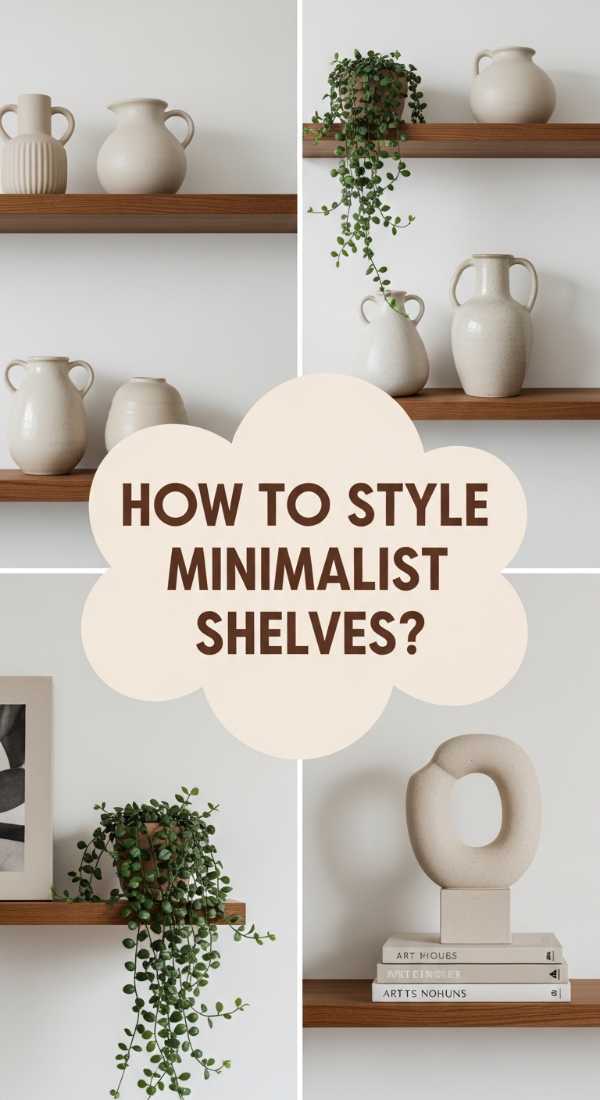
How to Style Minimalist Shelves for Elegant Visual Balance
Why we love this
Shelves are the windows to your soul, but in a minimalist home, they are a lesson in restraint. We love the elegance of a single, perfectly bound book sitting next to a hand-thrown ceramic vessel. It creates a rhythm of ‘full’ and ’empty’ that is incredibly soothing to the eye. The visual silence between objects allows the beauty of each individual piece to sing, turning a simple storage unit into a curated museum display that reflects your most cherished memories without the noise of ‘stuff’.
Essential Elements:
- A limited color palette for objects.
- Varying heights of decor items.
- Natural elements (dried flowers, stones).
- Books with clean spines or turned inward.
How to make it
- The ‘De-glazing’ Phase. Remove everything from the shelves and clean them thoroughly. Start with a blank, cool canvas.
- Establish the ‘anchors’. Place your largest, heaviest items (large vases or stacks of books) on alternating sides of the shelves to create a zigzag ‘visual path.’
- Introduce the ‘medium heat’. Add smaller objects like framed photos or sculptural bowls. Group them in odd numbers—threes are the ‘golden ratio’ for styling.
- Create ‘air pockets’. This is the secret technique: leave at least 30% of each shelf entirely empty. This negative space acts as a palate cleanser for the eyes.
- Perform the ‘distance check’. Step back 10 feet. If a shelf looks ‘crowded,’ remove one item. The shelf is ‘done’ when your eye moves across it in a gentle wave pattern.
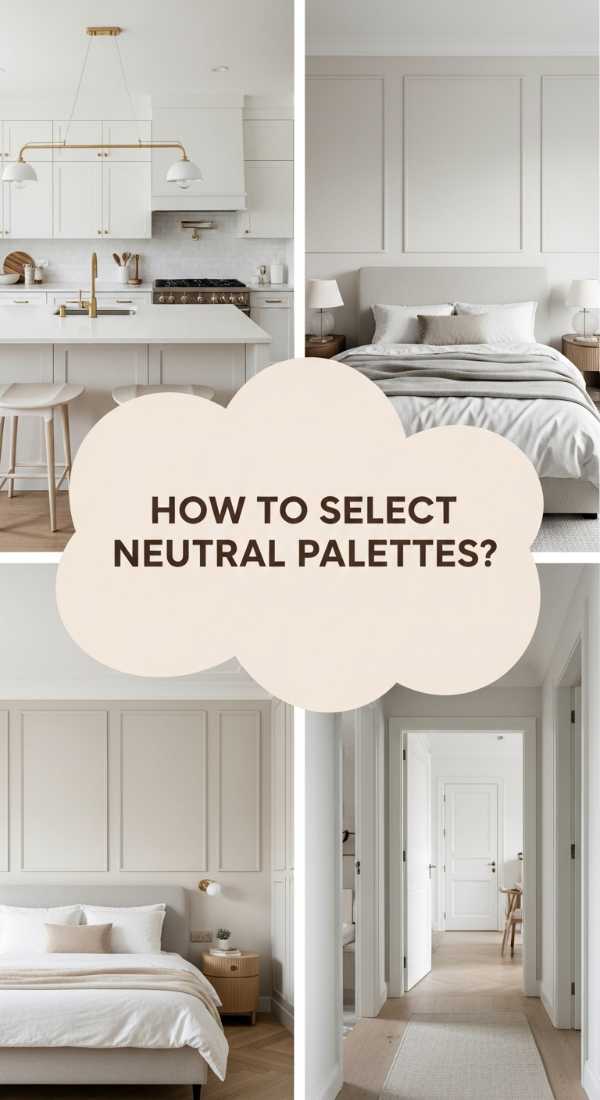
How to Select Neutral Palettes for a Timeless Home

Why we love this
There is a hidden depth in a palette of whites, creams, and greys that goes far beyond ‘colorless.’ We love the way a warm taupe can change throughout the day, looking like toasted almond in the morning and a deep, moody sand by candlelight. It’s a timeless choice that acts as a quiet backdrop for your life, allowing your own energy and the colors of nature outside your window to take center stage. The result is a home that feels light as a cloud and grounded as the earth beneath it.
Essential Elements:
- A primary base color (70% of the room).
- A secondary ‘shadow’ color (20%).
- An accent ‘highlight’ color (10%).
- Diverse finishes (matte, eggshell, satin).
How to make it
- Select your ‘protein’. Choose a warm white or soft beige as your primary wall color. Avoid ‘cool’ whites with blue undertones, as they can feel like a refrigerator.
- Develop the ‘depth’. Pick a secondary color two shades darker for your furniture. Think oatmeal or driftwood. This provides the ‘savory’ contrast that keeps a neutral room from looking flat.
- Season with ‘highlights’. Use a crisp, bright white for trim and ceilings. This acts like a squeeze of lemon, brightening the entire ‘dish’ of the room.
- Incorporate ‘visual texture’. Use different paint sheens. A matte wall with a satin trim creates a subtle play of light that adds richness without adding color.
- Observe the ‘color simmer’. Paint large swatches on different walls and watch them for 24 hours. If the color feels too ‘yellow’ at noon, dial back the warmth.
How to Design a Serene Bedroom for Restful Sleep

Why we love this
The bedroom should be a sanctuary, a place where the world falls away the moment you cross the threshold. We love the minimalist bedroom for its lack of distractions; no laundry piles, no glowing screens, just the cool touch of organic cotton and the soft scent of lavender. It’s designed for the sensory experience of rest. The visual quietude lowers your heart rate, and the intentional placement of a single soft lamp creates a pool of warmth that signals to your brain that it is time to drift away into a deep, restorative slumber.
Essential Elements:
- A clutter-free bedside table.
- Blackout curtains in a natural fabric.
- Low-wattage, warm lighting.
- High-quality, breathable bedding.
How to make it
- Strip the ‘excess fat’. Remove any item from the room that isn’t related to sleep or intimacy. This includes desks, exercise equipment, and electronics.
- Prep the ‘foundation’. Choose a low-profile bed frame. This lowers the visual ‘height’ of the room, making the ceiling feel higher and the air feel more abundant.
- Layer the ‘comfort levels’. Use a high-thread-count cotton or linen sheet. For the ‘sear,’ add a lightweight duvet. The tactile feedback of quality fabric is the most important ‘ingredient’ here.
- Calibrate the ‘lighting heat’. Use bulbs with a 2700K color temperature. Position them at eye level when sitting in bed to create a soft, diffused glow rather than a harsh overhead light.
- Final ‘plating’. Scent the space with a light linen mist. When the room smells like nothing but fresh air and a hint of botanicals, it is perfectly ‘cooked.’
How to Incorporate Natural Light for an Airy Atmosphere
Why we love this
Natural light is the most important ‘material’ in a minimalist home. We love how it dances across the floor, changing the mood of a room from the crisp energy of 10 AM to the golden, honeyed glow of 4 PM. Light makes walls disappear and ceilings soar. It brings a sense of vitality and health, making the air feel fresher and the space feel more alive. It’s the ultimate minimalist luxury—it costs nothing, takes up no space, and yet it transforms everything it touches.
Essential Elements:
- Sheer, floor-to-ceiling window treatments.
- Strategically placed mirrors.
- Light-reflective wall paint.
- Unobstructed window sills.
How to make it
- Clear the ‘blockages’. Ensure no furniture is taller than the bottom of the window frame. This allows the ‘first light’ to penetrate deep into the room.
- Use ‘reflective seasoning’. Place a large mirror directly opposite your largest window. This ‘doubles’ the light volume, acting like a visual amplifier.
- Select ‘diffusing agents’. Install sheer linen curtains. These act like a soft-box in photography, ‘cooking’ the harsh direct sun into a gentle, even glow.
- Manage the ‘hot spots’. If a room gets too much sun at midday, use light-filtering shades rather than heavy drapes to maintain the airy ‘flavor’ while controlling the heat.
- Monitor the ‘light path’. Watch how the light moves through the room. If a corner stays dark, add a piece of white pottery to catch and bounce whatever stray light enters that zone.
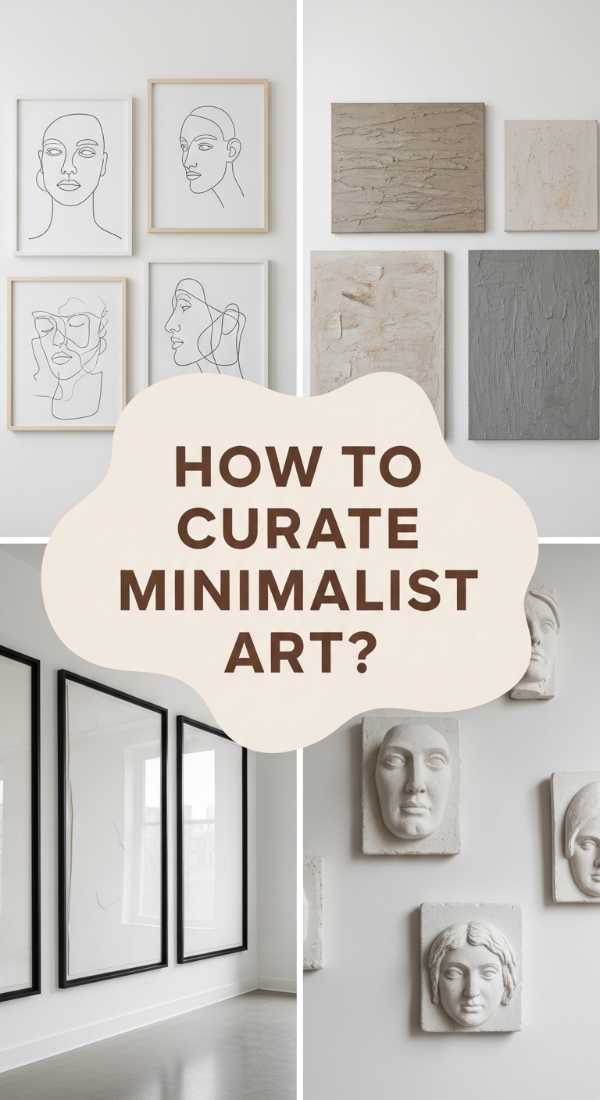
How to Curate Minimalist Art for a Sophisticated Look
Why we love this
In a world of visual clutter, a single piece of meaningful art is a powerful statement. We love the way one large-scale canvas with a simple, abstract line can anchor a whole room, providing a focal point that is both striking and serene. It’s about quality over quantity; the texture of the paint, the weight of the frame, and the story the piece tells are all amplified by the space surrounding it. This approach turns your home into a gallery of your own making, where every piece is chosen with love and displayed with pride.
Essential Elements:
- One ‘hero’ piece per room.
- Wide matting in frames.
- Abstract or line-art styles.
- Monochromatic or muted color palettes.
How to make it
- Identify the ‘hero’ zone. Choose the most prominent wall in the room. This is your ‘center plate’ where the art will be served.
- Scale the ‘portion’. Choose a piece that covers about 60-75% of the available wall space above a piece of furniture. Small art on a big wall looks like an afterthought; go big to make it look intentional.
- Apply the ‘framing technique’. Use a frame that matches the room’s secondary color. A wide white mat (3-4 inches) adds a ‘buffer’ of air that makes even a simple sketch look professional.
- Set the ‘visual height’. Hang the piece so the center is 57 to 60 inches from the floor—standard gallery height. This ensures the ‘heat’ of the image is at eye level.
- Adjust the ‘ambiance’. If the art feels too loud, reduce the room’s other decor. The art should be the ‘main course,’ not a side dish.
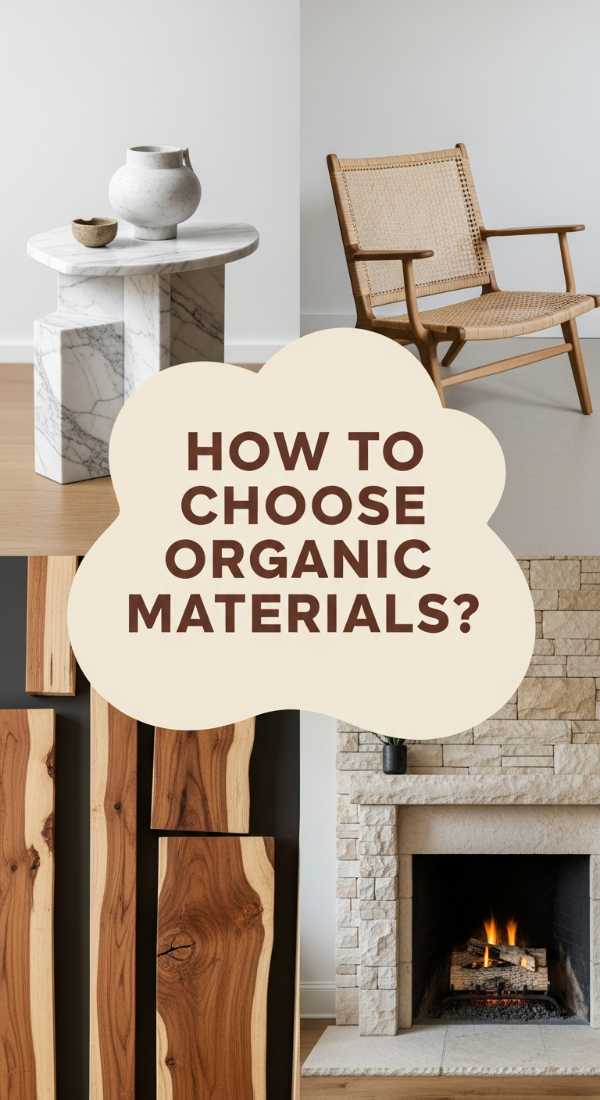
How to Choose Organic Materials for a Sustainable Space
Why we love this
There is an undeniable soul in organic materials that synthetic ones simply can’t replicate. We love the honest imperfections of a live-edge wooden table, the cool grain of a marble countertop, and the earthy scent of a hand-woven seagrass basket. These materials connect us to the natural world, bringing a sense of grounding and sustainability into our modern lives. They age beautifully, developing a patina that tells the story of your home, making your space feel authentic, timeless, and deeply connected to the earth.
Essential Elements:
- Raw wood (oak, walnut, birch).
- Natural stone (marble, slate, travertine).
- Woven fibers (jute, rattan, sisal).
- Recycled or FSC-certified materials.
How to make it
- Select the ‘base ingredients’. Replace one plastic or synthetic item with its natural equivalent. Swap a plastic laundry basket for a wicker one, or a synthetic rug for a wool one.
- Introduce ‘raw textures’. Look for materials that haven’t been over-processed. A matte, oiled wood finish allows you to feel the grain, which provides a ‘warm’ tactile response.
- Balance the ‘weight’. Pair heavy materials like stone with lighter ones like linen. This prevents the room from feeling ‘dense’ and maintains the minimalist ‘crust.’
- Check for ‘purity’. Ensure your materials are sustainably sourced. This adds a ‘moral lightness’ to the room that contributes to the overall sense of peace.
- Visual ‘aging’ test. Ask yourself: will this look better in 10 years? If the answer is yes (like wood or leather), it’s a perfect addition to your minimalist ‘recipe.’
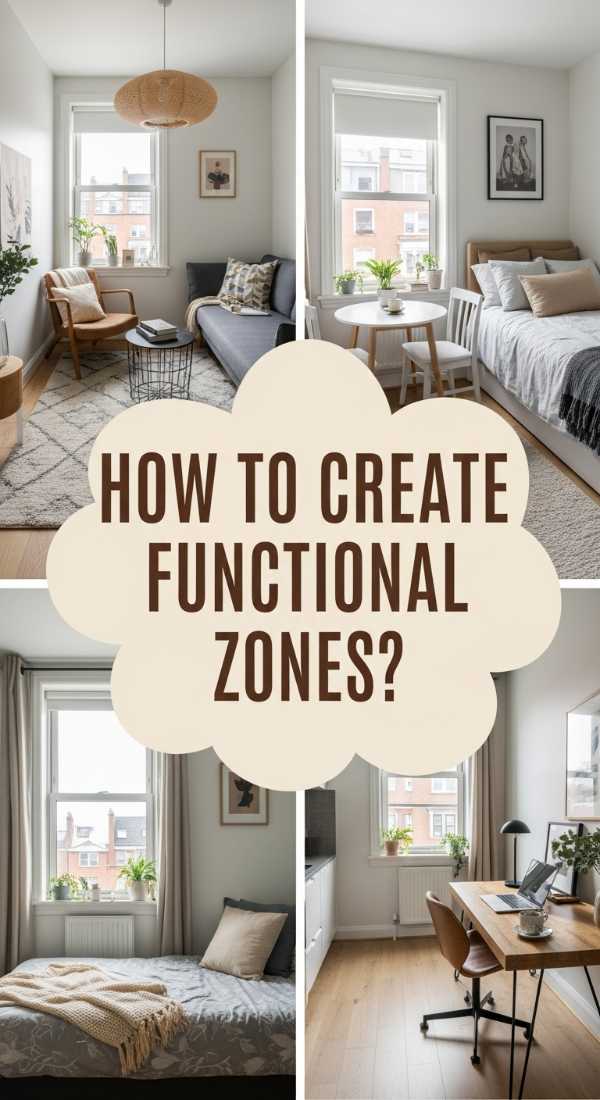
How to Create Functional Zones in an Open Layout

Why we love this
Open layouts are a minimalist’s dream, but they require a clever hand to feel organized. We love the ‘room within a room’ concept where lighting and rugs define different areas without the need for walls. It creates a sense of order and flow that feels effortless. Imagine sitting in your ‘reading nook’ defined by a soft glow and a plush rug, while the ‘dining zone’ remains distinct and ready. It’s about creating a home that functions like a well-oiled machine, where every activity has its own dedicated, beautiful space.
Essential Elements:
- Area rugs to ‘border’ zones.
- Variation in lighting (pendants vs. floor lamps).
- Strategic furniture placement (back-to-back).
- Consistent color palette to maintain unity.
- Directional flow paths.
How to make it
- Map the ‘ingredients’. Draw your room and identify the primary activities (eating, lounging, working). These are your ‘flavor profiles.’
- Use ‘rug anchors’. Place a large rug under each zone. The rug acts as the ‘plate’ that holds all the furniture together. Ensure all furniture legs (or at least the front ones) are ‘touching’ the rug.
- Implement ‘vertical dividers’. Use a pendant light over the dining table and a floor lamp by the sofa. This ‘cooks’ the air at different heights, creating invisible walls.
- Apply the ‘back-to-back’ technique. Use the back of a sofa to define the end of the living area and the start of the dining area. This provides a ‘clean break’ without blocking the view.
- Test the ‘circulation’. Walk through the space. If you have to turn sideways or step over something, the ‘flow’ is blocked. Adjust until the ‘sauce’ of movement is smooth.
How to Add Indoor Plants for a Fresh Home Vibe
[IMAGE_10]
Why we love this
Plants are the ‘living jewelry’ of a minimalist home. We love how a single, sculptural Olive tree or a vibrant Monstera adds a burst of life and color without feeling like clutter. They clean the air, soften the sharp lines of modern furniture, and bring a sense of the outdoors in. The gentle rustle of leaves and the earthy smell of damp soil add a layer of sensory richness that makes a room feel finished. It’s the simplest way to add ‘soul’ to a minimalist space while keeping the aesthetic clean and fresh.
Essential Elements:
- Large-leaf plants for high visual impact.
- Uniform, neutral-colored planters.
- Plants with varying heights and textures.
- Proper drainage and light conditions.
How to make it
- Choose your ‘botanical hero’. Pick one large plant for a corner. An Olive tree or a Fiddle Leaf Fig acts as a ‘sculpture’ that breathes.
- Select ‘vessel harmony’. Use pots in the same color family (e.g., all matte white or all raw terracotta). This keeps the ‘visual noise’ low while highlighting the greenery.
- Apply ‘green clusters’. Group 3 plants of different heights together in a corner. This creates a ‘micro-jungle’ that feels lush but controlled, like a garnish on a plate.
- Check the ‘light requirements’. Match the plant to the ‘heat’ of the window. A succulent needs ‘high heat’ (direct sun), while a fern prefers a ‘slow simmer’ (indirect light).
- The ‘pruning’ phase. Keep your plants manicured. Remove yellow leaves immediately. A minimalist plant should look healthy and intentional, never wild or overgrown.
Conclusion: Embracing the Space Between
The journey to a minimalist home isn’t about hitting a finish line; it’s about a daily practice of choosing what serves your soul. As you move through these steps, remember that your home is a living, breathing reflection of you. Don’t be afraid of the empty corners or the quiet walls. In those spaces, you’ll find the room to grow, to think, and to simply be. Start small, be intentional, and let your home become the peaceful sanctuary you truly deserve.