
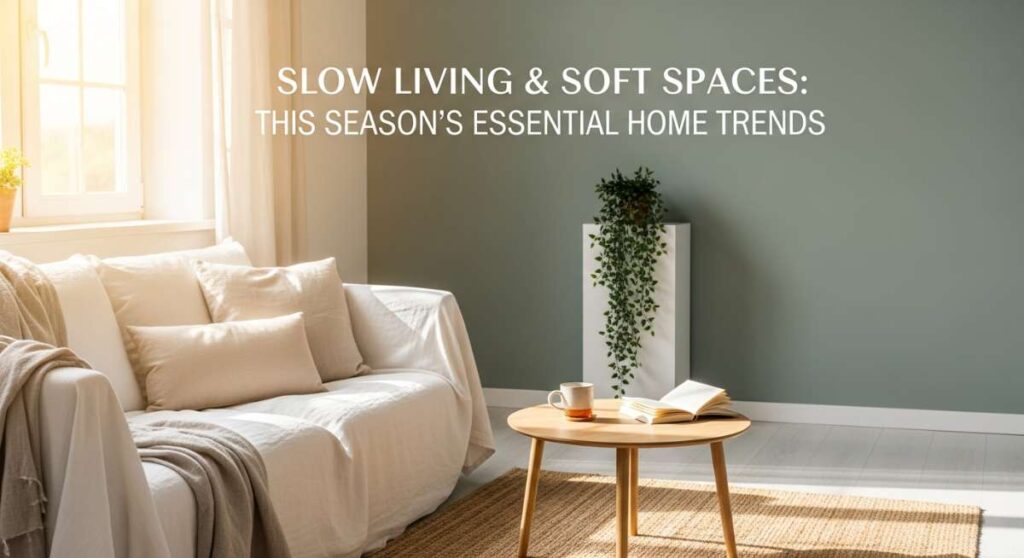
There is a profound shift happening in the way we inhabit our homes lately. We are moving away from the cold, sterile minimalism of the past decade and leaning into what I love to call ‘The Soft Era.’ It is a celebration of slow living, where every corner of our sanctuary is designed to hold us, comfort us, and remind us that the world can wait a little longer while we finish our tea.
I’ve spent the last few months exploring how different aesthetics—from the sun-drenched courtyards of Mexico to the nostalgic quirks of the nineties—can be woven together to create a space that feels deeply personal. This isn’t just about ‘decorating’; it’s about curate-ing a life that feels as good as it looks. Grab a cozy blanket, and let’s dive into this season’s most essential home trends.
How to Curate a Rustic Mexican Sanctuary for Endless Warmth

Why we love this
This aesthetic is like a warm embrace from the Oaxacan sun, filled with the grounding aroma of dried chilies, aged cedar wood, and the earthy scent of damp terracotta. We love it because it prioritizes soul over perfection; the slight crack in a hand-painted tile or the uneven weave of a wool serape tells a story of craftsmanship and heritage. It creates a space that feels lived-in and loved, where the golden afternoon light catches on textured plaster walls, making your home feel like a timeless escape from the modern hustle.
Essential Elements:
- Hand-painted Talavera tiles in cobalt and ochre.
- Distressed mesquite or pine furniture.
- Terracotta planters of various sizes.
- Woven wool textiles and heavy serape blankets.
- Wrought iron light fixtures and candle holders.
- Limewash walls in warm, earthy tones.
How to make it
- Prepare the Base: Apply a high-quality limewash paint to your walls using a large masonry brush in a cross-hatch pattern. This creates a matte, velvety texture that mimics the ancient stucco of a Mexican villa. Allow the first coat to dry completely for 24 hours before adding a second, slightly lighter shade to create depth.
- Layer the Hardscapes: Introduce terracotta through flooring or large-scale pottery. If you can’t replace flooring, use large terracotta saucers under plants to ground the room. Focus on ‘toasted’ colors rather than bright oranges to keep the vibe sophisticated.
- Temper with Textiles: Drape heavy, hand-woven blankets over leather seating. The juxtaposition of the smooth, cool leather against the rough, organic wool creates a sensory contrast that is essential for this look.
- Finish with ‘Fire’: Install wrought iron sconces and use beeswax pillars. The warm 2700K glow of the bulbs combined with the natural flicker of candlelight will highlight the textures of the room perfectly at dusk.
How to Refresh Your Summer Home for Total Seasonal Joy
Why we love this
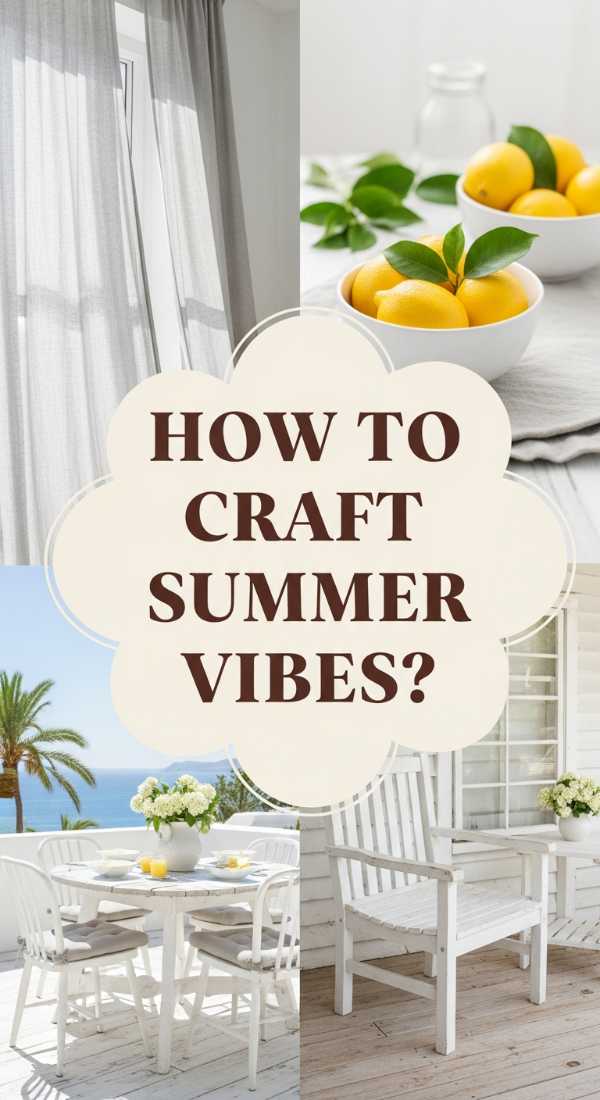
There is a specific kind of magic in a home that breathes with the season, smelling faintly of lemon zest and sun-dried linen. We love a summer refresh because it clears the mental cobwebs, replacing heavy winter weights with light, airy fabrics that dance in the breeze. It’s about the sensory delight of walking barefoot on cool jute rugs and the visual clarity of a space filled with fresh-cut wildflowers and bowls of ripening stone fruit, turning your everyday life into a permanent vacation.
Essential Elements:
- Sheer linen window treatments.
- Natural fiber rugs (jute, sisal, or seagrass).
- Fresh citrus and herb bowls as centerpieces.
- Lightweight cotton throw blankets.
- Aromatherapy diffusers with eucalyptus or grapefruit oils.
How to make it
- Lighten the Load: Strip away heavy velvet or wool curtains and replace them with 100% linen sheers. Hang them slightly higher and wider than the window frame to maximize the natural light ‘pour’ into the room.
- Swap the Textures: Roll up thick pile rugs and lay down seagrass or jute. The rough, organic feel underfoot instantly signals a shift to summer living. Ensure the rug is oversized to keep the room feeling expansive.
- Infuse the Scent: Create a ‘summer simmer pot’ using lemon slices, rosemary, and vanilla beans. Simmer on low heat for 30 minutes to permeate the house, then transition to a cold-air diffuser with citrus notes for a constant, crisp aroma.
- Bring the Outside In: Place large glass vessels filled with clear water and single branches of greenery (like eucalyptus or olive) on mantels and side tables to provide visual ‘coolness’ without clutter.
How to Add Whimsical Details for a Fairytale Life
Why we love this
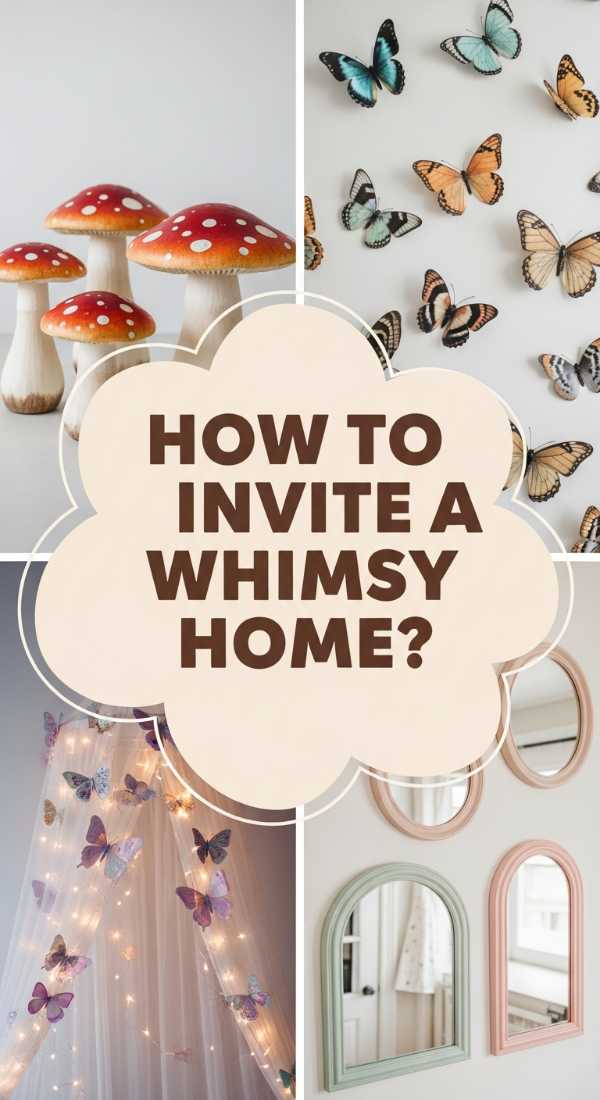
This trend is for the dreamers who believe that home should be a place of enchantment and play. We love whimsical details because they break the rules of ‘adulting’ decor, incorporating the soft glow of fairy lights, the delicate patterns of pressed flowers, and the tactile joy of scalloped edges. It feels like living inside a beautifully illustrated storybook where every object—from a brass mushroom lamp to a velvet ribbon tied around a vase—invites a sense of wonder and childlike happiness into your daily routine.
Essential Elements:
- Scalloped edges on linens and furniture.
- Pressed flower art in gold frames.
- Mushroom motifs and woodland-inspired accents.
- Velvet ribbons in dusty rose or sage green.
- Warm-toned fairy lights or ‘starry’ lanterns.
How to make it
- Curate the Flora: Take fresh wildflowers and press them between heavy books for 2-3 weeks. Once dried, mount them on high-quality watercolor paper and frame them in vintage-style brass frames to create an ‘enchanted garden’ gallery wall.
- Embrace the Scallop: If your furniture is plain, use a jigsaw or a steady hand with a sanding block to create scalloped edges on wooden shelf liners or trim. Alternatively, add scalloped lace trim to the edges of plain pillowcases using a simple blind stitch.
- Layer the Glow: Instead of overhead lighting, use multiple small ‘accent’ lights at eye level. Use warm-toned bulbs and hide the cords behind books or plants to create a magical, floating light effect.
- The Ribbon Technique: Tie long, trailing velvet ribbons around your curtain rods, the necks of glass carafes, or the backs of dining chairs. Leave the tails long to catch the movement of the air.
How to Create a Sacred Catholic Space for Daily Devotion

Why we love this
There is a deep, quiet power in dedicating a corner of the home to the sacred, filled with the scent of beeswax and the sight of reverent art. We love this trend for the way it anchors the day, providing a visual and physical reminder to slow down and breathe. The smooth wood of a kneeler, the cool metal of a vintage crucifix, and the soft flicker of a vigil lamp create an atmosphere of timeless peace that feels like a sanctuary within a sanctuary, protecting the soul from the noise of the outside world.
Essential Elements:
- A central Crucifix or icon of the Blessed Mother.
- Real beeswax candles in glass votives.
- A dedicated altar cloth in seasonal liturgical colors.
- A small bowl for holy water.
- Fresh flowers or dried herbs associated with saints.
How to make it
- Select the Anchor: Choose a quiet corner or a sturdy side table. Place your primary icon or crucifix at eye level when kneeling. This serves as the focal point for your visual meditation.
- Layer the Altar: Lay down a high-quality linen cloth. Change this color throughout the year (purple for penance, white for celebration) to stay in tune with the liturgical cycle, which provides a sense of rhythm to your home life.
- Light the Vigil: Place a glass-encased candle to the side of your icon. Use 100% beeswax; it burns cleaner and provides a natural, honey-like aroma that signals to your brain it is time for reflection.
- Incorporate the Senses: Keep a set of rosary beads made from natural materials like olive wood or stone on the table. The tactile weight of the beads against the table creates a grounding physical presence in the room.
- Slipcovered seating in white or oatmeal denim.
- Bleached wood coffee tables or shelving.
- Tonal blue accents in watercolor patterns.
- Hand-woven seagrass baskets for storage.
- Large-scale coral or shell specimens (sustainably sourced).
- De-Saturate the Palette: Paint your room in a ‘mist’ or ‘cloud’ white that has subtle blue or grey undertones. This mimics the way light reflects off the water and makes the walls seem to recede.
- Choose ‘Lived-In’ Fabrics: Opt for loose-fitting slipcovers on your sofas. The slight wrinkles in the fabric are intentional, suggesting a relaxed, salt-air lifestyle where nothing is too precious.
- Incorporate Driftwood Tones: Use a wire brush to distress light-colored wood furniture, then apply a grey-wash stain. This creates the ‘silvered’ look of wood that has been tumbled by the sea.
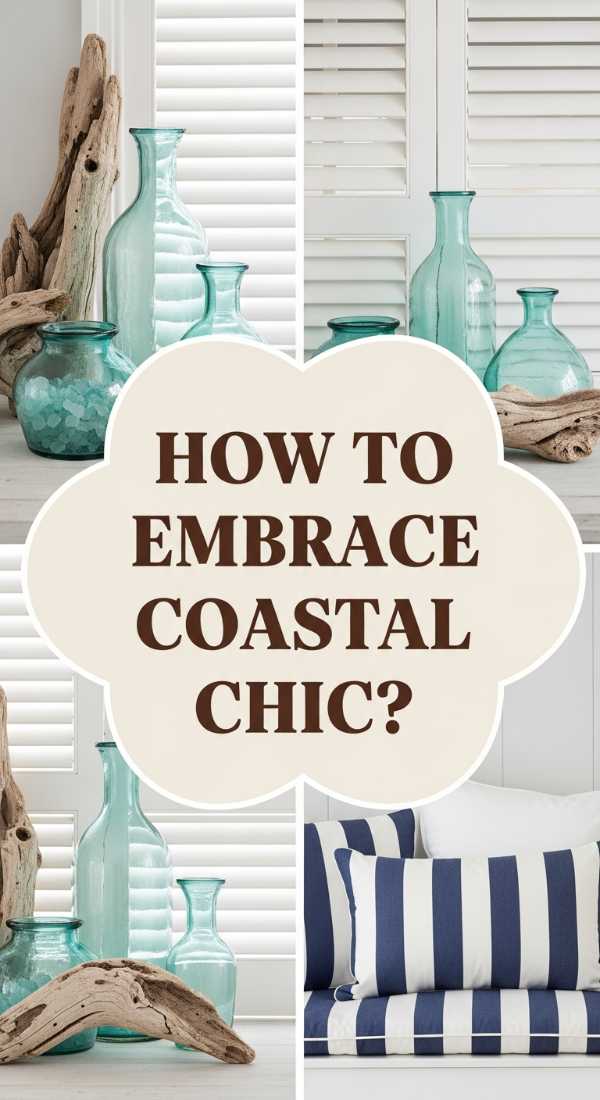
- The Glass Element: Use frosted or sea-glass green vessels to hold water or single branches. Place them where the sun can shine through them to create dappled, watery shadows on your surfaces.
- Aged brass hardware and picture frames.
- Antique oil paintings with visible brushstrokes.
- Ornate wooden chests or sideboards.
- Crystal or colored glass stemware.
- Faded Persian or Oriental rugs.
- The Thrifting Strategy: Source items based on weight and material. Look for ‘solid’ over ‘veneer.’ A heavy brass lamp can be polished or left with its patina, but it will always feel more luxurious than a plastic imitation.
- Layer Your Eras: To avoid looking like a museum, mix your decades. Pair a Victorian-era mirror with a sleek 1960s sideboard. The contrast makes both pieces stand out more effectively.
- Refresh the Finish: Use a high-quality furniture wax on old wood to bring back the luster without removing the character-giving scratches and dents. Apply in circular motions and buff to a soft sheen.
- The Art of the Frame: Take inexpensive prints and house them in heavy, ornate vintage frames. The frame ‘elevates’ the art, making it feel like a curated heirloom.
- A sturdy, beautiful wooden bench.
- A signature home scent (candle or diffuser).
- A dedicated tray for keys and mail.
- Fresh seasonal greenery in a tall vase.
- Soft lighting, such as a small table lamp.
- Establish the Scent-Scape: Place a candle with notes of sandalwood or amber near the door. Light it 15 minutes before guests arrive to ensure the ‘heart’ of the scent has time to bloom and fill the entryway.
- Zoning for Function: Use a large, heavy tray to corral daily clutter. Choose a material like leather or hammered metal to add texture while keeping keys and mail from scattering across the console.
- The Comfort Factor: Place a bench with a single, high-quality linen cushion. This provides a functional spot to pause. Tuck a pair of beautiful ‘guest slippers’ in a basket underneath for an extra touch of luxury.
- Lighting Levels: Never use the ‘big light’ in an entryway. Use a small lamp with a warm bulb and a fabric shade to create a soft, inviting pool of light that draws people into the house.
- Macramé and fringe details.
- Rattan or wicker furniture.
- Multiple layers of floor pillows and throws.
- An abundance of indoor plants (Pothos, Monstera).
- Patterned textiles like Kilim or Ikat.
- The Rug Stack: Start with a large, neutral jute rug as your base. Layer a smaller, vibrant Kilim or plush Shag rug on top at a slight angle. This ‘breaks’ the geometry of the room and adds instant depth.
- Vertical Texture: Hang a large-scale macramé piece or a woven tapestry. This softens the ‘hard’ lines of the walls and helps with sound absorption, making the room feel quieter and more intimate.
- Plant Grouping: Don’t just scatter plants; group them in odd numbers (3 or 5) at different heights. Use plant stands to create a ‘jungle’ corner that adds life and movement to the space.
- The Pillow Equation: Mix textures rather than colors. Use a velvet pillow, a fringed cotton pillow, and a leather lumbar pillow together. The variety in ‘feel’ is more important than a perfect color match.
- High-gloss or ‘super-matte’ cabinetry.
- Gold or brushed brass hardware.
- Built-in multifunctional furniture.
- Light-colored, wide-plank flooring.
- Mirrored surfaces to double the light.
- Paint for Expansion: Use the same color for the walls, ceiling, and trim. This ‘erases’ the boundaries of the room, making a small space feel significantly larger and more like a luxury suite.
- Upgrade the ‘Touch Points’: Replace all standard plastic handles with heavy brass or matte black hardware. The physical weight of the handle every time you open a cabinet provides a subconscious ‘luxe’ cue.
- Vertical Storage: Install floor-to-ceiling shelving. By drawing the eye upward, you emphasize the height of the space and minimize the ‘cramped’ feeling of floor-level clutter.
- Smart Flooring: Use luxury vinyl plank (LVP) in a light oak finish throughout the entire home. Eliminating transitions between rooms makes the floor plan feel continuous and high-end.
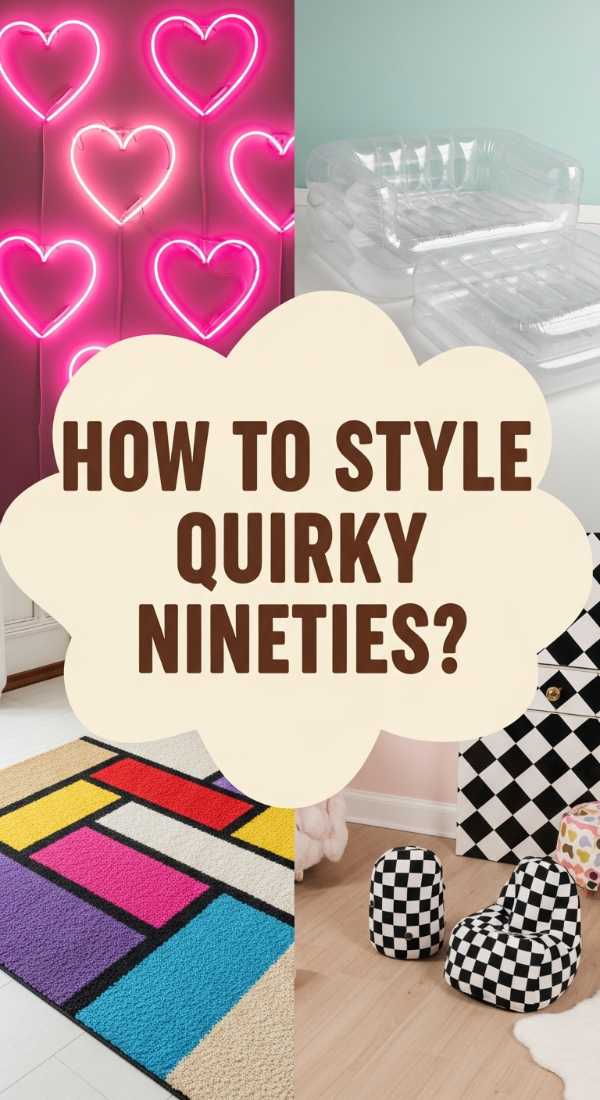
- Curvy or ‘wavy’ mirrors and furniture.
- Primary color accents (red, blue, yellow).
- Checkered patterns (rugs or throws).
- Clear acrylic or ‘jelly’ accessories.
- Neon light signs or bold graphic art.
- The ‘Wiggle’ Factor: Introduce a piece of furniture or a mirror with a ‘wiggle’ or ‘wave’ edge. This softens the modern minimalist lines and adds that signature nineties playfulness without needing a full overhaul.
- Pop of Primary: Choose one ‘hero’ piece in a bold primary color—like a cobalt blue lamp or a bright red chair. Keep the rest of the room neutral so the color ‘vibrates’ against the backdrop.
- Check It Out: Add a checkered rug or throw pillow. The key to making it look modern rather than dated is to choose a ‘wonky’ or oversized check pattern rather than a small, traditional one.
- Acrylic Accents: Use clear acrylic side tables or ‘ghost’ chairs. They provide function without taking up visual space, and their ‘plastic-chic’ look is a direct nod to the high-tech optimism of the late nineties.
ol>
How to Master Coastal Living for Constant Seaside Serenity
Why we love this
Coastal living is less about ‘nautical’ cliches and more about the feeling of the tide going out—a total release of tension. We love this look for its palette of soft sands, watery blues, and weathered greys that mimic the horizon. The air feels cleaner in a coastal-inspired room, filled with the textures of bleached driftwood and the matte finish of sea glass. It’s a design style that celebrates the elements, bringing the restorative power of the ocean directly into your living room through light, space, and organic form.
Essential Elements:
How to make it
How to Use Vintage Finds for a Timeless Heartfelt Aesthetic
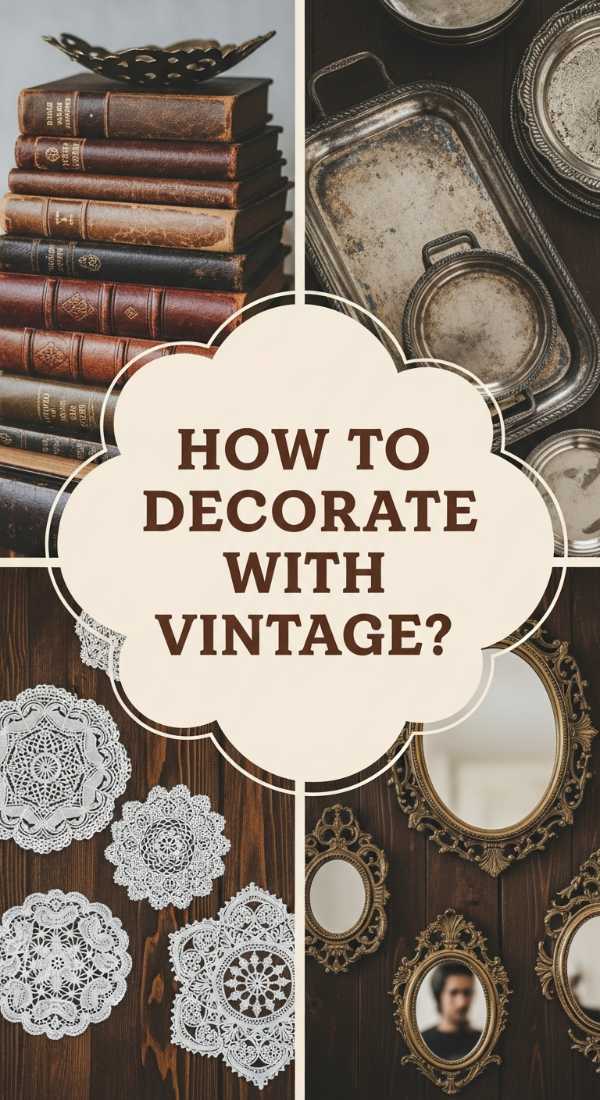
Why we love this
Vintage decor is the ultimate antidote to the ‘throwaway’ culture of fast furniture. We love it because it brings a sense of history and soul into a room, featuring the rich patina of aged brass, the weight of solid oak, and the intricate patterns of hand-knotted rugs. There is something deeply satisfying about the ‘clink’ of a heavy crystal decanter or the smooth, worn handle of a mid-century cabinet. It’s about surrounding yourself with things that have survived the decades, lending a grounded, permanent feeling to your home.
Essential Elements:
How to make it
How to Arrange Welcome Home Decor for the Ultimate Guest Greeting
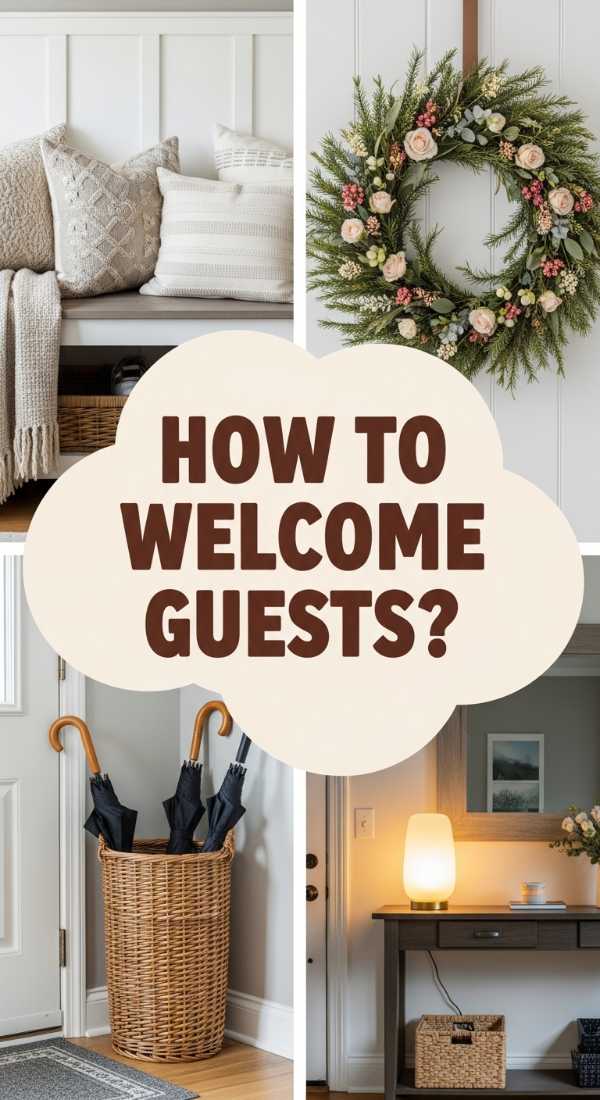
Why we love this
The entryway is the ‘handshake’ of the home, and we love a space that greets you with immediate warmth and care. This trend focuses on the ‘hospitality of the senses’—the immediate scent of a high-end candle, the visual order of a beautiful coat rack, and the comfort of a place to sit and remove one’s shoes. It transforms the act of coming home from a transition into a celebration, making every guest feel instantly valued and every resident feel immediately at peace the moment the door clicks shut.
Essential Elements:
How to make it
How to Layer Boho Textures for a Relaxed Spirit
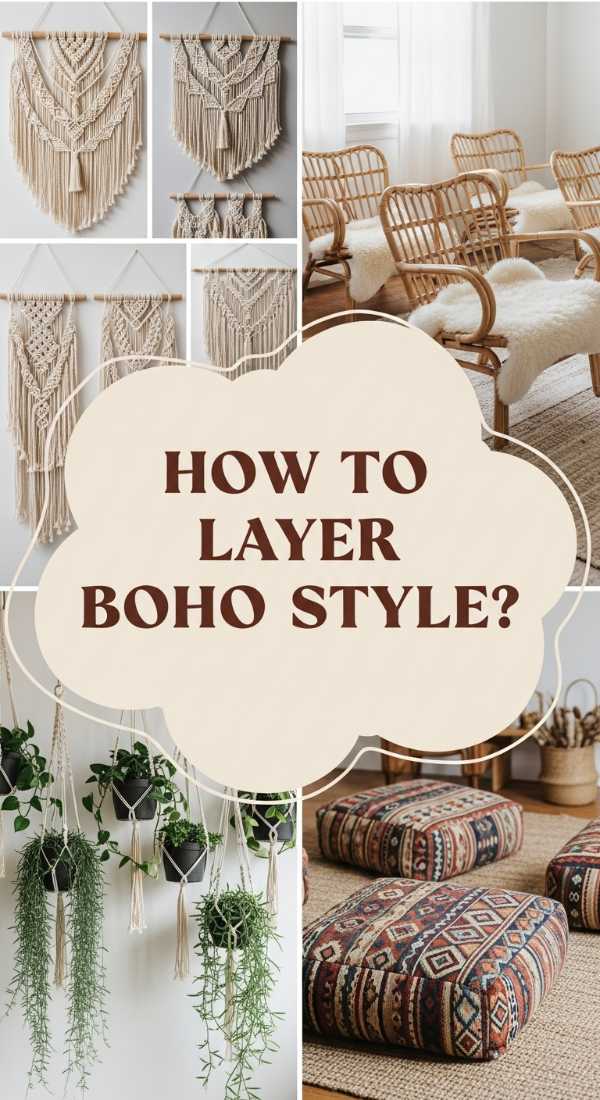
Why we love this
Boho style at its best is a tactile wonderland that encourages you to lounge, linger, and let your hair down. We love the layering of textures—the fuzz of a Moroccan rug, the knots of a macramé wall hanging, and the cool smoothness of ceramic plant pots. It feels effortless and global, like a collection of memories from travels and cozy afternoons. It’s a design language that speaks to the free spirit, creating a ‘nest’ that is as much about comfort as it is about artistic expression.
Essential Elements:
How to make it
How to Elevate Mobile Home Interiors for a Luxe Feeling
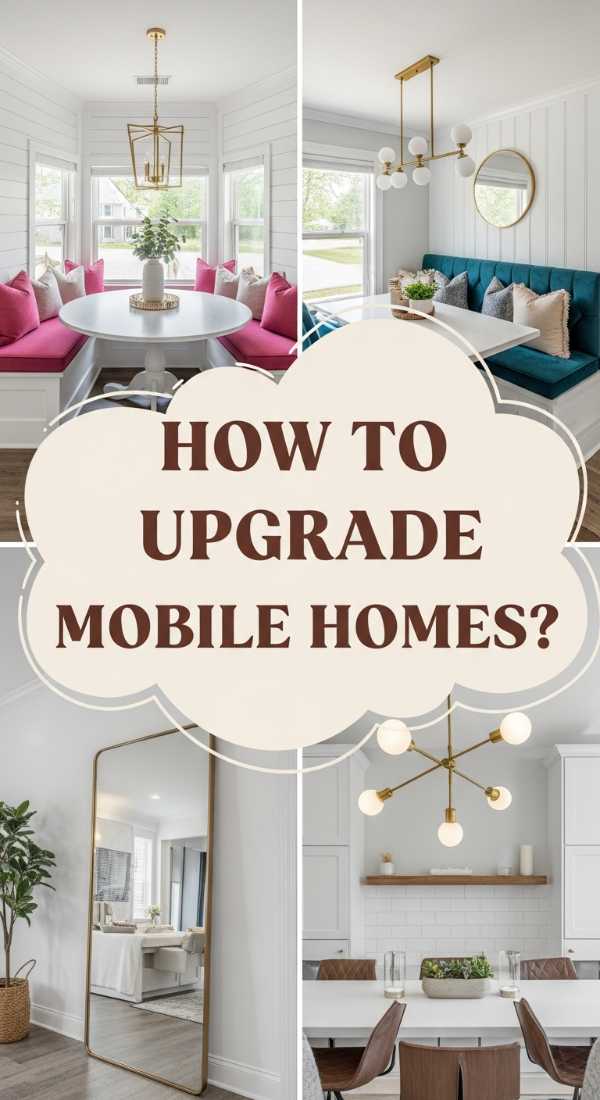
Why we love this
There is a unique challenge and beauty in transforming a compact space into a high-end retreat. We love elevated mobile home interiors because they prove that luxury isn’t about square footage—it’s about intention. By using clever storage, high-quality finishes, and a cohesive color palette, you can create a ‘jewel box’ effect where every inch of the home feels custom-made, sleek, and surprisingly spacious, offering a sense of freedom and mobility without sacrificing an ounce of style.
Essential Elements:
How to make it
How to Blend Quirky Nineties Accents for a Bold Retro Vibe
Why we love this
The nineties are back, but this time they are grown-up and incredibly fun. We love this trend for its playful rebellion against ‘serious’ design, bringing back the joy of neon pops, wavy silhouettes, and bold, graphic patterns. It smells like a fresh burst of grapefruit and looks like a curated collection of pop culture artifacts. It’s a nostalgic trip that doesn’t feel like a costume, but rather a vibrant injection of personality into a modern home, making every day feel a bit more high-energy and creative.
Essential Elements:
How to make it
Embracing Your Own Slow Living Journey
Whether you find yourself drawn to the sacred silence of a devotional space or the vibrant energy of a nineties-inspired living room, the goal is the same: to create a home that truly reflects your spirit. Slow living isn’t about doing things at a snail’s pace; it’s about doing them with intention. By choosing textures that soothe you, scents that ground you, and styles that spark joy, you are building more than a house—you are building a life. Happy decorating!