

Ethereal Living: The Ultimate Guide to Dreamy Interior Aesthetics
Have you ever walked into a room and felt like you were stepping into a soft, hazy dream? There is a certain magic that happens when a home transcends mere furniture and becomes a reflection of the soul—a sanctuary where the light hits the floorboards just right and every object tells a story of comfort and grace. We all crave that ethereal feeling, that sense of ‘home’ that wraps around you like a warm linen blanket on a slow Sunday morning.
In this guide, we are diving deep into the art of creating spaces that breathe. From the sun-baked warmth of Mexican villas to the quiet stillness of a prayer corner, we are exploring how to infuse your living space with character, whimsy, and a touch of the divine. Whether you are looking to overhaul your entire aesthetic or simply add a few layers of texture and light, these dreamy interior strategies will help you curate a home that feels as good as it looks.
Creating an ethereal home isn’t about perfection; it’s about the emotional resonance of your surroundings. It’s the scent of beeswax candles, the tactile joy of hand-woven textiles, and the visual harmony of old meeting new. Let’s embark on this journey to transform your house into a haven of ethereal beauty and timeless charm.
How to Achieve Rustic Mexican Charm for Authentic Home Warmth

Why we love this
Rustic Mexican charm is all about the ‘soul’ of the home. We love the way it blends the earthy scent of terracotta with the vibrant, sun-drenched energy of hand-painted tiles and raw wood. There is a palpable warmth here that feels like a hug from the desert sun; it’s the feeling of running your hand over a textured plaster wall or hearing the faint clink of ceramic mugs in a kitchen that smells of cinnamon and coffee. It creates an atmosphere that is grounded yet celebratory, making every day feel like a slow afternoon in a quiet Oaxacan courtyard.
Essential Elements:
- Terracotta floor tiles or saltillo pavers
- Hand-painted Talavera pottery and accent tiles
- Exposed wooden ceiling beams (vigas)
- Wrought iron light fixtures and hardware
- Woven palm baskets and gourds
- Plaster or lime-washed walls in warm whites or ochre
How to make it
- Begin by prepping your walls with a lime-wash finish to create that characteristic chalky, breathable texture. Apply the wash in large ‘X’ strokes using a masonry brush to ensure a natural, variegated movement in the pigment.
- Source authentic Saltillo tiles for the flooring. Before laying them, ensure the subfloor is perfectly level. Once laid, apply a high-quality penetrating sealer to protect the porous clay while maintaining its matte, rustic finish.
- Incorporate ‘nichos’ or built-in wall alcoves. Frame these out during a renovation or use thick molding to simulate the look, then paint the interior a contrasting terracotta or deep blue for a pop of traditional color.
- Select furniture made from ‘mesquite’ or distressed pine. Look for pieces with hand-carved details. To age the wood further, use a dark wax buffed into the grain to highlight the imperfections and give it a centuries-old patina.
- Layer in the textiles. Hang a heavy, hand-loomed Zapotec rug on the wall as art rather than on the floor to draw the eye upward and soften the acoustics of the room.
How to Create a Sun-Drenched Summer Sanctuary for Ultimate Relaxation
Why we love this
There is nothing quite like the feeling of a room that captures the essence of a permanent summer. We love this aesthetic for its airy, weightless quality—the way sheer curtains dance in a light breeze and the scent of sea salt and dried grasses lingers in the air. It’s about creating a space where the boundaries between indoors and outdoors blur, allowing the golden hour light to flood every corner and recharge your spirit. It’s a sensory experience of cool linen against warm skin and the soothing sight of a minimalist, light-filled palette.
Essential Elements:
- Sheer linen window treatments
- Jute or seagrass area rugs
- Bleached wood furniture
- A palette of whites, creams, and sandy beiges
- Large-scale mirrors to bounce natural light
- Live citrus trees or olive branches
How to make it
- Maximize your light entry by removing heavy drapes and replacing them with floor-to-ceiling sheer linen panels. Mount the rod at least 6 inches above the window frame to create the illusion of height and allow the maximum amount of light to filter through.
- To achieve the perfect ‘sun-bleached’ floor, sand down existing hardwoods and apply a white-wash stain or a clear matte polyurethane. This removes yellow tones and mimics the look of driftwood.
- Position a large, arched floor mirror directly opposite your largest south-facing window. This ‘doubles’ the sunlight and creates a sense of infinite space and openness.
- Focus on the scent profile. Use an ultrasonic diffuser with notes of bergamot, neroli, and sandalwood to mimic the aroma of a Mediterranean garden at dusk.
- Layer seating with oversized, loose-cover linen sofas. The ‘lived-in’ wrinkle of the linen is key—don’t steam it; let the natural texture provide a relaxed, inviting vibe.
How to Craft a Whimsy Wonderland for a Magical Living Space

Why we love this
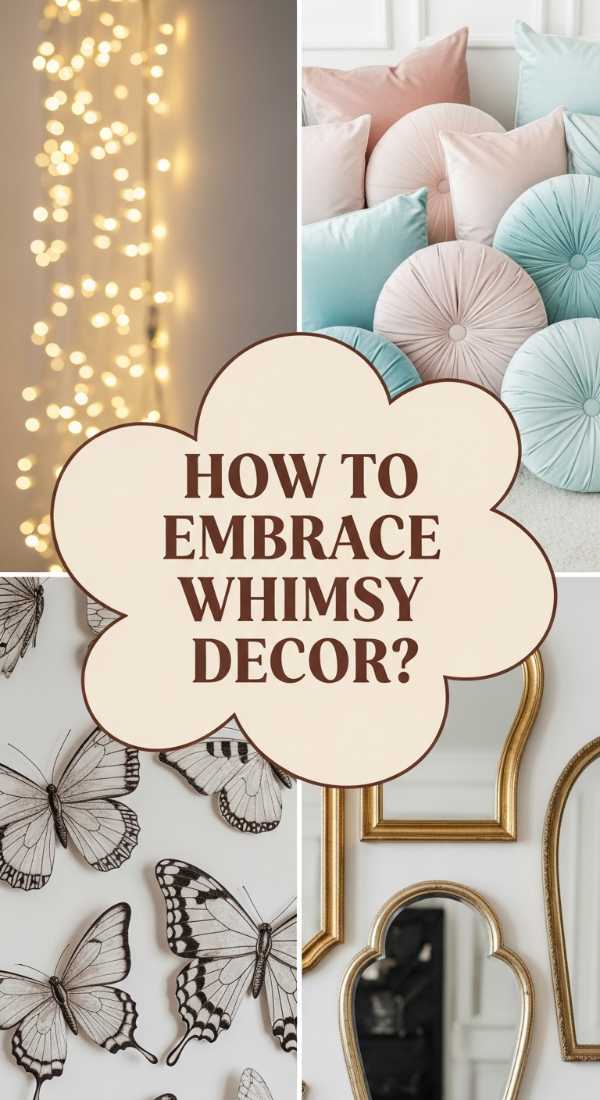
A whimsy wonderland is like a storybook come to life, filled with playfulness and a touch of the surreal. We love the way this style encourages a sense of wonder, using soft pastel hues, twinkling fairy lights, and unexpected shapes to break the rules of traditional design. It feels like stepping into a soft cloud where everything is plush, the air smells like vanilla bean and lavender, and every corner holds a tiny, magical surprise. It’s the ultimate escape from the mundane, fostering creativity and a lighthearted approach to daily living.
Essential Elements:
- Velvet scalloped furniture
- Iridescent or holographic accents
- String lights and mushroom-shaped lamps
- Pastel-colored faux fur rugs
- Wall murals featuring clouds or botanicals
- Canopy netting or draped silks
How to make it
- Start by defining a ‘soft’ color palette. Use a base of ‘millennial pink’ or ‘dusty lavender’ for the walls, applying a matte finish to absorb light and create a velvety, ethereal glow.
- Install a ceiling-mounted canopy over a reading nook or bed. Use at least 10 yards of sheer organza to ensure the fabric bunches richly, creating a cloud-like effect. Integrate warm-white micro-LED fairy lights within the folds.
- Select statement lighting that doubles as art. Look for ‘bubble’ chandeliers or lamps with iridescent glass shades that cast a rainbow-like prism across the walls when the sun hits them.
- Incorporate ‘nature-fantasy’ elements. Place oversized velvet mushrooms or brass butterfly wall hangings in clusters of three to create a rhythmic, whimsical flow through the room.
- Finish with a high-pile, scalloped-edge rug. Ensure the fibers are synthetic silk or high-quality wool for a lustrous sheen that feels incredible underfoot.
How to Arrange a Serene Catholic Prayer Corner for Spiritual Peace

Why we love this
There is a profound, quiet beauty in a space dedicated entirely to stillness and reflection. We love a serene prayer corner for the way it centers the home, offering a tactile and visual connection to the divine. The flickering light of a beeswax candle, the smooth texture of wooden rosary beads, and the faint, sweet aroma of frankincense create a sanctuary of peace. It’s a place where the world slows down, and the aesthetics—rich with tradition and sacred symbols—provide a deep sense of comfort and continuity.
Essential Elements:
- A small altar table or vintage prie-dieu (kneeler)
- Framed religious icons or classic sacred art
- Beeswax candles in glass votives
- A crucifix (wood or brass)
- A small bowl for holy water
- Lace or embroidered altar cloths
How to make it
- Choose a quiet, low-traffic corner of your home, preferably one that receives soft morning light. This helps signal to your brain that this is a space for peace and transition into the day.
- Select a focal point icon. Ensure the artwork is placed at eye level when you are kneeling or sitting. If using multiple icons, arrange them in a triptych or a balanced ‘salon-style’ grid to maintain visual harmony.
- Layer the altar with a white lace cloth. The texture of the lace adds a delicate, traditional touch that softens the hard edges of the furniture.
- Incorporate a ‘sensory anchor.’ Keep a small ceramic burner nearby for high-quality resin incense or a drop of chrism-scented oil. This olfactory cue will eventually trigger an immediate state of calm as soon as you enter the space.
- Keep your prayer books and rosaries in a dedicated wooden box or on a small tray to prevent clutter. The goal is ‘sacred simplicity’—every item should have a purpose and a place.
How to Curate Vintage Elegance for a Timeless Home Aesthetic

Why we love this
Vintage elegance is about the romance of the past brought into the present. We love the ‘old-world’ feeling of heavy velvet drapes, the tarnish on a silver tray, and the history embedded in a carved mahogany chair. It’s a sensory feast of rich textures and deep, sophisticated colors that suggest a life well-traveled and well-read. The aroma of old books and polished wood fills the air, creating a home that feels established, dignified, and utterly timeless—a place where every piece has outlasted trends to remain beautiful.
Essential Elements:
- Antique oil paintings with ornate gold frames
- Crystal chandeliers or sconces
- Velvet or brocade upholstery
- Dark wood furniture (mahogany, walnut)
- Silver or brass decorative trays
- Oriental or Persian hand-knotted rugs
How to make it
- When sourcing furniture, look for ‘structural integrity.’ Check for dovetail joints in drawers and solid wood construction. A vintage piece should feel heavy and grounded.
- Introduce a ‘patina’ balance. If you have a highly polished silver tea set, pair it with a slightly tarnished brass candlestick to avoid the room looking like a sterile showroom. The mix of metals adds age and depth.
- Hang oil paintings using traditional picture rail hooks and decorative cords. This elevates the art and gives it a gallery-like, historical feel. Ensure the lighting (a dedicated picture light) is a warm 2700K to highlight the rich pigments.
- Upholster a single statement chair in a high-pile silk velvet. Choose a jewel tone like emerald or burgundy to contrast against neutral walls, providing a focal point of tactile luxury.
- Style your bookshelves by ‘breathing’ the books. Don’t pack them tight; leave room for a vintage clock or a small porcelain bust to break up the vertical lines and add a sense of curated history.
How to Design a Welcoming Entryway for the Perfect First Impression
Why we love this
The entryway is the ‘handshake’ of the home. We love a well-designed foyer because it sets the emotional tone for everything that follows. It should feel like a transition from the chaos of the outside world into a curated sanctuary. The scent of a signature candle, the sight of fresh flowers, and a designated spot to shed the day’s weight—this is where the ‘ethereal’ journey begins. A welcoming entryway tells your guests (and yourself) that they are safe, valued, and home.
Essential Elements:
- A slim console table
- A large wall-mounted mirror
- A decorative bowl for keys and mail
- Soft, ambient lighting (a small lamp)
- An indoor-outdoor rug or runner
- Fresh floral arrangement or greenery
How to make it
- Scale is critical in an entryway. Measure your hallway width and ensure your console table leaves at least 36 inches of walking space. A table that is too large will make the home feel cramped and stressed.
- Layer your lighting. Avoid using the overhead ‘big light.’ Instead, place a small buffet lamp with a warm bulb on the console. This creates a low, inviting glow that mimics a candle-lit evening.
- Create a ‘landing zone’ with a high-walled ceramic bowl. This contains the visual clutter of keys and coins while adding a touch of artisanal texture to the table surface.
- Add a natural element. A tall glass vase with three stems of eucalyptus provides both height and a fresh, welcoming scent that greets anyone who opens the door.
- Incorporate a mirror to bounce light from adjacent rooms into the foyer. Ensure the mirror is placed so that it reflects something beautiful—like a piece of art—rather than a cluttered closet.
How to Style Quirky Eclectic Rooms for Bold Personal Expression

Why we love this
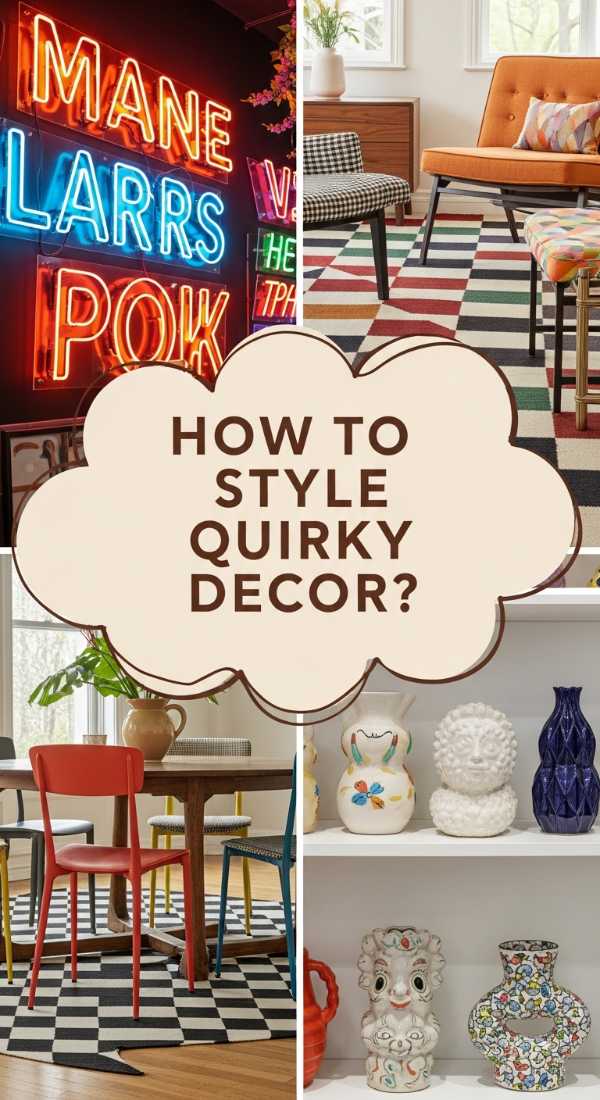
Eclectic styling is the ultimate celebration of individuality. We love it because it’s fearless; it’s the joy of seeing a 1970s plastic chair next to a Victorian velvet sofa and having it work perfectly. It’s a sensory explosion of pattern, color, and texture that feels alive and energetic. There is no ‘right’ way, only ‘your’ way. This aesthetic turns a home into a living scrapbook, where every object is a conversation starter and the atmosphere is one of vibrant, creative freedom.
Essential Elements:
- A mix of furniture styles from different eras
- Bold, clashing patterns (stripes with florals)
- Gallery walls with mismatched frames
- Vibrant accent colors (neon vs. jewel tones)
- Unique, ‘find’ objects (global souvenirs)
- Layered rugs of different textures
How to make it
- Pick a ‘unifying thread’ to prevent the room from looking messy. This could be a recurring color (e.g., pops of orange throughout) or a consistent material (e.g., all gold-toned metals). This ties the disparate pieces together.
- Master the art of ‘high-low’ layering. Place an expensive, modern designer lamp on top of a thrifted, chipped wooden side table. This contrast creates visual tension that is central to the eclectic look.
- When building a gallery wall, lay the pieces out on the floor first. Balance a heavy oil painting with a lighter, modern line drawing. Use a consistent 2-inch gap between frames to create a sense of intentionality.
- Mix your textiles by scale. Pair a large-scale floral print on the sofa with a small-scale geometric print on the throw pillows. This keeps the eye moving without becoming overwhelmed.
- Don’t be afraid of empty space. Even an eclectic room needs a ‘breather’—a neutral wall or a clear tabletop—to let the quirky pieces truly shine.
How to Blend Mexican Textiles with Vintage Furniture for a Global Look
Why we love this
This fusion is the epitome of ‘ethereal globalism.’ We love how the vivid, hand-embroidered patterns of Mexican textiles—like Otomi or Rebozos—breathe life into the stoic, formal lines of vintage European furniture. It’s a beautiful marriage of cultures and eras. The texture of heavy wool against polished wood, and the riot of color against dark mahogany, creates a space that feels curated, intellectual, and deeply warm. It’s a design language that speaks of travels, history, and a respect for craftsmanship.
Essential Elements:
- Otomi embroidery (Tenangos)
- Hand-woven Serape runners
- Mid-century modern or Victorian wood furniture
- Neutral wall backdrops to let textiles ‘pop’
- Brass accents to bridge the styles
- Potted succulents or cacti in vintage planters
How to make it
- Use a large Otomi fabric as a statement headboard or wall hanging. Secure it with a hidden wooden batten to keep the fabric taut and professional-looking. The intricate animal motifs provide a whimsical contrast to traditional bedroom furniture.
- Drape a vintage Serape runner across a mid-century modern credenza. The horizontal stripes of the textile complement the clean, low lines of the furniture perfectly.
- Mix the ‘weight’ of materials. A heavy, dark Victorian dining table is lightened and modernized when paired with bright, hand-woven Mexican placemats and contemporary glassware.
- Bridge the gap using color. If your Mexican textile has a prominent turquoise thread, find a vintage lamp or a piece of art with that same hue to create a cohesive visual link between the two styles.
- Focus on the finish. Ensure your vintage wood pieces are well-oiled; the lustrous sheen of the wood acts as the perfect canvas for the matte, tactile nature of the hand-spun wool textiles.
How to Use Whimsical Florals for a Fresh Summer Refresh

Why we love this
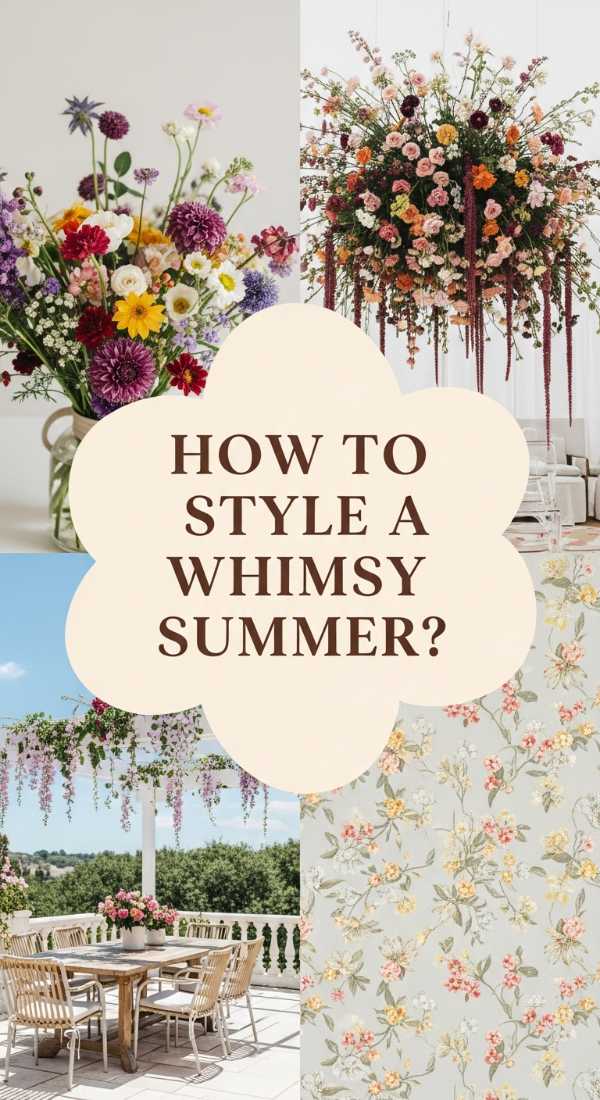
Flowers are the heartbeat of a dreamy home. We love the whimsical floral look for its ephemeral beauty and the way it brings the untamed grace of a summer meadow indoors. It’s about more than just a bouquet; it’s the scent of jasmine and rose filling the hallway, the sight of petals gently falling onto a sunlit table, and the organic, soft shapes that break up the hard lines of a room. It feels fresh, romantic, and deeply connected to the rhythm of the seasons.
Essential Elements:
- Loose, ‘wild’ floral arrangements
- Floral-patterned wallpaper or textiles
- Vintage glass vases and ceramic pitchers
- Dried flower wreaths or pressed art
- Scented candles with botanical notes
- Fresh herbs in the kitchen windows
How to make it
- Ditch the ‘tight’ grocery store bouquet. Instead, cut branches of varying lengths—some with buds, some with full blooms. Arrange them in a ‘spilled’ style, where some stems hang low over the side of the vase to mimic natural growth.
- For a semi-permanent refresh, apply a removable floral wallpaper to a powder room or small accent wall. Choose a pattern with a dark background to make the blooms look ‘moody’ and ethereal.
- Press your favorite summer blooms between heavy books for 2 weeks. Once dried, frame them in double-pane ‘floating’ glass frames to create delicate, botanical wall art that lasts all year.
- Incorporate ‘living’ scents. Place pots of fragrant lavender or gardenias in high-sun areas. The warmth of the sun will naturally release the essential oils, scenting your home without the need for synthetic sprays.
- Style your coffee table with a stack of botanical books topped with a single, sculptural flower in a bud vase. This creates a focused, artistic moment that celebrates the detail of a single bloom.
How to Curate Quirky Vintage Finds for a Character-Filled Space
[IMAGE_10]
Why we love this
There is a thrill in the hunt for the unique. We love quirky vintage finds because they are the ‘punctuation marks’ of a home. Whether it’s a brass swan, a weathered globes, or a collection of mismatched colored glass, these items prevent a home from feeling like a catalog. They add layers of humor, curiosity, and tactile history. The smell of an old brass polish, the weight of a solid crystal decanter—these sensory details ground us in a world of stories, making our spaces feel truly one-of-a-kind.
Essential Elements:
- Brass animals or figurines
- Colored depression glass
- Vintage clocks or barware
- Weathered leather suitcases (used for storage)
- Old maps or anatomical charts
- Unique architectural salvage (e.g., old door knobs)
How to make it
- Curation is key: group your finds in ‘odd numbers.’ A cluster of three vintage brass candlesticks of varying heights looks like a collection; two look like a mistake. This ‘rule of three’ creates a more dynamic visual path for the eye.
- Use quirky finds for ‘unintended purposes.’ A vintage silver champagne bucket makes a stunning planter for a fern; an old wooden ladder can be leaned against the wall to hold heirloom quilts.
- When shopping at flea markets, look for ‘silhouettes’ rather than colors. You can always spray paint a strangely shaped ceramic vase a matte cream, but you can’t change a boring shape.
- Display ‘collections’ in a unified way. If you collect vintage magnifying glasses, display them all on a single dark tray to give them ‘weight’ and importance rather than scattering them around the room.
- Incorporate ‘hidden’ vintage. Use antique glass knobs on modern dresser drawers to provide a tactile ‘surprise’ every time you open a drawer—it’s a small, ethereal detail that elevates the everyday.
Conclusion: Embracing the Ethereal Every Day
Creating a dreamy, ethereal home is an ongoing labor of love. It’s about listening to the space, following the light, and surrounding yourself with objects that spark a sense of peace and wonder. Whether you’re layering Mexican textiles over vintage wood or setting up a quiet corner for reflection, remember that the most beautiful homes are those that feel deeply personal and alive. May your home always be a sanctuary of warmth, whimsy, and timeless grace.