
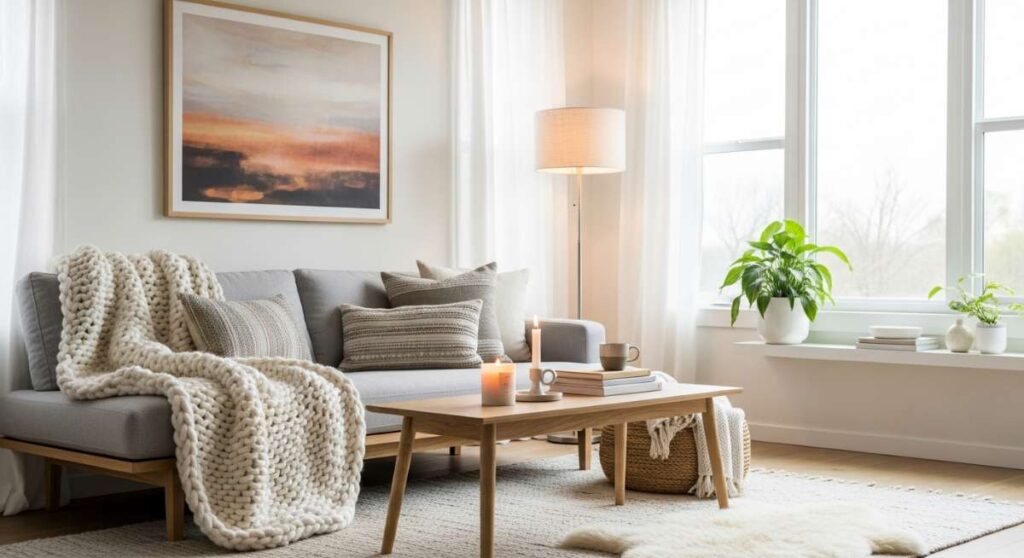
Have you ever walked through your front door after a long, chaotic day and felt a physical weight lift off your shoulders? That is the magic we’re chasing today. In a world that constantly demands our attention, our homes shouldn’t be another thing on our to-do list; they should be the deep breath we take between the madness. We’re blending the intentional clarity of minimalism with the soul-soothing warmth of Hygge to create a space that feels both curated and incredibly lived-in.
Creating a cozy minimalist sanctuary isn’t about stripping away your personality or living in a sterile white box. It’s about making room for the things that actually matter—the softest wool throw, the scent of a cedar candle, and the way the morning light hits your favorite armchair. It’s about quality over quantity, and feeling over fashion. Let’s dive into how we can transform your home into a refined, peaceful retreat that nourishes your spirit every single day.
How to Design a Cozy Minimalist Living Room for Total Inner Peace

Why we love this
There is a profound sense of tranquility that comes from a room that breathes. We love this approach because it focuses on the tactile experience—the rough texture of a jute rug against the smoothness of a polished wooden coffee table. Imagine sitting down and being enveloped by the scent of fresh eucalyptus and the soft, diffused glow of a sunset. It’s a sensory masterpiece that calms the nervous system and invites you to simply exist without distraction.
Essential Elements:
- Neutral color palette (oatmeal, stone, and soft grey)
- Natural textures like linen, wool, and light woods
- Strategic negative space to allow the eyes to rest
- Organic accents like smooth river stones or dried pampas grass
- Hidden storage to keep visual clutter at bay
How to make it
- Begin by “preheating” your room with a base layer of warm white paint; this sets the temperature for the entire space and ensures a clean canvas.
- Fold in your largest piece of furniture—the sofa—ensuring it is positioned to face a window or a focal point, rather than just the TV, to promote a sense of “simmering” peace.
- Adjust the heat levels of your lighting by layering different sources; avoid high-intensity overheads and instead use floor lamps with warm-toned bulbs to achieve a soft, medium-low glow.
- Sift through your decor and only add pieces that provide a visual “flavor” of comfort, such as a single high-quality knit throw draped over the arm of a chair.
- Check for doneness by standing in the doorway; if the room feels light but grounded, you’ve reached the perfect balance of minimalism and warmth.
How to Style a Small Apartment Living Room for Ultimate Comfort
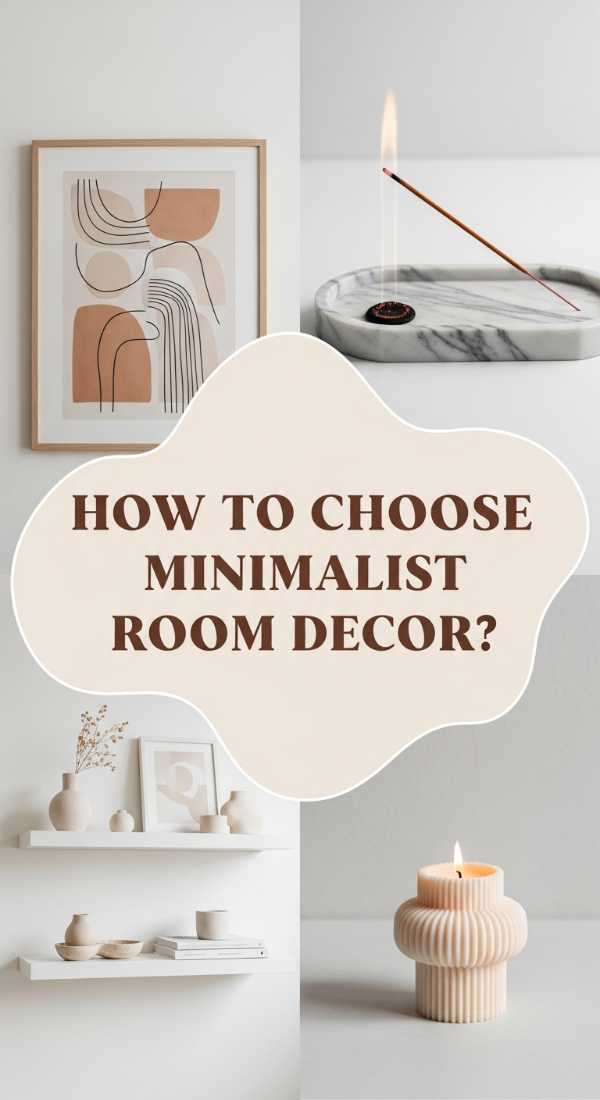
Why we love this
Small spaces have an inherent intimacy that large rooms often lack, making them the perfect candidate for a Hygge transformation. We love how a tiny footprint forces you to be incredibly intentional with every single choice. Think of a plush, oversized velvet cushion tucked into a sunny corner, paired with the aroma of a freshly brewed pour-over coffee. It feels like a warm hug, where every square inch is dedicated to your personal comfort and well-being.
Essential Elements:
- Multi-functional furniture (like an ottoman with storage)
- Sheer curtains to maximize natural light
- Wall-mounted shelving to keep floor space clear
- A curated selection of soft textiles in varied weaves
- Reflective surfaces like mirrors to bounce warmth around
How to make it
- Prep your small space by clearing everything out of the “mixing bowl”—empty the room to see the true dimensions of your floor plan.
- Carefully measure and add your furniture “ingredients,” choosing pieces with legs rather than solid bases to allow the light to flow underneath, preventing a “heavy” or overcooked look.
- Simmer the lighting by placing a mirror opposite a window; this doubles the natural light and creates an airy, whipped texture in the atmosphere.
- Stir in comfort by layering a soft sheepskin rug over a larger, flat-weave rug, creating a gourmet level of underfoot coziness.
- Finalize the prep by adding a single scent element, like a vanilla bean diffuser, to give the small room a lingering, inviting aftertaste.
How to Choose Minimalist Room Decor for a Refined Home Aesthetic
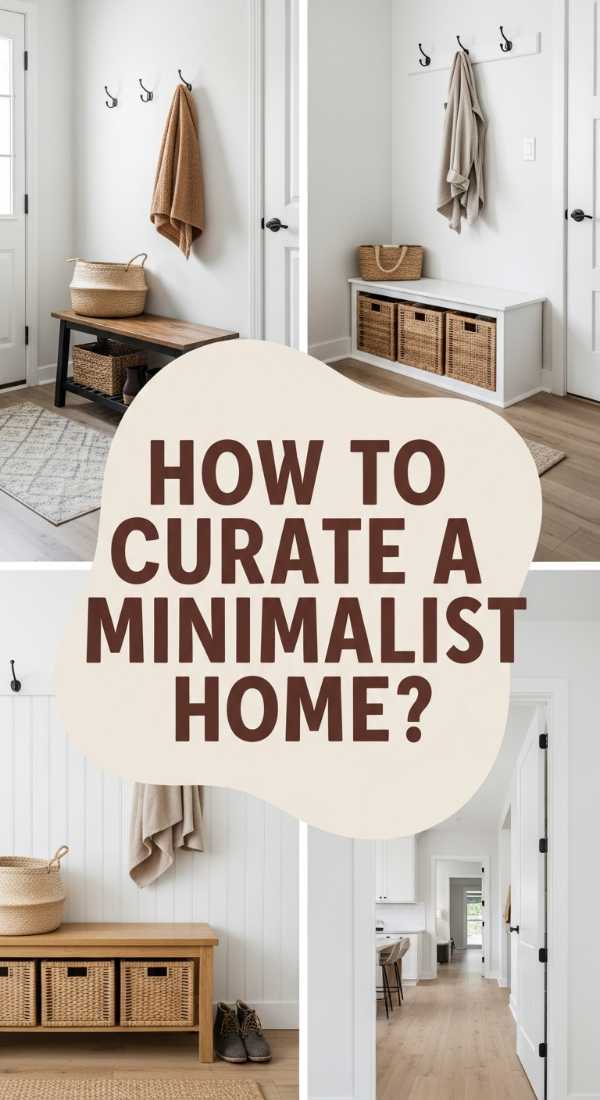
Why we love this
Selecting decor with a minimalist mindset is like choosing the finest ingredients for a five-star meal; every piece must stand on its own merit. We love the elegance of a single, hand-crafted ceramic vase sitting on a mantle, holding a solitary branch. The visual weight is perfectly balanced, creating an aroma of sophistication and quiet confidence. It’s about the beauty of the “un-decorated” space, where the items you choose to keep are celebrated for their form and function.
Essential Elements:
- Statement ceramics with matte finishes
- Art with plenty of white space or simple linework
- Structural greenery (like a tall fiddle leaf fig)
- Quality hardware in brass or matte black
- Books with beautiful spines in neutral tones
How to make it
- Sieve your current decor through a “joy filter,” removing anything that doesn’t serve a purpose or bring a genuine smile to your face.
- Establish your “base notes” by selecting three key pieces of decor that share a common material or color, ensuring they don’t “boil over” by competing with each other.
- Apply the “Rule of Three” to your arrangements; place items of varying heights together to create a visual simmer that draws the eye without being cluttered.
- Monitor the heat of the room’s aesthetic by ensuring there is enough “cool” negative space around your objects to let them stand out.
- The decor is “done” when you feel a sense of relief looking at it; if you feel the urge to keep tidying, you likely have too many ingredients in the mix.
How to Curate a Minimalist Home for Stress Free Living
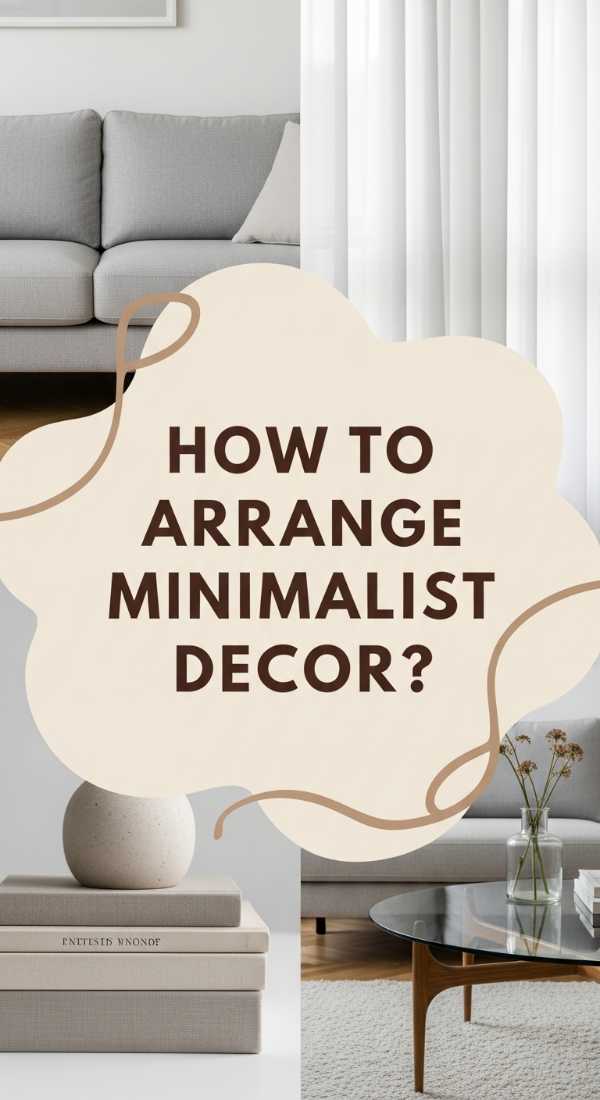
Why we love this
This approach is all about the psychological release of a tidy, intentional home. We love how a curated space eliminates the “visual noise” that often contributes to daily anxiety. Picture coming home to a kitchen counter that is completely clear except for a bowl of fresh lemons and a beautiful kettle. The air feels lighter, the mood is brighter, and the feeling of the smooth, cool surfaces under your fingertips provides an instant grounding effect that lasts all evening.
Essential Elements:
- Uniform containers for pantry and bathroom items
- A “landing zone” for keys and mail near the door
- Clear surfaces on tables and desks
- Intentional lighting that mimics the natural day cycle
- A dedicated space for mindfulness or meditation
How to make it
- De-clutter your “pantry” of belongings by grouping like items together and assessing their frequency of use; toss anything that has passed its “expiration date” of usefulness.
- Set the temperature by creating a digital-free zone in the bedroom, ensuring the space is strictly for rest and “cooling down” from the day.
- Whisk away visual chaos by using matching storage bins; this creates a cohesive, “blended” look that is easy on the eyes.
- Prep your morning routine by setting out your essentials the night before, allowing you to move through your home at a slow, gentle simmer rather than a frantic boil.
- Taste-test your progress by spending ten minutes in silence in your newly curated space; if your mind feels clear, you have achieved the perfect minimalist consistency.
How to Arrange Living Room Decor for a Chic Minimalist Vibe
Why we love this
Arrangement is the secret sauce to a chic home; it’s the difference between a collection of furniture and a curated gallery. We love how a well-balanced room feels effortless and sophisticated. Imagine the soft rustle of linen curtains and the perfect alignment of a low-profile coffee table with a statement lounge chair. There is a rhythm to the placement that feels melodic, offering a visual symphony that is both modern and deeply comforting to the soul.
Essential Elements:
- Low-profile furniture to maintain sightlines
- Grid-style gallery walls or a single oversized art piece
- Layered lighting (ambient, task, and accent)
- Geometric shapes balanced with soft curves
- A focus on symmetry and proportion
How to make it
- Layout your floor plan like a professional recipe, starting with the “meat” of the room—the largest furniture—and placing it to encourage conversation.
- Reduce the volume of decor on your surfaces; apply a medium-high heat to your editing process, leaving only the most “flavorful” accents.
- Balance the “acidity” of modern sharp lines with the “creaminess” of round pillows or a circular rug to keep the room from feeling too sharp.
- Timing is key: allow the room to “rest” for a few days after arranging before making final adjustments to the placement of smaller objects.
- Check the visual cues: if your eye can sweep across the room without getting “stuck” on any one cluttered spot, your chic minimalist vibe is served.
How to Master Cozy Minimalist Style for a Dreamy Sanctuary
Why we love this
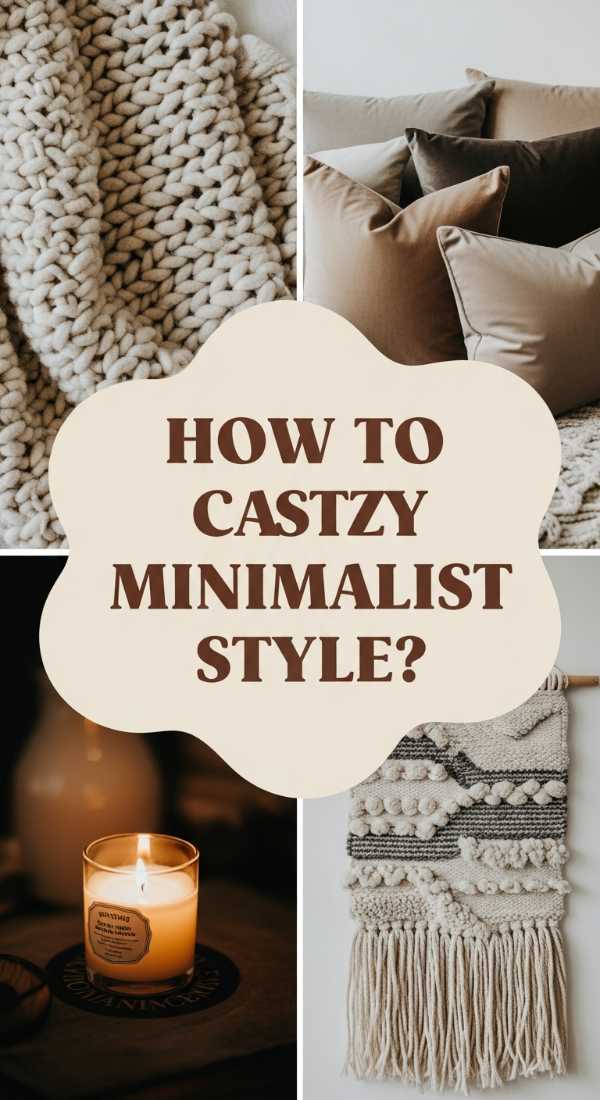
This is the ultimate goal: a home that feels like a dream. We love this style because it prioritizes the “feeling” of home over the “look” of it. It’s the texture of a chunky knit blanket, the soft flickering of a beeswax candle, and the way the room seems to glow from within. It’s a sanctuary that protects you from the outside world, offering a sensory experience that is as rich as a thick hot chocolate on a snowy afternoon—decadent, warm, and restorative.
Essential Elements:
- High-quality textiles (cashmere, wool, heavy cotton)
- Ambient lighting with dimmers
- Personal touches that carry positive memories
- Natural elements (wood, stone, plants)
- A soft, consistent color story throughout
How to make it
- Start with a high-quality “base stock”—invest in the best mattress or sofa you can afford, as these are the core components of your sanctuary.
- Infuse the room with warmth by adding “aromatics” like essential oil diffusers or natural wood scents that evoke a sense of calm.
- Layer your textures in stages: start with smooth cotton sheets, add a medium-weight duvet, and top with a heavy wool throw for a slow-braised level of comfort.
- Keep the heat low by using warm-toned lamps and avoiding any harsh blue light from electronics in the evening.
- The sanctuary is ready when you feel an immediate drop in your heart rate upon entering the room; that’s the visual cue for a perfectly executed dreamy space.
How to Decorate a Minimalist Room for Quiet Morning Moments
Why we love this
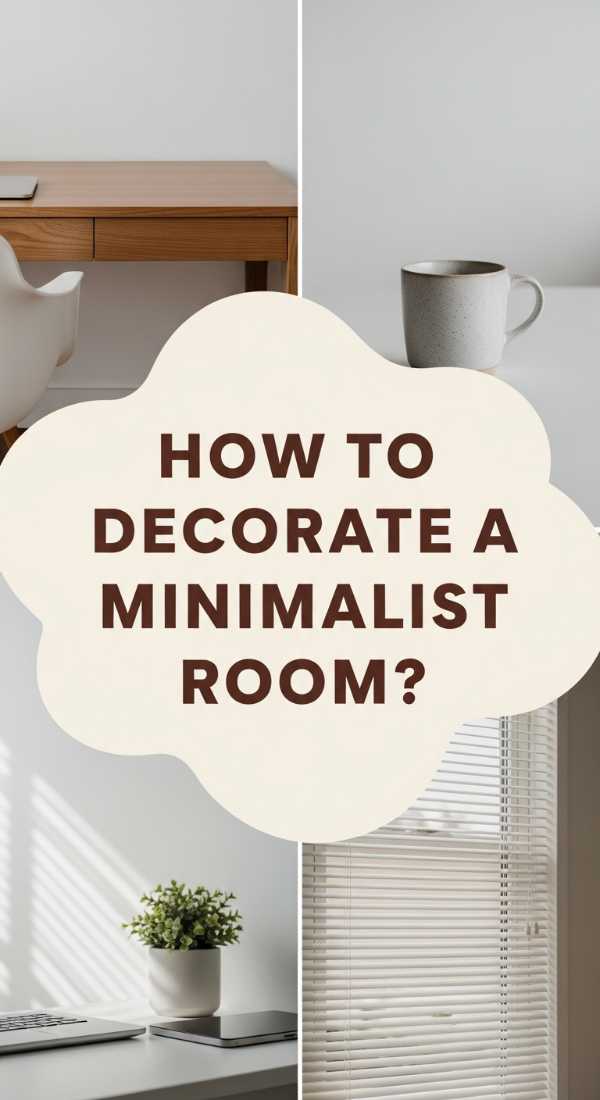
Morning rituals set the tone for the entire day, and we love how a minimalist room facilitates that quiet transition. Imagine the sun slowly creeping across a bare wood floor, illuminating a single velvet chair where you sit with your thoughts. There is no clutter to distract you, no pile of laundry to shame you—just the steam rising from your tea and the promise of a fresh start. It’s a clean, quiet energy that tastes like crisp air and new possibilities.
Essential Elements:
- Comfortable seating near a window
- Minimalist side tables for a book or beverage
- Soft floor coverings for bare feet
- Task lighting that is gentle on morning eyes
- Clutter-free surfaces to promote mental clarity
How to make it
- Prep your morning nook by “greasing” the area with soft textures—a small rug or a plush cushion to make the transition from bed easier.
- Simmer your morning light by using light-filtering shades that allow a soft glow without the harsh glare of the early sun.
- Set your “mise en place” the night before: place your journal and a clean mug on the side table so you aren’t searching for them in the dark.
- Adjust the “seasoning” of the room by adding one small plant; the sight of living green is a perfect visual cue to start your day with growth.
- Check for doneness by sitting in the space at 7 AM; if you feel a sense of stillness and focus, the room is perfectly prepared for your morning ritual.
How to Plan a Minimalist Living Room in Small Spaces for Maximum Flow
Why we love this
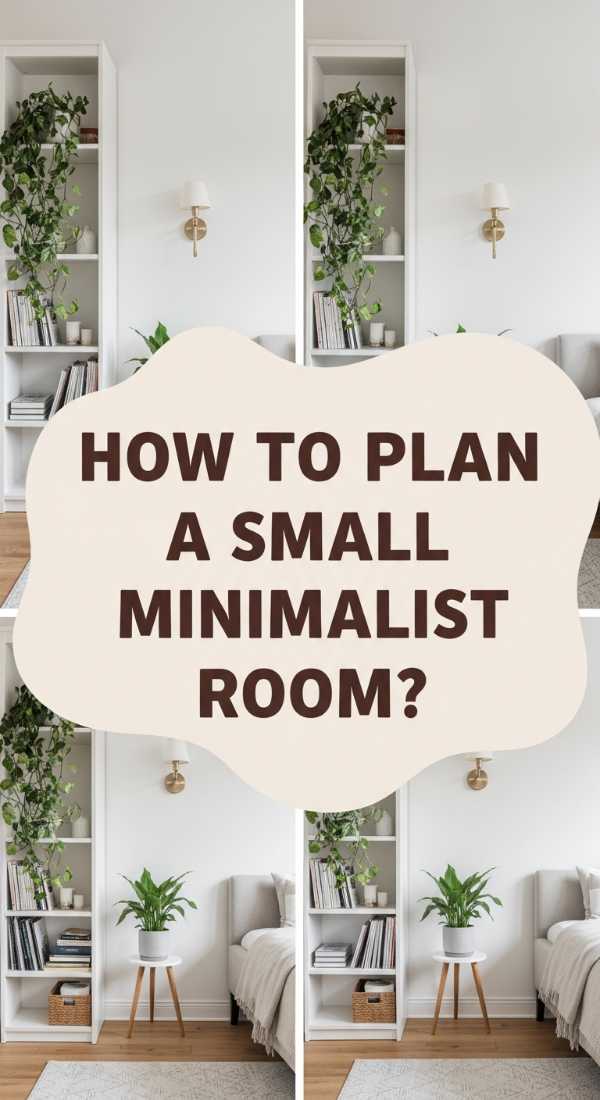
Flow is the lifeblood of a small home, and we love how minimalism makes a tight space feel like a sprawling estate. By being selective, you create pathways for energy (and people!) to move freely. It’s the feeling of light air moving through an open window, the smooth glide of a sliding door, and the absence of any obstacles. It creates a rhythm of movement that is as satisfying as a perfectly timed recipe where every step leads seamlessly into the next.
Essential Elements:
- Clear walking paths (at least 30 inches wide)
- Furniture with a small footprint or vertical orientation
- Consistent flooring to unify separate areas
- Strategic use of wall space for storage
- Light-reflecting colors to expand the visual field
How to make it
- Map out your “cooking flow” by marking paths on the floor with painter’s tape to ensure you have enough room to move without bumping into corners.
- Choose furniture that can “emulsify” into the walls—pieces that match the wall color to make them visually disappear and expand the space.
- Boil down your belongings to the absolute essentials, ensuring nothing blocks the natural light from the windows.
- Use “binders” like a single large rug to pull disparate zones together, creating a cohesive and smooth texture across the entire living area.
- Visual cue for success: walk through the room with your eyes closed; if you can navigate it without fear of tripping, your flow is perfectly balanced.
How to Combine Minimalist and Cozy Elements for a Warm Welcome
Why we love this
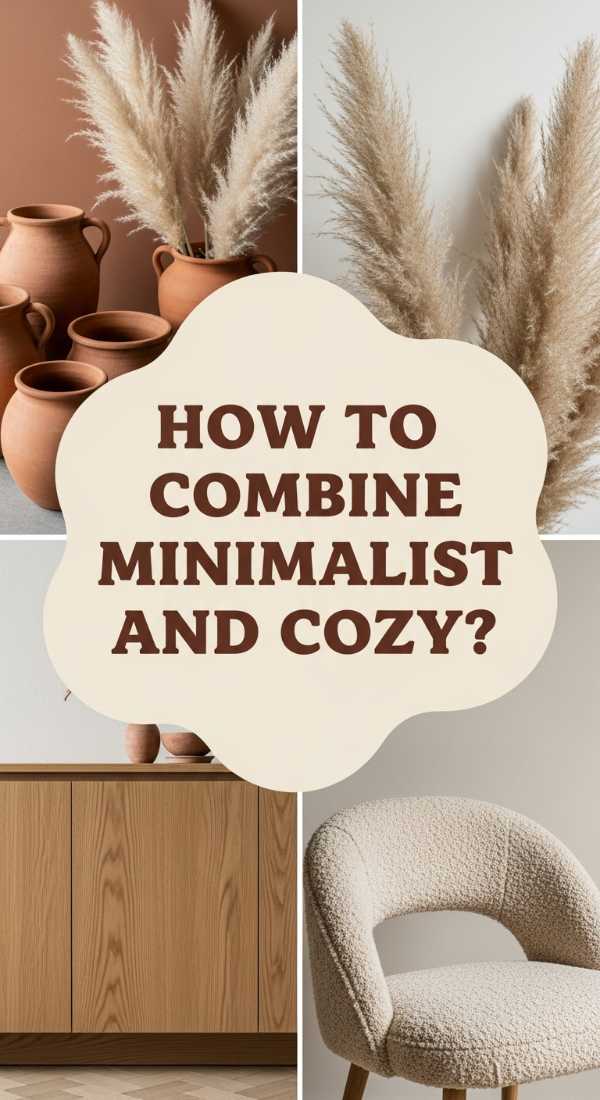
The entryway is the appetizer of your home, and we love combining these two styles here to create an immediate sense of relief for guests. It’s the smell of fresh cedar as they hang their coat, the sight of a clean wooden bench, and the soft touch of a textured runner. It says, “You are safe here, and there is no chaos inside.” It’s a warm welcome that feels curated yet unpretentious, setting the stage for a delightful, stress-free visit.
Essential Elements:
- A functional wooden bench for shoe removal
- Minimalist hooks for coats and bags
- A textured runner rug for warmth
- A small dish for keys to prevent clutter
- A warm-toned lamp or wall sconce
How to make it
- Preheat your entryway with a warm-toned lamp that stays on during the evening hours to welcome you home with a golden simmer.
- Sift through your hallway clutter, removing any “expired” shoes or coats that aren’t used daily to keep the space “fresh.”
- Add a dash of texture with a woven basket for umbrellas or reusable bags, keeping them organized but accessible.
- Whisk a signature scent into the air using a reed diffuser with notes of sandalwood or amber for an inviting aroma that lingers.
- Your welcome is “done” when the first step inside feels like a transition into a higher-quality experience of living.
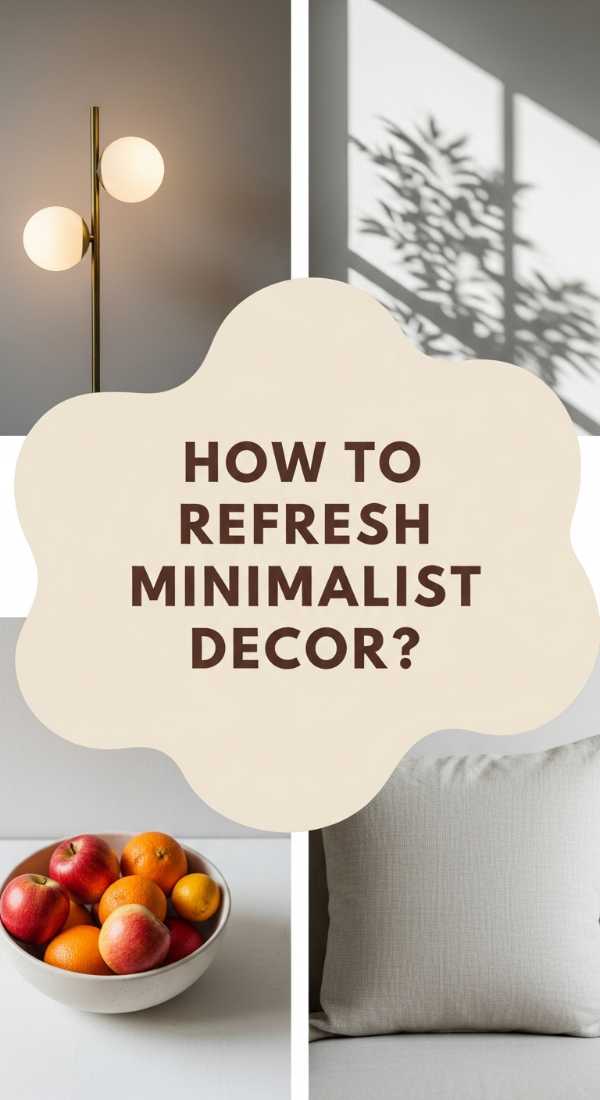
How to Refresh Minimalist Decor for a Seasonal Glow
[IMAGE_10]
Why we love this
Refreshing your space seasonally is like adding seasonal produce to a staple dish—it keeps things exciting without changing the core recipe. We love how a few small swaps can completely shift the mood of a minimalist room. The scent of cinnamon in the winter or fresh linen in the spring; the swap of a heavy wool throw for a light cotton one. It’s a way to honor the passing of time and stay connected to the natural world while maintaining your clean, peaceful sanctuary.
Essential Elements:
- A rotating selection of seasonal greenery
- Textiles in seasonal weights (wool vs. linen)
- Candles with seasonal scent profiles
- Small decor swaps (ceramic pumpkins vs. glass bowls)
- Adjusting lighting to match changing daylight hours
How to make it
- Start by “cleaning the palate”—strip the room of any seasonal decor from the previous months to return to your minimalist base.
- Slow-cook your transition by only adding one or two seasonal items per week, ensuring the room doesn’t become “over-seasoned” with holiday clutter.
- Adjust the heat of your lighting; use more candles in the dark winter months to add “sparkle” and sheerer curtains in the summer to let the sun shine in.
- Garnish with nature: use evergreen branches in winter, tulips in spring, and dried wheat in autumn for a natural, minimalist pop of seasonal flavor.
- Taste-test the result: the room should feel refreshed and aligned with the world outside, but still maintain its core minimalist integrity.
Creating Your Permanent State of Zen
As we wrap up our journey through the art of cozy minimalism, remember that your home is a living, breathing reflection of your inner state. By stripping away the excess and focusing on the textures, scents, and sights that truly bring you peace, you aren’t just decorating a room—you’re cultivating a lifestyle. Whether you’re curling up in a small apartment or designing a grand living space, the principles of Hygge and minimalism will always guide you back to what matters most: comfort, clarity, and a warm welcome home.