
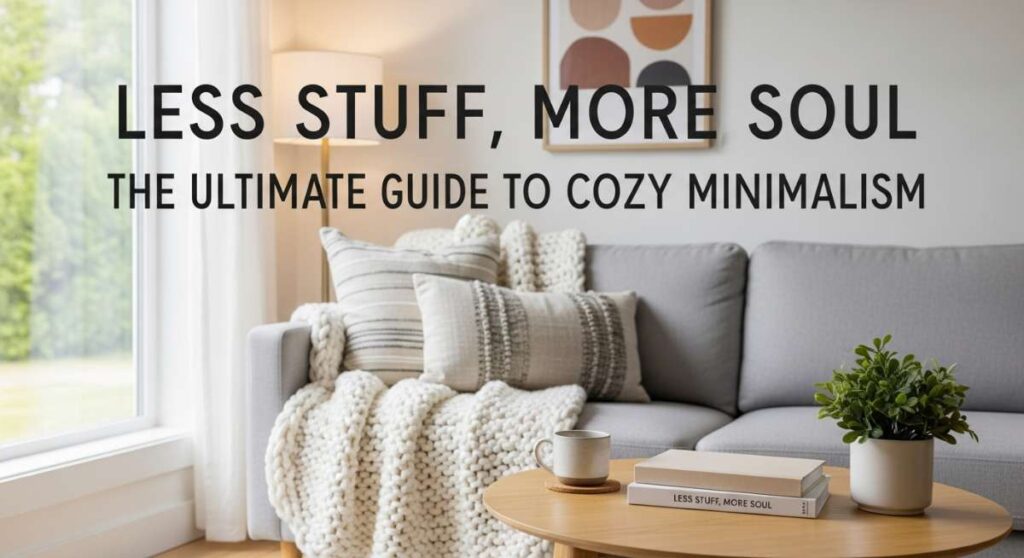
Less Stuff, More Soul: The Ultimate Guide to Cozy Minimalism
Have you ever walked into a room and felt like you could finally, truly breathe? There is a profound magic that happens when we stop filling our lives with ‘stuff’ and start filling them with intention. For the longest time, I thought minimalism meant cold, white walls and uncomfortable chairs, but then I discovered the soul-soothing embrace of cozy minimalism. It is the art of stripping away the excess while keeping the warmth, the textures, and the memories that make a house feel like a home.
In this guide, we are diving deep into how you can curate a sanctuary that feels both curated and lived-in. We aren’t just talking about cleaning off your counters; we are talking about creating a sensory experience that invites you to slow down. From the way light hits a ceramic vase to the weight of a chunky knit throw, every detail matters. Let’s explore how to turn your living space into a minimalist haven that doesn’t sacrifice an ounce of comfort.
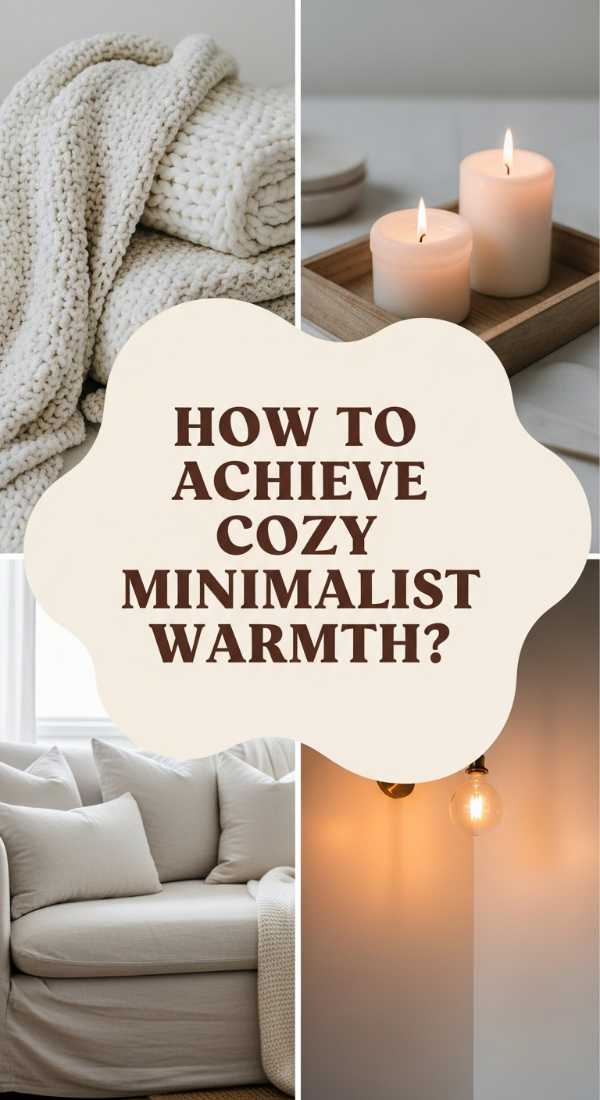
How to Achieve Cozy Minimalist Warmth for a Soothing Evening
Why we love this
There is nothing quite like the transition from a frantic day to a peaceful evening wrapped in a cocoon of intentional warmth. This approach focuses on the interplay of low-intensity light and soft, tactile surfaces that signal to your nervous system that it is time to decompress. Imagine the flicker of a single beeswax candle reflecting off smooth wood surfaces, while the scent of sandalwood lingers in the air, creating a grounded, earthy atmosphere that feels expensive yet deeply humble. It turns a simple Tuesday night into a restorative ritual that feeds the soul.
Essential Elements:
- Warm-toned LED bulbs (2700K or lower)
- Natural beeswax or soy candles
- Textured wool or cashmere throw blankets
- A minimalist wooden side table
- Essential oil diffuser with cedarwood or lavender
How to make it
- Lower the visual noise by clearing all flat surfaces of non-essential items, leaving only one or to objects that bring you joy.
- Layer your lighting by turning off harsh overhead fixtures and instead activating ‘pools of light’ using floor lamps and candles placed at eye level.
- Prep your textiles by fluffing your highest-quality wool pillows and draping a throw over the arm of your chair in an effortless, ‘lived-in’ fold.
- Introduce an olfactory layer by diffusing essential oils for at least 20 minutes before you intend to relax, allowing the scent to saturate the fabric of the room.
- Check the ‘temperature’ of the room’s mood; if it feels too stark, add one organic element like a dried branch or a stone to ground the space.
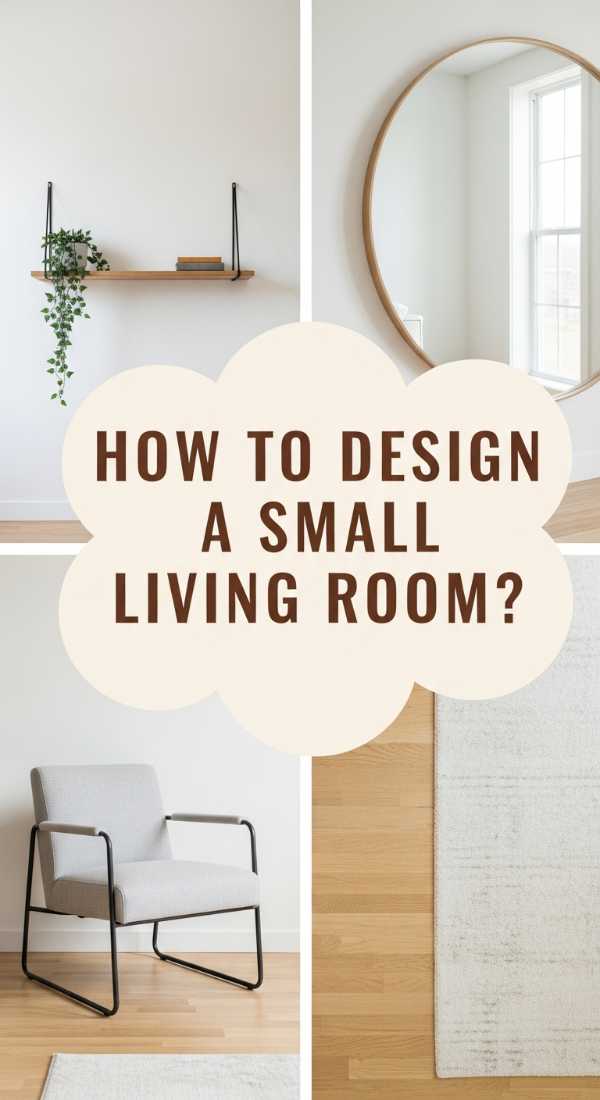
How to Design a Small Living Room for Maximum Space and Style
Why we love this
Small spaces have a unique ability to feel like a high-end jewelry box when designed with a minimalist eye. We love this because it forces you to prioritize quality over quantity, resulting in a room where every single piece of furniture serves a purpose and looks stunning while doing it. The aesthetic relies on clean lines and elevated leg heights on furniture to keep the floor visible, which tricks the eye into seeing more square footage. It’s about that airy, light-filled sensation where you feel unrestricted and free within your own four walls.
Essential Elements:
- Furniture with ‘pencil’ or tapered legs
- A large, light-colored area rug to define the zone
- Multi-functional nesting tables
- Sheer linen window treatments
- Large-scale wall mirror
How to make it
- Scale your furniture by measuring your floor plan and ensuring there is at least 18 inches of walkway between any two pieces of furniture.
- Install your window treatments as high as possible—at least 6 inches above the frame—to draw the eye upward and simulate higher ceilings.
- Position a large mirror opposite your primary light source to bounce natural light into the darkest corners of the room.
- Select a neutral color palette with high-reflectance values (light greys, creams, or soft whites) to prevent the walls from ‘closing in’.
- Cull the decor until you have ‘negative space’ on your walls, which allows the eye to rest and makes the room feel significantly larger.
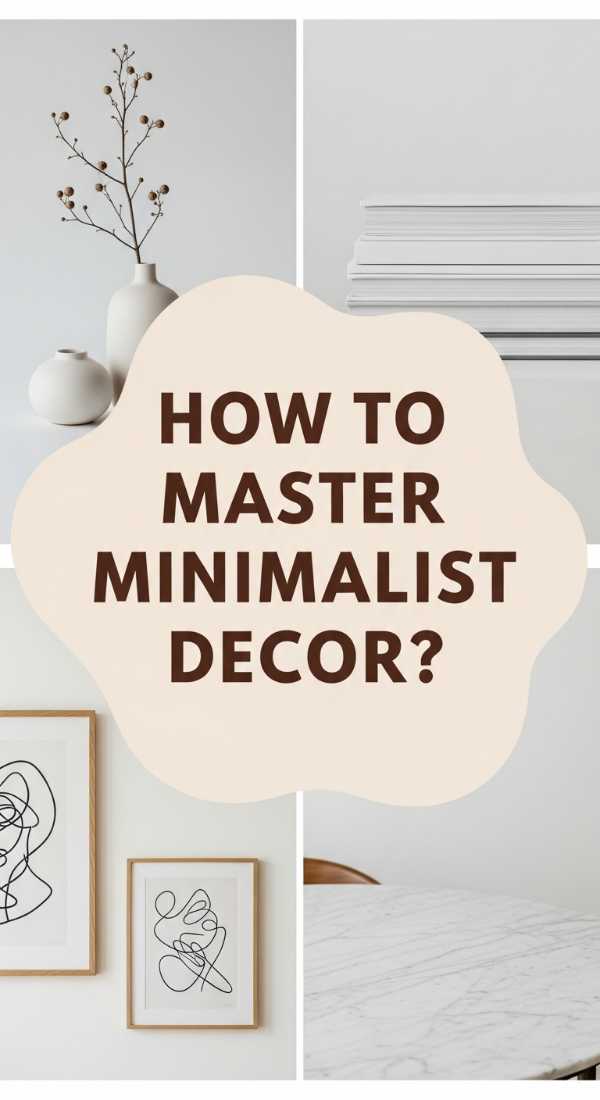
How to Master Minimalist Room Decor for a Clutter Free Sanctuary
Why we love this
A clutter-free sanctuary is the ultimate luxury in our modern, over-stimulated world. This design philosophy removes the visual ‘static’ that causes subconscious stress, replacing it with smooth surfaces and intentional vignettes. We love the way a single, perfectly placed ceramic bowl can hold more visual weight and beauty than a shelf full of knick-knacks. It creates a sense of profound clarity and mental quiet, allowing your mind to wander and create without being distracted by ‘to-do’ piles or unnecessary objects.
Essential Elements:
- Closed storage solutions (sideboards or cabinets)
- Uniform storage bins in natural materials
- A ‘one-in, one-out’ decorative policy
- Large-scale minimalist art
- Matte-finish surfaces
How to make it
- Perform a deep audit of the room, removing every item that hasn’t been touched or appreciated in the last six months.
- Implement ‘hidden’ storage by moving daily necessities into closed cabinets, leaving only sculptural or beautiful items on display.
- Group remaining decor in odd numbers (3 or 5) to create a balanced but asymmetrical look that feels natural rather than staged.
- Standardize your color story by ensuring all decorative accents share a common undertone, such as ‘warm sand’ or ‘cool slate’.
- Maintain the sanctuary by doing a 5-minute ‘reset’ every evening, returning every item to its designated ‘home’ to prevent clutter creep.
How to Style a Living Room Decor Minimalist Aesthetic for Modern Comfort
Why we love this
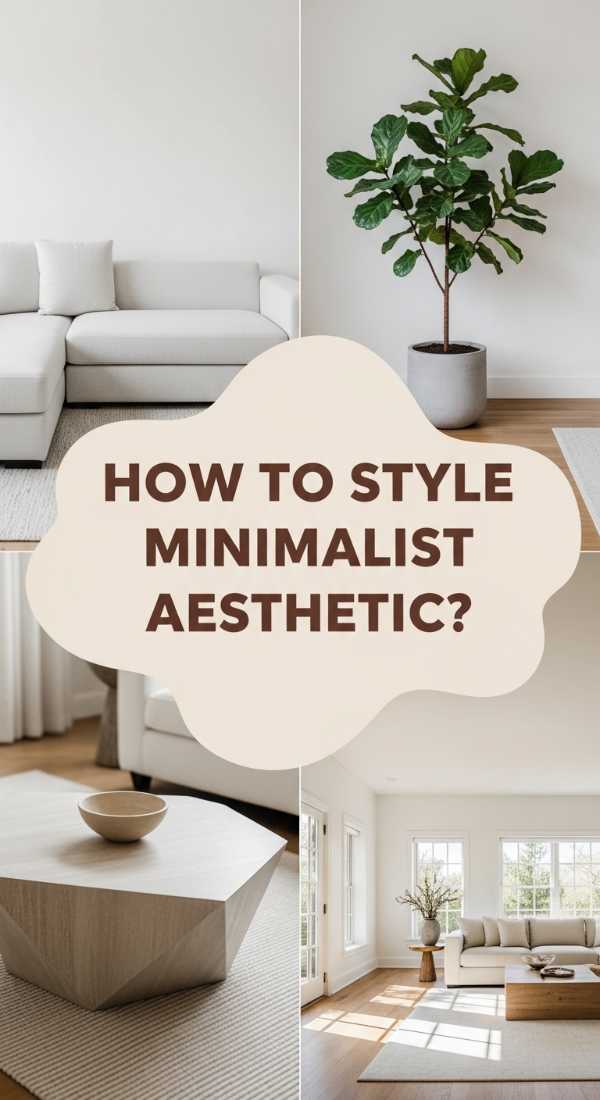
This style is the perfect marriage between the sleekness of modern design and the softness required for real life. It’s all about ‘hygge’ meeting high-fashion. We love the tactile contrast of a cold metal lamp base against a warm, chunky knit rug, or a sharp-edged marble coffee table topped with a soft, organic linen runner. It feels sophisticated and expensive, yet it welcomes you to kick your shoes off and stay a while. It proves that you don’t need a lot of items to create a high-impact, comfortable environment.
Essential Elements:
- Low-profile modular sofa
- Natural stone accents (marble or travertine)
- Brushed metal hardware
- Textured boucle or linen upholstery
- Structural indoor plants (like a Fiddle Leaf Fig)
How to make it
- Establish your base by choosing a low-profile sofa in a high-quality, durable fabric that anchors the room without blocking sightlines.
- Introduce ‘soft geometry’ by pairing a rectangular sofa with a round coffee table to break up the harsh lines and add flow.
- Layer in your ‘comfort’ pieces by adding exactly two high-quality oversized pillows to the sofa, avoiding the ‘pillow mountain’ look.
- Incorporate greenery by placing one large structural plant in a corner, ensuring the pot matches the room’s primary accent color.
- Adjust the ‘visual weight’ by ensuring that if you have a heavy piece of furniture on one side, you balance it with a lighter, leggy piece on the other.
How to Create an Apartment Cozy Aesthetic for a Homely Feel
Why we love this
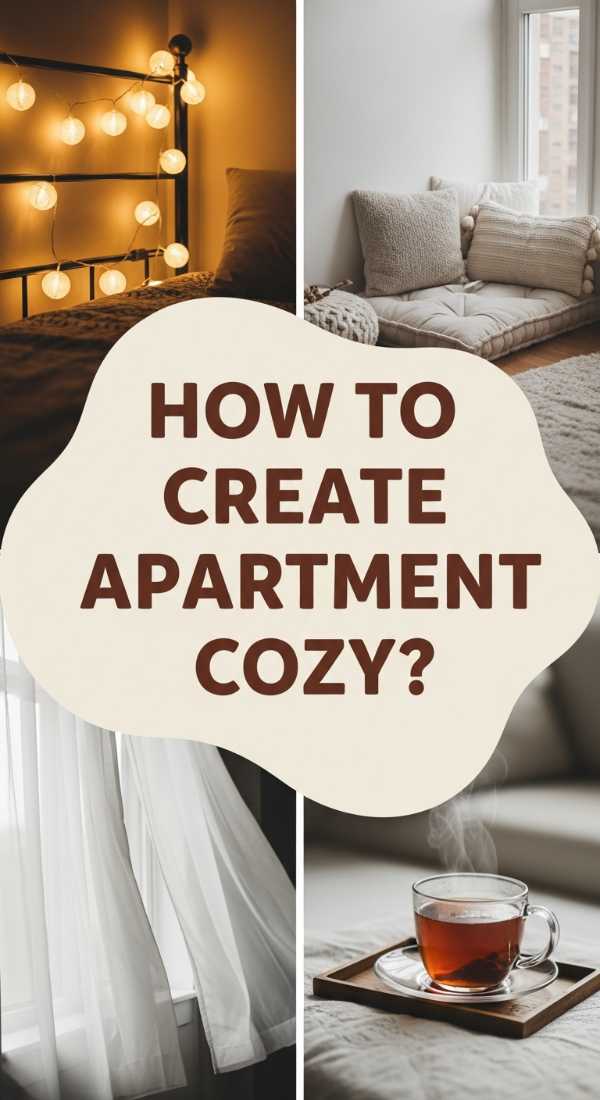
Apartment living often feels transient, but this aesthetic turns a rental into a soul-filled home. It’s about adding layers of personality and warmth without making permanent changes. We love the use of ‘temporary’ luxury—like high-thread-count linens, beautiful floor lamps that create an instant mood, and personal art that tells a story. This approach focuses on making the space feel dense with comfort rather than stuff, turning a standard white-box apartment into a textured, inviting retreat that reflects your personal journey.
Essential Elements:
- Floor-to-ceiling curtains (even if they are decorative)
- Woven seagrass or jute rugs
- Personalized gallery wall with thin frames
- Ambient table lamps with fabric shades
- Soft, oversized floor cushions
How to make it
- Cover ‘builder-grade’ flooring with a large-scale natural fiber rug that adds immediate texture and warmth to the entire room.
- Upgrade your lighting by adding three levels of light: a floor lamp for height, a table lamp for mid-level warmth, and candles for low-level glow.
- Personalize your walls using ‘command’ strips to hang a curated selection of art that shares a consistent color palette to avoid visual chaos.
- Add ‘life’ to the apartment by placing small potted herbs or succulents on windowsills to bring the outdoors in.
- Soften the edges of the space by draping a linen cloth over a generic desk or table, instantly elevating the texture of the room.
How to Balance Minimalist Cozy Elements for a Welcoming Atmosphere
Why we love this
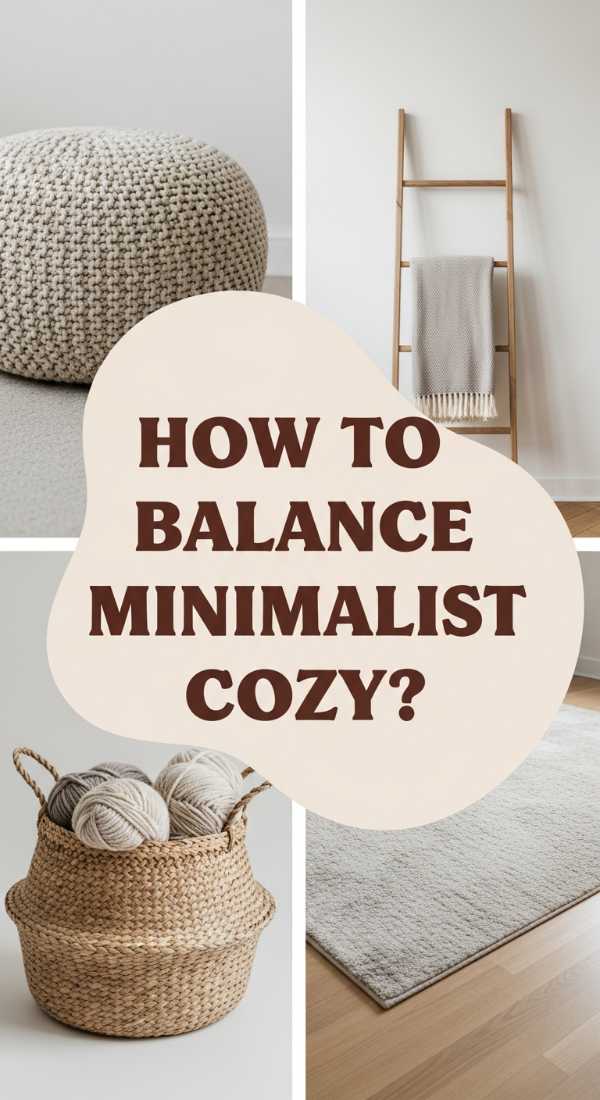
The balance between ‘minimalist’ and ‘cozy’ is a delicate dance that, when done right, feels effortlessly welcoming. We love this because it removes the intimidation factor of traditional minimalism. Instead of a room that says ‘don’t touch,’ this balance creates a room that says ‘come sit.’ It’s the harmony of clean surfaces and soft textures—where the air feels fresh because there is no dust-collecting clutter, but the seat feels warm because of the quality of the materials. It is the ultimate environment for hosting intimate conversations.
Essential Elements:
- A mix of hard and soft materials (wood vs. wool)
- Neutral color palette with varying shades
- Open shelving with curated ‘breathing room’
- Organic shapes in furniture and decor
- Diffused, indirect lighting
How to make it
- Apply the 80/20 rule: 80% clean, minimalist lines and 20% soft, cozy textures to ensure the room doesn’t feel sterile.
- Choose a ‘bridge’ color—a warm beige or soft terracotta—to connect your stark whites and deep wood tones together.
- Arrange your seating in a ‘conversation circle’ that invites interaction, ensuring no seat is more than 5 feet away from another.
- Curate your shelves by leaving at least 30% of the shelf empty, allowing the items you do display to ‘breathe’ and stand out.
- Test the ‘welcome’ factor by sitting in every seat in the room to ensure there is a clear view and a soft surface within reach.
How to Curate a Minimalist Room for Inner Peace and Clarity
Why we love this
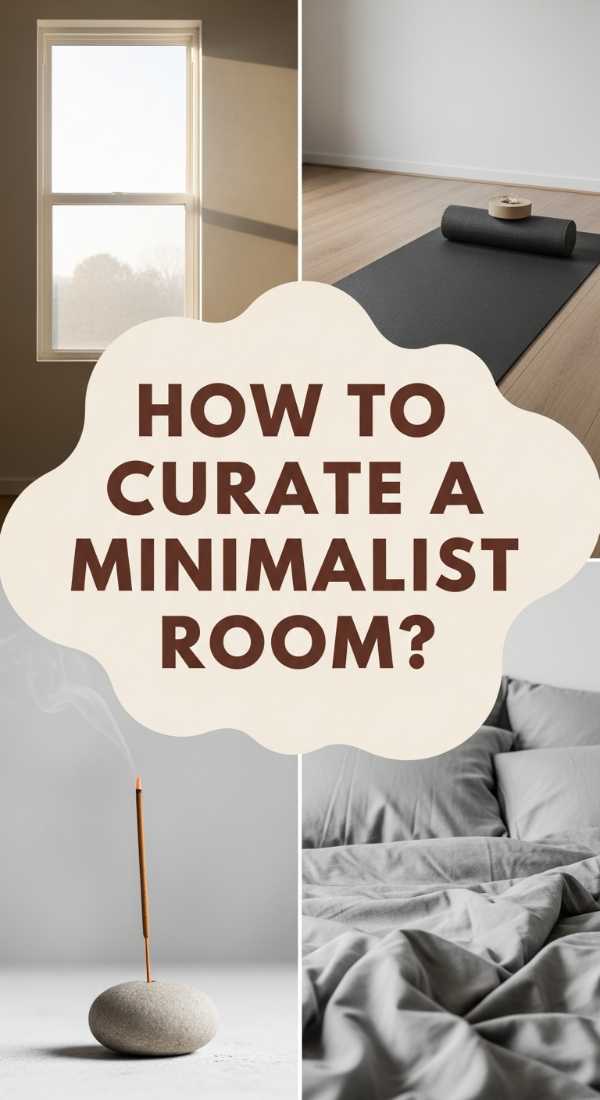
Your environment is a direct reflection of your internal state. We love curating for inner peace because it turns home decorating into a form of self-care. When you walk into a room designed for clarity, your heart rate naturally slows down. The focus on natural light, soft muted tones, and the absence of visual ‘noise’ allows you to reconnect with yourself. It’s like a daily meditation for your eyes, providing a sanctuary where you can escape the frantic pace of the outside world and just *be*.
Essential Elements:
- Natural light-filtering blinds
- Muted, monochromatic color schemes
- Minimalist meditation corner or nook
- Aromatherapy station
- Natural wood elements
How to make it
- Identify the ‘noise makers’ in the room—electronic chargers, stacks of mail, or bright plastic items—and move them to a different area.
- Select a ‘peace palette’ of soft greens, blues, or warm greys that are known to lower stress levels and apply them to your textiles.
- Designate one corner of the room as a ‘tech-free zone’ featuring only a comfortable chair and a small side table for tea.
- Maximize your natural light by cleaning windows thoroughly and removing any heavy drapes that block the sun’s path.
- Introduce ‘active’ peace by keeping a journal or a single book of poetry on a surface, inviting you to engage in a calming activity.
How to Build a Minimalist Home for a Simplified Lifestyle
Why we love this
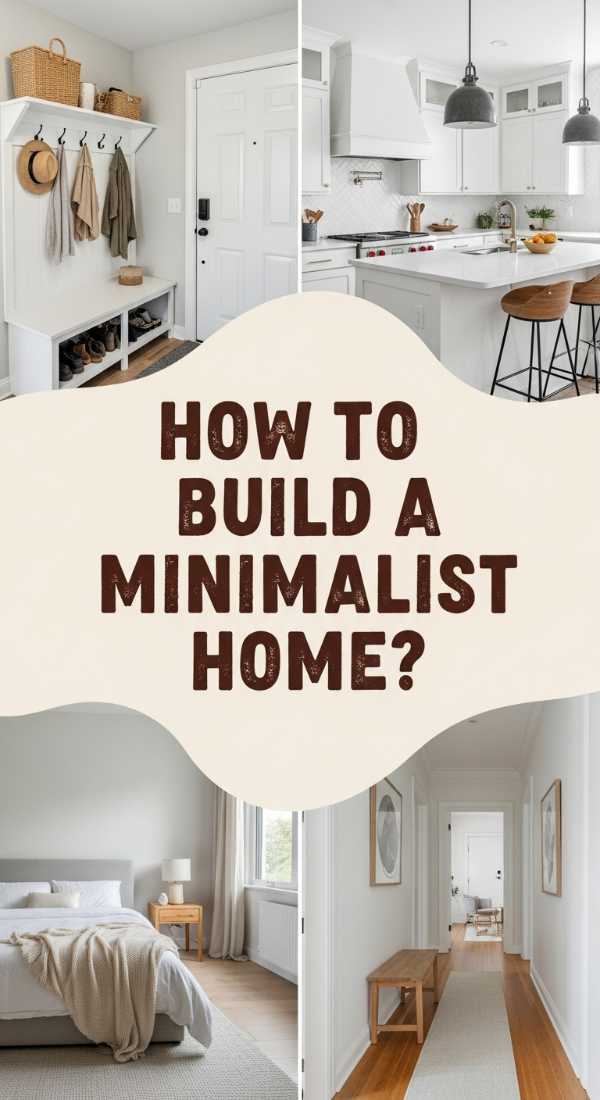
Building a minimalist home from the ground up—or through a total reset—is about choosing a life of freedom. We love this approach because it shifts the focus from ‘owning’ to ‘living.’ Every piece of furniture is an investment in your daily happiness, chosen for its durability, beauty, and function. This lifestyle reduces the time spent cleaning, organizing, and maintaining, giving you back hours of your life every week. It’s a powerful statement that you value experiences and peace over the accumulation of objects.
Essential Elements:
- High-quality, durable furniture pieces
- Integrated storage solutions
- Timeless architectural details
- Natural, long-lasting materials (linen, leather, solid wood)
- Energy-efficient, warm lighting
How to make it
- Develop a ‘master plan’ for each room, identifying the primary function and selecting one high-quality ‘hero’ piece of furniture to anchor the space.
- Opt for ‘forever’ materials like solid oak or genuine leather that age beautifully, reducing the need for frequent replacements.
- Simplify your maintenance by choosing finishes that don’t show dust or fingerprints easily, such as matte woods and textured fabrics.
- Audit your utility spaces (kitchen/pantry) to ensure every tool has a specific purpose, removing the ‘junk drawer’ mentality.
- Invest in the ‘invisible’ comfort of the home, such as high-quality air filtration and soundproofing, to enhance the minimalist atmosphere.
How to Arrange Minimalist Living Room Small Spaces for Flow and Function
Why we love this
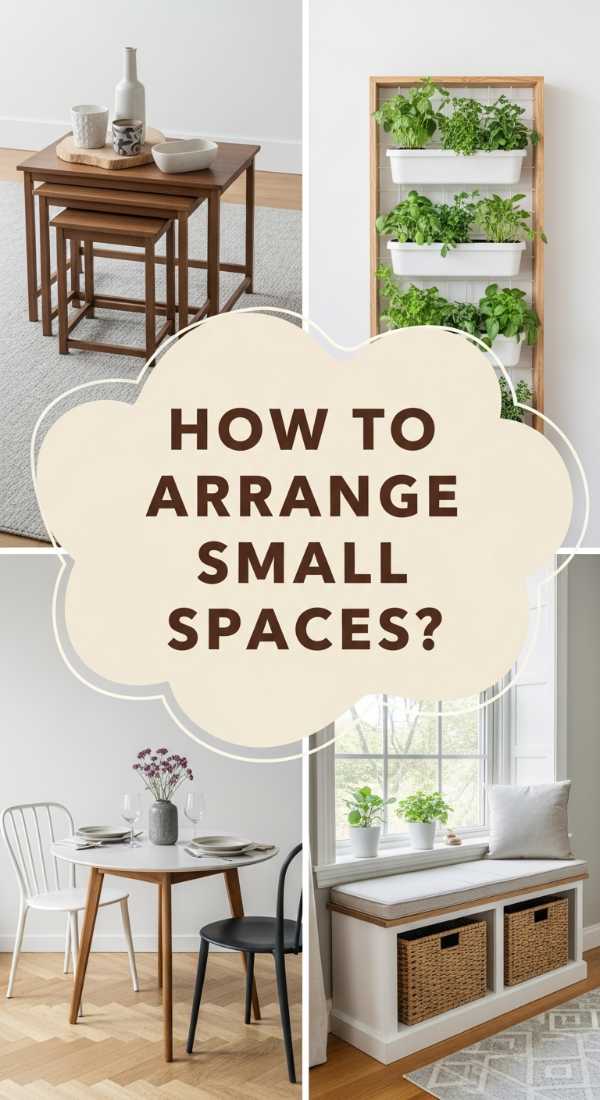
There is a special kind of satisfaction in mastering the flow of a small space. We love this because it proves that you don’t need a mansion to have a high-end, functional home. By arranging furniture with ‘traffic patterns’ in mind, you create a space that feels intuitive and easy to move through. It’s about the elegance of a room that works *with* you, where you never feel cramped or blocked. This focus on flow brings a sense of professional design and intentionality to even the most modest apartment.
Essential Elements:
- Small-scale, ‘apartment-sized’ furniture
- Clear walkways (at least 30 inches wide)
- Vertical storage and shelving
- Furniture with ‘visual transparency’ (glass or acrylic)
- Zoned lighting
How to make it
- Map your ‘traffic flow’ by walking through the room and ensuring you don’t have to turn sideways or step over anything to get from point A to B.
- ‘Float’ your furniture away from the walls by just 2-3 inches; this small gap creates a sense of airiness and prevents the room from feeling ‘stuffed’.
- Use rugs to ‘zone’ the space, clearly defining the living area from the dining or workspace without the need for physical walls.
- Utilize vertical space by installing high shelves for books or plants, keeping the floor area as clear and open as possible.
- Choose ‘double-duty’ pieces, like an ottoman that serves as a coffee table and extra seating, to minimize the number of items on the floor.
How to Select Room Decor Minimalist Accents for a High End Look
Why we love this
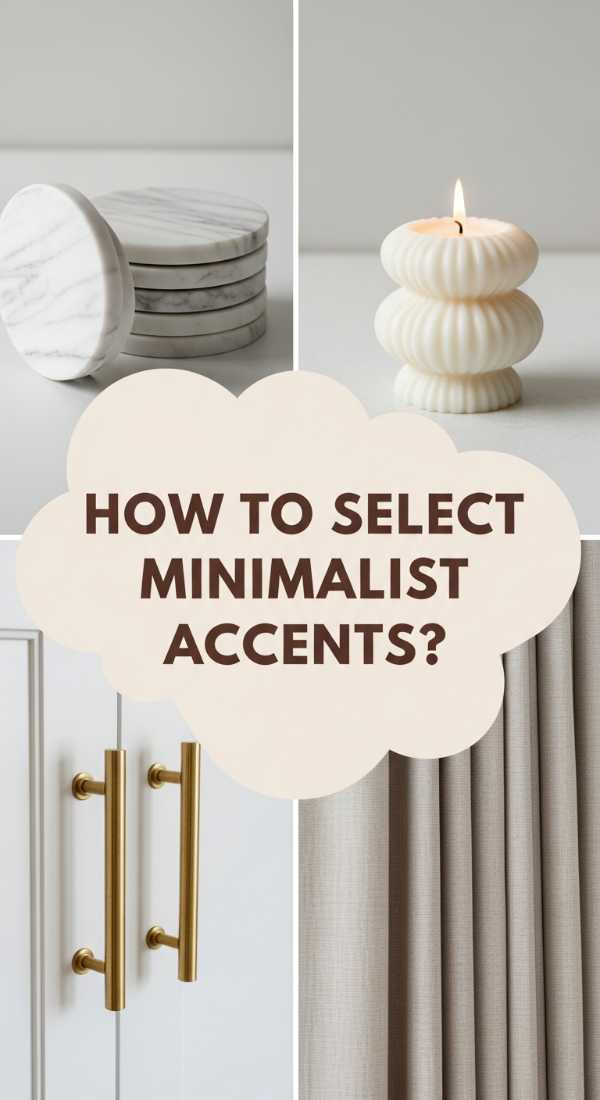
The right accents can make a budget-friendly room look like a million dollars. We love the minimalist approach to accents because it emphasizes ‘sculptural’ beauty. Instead of a hundred small items, you choose three large, high-impact pieces that command attention. Think of a heavy, hand-thrown ceramic vase, a piece of raw driftwood, or a thick, hand-woven throw. These items carry a sense of history and craftsmanship that instantly elevates the entire room, making it feel curated by a professional designer.
Essential Elements:
- Statement ceramics or pottery
- Large-scale organic elements (branches/stones)
- High-quality coffee table books
- Textured, oversized textiles
- Artisanal, handmade hardware
How to make it
- Select your ‘hero’ accent—one item that is significantly larger or more textured than everything else—to serve as the room’s visual anchor.
- Apply the ‘Rule of Scale’: if your furniture is sleek and small, choose larger, bolder accents to create a high-end, intentional contrast.
- Focus on ‘material honesty’ by choosing items made of real stone, wood, or clay rather than plastic imitations.
- Limit your decorative palette to three main materials (e.g., oak, brass, and linen) to create a cohesive, ‘designed’ look across the whole room.
- Edit ruthlessly: for every new accent you bring in, remove one older item to keep the high-end, minimalist clarity intact.
Embracing the Soul of Your Home
At the end of the day, cozy minimalism isn’t about following a strict set of rules or living in an empty white box. It’s about making room for what matters. By choosing quality over quantity and comfort over clutter, you create a space that supports your well-being and reflects your truest self. I hope this guide helps you find that perfect balance of ‘less stuff’ and ‘more soul’ in your own home. Remember, your home should be a reflection of where you want to go, not a storage unit for where you’ve been.