
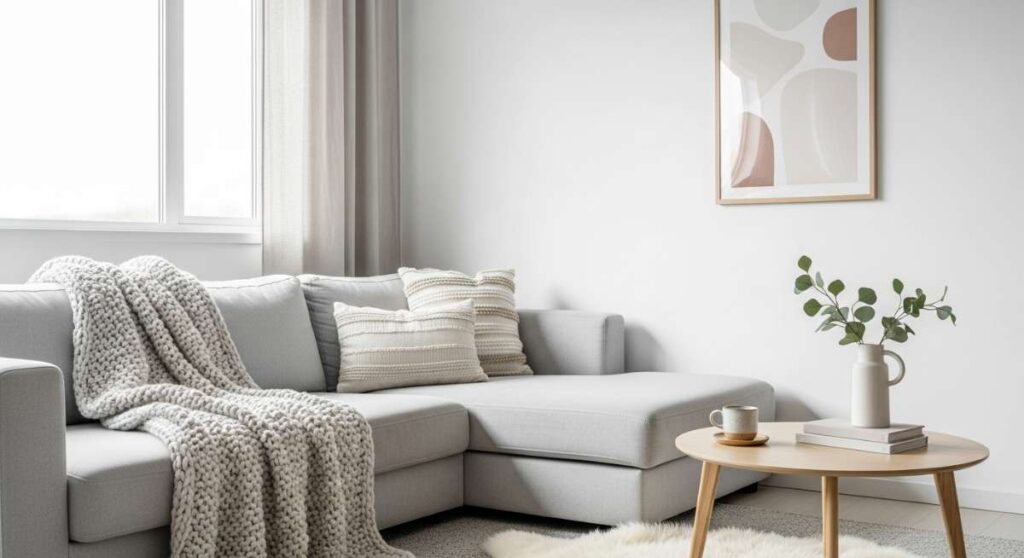
We’ve all been there: that moment you walk through your front door after a long, rainy day, craving nothing more than a space that hugs you back. But all too often, we’re met with clutter or a room that feels ‘stark’ rather than ‘simple.’ My journey into cozy minimalism started with a single linen pillow and a realization that a home doesn’t need more things to feel full—it just needs more intention.
Minimalism isn’t about living in a white box; it’s about curating a sanctuary where every object has a purpose and every corner invites a sigh of relief. Today, I’m sharing how to blend the sleek lines of minimalist design with the soul-warming comfort of Hygge. It’s about finding that sweet spot where the air feels lighter and your favorite oversized mug feels right at home on a reclaimed wood table.
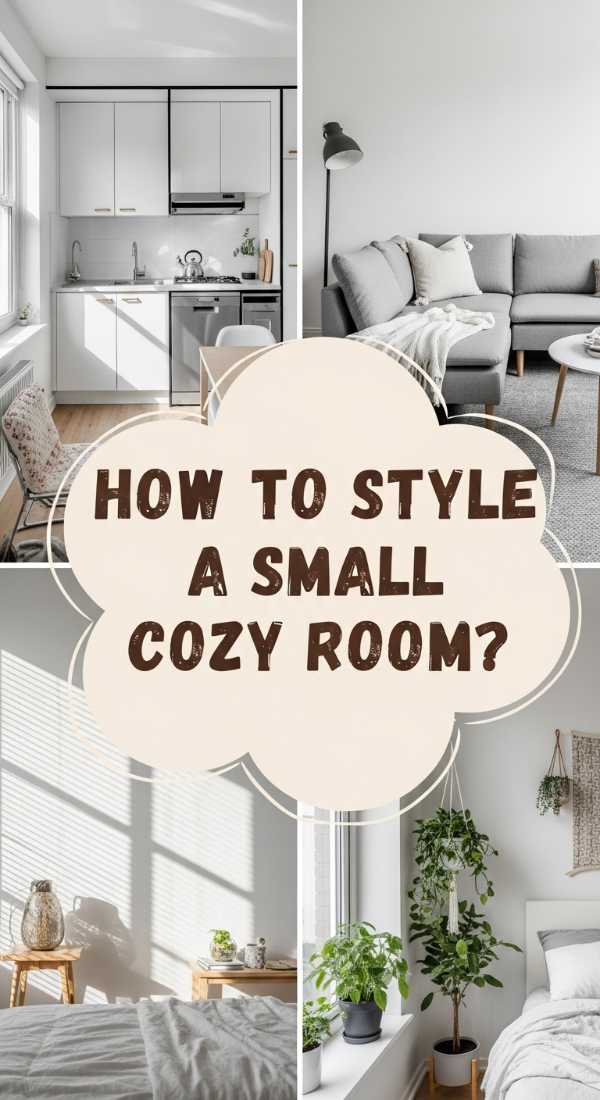
How to Style a Small Living Room for Ultimate Cozy Vibes
Why we love this
There is a unique magic in a small living room when it’s styled correctly—it feels like a warm embrace rather than a cramped box. We love this approach because it forces us to prioritize quality over quantity, focusing on the sensory delight of a buttery-soft velvet chair or the gentle flicker of a sandalwood candle. Imagine sinking into a space where the aroma of cedar fills the air and your toes meet a high-pile rug that feels like a cloud. It’s about maximizing intimacy without sacrificing the breathing room that minimalism provides.
Essential Elements:
- Multi-functional furniture (like an ottoman with storage).
- Sheer linen curtains to filter natural light.
- A single, oversized knit throw.
- Warm-toned ambient floor lamps.
- A curated selection of 2-3 coffee table books.
How to make it
- Prep the canvas: Start by clearing all surfaces. Remove any decor that doesn’t spark immediate peace. This is your ‘deglazing’ phase—stripping the room back to its essential ‘flavor.’
- Calibrate the ‘heat’: Use lighting to set the temperature. Swap out cool LEDs for warm, amber-toned bulbs (2700K). Aim for three points of light at different heights to eliminate harsh shadows.
- Simmer with texture: Layer your rug over a neutral jute base. The visual cue for ‘doneness’ is when the room feels grounded but still soft underfoot.
- The ‘Slow-Cook’ Finish: Add your soft goods. Drape the knit throw over the arm of a chair rather than folding it perfectly. You want it to look ‘inviting,’ not ‘untouched.’
How to Achieve a Cozy Minimalist Aesthetic for a Peaceful Home

Why we love this
The cozy minimalist aesthetic is the ultimate antidote to the chaotic modern world, offering a visual ‘hush’ that calms the nervous system the moment you enter. We love how this style balances the ‘cool’ of negative space with the ‘warmth’ of organic materials like wool, clay, and wood. It creates a rhythmic flow in the home where the eyes can rest, and the mind can wander without distraction. The feeling is crisp yet cuddly, like a fresh snowfall seen from the warmth of a heated sunroom.
Essential Elements:
- Neutral color palette (oatmeal, bone, and soft sage).
- Natural wood accents with visible grain.
- Handmade ceramic vases.
- Dried botanicals or fresh eucalyptus.
- Minimal wall art with thick, textured mats.
How to make it
- Establish the Base Note: Paint your walls in a ‘warm white’ or soft greige. This acts as your primary ingredient. Avoid ‘stark white,’ which can feel clinical.
- Infuse Organic Matter: Introduce wood elements. The ‘technique’ here is to mix wood tones sparingly—keep them within two shades of each other for a cohesive, ‘marinated’ look.
- Reduce the ‘Sauce’: Edit your shelves. If a shelf looks crowded, remove items until 30% of the shelf is empty space. This negative space is the ‘secret ingredient’ that allows the remaining items to shine.
- The Garnish: Place a single ceramic bowl on your entry table. It serves as a focal point that anchors the minimalist ‘doneness’ of the room.
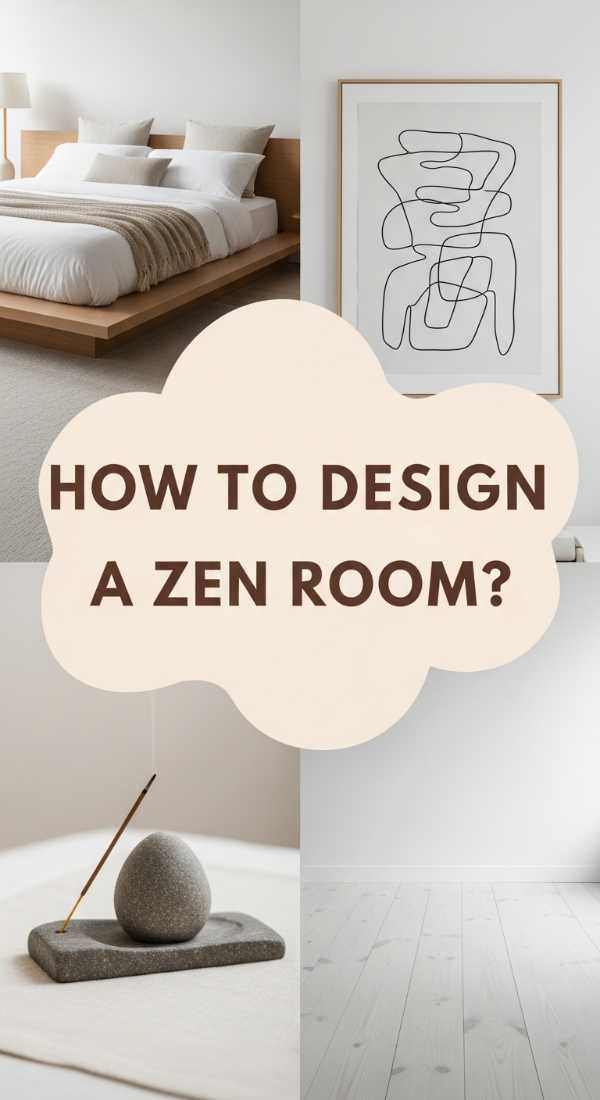
How to Design a Minimalist Room for Daily Zen
Why we love this
Designing for Zen is less about ‘decorating’ and more about ‘curating an experience’ of stillness. We love this because it transforms a bedroom or office from a place of work or sleep into a sanctuary of mindfulness. The sensory experience is guided by silence and soft tactile surfaces—the feel of cool cotton sheets or the smooth surface of a stone paperweight. It’s a space that smells faintly of lavender and feels like a deep, restorative breath, allowing your focus to sharpen and your stress to melt away.
Essential Elements:
- Low-profile platform bed or furniture.
- Hidden storage solutions to ‘tuck away’ visual noise.
- A dedicated meditation cushion or ergonomic chair.
- Soft-close drawers and tactile hardware.
- A single indoor plant (like a Snake Plant) for air purification.
How to make it
- Sanitize the Visual Palette: Clear all horizontal surfaces. Any item that creates ‘noise’ (electronics, loose papers) must be moved to hidden storage. This is the ‘mise en place’ of room design.
- Monitor the Airflow: Ensure furniture isn’t blocking natural pathways or vents. A ‘Zen’ room requires a ‘simmering’ flow of air and energy.
- Layer the Silence: Use heavy linen or blackout curtains to ‘insulate’ the room from external noise. The cue for completion is when the room feels noticeably quieter upon entry.
- Final Seasoning: Add one high-quality scent source, like an essential oil diffuser. Use only 2-3 drops to ensure the aroma is a subtle ‘aftertaste’ rather than an overpowering force.
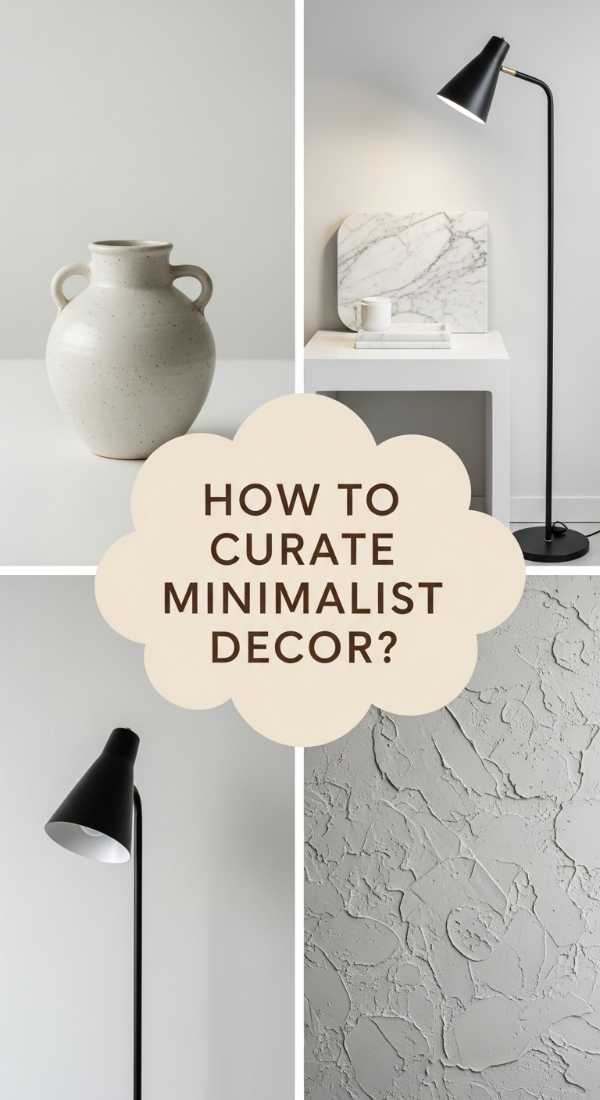
How to Curate Minimalist Room Decor for a Refined Space
Why we love this
Refinement in minimalism is about the ‘high-low’ mix—finding beauty in a simple glass carafe or a singular piece of architectural furniture. We love this because it elevates the everyday, making mundane moments like drinking water or hanging up a coat feel like a ritual. The space feels polished but never precious, featuring textures that invite touch, such as smooth marble or matte black steel. It’s a sophisticated look that whispers luxury rather than shouting it, creating a backdrop for a life well-lived.
Essential Elements:
- Architectural lighting fixtures.
- High-quality materials (linen, silk, stone).
- Symmetry in layout.
- Matte finishes over high-gloss.
- Personal items displayed with gallery-style spacing.
How to make it
- The Reduction Phase: Survey your current decor. Remove anything plastic or overly ‘trendy.’ You are looking for the ‘heart’ of your style—items that will age gracefully.
- Emulsify Textures: Pair a ‘cold’ material (like a marble tray) with a ‘warm’ one (like a wooden bowl). The visual cue for balance is when neither material dominates the other.
- Master the ‘Plating’: Arrange decor in ‘odd numbers’—usually groups of three. Vary the heights of the objects to create a dynamic visual ‘flavor.’
- Check the Consistency: Step back and view the room from the doorway. If your eye stops abruptly anywhere, adjust that area to ensure a smooth, continuous ‘pour’ of vision.
How to Optimize a Minimalist Living Room in Small Spaces
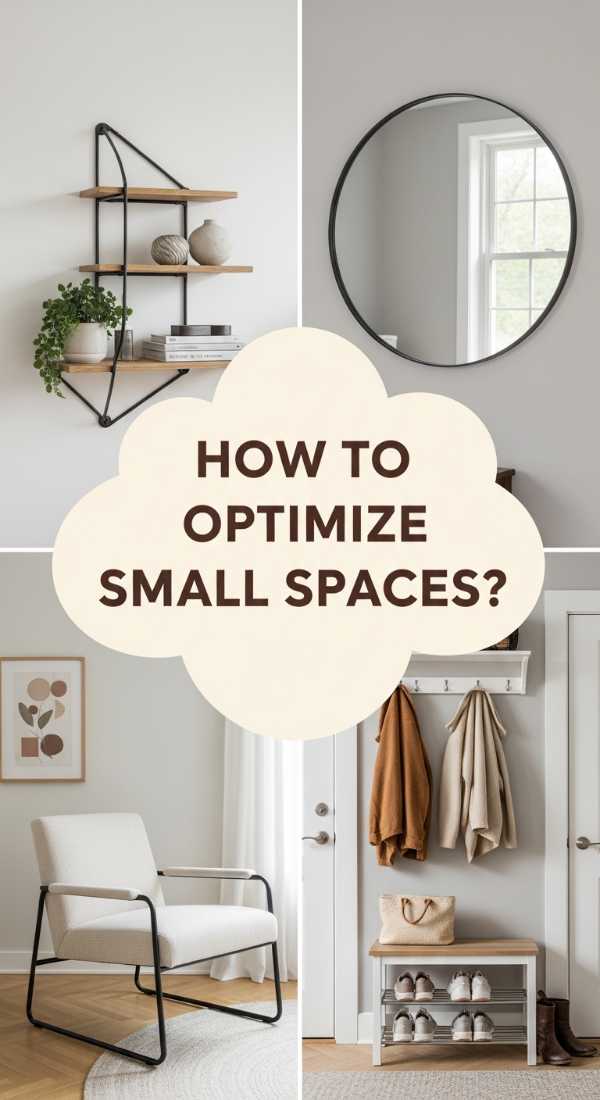
Why we love this
Optimizing a small space is like solving a beautiful puzzle; every inch is a precious commodity that serves your comfort. We love the cleverness of this approach—using mirrors to double the light and leggier furniture to keep the floor visible, which tricks the eye into seeing more space. It feels airy and bright, smelling of lemon polish and fresh air. It’s the feeling of total control over your environment, where everything is exactly where it needs to be for a seamless, cozy lifestyle.
Essential Elements:
- Acrylic or glass coffee tables (visual transparency).
- Wall-mounted shelving.
- Large-scale mirrors to ‘bounce’ light.
- Furniture with exposed legs.
- Light-colored rugs to expand the floor plane.
How to make it
- Sift the Layout: Pull furniture a few inches away from the walls. This ‘aerates’ the room and prevents it from feeling ‘stuffed.’
- Apply ‘Heat’ to the Vertical: Use wall space for storage and decor. Hang curtains higher than the window frame to ‘stretch’ the visual height of the room.
- Temper the Color: Stick to a monochromatic palette with varying shades of one color (e.g., all creams and beiges). This ‘thickens’ the aesthetic without adding clutter.
- Garnish with Reflection: Place a large mirror opposite your main light source. You’ll know you’ve hit the ‘boiling point’ of light when the room feels twice as bright.
How to Create a Minimalist Cozy Sanctuary for Relaxation
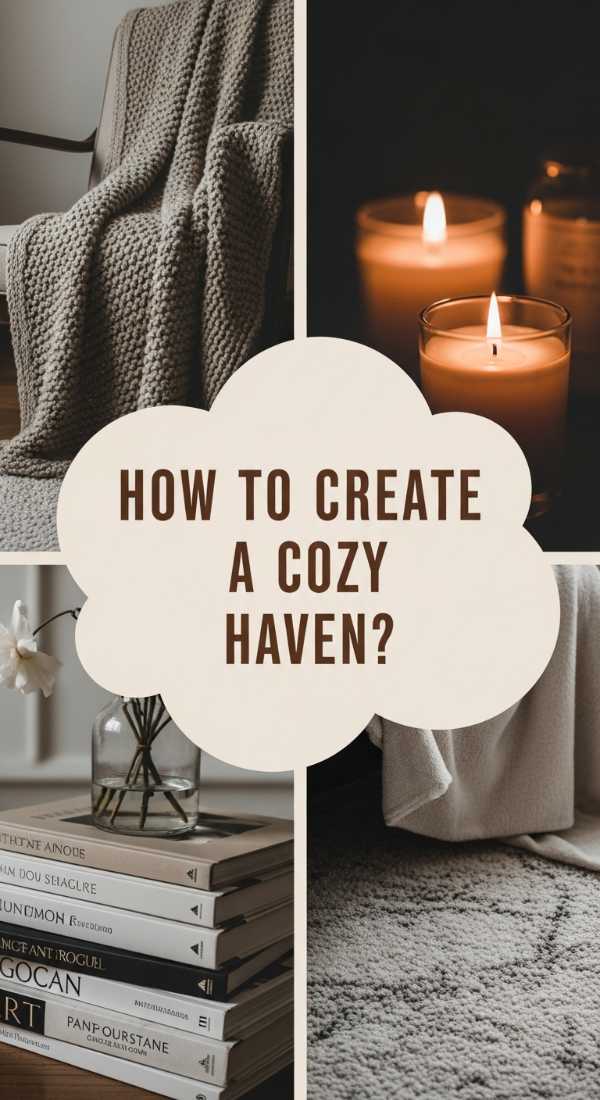
Why we love this
A relaxation sanctuary is the ultimate goal of the Hygge-minimalist hybrid—it’s a place where the world stops at the door. We love the ‘enveloping’ feel of this style, where soft textures are prioritized over everything else. Imagine the scent of chamomile tea and the weight of a weighted blanket as you sit in a perfectly decluttered corner. It’s a ‘reset button’ for your soul, providing a tactile experience that grounds you in the present moment while the minimalist aesthetic keeps your mind clear of ‘to-do’ lists.
Essential Elements:
- Floor pillows or an oversized lounge chair.
- Soft, dimmable ‘fairy’ lights or candles.
- A basket of soft wool socks or slippers.
- An acoustic element (like a small fountain or white noise machine).
- Zero electronic devices in the ‘sanctuary zone.’
How to make it
- Carve Out the Portion: Select one corner of a room specifically for this purpose. This is your ‘reduction’—focusing all your ‘cozy’ energy into one concentrated spot.
- Infuse with Softness: Layer the ‘bottom’ of your space with a thick rug or floor cushion. This creates a solid ‘base’ of comfort.
- Monitor the Mood: Use only low-level lighting. If you can see fine print easily, the ‘heat’ is too high. Dim the lights until the room glows like a dying ember.
- The Finishing Touch: Add a ‘sensory anchor’ like a single soft-textured pillow. You’ll know it’s ‘done’ when you feel an immediate drop in your heart rate upon sitting.
How to Master the Decor Minimalist Look for Your Apartment
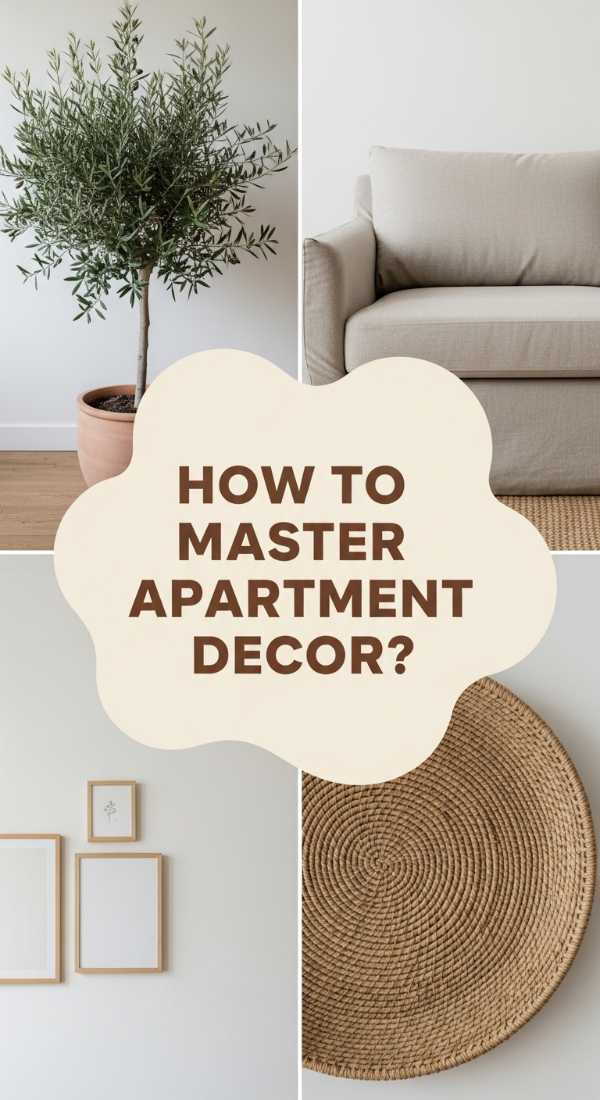
Why we love this
Apartment living often comes with restrictions, but the minimalist look turns those limitations into a design strength. We love how this style makes even a temporary space feel like a permanent, curated gallery. The sensory focus here is on ‘cleanliness’ and ‘freshness’—the smell of white tea and the sight of crisp lines against standard apartment walls. It’s about taking ‘rental beige’ and turning it into ‘minimalist chic’ through the use of high-impact, intentional pieces that travel easily and look stunning in any light.
Essential Elements:
- Removable ‘peel and stick’ textured wallpaper (neutral tones).
- Statement floor lamps.
- Large-scale art (instead of many small pieces).
- Uniform hangers and organizers for open closets.
- High-quality bedding in natural fabrics.
How to make it
- Prepare the Surface: Deep clean everything. A minimalist apartment requires a ‘pristine’ base. Focus on windows to maximize ‘natural heat’ (sunlight).
- Balance the ‘Bulk’: Use one ‘heavy’ piece of furniture (like a sofa) and balance it with ‘lighter’ decor. This prevents the apartment from feeling ‘top-heavy.’
- Sear the Style: Use black accents (picture frames, lamp bases) to ‘sear’ the edges of your design, giving the neutral palette definition and ‘flavor.’
- Visual Check: Walk through the apartment. If you feel ‘friction’ in any doorway or hall, move the ‘clutter’ until the flow is liquid-smooth.
How to Refresh Your Minimalist Home for a Seasonal Glow

Why we love this
Seasonal refreshing in a minimalist home isn’t about buying new bins of holiday decor; it’s about subtle shifts in texture and scent that reflect the world outside. We love this because it keeps the home feeling ‘alive’ and rhythmic. In summer, it’s the smell of citrus and light linen; in winter, it’s the aroma of cinnamon and heavy wool knits. It’s a way to celebrate the passage of time without accumulating ‘stuff,’ keeping your sanctuary fresh, vibrant, and perfectly in tune with the seasons.
Essential Elements:
- Seasonal greenery (pine in winter, peonies in spring).
- A rotating set of 2 throw pillow covers.
- Seasonal essential oil blends.
- Variation in candle scents (fresh to spicy).
- Swapping out lightweight throws for heavy quilts.
- Harvest the Old: Remove any decor that feels ‘out of season.’ This is your ‘trimming’ phase—getting rid of the ‘fat’ that no longer serves the current mood.
- Stir in the Season: Introduce one natural element from the current season. Use a visual cue—if it’s blooming outside, it should be ‘simmering’ inside.
- Adjust the ‘Weight’: Swap fabrics. Lighter ‘broths’ (linens) for warm months, heavier ‘stews’ (velvets/wools) for cold months.
- Final Taste Test: Sit in your favorite spot. If the room feels ‘aligned’ with the weather outside, your seasonal glow is perfectly ‘cooked.’
- Woven wall hangings or baskets.
- Linen, velvet, and leather pillows.
- Natural stone or unglazed ceramic accents.
- Sheepskin or faux-fur throws.
- Bouclé furniture fabrics.
- Layer the Ingredients: Start with your smoothest surfaces (walls/floors) and begin layering ‘rougher’ textures on top. This creates a ‘stack’ of sensory interest.
- Emulsify the Palette: Keep all textures in the same color family. This ‘blends’ the room together, ensuring the variety comes from ‘mouthfeel’ (touch) rather than sight.
- Check the ‘Crispness’: Use metal or glass to break up soft textures. The visual cue is a ‘pop’ of light reflecting off a hard surface amidst a sea of softness.
- The ‘Touch’ Test: Run your hand across the room. If every surface feels the same, ‘add spice’ by introducing a contrasting material like a nubby wool or a cool stone.
- Zero-clutter policy for flat surfaces.
- A single ‘hero’ piece of furniture per room.
- High-quality, intentional storage.
- Uniform color story throughout the home.
- Abundance of natural light.
- The Great Reduction: Sort every item into ‘Essential,’ ‘Joyful,’ or ‘Trash.’ This is the ‘heavy boil’—removing everything that doesn’t belong in the final ‘reduction.’
- Clarify the Flow: Arrange furniture to maximize open floor space. You want the ‘energy’ to move through the house without ‘clumping.’
- Season with Intent: Only bring back the ‘joyful’ items once the room is clean. Place them with ‘professional plating’—giving each item enough ‘plate’ (space) to be seen.
- Maintain the Simmer: The haven is ‘done’ when you can clean the entire room in under 5 minutes. If it takes longer, you still have too many ‘ingredients’ in the pot.
How to make it
How to Elevate a Room Decor Minimalist Style with Texture
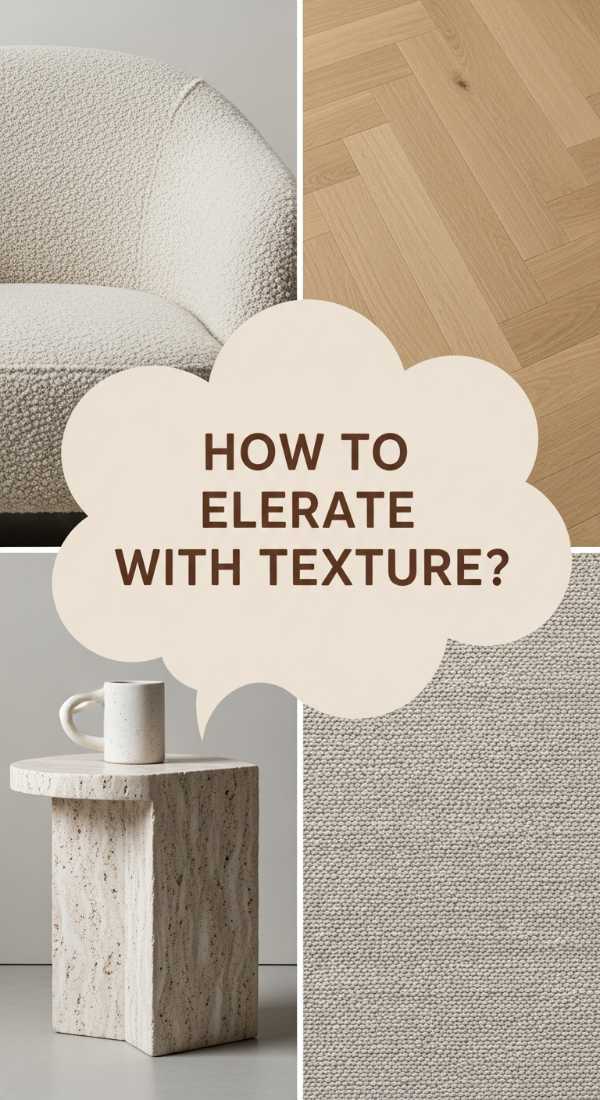
Why we love this
Texture is the ‘secret seasoning’ of minimalism—without it, the style can feel flat or ‘undercooked.’ We love how texture adds depth and soul to a monochromatic room, creating visual interest through touch rather than color. Think of the contrast between a rough-hewn stone vase and a silk cushion, or a chunky knit rug against a smooth hardwood floor. It’s a sensory feast for the eyes and the hands, making the space feel rich, layered, and incredibly expensive without needing a single vibrant hue.
Essential Elements:
How to make it
How to Transform Your Space into a Minimalist Haven
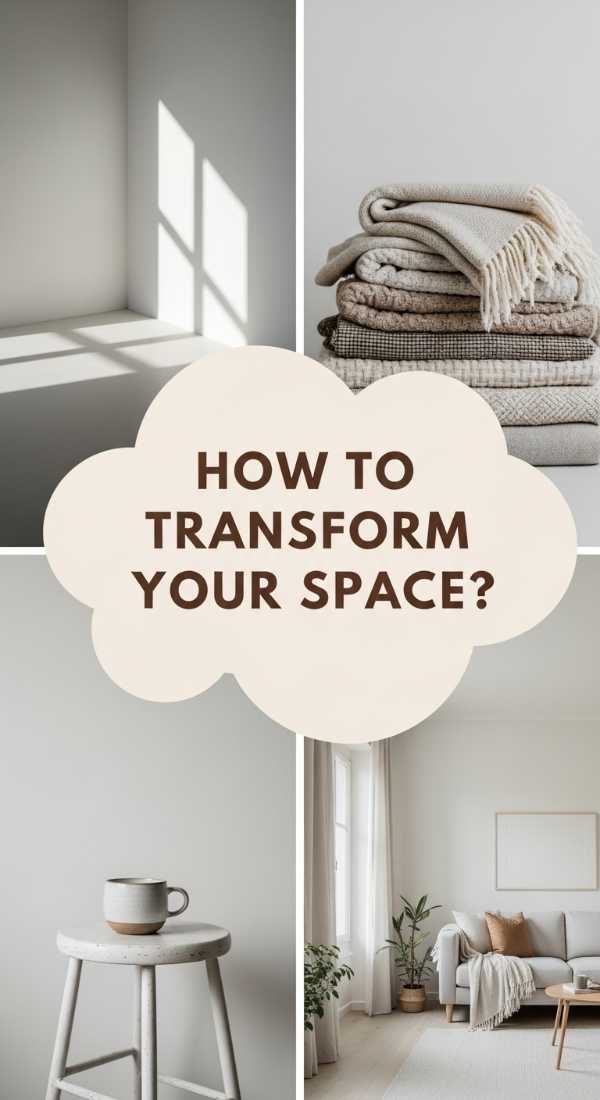
Why we love this
The transformation into a minimalist haven is a profound ‘lifestyle detox’ that clears the path for what truly matters. We love the clarity this brings—a sense of light and ‘newness’ that permeates every corner. The sensory experience is one of pure ‘openness,’ with the faint scent of lemon-water and the feeling of polished surfaces. It’s a haven that doesn’t just look good on Instagram; it feels good to exist in, providing a quiet background for your thoughts, your relationships, and your rest.
Essential Elements:
How to make it
Creating Your Own Minimalist Story
Minimalism isn’t a destination; it’s a way of moving through the world with lightness and grace. By blending the clean principles of minimalist design with the cozy, sensory-rich elements of Hygge, you create a home that doesn’t just look beautiful—it feels like a sanctuary. Remember, the goal isn’t to have the least, but to have the *best* of what makes you feel truly at home. Start small, breathe deep, and enjoy the peace you’ve created.